1. Search Result
Search Result
Results for "

p53-mutant

" in MedChemExpress (MCE) Product Catalog:

24

Inhibitors & Agonists

2

Natural
Products

2

Isotope-Labeled Compounds

1

Click Chemistry

Cat. No. Product Name Target Research Areas Chemical Structure
  • HY-B0282
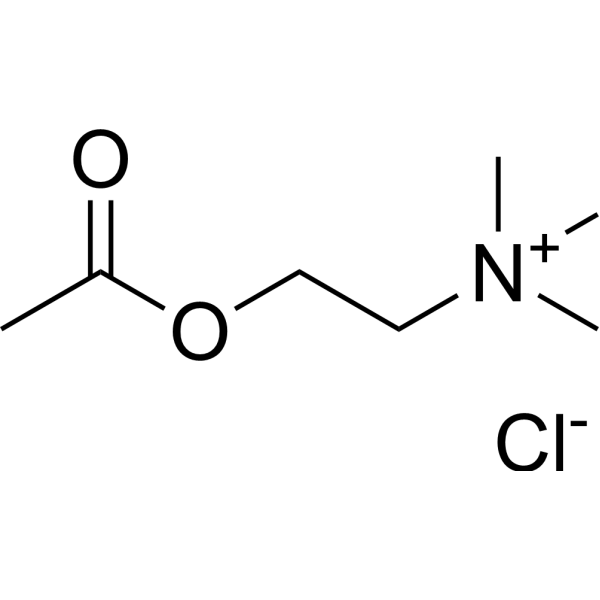
    Acetylcholine chloride
    20+ Cited Publications

    ACh chloride

    nAChR Calcium Channel Endogenous Metabolite Infection Neurological Disease Cancer
    Acetylcholine chloride (ACh chloride), a neurotransmitter, is a potent and BBB-permeable cholinergic agonist. Acetylcholine chloride is a modulator of the activity of dopaminergic (DAergic) neurons through the stimulation of nicotinic acetylcholine receptors (nAChRs) . Acetylcholine chloride inhibits p53 mutant peptide aggregation in vitro .
    Acetylcholine chloride
  • HY-B0282S

    ACh-d4 chloride

    nAChR Calcium Channel Endogenous Metabolite Neurological Disease Cancer
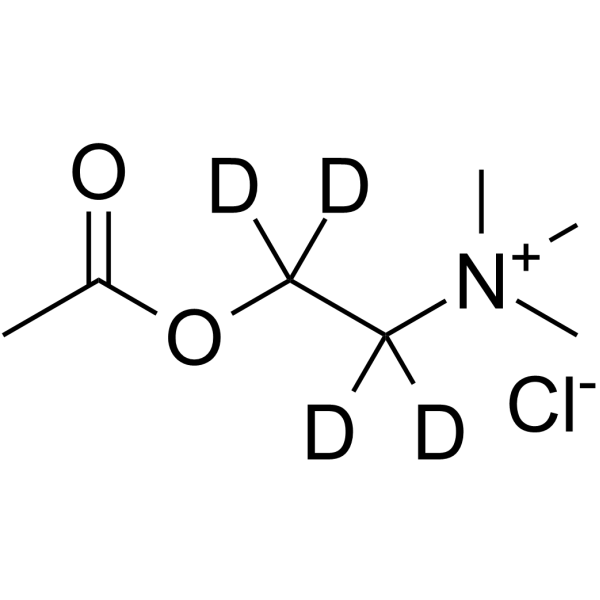
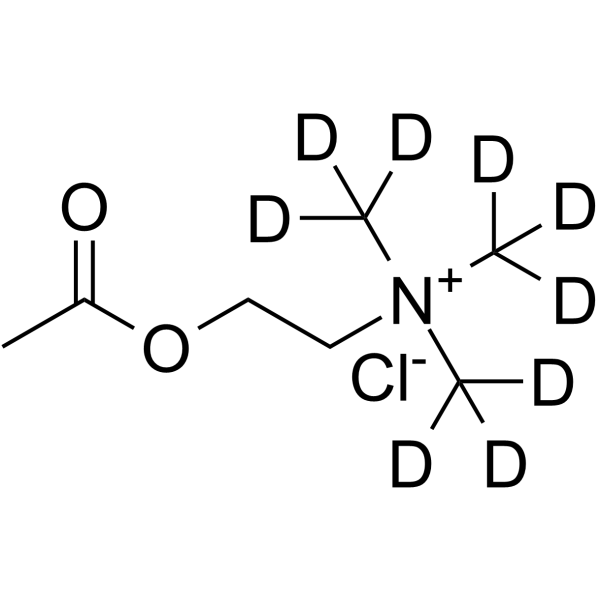
    Acetylcholine-d4 (chloride) is the deuterium labeled Acetylcholine chloride. Acetylcholine chloride (ACh chloride), a neurotransmitter, is a potent and BBB-permeable cholinergic agonist. Acetylcholine chloride is a modulator of the activity of dopaminergic (DAergic) neurons through the stimulation of nicotinic acetylcholine receptors (nAChRs) . Acetylcholine chloride inhibits p53 mutant peptide aggregation in vitro .
    Acetylcholine-d4 chloride
  • HY-19896
    COTI-2
    4 Publications Verification

    MDM-2/p53 Apoptosis Cancer
    COTI-2, an anti-cancer agent with low toxicity, is an orally available third generation activator of p53 mutant forms. COTI-2 acts both by reactivating mutant p53 and inhibiting the PI3K/AKT/mTOR pathway. COTI-2 induces apoptosis in multiple human tumor cell lines. COTI-2 exhibits antitumor activity in HNSCC through p53-dependent and -independent mechanisms. COTI-2 converts mutant p53 to wild-type conformation .
    COTI-2
  • HY-112780
    UC2288
    5+ Cited Publications

    MDM-2/p53 Apoptosis Cancer
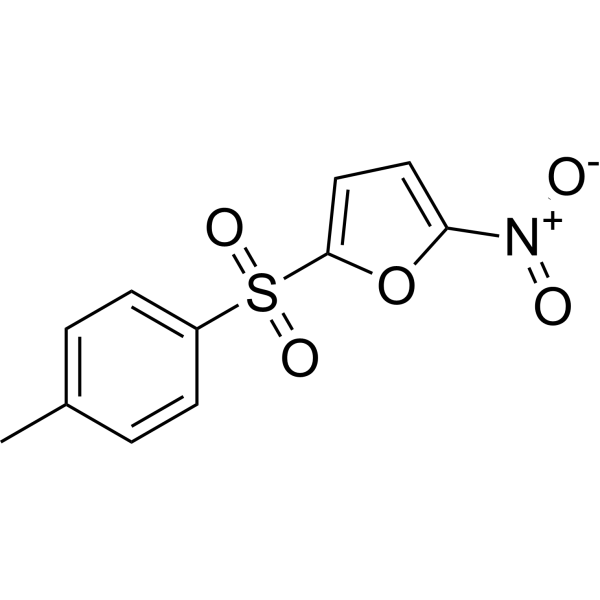
    UC2288 is a potent and orally active p21 attenuator (relatively selective activity for p21), which is synthesized based Sorafenib (HY-10201). UC2288 potently inhibits cancer cell growth by inducing apoptosis. UC2288 has no inhibition of VEGFR2 and Raf kinases even at 10 μM .
    UC2288
  • HY-13811
    NSC697923
    5+ Cited Publications

    E1/E2/E3 Enzyme Apoptosis Cancer
    NSC697923 is a potent UBE2N (ubiquitin-conjugating enzyme E2 N, Ubc13) inhibitor. NSC697923 induces neuroblastoma (NB) cell death via promoting nuclear importation of p53 in p53 wild-type NB cells. NSC697923 also induces cell death in p53 mutant NB cells by activation of JNK-mediated apoptotic pathway. NSC697923 inhibits DNA damage and NF-κB signaling. Antitumor activity .
    NSC697923
  • HY-148416
    p53 Activator 7
    1 Publications Verification

    MDM-2/p53 Cancer
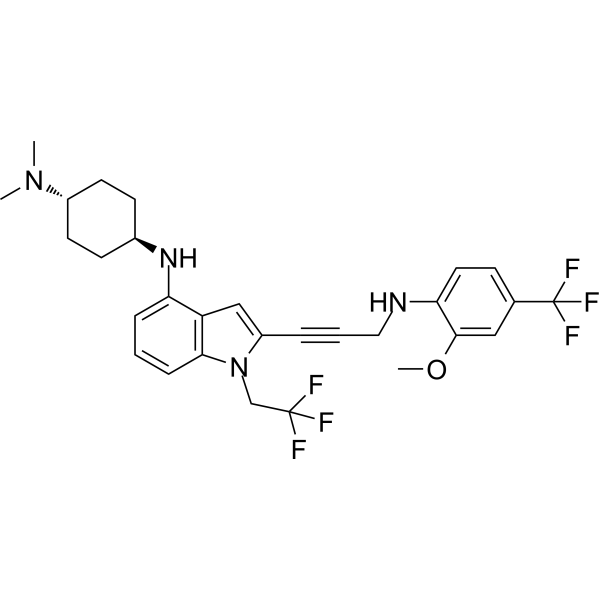
    p53 Activator 7 is a p53 mutation Y220C (MDM-2/p53) activator with an EC50 of 104 nM. p53 Activator 7 can bind to p53 mutant and restore its ability to bind DNA (WO2022213975A1; Example B-1) . p53 Activator 7 is a click chemistry reagent, it contains an Alkyne group and can undergo copper-catalyzed azide-alkyne cycloaddition (CuAAc) with molecules containing Azide groups.
    p53 Activator 7
  • HY-108637
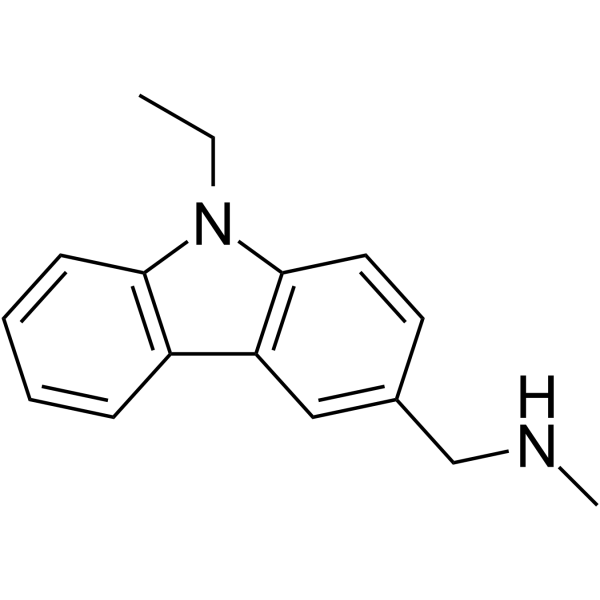
    PhiKan 083
    1 Publications Verification

    MDM-2/p53 Cancer
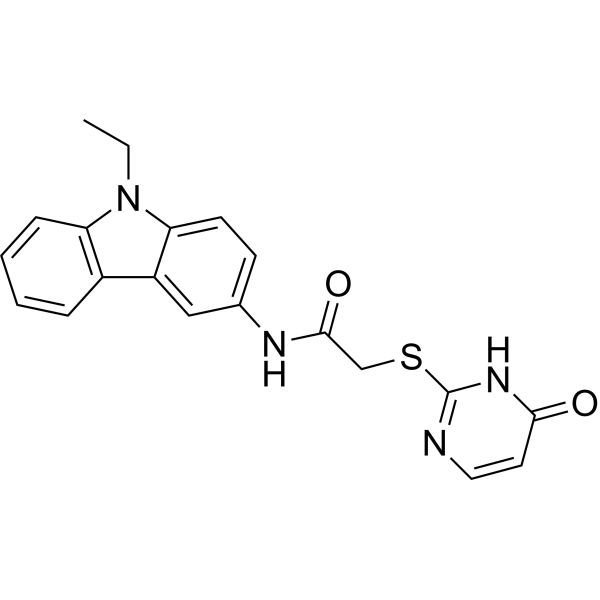
    PhiKan 083 is a carbazole derivative, which binds to the surface cavity and stabilizes Y220C (a p53 mutant), with a Kd of 167 μM. PhiKan 083 can be used for cancer research .
    PhiKan 083
  • HY-B0282S1

    ACh-d9 chloride

    nAChR Calcium Channel Endogenous Metabolite Neurological Disease Cancer
    Acetylcholine-d9 (chloride) is the deuterium labeled Acetylcholine chloride. Acetylcholine chloride (ACh chloride), a neurotransmitter, is a potent and BBB-permeable cholinergic agonist. Acetylcholine chloride is a modulator of the activity of dopaminergic (DAergic) neurons through the stimulation of nicotinic acetylcholine receptors (nAChRs) . Acetylcholine chloride inhibits p53 mutant peptide aggregation in vitro .
    Acetylcholine-d9 chloride
  • HY-130122
    MG-277
    1 Publications Verification

    Molecular Glues PROTACs Apoptosis Cancer
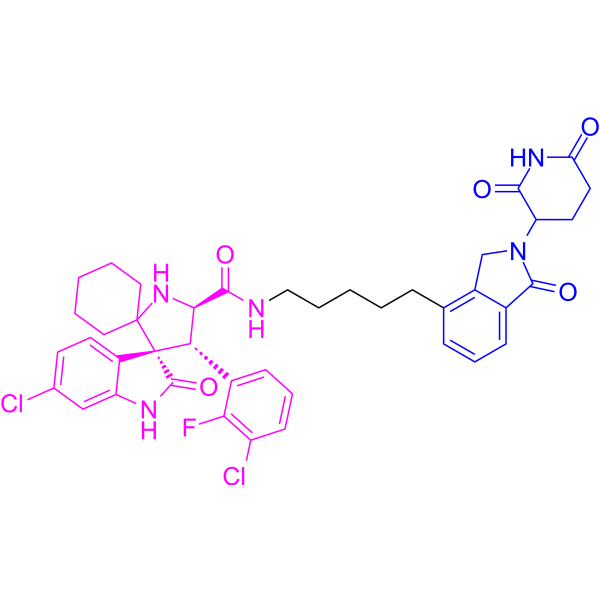
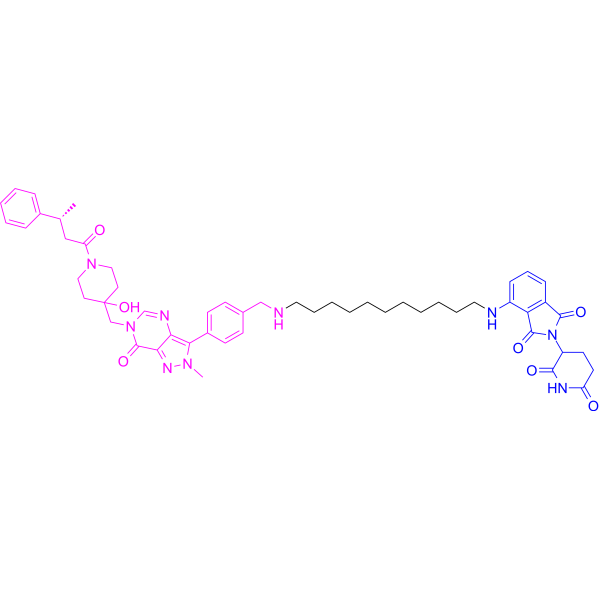
    MG-277, a molecular glue degrader, effectively induces degradation of a translation termination factor based on Cereblon E3 ligand, GSPT1, with a DC50 of 1.3 nM. MG-277 potently inhibits tumor cell growth in a p53-independent manner, with IC50s of 3.5 nM for RS4;11 cells and 3.4 nM for p53 mutant RS4;11/IRMI-2 cells, respectively. Anticancer activity .
    MG-277
  • HY-136910

    USP7-IN-7

    Deubiquitinase MDM-2/p53 Cancer
    USP7-797 (USP7-IN-7) is an orally available, selective USP7 inhibitor (IC50=0.5 nmol/L) with antitumor activity. USP7-797 reduces the level of MDM2, thereby increasing the stability and activity of p53, leading to cell cycle arrest and apoptosis. USP7-797 has low nanomolar cytotoxicity against p53 mutant cancer cell lines, p53 wild-type hematological tumors, and neuroblastoma cell lines .
    USP7-797
  • HY-B0282R

    ACh chloride (Standard)

    Reference Standards nAChR Calcium Channel Endogenous Metabolite Neurological Disease Cancer
    Acetylcholine (chloride) (Standard) is the analytical standard of Acetylcholine (chloride). This product is intended for research and analytical applications. Acetylcholine chloride (ACh chloride), a neurotransmitter, is a potent and BBB-permeable cholinergic agonist. Acetylcholine chloride is a modulator of the activity of dopaminergic (DAergic) neurons through the stimulation of nicotinic acetylcholine receptors (nAChRs) . Acetylcholine chloride inhibits p53 mutant peptide aggregation in vitro .
    Acetylcholine chloride (Standard)
  • HY-159493

    Polo-like Kinase (PLK) Cancer
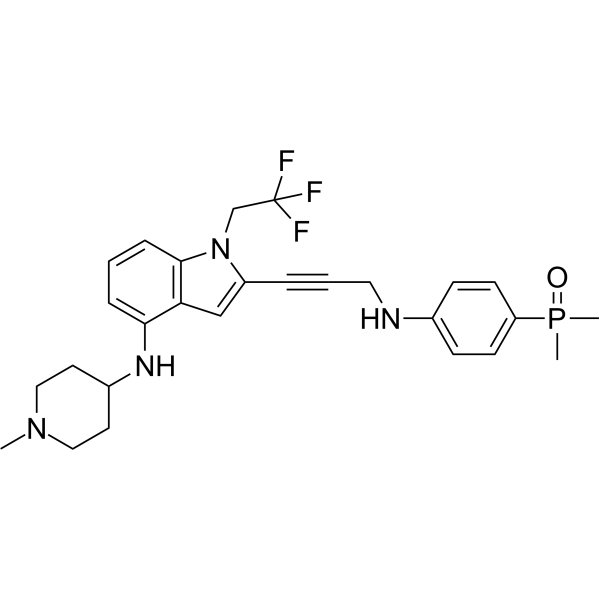
    BI2536-PEG2-Halo is a bifunctional molecule containing a ligand for Halo tag and a Polo-like kinase 1 (PLK1) inhibitor BI-2536 (HY-50698). BI2536-PEG2-Halo inhibits the proliferation of 293T cells with Halo-p53R273H(FL)-mCherry tag (IC50=23 nM), exhibits selective toxicity against p53 mutant cancer cells .
    BI2536-PEG2-Halo
  • HY-153767

    MDM-2/p53 Cancer
    PK095 is a p53 mutant stabilizer. PK095 can be used for research of cancer .
    PK095
  • HY-148404

    MDM-2/p53 Cancer
    p53 Activator 5 (compound 134A) is a potent p53 activator with a SC150 value of <0.05 mM. p53 Activator 5 can bind to mutant p53 and restore the ability of the p53 mutant to bind DNA. p53 Activator 5 shows anti-tumor activity . p53 Activator 5 is a click chemistry reagent, it contains an Alkyne group and can undergo copper-catalyzed azide-alkyne cycloaddition (CuAAc) with molecules containing Azide groups.
    p53 Activator 5
  • HY-124070

    MDM-2/p53 Cancer
    ISA 27 is a small-molecule MDM2-p53 protein-protein interaction inhibitor. ISA 27 inhibits MDM2-mediated p53 ubiquitination and degradation. ISA 27 is promising for research of p53-mutant solid tumors (e.g., thyroid, breast cancer) .
    ISA 27
  • HY-112347

    Checkpoint Kinase (Chk) Cancer
    Isogranulatimide is a selective checkpoint kinase 1 (Chk1) inhibitor with an IC50 value of 0.1 μM. Isogranulatimide inhibits the G2/M checkpoint and inhibits the growth of p53-mutant tumor cells. Isogranulatimide is promising for research of tumors associated with DNA damage response .
    Isogranulatimide
  • HY-108637A
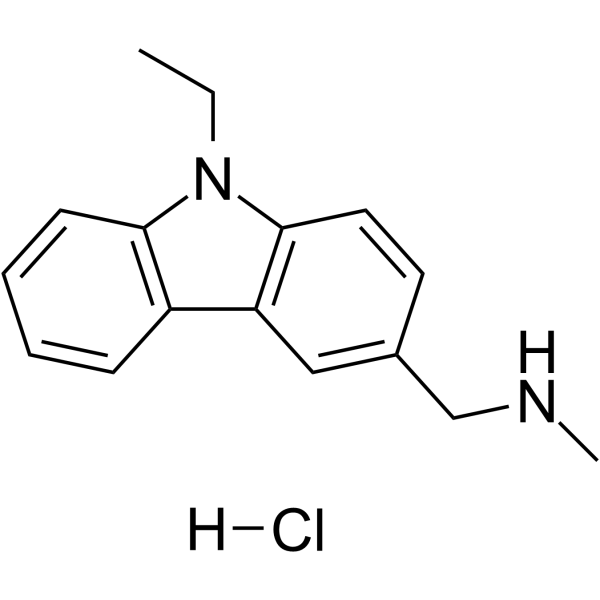
    PhiKan 083 hydrochloride
    1 Publications Verification

    MDM-2/p53 Cancer
    PhiKan 083 hydrochloride is a carbazole derivative, which binds to the surface cavity and stabilizes Y220C (a p53 mutant), with a Kd of 167 μM , and a relative binding affinity (Kd) of 150 μM in Ln229 cells .
    PhiKan 083 hydrochloride
  • HY-186101

    MDM-2/p53 Cancer
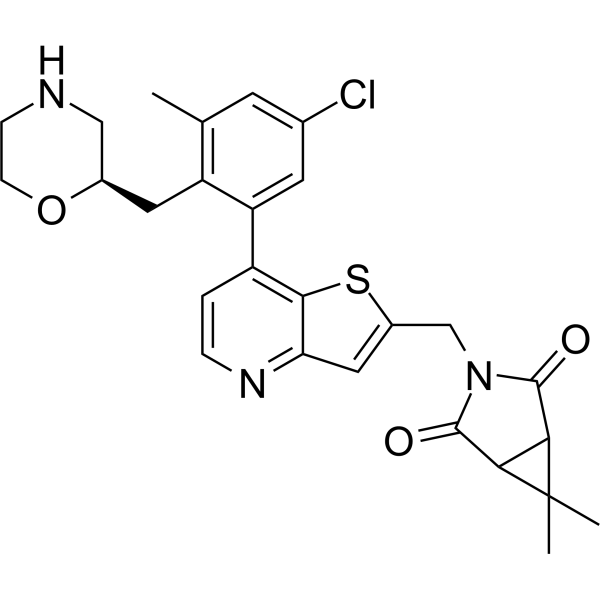
    P53 mutant stabilizer-1 (compound 274) is a covalent mutant p53 stabilizer. P53 mutant stabilizer-1 can be used for the study of wild-type function of p53 mutants, such as cancers associated with p53 mutation .
    P53 mutant stabilizer-1
  • HY-158151

    MDM-2/p53 Cancer
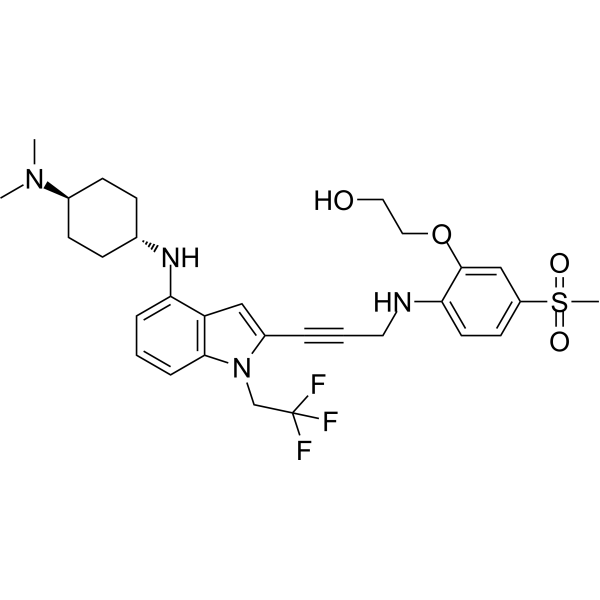
    p53 Activator 12 (compound 510B) is a potent p53 activator. p53 Activator 12 binds to mutant p53 and restores the ability of the p53 mutant to bind DNA .
    p53 Activator 12
  • HY-148402

    MDM-2/p53 Cancer
    p53 Activator 3 (compound 87A) is a potent p53 activator with a SC150 value of <0.05 mM. p53 Activator 3 can bind to mutant p53 and restore the ability of the p53 mutant to bind DNA. p53 Activator 3 shows anti-tumor activity . p53 Activator 3 is a click chemistry reagent, it contains an Alkyne group and can undergo copper-catalyzed azide-alkyne cycloaddition (CuAAc) with molecules containing Azide groups.
    p53 Activator 3
  • HY-183622

    MDM-2/p53 Cancer
    UCI-1014 is a mutant p53 (p53 R175H) corrector/reactivator. UCI-1014 restores the wild-type-like DNA-binding activity of p53 R175H, promotes the redistribution of the mutant protein to chromatin, and induces the expression of p53-dependent target genes. UCI-1014 inhibits the proliferation of p53 R175H-mutant cancer cells through an SLC7A11-independent mechanism. UCI-1014 can be used for research related to p53-mutant cancers .
    UCI-1014
  • HY-108637R

    Reference Standards MDM-2/p53 Cancer
    PhiKan 083 (Standard) is the analytical standard of PhiKan 083 (HY-108637). This product is intended for research and analytical applications. PhiKan 083 is a carbazole derivative, which binds to the surface cavity and stabilizes Y220C (a p53 mutant), with a Kd of 167 μM. PhiKan 083 can be used for cancer research .
    PhiKan 083 (Standard)
  • HY-165381

    MDM-2/p53 Cancer
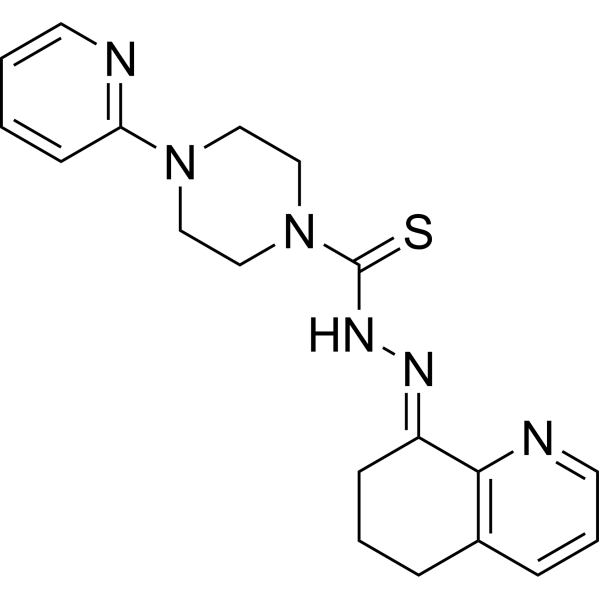
    ZMC2 is a thiosemicarbazone-class metal ion chelator and zinc ionophore with a human mutant p53 R175H binding Ka of 27.4 nM.ZMC2 binds Fe, Cu, Mn, Zn, and other transition metals.ZMC2 facilitates zinc transport across membranes.ZMC2 restores zinc binding to zinc-deficient p53 mutants, restoring wild-type structure and function, including site-specific DNA binding.ZMC2 generates reactive oxygen species (ROS).ZMC2 can be used for the research of cancer .
    ZMC2
  • HY-179506

    MDM-2/p53 Apoptosis Cancer
    P53 Activator 16 (Compound JC16) is a p53 activator. P53 Activator 16 exhibits selective cytotoxicity and pro-apoptotic (apoptosis) activity towards p53-Y220C mutant cancer cells, while having little effect on wild-type or P53-deficient cells. P53 Activator 16 induces the conformational transition of cell p53-Y220C from the mutant form to the wild-type form, accompanied by the transcriptional activation of p53 target genes, without increasing the overall level of p53 protein. P53 Activator 16 can be used for the study of p53 mutant cancers .
    p53 Activator 16

Inquiry Online

Your information is safe with us. * Required Fields.

Salutation


Country or Region *

Applicant Name *


Organization Name *

Department *


Email Address *


Product Name *

Cat. No.


Requested quantity *

Phone Number *


Remarks

Inquiry Online

Inquiry Information

Product Name:
Cat. No.:
Quantity:
MCE Japan Authorized Agent:

