41 Results for "

pH-indicator

" in MedChemExpress (MCE) Product Catalog:
Products (41)

41 Results for "pH-indicator" in MCE Product Catalog:

2
2 Cited Publications
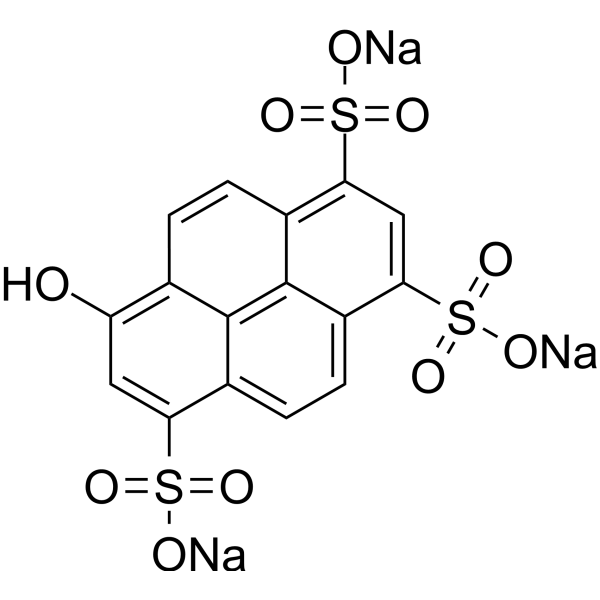
Cat. No.: HY-D0023
CAS No.: 6358-69-6
Synonyms: HPTS; Solvent Green 7
Pyranine (HPTS; Solvent Green 7) is a cell-impermeant pH-sensitive fluorescent indicator. Pyranine acts as a class of fluorescent chemosensor for the Cu + ion. Pyranine is used as a coloring agent, biological stain, optical detecting reagent, and pH indicator (Ex/Em = 450/510 nm) .
loading...
    loading...
1
1 Cited Publications
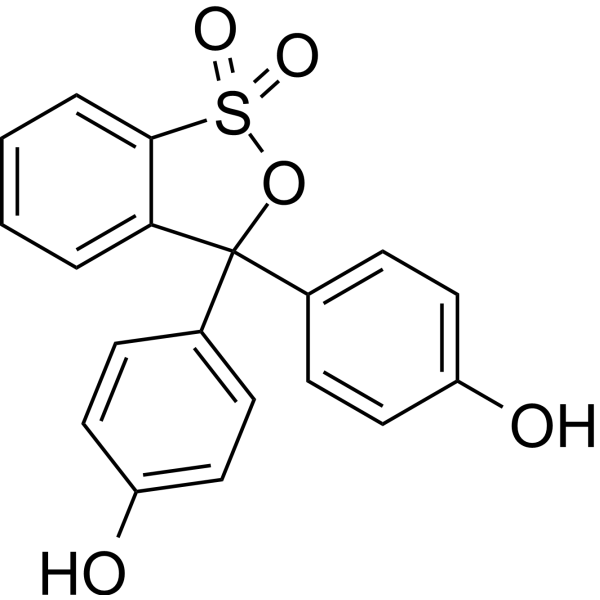
Cat. No.: HY-D0169
CAS No.: 143-74-8
Synonyms: pHenolsulfonepHthalein
Phenol red (Phenolsulfonephthalein) is a pH indicator dye, relying on a distinct color change from pink to yellow in case of a positive reaction .
loading...
    loading...
1
1 Cited Publications
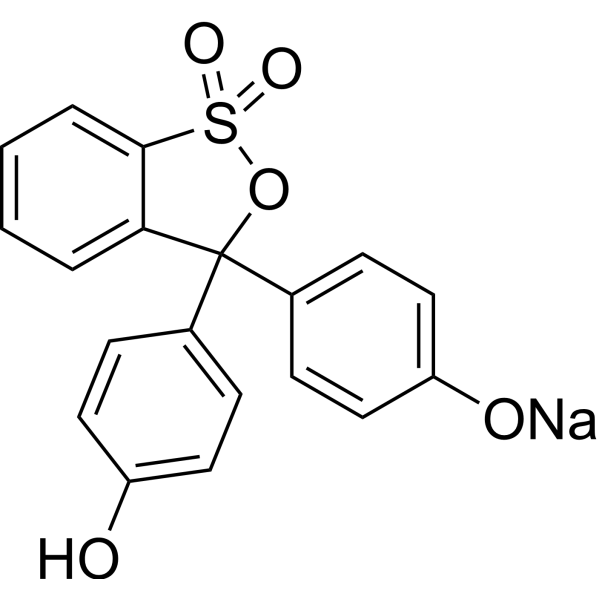
Cat. No.: HY-D0169A
CAS No.: 34487-61-1
Synonyms: pHenolsulfonepHthalein sodium salt
Phenol red (Phenolsulfonephthalein) sodium salt is a pH indicator dye. Phenol Red sodium salt is also an antagonist of rat P2X1R. Phenol Red sodium salt enhances the halogenating activity of myeloperoxidase. Phenol Red sodium salt shows a distinct color change from pink to yellow in a positive pH reaction .
loading...
    loading...
1
1 Cited Publications
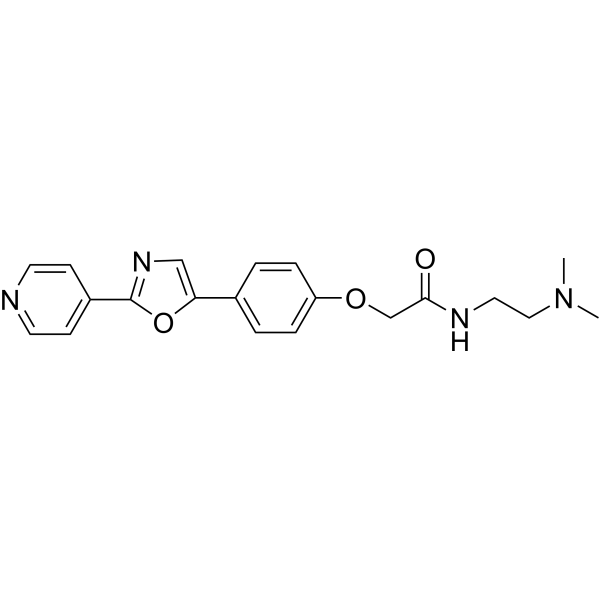
Cat. No.: HY-D1445
PDMPO, a lysosome pH indicator, is an excellent fluorescent acidotropic reagent for fluorescence imaging. PDMPO is a potent tool with which to study acidic organelles of live cells. PDMPO exhibits pH-dependent dual-excitation and dual-emission spectral peaks. PDMPO produces a blue fluorescence in weakly acidic organelles and shifts to yellow in more acidic lysosomes. (Abs=329 nm; Em=440/540 nm) .
loading...
    loading...
1
1 Cited Publications
Cat. No.: HY-D0011
CAS No.: 62625-28-9
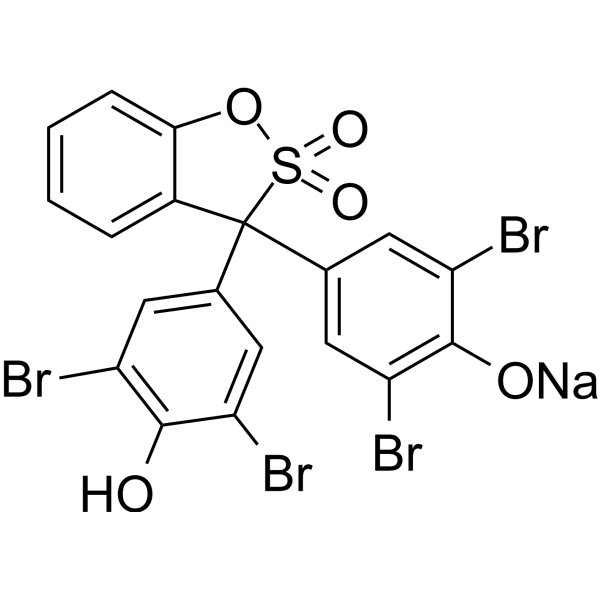
Bromophenol blue sodium is a pH indicator. It changes from yellow at pH 3.0 to blue at pH 4.6. Bromophenol blue sodium is also used as a tracking dye to monitor the process of agarose gel electrophoresis and polyacrylamide gel electrophoresis .
loading...
    loading...
Cat. No.: HY-D0166
CAS No.: 553-24-2
Neutral Red, a nitrogenous pH-indicator with a pKi of 6.8, is an indicator for the internal acidification of thylakoids. Neutral Red stains lysosomes red .
loading...
    loading...
Cat. No.: HY-133527
CAS No.: 198139-51-4
Purity:  95.08%
Synonyms: Oregon green 488 succinimidyl ester
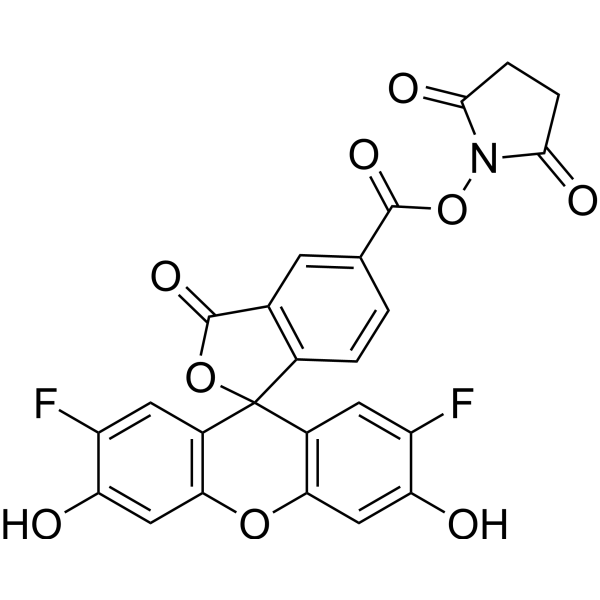
OG 488, SE (Oregon green 488 succinimidyl ester), a fluorescent pH indicator, has many applications in biochemistry and neurosciences .
loading...
    loading...
Cat. No.: HY-B1571
CAS No.: 115-39-9
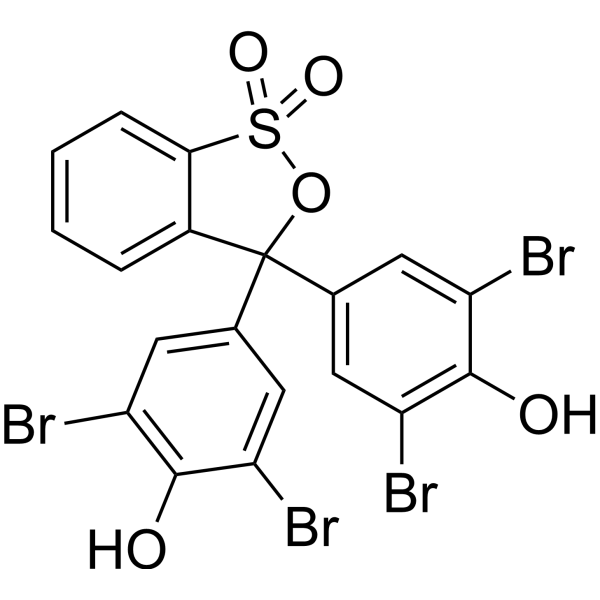
Bromophenol blue is an acid phthalein dye, and it is used as a tracking dye for electrophoresis. Bromophenol blue is also used as a pH indicator, with a transition range of pH 3 to 4.6. Bromophenol blue is used as a sensor for the determination of several compounds including ammonia, drugs, proteins and amino acids. The binding of Bromophenol blue to proteins is accompanied by the appearance of a strong absorbance at 610 nm .
loading...
    loading...
Cat. No.: HY-D0012
CAS No.: 76-59-5
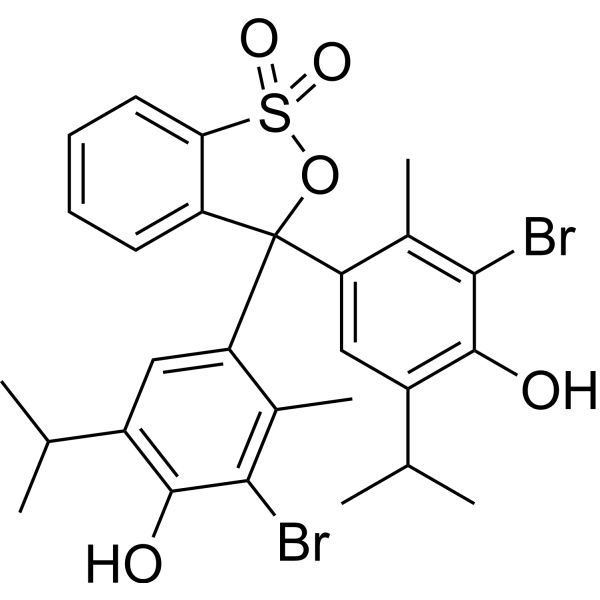
Bromothymol Blue is a pH indicator.
loading...
    loading...
Cat. No.: HY-W040144
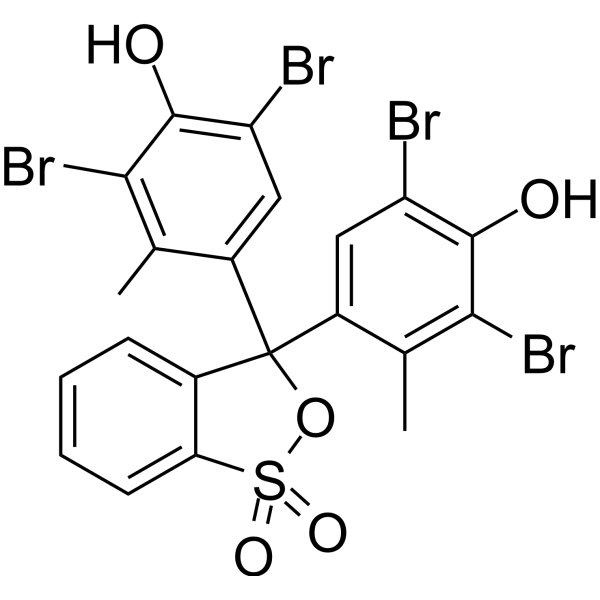
CAS No.: 76-60-8
Bromocresol green is a pH-sensitive triphenylmethane dye commonly used for the determination of protein and albumin in serum. Bromocresol green is a bio-based dye with a yellow-green to blue-green color. Bromocresol green turns yellow (λmax=435 nm, protonated form) when placed in acidic solution (e.g. pH=4.15), and turns blue in basic solution (λmax=615 nm, deprotonated form). Bromocresol green is widely used as a pH indicator in the field of biochemical analysis. In addition, Bromocresol green is also used to detect the concentration of molecules such as creatinine, and to judge the viability of cells .
loading...
    loading...
Cat. No.: HY-D0219
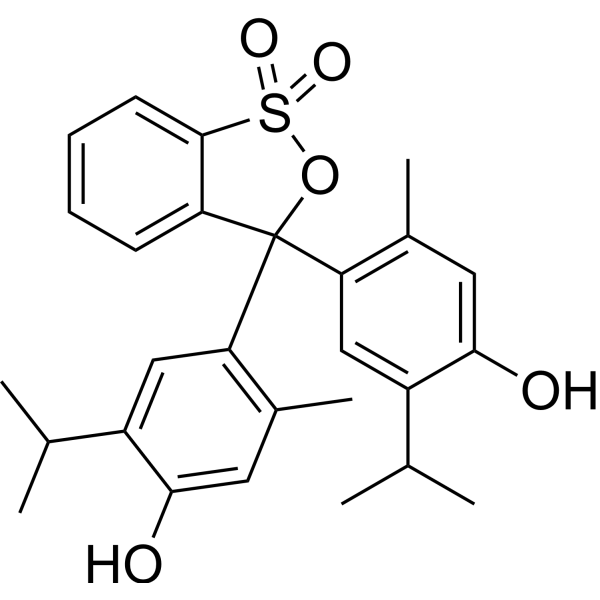
CAS No.: 76-61-9
Synonyms: ThymolsulpHonepHthalein
Thymol blue is a reversible pH indicator that responds to the pH of the solution through structural changes of protonation and deprotonation. Thymol blue is red (HI - form) under acidic conditions and blue (I 2- form) under alkaline conditions. Quantitative detection is achieved through the absorption peak shift (435 nm/596 nm) of the UV-visible spectrum. Thymol blue selectively responds to pH changes, changing from red to yellow at pH 1.2-2.8 and from yellow to blue at pH 8.0-9.6. Thymol blue can be fixed in a silica gel matrix through sol-gel technology to form a solid-state sensor for in-situ pH measurement in the marine environment and acid-base monitoring in the biomedical field[1][2].
loading...
    loading...
Cat. No.: HY-125457
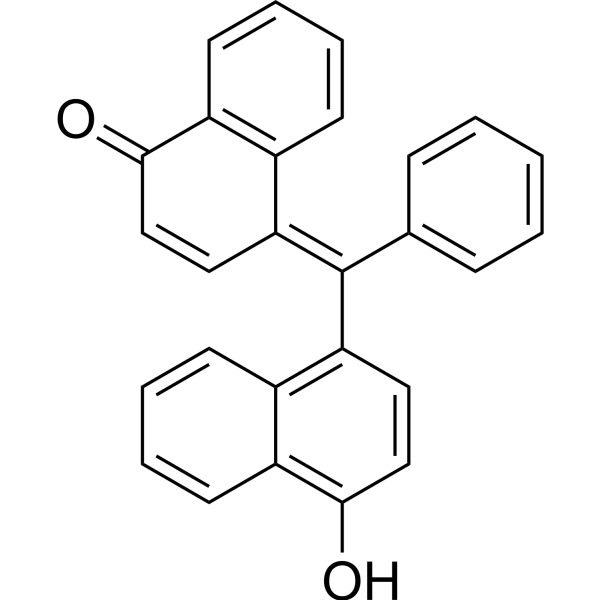
CAS No.: 145-50-6
Synonyms: p-NapHtolbenzein
α-Naphtholbenzein (p-Naphtolbenzein) is a dye. α-Naphtholbenzein can be used as a pH indicator. α-Naphtholbenzein is commonly used in experiments such as acid-base neutralization reactions, titration, and pH measurement .
loading...
    loading...
Cat. No.: HY-W087928
CAS No.: 115-40-2
Bromocresol purple is a pH indicator, whose color changes from yellow to purple when the pH increases from 5.2 to 6.8. Bromocresol purple can be used for detecting yeast cells with plasma membrane damage and measuring serum albumin concentrations .
loading...
    loading...
Cat. No.: HY-128369
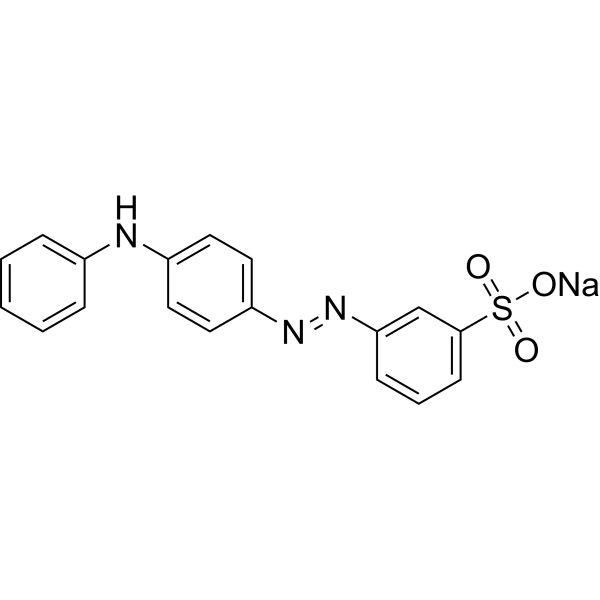
CAS No.: 587-98-4
Purity:  ≥85.0%
Synonyms: Metanil Yellow
Acid Yellow 36 (Metanil Yellow) is an azo dye and a pH indicator. Acid Yellow 36 changes its color from red at pH 1.2 to yellow at pH 2.3. Acid Yellow 36 is used in the leather, paper and textile industries. Acid Yellow 36 acts as a bifunctional inducer of specific isozymes of P-450 and cytosolic enzymes .
loading...
    loading...
Cat. No.: HY-D0142
CAS No.: 59572-10-0
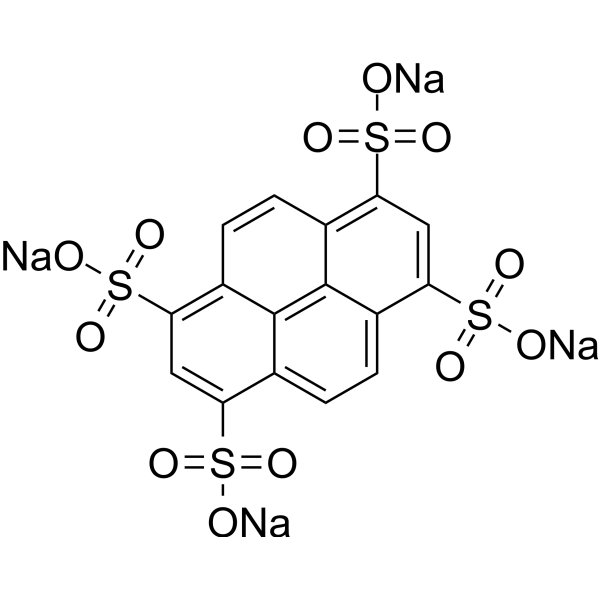
Pyrene-1,3,6,8-tetrasulfonic acid tetrasodium is a fluorescent dye and pH indicator, also as a ligand of multifunctional metal-organic framework. Pyrene-1,3,6,8-tetrasulfonic acid tetrasodium has been used to detect CO2 release. Pyrene-1,3,6,8-tetrasulfonic acid tetrasodium acts as a water-soluble fluorescent dye for fluorescence quenching assays monitoring gramicidin ion-channel activity . Ex/Em = 396/404 nm.
loading...
    loading...
Cat. No.: HY-D0112
CAS No.: 6950-82-9
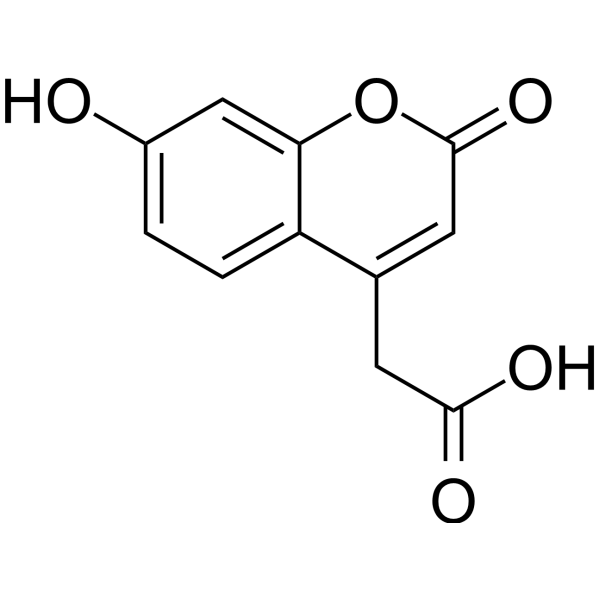
7-Hydroxycoumarin-4-acetic acid, a pH-indicator dye, is covalently bound to bovine serum albumin (BSA) at the positions of reactive amino groups (λmax=326 nm) .
loading...
    loading...
Cat. No.: HY-D1401
CAS No.: 195136-52-8
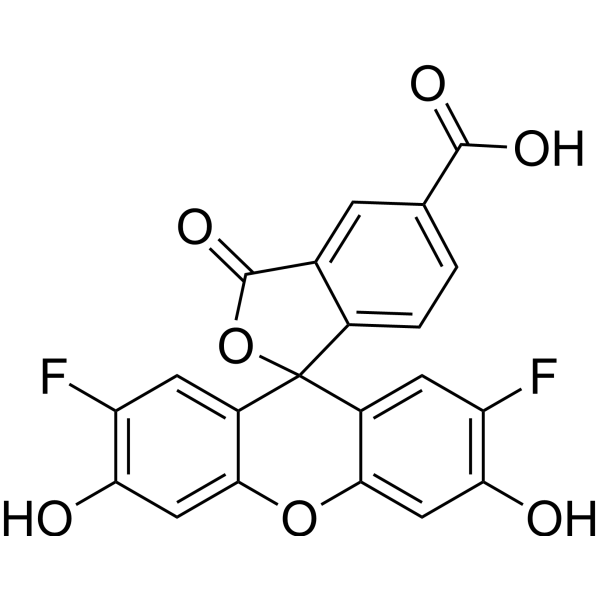
OG 488, acid, a fluorescent pH indicator, has many applications in biochemistry and neurosciences .
loading...
    loading...
Cat. No.: HY-128545
CAS No.: 5423-07-4
Synonyms: Nitrazine paper; pHenapHthazine
Nitrazine yellow (Nitrazine paper; Phenaphthazine) is a pH indicator. The color of Nitrazine yellow changes from yellow to blue in the pH range from 6.0 to 7.0. Nitrazine yellow is a kind of biological materials or organic compounds that are widely used in life science research .
loading...
    loading...
Cat. No.: HY-D1677
CAS No.: 128724-35-6
Target:  

Fluorescent Dye

Research Areas:  

Others

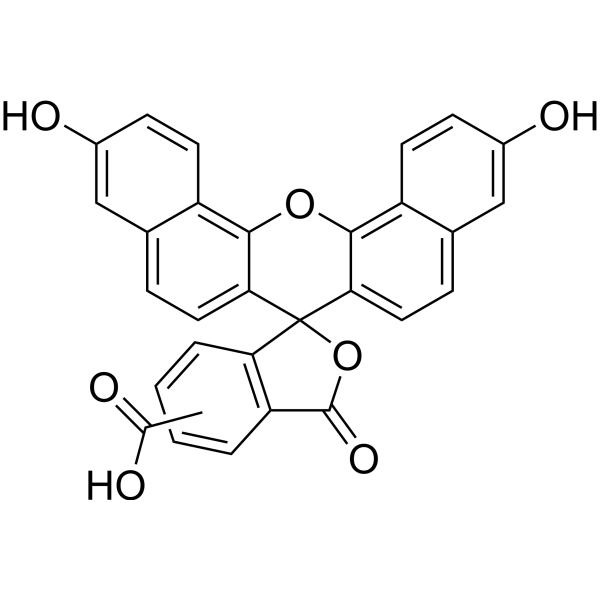
5(6)-Carboxynaphthofluorescein is a pH-dependent fluorophore. 5(6)-Carboxynaphthofluorescein shows good sensitivity in an alkaline pH range and it can be exploited in the construction of fiber-optic pH sensors. 5(6)-Carboxynaphthofluorescein can be used as a fluorescent pH indicator (Ex/Em=593/668 nm) .
loading...
    loading...
Cat. No.: HY-D0228
CAS No.: 74-39-5
Synonyms: Azo Violet; Magneson I
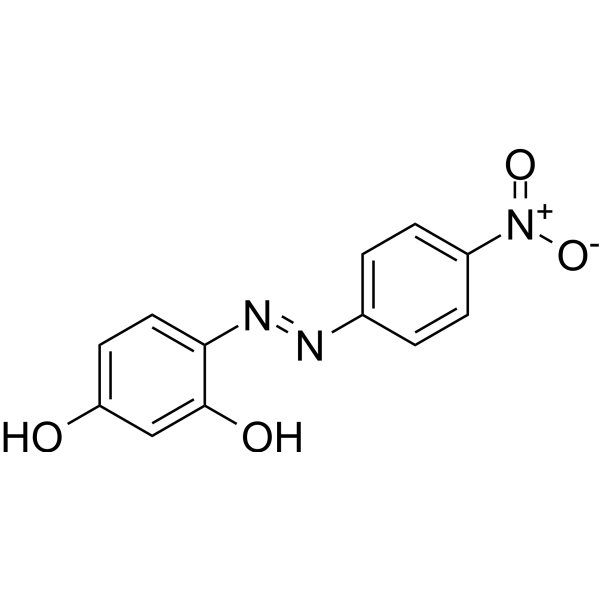
4-(4-Nitrophenylazo)resorcinol (Azo Violet) is an azo purple dye used experimentally as a pH indicator, showing yellow when the pH value is lower than 11 and purple when the pH value is higher than 13. In slightly alkaline or alkaline environments, it also turns dark blue in the presence of magnesium salts. Azo Violet can also be used to test for the presence of ammonium ions. The color of the ammonium chloride or ammonium hydroxide solution will change depending on the concentration of azo violet used .
loading...
    loading...

