
105 Results for "

pancreatic beta-cell

" in MedChemExpress (MCE) Product Catalog:
Products (105)

105 Results for "pancreatic beta-cell" in MCE Product Catalog:

17
17 Publications Verification
Cat. No.: HY-P1156
CAS No.: 11070-73-8
Target:  

Insulin Receptor

Research Areas:  

Metabolic Disease Endocrinology

Insulin cattle is a two-chain polypeptide hormone produced in vivo in the pancreatic β cells. Insulin cattle has often been used as growth supplement in culturing cells.
loading...
    loading...
9
9 Cited Publications
Cat. No.: HY-W010737
CAS No.: 56001-37-7
Synonyms: GTP disodium
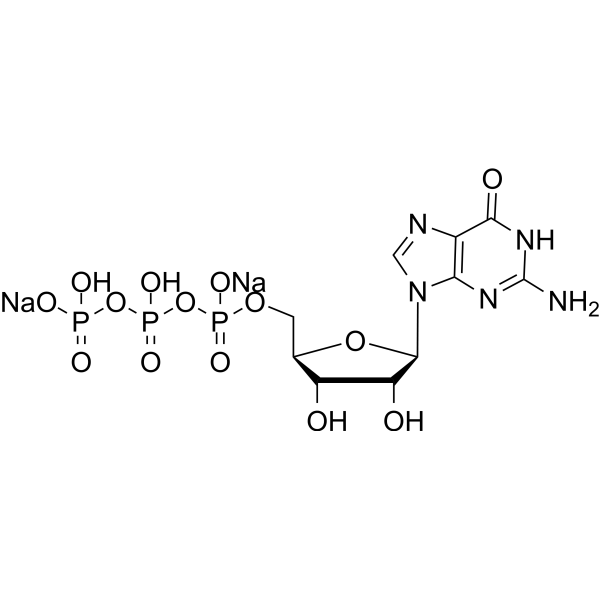
Guanosine triphosphate (GTP) disodium is a critical nucleotide and regulator of cellular metabolism. Guanosine triphosphate disodium promotes ribosomal DNA localization, pre-rRNA transcription and ribosome biogenesis by binding to RNA polymerase I and GPN proteins (GPN1/3). Guanosine triphosphate disodium links MYC-dependent ribosome biogenesis to nucleotide sufficiency, acts as a metabolic gatekeeper supporting protein synthesis, DNA/RNA synthesis and cellular signal transduction, while also participating in the physiological activities of pancreatic β-cells and serving as an oxidative substrate for reactive oxygen species. In small cell lung cancer with high MYC expression, Guanosine triphosphate disodium accumulates through the IMPDH-driven synthetic pathway, thereby affecting apoptosis and mitotic processes. Guanosine triphosphate disodium is used in the research of small cell lung cancer, hepatoblastoma and cellular metabolism .
loading...
    loading...
9
9 Cited Publications
Cat. No.: HY-12695B
CAS No.: 207300-85-4
Purity:  ≥95.0%
Synonyms: GTP trisodium salt hydrate
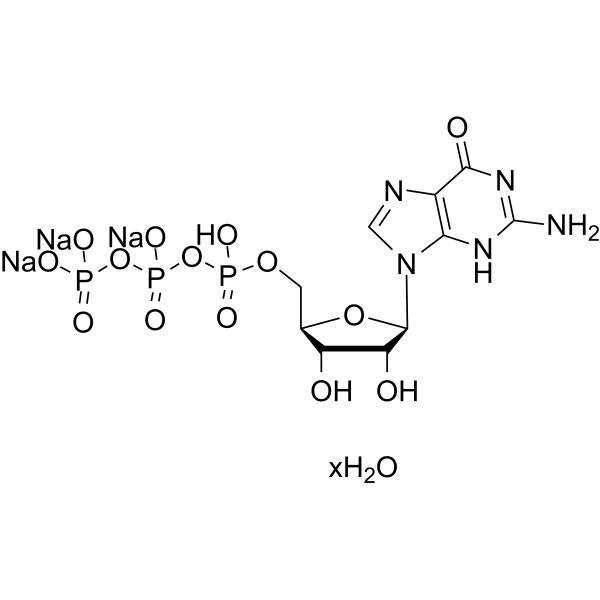
Guanosine triphosphate (GTP) trisodium salt hydrate is a critical nucleotide and regulator of cellular metabolism. Guanosine triphosphate trisodium salt hydrate promotes ribosomal DNA localization, pre-rRNA transcription and ribosome biogenesis by binding to RNA polymerase I and GPN proteins (GPN1/3). Guanosine triphosphate trisodium salt hydrate links MYC-dependent ribosome biogenesis to nucleotide sufficiency, acts as a metabolic gatekeeper supporting protein synthesis, DNA/RNA synthesis and cellular signal transduction, while also participating in the physiological activities of pancreatic β-cells and serving as an oxidative substrate for reactive oxygen species. In small cell lung cancer with high MYC expression, Guanosine triphosphate trisodium salt hydrate accumulates through the IMPDH-driven synthetic pathway, thereby affecting apoptosis and mitotic processes. Guanosine triphosphate trisodium salt hydrate is used in the research of small cell lung cancer, hepatoblastoma and cellular metabolism .
loading...
    loading...
7
7 Cited Publications
Cat. No.: HY-16307
CAS No.: 261365-11-1
Target:  

FBPase

Research Areas:  

Metabolic Disease Cancer

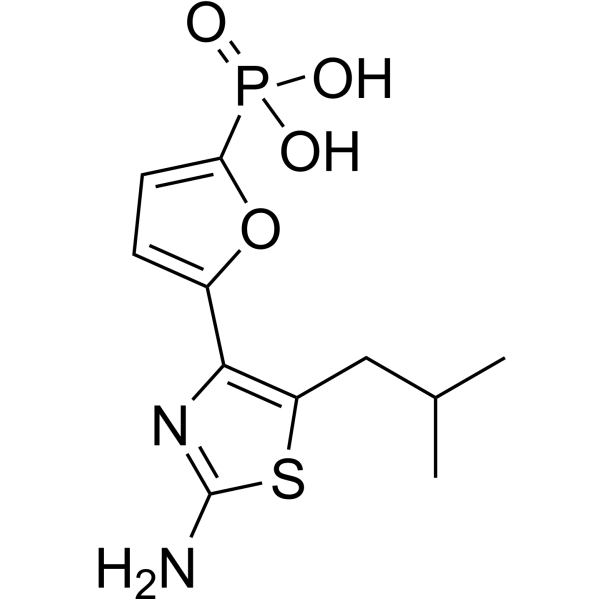
MB05032 is a fructose-1,6-bisphosphatase (FBP1/FBPase) inhibitor with an IC50 value of 16 nM. MB05032 blocks FBP1-mediated glycolysis inhibition in NK cells, restores NK cell glucose uptake, lactate production, degranulation, perforin production, and cytotoxicity against gastric cancer cells. MB05032 elevates ATP/ADP ratios, increases glucose utilization, and enhances insulin secretion in pancreatic β-cells. MB05032 increases neutrophil adhesion, phagocytosis, and mRNA abundance of HKII, ITGA9, CD36 in subclinically hypocalcemic dairy cows. MB05032 inhibits gluconeogenesis in hepatocytes, acts as the active metabolite of prodrug Managlinat dialanetil (MB06322) (HY-14955). MB05032 can be used for the research of gastric cancer, type 2 diabetes, subclinical hypocalcemia, and insulin resistance .
loading...
    loading...
6
6 Cited Publications
Cat. No.: HY-12695
CAS No.: 36051-31-7
Purity:  ≥95.0%
Synonyms: GTP trisodium
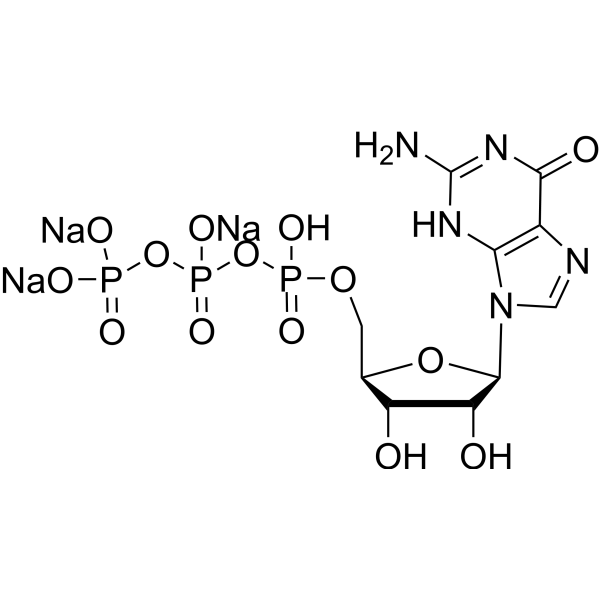
Guanosine triphosphate (GTP) trisodium is a critical nucleotide and regulator of cellular metabolism. Guanosine triphosphate trisodium promotes ribosomal DNA localization, pre-rRNA transcription and ribosome biogenesis by binding to RNA polymerase I and GPN proteins (GPN1/3). Guanosine triphosphate trisodium links MYC-dependent ribosome biogenesis to nucleotide sufficiency, acts as a metabolic gatekeeper supporting protein synthesis, DNA/RNA synthesis and cellular signal transduction, while also participating in the physiological activities of pancreatic β-cells and serving as an oxidative substrate for reactive oxygen species. In small cell lung cancer with high MYC expression, Guanosine triphosphate trisodium accumulates through the IMPDH-driven synthetic pathway, thereby affecting apoptosis and mitotic processes. Guanosine triphosphate trisodium is used in the research of small cell lung cancer, hepatoblastoma and cellular metabolism .
loading...
    loading...
3
3 Cited Publications
Cat. No.: HY-109030
CAS No.: 1191995-00-2
Purity:  99.87%
Synonyms: HMS5552
Target:  

Glucokinase

Research Areas:  

Metabolic Disease

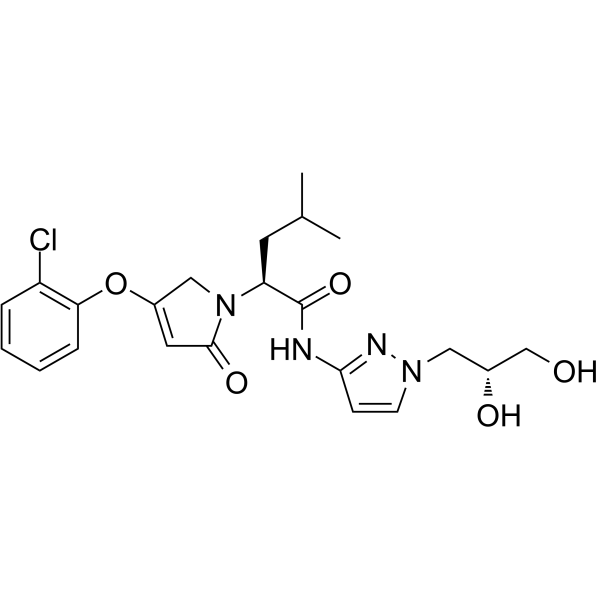
Dorzagliatin (HMS5552), a dual-acting glucokinase (GK) activator, improves glycaemic control and pancreatic β-cell function in type 2 diabetes .
loading...
    loading...
3
3 Cited Publications
Cat. No.: HY-B0254
CAS No.: 29094-61-9
Synonyms: CP 28720; K 4024
Target:  

Potassium Channel

Research Areas:  

Metabolic Disease Cancer

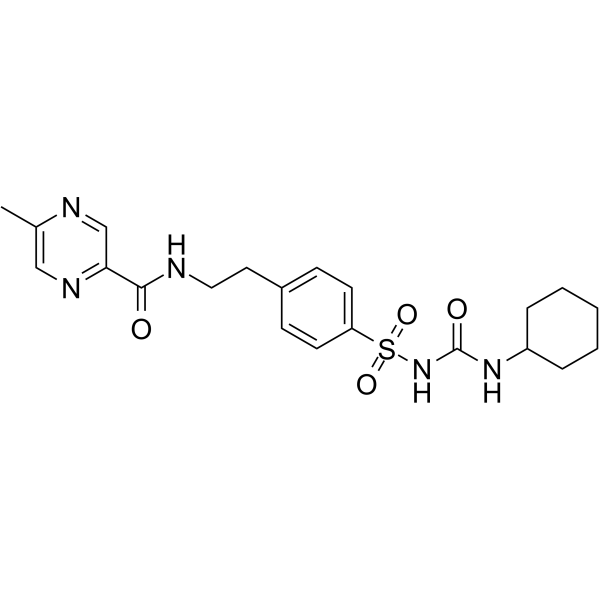
Glipizide (CP 2872; K 4024)?a potent, orally active and sulfonylurea class anti-diabetic agent and can be used for type 2?diabetes mellitus research but not type 1. Glipizide acts by partially blocking ATP-sensitive potassium?(KATP) channels among β cells of pancreatic islets of Langerhans .
loading...
    loading...
3
3 Cited Publications
Cat. No.: HY-113225B
CAS No.: 103192-46-7
Synonyms: GTP tritris solution (100 mM)
Guanosine triphosphate (GTP) tritris solution (100 mM) is a critical nucleotide and regulator of cellular metabolism. Guanosine triphosphate tritris solution (100 mM) promotes ribosomal DNA localization, pre-rRNA transcription and ribosome biogenesis by binding to RNA polymerase I and GPN proteins (GPN1/3). Guanosine triphosphate tritris solution (100 mM) links MYC-dependent ribosome biogenesis to nucleotide sufficiency, acts as a metabolic gatekeeper supporting protein synthesis, DNA/RNA synthesis and cellular signal transduction, while also participating in the physiological activities of pancreatic β-cells and serving as an oxidative substrate for reactive oxygen species. In small cell lung cancer with high MYC expression, Guanosine triphosphate tritris solution (100 mM) accumulates through the IMPDH-driven synthetic pathway, thereby affecting apoptosis and mitotic processes. Guanosine triphosphate tritris solution (100 mM) is used in the research of small cell lung cancer, hepatoblastoma and cellular metabolism .
loading...
    loading...
2
2 Cited Publications
Cat. No.: HY-B1114
CAS No.: 33342-05-1
Synonyms: AR-DF 26
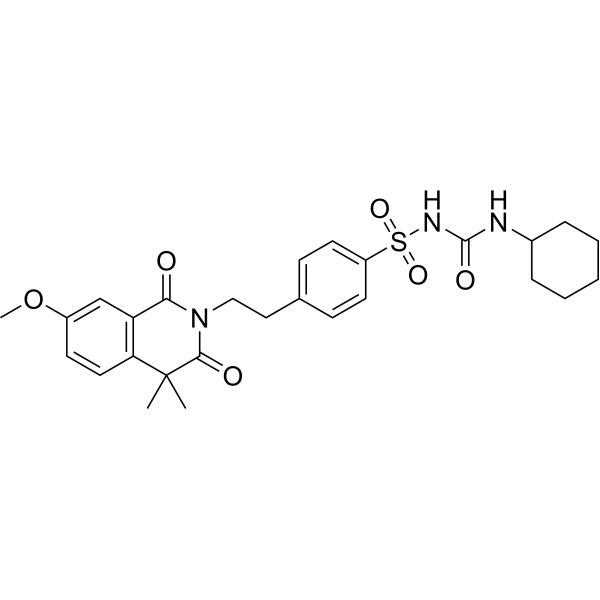
Gliquidone can bind to the pancreatic β-cells and increases insulin release to regulate blood glucose levels. Gliquidone significantly decreases LPS (HY-D1056)-induced proinflammatory responses and inhibits ERK/STAT3/NF-κB phosphorylation in BV2 microglial cells. Gliquidone can suppress microgliosis, microglial hypertrophy mediated by LPS, and proinflammatory cytokine COX-2 and IL-6 levels in murine model. Gliquidone also exhibits good anticancer activity in lung carcinoma cells. Gliquidone has antioxidant property. Gliquidone can be studied in research for type 2 diabetes and cancers .
loading...
    loading...
2
2 Cited Publications
Cat. No.: HY-P10102
CAS No.: 629628-53-1
Research Areas:  

Inflammation/Immunology Cancer

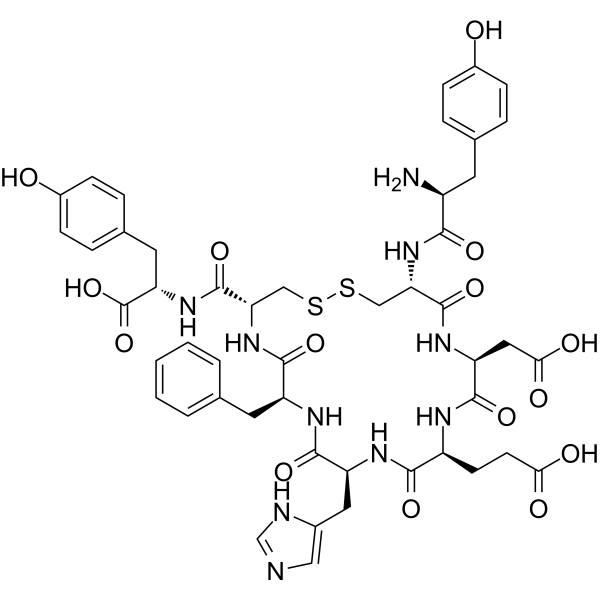
Kp7-6 is a Fas mimetic peptide and also a Fas/FasL antagonist. Kp7-6 specifically binds to Fas and FasL, disrupts receptor complexes, and blocks downstream apoptosis signaling pathways. Kp7-6 inhibits the phosphorylation of ERK1-2, induces the phosphorylation of IκBα, and activates NF-κB. Kp7-6 inhibits the activation of caspase-8, caspase-3 and JNK, and suppresses human amylin-induced β-cell apoptosis. Kp7-6 inhibits FasL-induced lymphoid cytotoxicity and apoptosis. Kp7-6 reduces local tumor FasL expression, increases CD8 +Fas + T cell infiltration, and decreases tumor volume in pancreatic neuroendocrine tumor models. Kp7-6 prevents concanavalin A-induced liver injury in mice. Kp7-6 is applicable to research related to type 2 diabetes, concanavalin A-induced hepatitis and pancreatic neuroendocrine tumors .
loading...
    loading...
2
2 Cited Publications
Cat. No.: HY-17398
CAS No.: 145525-41-3
Synonyms: KAD-1229 anhydrous; S21403 anhydrous
Target:  

Potassium Channel

Research Areas:  

Metabolic Disease

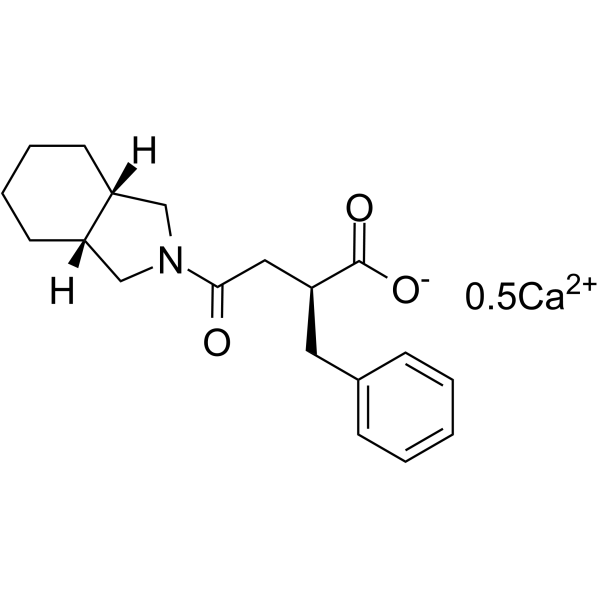
Mitiglinide Calcium (KAD-1229 anhydrous), an insulinotropic agent, is an ATP-sensitive K + (KATP) channel antagonist. Mitiglinide Calcium is highly specific to the Kir6.2/SUR1 complex (the pancreatic beta-cell KATP channel). Mitiglinide Calcium can be used for the research of type 2 diabetes .
loading...
    loading...
2
2 Cited Publications
Cat. No.: HY-B0682A
CAS No.: 207844-01-7
Synonyms: KAD-1229; S-21403
Target:  

Potassium Channel

Research Areas:  

Metabolic Disease

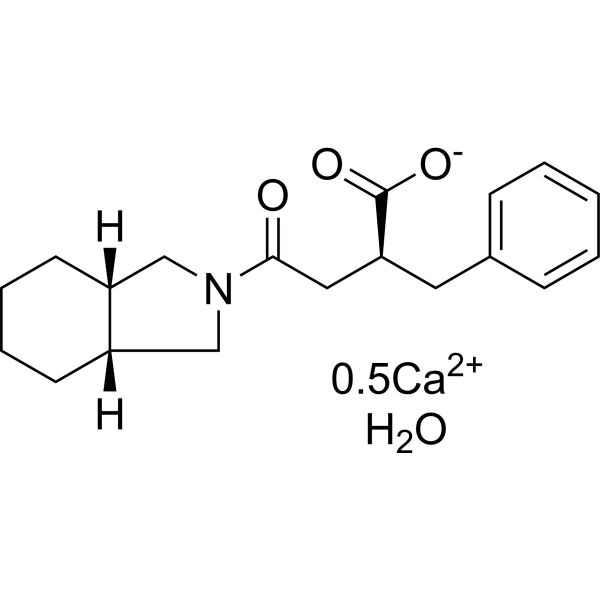
Mitiglinide calcium hydrate (KAD-1229), an insulinotropic agent, is an ATP-sensitive K + (KATP) channel antagonist. Mitiglinide calcium hydrate is highly specific to the Kir6.2/SUR1 complex (the pancreatic beta-cell KATP channel). Mitiglinide Calcium hydrate can be used for the research of type 2 diabetes .
loading...
    loading...
1
1 Cited Publications
Cat. No.: HY-W040127
CAS No.: 6906-39-4
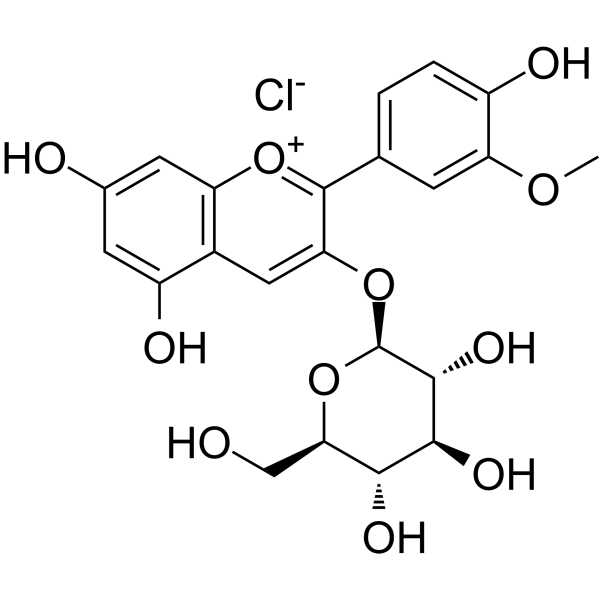
Peonidin 3-O-glucoside chloride is an agonist of the free fatty acid receptor FFAR1 and Glucokinase. Peonidin 3-O-glucoside chloride enhances insulin secretion of pancreatic beta cells and increases glucose uptake by liver cells. Peonidin 3-O-glucoside chloride activates FFAR1, promotes the phosphorylation of related proteins in the insulin secretion pathway, and increases the expression of FFAR1. In liver cells, Peonidin 3-O-glucoside chloride activates GK and regulates proteins associated with carbohydrate metabolism. Peonidin 3-O-glucoside chloride can be used in diabetes research .
loading...
    loading...
1
1 Cited Publications
Cat. No.: HY-107543
CAS No.: 634207-53-7
Purity:  99.81%
Synonyms: 8-CPT-2'-O-Me-cAMP sodium
Target:  

Ras

Research Areas:  

Cardiovascular Disease

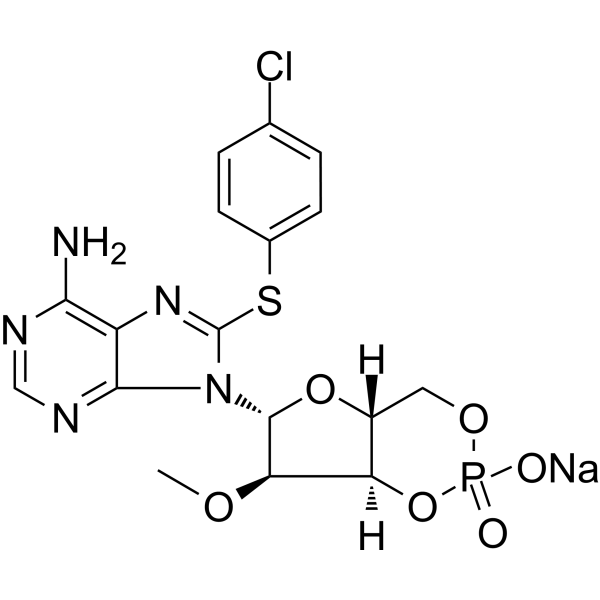
8-pCPT-2′-O-Me-cAMP (8-CPT-2'-O-Me-cAMP) sodium, an analog of cAMP, is an activator of exchange proteins activated by cAMP (Epac). 8-pCPT-2′-O-Me-cAMP sodium activates Epac1 (EC50 = 2.2 μM), but not PKA (EC50 >10 μM). 8-pCPT-2′-O-Me-cAMP sodium stimulates Epac-mediated Ca 2+ release in pancreatic β-cells in vitro. 8-pCPT-2′-O-Me-cAMP sodium is a Rap1 activator. 8-pCPT-2′-O-Me-cAMP sodium enhances the retinal pigment epithelium barrier against the pathological choroidal endothelial cell invasion that occurs in macular degeneration .
loading...
    loading...
1
1 Cited Publications
Cat. No.: HY-19618
CAS No.: 1550053-02-5
Target:  

HDAC HIV Apoptosis

Research Areas:  

Infection Metabolic Disease

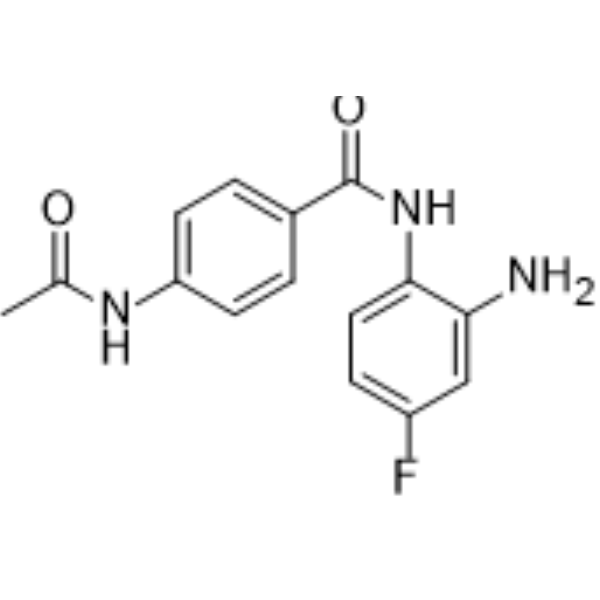
BRD3308 is a highly selective HDAC3 inhibitor with an IC50 of 54 nM. BRD3308 is 23-fold selectivity for HDAC3 over HDAC1 (IC50 of 1.26 μM) or HDAC2 (IC50 of 1.34 μM). BRD3308 suppresses pancreatic β-cell apoptosis induced by inflammatory cytokines or glucolipotoxic stress, and increases functional insulin release. BRD3308 activates HIV-1 transcription and disrupts HIV-1 latency .
loading...
    loading...
1
1 Cited Publications
Cat. No.: HY-135470
CAS No.: 13411-16-0
Purity:  98.70%
Synonyms: P-7138
Target:  

Bacterial

Research Areas:  

Infection

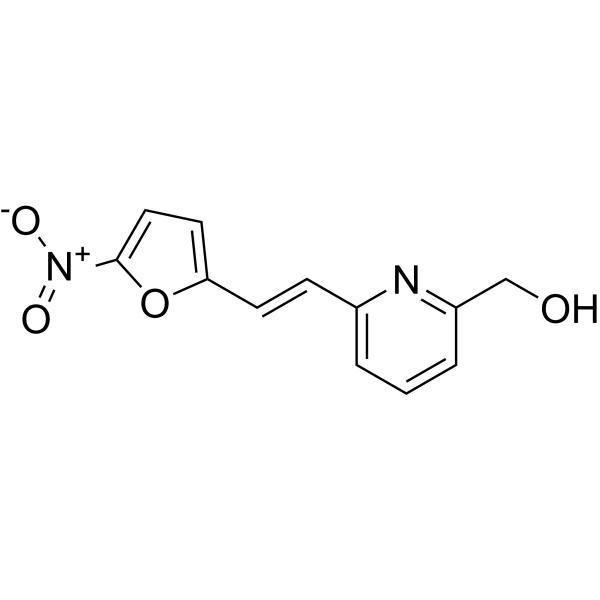
Nifurpirinol (P-7138) is a selective prosubstrate of bacterial nitroreductase (NTR). NTR catalyzes the reduction of nifurpirinol to generate cytotoxic metabolites that induce apoptosis in target cells. Nifurpirinol selectively ablates NTR-expressing cells such as pancreatic β cells, osteoblasts, dopaminergic neurons, and podocytes in transgenic zebrafish models. Nifurpirinol can be used in regeneration studies and disease modeling such as focal segmental glomerulosclerosis (FSGS) .
loading...
    loading...
1
1 Cited Publications
Cat. No.: HY-13529
CAS No.: 1234703-40-2
Purity:  ≥98.0%
Synonyms: LY2608204; SY-004
Target:  

Glucokinase

Research Areas:  

Metabolic Disease

Globalagliatin (LY2608204) is an orally active glucokinase (GK) activator with an EC50 of 42 nM. Globalagliatin also stimulates glucose metabolism in rat insulinoma INS1-E cells with an EC50 of 579 nM. Globalagliatin targets both pancreatic β-cells and hepatocytes. Globalagliatin is promising for research of type 2 diabetes .
loading...
    loading...
1
1 Cited Publications
Cat. No.: HY-W012985
CAS No.: 600-22-6
Methyl pyruvate is a p53/p21 axis inhibitor, intrinsic apoptosis inhibitor, cytotoxic agent, ATP production enhancer, proteasome function restorer, TDP-43 localization normalizer, ATP-sensitive potassium (K +ATP) channel inhibitor, depolarizer, and insulin secretagogue .Methyl pyruvate turns off apoptotic pathways, induces cancer cell death, acts as a substrate for dimeric dihydrodiol dehydrogenase, enhances TCA cycle activity, rescues proteasome impairment and TDP-43 mislocalization, inhibits K +ATP channels independent of ATP, depolarizes pancreatic β-cell membranes, modulates insulin secretion, and enters pancreatic β-cell mitochondria via a specific transporter .Methyl pyruvate can be used for the research of lung adenocarcinoma, ovarian clear cell adenocarcinoma, breast adenocarcinoma, amyotrophic lateral sclerosis, and type II diabetes .
loading...
    loading...
1
1 Cited Publications
Cat. No.: HY-107535
CAS No.: 330981-72-1
Purity:  99.84%
Target:  

GPR119 TRP Channel

Research Areas:  

Metabolic Disease

AS1269574 is a potent, orally available GPR119 agonist, with an EC50 of 2.5 μM in HEK293 cells expressing human GPR119. AS1269574 activates TRPA1 cation channels to stimulate glucagon-like peptide-1 (GLP-1) secretion. AS1269574 specifically induces glucose-dependent insulin secretion from pancreatic β-cells only under high-glucose conditions. AS1269574 has the potential for the research of type 2 diabetes .
loading...
    loading...
Cat. No.: HY-P10735
CAS No.: 181591-59-3
Synonyms: Gastric inhibitory polypeptide(mouse); GIP(1-42) (mouse)
Target:  

Lipase Apoptosis

Research Areas:  

Metabolic Disease

GIP (Gastric inhibitory polypeptide) (mouse) is a gastrointestinal hormone that is secreted by the intestinal K cells, and also expressed in and secreted from pancreatic islets. GIP (mouse) promotes insulin secretion from pancreatic β cells via the G-protein-coupled GIP receptor (GIPR). GIP (mouse) promotes pancreatic β cell proliferation and inhibits apoptosis. GIP (mouse) also exerts direct lipogenic effects on adipose tissue .
loading...
    loading...

