1. Search Result
Search Result
Results for "

potent plant

" in MedChemExpress (MCE) Product Catalog:

108

Inhibitors & Agonists

1

Screening Libraries

3

Biochemical Assay Reagents

1

Peptides

70

Natural
Products

7

Isotope-Labeled Compounds

1

Oligonucleotides

Cat. No. Product Name Target Research Areas Chemical Structure
  • HY-100560
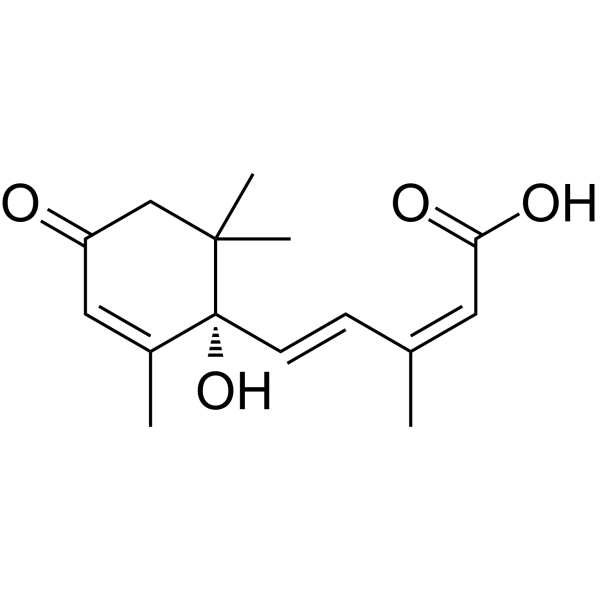
    Abscisic acid
    3 Publications Verification

    (S)​-​(+)​-​Abscisic acid; ABA

    Environmental Pollutants Endogenous Metabolite ABA Receptor Proton Pump Metabolic Disease
    Abscisic acid ((S)-(+)-Abscisic acid), an orally active phytohormone in fruits and vegetables, is an endogenously produced mammalian hormone. Abscisic acid is a growth inhibitor and can regulate many aspects of plant growth and development. Abscisic acid inhibits proton pump (H +-ATPase) and leads to the plasma membrane depolarization in a Ca 2+-dependent manner. Abscisic acid, a LANCL2 natural ligand, is a potent insulin-sensitizing compound and has the potential for pre-diabetes, type 2 diabetes and metabolic syndrome .
    Abscisic acid
  • HY-17563
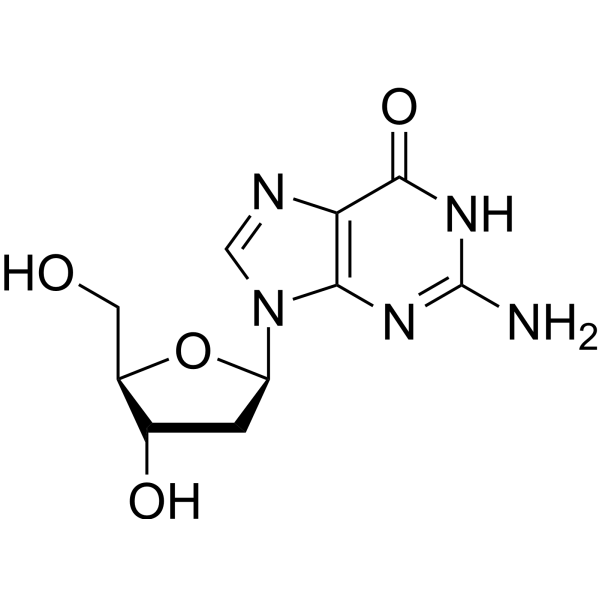
    2'-Deoxyguanosine
    5+ Cited Publications

    Deoxyguanosine; Guanine deoxyriboside

    Endogenous Metabolite Cancer
    2’-Deoxyguanosine (Deoxyguanosine) is a purine nucleoside with a variety of biological activities. 2’-Deoxyguanosine can induce DNA division in mouse thymus cells. 2’-Deoxyguanosine is a potent cell division inhibitor in plant cells .
    2'-Deoxyguanosine
  • HY-N0288
    Lycorine
    Maximum Cited Publications
    22 Publications Verification

    Fatty Acid Synthase (FASN) Virus Protease Bacterial Apoptosis Inflammation/Immunology Cancer
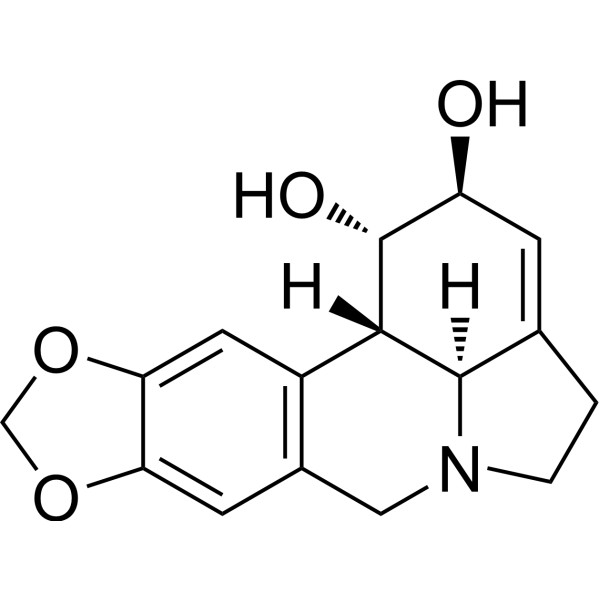
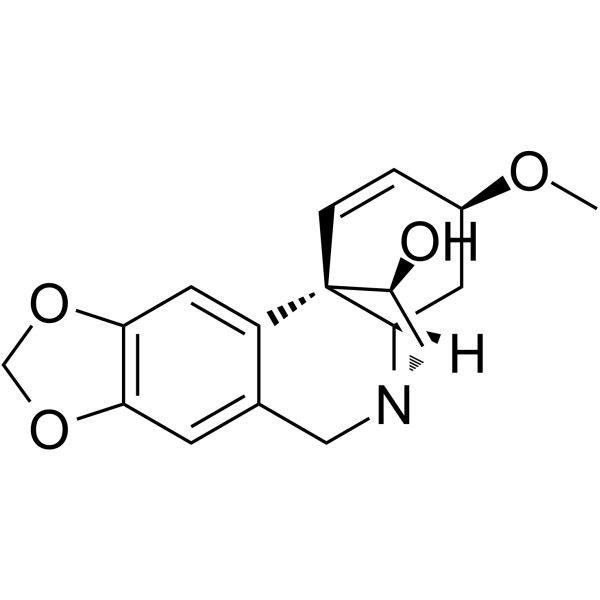
    Lycorine is a natural alkaloid extracted from the Amaryllidaceae plant. Lycorine is a potent and orally active SCAP inhibitor with a Kd value 15.24 nM. Lycorine downregulates the SCAP protein level without changing its transcription . Lycorine is also a melanoma vasculogenic inhibitor . Lycorine can be used for the study of prostate cancer and metabolic diseases .
    Lycorine
  • HY-N7148
    γ-Tocopherol
    1 Publications Verification

    D-γ-Tocopherol; (+)-γ-Tocopherol

    COX Endogenous Metabolite Inflammation/Immunology Cancer
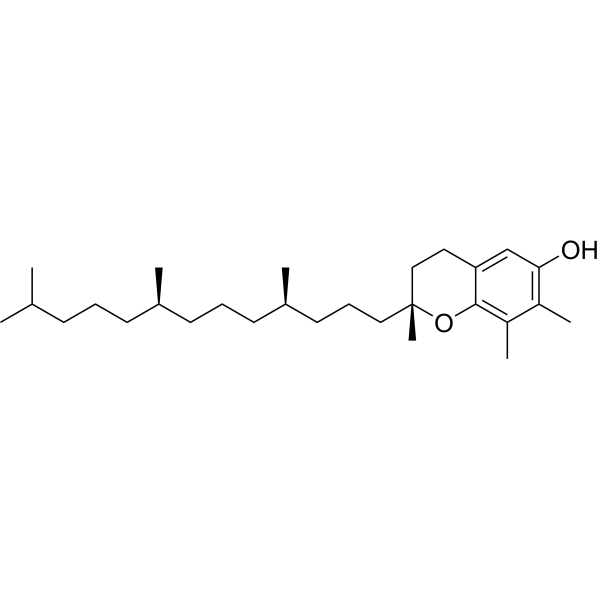
    γ-Tocopherol (D-γ-Tocopherol) is a potent cyclooxygenase (COX) inhibitor. γ-Tocopherol is a naturally occurring form of Vitamin E in many plant seeds, such as corn oil and soybeans. γ-Tocopherol possesses antiinflammatory properties and anti-cancer activity .
    γ-Tocopherol
  • HY-110066
    (Z)-Guggulsterone
    5+ Cited Publications

    Apoptosis VEGFR Akt Angiotensin-converting Enzyme (ACE) SARS-CoV FXR Cardiovascular Disease Cancer
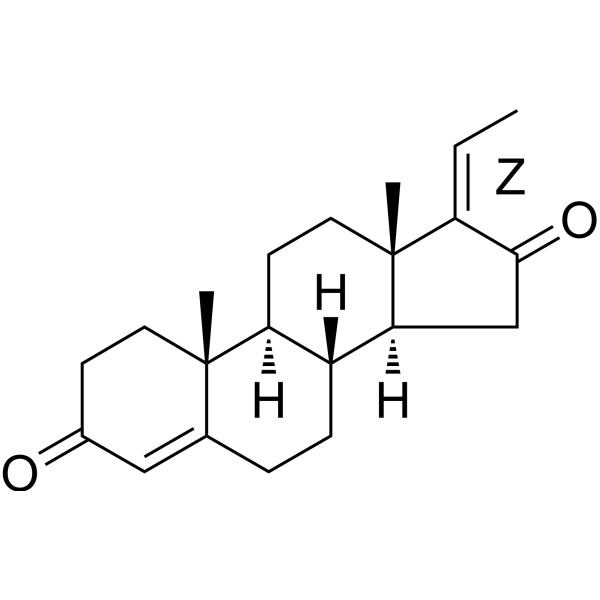
    (Z)-Guggulsterone, a constituent of Indian Ayurvedic medicinal plant Commiphora mukul, inhibits the growth of human prostate cancer cells by causing apoptosis. (Z)-Guggulsterone inhibits angiogenesis by suppressing the VEGF–VEGF-R2–Akt signaling axis . (Z)-Guggulsterone is also a potent FXR antagonist. (Z)-Guggulsterone reduces ACE2 expression and SARS-CoV-2 infection .
    (Z)-Guggulsterone
  • HY-N0471
    L-Hyoscyamine
    2 Publications Verification

    Hyoscyamine

    mAChR Neurological Disease
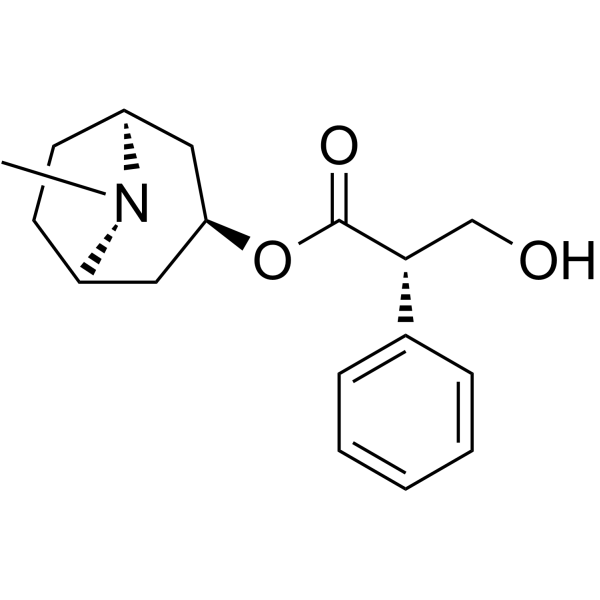
    L-Hyoscyamine (Daturine), a natural plant tropane alkaloid, is a potent and competitive muscarinic receptor (MR) antagonist. L-Hyoscyamine is a levo-isomer to Atropine (HY-B1205) .
    L-Hyoscyamine
  • HY-N0704
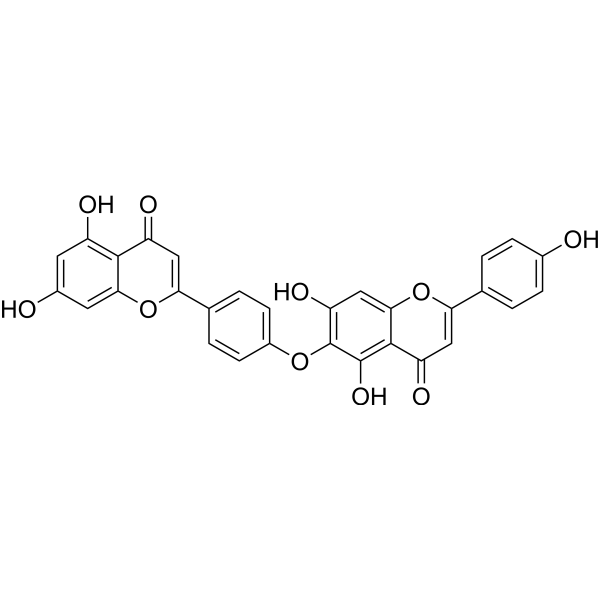
    Agrimol B
    1 Publications Verification

    Sirtuin PPAR Fatty Acid Synthase (FASN) c-Myc Bacterial Infection Metabolic Disease Cancer
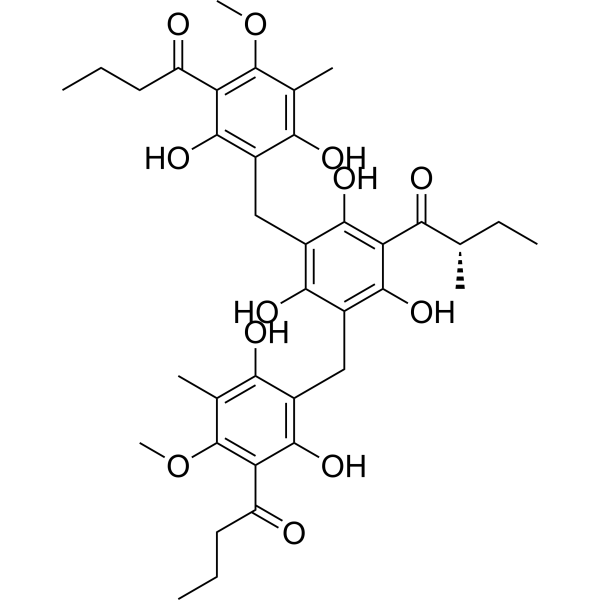
    Agrimol B, a polyphenol, is an orally active and potent SIRT1 activator. Agrimol B shows anti-adipogenic and anticancer activity. Agrimol B shows antibacterial activity against plant pathogens. Agrimol B dramatically inhibits 3T3-L1 adipocyte differentiation by reducing PPARγ, C/EBPα, FAS, UCP-1, and apoE expression. The action of Agrimol B on the cancer cells is likely derived from its effect on c-MYC, SKP2 and p27 .
    Agrimol B
  • HY-114489A

    Apoptosis Influenza Virus Parasite Infection Neurological Disease Cancer
    Haemanthamine is a crinine-type alkaloid isolated from the Amaryllidaceae plants with potent anticancer activity. Haemanthamine targets ribosomal that inhibits protein biosynthesis during the elongation stage of translation. Haemanthamine has pro-apoptotic, antioxidant, antiviral, antimalarial and anticonvulsant activities .
    Haemanthamine
  • HY-134094
    Fluridone
    2 Publications Verification

    Environmental Pollutants Herbicide Inflammation/Immunology
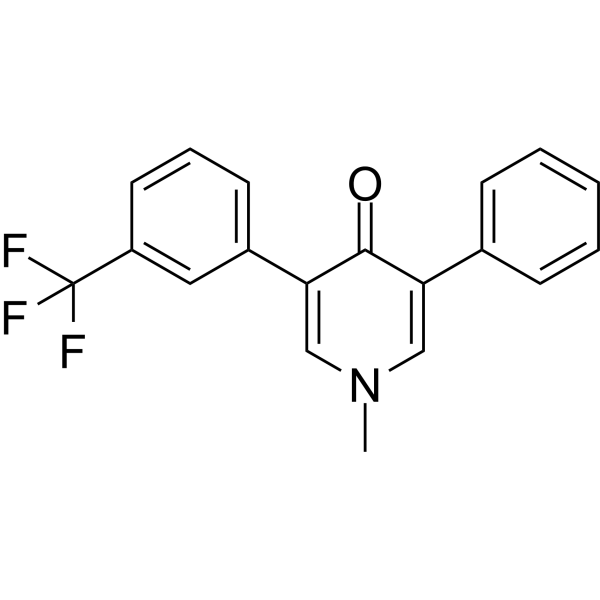
    Fluridone is a herbicide, particularly to eliminate aquatic plant growth in water reservoirs and irrigation channels. Fluridone is a potent Abscisic acid (ABA) biosynthesis inhibitor, and has anti-inflammatory effects .
    Fluridone
  • HY-W017316

    4-Carvomenthenol

    Environmental Pollutants Endogenous Metabolite Bacterial Fungal Infection Inflammation/Immunology Cancer
    Terpinen-4-ol (4-Carvomenthenol) is a naturally occurring monoterpene, and can be extracted from a variety of aromatic plants. Terpinen-4-ol is a potent bactericidal agent which possess antifungal , anti-inflammatory and antitumor properties as well, suggesting Terpinen-4-ol to be used for relevant research .
    Terpinen-4-ol
  • HY-N6607
    Tryptanthrin
    5+ Cited Publications

    Leukotriene Receptor NO Synthase NF-κB COX TNF Receptor Interleukin Related Inflammation/Immunology Cancer
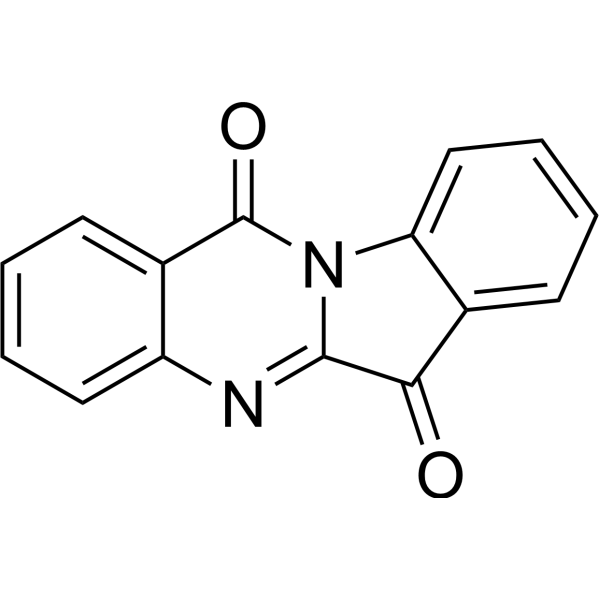
    Tryptanthrin is an indole quinazoline that could be an alkaloid from indigo-bearing plants. Tryptanthrin is a potent and orally active cellular Leukotriene (LT) biosynthesis inhibitor. Tryptanthrin has anticancer activity. Tryptanthrin suppresses the expression levels of NOS1, COX-2, and NF-κB and regulates the expression levels of IL-2, IL-10, and TNF-α .
    Tryptanthrin
  • HY-B0873

    Environmental Pollutants Cytochrome P450 ROS Kinase Others
    Uniconazole, a plant growth retardant, is a potent inhibitor of abscisic acid (ABA) catabolism with an IC50 of 68 nM against ABA 8’-hydroxylase. Uniconazole is a potent competitive inhibitor of CYP707A3 activity with a Ki of 8 nM. Uniconazole evidently inhibits gibberellin biosynthesis, and brassinosteroid biosynthesis is also inhibited to some extent .
    Uniconazole
  • HY-N10335
    Harringtonolide
    2 Publications Verification

    FAK Inflammation/Immunology Cancer
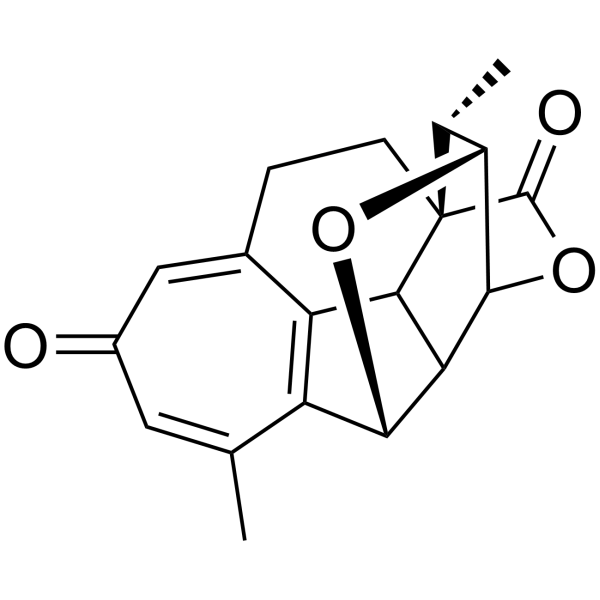
    Harringtonolide is a potent RACK1 inhibitor (IC50=39.66 μM in A375 cells). Harringtonolide inhibits the epithelial-mesenchymal transition (EMT) process and cell proliferation by affecting the interaction between FAK and RACK1. Harringtonolide has plant growth inhibitory, antiviral, anti-inflammatory, and antiproliferation activities .
    Harringtonolide
  • HY-122485

    Bacterial Infection
    α-Copaene is a potent attractant for male Mediterranean fruit flies Ceratitis capitata.α-Copaene can be found as a minor component in the essential oils of various plant species. α-Copaene can inhibit bacterial growth with a minimum inhibitory concentration of 0.5-1 μL/mL. α-Copaene suppresses biofilm formation by decreasing the hydrophobicity of the cell surface. α-Copaene can be used as an oviposition promoter of Bactrocera oleae .
    α-Copaene
  • HY-107805

    Cholinesterase (ChE) Bacterial Infection Neurological Disease Cancer
    Dihydroactinidiolide, existing in plant leaves and fruits, is a potent plant growth inhibitor, a regulator of gene expression and is responsible for photo acclimation in Arabidopsis. Dihydroactinidiolide has antioxidant activity, antibacterial activity, anticancer activity and neuroprotective effect . Dihydroactinidiolide is also an inhibitor of AChE (IC50=34.03 nM) and has scavenging activities for DPPH and (.NO). Dihydroactinidiolide is present in plant leaves and fruits and is a potent plant growth inhibitor, regulator of gene expression, and responsible for light adaptation in Arabidopsis.
    Dihydroactinidiolide
  • HY-12853
    Mesotrione
    2 Publications Verification

    Environmental Pollutants Reactive Oxygen Species (ROS) Others
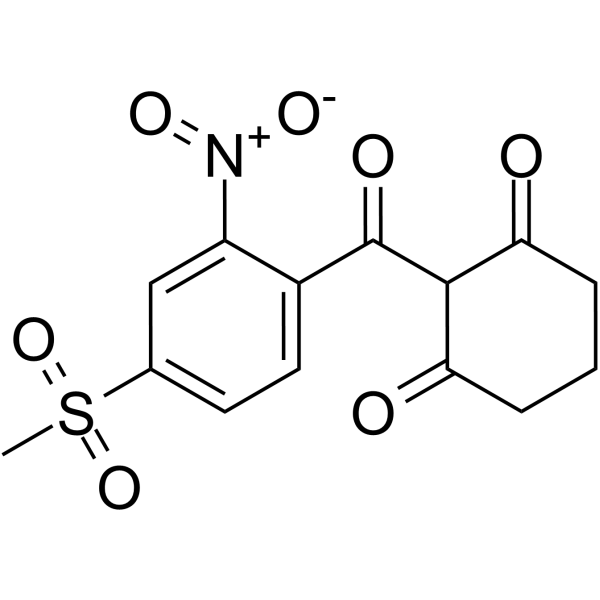
    Mesotrione is a herbicide belongs to the benzoylcyclohexanedione family. Mesotrione is a potent and competitive and reversible inhibitor of HPPD enzyme. Mesotrione is selective to maize due to rapid metabolism and relative high tolerance by the susceptible crop plant .
    Mesotrione
  • HY-N1373
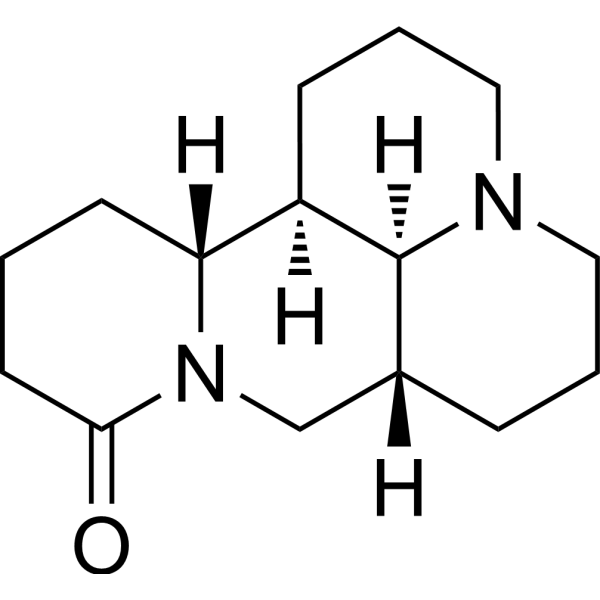
    Sophoridine
    5+ Cited Publications

    Apoptosis Cancer
    Sophoridine is a quinolizidine alkaloid isolated from Leguminous plant Sophora flavescens. Sophoridine induces apoptosis. Sophoridine has the potential to be a novel, potent and selective antitumor agent candidate for pancreatic cancer with well-tolerated toxicity .
    Sophoridine
  • HY-N2004
    Isoborneol
    1 Publications Verification

    (±)-Isoborneol

    Environmental Pollutants HSV Infection Neurological Disease
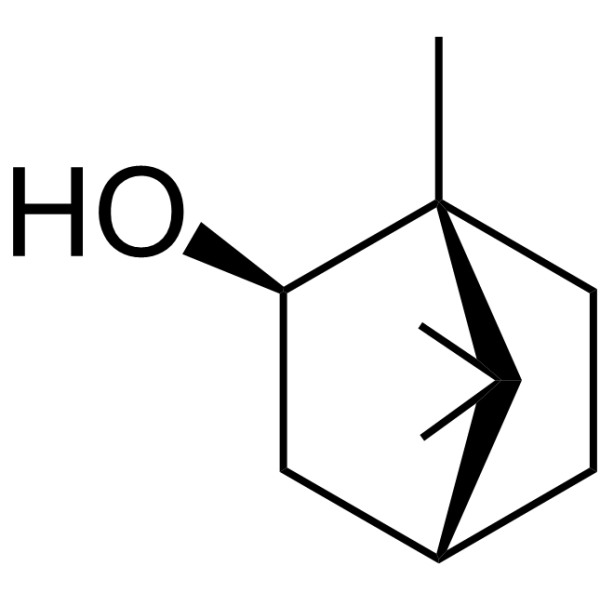
    Isoborneol ((±)-Isoborneol) is a monoterpenoid alcohol present in the essential oils of numerous medicinal plants and has antioxidant and antiviral properties. Isoborneol is a potent inhibitor of herpes simplex virus type 1 (HSV-1) .
    Isoborneol
  • HY-129476

    Parasite Endogenous Metabolite Infection Cancer
    L-Canaline is a nonprotein amino acid stored in many leguminous plants. L-Canaline is a cytotoxic metabolite catalyzed by L-canavanine and its arginase. L-Canaline is a potent and irreversible inhibitor of ornithine aminotransferase. L-Canaline inhibits the growth of the malaria parasite Plasmodium falciparum with an IC50 of 297 nM. L-Canaline has anticancer and antiproliferative effects .
    L-Canaline
  • HY-N2259
    Curcumenol
    4 Publications Verification

    (+)-Curcumenol

    Cytochrome P450 Neurological Disease Inflammation/Immunology Cancer
    Curcumenol ((+)-Curcumenol) is a potent CYP3A4 inhibitor with an IC50 of 12.6 μM, which is one of constituents in the plants of medicinally important genus of Curcuma zedoaria, with neuroprotection, anti-inflammatory, anti-tumor and hepatoprotective activities. Curcumenol ((+)-Curcumenol) suppresses Akt-mediated NF-κB activation and p38 MAPK signaling pathway in LPS-stimulated BV-2 microglial cells .
    Curcumenol
  • HY-129997
    Luteolinidin chloride
    1 Publications Verification

    CD38 NADPH Oxidase Tyrosinase Cardiovascular Disease
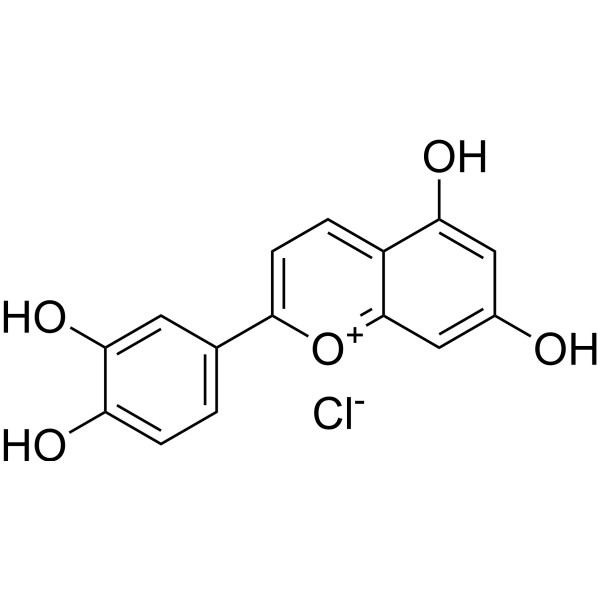
    Luteolinidin chloride is a deoxyanthocyanidin isolated from the plant Sorghum bicolor with antioxidant activity. Luteolinidin chloride is a potent CD38 inhibitor (Ki=11.4 μM) and protects the heart from ischemia/reperfusion injury by preserving endothelial nitric oxide synthase (eNOS) function and preventing endothelial dysfunction. Luteolinidin chloride is also a competitive inhibitor of tyrosinase (IC50=3.7 μM) and blocks the production of melanin .
    Luteolinidin chloride
  • HY-N1780

    Tyrosinase Bacterial Infection
    3,4-Dimethoxyphenol is a plant-derived phenylpropanoid compound and can use as a whitening agent in cosmetics. 3,4-Dimethoxyphenol exhibits broad-spectrum antimicrobial activity. 3,4-Dimethoxyphenol has tyrosinase-inhibiting activity. 3,4-Dimethoxyphenol has potent antioxidant effect isolated from the bacterial fermentation broth. 3,4-Dimethoxyphenol can be used for the study of infection .
    3,4-Dimethoxyphenol
  • HY-12136
    Purpurogallin
    4 Publications Verification

    Xanthine Oxidase Cardiovascular Disease Inflammation/Immunology Cancer
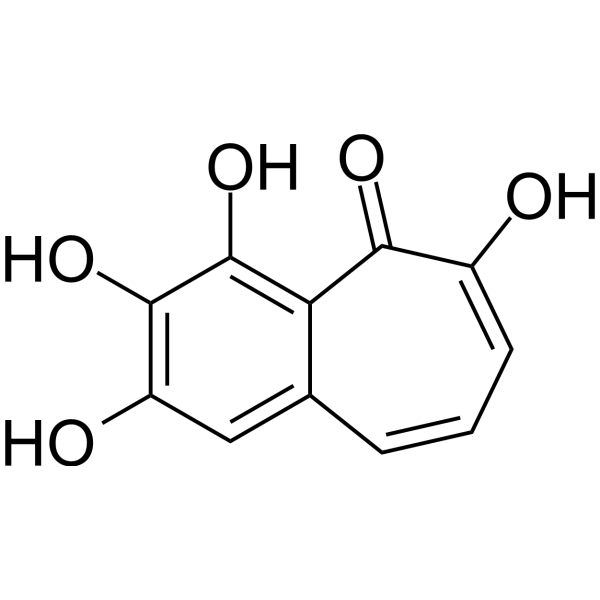
    Purpurogallin is a naturally phenol extracted from the plants of Quercus spp, has potent xanthine oxidase (XO) inhibitory activity with an IC50 of 0.2 μM. Purpurogallin has antioxidant and anti-inflammatory effects .
    Purpurogallin
  • HY-N2472

    Castanogenin

    Bacterial Xanthine Oxidase Infection
    Medicagenic acid (Castanogenin) is isolated from the roots of Herniaria glabra, exhibits potent fungistatic effects against several plant pathogens and human dermatophytes . Medicagenic acid (Castanogenin) has low enzyme inhibitory activities, the target enzymes are xanthine oxidase, collagenase, elastase, tyrosinase, ChE .
    Medicagenic acid
  • HY-N6743

    CGP049090

    PKC Cancer
    Cercosporin is produced by a plant pathogen, Pseudocercosporella capsellae. Cercosporin is a potent photosensitizer with a short activation wavelength, mostly suitable for superficial photodynamic therapy (PDT) treatments, especially when it is necessary to avoid perforations . Cercosporin contains the perylenequinone structural features necessary to PKC activity with an IC50 of 0.6-1.3 μM .
    Cercosporin
  • HY-111939

    BAY-NTN 6867

    Environmental Pollutants Microtubule/Tubulin Others
    Amiprofos methyl (BAY-NTN 6867) is a phosphoric amide herbicide. Amiprofos methyl is a specific and potent antimicrotubule agent. Amiprofos methyl directly poisons microtubule dynamics in plant cells .
    Amiprofos methyl
  • HY-N2394
    Emodin-1-O-β-D-glucopyranoside
    1 Publications Verification

    Bacterial Inflammation/Immunology
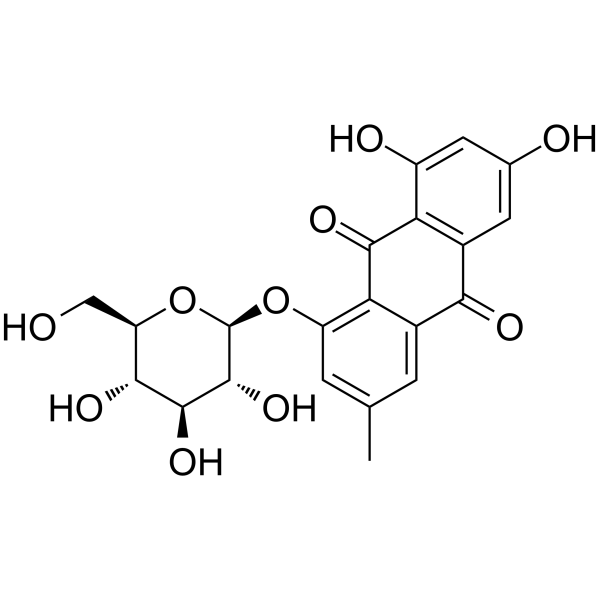
    Emodin-1-O-β-D-glucopyranoside, isolated from medicinal plant Polygonum cuspidatum Sieb. & Zucc, is a potent and noncompetitive bacterial neuraminidase (BNA) inhibitor with an IC50 of 0.85 μM .
    Emodin-1-O-β-D-glucopyranoside
  • HY-W020043

    Fungal Infection
    Pyribencarb is a benzylcarbamate-type fungicide, which is active against a wide range of plant pathogenic fungi. Pyribencarb is a potent Qo inhibitor of cytochrome b. Pyribencarb is especially active against Botrytis cinerea and Sclerotinia sclerotirum .
    Pyribencarb
  • HY-114203

    BE003

    Monoamine Oxidase Influenza Virus Infection Neurological Disease Inflammation/Immunology
    Eckol is a potent hMAO-A (Mixed) and hMAO-B (non-competitive) inhibitor with IC50s of 7.20 and 83.44 μM, respectively. Eckol shows stimulatory effects in maize and can be used as a plant biostimulant. Eckol also shows antiallergic and antiviral effects .
    Eckol
  • HY-N0288R

    Fatty Acid Synthase (FASN) Virus Protease Bacterial Apoptosis Reference Standards Inflammation/Immunology Cancer
    Lycorine (Standard) is the analytical standard of Lycorine. This product is intended for research and analytical applications. Lycorine is a natural alkaloid extracted from the Amaryllidaceae plant. Lycorine is a potent and orally active SCAP inhibitor with a Kd value 15.24 nM. Lycorine downregulates the SCAP protein level without changing its transcription . Lycorine is also a melanoma vasculogenic inhibitor . Lycorine can be used for the study of prostate cancer and metabolic diseases .
    Lycorine (Standard)
  • HY-100560R

    (S)​-​(+)​-​Abscisic acid (Standard); ABA (Standard)

    Reference Standards Endogenous Metabolite Proton Pump ABA Receptor Metabolic Disease
    Abscisic acid (Standard) is the analytical standard of Abscisic acid. This product is intended for research and analytical applications. Abscisic acid ((S)-(+)-Abscisic acid), an orally active phytohormone in fruits and vegetables, is an endogenously produced mammalian hormone. Abscisic acid is a growth inhibitor and can regulate many aspects of plant growth and development. Abscisic acid inhibits proton pump (H+-ATPase) and leads to the plasma membrane depolarization in a Ca2+-dependent manner. Abscisic acid, a LANCL2 natural ligand, is a potent insulin-sensitizing compound and has the potential for pre-diabetes, type 2 diabetes and metabolic syndrome .
    Abscisic acid (Standard)
  • HY-153351

    Bacterial Infection
    IpOHA is a potent plant KARI inhibitor. IpOHA also is an antimycobacterial agent with a Ki value of 97.7 nM for Mycobacterium tuberculosis (Mt) .
    IpOHA
  • HY-16569B

    Biochemical Assay Reagents Microtubule/Tubulin Inflammation/Immunology Cancer
    Colchicine,suitable for plant cell culture, an orally active alkaloid, is a potent tubulin inhibitor and a microtubule disrupting agent. Colchicine inhibits microtubule polymerization with an IC50 of 3 nM. Colchicine is also a competitive antagonist of the α3 glycine receptors (GlyRs). Colchicine prevents non-steroidal anti-inflammatory drug (NSAID)-induced small intestinal injury by inhibiting activation of the NLRP3 inflammasome. Colchicine,suitable for plant cell culture can be used for plant cell culture .
    Colchicine,suitable for plant cell culture
  • HY-N0471A
    L-Hyoscyamine sulfate
    2 Publications Verification

    Daturine sulfate

    mAChR Neurological Disease
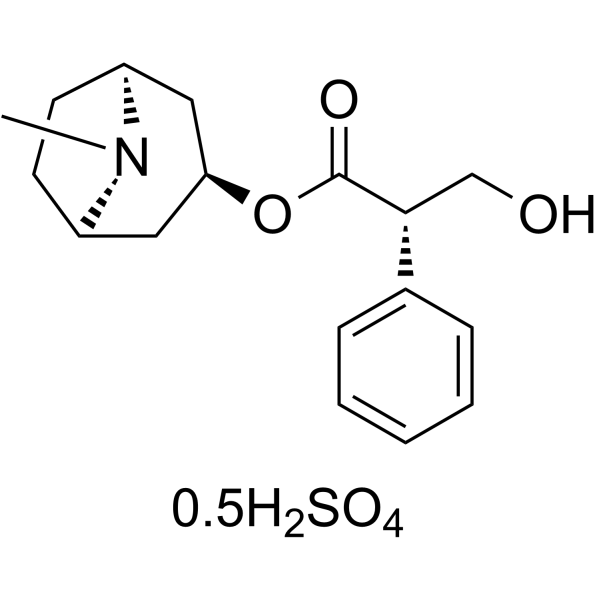
    L-Hyoscyamine sulfate (Daturine sulfate), a natural plant tropane alkaloid, is a potent and competitive muscarinic receptor (MR) antagonist. L-Hyoscyamine sulfate is a levo-isomer to Atropine (HY-B1205) .
    L-Hyoscyamine sulfate
  • HY-N7148S1

    Isotope-Labeled Compounds COX Inflammation/Immunology Cancer
    γ-Tocopherol-d4 is the deuterium labeled γ-Tocopherol. γ-Tocopherol (D-γ-Tocopherol) is a potent cyclooxygenase (COX) inhibitor. γ-Tocopherol is a naturally occurring form of Vitamin E in many plant seeds, such as corn oil and soybeans. γ-Tocopherol possesses antiinflammatory properties and anti-cancer activity .
    γ-Tocopherol-d4
  • HY-W003836

    7-Methoxy-NAA

    Phytohormone Others
    7-Methyl-1-naphthyl acetic acid is a potent inhibitor of auxin action in plants. 7-Methyl-1-naphthyl acetic acid inhibits AUX1, PIN, and ABCB protein-mediated auxin transport expressed in yeast. 7-Methyl-1-naphthyl acetic acid can be used in auxin dependent development .
    7-Methyl-1-naphthyl acetic acid
  • HY-N7148R

    D-γ-Tocopherol (Standard); (+)-γ-Tocopherol (Standard)

    Reference Standards COX Endogenous Metabolite Inflammation/Immunology Cancer
    γ-Tocopherol (Standard) is the analytical standard of γ-Tocopherol. This product is intended for research and analytical applications. γ-Tocopherol (D-γ-Tocopherol) is a potent cyclooxygenase (COX) inhibitor. γ-Tocopherol is a naturally occurring form of Vitamin E in many plant seeds, such as corn oil and soybeans. γ-Tocopherol possesses antiinflammatory properties and anti-cancer activity .
    γ-Tocopherol (Standard)
  • HY-W001940

    Amino Acid Derivatives Bacterial Infection Cardiovascular Disease
    DL-m-Tyrosine is a non-protein amino acid. DL-m-Tyrosine inhibits microbial growth and spore formation. DL-m-Tyrosine also inhibits root growth in various plants, such as lettuce and Arabidopsis. DL-m-Tyrosine, when used in combination with Carbidopa (HY-B0311), has a potent antihypertensive effect. DL-m-Tyrosine can be used in research on biopesticide design .
    DL-m-Tyrosine
  • HY-17563R

    Deoxyguanosine (Standard); Guanine deoxyriboside (Standard)

    Reference Standards Endogenous Metabolite Cancer
    2'-Deoxyguanosine (Standard) is the analytical standard of 2'-Deoxyguanosine. This product is intended for research and analytical applications. 2’-Deoxyguanosine (Deoxyguanosine) is a purine nucleoside with a variety of biological activities. 2’-Deoxyguanosine can induce DNA division in mouse thymus cells. 2’-Deoxyguanosine is a potent cell division inhibitor in plant cells . In Vitro: 2'-Deoxyguanosine inhibits the clonal growth of HL-60 and K562 leukemia cells with IC50 values of 50 and 80 μM, respectively .
    2'-Deoxyguanosine (Standard)
  • HY-N7523

    DNA/RNA Synthesis Apoptosis Cancer
    Neoxanthin is a major xanthophyll carotenoid and a precursor of the plant hormone abscisic acid in dark green leafy vegetables. Neoxanthin is a potent antioxidant and light-harvesting pigment. Neoxanthin induces apoptosis and has anticancer actions .
    Neoxanthin
  • HY-108988

    Antibiotic Bacterial Topoisomerase DNA/RNA Synthesis Infection
    Albicidin is a peptide antibiotic with phytotoxic activity. Albicidin potently inhibits bacterial and plant DNA gyrase at nanomolar concentrations, blocks DNA replication, and exhibits excellent antibacterial efficacy against multidrug-resistant bacteria. Albicidin possesses bactericidal activity against Gram-positive and Gram-negative microorganisms, and acts as a virulence factor for the systemic plant infection by Xanthomonas albilineans. Albicidin can be used in studies related to bacterial infections and sugarcane leaf blight .
    Albicidin
  • HY-134094R

    Herbicide Reference Standards Inflammation/Immunology
    Fluridone (Standard) is the analytical standard of Fluridone. This product is intended for research and analytical applications. Fluridone is a herbicide, particularly to eliminate aquatic plant growth in water reservoirs and irrigation channels. Fluridone is a potent Abscisic acid (ABA) biosynthesis inhibitor, and has anti-inflammatory effects .
    Fluridone (Standard)
  • HY-N2573

    L-Corydalmine; TLZ-16

    Fungal CXCR Infection Neurological Disease
    Corydalmine (L-Corydalmine) inhibits spore germination of some plant pathogenic as well as saprophytic fungi . Corydalmine acts as an oral analgesic agent, exhibiting potent analgesic activity . Corydalmine alleviates Vincristine-induced neuropathic pain in mice by inhibiting an NF-κB-dependent CXCL1/CXCR2 signaling pathway .
    Corydalmine
  • HY-N6607R

    Reference Standards Leukotriene Receptor NO Synthase NF-κB COX TNF Receptor Interleukin Related Inflammation/Immunology Cancer
    Tryptanthrin (Standard) is the analytical standard of Tryptanthrin. This product is intended for research and analytical applications. Tryptanthrin is an indole quinazoline that could be an alkaloid from indigo-bearing plants. Tryptanthrin is a potent and orally active cellular Leukotriene (LT) biosynthesis inhibitor. Tryptanthrin has anticancer activity. Tryptanthrin suppresses the expression levels of NOS1, COX-2, and NF-κB and regulates the expression levels of IL-2, IL-10, and TNF-α .
    Tryptanthrin (Standard)
  • HY-N3573

    Potassium Channel Others
    Chlorahololide D is a potent and selective Potassium Channel blocker with an IC50 value of 2.7 μM. Chlorahololide D is a nature product that could be isolated from the whole plant of Chloranthus holostegius .
    Chlorahololide D
  • HY-N10863

    Xanthine Oxidase Infection
    Aurantiamide benzoate is a nature product that could be isolated from two tropical medicinal plants, Cunila spicata and Hyptis fasciculata. Aurantiamide benzoate is a potent xanthine oxidase inhiobitor with an IC50 value of 70 μM .
    Aurantiamide benzoate
  • HY-W1121939

    Opioid Receptor Neurological Disease Inflammation/Immunology
    Perillyl acetate is a monoterpene found in in essential oils of plants and is synthesized from perillyl alcohol (HY-N7000). Perillyl acetate can activate the μ-opioid receptor and exert potent analgesic activity. Perillyl acetate can be used for the research of inflammation and neurological disease such as arthritis .
    Perillyl acetate
  • HY-N6052

    Estrogen Receptor/ERR Cancer
    (+)-Medicarpin, a pterocarpan, is a type of isoflavonoid isolated from several medicinal plant species with various biological effects, including Sophora japonica, Zollernia paraensis and Platymiscium yucatamun, Machaerium aristulatum, Platymiscium floribundum, and so on. (+)-Medicarpin potently inhibits osteoclastogenesis and promotes bone healing and increases bone mass by osteoblast differentiation with estrogen receptor (ER) β-mediated osteogenic action .
    (+)-Medicarpin
  • HY-111744

    Drug Derivative Metabolic Disease
    Deacetylanisomycin is a potent growth regulator in plants and an inactive derivative of Anisomycin. Anisomycin is a potent protein synthesis inhibitor .
    Deacetylanisomycin
  • HY-142912

    Fungal Others
    Stemphyperylenol displays a potent antifungal activity against the plant pathogen Alternaria solani with MIC of 1.57 μM.
    Stemphyperylenol

Inquiry Online

Your information is safe with us. * Required Fields.

Salutation


Country or Region *

Applicant Name *


Organization Name *

Department *


Email Address *


Product Name *

Cat. No.


Requested quantity *

Phone Number *


Remarks

Inquiry Online

Inquiry Information

Product Name:
Cat. No.:
Quantity:
MCE Japan Authorized Agent:

