
1. Search Result
Search Result
Pathways Recommended: Neuronal Signaling JAK/STAT Signaling
Results for "

pro-inflammatory signaling

" in MedChemExpress (MCE) Product Catalog:

161

Inhibitors & Agonists

1

Screening Libraries

1

Fluorescent Dyes

3

Biochemical Assay Reagents

16

Peptides

11

Inhibitory Antibodies

51

Natural
Products

6

Isotope-Labeled Compounds

1

Click Chemistry

6

Oligonucleotides

1

GMP Molecules

Targets Recommended:
Cat. No. Product Name Target Research Areas Chemical Structure
  • HY-111431A
    p-Cresyl sulfate potassium
    5+ Cited Publications

    p-Tolyl sulfate potassium

    Endogenous Metabolite JNK p38 MAPK Metabolic Disease Inflammation/Immunology
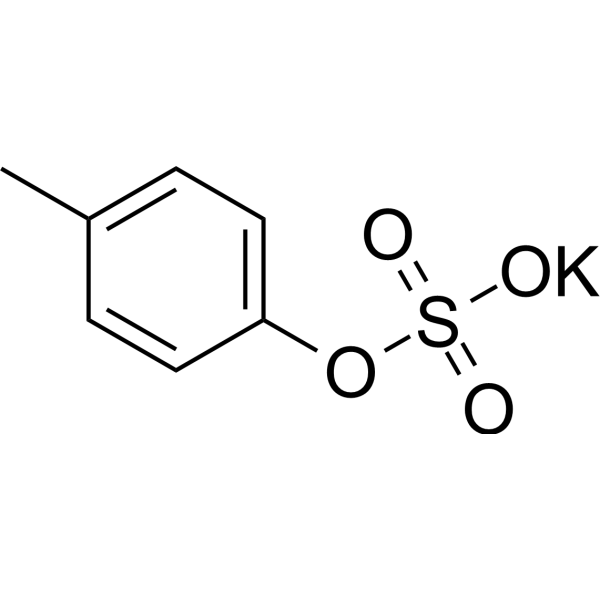
    p-Cresyl sulfate potassium is a uremic toxin that binds to a prototype protein. p-Cresyl sulfate potassium activates the JNK and p38 MAPK signaling pathways. p-Cresyl sulfate potassium has pro-inflammatory activity .
    p-Cresyl sulfate potassium
  • HY-N1420
    Rhamnose
    1 Publications Verification

    L-Rhamnose

    Environmental Pollutants Endogenous Metabolite PKA MMP Interleukin Related Infection Metabolic Disease Cancer
    Rhamnose (L-Rhamnose ) is an orally active deoxysugar. Rhamnose can inhibit levels of pro-inflammatory interleukin and matrix metalloproteinases (MMPs) in skin aging models. Rhamnose can promote the phosphorylation levels of PKA substrates and HSL in SVF-derived adipocytes, stimulating PKA signaling. Rhamnose can act against obesity in mice by stimulating fat dopamine receptors and inducing thermogenesis. Rhamnose shows anti-aging effects. Rhamnose monohydrate can be used in the study of Ehrlich’s solid tumors and sarcomas .
    Rhamnose
  • HY-N6796
    Manumycin A
    2 Publications Verification

    Antibiotic Exosomes Farnesyl Transferase Ras Apoptosis Phospholipase TNF Receptor Atg8/LC3 Infection Inflammation/Immunology Cancer
    Manumycin A is a polyketide antibiotic and an inhibitor of thioredoxin reductase 1 (TrxR-1). Manumycin A can inhibit the growth of breast cancer cells and exert its anti-tumor activity through LC3. Manumycin A can downregulate the release of pro-inflammatory cytokines in human monocytes stimulated by TNF α, and has potential anti-inflammatory activity. Manumycin A can inhibit the Ras/Raf/ERK1/2 signaling and hnRNP H1 in castration resistant prostate cancer cells to suppress exosome biogenesis and secretion .
    Manumycin A
  • HY-130413

    Neuroprotectin D1; NPD1

    Endogenous Metabolite PI3K Akt HIF/HIF Prolyl-Hydroxylase Reactive Oxygen Species (ROS) Caspase Interleukin Related MicroRNA Cardiovascular Disease Neurological Disease Inflammation/Immunology
    Protectin D1, a neuroprotectin D1 produced by neuronal cells, is a member of a newly discovered family of bioactive products derived from docosahexaenoic acid. Protectin D1 also serves as a specialized pro-resolving mediator, exhibiting effective in vivo pro-resolving activity in various human disease models. Additionally, Protectin D1 is an inhibitor of NALP3 inflammasomes and regulates the PI3K/AKT and HIF-1α signaling pathways. Protectin D1 exerts anti-inflammatory effects by reducing ROS levels, inhibiting the expression of NALP3, ASC, and Caspase-1, and consequently decreasing the release of pro-inflammatory cytokines IL-1β and IL-18. Furthermore, Protectin D1 enhances miRNA-210 expression, activates the PI3K/AKT signaling pathway, and exerts cardioprotective effects. Protectin D1 holds promise for research in cardiovascular diseases and inflammatory disorders .
    Protectin D1
  • HY-P0119
    Lixisenatide
    2 Publications Verification

    GLP Receptor Akt MEK Apoptosis Reactive Oxygen Species (ROS) MMP Cardiovascular Disease Neurological Disease Metabolic Disease Inflammation/Immunology
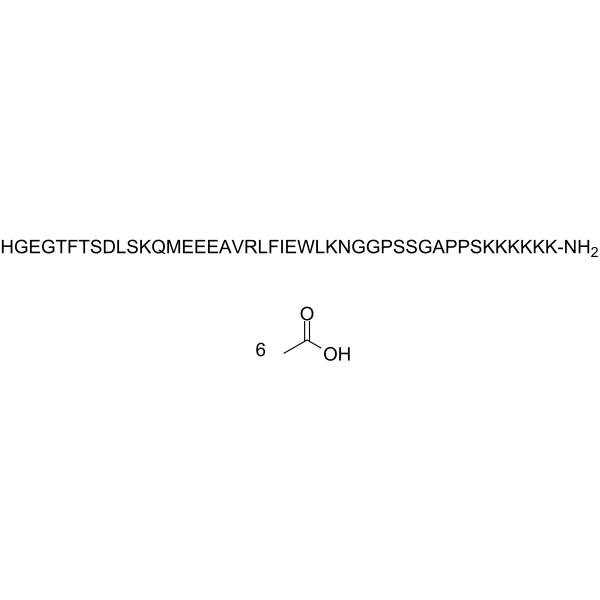
    Lixisenatide is a glucagon-like peptide-1 (GLP-1) receptor agonist. Lixisenatide inhibits the inflammatory response through down regulation of pro-inflammatory cytokines, and suppresses of the Akt-MEK1/2 signaling pathway. Lixisenatide can inhibit oxidative stress, mitochondrial dysfunction and apoptosis. Lixisenatide can be used for the researches of inflammation, metabolic disease, neurological disease and cardiovascular disease, such as rheumatoid arthritis, diabetes, Alzheimer's disease and atherosclerosis .
    Lixisenatide
  • HY-N1934

    Potassium Channel HSP Cardiovascular Disease Inflammation/Immunology Cancer
    Dihydroberberine is a naturally occurring isoquinoline alkaloid with anti-inflammatory, anti-atherosclerotic, hypolipidemic and anti-tumor activities. Dihydroberberine inhibits the human ether-related gene (hERG) channel and significantly reduces the expression of heat shock protein 90 (Hsp90) and its interaction with hERG. Dihydroberberine also blocks the TLR4/MyD88/NF-κB signaling pathway to reduce pro-inflammatory cytokines and immunoglobulins, and has inhibitory effects on DSS (HY-116282C)-induced experimental colitis. Dihydroberberine also increases the sensitivity of lung cancer to sunitinib (HY-10255A), with synergistic efficacy .
    Dihydroberberine
  • HY-145551

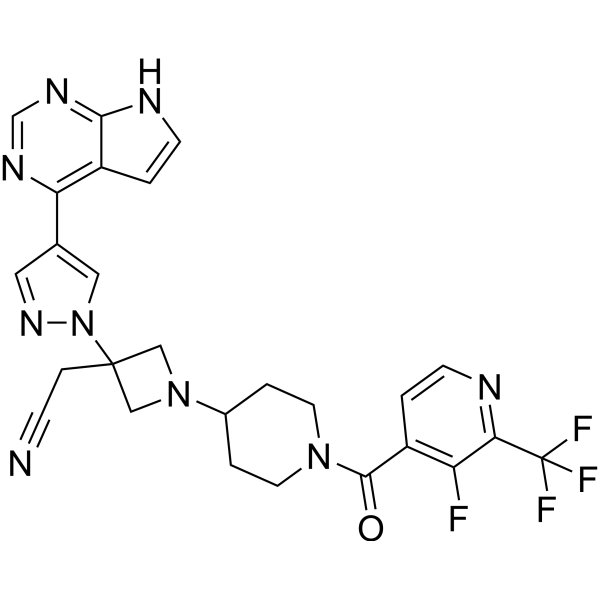
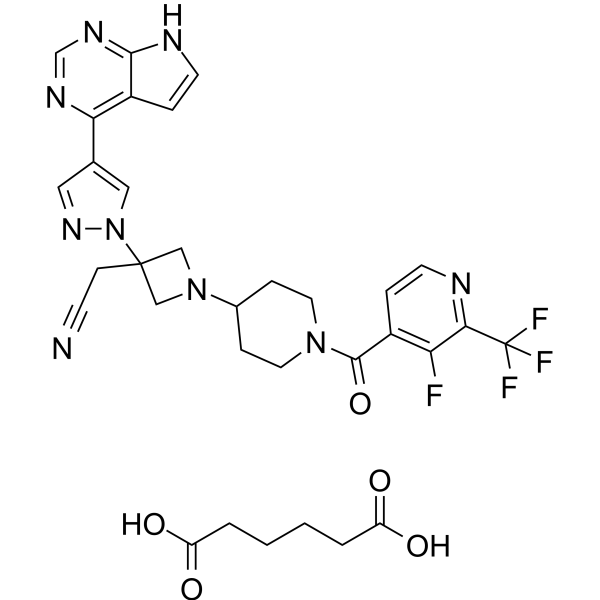
    JAK Interleukin Related Inflammation/Immunology
    Atinvicitinib is an orally active and selective JAK1 inhibitor. Atinvicitinib blocks signaling of JAK1-dependent pruritogenic and pro-inflammatory cytokines, including those in the IL-31, IL-4, and IL-13 pathways. Atinvicitinib can be used for the researches of pruritus associated with allergic dermatitis and canine atopic dermatitis .
    Atinvicitinib
  • HY-P99389

    JNJ-64304500; IPH-2301; NN-8555

    C-type Lectin-like Receptors (CTLRs) Inflammation/Immunology
    Tesnatilimab (JNJ-64304500) is a human IgG4 monoclonal antibody targeting NKG2D, with a KD value of 9.2 pM . Tesnatilimab blocks the binding of ligands to the NKG2D receptor, thereby inhibiting downstream proinflammatory cytokine, cytotoxic mediator signaling pathways and proinflammatory immune responses. Tesnatilimab is applicable to research related to Crohn's disease .
    Tesnatilimab
  • HY-N1420A
    Rhamnose monohydrate
    1 Publications Verification

    L-Rhamnose monohydrate

    Endogenous Metabolite MMP Interleukin Related PKA Infection Metabolic Disease Cancer
    Rhamnose monohydrate (L-Rhamnose monohydrate) is an orally active deoxysugar. Rhamnose monohydrate can inhibit levels of pro-inflammatory interleukin and matrix metalloproteinases (MMPs) in skin aging models. Rhamnose can promote the phosphorylation levels of PKA substrates and HSL in SVF-derived adipocytes, stimulating PKA signaling. Rhamnose monohydrate can act against obesity in mice by stimulating fat dopamine receptors and inducing thermogenesis. Rhamnose monohydrate shows anti-aging effects. Rhamnose monohydrate can be used in the study of Ehrlich’s solid tumors and sarcomas .
    Rhamnose monohydrate
  • HY-12687
    Tizoxanide
    10+ Cited Publications

    TIZ

    Bacterial HIV Autophagy Parasite IKK Influenza Virus Infection Cancer
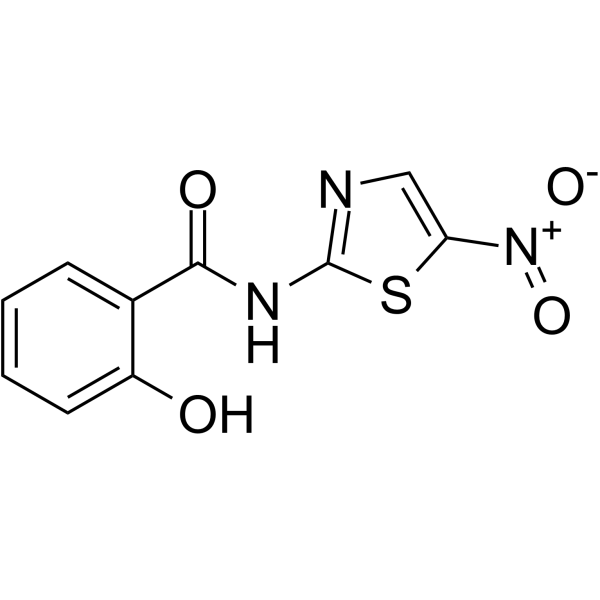
    Tizoxanide (TIZ) is the active metabolite of Nitazoxanide, which is a thiazolide anti-infective compound against anaerobic bacteria, protozoa, and a range of viruses. Tizoxanide (TIZ) has anti-HIV-1 activities and potent inhibition of both HBV and HCV replication with values EC50 of 0.46μM and 0.15 μM, respectively. Tizoxanide also exerts anti-inflammatory effects by inhibiting the production of pro-inflammatory cytokines and suppressing of the activation of the NF-κB and the MAPK signaling pathways in LPS-treated macrophage cells .
    Tizoxanide
  • HY-147105

    Orphan Nuclear Receptor Interleukin Related Inflammation/Immunology
    LRH-1 agonist-2 (Compound 6N) is a selective, full LRH-1 agonist with an EC50 of 15.7 nM. LRH-1 agonist-2 directly interacts with the Thr352 and His390 residues in the LRH-1 binding pocket, promotes allosteric signaling to the activation function surface (AFS), stabilizes the AFS and enhances coactivator recruitment. LRH-1 agonist-2 induces the anti-inflammatory cytokine IL-10, and reduces the pro-inflammatory cytokines IL-1β and TNFα. LRH-1 modulator-1 exerts anti-inflammatory effects in intestinal organoids. LRH-1 modulator-1 can be used in studies related to inflammatory bowel disease .
    LRH-1 agonist-2
  • HY-P99810

    AVTX-002; AEVI 002; SAR 252067; CERC-002; MDGN-002

    SARS-CoV Infection Inflammation/Immunology
    Quisovalimab (AVTX-002) is a human-derived monoclonal antibody against LIGHT (TNFSF14). Quisovalimab binds to LIGHT, blocks the signal transduction activity of LIGHT, reduces circulating LIGHT levels and attenuates pro-inflammatory effects. Quisovalimab can be used in research related to Crohn's disease, COVID-19-associated pneumonia and acute respiratory distress syndrome comorbidity .
    Quisovalimab
  • HY-P99520

    CaCP-29, IFX-1

    Complement System SARS-CoV Infection Inflammation/Immunology
    Vilobelimab (CaCP-29, IFX-1) is a monoclonal anti-C5a antibody to the allergen C5a, a pro-inflammatory complement division product that plays a central role in mediating organ dysfunction. Vilobelimab acts as a C5a inhibitor, inhibiting neutrophil activation, chemotaxis, and reducing inflammatory signalling, and may be used in studies related to sepsis, COVID-19, etc .
    Vilobelimab
  • HY-P991734

    TREM receptor Syk Calcium Channel Neurological Disease Inflammation/Immunology
    VHB937 is a potent and selective TREM2 agonist, a human monoclonal antibody, with sub-nanomolar affinity. VHB937 enhances TREM2 surface expression and downstream signaling, such as Syk phosphorylation and calcium mobilization. VHB937 exhibits robust neuroprotective effects in vivo, significantly reducing pathology and pro-inflammatory markers across a broad range of animal models of neuroinflammation and neurodegeneration. VHB937 can be used for neurodegenerative diseases research .
    VHB937
  • HY-153780

    DC-806; LY4100504; S-011806

    Interleukin Related Inflammation/Immunology
    Navepdekinra (DC-806) is an orally active, potent interleukin-17A (IL-17A) inhibitor (IC50 = 10.81 nM). Navepdekinra disrupts the IL-17A protein-receptor interaction, suppressing the downstream pro-inflammatory signaling pathway. Navepdekinra inhibits arthritis in a collage-induced arthritis (CIA) rat model. Navepdekinra can be used for psoriasis, psoriatic arthritis, and ankylosing spondylitis .
    Navepdekinra
  • HY-W355700

    Drug Metabolite Infection
    1-oleoyl-sn-glycero-3-phosphoethanolamine (LysoPE 18:1) is a lysophosphatidylethanolamine molecule involved in phospholipid metabolism, targeting cell membrane receptors (such as G protein-coupled receptors) to regulate cell signaling pathways. 1-oleoyl-sn-glycero-3-phosphoethanolamine may activate mitogen-activated protein kinase (MAPK) signaling, promote cell migration, regulate inflammatory responses and lipid metabolism, and has both pro-inflammatory and anti-inflammatory activities. 1-oleoyl-sn-glycero-3-phosphoethanolamine is mainly used in the screening of biomarkers for metabolic diseases (such as non-alcoholic fatty liver disease and obesity), as well as the study of the mechanism of lysophospholipids in cell membrane homeostasis and signal transduction .
    1-Oleoyl-2-hydroxy-sn-glycero-3-phosphoethanolamine
  • HY-P1137
    10Panx
    1 Publications Verification

    Gap Junction Protein Others
    10Panx is a competitive inhibitor of selective Pannexin 1 (PANX1) channels. 10Panx blocks the opening of PANX1 channels, inhibits ATP release and downstream P2X7 receptor-mediated signaling pathways, thereby reducing cell death and inflammatory responses. 10Panx can be used in the study of diseases such as neuropathic pain, inflammatory bowel disease, and Clostridioides difficile infection. 10Panx can effectively reduce mechanical hyperalgesia and enhanced C-reflexes, and inhibit the expression of pro-inflammatory factors such as IL-6[1][2][3].
    10Panx
  • HY-P991621

    EOS-215

    TREM receptor Cancer
    EOS006215 (EOS-215) is a humanized monoclonal antibody targeting TREM-2. EOS006215 competes with TREM2 ligands, prevents TREM2 multimerization, and blocks downstream signaling. EOS006215 inhibits efferocytosis, reprograms transcriptomic profiles of monocyte-derived macrophages, alters metabolism and immune response genes, and increases pro-inflammatory marker secretion. EOS006215 reduces metastasis burden, delays tumor growth, and reprograms the tumor microenvironment to overcome anti-PD-1 resistance. EOS006215 can be used for the research of triple negative breast cancer and colorectal cancer .
    EOS006215
  • HY-106381

    PKC Inflammation/Immunology Cancer
    Aurothiomalate sodium is the tetrameric form of Aurothiomalate sodium (HY-106381). Aurothiomalate sodium acts as an inhibitor of PKCI and TrxR1. Aurothiomalate sodium disrupts the PKCI-Par6-Rac1 signaling pathway, and also inhibits TrxR1 activity, TNFα-induced NF-κB activation, and the expression of pro-inflammatory genes. Aurothiomalate sodium blocks Kras-mediated BASC expansion and lung tumor growth, inhibits anchorage-independent growth and tumorigenicity of lung cancer cells, and suppresses neutrophil chemotaxis, phagocytosis, and leukocyte extravasation. Aurothiomalate sodium can be used in research related to rheumatoid arthritis and non-small cell lung cancer .
    Aurothiomalate sodium
  • HY-129440

    NF-κB Toll-like Receptor (TLR) p38 MAPK NO Synthase COX ERK Caspase PDGFR MyD88 Reactive Oxygen Species (ROS) Apoptosis Neurological Disease Metabolic Disease Inflammation/Immunology Cancer
    N-(p-Coumaroyl) Serotonin is an orally active polyphenol found in safflower seeds with potent anti-inflammatory, antioxidant, and antitumor activities. N-(p-Coumaroyl) Serotonin suppresses NF‑κB, TLR4/MyD88 and MAPK signaling, activates NQO1/HO‑1 pathways, and inhibits pro‑inflammatory cytokines, iNOS and COX‑2 and ROS production. N-(p-Coumaroyl) Serotonin induces S‑phase arrest and apoptosis in glioblastoma cells, reduces atherosclerotic lesions, and alleviates renal and vascular injuries. N-(p-Coumaroyl) Serotonin acts as a vasodilator, regulates calcium dynamics. N-(p-Coumaroyl) Serotonin can be used for the research of neurodegenerative diseases, atherosclerosis, glioblastoma, and acute renal failure .
    N-(p-Coumaroyl) Serotonin
  • HY-N2083

    NF-κB Inflammation/Immunology
    Handelin is a guaianolide dimer from Chrysanthemum boreale that has potent anti-inflammatory activity by down-regulating NF-κB signaling and pro-inflammatory cytokine production .
    Handelin
  • HY-W041608

    NF-κB Toll-like Receptor (TLR) Bacterial Infection Inflammation/Immunology
    Methylchloroisothiazolinone is a widely used fungicide and also an aquatic pollutant with pro-inflammatory activity and neurotoxicity. Methylchloroisothiazolinone induces the production of pro-inflammatory cytokines (such as IL-1β, TNF-α, IL-6) by activating the NF-κB signaling pathway and upregulating TLR4 expression, thereby triggering allergic contact dermatitis. Methylchloroisothiazolinone reduces cholinesterase activity and exacerbates oxidative stress by impairing catalase activity and disrupting redox balance. Methylchloroisothiazolinone poses significant harm to Mediterranean mussels, reducing the viability of hemocytes and digestive gland cells, inhibiting immune phagocytic function, and disrupting osmoregulatory capacity. Methylchloroisothiazolinone is used in studies on allergic contact dermatitis and related immunotoxicity mechanisms .
    Methylchloroisothiazolinone
  • HY-135317
    Emavusertib
    5+ Cited Publications

    CA-4948

    IRAK Apoptosis FLT3 NF-κB MyD88 Inflammation/Immunology Cancer
    Emavusertib is an orally active inhibitor for IRAK4 (IC50=57 nM) and FLT3. Emavusertib inhibits NF-κB and MyD88 signaling pathways, reduces the generation of pro-inflammatory cytokines like IL-6 and IL-10, thereby exhibiting anti-inflammatory and anti-proliferative activities against cancer cells, leading to cell apoptosis. Emavusertib exhibits antitumor activity in mouse model
    Emavusertib
  • HY-165613

    Dipalmitoyl-S-glyceryl-cysteine; S-[2,3-Bis(palmitoyloxy)propyl]cysteine

    Toll-like Receptor (TLR) Influenza Virus NF-κB Infection Inflammation/Immunology
    Pam2Cys (Dipalmitoyl-S-glyceryl-cysteine; S-[2,3-Bis(palmitoyloxy)propyl]cysteine) is a TLR2 agonist and immunostimulant. Pam2Cys binds to TLR2 to activate dendritic cells and trigger the TLR2-dependent NF-κB signaling pathway. Pam2Cys also induces dendritic cell maturation by upregulating the expression of cell surface MHC II molecules. Pam2Cys activates innate immune signaling pathways, drives pro-inflammatory and antimicrobial responses, enhances the expression of macrophage activation markers, increases phagocytic activity, induces the release of IL-12 and pro-inflammatory cytokines, and polarizes macrophages into a pro-inflammatory, antimicrobial phenotype without interfering with IL-10-induced macrophage polarization. Pam2Cys also serves as the lipid moiety in synthetic lipopeptide vaccines and possesses self-adjuvant properties. Pam2Cys enhances the immunogenicity of conjugated peptide segments and induces cellular and humoral immune responses. However, it does not activate CD4 T cells in mouse splenocyte cultures when used alone. Pam2Cys activates pulmonary TLR2 signaling pathways, triggers innate immune responses, recruits neutrophils and macrophages, induces the secretion of various cytokines, alleviates symptoms and damages associated with influenza A virus infection in mice without impairing adaptive immunity. Pam2Cys can be used in studies related to tuberculosis and influenza A virus infection .
    Pam2Cys
  • HY-N0695
    Schisantherin B
    1 Publications Verification

    Gomisin-B; Wuweizi ester-B; Schisantherin-B

    PI3K Akt mTOR GSK-3 Tau Protein TNF Receptor Interleukin Related Apoptosis Neurological Disease Inflammation/Immunology
    Schisantherin B (Gomisin-B) is a lignan compound and one of the active components of Schisandra chinensis. Schisantherin B activates the PI3K/AKT signaling pathway, restores the activity of GSK3β, and reduces the hyperphosphorylation of tau protein in hippocampal and cerebral cortical tissues. Schisantherin B upregulates the level of GLT-1, decreases the expression of pro-inflammatory cytokines TNF-α/IL-1β/IL-6, upregulates the expression of IL-10, and inhibits cell apoptosis. Schisantherin B is applicable to the research of spinal cord injury, Alzheimer's disease and depression .
    Schisantherin B
  • HY-P990937

    PF-04236921; TOUR-006

    Interleukin Related Inflammation/Immunology
    Pacibekitug (PF-04236921; TOUR-006) is a fully humanized IgG2 monoclonal antibody targeting IL-6. Pacibekitug binds to and neutralizes IL-6 signaling, thereby inhibiting the pathophysiological role of this pro-inflammatory cytokine in autoimmune diseases (such as rheumatoid arthritis, Crohn's disease, and systemic lupus erythematosus) [1][2].
    Pacibekitug
  • HY-162734

    GPR65 Inflammation/Immunology
    BRD5075 is a selective GPR65 activator. BRD5075 enhances GPR65 activity under acidic conditions, promotes Gαs-dependent signaling pathways, including cAMP production and G protein recruitment. BRD5075 regulates the cytokine and chemokine expression network in dendritic cells, and inhibits the expression of pro-inflammatory cytokines and chemokines in a GPR65-dependent manner. BRD5075 is applicable to research related to inflammatory bowel disease .
    BRD5075
  • HY-116474

    ERK JNK MMP p38 MAPK STAT Fungal Bacterial NO Synthase PGE synthase NF-κB Wnt β-catenin Infection Metabolic Disease Inflammation/Immunology
    Viridicatol is a quinolone alkaloid with anti-inflammatory, antibacterial, antifungal, osteogenic and chondrogenic activities. Viridicatol reduces the phosphorylation levels of ERK, JNK, p38 and STAT6; inhibits MMP-2, MMP-9, NF-κB signaling pathway and PTP1B; downregulates genes related to mast cell activation; and binds to SHN3 to activate the Wnt/SHN3 signaling pathway. Viridicatol inhibits the expression of pro-inflammatory mediators and cytokines, and promotes osteogenic/chondrogenic differentiation. Viridicatol can be used in studies related to fibrosarcoma, allergy, bacterial infection, fungal infection and osteoporosis .
    Viridicatol
  • HY-N1414

    Trk Receptor NF-κB Amyloid-β Neurological Disease
    (E)-3',6-Disinapoylsucrose is an orally active, blood-brain barrier permeable neuroprotective agent that inhibits protein aggregation. (E)-3',6-Disinapoylsucrose exerts anxiolytic, anti-inflammatory and cognitive-enhancing effects. (E)-3',6-Disinapoylsucrose regulates the TrkB/BDNF signaling pathway, inhibits the expression of NF-κB p65, reduces pro-inflammatory cytokine levels, and alleviates neuronal damage. (E)-3',6-Disinapoylsucrose also enhances the functions of central 5-HT and noradrenergic systems, thereby improving spatial learning and memory abilities and reducing anxiety-like behaviors. (E)-3',6-Disinapoylsucrose can be used for the research of related diseases such as Alzheimer's disease, depression, memory impairment and anxiety disorder .
    (E)-3',6-Disinapoylsucrose
  • HY-N13250

    Apoptosis AMPK Elastase Bcl-2 Family Interleukin Related Caspase PI3K Akt SOD Cardiovascular Disease
    Hawthorn Extract is an orally active hawthorn extract. Hawthorn Extract decreases Bax expression and increases Bcl-2 expression in the aorta. Hawthorn Extract regulates the AMPK signaling pathway, induces apoptosis, enhances the hepatic antioxidant system, and ameliorates symptoms of liver injury, inflammation and cancer. Hawthorn Extract reduces plasma levels of pro-inflammatory factors, increases plasma levels of anti-inflammatory adiponectin, and alleviates atherosclerotic plaque lesions in the aorta. Hawthorn Extract improves symptoms associated with chronic heart failure . Hawthorn Extract inhibits FMLP-induced superoxide anion production, Elastase release, ILB4 generation and calcium signaling in neutrophils, and also reduces LPS-induced cytokine production in neutrophils. Hawthorn Extract induces autophagy and inhibits the proliferation of intestinal stem cells. Hawthorn Extract can be used in research related to atherosclerosis, hepatitis, alcoholic liver disease, non-alcoholic fatty liver disease, hepatocellular carcinoma, chronic heart failure and hypotension .
    Hawthorn Extract
  • HY-131502

    P2X Receptor Inflammation/Immunology
    Taspine is a natural product with anti-inflammatory activity. Taspine suppresses P2X4 receptor activity via PI3K inhibition. Taspine inhibits pro-inflammatory signalling via inhibition of P2X4 receptors in macrophage .
    Taspine
  • HY-P0119A
    Lixisenatide acetate
    2 Publications Verification

    GLP Receptor Akt MEK Reactive Oxygen Species (ROS) Apoptosis MMP Cardiovascular Disease Neurological Disease Metabolic Disease Inflammation/Immunology
    Lixisenatide acetate is a glucagon-like peptide-1 (GLP-1) receptor agonist. Lixisenatide acetate inhibits the inflammatory response through down regulation of pro-inflammatory cytokines, and suppresses of the Akt-MEK1/2 signaling pathway. Lixisenatide acetate can inhibit oxidative stress, mitochondrial dysfunction and apoptosis. Lixisenatide acetate can be used for the researches of inflammation, metabolic disease, neurological disease and cardiovascular disease, such as rheumatoid arthritis, diabetes, Alzheimer's disease and atherosclerosis .
    Lixisenatide acetate
  • HY-14562

    mAChR Amyloid-β Neurological Disease Inflammation/Immunology
    TBPB (tert-butyl peroxybenzoate) is a highly selective, blood-brain-permeable M1 mAChR allosteric agonist (EC50=289 nM) with anti-schizophrenia and anti-inflammatory activities. TBPB can enhance the sensitivity of M1 receptors to acetylcholine, activate downstream signaling pathways, and inhibit the release of pro-inflammatory cytokines (TNF-α, IL-6). TBPB can regulate the processing of amyloid and can be used in the study of neurodegenerative diseases (such as Alzheimer's disease) and inflammation-related diseases (such as sepsis) .
    TBPB
  • HY-N0902

    13,14-Dihydrosanguinarine

    Fungal Bacterial Interleukin Related Infection Inflammation/Immunology
    Dihydrosanguinarine (13,14-Dihydrosanguinarine) is an alkaloid with antibacterial and anti-inflammatory activities, and also an important precursor of Sanguinarine (HY-N0052). Dihydrosanguinarine targets and regulates the TNF/IL-17/PI3K signaling pathway, downregulates the levels of pro-inflammatory factors such as IL-17A, TNF-α and IL-6, upregulates the expression of TGF-β, inhibits myeloperoxidase activity, and regulates the transcription of multiple inflammation-related genes. Dihydrosanguinarine exhibits antibacterial activity against a variety of oral microorganisms. Dihydrosanguinarine can be used in research related to liver inflammation and oral flora dysbiosis .
    Dihydrosanguinarine
  • HY-101318
    β-Funaltrexamine hydrochloride
    2 Publications Verification

    β-FNA hydrochloride

    Opioid Receptor p38 MAPK STAT NF-κB NO Synthase Toll-like Receptor (TLR) Cardiovascular Disease Neurological Disease
    β-Funaltrexamine (β-FNA) hydrochloride is a blood-brain barrier-permeable, selective and irreversible μ-opioid receptor antagonist with immunomodulatory, anti-inflammatory and neuroprotective activities. β-Funaltrexamine hydrochloride inhibits p38 MAPK and TLR4 signaling by blocking μ-opioid receptors, and reduces the transcriptional activities of NF-κB, AP-1, CREB and Stat. Furthermore, β-Funaltrexamine hydrochloride inhibits iNOS activation and pro-inflammatory microglial polarization, converting microglia to an anti-inflammatory phenotype, thereby downregulating neuroinflammation and ameliorating neuronal degeneration. β-Funaltrexamine hydrochloride is widely applicable to research related to stroke, cerebral ischemia/reperfusion injury and neurodegenerative diseases .
    β-Funaltrexamine hydrochloride
  • HY-156025

    Hydroxycarboxylic Acid Receptor (HCAR) Inflammation/Immunology
    HCAR2 agonist 1 (Compound 9n) is a Gi protein-biased allosteric modulator of HCAR2. HCAR2 agonist 1 activates the Gi protein signaling pathway. HCAR2 agonist 1 shows anti-inflammatory effect, and reduces mRNA level of pro-inflammatory cytokine (TNF-α, IL-1β, IL-6, and MCP-1). HCAR2 agonist 1 enhances anti-inflammatory effects of orthosteric agonists in the mouse model of colitis .
    HCAR2 agonist 1
  • HY-N1420AR

    L-Rhamnose monohydrate (Standard)

    Reference Standards Endogenous Metabolite MMP Interleukin Related PKA Infection Metabolic Disease Cancer
    Rhamnose monohydrate (Standard) is the analytical standard of Rhamnose monohydrate (HY-N1420A). Rhamnose monohydrate (L-Rhamnose monohydrate) is an orally active deoxysugar. Rhamnose monohydrate can inhibit levels of pro-inflammatory interleukin and matrix metalloproteinases (MMPs) in skin aging models. Rhamnose can promote the phosphorylation levels of PKA substrates and HSL in SVF-derived adipocytes, stimulating PKA signaling. Rhamnose monohydrate can act against obesity in mice by stimulating fat dopamine receptors and inducing thermogenesis. Rhamnose monohydrate shows anti-aging effects. Rhamnose monohydrate can be used in the study of Ehrlich’s solid tumors and sarcomas .
    Rhamnose monohydrate (Standard)
  • HY-126941

    ERK MMP Reactive Oxygen Species (ROS) NF-κB p38 MAPK NOD-like Receptor (NLR) TRP Channel TNF Receptor Interleukin Related Infection Neurological Disease Inflammation/Immunology Endocrinology
    Hecogenin acetate is an orally active steroid saponin aglycone with extensive biological activities. Hecogenin acetate inhibits the phosphorylation of NF-κB and p38 MAPK signaling pathways, antagonizes TRPA1/TRPM8 channels, inhibits the production of pro-inflammatory cytokines, and has anti-inflammatory and analgesic effects. Hecogenin acetate inhibits the production of ROS and the activation of NLRP3 inflammasome; downregulates the expression of MMP-2, and has neuroprotective and anti-tumor activities. Hecogenin acetate enhances gastric mucosal defense and promotes ulcer healing. Hecogenin acetate can be used in combination with certain antibiotics to regulate bacterial efflux pumps and restore antibiotic sensitivity .
    Hecogenin acetate
  • HY-106381A

    PKC TrxR NF-κB Inflammation/Immunology Cancer
    Aurothiomalate tetramer sodium is the tetrameric form of Aurothiomalate sodium (HY-106381). Aurothiomalate tetramer sodium acts as an inhibitor of PKCI and TrxR1. Aurothiomalate tetramer sodium disrupts the PKCI-Par6-Rac1 signaling pathway, and also inhibits TrxR1 activity, TNFα-induced NF-κB activation, and the expression of pro-inflammatory genes. Aurothiomalate tetramer sodium blocks Kras-mediated BASC expansion and lung tumor growth, inhibits anchorage-independent growth and tumorigenicity of lung cancer cells, and suppresses neutrophil chemotaxis, phagocytosis, and leukocyte extravasation. Aurothiomalate tetramer sodium can be used in research related to rheumatoid arthritis and non-small cell lung cancer .
    Aurothiomalate tetramer sodium
  • HY-129738

    Ras Cardiovascular Disease
    I942 is a first in class, selective non-cyclic nucleotide (NCN) EPAC1 agonist. I942 can attenuate proinflammatory cytokine signalling normally associated with cardiovascular diseases .
    I942
  • HY-150212

    IMO-2125

    Toll-like Receptor (TLR) Inflammation/Immunology Cancer
    Tilsotolimod (IMO-2125) is a TLR9 agonist. Tilsotolimod activates the TLR9 signaling pathway, triggers downstream pro-inflammatory and immunostimulatory pathways, enhances the uptake and killing of cancer cells, and induces adaptive immune responses. Tilsotolimod is applicable to research related to melanoma and colorectal cancer .
    Tilsotolimod
  • HY-150212A

    IMO-2125 sodium

    Toll-like Receptor (TLR) Inflammation/Immunology Cancer
    Tilsotolimod (IMO-2125) sodium is a TLR9 agonist. Tilsotolimod sodium activates the TLR9 signaling pathway, triggers downstream pro-inflammatory and immunostimulatory pathways, enhances the uptake and killing of cancer cells, and induces adaptive immune responses. Tilsotolimod sodium is applicable to research related to melanoma and colorectal cancer .
    Tilsotolimod sodium
  • HY-P10839

    NF-κB Inflammation/Immunology
    NBD peptide inhibits NF-κB signaling pathway through inhibition of the NEMO-IKK complex combination. NBD peptide exhibits anti-inflammatory efficacy through block of pro-inflammatory cytokines production. NBD peptide exhibits immunosuppressive activity through regulation of immune cells. NBD peptide enhances its transmembrane ability by combining with cell-penetrating peptide HIV-TAT .
    NBD peptide
  • HY-155335

    Formyl Peptide Receptor (FPR) Inflammation/Immunology
    FPR2 agonist 3 (compound CMC23) can limit the lactate dehydrogenase release in LPS (HY-D1056) -stimulated cultures and decrease the levels of pro-inflammatory IL-1β and IL-6. FPR2 agonist 3 decrease the level of phosphor-STAT3 via the STAT3/SOCS3 signaling pathway .
    FPR2 agonist 3
  • HY-N12188

    NF-κB TNF Receptor Interleukin Related p38 MAPK Inflammation/Immunology
    Stigmasta-3,5-dien-7-one is a steroid compound that can be isolated from Harrisonia abyssinica. Stigmasta-3,5-dien-7-one blocks the NF-κB signaling pathway via down-regulation of phospho-p38 mitogen-activated protein kinase and phosphorylation and degradation of inhibitor of NF-κB α. Stigmasta-3,5-dien-7-one reduces LPS (HY-D1056)-induced nitric oxide, PGE2, and pro-inflammatory cytokine levels in macrophages. Stigmasta-3,5-dien-7-one can be used for inflammation diseases .
    Stigmasta-3,5-dien-7-one
  • HY-178166

    Toll-like Receptor (TLR) p38 MAPK TNF Receptor ERK JNK NF-κB Interleukin Related Inflammation/Immunology
    ETI41 is an orally active, selective TLR inhibitor that targets the nucleoside-binding Site I on TLR7 (IC50 = 0.63 μM) and TLR9 (IC50 = 0.16 μM), sparing surface TLRs (including TLR1/TLR2, TLR2/TLR6, TLR4 and TLR5). ETI41 potently inhibits endosomal TLR-mediated pro-inflammatory signaling with nanomolar activity in cellular, biophysical and in vivo assays. ETI41 suppresses the expression of inflammation-associated genes and effectively ameliorates symptoms in mouse models of psoriasis, and systemic lupus erythematosus (SLE). ETI41 can be used for autoimmune and inflammatory diseases research .
    ETI41
  • HY-N16499

    Interleukin Related GDNF Receptor Trk Receptor ERK Neurological Disease Inflammation/Immunology
    Hericene A is an orally active aromatic hericene derivative. Hericene A exhibits anti-inflammatory and neurotrophic activities, and can found in the fruiting bodies of Hericium erinaceus. Hericene A inhibits the secretion of pro-inflammatory mediators. Hericene A promotes axonal growth, neurite branching, neurotrophic factor expression and downstream signal transduction. Hericene A can be used for the research of inflammatory and neurological diseases .
    Hericene A
  • HY-177515

    IRAK STAT JAK NF-κB Inflammation/Immunology
    IRAK4 modulator-2 (Compound 5) is a selective dual Interleukin-1 Receptor Associated Kinase 4 (IRAK4) and IRAK1 inhibitor with IC50 values of 0.005 μM and 0.97 μM, erespectively. IRAK4 modulator-2 blocks IRAK-mediated signaling pathways (e.g., JAK-STAT, NF-κB pathways), reduces the production of pro-inflammatory cytokines (e.g., IL-1, TNF), and exerts anti-inflammatory activity. IRAK4 modulator-2 is promising for research of autoimmune diseases and inflammatory diseases, such as rheumatoid arthritis, psoriasis, inflammatory bowel disease .
    IRAK4 modulator-2
  • HY-N1934R

    Reference Standards Potassium Channel HSP Cardiovascular Disease Inflammation/Immunology Cancer
    Dihydroberberine (Standard) is the analytical standard of Dihydroberberine. This product is intended for research and analytical applications. Dihydroberberine is a naturally occurring isoquinoline alkaloid with anti-inflammatory, anti-atherosclerotic, hypolipidemic and anti-tumor activities. Dihydroberberine inhibits the human ether-related gene (hERG) channel and significantly reduces the expression of heat shock protein 90 (Hsp90) and its interaction with hERG. Dihydroberberine also blocks the TLR4/MyD88/NF-κB signaling pathway to reduce pro-inflammatory cytokines and immunoglobulins, and has inhibitory effects on DSS (HY-116282C)-induced experimental colitis. Dihydroberberine also increases the sensitivity of lung cancer to sunitinib (HY-10255A), with synergistic efficacy .
    Dihydroberberine (Standard)
  • HY-178169

    Toll-like Receptor (TLR) p38 MAPK TNF Receptor ERK JNK NF-κB Interleukin Related Inflammation/Immunology
    ETI60 is an orally active, selective TLR inhibitor that targets the nucleoside-binding Site I on TLR7 (IC50 = 0.68 μM) and TLR9 (IC50 = 0.12 μM), sparing surface TLRs (including TLR1/TLR2, TLR2/TLR6, TLR4 and TLR5). ETI60 potently inhibits endosomal TLR-mediated pro-inflammatory signaling with nanomolar activity in cellular, biophysical and in vivo assays. ETI60 modulates the expression of genes associated with inflammation. ETI60 effectively ameliorates symptoms in mouse models of psoriasis, and systemic lupus erythematosus (SLE). ETI60 can be used for autoimmune and inflammatory diseases research .
    ETI60

Inquiry Online

Your information is safe with us. * Required Fields.

Salutation


Country or Region *

Applicant Name *


Organization Name *

Department *


Email Address *


Product Name *

Cat. No.


Requested quantity *

Phone Number *


Remarks

Inquiry Online

Inquiry Information

Product Name:
Cat. No.:
Quantity:
MCE Japan Authorized Agent:

