245 Results for "

proapoptotic

" in MedChemExpress (MCE) Product Catalog:
Products (245)

245 Results for "proapoptotic" in MCE Product Catalog:

207
207 Publications Verification
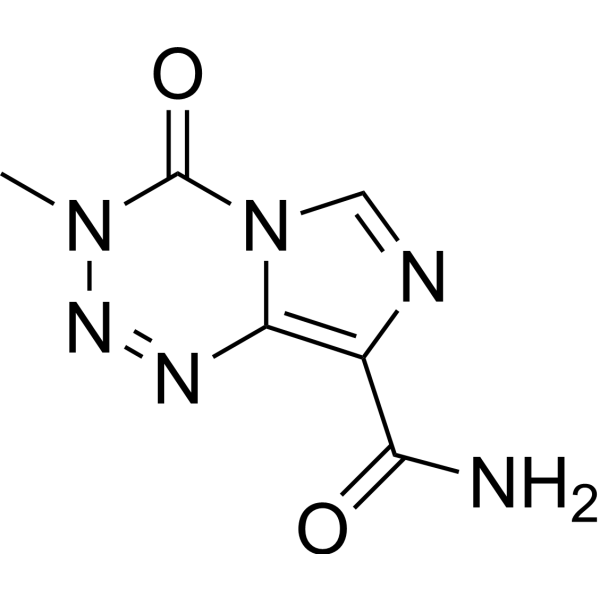
Cat. No.: HY-17364
CAS No.: 85622-93-1
Synonyms: NSC 362856; CCRG 81045; TMZ
Research Areas:  

Cancer

Temozolomide (NSC 362856) is an oral active DNA alkylating agent that crosses the blood-brain barrier. Temozolomide is also a proautophagic and proapoptotic agent. Temozolomide is effective against tumor cells that are characterized by low levels of O6-alkylguanine DNA alkyltransferase (OGAT) and a functional mismatch repair system. Temozolomide has antitumor and antiangiogenic effects .
loading...
    loading...
37
37 Cited Publications
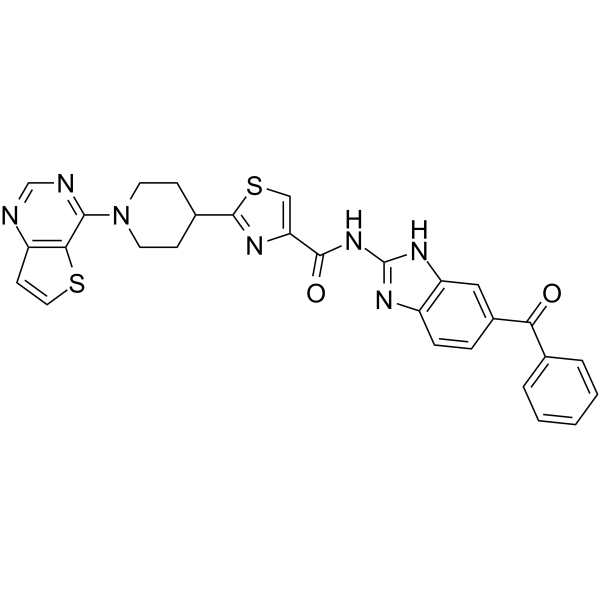
Cat. No.: HY-10496
CAS No.: 913822-46-5
Purity:  99.24%
Target:  

NF-κB Influenza Virus

Research Areas:  

Infection Cancer

SC75741 is a broad and efficient NF-κB inhibitor with an IC50 of 200 nM for p65 . SC75741 blocks influenza viruses (IV) replication. SC75741 impairs DNA binding of the NF-κB subunit p65, resulting in reduced expression of cytokines, chemokines, and pro-apoptotic factors. SC75741 subsequently inhibits caspase activation and blocks caspase-mediated nuclear export of viral ribonucleoproteins .
loading...
    loading...
25
25 Cited Publications
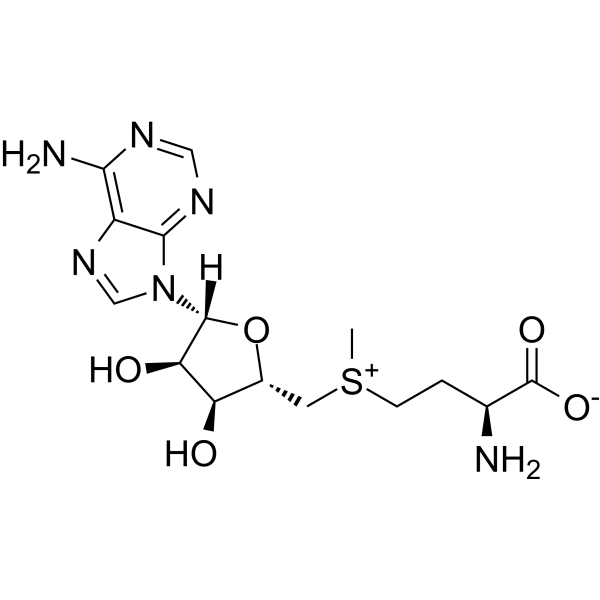
Cat. No.: HY-B0617
CAS No.: 29908-03-0
Synonyms: S-Adenosyl methionine; Ademetionine; AdoMet
S-Adenosyl-L-methionine (S-Adenosyl methionine) is an orally active methyl group donor. S-Adenosyl-L-methionine is a dietary supplement with potent antidepressant effects. S-Adenosyl-L-methionine also has anti‑proliferative, pro‑apoptotic and anti‑metastatic roles in cancers. S-Adenosyl-L-methionine has the potential for, cancer, liver disease and osteoarthritis research .
loading...
    loading...
24
24 Cited Publications
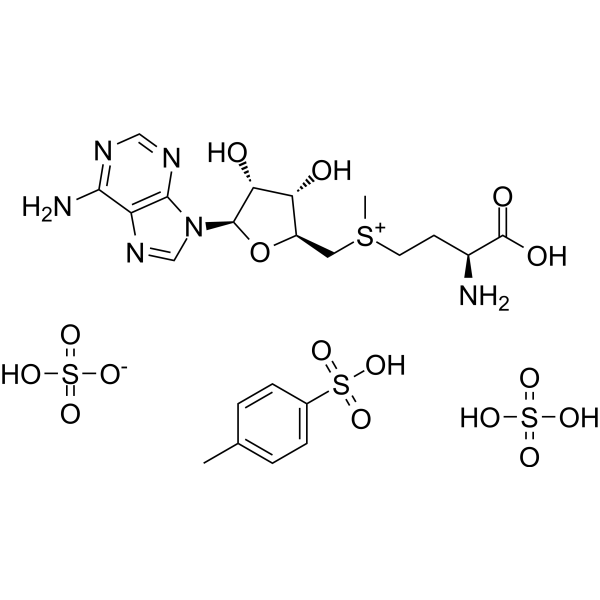
Cat. No.: HY-W017770
CAS No.: 97540-22-2
Synonyms: Ademetionine disulfate tosylate; S-Adenosyl methionine disulfate tosylate; AdoMet disulfate tosylate
S-Adenosyl-L-methionine (Ademetionine) disulfate tosylate is the disulfate tosylate form of S-Adenosyl-L-methionine (HY-B0617). S-Adenosyl-L-methionine disulfate tosylate is an orally active methyl group donor. S-Adenosyl-L-methionine disulfate tosylate is a dietary supplement with potent antidepressant effects. S-Adenosyl-L-methionine disulfate tosylate also has anti‑proliferative, pro‑apoptotic and anti‑metastatic roles in cancers. S-Adenosyl-L-methionine disulfate tosylate has the potential for, cancer, liver disease and osteoarthritis research .
loading...
    loading...
23
23 Cited Publications
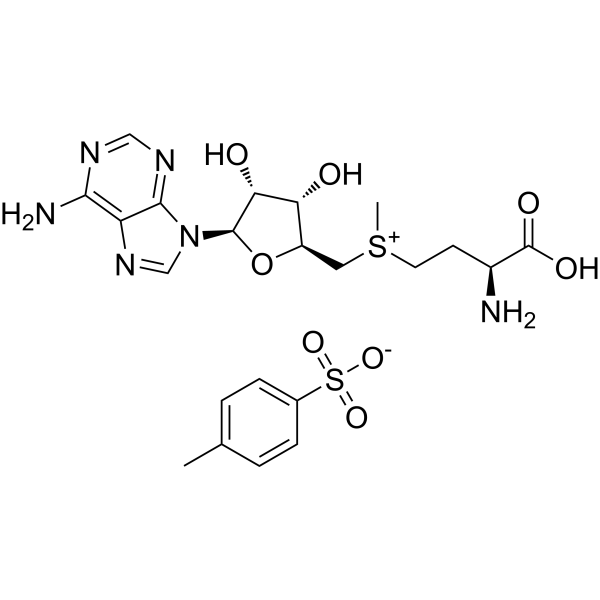
Cat. No.: HY-B0617A
CAS No.: 52248-03-0
Synonyms: S-Adenosyl methionine tosylate; Ademetionine tosylate; AdoMet tosylate
S-Adenosyl-L-methionine (S-Adenosyl methionine) tosylate is an orally active methyl group donor. S-Adenosyl-L-methionine tosylate is a dietary supplement with potent antidepressant effects. S-Adenosyl-L-methionine tosylate also has anti‑proliferative, pro‑apoptotic and anti‑metastatic roles in cancers. S-Adenosyl-L-methionine tosylate has the potential for, cancer, liver disease and osteoarthritis research .
loading...
    loading...
19
19 Cited Publications
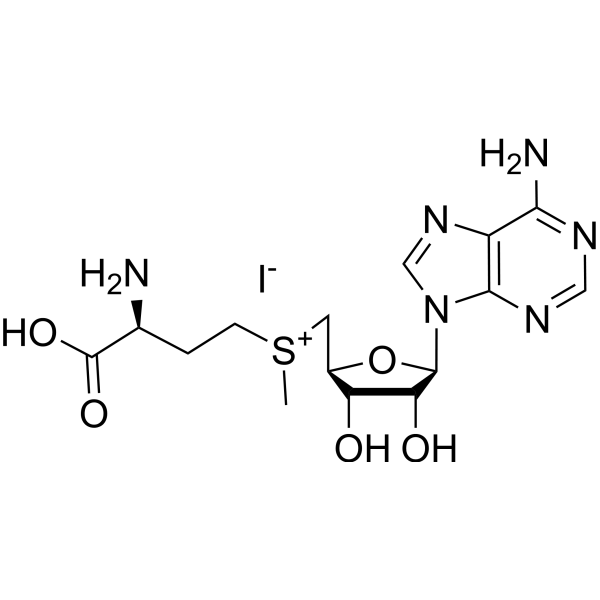
Cat. No.: HY-14614D
CAS No.: 3493-13-8
Synonyms: S-Adenosyl methionine iodide; Ademetionine iodide; AdoMet iodide
S-Adenosyl-L-methionine (S-Adenosyl methionine) iodide is an orally active methyl group donor. S-Adenosyl-L-methionine iodide is a dietary supplement with potent antidepressant effects. S-Adenosyl-L-methionine iodide also has anti‑proliferative, pro‑apoptotic and anti‑metastatic roles in cancers. S-Adenosyl-L-methionine iodide has the potential for, cancer, liver disease and osteoarthritis research .
loading...
    loading...
16
16 Cited Publications
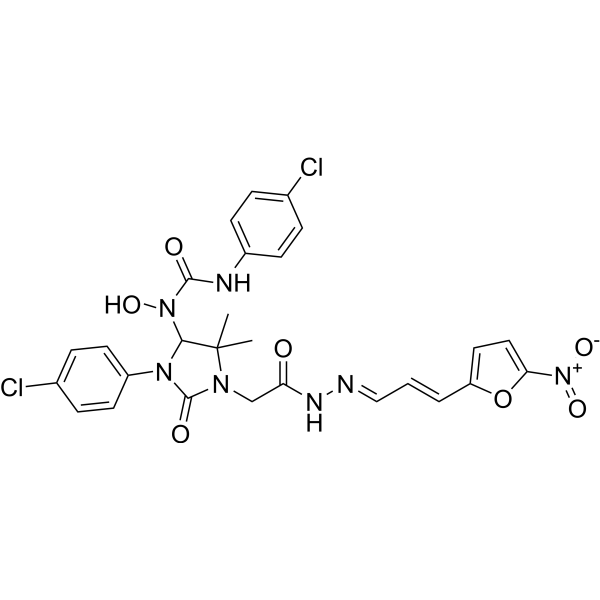
Cat. No.: HY-110078
CAS No.: 412960-54-4
Purity:  99.56%
Target:  

p97 Apoptosis

Research Areas:  

Cancer

Eeyarestatin I, a potent endoplasmic reticulum-associated protein degradation (ERAD) inhibitor, is a potent protein translocation inhibitor. Eeyarestatin I inhibits Sec61 translocon. Eeyarestatin I targets the p97-associated deubiquitinating process (PAD) and inhibits atx3-dependent deubiquitination. Eeyarestatin I interferes at a step prior to proteasomal degradation. Eeyarestatin I induces cell death via the proapoptotic protein NOXA and has anticancer effects .
loading...
    loading...
14
14 Cited Publications
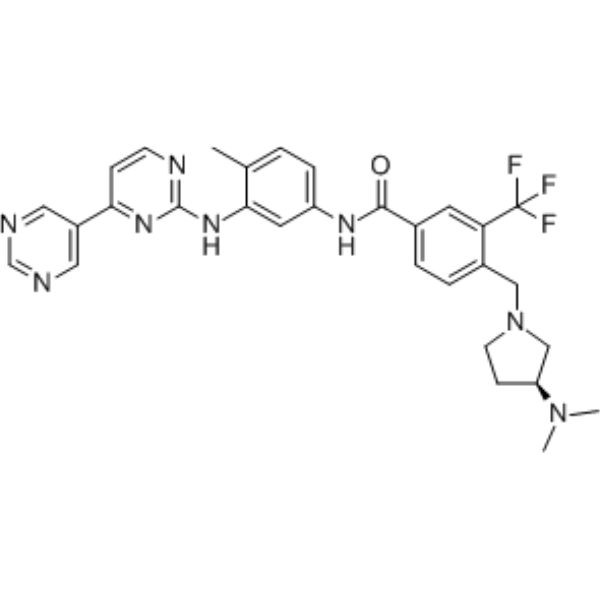
Cat. No.: HY-50868
CAS No.: 859212-16-1
Synonyms: INNO-406; NS-187
Target:  

Bcr-Abl Src Apoptosis

Research Areas:  

Cancer

Bafetinib is an orally active Lyn/Bcr-Abl tyrosine kinase inhibitor. Bafetinib enhances the activity of several pro-apoptotic Bcl-2 homology (BH) 3-pure proteins (Bim, Bad, Bmf, and Bik) through intrinsic apoptotic pathways regulated by the Bcl-2 family, and induces apoptosis of Ph + leukemia cells. Bafetinib has antitumor activity .
loading...
    loading...
12
12 Cited Publications
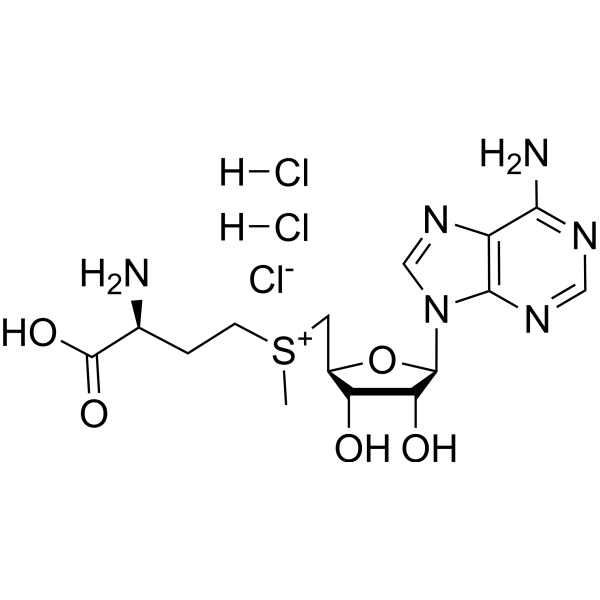
Cat. No.: HY-14614A
CAS No.: 86867-01-8
Purity:  ≥75.0%
Synonyms: S-Adenosyl methionine chloride dihydrochloride; Ademetionine chloride dihydrochloride; AdoMet chloride dihydrochloride
S-Adenosyl-L-methionine (S-Adenosyl methionine) chloride dihydrochloride is an orally active methyl group donor. S-Adenosyl-L-methionine chloride dihydrochloride is a dietary supplement with potent antidepressant effects. S-Adenosyl-L-methionine chloride dihydrochloride also has anti‑proliferative, pro‑apoptotic and anti‑metastatic roles in cancers. S-Adenosyl-L-methionine chloride dihydrochloride has the potential for, cancer, liver disease and osteoarthritis research .
loading...
    loading...
12
12 Cited Publications
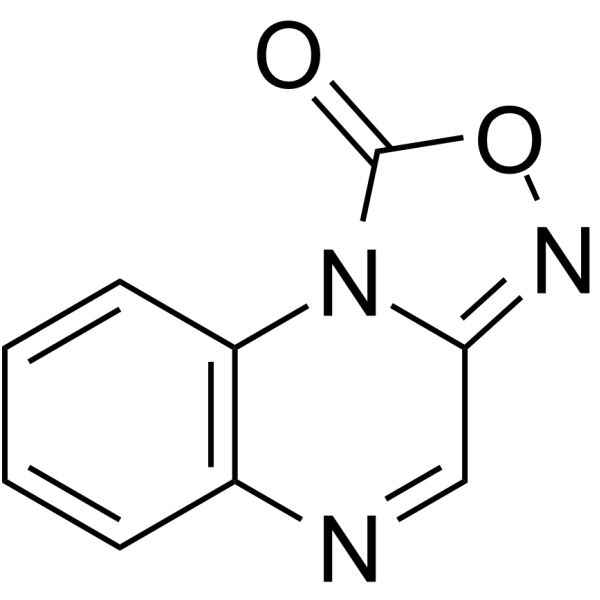
Cat. No.: HY-101255
CAS No.: 41443-28-1
Purity:  99.75%
Research Areas:  

Cancer

ODQ is a potent and selective soluble guanylyl cyclase (sGC, nitric oxide-activated enzyme) inhibitor. ODQ enhances the pro-apoptotic effects of Cisplatin in human mesothelioma cells .
loading...
    loading...
8
8 Cited Publications
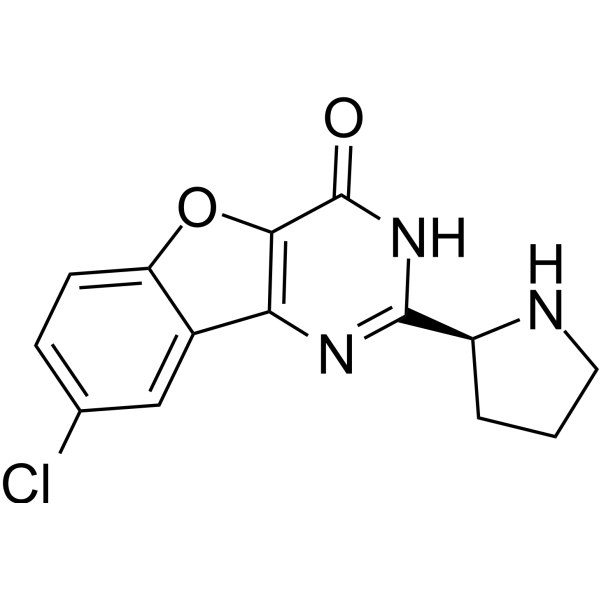
Cat. No.: HY-15260
CAS No.: 1169558-38-6
Purity:  99.76%
Synonyms: BMS-863233
XL413 (BMS-863233) is an orally active, ATP-competitive, selective CDC7 kinase inhibitor. XL413 reduces MCM2 phosphorylation levels, decreases DNA replication origin activation, and inhibits CD69 upregulation in stimulated lymphocytes. XL-413 possesses cell-dependent antiproliferative and pro-apoptotic activities. XL413 attenuates ATR inhibitor-induced excessive origin activation, altered replication fork speed, and antiproliferative effects in sensitive cancer cells. XL413 inhibits SARS-CoV-2 infection. XL413 can be used for research related to cancer and SARS-CoV-2 infection .
loading...
    loading...
8
8 Cited Publications
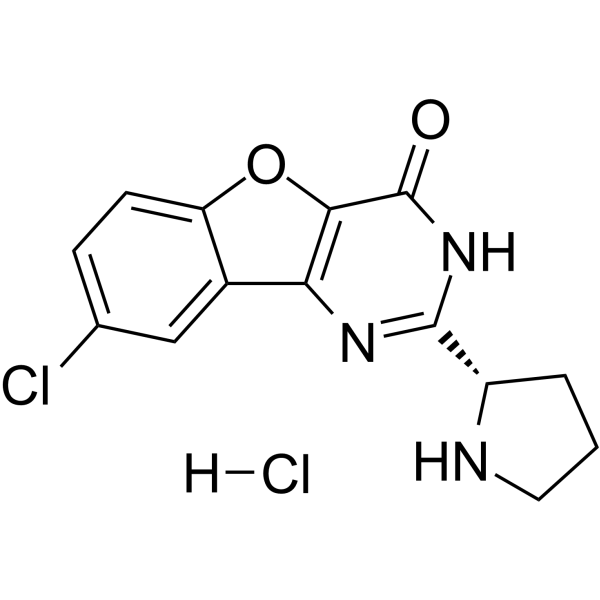
Cat. No.: HY-15260A
CAS No.: 2062200-97-7
Purity:  99.65%
Synonyms: BMS-863233 monohydrochloride
XL413 monohydrochloride (BMS-863233 monohydrochloride) is an orally active, ATP-competitive, selective CDC7 kinase inhibitor. XL413 monohydrochloride reduces MCM2 phosphorylation levels, decreases DNA replication origin activation, and inhibits CD69 upregulation in stimulated lymphocytes. XL-413 possesses cell-dependent antiproliferative and pro-apoptotic activities. XL413 monohydrochloride attenuates ATR inhibitor-induced excessive origin activation, altered replication fork speed, and antiproliferative effects in sensitive cancer cells. XL413 monohydrochloride inhibits SARS-CoV-2 infection. XL413 monohydrochloride can be used for research related to cancer and SARS-CoV-2 infection .
loading...
    loading...
7
7 Cited Publications
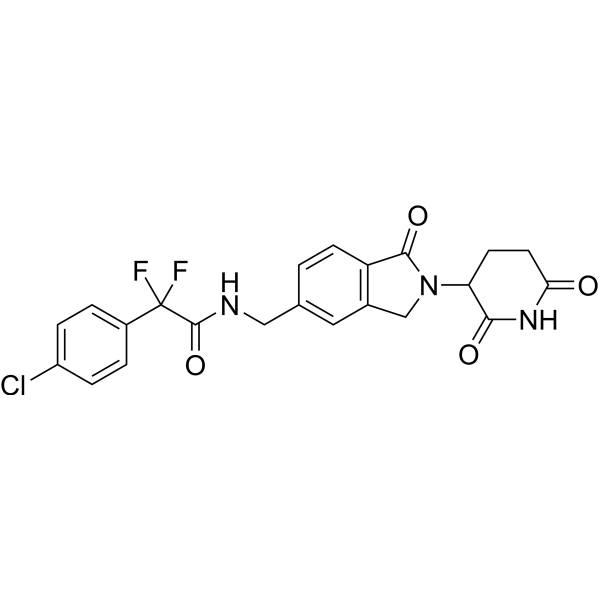
Cat. No.: HY-130800
CAS No.: 1860875-51-9
Purity:  99.76%
Synonyms: CC-90009
Eragidomide (CC-90009) is a GSPT1 Molecular Glue degrader. Eragidomide exhibits antiproliferative and pro-apoptotic (apoptosis) activities against acute myeloid leukemia cells. Eragidomide recruits the CRL4CRBN E3 ubiquitin ligase complex to selectively target GSPT1 for ubiquitination and proteasomal degradation. Eragidomide reduces leukemia cell engraftment and eliminates leukemia stem cells. Eragidomide promotes the activation of the GCN1/GCN2/ATF4 pathway and the integrated stress response pathway, inhibits global protein translation, promotes preferential translation of ATF4, and induces the accumulation of ATF4, CHOP and ATF3. The response to Eragidomide is regulated by the ILF2/ILF3 heterodimer complex, the mTOR signaling pathway and the integrated stress response. Eragidomide can be used in research related to acute myeloid leukemia and relapsed/refractory acute myeloid leukemia .
loading...
    loading...
6
6 Cited Publications
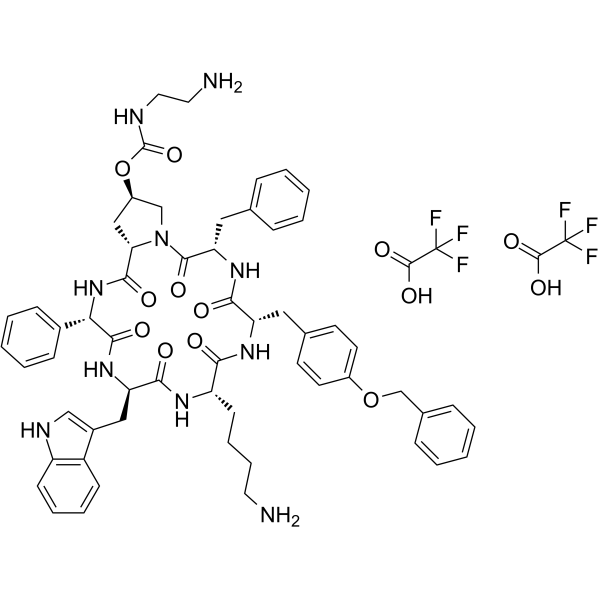
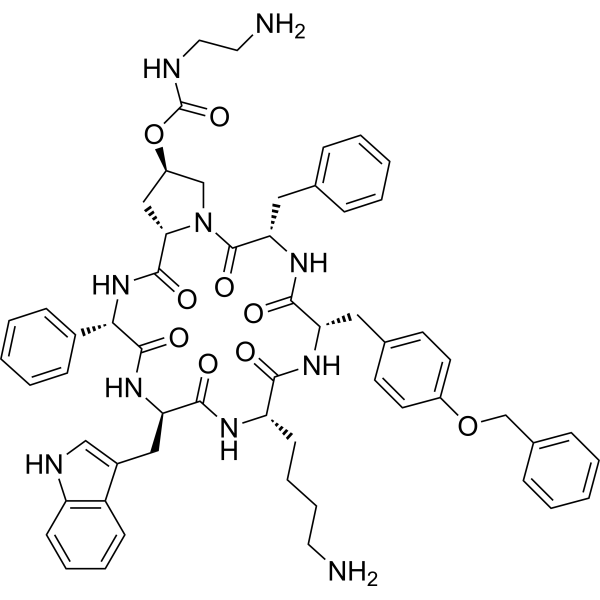
Cat. No.: HY-79135
Synonyms: SOM230 ditrifluoroacetate; Pasireotide TFA salt
Target:  

Somatostatin Receptor

Research Areas:  

Endocrinology Cancer

Pasireotide (SOM230) ditrifluoroacetate, a long-acting cyclohexapeptide somatostatin analogue, can improve agonist activity at somatostatin receptors (subtypes sst1/2/3/4/5, pKi=8.2/9.0/9.1/<7.0/9.9, respectively). Pasireotide ditrifluoroacetate exhibits antisecretory, antiproliferative, and proapoptotic activity .
loading...
    loading...
6
6 Cited Publications
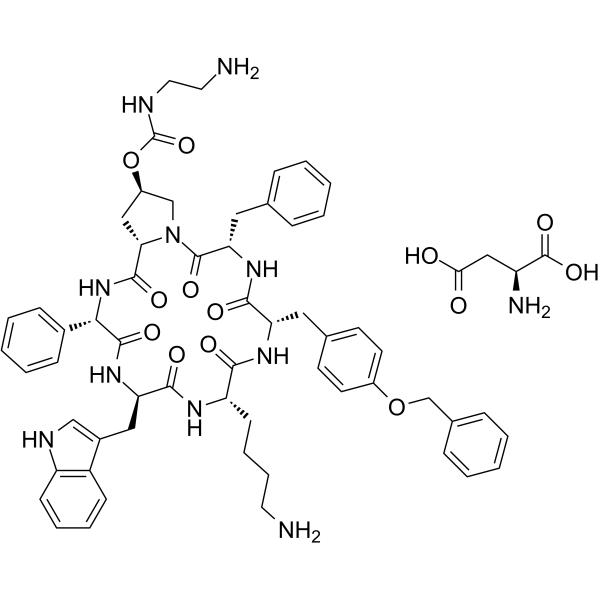
Cat. No.: HY-79136
CAS No.: 396091-77-3
Synonyms: SOM230 L-aspartate
Target:  

Somatostatin Receptor

Research Areas:  

Endocrinology Cancer

Pasireotide (SOM230) L-aspartate salt, a long-acting cyclohexapeptide somatostatin analogue, can improve agonist activity at somatostatin receptors (subtypes sst1/2/3/4/5, pKi=8.2/9.0/9.1/<7.0/9.9, respectively). Pasireotide L-aspartate salt exhibits antisecretory, antiproliferative, and proapoptotic activity .
loading...
    loading...
6
6 Cited Publications
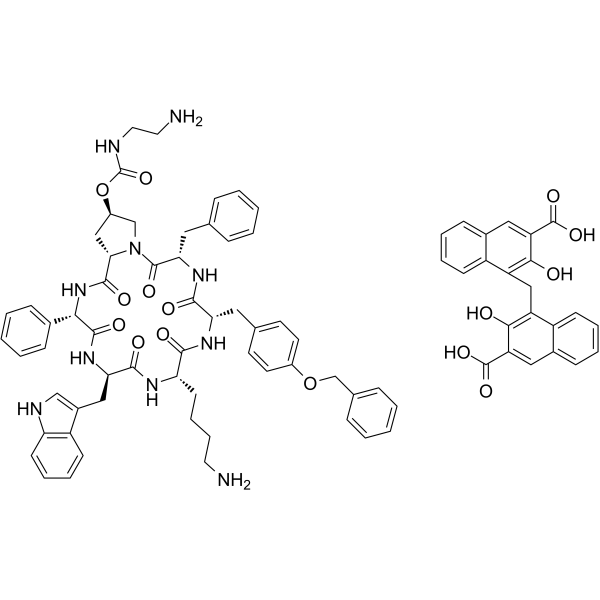
Cat. No.: HY-108768
CAS No.: 396091-79-5
Synonyms: SOM230 pamoate
Target:  

Somatostatin Receptor

Research Areas:  

Endocrinology Cancer

Pasireotide (SOM230) pamoate, a long-acting cyclohexapeptide somatostatin analogue, can improve agonist activity at somatostatin receptors (subtypes sst1/2/3/4/5, pKi=8.2/9.0/9.1/<7.0/9.9, respectively). Pasireotide pamoate exhibits antisecretory, antiproliferative, and proapoptotic activity .
loading...
    loading...
6
6 Cited Publications
Cat. No.: HY-16381
CAS No.: 396091-73-9
Synonyms: SOM230
Target:  

Somatostatin Receptor

Research Areas:  

Endocrinology Cancer

Pasireotide (SOM230), a long-acting cyclohexapeptide somatostatin analogue, can improve agonist activity at somatostatin receptors (subtypes sst1/2/3/4/5, pKi=8.2/9.0/9.1/<7.0/9.9, respectively). Pasireotide can suppress GH, IGF-I and ACTH secretion, indicating potential efficacy in acromegaly and Cushing's disease. Pasireotide also exhibits antisecretory, antiproliferative, and proapoptotic activity .
loading...
    loading...
6
6 Cited Publications
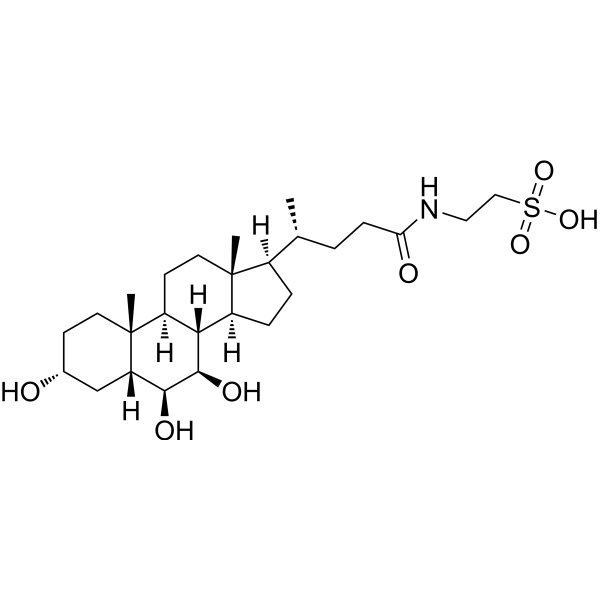
Cat. No.: HY-N9933
CAS No.: 25696-60-0
Synonyms: TβMCA
Tauro-β-muricholic acid (TβMCA) is an orally active trihydroxylated bile acid and a competitive, reversible FXR antagonist (IC50=40 μM). Tauro-β-muricholic acid inhibits bile acid-induced hepatocyte apoptosis by maintaining mitochondrial membrane potential, while simultaneously inhibiting intestinal FXR signaling, affecting bile acid synthesis, hepatic lipid metabolism, and insulin sensitivity. Accumulation of tauro-β-muricholic acid disrupts metabolic homeostasis, promoting cancer stem cell proliferation and tumor progression. The mechanisms of tauro-β-muricholic acid involve two aspects: first, inhibiting the translocation of the pro-apoptotic protein Bax to mitochondria and maintaining mitochondrial membrane potential (MMP); and second, blocking the FXR signaling pathway to regulate bile acid metabolism, reduce serum ceramide production, and downregulate the hepatic SREBP1C/CIDEA pathway. Tauro-β-muricholic acid possesses anti-hepatocyte apoptosis, bile acid homeostasis regulation, and liver fat accumulation reduction properties, and also functions as a biomarker, making it useful in the study of diseases such as bile acid metabolism disorders, non-alcoholic fatty liver disease, colorectal cancer, and liver fibrosis .
loading...
    loading...
5
5 Cited Publications
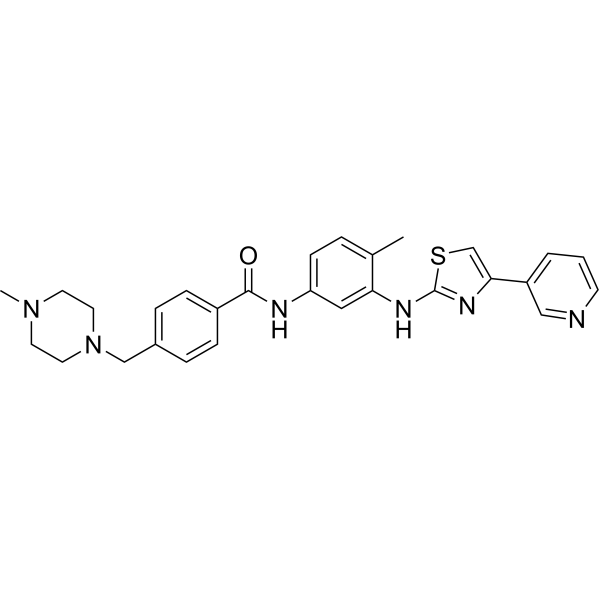
Cat. No.: HY-10209
CAS No.: 790299-79-5
Purity:  99.95%
Synonyms: AB1010
Research Areas:  

Cancer

Masitinib (AB1010) is a potent, orally bioavailable, and selective inhibitor of c-Kit (IC50=200 nM for human recombinant c-Kit). It also inhibits PDGFRα/β (IC50s=540/800 nM), Lyn (IC50= 510 nM for LynB), Lck, and, to a lesser extent, FGFR3 and FAK. Masitinib (AB1010) has anti-proliferative, pro-apoptotic activity and low toxicity .
loading...
    loading...
5
5 Cited Publications
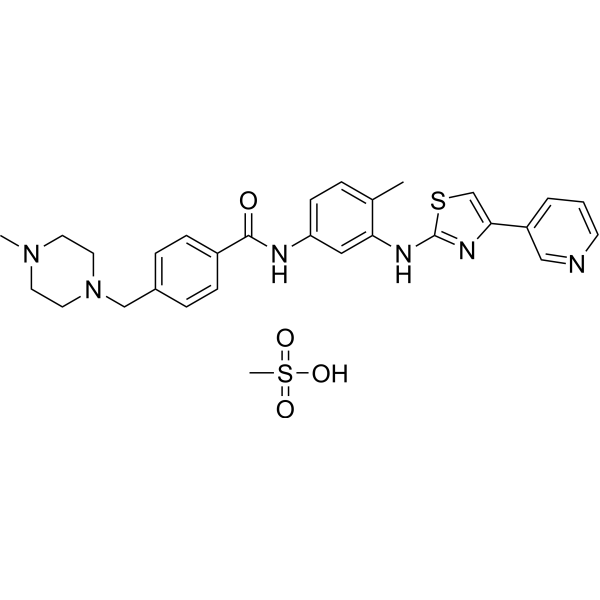
Cat. No.: HY-10209A
CAS No.: 1048007-93-7
Purity:  99.51%
Synonyms: AB-1010 mesylate
Target:  

c-Kit PDGFR Src FGFR Apoptosis

Research Areas:  

Cancer

Masitinib mesylate (AB-1010 mesylate) is a potent, orally bioavailable, and selective inhibitor of c-Kit (IC50=200 nM for human recombinant c-Kit). It also inhibits PDGFRα/β (IC50s=540/800 nM), Lyn (IC50= 510 nM for LynB), Lck, and, to a lesser extent, FGFR3 and FAK. Masitinib mesylate (AB-1010 mesylate) has anti-proliferative, pro-apoptotic activity and low toxicity .
loading...
    loading...

