Search Result
Results for "
temperature increase
" in MedChemExpress (MCE) Product Catalog:
14
Biochemical Assay Reagents
1
Isotope-Labeled Compounds
| Cat. No. |
Product Name |
Target |
Research Areas |
Chemical Structure |
-
- HY-135484
-
|
|
Biochemical Assay Reagents
|
Metabolic Disease
|
|
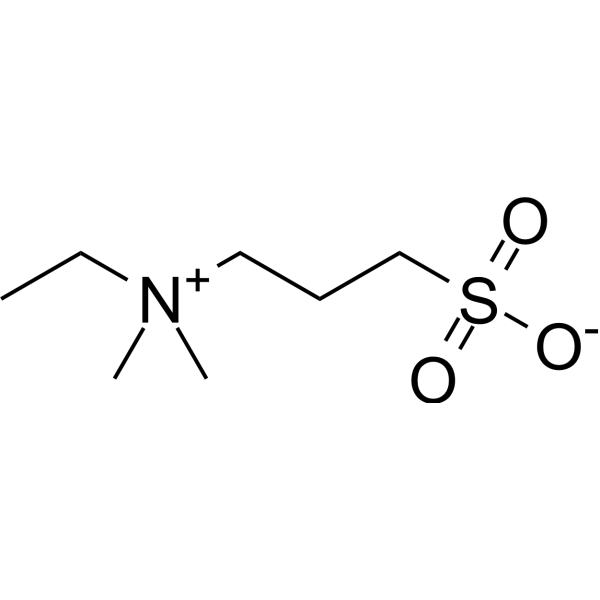
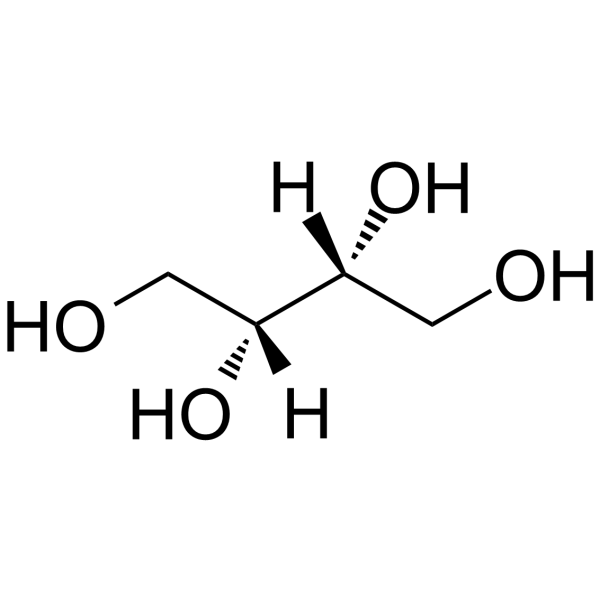
NDSB-195 is protein stabilizer that enhances the dynamics of the β4-α2 loop of ubiquitin. NDSB-195 stabilizes Saccharomyces cerevisiae ubiquitin against guanidium chloride denaturation, increasing the onset temperature of heat denaturation in the presence of the denaturant .
|
-
-
- HY-B1199
-
-
-
- HY-W034344
-
|
|
Biochemical Assay Reagents
|
Others
|
|
Sodium methanesulfonate is a hygroscopic atmospheric aerosol, which typically forms from the reaction of methanesulfonic acid with sodium chloride or sea salt particles. Sodium methanesulfonate can serve as a substrate for oxidation reactions, undergoing heterogeneous oxidation by hydroxyl radicals at the air-aerosol interface, thereby initiating subsequent aerosol-phase chain reactions. Sodium methanesulfonate exhibits significant temperature-dependent deliquescence and efflorescence properties; particularly at lower temperatures relevant to the troposphere, its deliquescence and efflorescence relative humidity increase accordingly .
|
-
-
- HY-W011548
-
|
|
Nucleoside Antimetabolite/Analog
|
Others
|
|
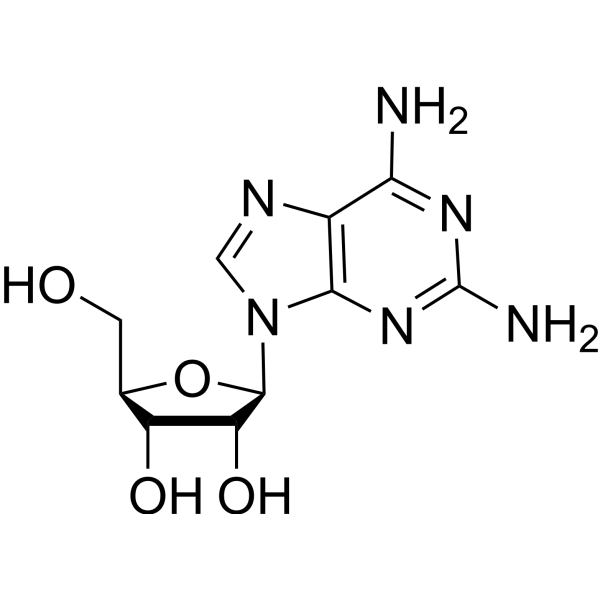
2-Aminoadenosine is a modified adenine base and adenosine analog that stabilizes RNA duplexes and enhances template-directed nucleotide condensation reactions. 2-Aminoadenosine forms three hydrogen bonds with uracil to increase the melting temperature of hybrid strands, thereby stabilizing uracil-containing RNA duplexes .
|
-
-
- HY-112624H
-
|
Dextran 2; Dextran D2; Dextran T2(MW 1600-2400)
|
Biochemical Assay Reagents
|
Others
|
|
Dextran T2 (Dextran 2; Dextran T2(MW 1600-2400)) is a natural high molecular weight polysaccharide, the glycosidic bonds in its structure can be recognized by endo-dextranase and exo-dextranase. Dextran T2 (MW 2,000) breaks the glycosidic bonds in the enzymatic hydrolysis mechanism, releasing products such as D-glucose, Isomaltose (IM2), and Isomaltotriose (IM3). Dextran T2 (MW 2,000) can be used as a model substrate to characterize the catalytic properties of dextranase (such as optimal pH, temperature and product specificity), and to study enzymatic mechanism research and polysaccharide degradation pathways in glycobiology. The Dextran series of compounds are also a natural polysaccharide drug carrier, which can be connected to drugs through covalent bonding methods such as ester bonds, amide bonds or click chemistry, or self-assembled to form carriers such as nanoparticles and hydrogels. Dextran is biodegradable and biocompatible, and can achieve targeted delivery and controlled release of drugs. Dextran derivatives can prolong drug half-life, increase local concentration and reduce immune clearance activity .
|
-
-
- HY-179669I
-
|
|
Biochemical Assay Reagents
|
Others
|
|
1M Tris-HCl Buffer, pH 8.8 is a buffer solution commonly used in various biochemical and molecular biological applications to maintain a stable pH environment. The pH value of Tris-HCl changes with temperature; generally, the pH decreases by 0.03 units for every degree Celsius increase in temperature. The pH values indicated on the product are the pH values of the Tris-HCl buffer solution at 25°C.
|
-
-
- HY-179669C
-
|
|
Biochemical Assay Reagents
|
Others
|
|
1M Tris-HCl Buffer, pH 7.6 is a buffer solution commonly used in various biochemical and molecular biological applications to maintain a stable pH environment. The pH value of Tris-HCl changes with temperature; generally, the pH decreases by 0.03 units for every degree Celsius increase in temperature. The pH values indicated on the product are the pH values of the Tris-HCl buffer solution at 25°C.
|
-
-
- HY-179669
-
|
|
Biochemical Assay Reagents
|
Others
|
|
1M Tris-HCl Buffer, pH 6.8 is a buffer solution commonly used in various biochemical and molecular biological applications to maintain a stable pH environment. The pH value of Tris-HCl changes with temperature; generally, the pH decreases by 0.03 units for every degree Celsius increase in temperature. The pH values indicated on the product are the pH values of the Tris-HCl buffer solution at 25°C.
|
-
-
- HY-135775
-
BMVC
1 Publications Verification
|
G-quadruplex
Telomerase
DNA/RNA Synthesis
|
Cancer
|
|
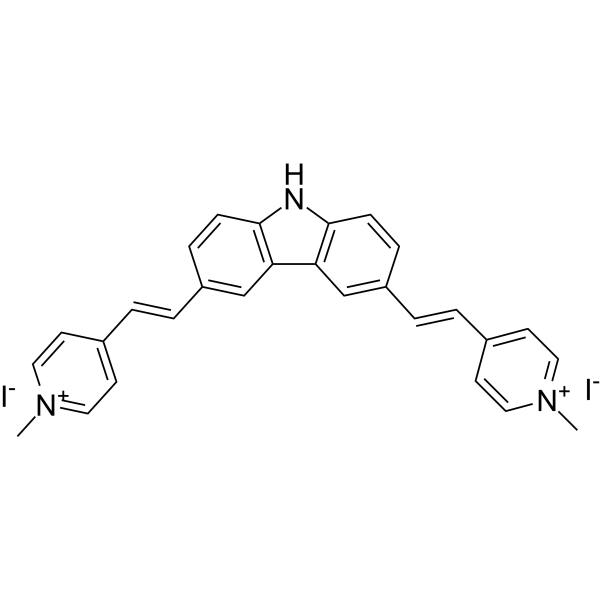
BMVC is a potent G-quadruplex (G4) stabilizer and a selective telomerase inhibitor with an IC50 of ~0.2 μM. BMVC inhibits Taq DNA polymerase with an IC50 of ~2.5 μM. BMVC increases the melting temperature of G4 structure of telomere and accelerates telomere length shortening. Anticancer activities .
|
-
-
- HY-14811
-
|
ZGN-440; CKD-732 free base
|
MetAP
NF-κB
|
Metabolic Disease
|
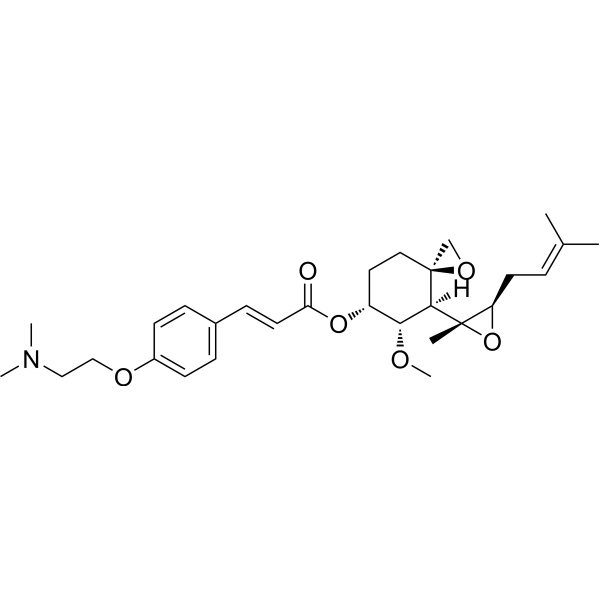
Beloranib (ZGN-440; CKD-732 free base) is a selective, irreversible inhibitor of methionine aminopeptidase MetAP2 that suppresses appetite and increases energy expenditure. Beloranib blocks the enzymatic cleavage of N-terminal methionine from nascent proteins by forming a covalent bond with MetAP2, thereby regulating fatty acid metabolism, adrenergic signaling, and hypothalamic NF-κB expression. Beloranib significantly reduces food intake, body weight, and fat accumulation, while improving glucose tolerance, insulin sensitivity, and lipid metabolism. Beloranib also elevates energy expenditure and fat oxidation levels, without affecting body temperature, spontaneous activity, or the inflammatory cytokine IL-1β. Beloranib can be used in research on obesity and hypothalamic obesity .
|
-
-
- HY-W012954B
-
|
Tetramethylammonium chloride, for molecular biology, 99%(T)
|
Biochemical Assay Reagents
|
Others
|
|
TMA chloride, for molecular biology, 99%(T) (Tetramethylammonium chloride, for molecular biology, 99%(T)) can increase the specificity of hybridization and raise the DNA denaturation temperature in PCR.
|
-
-
- HY-179669A
-
|
|
Biochemical Assay Reagents
|
Others
|
|
1M Tris-HCl Buffer, pH 7.0 is a buffer solution commonly used in various biochemical and molecular biological applications to maintain a stable pH environment. The pH value of Tris-HCl changes with temperature; generally, the pH decreases by 0.03 units for every degree Celsius increase in temperature. The pH values indicated on the product are the pH values of the Tris-HCl buffer solution at 25°C.
|
-
-
- HY-179669E
-
|
|
Biochemical Assay Reagents
|
Others
|
|
1M Tris-HCl Buffer, pH 8.0 is a buffer solution commonly used in various biochemical and molecular biological applications to maintain a stable pH environment. The pH value of Tris-HCl changes with temperature; generally, the pH decreases by 0.03 units for every degree Celsius increase in temperature. The pH values indicated on the product are the pH values of the Tris-HCl buffer solution at 25°C.
|
-
-
- HY-114652
-
|
2-Amino-α-carboline; AαC
|
Endogenous Metabolite
|
Cancer
|
|
AalphaC (AαC) is a potential carcinogen with carcinogenic activity. AalphaC is an important biomarker in tobacco smoke and is associated with tobacco smoke exposure. Urinary concentrations of AalphaC are significantly higher in dedicated smokers than in non-smokers, indicating its importance in monitoring tobacco exposure. AalphaC levels increase significantly with increasing serum nicotine levels, indicating its close relationship with tobacco use. In addition, consuming high-temperature cooked beef significantly increases the amount of AalphaC in urine, while consuming vegetables is associated with a decrease in AalphaC concentrations. Smoking half a pack of cigarettes is associated with a significant increase in the amount of AalphaC, which further confirms the biological activity of AalphaC and its association with dietary habits .
|
-
-
- HY-141564
-
|
|
Calcium Channel
|
Neurological Disease
|
|
RyR1-IN-1 (Compound 1) is a RyR1 inhibitor with an IC50 of 12 nM. RyR1-IN-1 blocks Ca²⁺ release and inhibits muscle tetany caused by caffeine and heat stress. RyR1-IN-1 can completely prevent the increase in body temperature and death caused by isoflurane and heat stress. RyR1-IN-1 can be used for the study of heat stroke .
|
-
-
- HY-14811A
-
|
ZGN-440 hemioxalate; ZGN-433 hemioxalate; CDK732 hemioxalate
|
NF-κB
MetAP
|
Metabolic Disease
|
Beloranib (ZGN-440; CKD-732 free base) hemioxalate is a selective, irreversible inhibitor of methionine aminopeptidase MetAP2 that suppresses appetite and increases energy expenditure. Beloranib hemioxalate blocks the enzymatic cleavage of N-terminal methionine from nascent proteins by forming a covalent bond with MetAP2, thereby regulating fatty acid metabolism, adrenergic signaling, and hypothalamic NF-κB expression. Beloranib hemioxalate significantly reduces food intake, body weight, and fat accumulation, while improving glucose tolerance, insulin sensitivity, and lipid metabolism. Beloranib hemioxalate also elevates energy expenditure and fat oxidation levels, without affecting body temperature, spontaneous activity, or the inflammatory cytokine IL-1β. Beloranib hemioxalate can be used in research on obesity and hypothalamic obesity .
|
-
-
- HY-125782
-
|
15(R)-15-Methyl PGD2
|
Prostaglandin Receptor
|
Metabolic Disease
|
|
15(R)-15-Methyl prostaglandin D2 (15(R)-15-methyl PGD2) is a metabolically stable synthetic analog of PGD2. The physiological actions of PGD2 include regulation of sleep, lowering of body temperature, inhibition of platelet aggregation and relaxation of vascular smooth muscle. PGD2 mediates its effects by 2 distinct G-protein-coupled receptors, DP1and CRTH2/DP2. 15(R)-15-Methyl prostaglandin D2 is a potent, selective agonist for the CRTH2/DP2 receptor. The EC50 values for eosinophil CD11b expression, actin polymerization, and chemotaxis are 1.4, 3.8, and 1.7 nM, respectively, each of which is approximately 3-5 fold lower than those for PGD2. In contrast the EC50 for the DP1-mediated increase in platelet cAMP by 15(R)-15-methyl PGD2 is >10 μM.
|
-
-
- HY-144867
-
|
|
HSP
|
Cancer
|
|
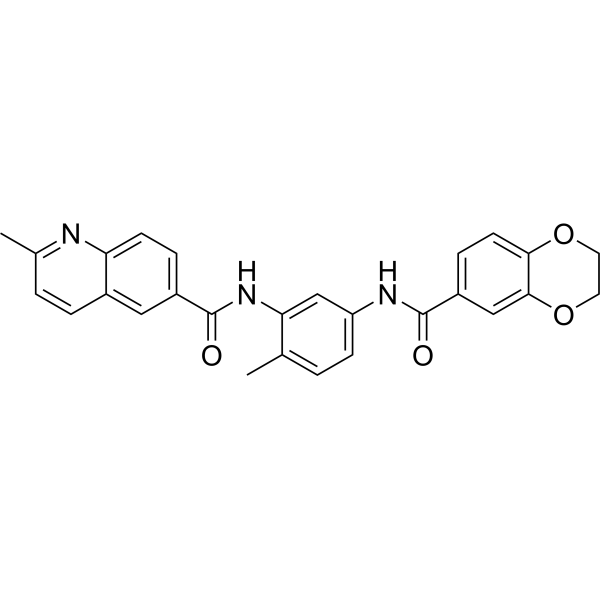
CCT245232 is a potent inhibitor of heat shock factor 1 (HSF1). HSF1 is the master regulator of the heat shock response, in which multiple genes are induced in response to temperature increase and other stresses. CCT245232 has the potential for the research of proliferative diseases, such as cancer (extracted from patent WO2015049535A1) .
|
-
-
- HY-179669J
-
|
|
Biochemical Assay Reagents
|
Others
|
|
1M Tris-HCl Buffer, pH 6.8 is a buffer solution commonly used in various biochemical and molecular biological applications to maintain a stable pH environment. The pH value of Tris-HCl changes with temperature; generally, the pH decreases by 0.03 units for every degree Celsius increase in temperature. The pH values ??indicated on the product are the pH values ??of the Tris-HCl buffer solution at 25°C.
|
-
-
- HY-179669H
-
|
|
Biochemical Assay Reagents
|
Others
|
|
1M Tris-HCl Buffer, pH 8.8 is a buffer solution commonly used in various biochemical and molecular biological applications to maintain a stable pH environment. The pH value of Tris-HCl changes with temperature; generally, the pH decreases by 0.03 units for every degree Celsius increase in temperature. The pH values indicated on the product are the pH values of the Tris-HCl buffer solution at 25°C.
|
-
-
- HY-D1144
-
|
|
Fluorescent Dye
|
|
|
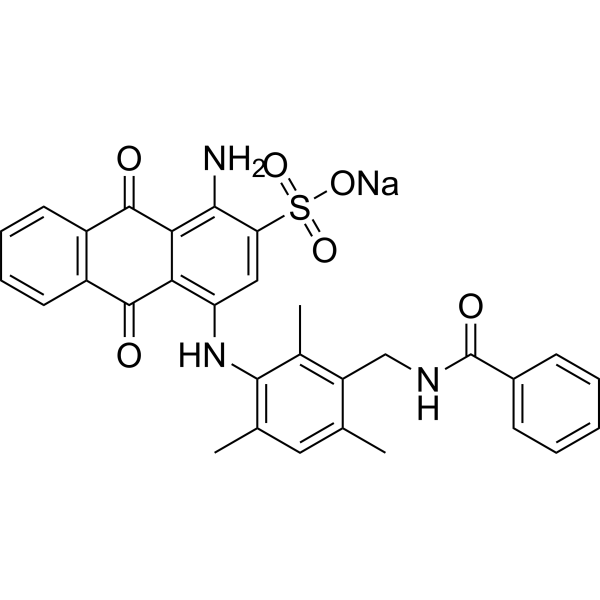
Acid blue 260 is an azo dye whose staining effect is effectively removed by multi-walled carbon nanotubes (MWCNTs). At 298 K, the adsorption capacity of MWCNT is 233.34 mg/g; and increases with the increase of dye concentration and temperature.
|
-
-
- HY-172558
-
|
|
Biochemical Assay Reagents
|
Others
|
|
MEL-A is a glycolipid biosurfactant. MEL-A can be produced from vegetable oils by Pseudozyma yeasts. MEL-A can improve the low-temperature fluidity of biodiesel and hydrocarbon fuels. MEL-A is composed of a mixture of MEL-A isoforms with variable lengths of the fatty acid chain. MEL-A can significantly increases gene transfection by cationic liposomes via membrane fusion .
|
-
-
- HY-178912
-
|
|
Reactive Oxygen Species (ROS)
Bacterial
ClpP
|
Infection
Inflammation/Immunology
|
|
Anti-MRSA agent 39 is an orally active ClpX modulator that binds Staphylococcus aureus caseinolytic protease X (SaClpX) with high affinity (Kd = 3.6 μM). Anti-MRSA agent 39 exerts antibacterial effects through temperature-dependent inhibition of cell division. Anti-MRSA agent 39 elicits profound metabolic dysregulation in methicillin-resistant Staphylococcus aureus (MRSA), manifesting as significantly reduced ATP levels, elevated reactive oxygen species (ROS), and decreased NAD+/NADH ratio, and accelerates bacterial lysis rates in MRSA ATCC 33591. Anti-MRSA agent 39 significantly increases the proportion of MRSA cells in the mitotic phase, and the cells exhibit obvious morphological abnormalities. Anti-MRSA agent 39 can be used for the study of invasive MRSA infections .
|
-
-
- HY-136171
-
|
|
Drug Derivative
|
Neurological Disease
|
|
Antidepressant agent 1 is a pyrazidole-halogeno-derivative with antidepressant effects. Antidepressant agent 1 also can be used to increase body temperature .
|
-
-
- HY-157808
-
|
|
Bacterial
|
Infection
|
|
Antibacterial agent 185 (compound IP-01) is a potent antibacterial agent. Antibacterial agent 185 inhibits filamentous temperature-sensitive mutant Z (FtsZ) polymerization and bundling by increasing GTP hydrolysis. Antibacterial agent 185 inhibits Streptococcus pneumoniae and shows narrow-spectrum activity .
|
-
-
- HY-B1199A
-
|
|
Monoamine Oxidase
Reactive Oxygen Species (ROS)
|
Cardiovascular Disease
Neurological Disease
Inflammation/Immunology
|
|
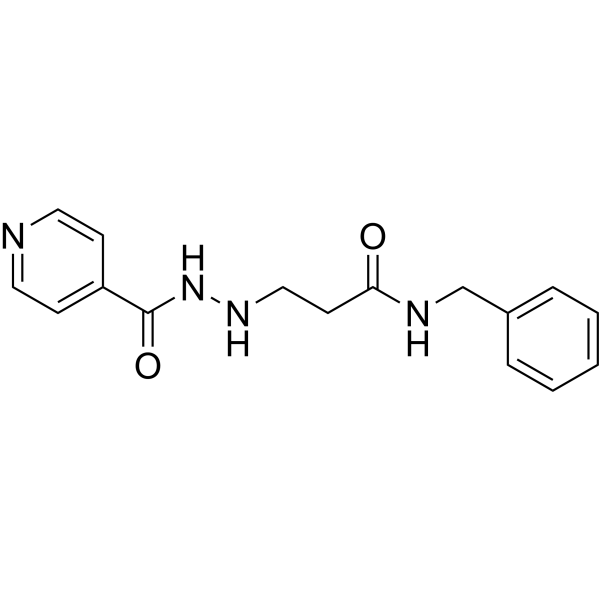
Nialamide hydrochloride is a non-selective monoamine oxidase (MAO) inhibitor. Nialamide hydrochloride inhibits MAO and regulates ROS production. Nialamide hydrochloride induces hyperkinesis in animals, enhances the anticonvulsant effect of Diphenylhydantoin in mice, increases rectal temperature, and enhances the pressor effect of Norepinephrine. Nialamide hydrochloride can be used in the research of depression, inflammatory diseases, neurodegenerative diseases, and hypertension .
|
-
-
- HY-W700491
-
|
2-Amino-α-carboline-15N3; AαC-15N3
|
Isotope-Labeled Compounds
Endogenous Metabolite
|
Cancer
|
|
AalphaC- 15N3 (2-Amino-α-carboline- 15N3) is 15N labeled AalphaC. AalphaC (AαC) is a potential carcinogen with carcinogenic activity. AalphaC is an important biomarker in tobacco smoke and is associated with tobacco smoke exposure. Urinary concentrations of AalphaC are significantly higher in dedicated smokers than in non-smokers, indicating its importance in monitoring tobacco exposure. AalphaC levels increase significantly with increasing serum nicotine levels, indicating its close relationship with tobacco use. In addition, consuming high-temperature cooked beef significantly increases the amount of AalphaC in urine, while consuming vegetables is associated with a decrease in AalphaC concentrations. Smoking half a pack of cigarettes is associated with a significant increase in the amount of AalphaC, which further confirms the biological activity of AalphaC and its association with dietary habits .
|
-
-
- HY-173344
-
|
|
p38 MAPK
|
Neurological Disease
|
|
DB-10 is a pro-agent of 3-nbutylphthalide (NBP) (HY-B0647). DB-10 has significantly high uptake ability via pyrilamine cationic transporters in the temperature and energy dependent manner in cells. DB-10 improves the survival rate of cells. DB-10 could rapidly convert into active original agent and increase the accumulation in the brain in vivo. DB-10 can be used for ischemic stroke study .
|
-
-
- HY-P10267
-
|
|
Bombesin Receptor
|
Neurological Disease
Inflammation/Immunology
|
|
Neuromedin B-30 is the neuropeptide, which is orignally isolated from porcine brain and spinal cord. , and may exhibit activity in stimulating smooth-muscle. Neuromedin B causes local vasodilation, increases vascular permeability and local hyperalgesia, thereby participating in neurogenic inflammation. Neuromedin B regulates appetite, body temperature, and behavioral responses to stress. Neuromedin B is also involved in regulating smooth muscle contraction and secretory function in the gastrointestinal tract .
|
-
-
- HY-151833
-
|
|
ADC Linker
|
Others
|
|
Methyltetrazine-amido-N-bis(PEG4-acid) is a click chemistry reagent containing an azide group. Methyltetrazine-amido-N-bis(PEG4-acid) is a PEG derivative that contains a methyltetrazine group and two acid groups. This reagent can react with TCO-containing compounds to form a stable covalent bond without the catalysis of Cu or elevated temperatures. The inverse-electron demand Diels-Alder cycloaddition reaction of TCO with tetrazines is the fastest bioorthogonal reaction with exceptional selectivity. The terminal carboxylic acid can react with primary amine groups in the presence of activators (e.g. EDC, or HATU) to form a stable amide bond. PEG linker increases the water solubility of the compound. Reagent grade, for research use only . Methyltetrazine-amido-N-bis(PEG4-acid) is a click chemistry reagent, it contains a Tetrazine group that can undergo an inverse electron demand Diels-Alder reaction (iEDDA) with molecules containing TCO groups.
|
-
-
- HY-179669D
-
|
|
Biochemical Assay Reagents
|
Others
|
|
1M Tris-HCl Buffer, pH 7.8 is a buffer solution commonly used in various biochemical and molecular biological applications to maintain a stable pH environment. The pH value of Tris-HCl changes with temperature; generally, the pH decreases by 0.03 units for every degree Celsius increase in temperature. The pH values indicated on the product are the pH values of the Tris-HCl buffer solution at 25°C.
|
-
-
- HY-179669B
-
|
|
Biochemical Assay Reagents
|
Others
|
|
1M Tris-HCl Buffer, pH 7.2 is a buffer solution commonly used in various biochemical and molecular biological applications to maintain a stable pH environment. The pH value of Tris-HCl changes with temperature; generally, the pH decreases by 0.03 units for every degree Celsius increase in temperature. The pH values indicated on the product are the pH values of the Tris-HCl buffer solution at 25°C.
|
-
-
- HY-179669K
-
|
|
Biochemical Assay Reagents
|
Others
|
|
0.5M Tris-HCl Buffer, pH 8.0 is a buffer solution commonly used in various biochemical and molecular biological applications to maintain a stable pH environment. The pH value of Tris-HCl changes with temperature; generally, the pH decreases by 0.03 units for every degree Celsius increase in temperature. The pH values indicated on the product are the pH values of the Tris-HCl buffer solution at 25°C.
|
-
-
- HY-128476R
-
|
|
Biochemical Assay Reagents
Reference Standards
|
Others
|
|
Sodium Tartrate (Standard) is the analytical standard of Sodium Tartrate. This product is intended for research and analytical applications. Sodium Tartrate is a pH-Regulating agent with antioxidant activity. Sodium Tartrate is particularly effective retarding hydrolysis while heating at high temperatures, resulting in increase of acid values (AVs) of vegetable oils[1].
|
-
-
- HY-N12639
-
|
|
TRP Channel
|
Others
|
|
β-Sanshool is found in Zanthoxylum bungeanum and has a unique pungent taste. β-Sanshool is a TRPV1 activator that activates TRPV1 to increase intracellular calcium concentration. β-Sanshool has antioxidant effects and enhances free radical scavenging activity. β-Sanshool increases the thermal denaturation temperature and stabilizes protein structures. β-Sanshool induces sensory experiences of numbness and bitterness .
|
-
| Cat. No. |
Product Name |
Type |
-
- HY-D1144
-
|
|
Fluorescent Dyes
|
|
Acid blue 260 is an azo dye whose staining effect is effectively removed by multi-walled carbon nanotubes (MWCNTs). At 298 K, the adsorption capacity of MWCNT is 233.34 mg/g; and increases with the increase of dye concentration and temperature.
|
| Cat. No. |
Product Name |
Type |
-
- HY-135484
-
|
|
Biochemical Assay Reagents
|
|
NDSB-195 is protein stabilizer that enhances the dynamics of the β4-α2 loop of ubiquitin. NDSB-195 stabilizes Saccharomyces cerevisiae ubiquitin against guanidium chloride denaturation, increasing the onset temperature of heat denaturation in the presence of the denaturant .
|
-
- HY-W034344
-
|
|
Biochemical Assay Reagents
|
|
Sodium methanesulfonate is a hygroscopic atmospheric aerosol, which typically forms from the reaction of methanesulfonic acid with sodium chloride or sea salt particles. Sodium methanesulfonate can serve as a substrate for oxidation reactions, undergoing heterogeneous oxidation by hydroxyl radicals at the air-aerosol interface, thereby initiating subsequent aerosol-phase chain reactions. Sodium methanesulfonate exhibits significant temperature-dependent deliquescence and efflorescence properties; particularly at lower temperatures relevant to the troposphere, its deliquescence and efflorescence relative humidity increase accordingly .
|
-
- HY-112624H
-
|
Dextran 2; Dextran D2; Dextran T2(MW 1600-2400)
|
Biochemical Assay Reagents
|
|
Dextran T2 (Dextran 2; Dextran T2(MW 1600-2400)) is a natural high molecular weight polysaccharide, the glycosidic bonds in its structure can be recognized by endo-dextranase and exo-dextranase. Dextran T2 (MW 2,000) breaks the glycosidic bonds in the enzymatic hydrolysis mechanism, releasing products such as D-glucose, Isomaltose (IM2), and Isomaltotriose (IM3). Dextran T2 (MW 2,000) can be used as a model substrate to characterize the catalytic properties of dextranase (such as optimal pH, temperature and product specificity), and to study enzymatic mechanism research and polysaccharide degradation pathways in glycobiology. The Dextran series of compounds are also a natural polysaccharide drug carrier, which can be connected to drugs through covalent bonding methods such as ester bonds, amide bonds or click chemistry, or self-assembled to form carriers such as nanoparticles and hydrogels. Dextran is biodegradable and biocompatible, and can achieve targeted delivery and controlled release of drugs. Dextran derivatives can prolong drug half-life, increase local concentration and reduce immune clearance activity .
|
-
- HY-179669I
-
|
|
Biochemical Assay Reagents
|
|
1M Tris-HCl Buffer, pH 8.8 is a buffer solution commonly used in various biochemical and molecular biological applications to maintain a stable pH environment. The pH value of Tris-HCl changes with temperature; generally, the pH decreases by 0.03 units for every degree Celsius increase in temperature. The pH values indicated on the product are the pH values of the Tris-HCl buffer solution at 25°C.
|
-
- HY-179669C
-
|
|
Biochemical Assay Reagents
|
|
1M Tris-HCl Buffer, pH 7.6 is a buffer solution commonly used in various biochemical and molecular biological applications to maintain a stable pH environment. The pH value of Tris-HCl changes with temperature; generally, the pH decreases by 0.03 units for every degree Celsius increase in temperature. The pH values indicated on the product are the pH values of the Tris-HCl buffer solution at 25°C.
|
-
- HY-179669
-
|
|
Biochemical Assay Reagents
|
|
1M Tris-HCl Buffer, pH 6.8 is a buffer solution commonly used in various biochemical and molecular biological applications to maintain a stable pH environment. The pH value of Tris-HCl changes with temperature; generally, the pH decreases by 0.03 units for every degree Celsius increase in temperature. The pH values indicated on the product are the pH values of the Tris-HCl buffer solution at 25°C.
|
-
- HY-W012954B
-
|
Tetramethylammonium chloride, for molecular biology, 99%(T)
|
Biochemical Assay Reagents
|
|
TMA chloride, for molecular biology, 99%(T) (Tetramethylammonium chloride, for molecular biology, 99%(T)) can increase the specificity of hybridization and raise the DNA denaturation temperature in PCR.
|
-
- HY-179669A
-
|
|
Biochemical Assay Reagents
|
|
1M Tris-HCl Buffer, pH 7.0 is a buffer solution commonly used in various biochemical and molecular biological applications to maintain a stable pH environment. The pH value of Tris-HCl changes with temperature; generally, the pH decreases by 0.03 units for every degree Celsius increase in temperature. The pH values indicated on the product are the pH values of the Tris-HCl buffer solution at 25°C.
|
-
- HY-179669E
-
|
|
Biochemical Assay Reagents
|
|
1M Tris-HCl Buffer, pH 8.0 is a buffer solution commonly used in various biochemical and molecular biological applications to maintain a stable pH environment. The pH value of Tris-HCl changes with temperature; generally, the pH decreases by 0.03 units for every degree Celsius increase in temperature. The pH values indicated on the product are the pH values of the Tris-HCl buffer solution at 25°C.
|
-
- HY-179669J
-
|
|
Biochemical Assay Reagents
|
|
1M Tris-HCl Buffer, pH 6.8 is a buffer solution commonly used in various biochemical and molecular biological applications to maintain a stable pH environment. The pH value of Tris-HCl changes with temperature; generally, the pH decreases by 0.03 units for every degree Celsius increase in temperature. The pH values ??indicated on the product are the pH values ??of the Tris-HCl buffer solution at 25°C.
|
-
- HY-179669H
-
|
|
Biochemical Assay Reagents
|
|
1M Tris-HCl Buffer, pH 8.8 is a buffer solution commonly used in various biochemical and molecular biological applications to maintain a stable pH environment. The pH value of Tris-HCl changes with temperature; generally, the pH decreases by 0.03 units for every degree Celsius increase in temperature. The pH values indicated on the product are the pH values of the Tris-HCl buffer solution at 25°C.
|
-
- HY-179669D
-
|
|
Biochemical Assay Reagents
|
|
1M Tris-HCl Buffer, pH 7.8 is a buffer solution commonly used in various biochemical and molecular biological applications to maintain a stable pH environment. The pH value of Tris-HCl changes with temperature; generally, the pH decreases by 0.03 units for every degree Celsius increase in temperature. The pH values indicated on the product are the pH values of the Tris-HCl buffer solution at 25°C.
|
-
- HY-179669B
-
|
|
Biochemical Assay Reagents
|
|
1M Tris-HCl Buffer, pH 7.2 is a buffer solution commonly used in various biochemical and molecular biological applications to maintain a stable pH environment. The pH value of Tris-HCl changes with temperature; generally, the pH decreases by 0.03 units for every degree Celsius increase in temperature. The pH values indicated on the product are the pH values of the Tris-HCl buffer solution at 25°C.
|
-
- HY-179669K
-
|
|
Biochemical Assay Reagents
|
|
0.5M Tris-HCl Buffer, pH 8.0 is a buffer solution commonly used in various biochemical and molecular biological applications to maintain a stable pH environment. The pH value of Tris-HCl changes with temperature; generally, the pH decreases by 0.03 units for every degree Celsius increase in temperature. The pH values indicated on the product are the pH values of the Tris-HCl buffer solution at 25°C.
|
| Cat. No. |
Product Name |
Target |
Research Area |
-
- HY-P10267
-
|
|
Bombesin Receptor
|
Neurological Disease
Inflammation/Immunology
|
|
Neuromedin B-30 is the neuropeptide, which is orignally isolated from porcine brain and spinal cord. , and may exhibit activity in stimulating smooth-muscle. Neuromedin B causes local vasodilation, increases vascular permeability and local hyperalgesia, thereby participating in neurogenic inflammation. Neuromedin B regulates appetite, body temperature, and behavioral responses to stress. Neuromedin B is also involved in regulating smooth muscle contraction and secretory function in the gastrointestinal tract .
|
| Cat. No. |
Product Name |
Category |
Target |
Chemical Structure |
| Cat. No. |
Product Name |
Chemical Structure |
-
- HY-W700491
-
|
|
|
AalphaC- 15N3 (2-Amino-α-carboline- 15N3) is 15N labeled AalphaC. AalphaC (AαC) is a potential carcinogen with carcinogenic activity. AalphaC is an important biomarker in tobacco smoke and is associated with tobacco smoke exposure. Urinary concentrations of AalphaC are significantly higher in dedicated smokers than in non-smokers, indicating its importance in monitoring tobacco exposure. AalphaC levels increase significantly with increasing serum nicotine levels, indicating its close relationship with tobacco use. In addition, consuming high-temperature cooked beef significantly increases the amount of AalphaC in urine, while consuming vegetables is associated with a decrease in AalphaC concentrations. Smoking half a pack of cigarettes is associated with a significant increase in the amount of AalphaC, which further confirms the biological activity of AalphaC and its association with dietary habits .
|
-
| Cat. No. |
Product Name |
|
Classification |
-
- HY-151833
-
|
|
|
Tetrazine
|
|
Methyltetrazine-amido-N-bis(PEG4-acid) is a click chemistry reagent containing an azide group. Methyltetrazine-amido-N-bis(PEG4-acid) is a PEG derivative that contains a methyltetrazine group and two acid groups. This reagent can react with TCO-containing compounds to form a stable covalent bond without the catalysis of Cu or elevated temperatures. The inverse-electron demand Diels-Alder cycloaddition reaction of TCO with tetrazines is the fastest bioorthogonal reaction with exceptional selectivity. The terminal carboxylic acid can react with primary amine groups in the presence of activators (e.g. EDC, or HATU) to form a stable amide bond. PEG linker increases the water solubility of the compound. Reagent grade, for research use only . Methyltetrazine-amido-N-bis(PEG4-acid) is a click chemistry reagent, it contains a Tetrazine group that can undergo an inverse electron demand Diels-Alder reaction (iEDDA) with molecules containing TCO groups.
|
| Cat. No. |
Product Name |
|
Classification |
-
- HY-W011548
-
|
|
|
Nucleoside Analogs
Adenosine
|
|
2-Aminoadenosine is a modified adenine base and adenosine analog that stabilizes RNA duplexes and enhances template-directed nucleotide condensation reactions. 2-Aminoadenosine forms three hydrogen bonds with uracil to increase the melting temperature of hybrid strands, thereby stabilizing uracil-containing RNA duplexes .
|
Your information is safe with us. * Required Fields.
Inquiry Information
- Product Name:
- Cat. No.:
- Quantity:
- MCE Japan Authorized Agent:

