
Search Result
Results for "
thickness
" in MedChemExpress (MCE) Product Catalog:
1
Biochemical Assay Reagents
2
Isotope-Labeled Compounds
| Cat. No. |
Product Name |
Target |
Research Areas |
Chemical Structure |
-
- HY-B0215
-
-
-
- HY-B1621A
-
|
DL-Cyclopentolate hydrochloride
|
mAChR
|
Neurological Disease
|
|
Cyclopentolate (DL-Cyclopentolate) hydrochloride is an Atropine-like muscarinic receptors antagonist with a pKB value of 7.8 (on the circular ciliary muscle). Cyclopentolate hydrochloride is an anti-muscarinic agent commonly used in the ophthalmologic practice .
|
-
-
- HY-133079
-
|
tetra-isopalmitoyl Ascorbic acid; IPAA; Tetrahexyldecyl Ascorbate
|
Prostaglandin Receptor
|
Endocrinology
|
|
Ascorbyl tetra-2-hexyldecanoate (tetra-isopalmitoyl Ascorbic acid; IPAA) is a lipophilic derivative of vitamin C (L-ascorbic acid). Ascorbyl tetra-2-hexyldecanoate (100 μM ) can prevent the decrease in viability of HaCaT keratinocytes induced by UVB, hydrogen peroxide, or tert-butyl hydroperoxide, and reduce the production of IL-1α and prostaglandin E2 (PGE2). Topical application of ascorbyl tetra-2-hexyldecanoate (1%) increases epidermal viability thickness, stratum corneum water content, and skin smoothness, and reduces skin roughness in hairless mice. Ascorbyl tetra-2-hexyldecanoate can be used to develop skin whitening agents in the beauty industry.
|
-
-
- HY-W089800
-
|
trans-2-Nonen-1-al
|
COX
Lipoxygenase
Apoptosis
|
Cardiovascular Disease
Inflammation/Immunology
|
|
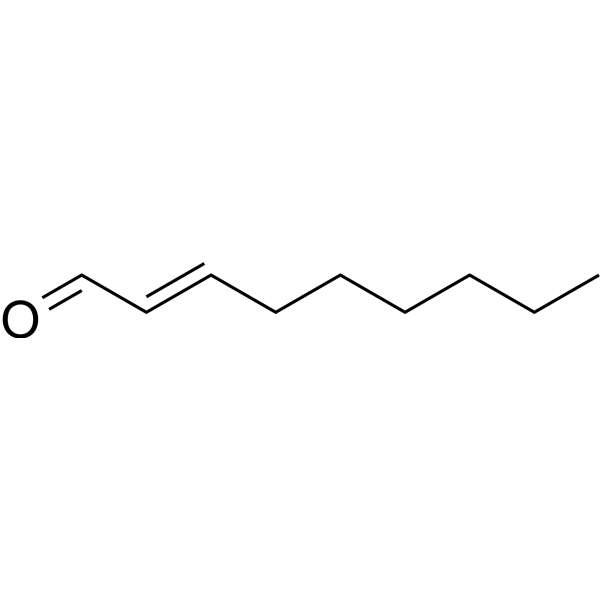
trans-2-Nonenal (trans-2-Nonen-1-al) is an endogenous peroxidation product of polyunsaturated fatty acids, acting as an inhibitor of COX and 12-LOX, as well as an inducer of apoptosis. trans-2-Nonenal is also a malodorous compound secreted by the human body, and its content gradually increases with aging. trans-2-Nonenal inhibits the activities of multiple enzymes such as platelet membrane-bound PTPase, preferentially covalently modifies proteins at lysine residues to form immunogenic adducts, and regulates platelet Arachidonic acid (HY-109590) metabolism. trans-2-Nonenal also exhibits significant cytotoxicity, reduces the viability of keratinocytes, promotes their apoptosis, and effectively decreases the thickness of epidermal models and the number of proliferating cells. trans-2-Nonenal is commonly used in studies of thrombotic, atherosclerotic diseases, renal adenocarcinoma, etc. .
|
-
-
- HY-W143531
-
|
NOV03; SHR8058
|
Biochemical Assay Reagents
|
Inflammation/Immunology
|
|
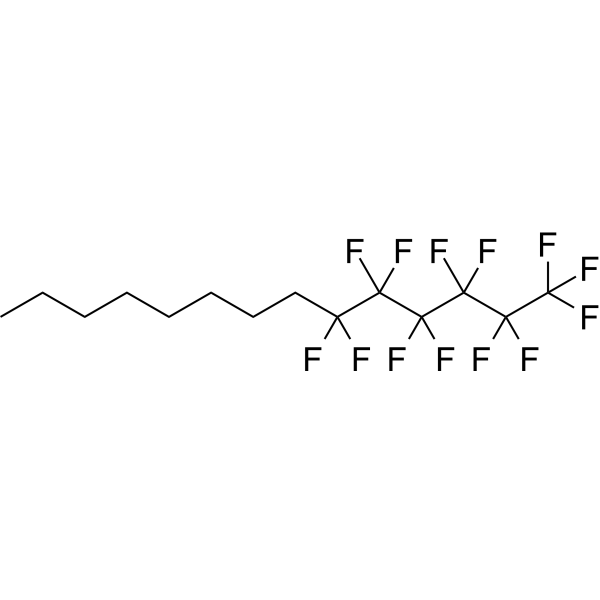
Perfluorohexyloctane (NOV03), a semifluorinated alkane, reduces tear film instability in Meibomian gland dysfunction and evaporative dry eye disease. Perfluorohexyloctane is a long-term tamponade agent. Perfluorohexyloctane increases tear film breakup time and lipid layer thickness .
|
-
-
- HY-B0215S
-
|
N-Acetylcysteine-d3; N-Acetyl-L-cysteine-d3; NAC-d3
|
Isotope-Labeled Compounds
Reactive Oxygen Species (ROS)
Endogenous Metabolite
Apoptosis
Ferroptosis
Influenza Virus
Disulfidptosis
|
Infection
Neurological Disease
|
|
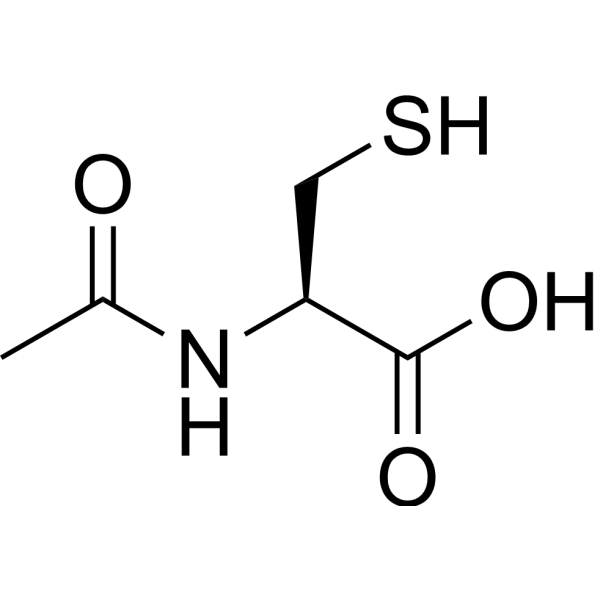
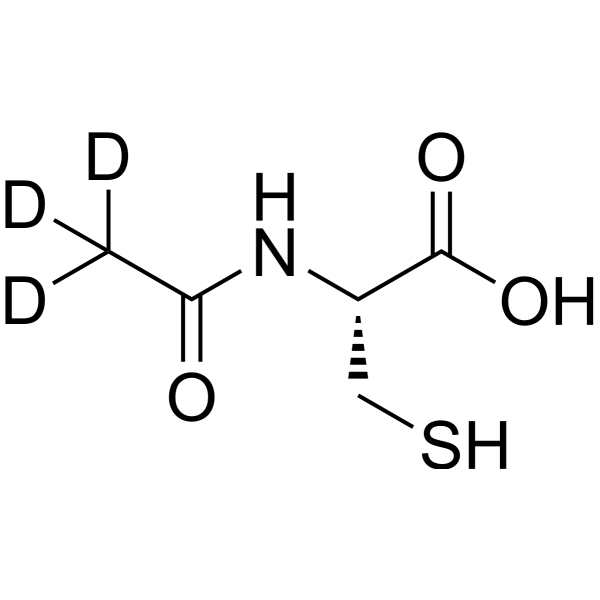
Acetylcysteine-d3 is the deuterium labeled Acetylcysteine. Acetylcysteine (N-Acetylcysteine) is a mucolytic agent which reduces the thickness of the mucus. Acetylcysteine is a ROS inhibitor. Acetylcysteine is a cysteine precursor, prevents hemin-induced ferroptosis by neutralizing toxic lipids generated by arachidonate-dependent activity of 5-lipoxygenases. Acetylcysteine induces cell apoptosis. Acetylcysteine also has anti-influenza virus activities. In addition, Acetylcysteine is the most stable form of cysteine during drug delivery and can be used in disulfidptosis studies .
|
-
-
- HY-131034
-
|
|
Wnt
|
Others
|
|
LP-922056 is an orally active, highly potent Notum Pectinacetylesterase inhibitor with EC50s of 21 nM, 55 nM in human and mouse cellular assay, respectively. LP-922056 significantly increases midshaft femur cortical bone thickness in mice and rats .
|
-
-
- HY-176886
-
|
|
Large Tumor Suppressor (LATS)
YAP
|
Others
|
LATS-IN-2 is an efficiently acting LATS (large tumor suppressor kinase) inhibitor. LATS-IN-2 shows potent inhibitory activity against LATS1 with an IC50 value of 1.3 nM. LATS-IN-2 suppresses the phosphorylation of YAP by inhibiting LATS kinase activity. LATS-IN-2 increases the thickness of the epidermis in mice. LATS-IN-2 can be used for the study of ocular diseases such as limbal stem cell deficiency and corneal endothelial dysfunction .
|
-
-
- HY-135517
-
|
RXP-470
|
MMP
|
Cardiovascular Disease
|
|
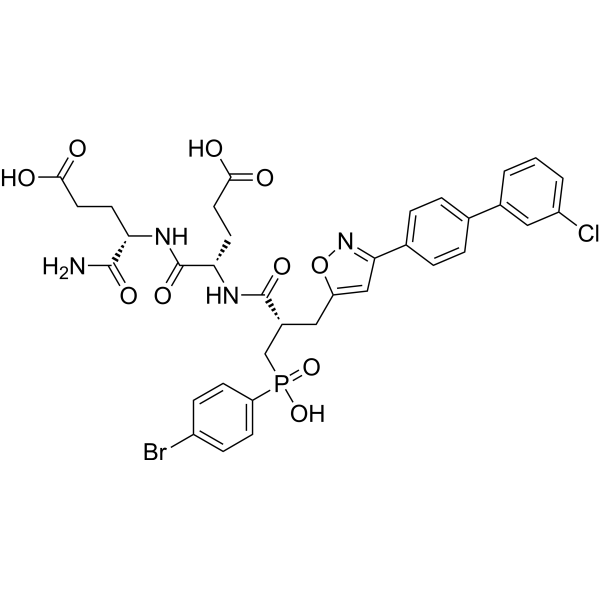
RXP470.1 (RXP-470) is a potent, selective MMP-12 inhibitor with a Ki of 0.2 nM against human MMP-12. RXP470.1 is 2 to 4 orders of magnitude less potent against other MMPs. RXP470.1 significantly reduces atherosclerotic plaque cross-sectional area in mouse. RXP470.1 results in less complex plaques with increased smooth muscle cell:macrophage ratio, less macrophage apoptosis, increased cap thickness, smaller necrotic cores, and decreased incidence of calcification .
|
-
-
- HY-P2612
-
|
|
TNF Receptor
RANKL/RANK
Apoptosis
|
Inflammation/Immunology
|
|
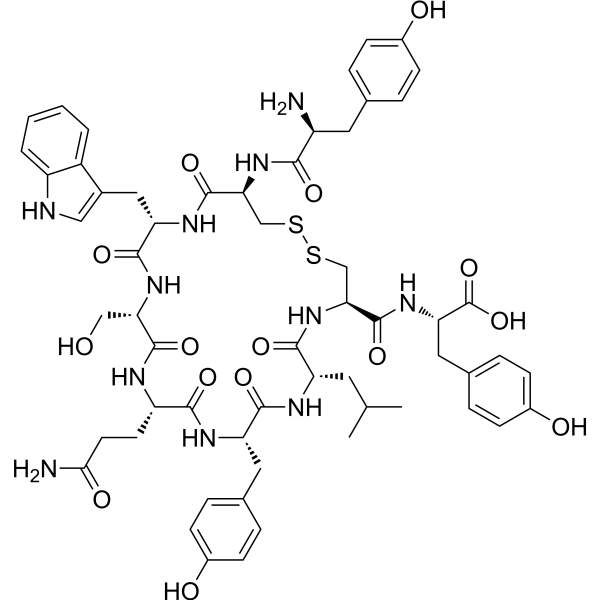
WP9QY is an inhibitor targeting TNFα and RANKL, which blocks the TNFα-TNFR1 interaction and inhibits TNFα-mediated apoptosis, cytotoxicity and bone destruction. WP9QY inhibits osteoclastogenesis and promotes osteoblast differentiation, induces chondrocyte proliferation and glycosaminoglycan production, and synergizes with TGF-β3 to promote chondrogenesis. WP9QY effectively repairs full-thickness articular cartilage defects in rabbits via intra-articular injection, and inhibits methylmercury-induced reduction of NeuN-positive cells in mouse brain slices. WP9QY can be applied to the research of diseases related to methylmercury-induced neuronal death, cartilage injury, osteoarthritis and bone loss .
|
-
-
- HY-B0215R
-
|
N-Acetylcysteine (Standard); N-Acetyl-L-cysteine (Standard); NAC (Standard)
|
Reference Standards
Reactive Oxygen Species (ROS)
Endogenous Metabolite
Apoptosis
Ferroptosis
Influenza Virus
Disulfidptosis
|
Infection
Neurological Disease
Cancer
|
|
Acetylcysteine (Standard) is the analytical standard of Acetylcysteine. This product is intended for research and analytical applications. Acetylcysteine (N-Acetylcysteine) is a mucolytic agent which reduces the thickness of the mucus. Acetylcysteine is a ROS inhibitor . Acetylcysteine is a cysteine precursor, prevents hemin-induced ferroptosis by neutralizing toxic lipids generated by arachidonate-dependent activity of 5-lipoxygenases . Acetylcysteine induces cell apoptosis . Acetylcysteine also has anti-influenza virus activities . In addition, Acetylcysteine is the most stable form of cysteine during drug delivery and can be used in disulfidptosis studies .
|
-
-
- HY-W996116
-
|
|
Glutathione Peroxidase
|
Cardiovascular Disease
Neurological Disease
Inflammation/Immunology
|
AZM198 is an orally active myeloperoxidase (MPO) inhibitor. AZM198 irreversibly inactivates MPO (IC50=0.015 μM) via covalent binding to the heme prosthetic group, preferentially targets extracellular MPO activity, and reduces neutrophil extracellular trap formation, reactive oxygen species production and degranulation. AZM198 increases the fibrous cap thickness of atherosclerotic plaques, reduces lesion area, ameliorates hepatic steatosis and fibrosis in non-alcoholic steatohepatitis, and alleviates proteinuria and inflammatory infiltration associated with glomerulonephritis. AZM198 also decreases circulating levels of high-sensitivity Cardiac Troponin I and IL-1β, and mitigates endothelial cell injury. Therefore, AZM198 is suitable for research on various MPO-related diseases, including atherosclerotic cardiovascular disease, myocardial infarction, ischemic stroke, non-alcoholic steatohepatitis and crescentic glomerulonephritis .
|
-
-
- HY-178302
-
|
|
ADC Payload
|
Others
|
|
TNF-α agonistic 2 (Compound 009) is a toxic molecule. TNF-α agonistic 2 reduces the thickness of the right ear in mice. TNF-α agonistic 2 can be used as an ADC toxic molecule .
|
-
-
- HY-B1621
-
|
DL-Cyclopentolate
|
mAChR
|
Neurological Disease
|
|
Cyclopentolate (DL-Cyclopentolate) is an Atropine-like muscarinic receptors antagonist with a pKB value of 7.8 (on the circular ciliary muscle). Cyclopentolate is an anti-muscarinic agent commonly used in the ophthalmologic practice .
|
-
-
- HY-B0215S1
-
|
N-Acetylcysteine-15N; N-Acetyl-L-cysteine-15N; NAC-15N
|
Isotope-Labeled Compounds
Reactive Oxygen Species (ROS)
Endogenous Metabolite
Apoptosis
Ferroptosis
Influenza Virus
Disulfidptosis
|
Infection
Neurological Disease
|
|
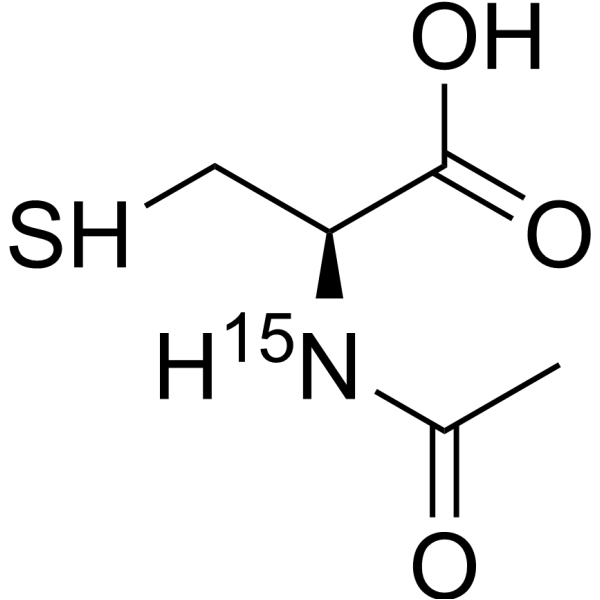
Acetylcysteine- 15N (N-Acetylcysteine- 15N) is the 15N-labeled Acetylcysteine. Acetylcysteine (N-Acetylcysteine) is a mucolytic agent which reduces the thickness of the mucus. Acetylcysteine is a ROS inhibitor. Acetylcysteine is a cysteine precursor, prevents hemin-induced ferroptosis by neutralizing toxic lipids generated by arachidonate-dependent activity of 5-lipoxygenases. Acetylcysteine induces cell apoptosis. Acetylcysteine also has anti-influenza virus activities. In addition, Acetylcysteine is the most stable form of cysteine during drug delivery and can be used in disulfidptosis studies .
|
-
-
- HY-175664
-
|
|
RPE65
|
Metabolic Disease
|
|
EYE-003 is an orally active RPE65 inhibitor with an IC50 of 102 nM. EYE-003 regulates the visual cycle in mice by reducing 11-cis-retinal (11cRAL) (HY-116711) synthesis and increasing all-trans-retinyl esters (atREs). EYE-003 suppresses scotopic ERG b-wave amplitude and exerts protective effects against retinal degeneration in Abca4 ⁻/⁻ Rdh8 ⁻/⁻ mice (a STGD1 model) by reducing retinal autofluorescent puncta and preserving outer nuclear layer (ONL) thickness in a dose-dependent manner. EYE-003 can be used for the study of visual cycle-associated retinopathies, such as Stargardt disease type 1 (STGD1) .
|
-
-
- HY-P991886
-
|
|
Complement System
|
Neurological Disease
|
|
ANX-M1 is a blood-brain barrier-permeable anti-C1q antibody. ANX-M1 can slow down the progression of retinal degeneration following photo-oxidative damage. ANX-M1 has been incorporated into nanocarriers to evaluate its brain delivery efficacy in a mouse model of Alzheimer's disease. ANX-M1 is applicable for research on age-related macular degeneration and Alzheimer's disease [1] .
|
-
-
- HY-B1621AR
-
|
DL-Cyclopentolate hydrochloride (Standard)
|
Reference Standards
mAChR
|
Neurological Disease
|
|
Cyclopentolate (hydrochloride) (Standard) is the analytical standard of Cyclopentolate (hydrochloride). This product is intended for research and analytical applications. Cyclopentolate (DL-Cyclopentolate) hydrochloride is an Atropine-like muscarinic receptors antagonist with a pKB value of 7.8 (on the circular ciliary muscle). Cyclopentolate hydrochloride is an anti-muscarinic agent commonly used in the ophthalmologic practice .
|
-
-
- HY-178105
-
|
|
Bacterial
|
Infection
|
|
LQFM326 is an antimycobacterial agent. LQFM326 shows MIC of 15.6 μg/mL against Mycobacterium tuberculosis H37Ra and 12.5 μg/mL against clinical strains. LQFM326 can cause depressions and pores to appear on the surface of the mycobacterium causing abscesses, shortening the bacterial length, increasing its thickness, and damaging the integrity of the cell wall. LQFM326 can be used for the research of tuberculosis .
|
-
-
- HY-P991408
-
|
|
TNF Receptor
Interleukin Related
IFNAR
|
Inflammation/Immunology
|
|
DLX-105 is a human monoclonal antibody (mAb) targeting TNFSF2/TNFa. DLX-105 reduces skin epidermal thickness and the expression of K16 and Ki67. DLX-105 down-regulates the mRNA levels of IL-17, TNF-α, IL-23p19, IL-12p40, and IFN-γ. DLX-105 can be used in psoriasis research .
|
-
-
- HY-P991595
-
|
|
Interleukin Related
|
Inflammation/Immunology
|
|
HB-0017 is a humanized IgG1κ monoclonal antibody inhibitor, targeting IL-17A. HB-0017 inhibits the IL-6 secretion induced by IL-17A with an IC50 of 2.09 nM. HB-0017 significantly decreases ear thickness in Imiquimod (HY-B0180)-induced psoriasis-like mice model and alleviates inflammations in IL-17A-induced arthritis and air pouch mice model. The isotype control for the HB-0017 can be referenced as Human IgG1 kappa, Isotype Control (HY-P99001) .
|
-
-
- HY-182632
-
|
|
Carboxylesterase (CES)
Wnt
β-catenin
|
Inflammation/Immunology
|
|
LP-935001 is a Notum carboxylesterase inhibitor with an IC50 of 0.4 nM.LP-935001 prevents palmitoleate group removal from Wnt proteins, restores Wnt/β-catenin signaling.LP-935001 enhances cortical bone thickness in rodent models.LP-935001 can be used for the research of bone loss/nonvertebral fractures .
|
-
-
- HY-P11592
-
|
|
Bacterial
|
Infection
|
|
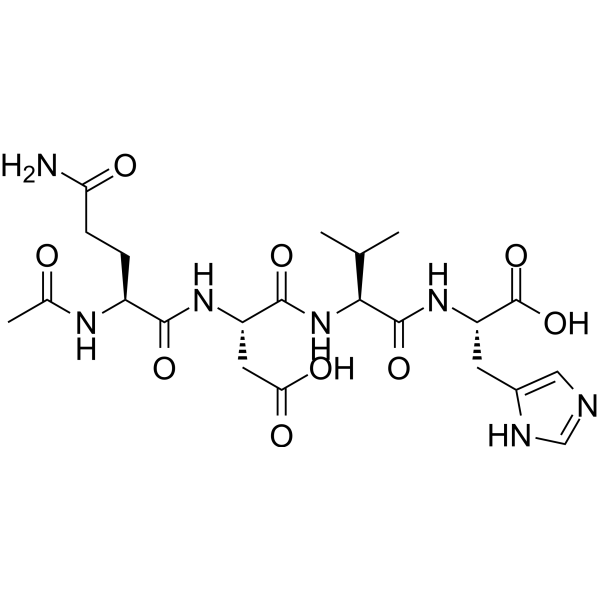
KIKIKPWWWPKIKIK-NH2 is a β-turn antimicrobial peptide. KIKIKPWWWPKIKIK-NH2 can inhibit bacterial biofilm formation and bind to lipopolysaccharid. KIKIKPWWWPKIKIK-NH2 shows wound-healing ability in mice bacteria-infected full-thickness wound models. KIKIKPWWWPKIKIK-NH2 can be used for the research of bacterial infection .
|
-
-
- HY-123970
-
|
|
Macrophage migration inhibitory factor (MIF)
|
Neurological Disease
Inflammation/Immunology
|
|
ISO-92 in an inhibitor of MIF. ISO-92 selectively inhibits MIF inflammatory activity with an IC50 of 550 nM. ISO-92 inhibits hypoxia-induced proliferation of CCL-210 cell line dose-dependently. ISO-92 significantly reduces the thickness of pulmonary vascular wall in mouse hypoxia models. ISO-92 can be studied in inflammatory and neurological research .
|
-
-
- HY-183367
-
|
|
TNF Receptor
Interleukin Related
|
Inflammation/Immunology
|
|
Anti-inflammatory agent 115 is a potent anti-inflammatory agent. Anti-inflammatory agent 115 reduces secretion of myeloperoxidase (MPO), TNF-α, IL-1β, and IL-6. Anti-inflammatory agent 115 decreases ear tissue thickness and neutrophil infiltration in 12-O-tetradecanoylphorbol-13-acetate (TPA) (HY-18739)-induced topical edema in mice. Anti-inflammatory agent 115 can be used for the research of inflammatory diseases .
|
-
-
- HY-P992413
-
|
|
Integrin
|
Inflammation/Immunology
|
|
MOR102 is a fully human IgG4 monoclonal antibody and an ICAM-1 inhibitor, lacking cross-reactivity with ICAM-2 and ICAM-3. MOR102 binds to the LFA-1 binding site within ICAM-1 domain 1, blocks ICAM-1/LFA-1 interaction, binds human keratinocytes with increased binding to interferon-γ-stimulated keratinocytes. MOR102 inhibits lymphocyte adhesion, reduces lymphocyte proliferation, prevents local T-cell activation, reduces inflammatory infiltrate, restores orthokeratotic differentiation, and reduces epidermal thickness. MOR102 can be used for the research of psoriasis .
|
-
-
- HY-183644
-
|
|
Lysyl Oxidase
|
Cardiovascular Disease
|
|
LNO 9 is an orally active LOXL2 inhibitor and NO donor, with an IC50 of 0.17 μM against human LOXL2. LNO 9 competitively binds to the LTQ cofactor of LOXL2 to form an irreversible complex, thereby inhibiting collagen oxidation and abnormal cross-linking. LNO 9 releases nitric oxide (NO) to increase cGMP levels in pulmonary artery smooth muscle cells. LNO 9 inhibits hypoxia-induced collagen modification and possesses vasodilatory activity. LNO 9 ameliorates right ventricular hypertrophy and pulmonary artery medial thickness in rat models induced by hypoxia and Monocrotaline (HY-N0750), and can be used for research on pulmonary hypertension .
|
-
-
- HY-182573
-
|
|
Protease Activated Receptor (PAR)
|
Cardiovascular Disease
|
|
RWJ-58259 is a selective PAR-1 inhibitor with an IC50 value of 0.15 μM. RWJ-58259 binds selectively to PAR-1, blocks the binding of tethered ligands, interferes with calcium mobilization and PAR-1-related cellular functions, and exhibits no PAR-1 agonist activity or thrombin proteolytic inhibitory activity. RWJ-58259 inhibits thrombin-induced platelet aggregation, calcium signaling and vascular smooth muscle cell proliferation, reduces neointimal thickness and arterial stenosis, and alleviates vascular occlusion and platelet deposition. RWJ-58259 can be used in the research of thrombotic diseases and vascular injury associated with acute coronary intervention .
|
-
| Cat. No. |
Product Name |
Type |
-
- HY-W089800
-
|
trans-2-Nonen-1-al
|
Biochemical Assay Reagents
|
|
trans-2-Nonenal (trans-2-Nonen-1-al) is an endogenous peroxidation product of polyunsaturated fatty acids, acting as an inhibitor of COX and 12-LOX, as well as an inducer of apoptosis. trans-2-Nonenal is also a malodorous compound secreted by the human body, and its content gradually increases with aging. trans-2-Nonenal inhibits the activities of multiple enzymes such as platelet membrane-bound PTPase, preferentially covalently modifies proteins at lysine residues to form immunogenic adducts, and regulates platelet Arachidonic acid (HY-109590) metabolism. trans-2-Nonenal also exhibits significant cytotoxicity, reduces the viability of keratinocytes, promotes their apoptosis, and effectively decreases the thickness of epidermal models and the number of proliferating cells. trans-2-Nonenal is commonly used in studies of thrombotic, atherosclerotic diseases, renal adenocarcinoma, etc. .
|
| Cat. No. |
Product Name |
Target |
Research Area |
-
- HY-P2263
-
|
|
Peptides
|
Inflammation/Immunology
|
|
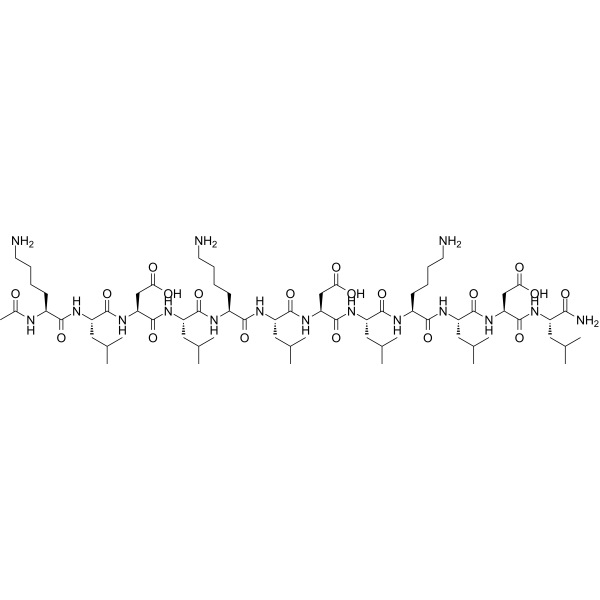
KLD-12 is a 12-residue self-assembling peptide that is used in tissue-engineering. KLD-12 combined with SDF-1 self-assembled polypeptide enhances chondrogenic differentiation of bone marrow stromal cells (BMSCs). KLD-12 hydrogel can fill full-thickness osteochondral defects in situ and improve cartilage repair .
|
-
- HY-P2612
-
|
|
TNF Receptor
RANKL/RANK
Apoptosis
|
Inflammation/Immunology
|
|
WP9QY is an inhibitor targeting TNFα and RANKL, which blocks the TNFα-TNFR1 interaction and inhibits TNFα-mediated apoptosis, cytotoxicity and bone destruction. WP9QY inhibits osteoclastogenesis and promotes osteoblast differentiation, induces chondrocyte proliferation and glycosaminoglycan production, and synergizes with TGF-β3 to promote chondrogenesis. WP9QY effectively repairs full-thickness articular cartilage defects in rabbits via intra-articular injection, and inhibits methylmercury-induced reduction of NeuN-positive cells in mouse brain slices. WP9QY can be applied to the research of diseases related to methylmercury-induced neuronal death, cartilage injury, osteoarthritis and bone loss .
|
-
- HY-P2263A
-
|
|
Peptides
|
Inflammation/Immunology
|
|
KLD-12 TFA is the TFA salt form of KLD-12 (HY-P2263). KLD-12 TFA is a self a 12-residue self-assembling peptide that is used in tissue-engineering. KLD-12 TFA combined with SDF-1 self-assembled polypeptide enhances chondrogenic differentiation of bone marrow stromal cells (BMSCs). KLD-12 TFA hydrogel can fill full-thickness osteochondral defects in situ and improve cartilage repair .
|
-
- HY-P11592
-
|
|
Bacterial
|
Infection
|
|
KIKIKPWWWPKIKIK-NH2 is a β-turn antimicrobial peptide. KIKIKPWWWPKIKIK-NH2 can inhibit bacterial biofilm formation and bind to lipopolysaccharid. KIKIKPWWWPKIKIK-NH2 shows wound-healing ability in mice bacteria-infected full-thickness wound models. KIKIKPWWWPKIKIK-NH2 can be used for the research of bacterial infection .
|
| Cat. No. |
Product Name |
Target |
Research Area |
Image |
-
- HY-P991886
-
|
|
Complement System
|
Neurological Disease
|
|
ANX-M1 is a blood-brain barrier-permeable anti-C1q antibody. ANX-M1 can slow down the progression of retinal degeneration following photo-oxidative damage. ANX-M1 has been incorporated into nanocarriers to evaluate its brain delivery efficacy in a mouse model of Alzheimer's disease. ANX-M1 is applicable for research on age-related macular degeneration and Alzheimer's disease [1] .
|
-
(5)
-
- HY-P991408
-
|
|
TNF Receptor
Interleukin Related
IFNAR
|
Inflammation/Immunology
|
|
DLX-105 is a human monoclonal antibody (mAb) targeting TNFSF2/TNFa. DLX-105 reduces skin epidermal thickness and the expression of K16 and Ki67. DLX-105 down-regulates the mRNA levels of IL-17, TNF-α, IL-23p19, IL-12p40, and IFN-γ. DLX-105 can be used in psoriasis research .
|
-
(5)
-
- HY-P991595
-
|
|
Interleukin Related
|
Inflammation/Immunology
|
|
HB-0017 is a humanized IgG1κ monoclonal antibody inhibitor, targeting IL-17A. HB-0017 inhibits the IL-6 secretion induced by IL-17A with an IC50 of 2.09 nM. HB-0017 significantly decreases ear thickness in Imiquimod (HY-B0180)-induced psoriasis-like mice model and alleviates inflammations in IL-17A-induced arthritis and air pouch mice model. The isotype control for the HB-0017 can be referenced as Human IgG1 kappa, Isotype Control (HY-P99001) .
|
-
(5)
-
- HY-P992413
-
|
|
Integrin
|
Inflammation/Immunology
|
|
MOR102 is a fully human IgG4 monoclonal antibody and an ICAM-1 inhibitor, lacking cross-reactivity with ICAM-2 and ICAM-3. MOR102 binds to the LFA-1 binding site within ICAM-1 domain 1, blocks ICAM-1/LFA-1 interaction, binds human keratinocytes with increased binding to interferon-γ-stimulated keratinocytes. MOR102 inhibits lymphocyte adhesion, reduces lymphocyte proliferation, prevents local T-cell activation, reduces inflammatory infiltrate, restores orthokeratotic differentiation, and reduces epidermal thickness. MOR102 can be used for the research of psoriasis .
|
-
(5)
| Cat. No. |
Product Name |
Category |
Target |
Chemical Structure |
-
- HY-B0215
-
-
-
- HY-W089800
-
|
trans-2-Nonen-1-al
|
Source Classification
|
COX
Lipoxygenase
Apoptosis
|
|
trans-2-Nonenal (trans-2-Nonen-1-al) is an endogenous peroxidation product of polyunsaturated fatty acids, acting as an inhibitor of COX and 12-LOX, as well as an inducer of apoptosis. trans-2-Nonenal is also a malodorous compound secreted by the human body, and its content gradually increases with aging. trans-2-Nonenal inhibits the activities of multiple enzymes such as platelet membrane-bound PTPase, preferentially covalently modifies proteins at lysine residues to form immunogenic adducts, and regulates platelet Arachidonic acid (HY-109590) metabolism. trans-2-Nonenal also exhibits significant cytotoxicity, reduces the viability of keratinocytes, promotes their apoptosis, and effectively decreases the thickness of epidermal models and the number of proliferating cells. trans-2-Nonenal is commonly used in studies of thrombotic, atherosclerotic diseases, renal adenocarcinoma, etc. .
|
-
-
- HY-B0215R
-
-
| Cat. No. |
Product Name |
Chemical Structure |
-
- HY-B0215S
-
|
|
|
Acetylcysteine-d3 is the deuterium labeled Acetylcysteine. Acetylcysteine (N-Acetylcysteine) is a mucolytic agent which reduces the thickness of the mucus. Acetylcysteine is a ROS inhibitor. Acetylcysteine is a cysteine precursor, prevents hemin-induced ferroptosis by neutralizing toxic lipids generated by arachidonate-dependent activity of 5-lipoxygenases. Acetylcysteine induces cell apoptosis. Acetylcysteine also has anti-influenza virus activities. In addition, Acetylcysteine is the most stable form of cysteine during drug delivery and can be used in disulfidptosis studies .
|
-
-
- HY-B0215S1
-
|
|
|
Acetylcysteine- 15N (N-Acetylcysteine- 15N) is the 15N-labeled Acetylcysteine. Acetylcysteine (N-Acetylcysteine) is a mucolytic agent which reduces the thickness of the mucus. Acetylcysteine is a ROS inhibitor. Acetylcysteine is a cysteine precursor, prevents hemin-induced ferroptosis by neutralizing toxic lipids generated by arachidonate-dependent activity of 5-lipoxygenases. Acetylcysteine induces cell apoptosis. Acetylcysteine also has anti-influenza virus activities. In addition, Acetylcysteine is the most stable form of cysteine during drug delivery and can be used in disulfidptosis studies .
|
-
Your information is safe with us. * Required Fields.
Inquiry Information
- Product Name:
- Cat. No.:
- Quantity:
- MCE Japan Authorized Agent:

