
1. Search Result
Search Result
Results for "

thrombus

" in MedChemExpress (MCE) Product Catalog:

48

Inhibitors & Agonists

1

Screening Libraries

6

Peptides

1

Inhibitory Antibodies

2

Natural
Products

1

Isotope-Labeled Compounds

Cat. No. Product Name Target Research Areas Chemical Structure
  • HY-125856
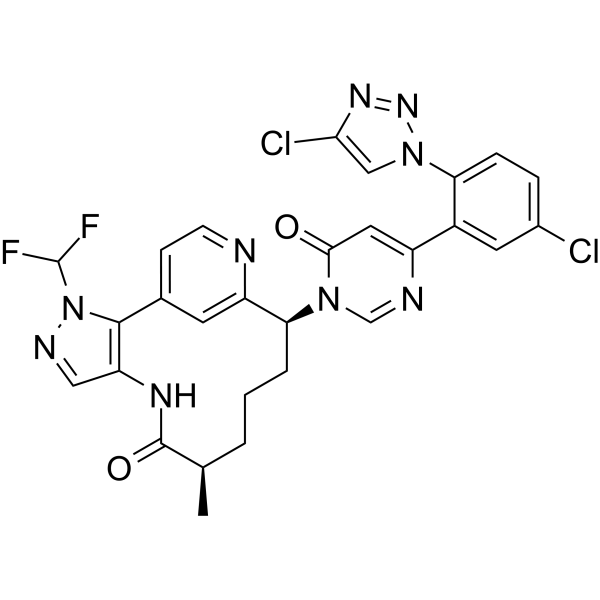
    Milvexian
    2 Publications Verification

    BMS-986177; JNJ-70033093

    Factor Xa Cardiovascular Disease
    Milvexian is an orally bioavailable, small-molecule, reversible, direct antagonists of factor Xia, with the Ki of 0.11, 0.38, 0.64, 490, 350 nM for human, rabbit, dog, rat, mouse, respectively. Milvexian shows anti-thrombosis activity in vitro and in vivo, and can be used for thrombus study .
    Milvexian
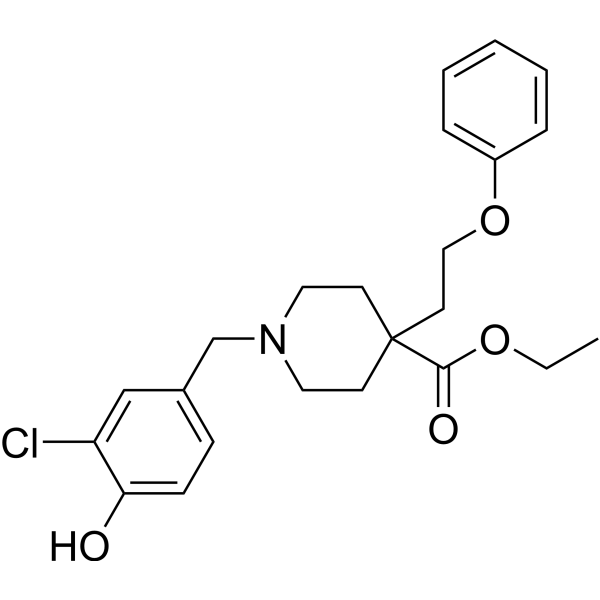
  • HY-107588
    TC-I 15
    2 Publications Verification

    Integrin Cardiovascular Disease
    TC-I 15 (TC-I-15) is a type of allosteric collagen-binding integrin α2β1 inhibitor, and it also inhibits α1β1 and α11β1. TC-I 15 inhibits platelet adhesion to collagen and thrombus deposition. TC-I 15 prevents the formation of a pre-metastatic microenvironment by inhibiting the uptake of cancer-associated fibroblast (CAF) extracellular vesicles (EVs) by lung fibroblasts, which reduces the metastasis of salivary gland adenocystic carcinoma (SACC) to the lungs in mouse models, .
    TC-I 15
  • HY-13965
    Parmodulin 2
    5 Publications Verification

    ML161

    Protease Activated Receptor (PAR) Cardiovascular Disease
    Parmodulin 2 (ML161) is an allosteric inhibitor of protease-activated receptor 1 (PAR1) with an IC50 of 0.26 μM . Parmodulin 2 is a potent and non-competitive inhibitor of SFLLRN-induced P-selectin expression leading to inhibition of platelet aggregation in vitro and platelet thrombus formation in vivo .
    Parmodulin 2
  • HY-110112
    BTT-3033
    1 Publications Verification

    Integrin Apoptosis Cardiovascular Disease Inflammation/Immunology Cancer
    BTT-3033 is an orally active conformation-selective inhibitor of α2β1 (EC50: 130 nM) by binding to the α2I domain. BTT-3033 inhibits platelet binding to collagen I and cell proliferation, and induces cell apoptosis. BTT-3033 can be used in the research of prostate cancer, inflammation and cardiovascular disease .
    BTT-3033
  • HY-114086

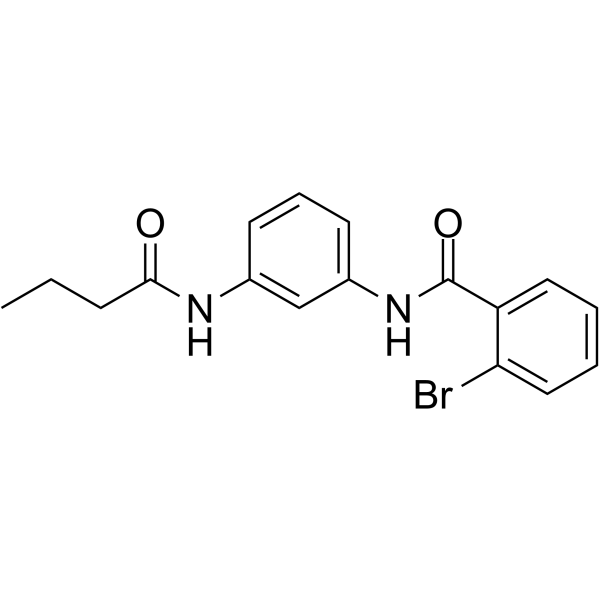
    PDI Cardiovascular Disease
    ML359 is a potent, selctive and reversible inhibitor of protein disulfide isomerase (PDI), with an IC50 of 250 nM. ML359 can prevent thrombus formation in vivo .
    ML359
  • HY-12974
    PRT-060318
    4 Publications Verification

    PRT318

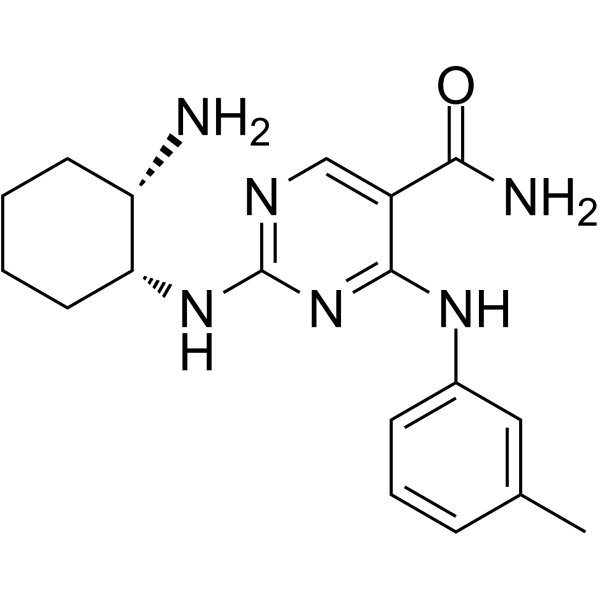
    Syk Apoptosis Inflammation/Immunology Cancer
    PRT-060318 (PRT318) s a potent, selective and orally active tyrosine kinase Syk inhibitor with an IC50 of 3 nM. PRT-060318 suppresses chronic lymphocytic leukemia (CLL) B cell activation and migration, and induces apoptosis. PRT-060318 prevents Heparin (HY-17567)-induced thrombocytopenia and thrombosis in a transgenic mouse model. PRT-060318 dihydrochloride can be used for CLL and thrombus research .
    PRT-060318
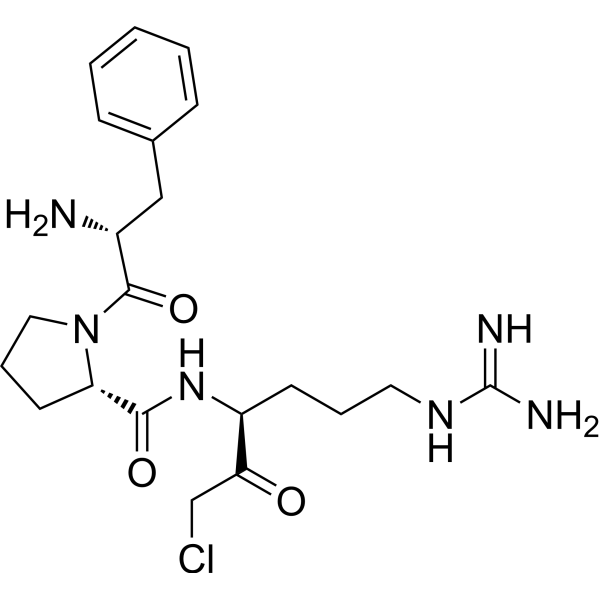
  • HY-122542

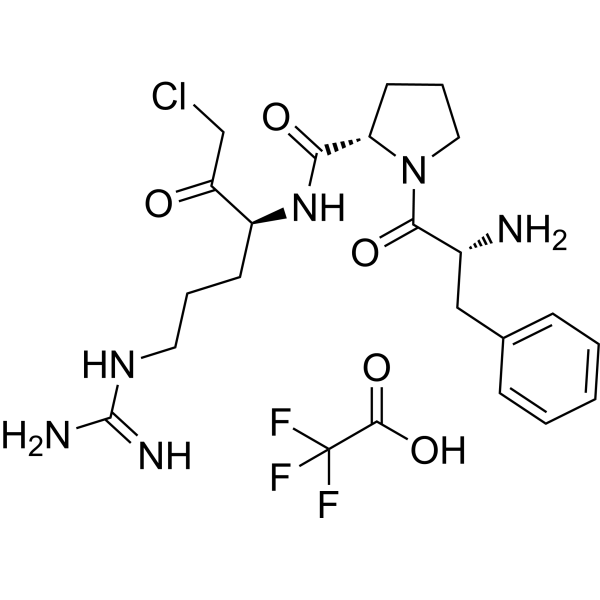
    PAI-1 Thrombin Inflammation/Immunology
    PPACK is a potent, peptidic inhibitor targeting thrombin and granzyme GZMK. PPACK specifically blocks the activities of thrombin and GZMK, thereby inhibiting thrombin-mediated PAR-1 cleavage, as well as downstream inflammatory and procoagulant signaling pathways. Through stabilizing IκB proteins, blocking NF-κB activation and reducing systemic levels of proinflammatory/procoagulant biomarkers, PPACK exerts multiple effects including anti-inflammatory, antithrombotic, barrier repair, and inhibition of atherosclerotic plaque progression. PPACK binds to platelets without interference from kininogen, effectively limiting acute thrombus growth and reducing eosinophil infiltration and goblet cell hyperplasia in asthma models. PPACK is an important tool molecule for investigating the mechanisms of atherosclerosis, asthma and related thromboinflammatory diseases .
    PPACK
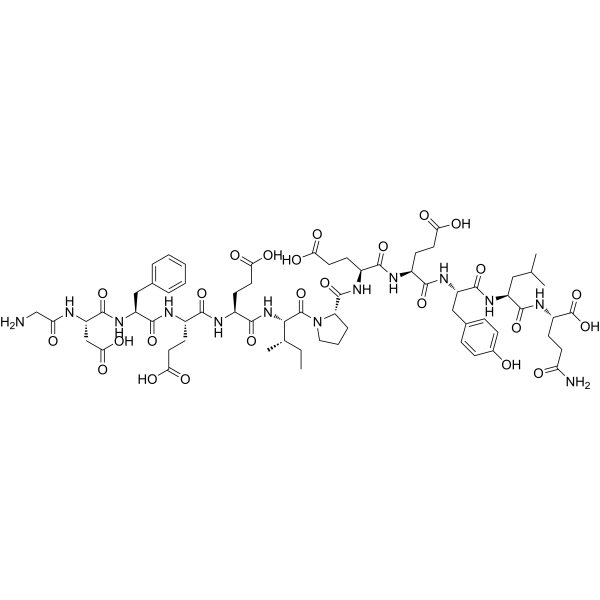
  • HY-P1636

    Thrombin YAP Calcium Channel Metabolic Disease
    Hirudin (54-65) is a thrombin antagonist and YAP suppressor with anticoagulatory properties.Hirudin (54-65) blocks thrombin's anion binding site, acts on soluble and thrombus-bound thrombin.Hirudin (54-65) suppresses thrombin-induced profibrotic YAP activity, reduces YAP expression, nuclear translocation, and downstream effector signaling in vascular endothelial cells.Hirudin (54-65) ameliorates obstructive cholestasis, attenuates liver fibrosis symptoms, fibrosis-associated angiogenesis, and endothelial-to-mesenchymal transition.Hirudin (54-65) reduces liver inflammation and tissue hypoxia.Hirudin (54-65) promotes extracellular calcium influx through L-type calcium channels in canine coronary artery smooth muscle, mediates contraction.Hirudin (54-65) induces endothelium-independent contraction of canine coronary arterial segments; this response is not affected by indomethacin pretreatment.Hirudin (54-65) can be used for the research of liver obstructive cholestasis, liver fibrosis .
    Hirudin (54-65)
  • HY-P5542

    SB-01; Peniel 2000

    Factor Xa TGF-beta/Smad Inflammation/Immunology
    Vicatertide (SB-01, Peniel 2000) is a polypeptide with both competitive inhibitory activity against TGF-β1 and selective inhibitory activity against human factor XIa (hFXIa, with a Ka of 80 nM for hFXIa). Vicatertide binds allosterically to the two binding sites of dimeric hFXI/hFXIa, while directly binding to activated TGF-β1, selectively blocking the Smad1/5/8 pathway and maintaining low-level activation of the Smad2 pathway to enhance the synthesis of type Ⅱ collagen and aggrecan. Vicatertide inhibits thrombus formation in arteriovenous thrombosis models, and also reduces thrombus weight and thrombus incidence in mouse lung cancer models. Vicatertide can be used for research on degenerative disc disease and thrombosis-related diseases .
    Vicatertide
  • HY-P3012

    Cathepsin ERK p38 MAPK PKC Protease Activated Receptor (PAR) MMP Inflammation/Immunology
    Cathepsin G is a pH-dependent serine protease. Cathepsin G hydrolyzes diverse synthetic and protein substrates and remodels extracellular matrix. Cathepsin G exerts immunomodulatory effects via recruiting phagocytes, enhancing T cell motility, activating ERK1/2 and p38 MAPK signaling, and mediating PKCζ membrane translocation. Cathepsin G regulates inflammatory responses by cleaving inflammatory mediators. Cathepsin G participates in vascular regulation by converting angiotensin I to angiotensin II. Cathepsin G induces PAR4-dependent platelet activation, facilitates platelet-neutrophil aggregation, and mediates VITT-related NETosis, thrombus formation. Cathepsin G can be used for the research of immune thrombotic thrombocytopenia, cardiovascular disease, and select autoimmune and inflammatory diseases .
    Cathepsin G
  • HY-113533

    RvD4

    Bacterial Inflammation/Immunology
    Resolvin D4 (RvD4), a specialized proresolving mediator, can be produced in bioactive levels during S. aureus infection .
    Resolvin D4
  • HY-111447

    NADPH Oxidase Apoptosis Cardiovascular Disease Cancer
    VAS 3947, a specific NADPH oxidase (NOX) inhibitor, exerts a potent antiplatelet effect. VAS3947 induces apoptosis independently of anti-NOX activity, via UPR activation, mainly due to aggregation and misfolding of proteins .
    VAS 3947
  • HY-10267

    PD-0348292

    Factor Xa Cardiovascular Disease
    Eribaxaban (PD-0348292) is an orally active and selective FXa inhibitor with a Ki value of 0.32 nM. Eribaxaban reduces thrombus formation .
    Eribaxaban
  • HY-W654264

    Endogenous Metabolite Integrin Cardiovascular Disease
    2-Methylbutyrylcarnitine (chloride) is a gut microbial metabolite which binds to integrin α2β1 in platelets, potentiating cytosolic phospholipase A2 (cPLA2) activation and platelet hyperresponsiveness. 2-Methylbutyrylcarnitine (chloride) enhances platelet hyperreactivity and thrombus formation in mice. 2-Methylbutyrylcarnitine (chloride) is a branched-chain acylcarnitine .
    2-Methylbutyrylcarnitine chloride
  • HY-170655

    PDI Integrin Cardiovascular Disease
    PDI-IN-4 (Compound 14d) is an inhibitor of protein disulfide isomerase, with an IC50 value of 0.48 μM. PDI-IN-4 suppresses platelet aggregation and thrombus formation by attenuating GPIIb/IIIa activation without significantly causing cytotoxicity. PDI-IN-4 can be used in research on thrombosis .
    PDI-IN-4
  • HY-148300

    P2Y Receptor Cardiovascular Disease
    AR-C66096 is a potent and selective antagonist of the Gi-coupled P2Y12 receptor. AR-C66096 suppresses platelet thrombus stability under physiological flow conditions. AR-C66096 inhibits ADP-induced aggregation in whole blood aggregometry. AR-C66096 can be used for antithrombotic research .
    AR-C66096
  • HY-172905

    Others Cardiovascular Disease
    BCX-3607 is an orally active tissue factor/factor VIIa (TF-FVIIa) inhibitor (IC50: 4 nM). BCX-3607 blocks the extrinsic coagulation pathway by inhibiting the TF-FVIIa complex and significantly prolongs the prothrombin time (PT). BCX-3607 has a higher selectivity for TF-FVIIa than other serine proteases (such as thrombin, FXa, etc.). BCX-3607 can reduce thrombus weight and inflammatory response, and has both anti-thrombotic and anti-inflammatory effects. BCX-3607 can be used in the study of thrombosis-related diseases .
    BCX-3607
  • HY-P991124

    REGN-7508

    Factor XI Cardiovascular Disease
    Cenvacibart is a monoclonal antibody with anticoagulant activity, targeting human coagulation factor XI (F11). Cenvacibart blocks the role of coagulation factor XI in the coagulation cascade, reducing thrombus formation. Cenvacibart is promising for research of thrombotic diseases .
    Cenvacibart
  • HY-15759A

    Ro 46-6240 hydrate; Ro 46-6240/010 hydrate

    Thrombin Cardiovascular Disease
    Napsagatran (Ro 46-6240) hydrate is a potent thrombin inhibitor. Napsagatran hydrate exhibits anticoagulant effects in vitro and in vivo. Napsagatran hydrate can be used in antithrombotic research [1][2].
    Napsagatran hydrate
  • HY-117177

    Integrin Cardiovascular Disease
    XV459 is an orally active platelet GPIIb/IIIa receptor antagonist. XV459 blocks all agonist induced platelet aggregation by binding to platelet GPIIb/IIIa receptors. XV459 can significantly prolong occlusion time, reduce thrombus weight, and maintain blood flow. XV459 can be used for anti thrombotic research .
    XV459
  • HY-144658

    Factor Xa Cardiovascular Disease
    FXIa-IN-8 is a potent and selective FXIa inhibitor with an IC50 of 14.2 nM. FXIa-IN-8 shows antithrombotic activity without increasing the bleeding risk and obvious toxicitysup>[1].
    FXIa-IN-8
  • HY-105392

    CI-1028; PD 172524

    Thrombin Cardiovascular Disease
    LB30057 (CI-1028) is an orally active selective thrombin inhibitor with an IC50 value of 0.38 nM for human thrombin. LB30057 can be used in the study of the thrombus model .
    LB30057
  • HY-117537

    PAI-1 Cardiovascular Disease Cancer
    XR 5118 hydrochloride is an inhibitor of plasminogen activator inhibitor 1 (PAI-1) (IC50: 12 µM). XR5118 binds to PAI-1 and reduces plasma PAI-1 activity levels. XR5118 hydrochloride promotes endogenous thrombolysis and inhibits thrombus accretion. XR 5118 hydrochloride can be used for research of cancer and thrombotic disease .
    XR 5118 hydrochloride
  • HY-116400

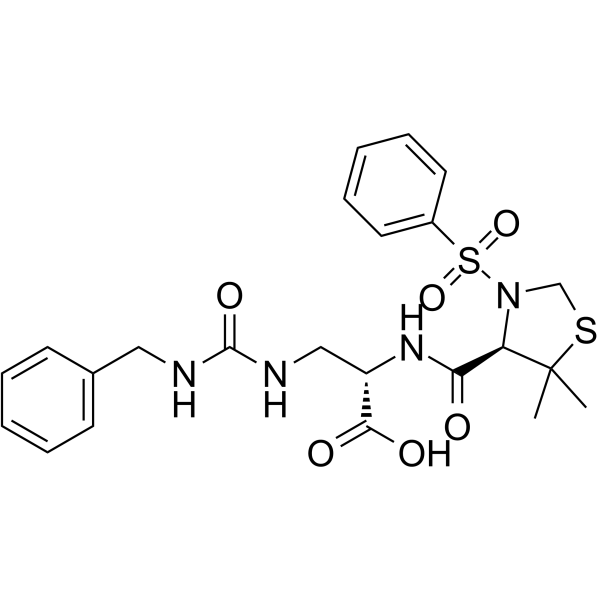
    Calcium Channel Platelet-activating Factor Receptor (PAFR) Cardiovascular Disease
    BN 50341 is an orally active anticalcic agent and a benzazepine derivative. BN 50341 decreases the in vivo electrically induced thrombus formation in rat or guinea-pig artery and can be utilized in cardiovascular research .
    BN 50341
  • HY-118410

    Integrin Cardiovascular Disease
    L-738167 is an orally active fibrogen receptor antagonist that prevents the binding of fibrinogen to GP IIb/IIIa. L-738167 can be utilized in thrombus research .
    L-738167
  • HY-116281

    Prostaglandin Receptor Cardiovascular Disease
    ICI D1542 is a selective and potent inhibitor of thromboxane A2 (TXA2) synthase and the thromboxane A2 receptor (TP-receptor). ICI D1542 is effective at preventing thrombus formation by redirection of arachidonic acid metabolism .
    ICI D1542
  • HY-10281

    Factor Xa Cardiovascular Disease
    YM-60828 methanesulfonate is an orally active, selective and competitive factor Xa inhibitor with a Ki of 1.3 nM and an IC50 of 2.3 nM. YM-60828 methanesulfonate inhibits thrombus formation and platelet aggregation. YM-60828 methanesulfonate can be used for the research of venous thrombosis, arterial thrombosis, and thromboembolic disorders .
    YM-60828 methanesulfonate
  • HY-101727

    Calcium Channel 5-HT Receptor Cardiovascular Disease
    Nexopamil racemate is the racemate of Nexopamil. Nexopamil is a combined Ca 2+/5-HT2 antagonist on thrombus formation in vivo and on platelet aggregation in vitro.
    Nexopamil racemate
  • HY-110043

    P2Y Receptor Cardiovascular Disease
    (±)-Clopidogrel hydrochloride is an antithrombotic agent that is ADP-selective and orally available. (±)-Clopidogrel hydrochloride inhibits platelet aggregation by inhibiting the binding of ADP to its platelet receptors .
    (±)-Clopidogrel hydrochloride
  • HY-159896

    Protease Activated Receptor (PAR) Cardiovascular Disease
    PAR4 antagonist 8 (Compound 20f) is an effective, orally active, and selective PAR4 antagonist with an IC50 value of 15.32 nM. PAR4 antagonist 8 exhibits favorable pharmacokinetic properties. PAR4 antagonist 8 not only effectively inhibits human platelet aggregation induced by PAR4 agonists (IC50 = 6.39 nM) but also inhibits mouse platelet aggregation. PAR4 antagonist 8 can be used in antithrombotic research .
    PAR4 antagonist 8
  • HY-167736

    Others Others
    (2R)-Naroparcil is an isomer of Naroparcil, a 4-methylumbelliferyl beta-D-xyloside analog that plays a role in promoting vascular smooth muscle cell proliferation and has been shown to inhibit thrombus formation in the Wessler slough model.
    (2R)-Naroparcil
  • HY-123641

    Way 120491

    Potassium Channel Cardiovascular Disease
    Celikalim (Way 120491) is an antihypertensive agent. Celikalim lowers blood pressure through opening potassium channelsin vascular smooth muscle. Celikalim can inhibit white thrombus formation. Celikalim is a potent potassium opener in dog model. Celikalim can be studied in thrombosis-related research .
    Celikalim
  • HY-15759

    Ro 46-6240; Ro 46-6240/010

    Thrombin Cardiovascular Disease
    Napsagatran (Ro 46-6240) is a potent thrombin inhibitor. Napsagatran exhibits anticoagulant effects in vitro and in vivo. Napsagatran can be used in antithrombotic research [1][2].
    Napsagatran
  • HY-P3082

    Endogenous Metabolite Cardiovascular Disease
    SKF 106760 is a potent platelet fibrin receptor (glycoprotein IIb/IIIa) antagonist with significant antiplatelet and antithrombotic activities. SKF 106760 inhibits platelet aggregation in dogs in vitro and prevents thrombus formation in stenotic carotid arteries. SKF 106760 has also shown elimination effects against aspirin-resistant thrombi that develop in the setting of high-grade stenosis .
    SKF 106760
  • HY-107372D

    UTP tetrasodium; Uridine 5'-triphosphate tetrasodium

    Biochemical Assay Reagents Cardiovascular Disease
    Uridine triphosphate (tetrasodium) (UTP (tetrasodium)) is released during cardiac ischemia. Uridine triphosphate (tetrasodium) belongs to a family of extracellular nucleotide signaling molecules. Uridine triphosphate (tetrasodium) can stimulate vasodilation, automaticity in ventricular myocytes and release tussue-quantitative activator (t-PA). Uridine triphosphate (tetrasodium)-induced t-PA release can dissolve the thrombus in myocardial infarction .
    Uridine triphosphate tetrasodium
  • HY-123400A

    iso-DTTX30; iso-DT-TX 30 SE

    Prostaglandin Receptor Cardiovascular Disease
    Iso-Samixogrel (iso-DTTX30) is a combined thromboxane A2 receptor blocker and thromboxane synthetase inhibitor that exhibits potent antithrombotic activity. Iso-Samixogrel effectively eliminates recurrent arterial thrombus formation and inhibits collagen-induced platelet aggregation ex vivo. Iso-Samixogrel also prolongs sublingual bleeding time, demonstrating its biological efficacy in managing thrombosis.
    iso-Samixogrel
  • HY-108292R

    Reference Standards PAI-1 Thrombin Cancer
    Propacetamol (hydrochloride) (Standard) is the analytical standard of Propacetamol (hydrochloride). This product is intended for research and analytical applications. Propacetamol hydrochloride is a potent, peptidic inhibitor targeting thrombin and granzyme GZMK. Propacetamol hydrochloride specifically blocks the activities of thrombin and GZMK, thereby inhibiting thrombin-mediated PAR-1 cleavage, as well as downstream inflammatory and procoagulant signaling pathways. Through stabilizing IκB proteins, blocking NF-κB activation and reducing systemic levels of proinflammatory/procoagulant biomarkers, Propacetamol hydrochloride exerts multiple effects including anti-inflammatory, antithrombotic, barrier repair, and inhibition of atherosclerotic plaque progression. Propacetamol hydrochloride binds to platelets without interference from kininogen, effectively limiting acute thrombus growth and reducing eosinophil infiltration and goblet cell hyperplasia in asthma models. Propacetamol hydrochloride is an important tool molecule for investigating the mechanisms of atherosclerosis, asthma and related thromboinflammatory diseases .
    Propacetamol hydrochloride (Standard)
  • HY-106111A

    Prostaglandin Receptor Cardiovascular Disease
    Nafagrel hydrochloride is a thromboxane A2 synthetase inhibitor. Nafagrel hydrochloride can prevent the accumulation of thrombus material in a rat model of acute arterial thrombosis .
    Nafagrel hydrochloride
  • HY-10279

    Factor Xa Cardiovascular Disease
    YM-60828 hydrochloride is an orally active, selective and competitive factor Xa inhibitor with a Ki of 1.3 nM and an IC50 of 2.3 nM. YM-60828 hydrochloride inhibits thrombus formation and platelet aggregation. YM-60828 hydrochloride can be used for the research of venous thrombosis, arterial thrombosis, and thromboembolic disorders .
    YM-60828 hydrochloride
  • HY-107588R

    Reference Standards Integrin Cardiovascular Disease
    TC-I 15 (Standard) is the analytical standard of TC-I 15 (HY-107588). This product is intended for research and analytical applications. TC-I 15 (TC-I-15) is a type of allosteric collagen-binding integrin α2β1 inhibitor, and it also inhibits α1β1 and α11β1. TC-I 15 inhibits platelet adhesion to collagen and thrombus deposition. TC-I 15 prevents the formation of a pre-metastatic microenvironment by inhibiting the uptake of cancer-associated fibroblast (CAF) extracellular vesicles (EVs) by lung fibroblasts, which reduces the metastasis of salivary gland adenocystic carcinoma (SACC) to the lungs in mouse models, .
    TC-I 15 (Standard)
  • HY-182420

    Factor Xa Cardiovascular Disease
    DJT06001 is an orally active, highly selective Factor Xa inhibitor. DJT06001 shows inhibition with Ki of 0.99 nM, IC50 of 2.53 nM in prothrombinase complex and 3.33 nM in human plasma. DJT06001 dose-dependently prolongs PT and APTT, inhibits thrombus formation in vivo. DJT06001 can be used for the research of thromboembolic diseases .
    DJT06001
  • HY-180223

    Factor XI Cardiovascular Disease
    FXIa-IN-17 (Compound FE12) is a selective FXIa inhibitor with an IC50 of 4.4 nM. FXIa-IN-17 effectively inhibits thrombus formation .
    FXIa-IN-17
  • HY-N18868

    PC(16:0/8:0)

    Endogenous Metabolite Cardiovascular Disease
    1-Palmitoyl-2-capryloyl-sn-glycero-3-phosphocholine (PC(16:0/8:0)) is a phosphatidylcholine glycerophospholipid. 1-Palmitoyl-2-capryloyl-sn-glycero-3-phosphocholine promotes platelet aggregation and flow-induced platelet-dependent thrombus formation. 1-Palmitoyl-2-capryloyl-sn-glycero-3-phosphocholine is a valid biomarker for CAD risk, severity, and subtype differentiation. 1-Palmitoyl-2-capryloyl-sn-glycero-3-phosphocholine is suitable for basic research on various types of coronary artery disease .
    1-Palmitoyl-2-capryloyl-sn-glycero-3-phosphocholine
  • HY-179302

    Mitochondrial Metabolism Integrin Cardiovascular Disease
    SD3A is an antiplatelet agent. SD3A inhibits granule secretion and GP IIb/IIIa activation. SD3A inhibits mitochondrial function. SD3A has an antiaggregant effect on washed platelets stimulated with Collagen. SD3A results in reduced thrombus formation without affecting coagulation .
    SD3A
  • HY-165594A

    5-HT Receptor Cardiovascular Disease
    AT-1015 is a selective and orally active 5-HT2A serotonin receptor antagonist. AT-1015 exhibits antithrombotic effect. AT-1015 prolongs the time needed to occlusion of the artery with thrombus. AT-1015 impairs platelet aggregation and vasoconstriction .
    AT-1015
  • HY-12974A
    PRT-060318 dihydrochloride
    4 Publications Verification

    PRT318 dihydrochloride

    Syk Apoptosis Inflammation/Immunology Cancer
    PRT-060318 (PRT318) dihydrochloride is a potent, selective and orally active tyrosine kinase Syk inhibitor with an IC50 of 3 nM. PRT-060318 dihydrochloride suppresses chronic lymphocytic leukemia (CLL) B cell activation and migration, and induces apoptosis. PRT-060318 dihydrochloride prevents Heparin (HY-17567)-induced thrombocytopenia and thrombosis in a transgenic mouse model. PRT-060318 dihydrochloride can be used for CLL and thrombus research .
    PRT-060318 dihydrochloride
  • HY-10280S

    Isotope-Labeled Compounds Factor Xa Others
    YM-60828-d3 is the deuterium labeled YM-60828 (HY-10280). YM-60828 is an orally active, selective and competitive factor Xa inhibitor with a Ki of 1.3 nM and an IC50 of 2.3 nM. YM-60828 inhibits thrombus formation and platelet aggregation. YM-60828 can be used for the research of venous thrombosis, arterial thrombosis, and thromboembolic disorders .
    YM-60828-d3
  • HY-19220

    Thrombin Cardiovascular Disease
    S-18326 is an orally active direct thrombin inhibitor. S-18326 inhibits thrombus formation by reversibly and with high affinity binding to the active site of thrombin, directly preventing the conversion of fibrinogen to fibrin. S-18326 effectively prolongs various clotting times in human plasma. S-18326 has demonstrated antithrombotic efficacy in multiple animal models without causing thrombocytopenia. S-18326 can be used in research on thromboembolic diseases .
    S-18326

Inquiry Online

Your information is safe with us. * Required Fields.

Salutation


Country or Region *

Applicant Name *


Organization Name *

Department *


Email Address *


Product Name *

Cat. No.


Requested quantity *

Phone Number *


Remarks

Inquiry Online

Inquiry Information

Product Name:
Cat. No.:
Quantity:
MCE Japan Authorized Agent:

