


40 Results for "

trauma

" in MedChemExpress (MCE) Product Catalog:
Products (40)

40 Results for "trauma" in MCE Product Catalog:

28
28 Publications Verification
Cat. No.: HY-17571
CAS No.: 50-56-6
Synonyms: α-Hypophamine; Oxytocic hormone
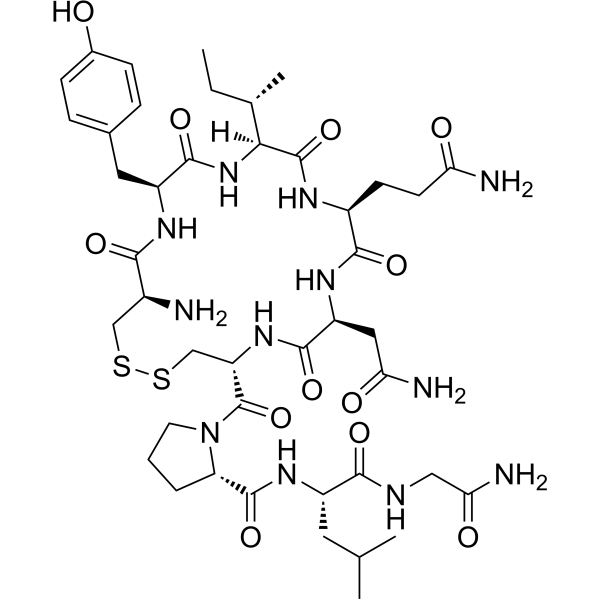
Oxytocin (α-Hypophamine; Oxytocic hormone) is a pleiotropic, hypothalamic peptide known for facilitating parturition, lactation, and prosocial behaviors. Oxytocin can function as a stress-coping molecule with anti-inflammatory, antioxidant, and protective effects especially in the face of adversity or trauma .
loading...
    loading...
28
28 Publications Verification
Cat. No.: HY-17571A
CAS No.: 6233-83-6
Synonyms: α-Hypophamine acetate; Oxytocic hormone acetate
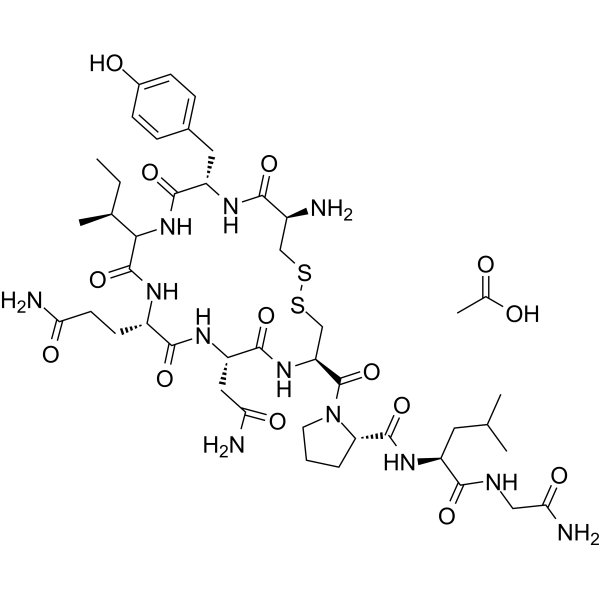
Oxytocin (α-Hypophamine) acetate is a pleiotropic, hypothalamic peptide known for facilitating parturition, lactation, and prosocial behaviors. Oxytocin acetate can function as a stress-coping molecule with anti-inflammatory, antioxidant, and protective effects especially in the face of adversity or trauma .
loading...
    loading...
15
15 Cited Publications
Cat. No.: HY-P1010
CAS No.: 210345-04-3
Target:  

Caspase Apoptosis

Research Areas:  

Neurological Disease Cancer

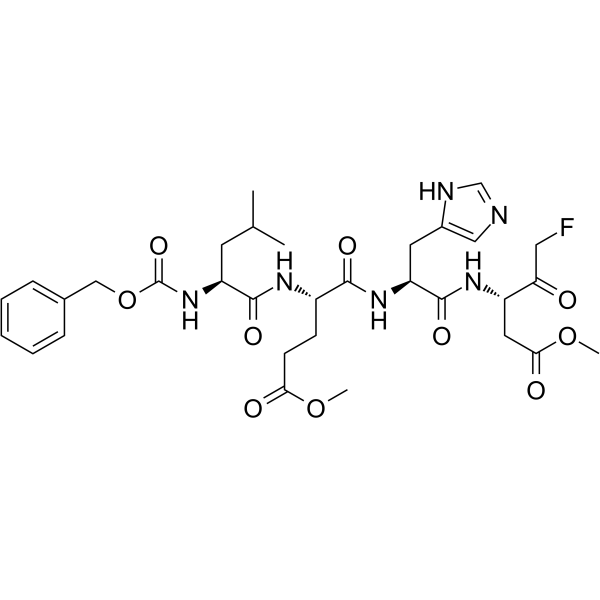
Z-LEHD-FMK is a selective and irreversible inhibitor of caspase-9, protects against lethal reperfusion injury and attenuates apoptosis. Z-LEHD-FMK exhibits the neuroprotective effect in a rat model of spinal cord trauma .
loading...
    loading...
9
9 Cited Publications
Cat. No.: HY-P3160
CAS No.: 86088-83-7
Fibronectin, a glycoprotein present in blood as well as in cells, is a biomarker of tissue injury. Fibronectin binds to membrane-spanning receptor proteins called integrins. Fibronectin also binds to other extracellular matrix proteins such as collagen, fibrin, and heparan sulfate proteoglycans .
This product is a human Fibronectin obtained by recombinant expression in a rice expression system.
loading...
    loading...
6
6 Cited Publications
Cat. No.: HY-101712
CAS No.: 867164-40-7
Purity:  99.79%
Target:  

HSP

Research Areas:  

Neurological Disease

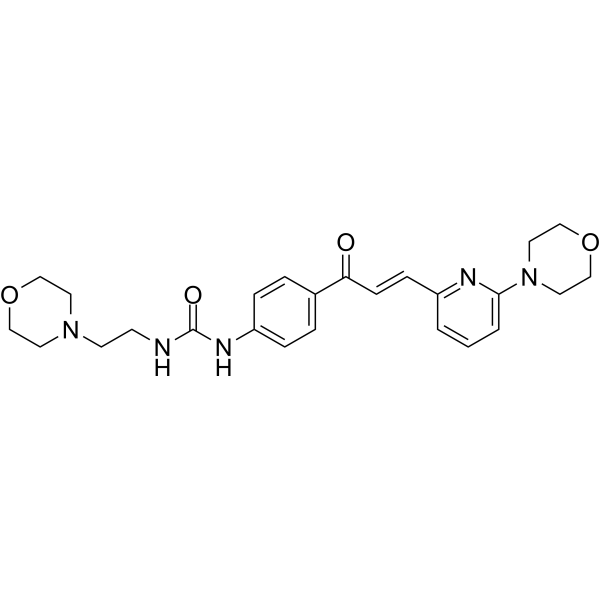
TRC051384 is a potent inducer of heat shock protein 70 (HSP70). TRC051384 exhibits protective effects against neuronal trauma via inhibition of necroptosis. TRC051384 can be used for the research of ischemic stroke .
loading...
    loading...
3
3 Cited Publications
Cat. No.: HY-B0149
CAS No.: 1197-18-8
Synonyms: cyclocapron
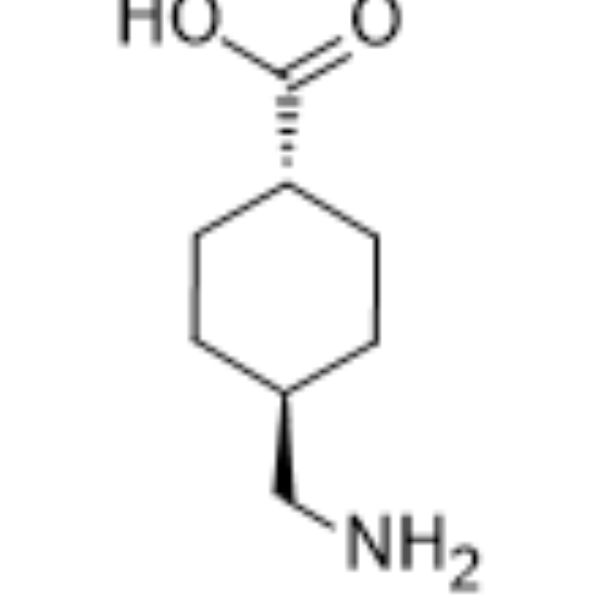
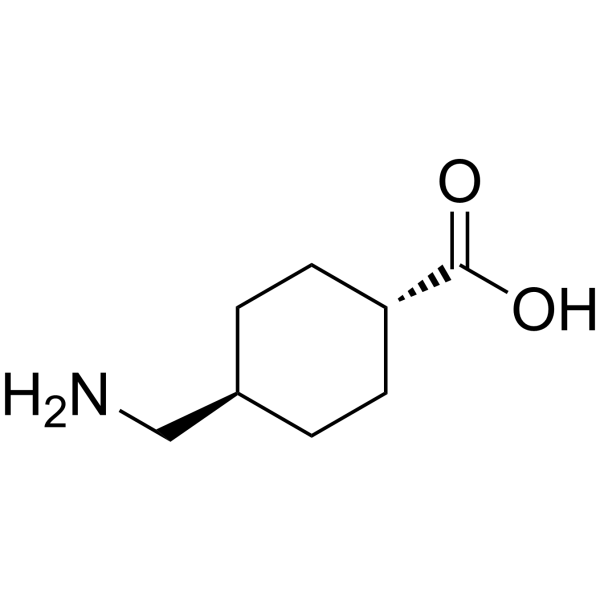
Tranexamic acid (cyclocapron), a cyclic analog of lysine, is an orally active antifibrinolytic agent. Tranexamic acid attenuates the effects of severe trauma, inhibits urokinase plasminogen activator and ameliorates dry wrinkles. Tranexamic acid can used for the research of hemostasis. Tranexamic acid is a PROTAC linker. Tranexamic acid is used to synthesize PROTACs (e.g. LZ-07 (HY-172590)) .
loading...
    loading...
3
3 Cited Publications
Cat. No.: HY-B2196
CAS No.: 84082-64-4
Gastric mucin is a glycoprotein with natural antibiotic function. Gastric mucin against Helicobacter pylori infection. Gastric mucin effectively scavenges hydroxyl radical. Gastric mucin play a major role in the protection of the gastrointestinal tract from acid, proteases, pathogenic microorganisms, and mechanical trauma .
loading...
    loading...
Cat. No.: HY-150097
Purity:  ≥99.0%
Recombinant Human Serum Albumin (rHSA) is a non-glycosylated monomeric plasma protein that acts as a core factor for maintaining plasma colloid osmotic pressure. Recombinant Human Serum Albumin (rHSA) possesses multiple physiological functions including carrier, metabolic regulation, detoxification, antioxidation and enzyme mimicking. Recombinant Human Serum Albumin (rHSA) not only scavenges reactive oxygen and nitrogen species via specific residues and binds a variety of endogenous and exogenous compounds to maintain redox homeostasis, but also serves as a biomarker for multiple diseases such as cancer and inflammation. Recombinant Human Serum Albumin (rHSA) broadly supports the development of implantable materials, surgical adhesives and ligand capture, and can be used for research on critical illnesses including hypovolemia, liver failure, severe sepsis and various types of trauma resuscitation .
loading...
    loading...
Cat. No.: HY-107944
CAS No.: 886-74-8
Purity:  99.92%
Synonyms: Maolate; U 19646
Target:  

Drug Derivative

Research Areas:  

Neurological Disease

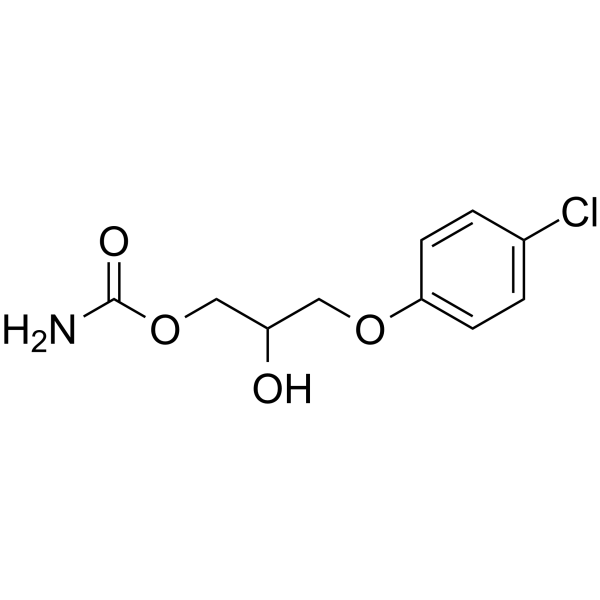
Chlorphenesin carbamate is a centrally acting skeletal muscle relaxant, as well as a derivate of Chlorphenesin (HY-A0133). Chlorphenesin carbamate can be used for the research of pain and discomfort related to skeletal muscle trauma and inflammation . Chlorphenesin carbamate is a selective blocker of polysynaptic pathways at the spinal and supra-spinal levels . Antinociceptive effect .
loading...
    loading...
Cat. No.: HY-172236
CAS No.: 1020634-41-6
Synonyms: BNC210; IW-2143
Target:  

nAChR

Research Areas:  

Neurological Disease

Soclenicant (BNC210) is an orally active α7 nAChR negative alteration modulator (NAM) with no apparent side effects. Soclenicant exhibits acute anxiolytic activity in rodent models of anxiety. Soclenicant inhibits rat and human α7 nAChR currents (in stably transfected cell lines) induced by acetylcholine, nicotine, choline, and the a7-specific agonist PNU-282987 (HY-12560A) with IC50 values in the range of 1.2 to 3 μM. Soclenicant can be used in studies of anxiety, trauma, and stressor-related disorders .
loading...
    loading...
Cat. No.: HY-N0754
CAS No.: 877822-40-7
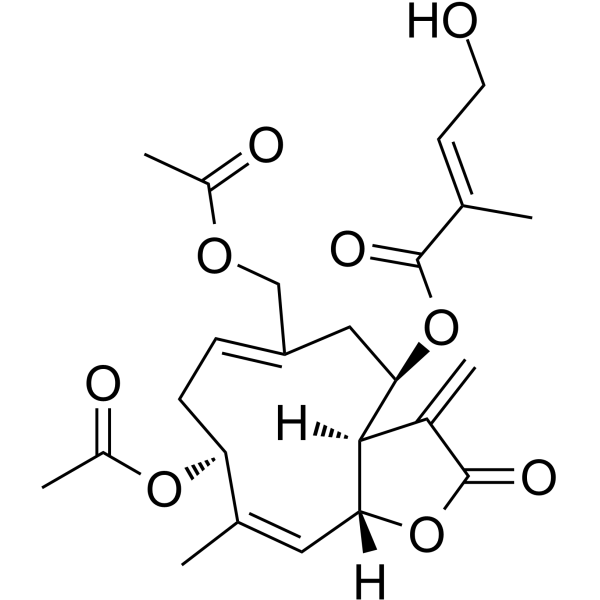
Eupalinolide A is a Yes-associated protein (YAP) degrader and HSP70 inducer. Eupalinolide A inhibits osteogenic differentiation of tendon-derived stem cells (TDSCs). Eupalinolide A induces autophagy in hepatocellular carcinoma cells via activating the ROS/ERK signaling pathway. Eupalinolide A protects PAM212 cells from UVB-, Menadione (HY-B0332)-, or heat shock-induced apoptosis. Eupalinolide A alleviates trauma-induced heterotopic ossification (HO) of Achilles tendon and inhibits growth of MHCC97-L and HCCLM3 hepatocellular carcinoma xenograft tumors in mice. Eupalinolide A can be used for the study of traumatic heterotopic ossification of tendons and hepatocellular carcinoma .
loading...
    loading...
Cat. No.: HY-145453
CAS No.: 66532-85-2
Purity:  98.38%
Target:  

Interleukin Related

Research Areas:  

Inflammation/Immunology

Propacetamol is an orally active prodrug of Acetaminophen (HY-66005), which exerts antipyretic and analgesic effects after metabolism. Propacetamol reduces Aspirin (ASA) (HY-14654)-induced elevation of malondialdehyde (MDA) in gastric mucosa and plasma, regulates the levels of gastric mucosal glutathione (GSH and GSSG) to maintain cellular antioxidant defense, and increases gastric mucosal uric acid (UA) levels. Propacetamol exerts a dose-dependent protective effect against ASA-induced gastric mucosal damage in rats. Propacetamol can be used for the study of gastric mucosal injury by interfering with oxidative stress .
loading...
    loading...
Cat. No.: HY-B0149R
CAS No.: 1197-18-8
Synonyms: cyclocapron (Standard)
Tranexamic acid (Standard) is the analytical standard of Tranexamic acid. This product is intended for research and analytical applications. Tranexamic acid (cyclocapron), a cyclic analog of lysine, is an orally active antifibrinolytic agent. Tranexamic acid attenuates the effects of severe trauma, inhibits urokinase plasminogen activator and ameliorates dry wrinkles. Tranexamic acid can used for the research of hemostasis .
loading...
    loading...
Cat. No.: HY-17649
CAS No.: 211302-60-2
Target:  

Progesterone Receptor

Research Areas:  

Neurological Disease

EIDD-036, is the blood-brain barrier penetrant C-20 oxime of Progesterone (HY-N0437), that binds progesterone receptor (PR) with an IC50 of 171 nM. EIDD-036 is the active metabolite of EIDD-1723 (HY-125547). EIDD-036 exhibits promising challenges for rapid administration in acute trauma. EIDD-036 can be used for the study of traumatic brain injury (TBI) .
loading...
    loading...
Cat. No.: HY-P3709
CAS No.: 852805-92-6
Target:  

p62 E1/E2/E3 Enzyme

Research Areas:  

Neurological Disease

TRAF6 peptide is a specific TRAF6-p62 inhibitor. TRAF6 peptide potently abrogates NGF-dependent TrkA ubiquitination. TRAF6 peptide has good research potential in neurological diseases such as alzheimer's disease (AD), parkinson's, ALS, head trauma, epilepsy and stroke .
loading...
    loading...
Cat. No.: HY-P1010A
CAS No.: 524746-03-0
Target:  

Caspase Apoptosis

Research Areas:  

Neurological Disease Cancer

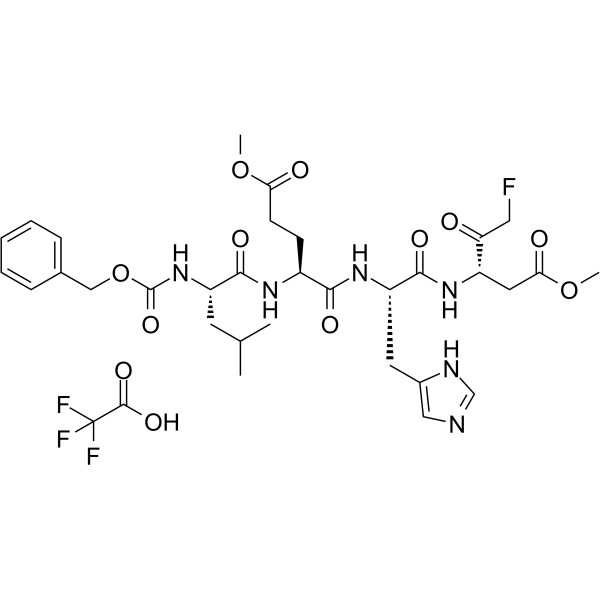
Z-LEHD-FMK TFA is a selective and irreversible inhibitor of caspase-9, protects against lethal reperfusion injury and attenuates apoptosis. Z-LEHD-FMK TFA exhibits the neuroprotective effect in a rat model of spinal cord trauma .
loading...
    loading...
Cat. No.: HY-122070
CAS No.: 110101-67-2
Synonyms: U 74006F
Target:  

Antibiotic

Research Areas:  

Infection Neurological Disease

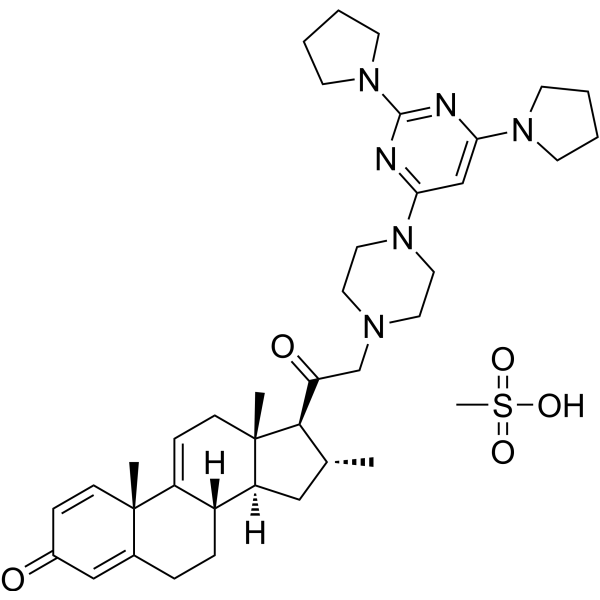
Tirilazad mesylate (U 74006F) is a nonglucocorticoid, 21-aminosteroid that inhibits lipid peroxidation. Tirilazad mesylate can attenuate brain or spinal cord injury caused by trauma, stroke, ischemia and reperfusion injury. Tirilazad mesylate has antiviral activities against nCoV. Tirilazad mesylate is neuroprotective for ischaemic stroke, can be used for subarachnoid hemorrhage research .
loading...
    loading...
Cat. No.: HY-P5754B
Target:  

Apoptosis

Research Areas:  

Neurological Disease

TAT-NEP1-40 acetate is a therapeutic candidate for axonal regeneration and functional recovery after stroke. TAT-NEP1-40 acetate can protect PC12 cells against oxygen and glucose deprivation (OGD) and promote neurite outgrowth. TAT-NEP1-40 acetate protects the brain against ischemia/reperfusion injury through inhibition of neuronal apoptosis. TAT-NEP1-40 acetate can be efficiently delivered into the rat brains .
loading...
    loading...
Cat. No.: HY-103518
CAS No.: 123691-29-2
Target:  

GABA Receptor

Research Areas:  

Neurological Disease

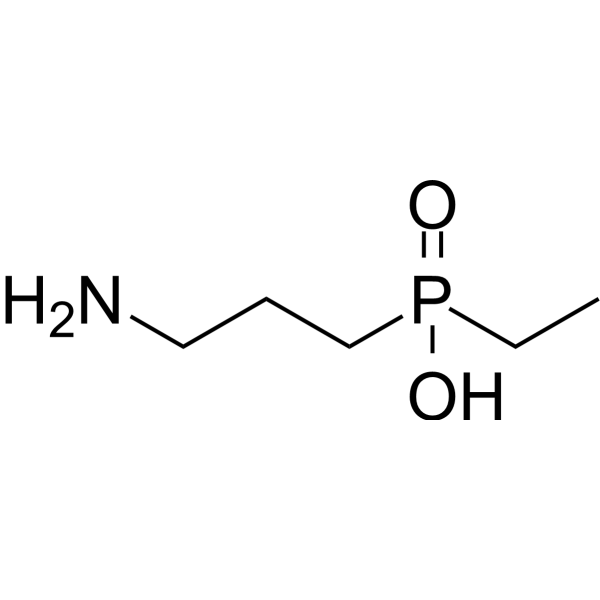
CGP36216 is a selective antagonist at GABA presynaptic receptor. CGP36216 binds to GABAB receptor with a Ki value of 0.3 μM. CGP36216 hydrochloride can be used for research of anxiety and trauma-related disorders .
loading...
    loading...
Cat. No.: HY-124109
CAS No.: 1333327-56-2
Target:  

HSP

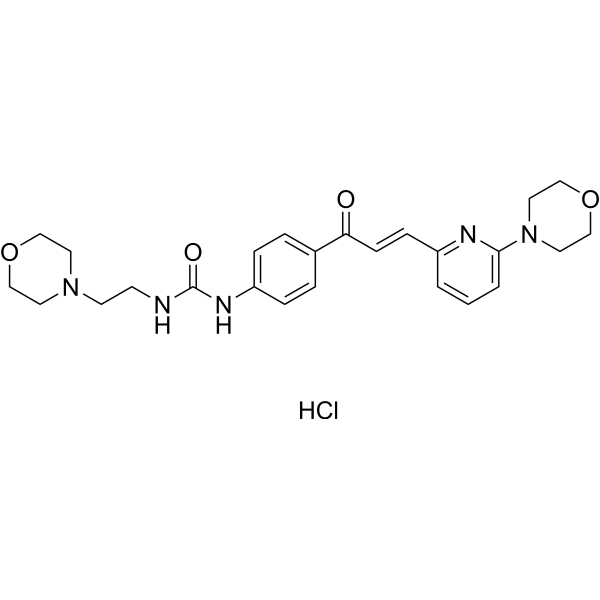
TRC051384 hydrochloride is a potent inducer of heat shock protein 70 (HSP70). TRC051384 hydrochloride exhibits protective effects against neuronal trauma via inhibition of necroptosis. TRC051384 hydrochloride can be used for the research of ischemic stroke .
loading...
    loading...

