



Search Result
Results for "
type II collagen
" in MedChemExpress (MCE) Product Catalog:
32
Biochemical Assay Reagents
| Cat. No. |
Product Name |
Target |
Research Areas |
Chemical Structure |
-
- HY-13948
-
|
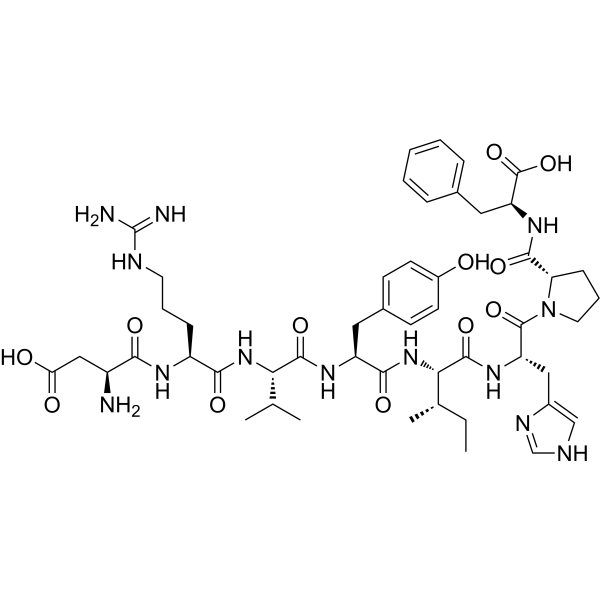
Angiotensin II; Ang II; DRVYIHPF
|
Angiotensin Receptor
Apoptosis
|
Cardiovascular Disease
Infection
Metabolic Disease
Inflammation/Immunology
Cancer
|
|
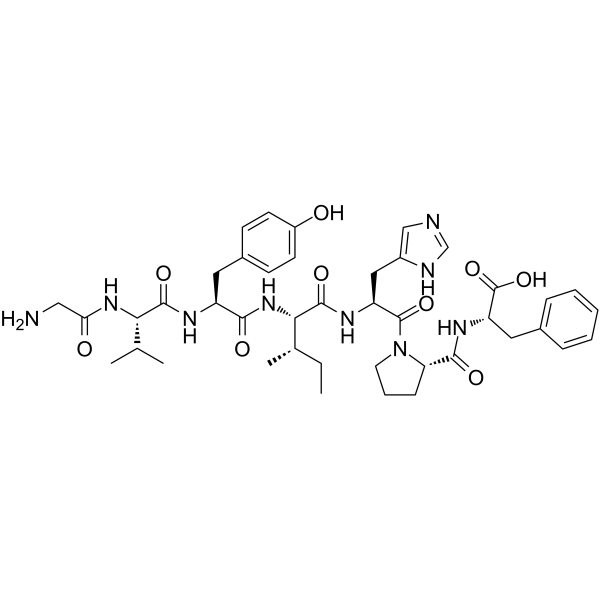
Angiotensin II (Angiotensin II) is a vasoconstrictor and a major bioactive peptide of the renin/angiotensin system. Angiotensin II human plays a central role in regulating human blood pressure, which is mainly mediated by interactions between Angiotensin II and the G-protein-coupled receptors (GPCRs) Angiotensin II type 1 receptor (AT1R) and Angiotensin II type 2 receptor (AT2R). Angiotensin II human stimulates sympathetic nervous stimulation, increases aldosterone biosynthesis and renal actions. Angiotensin II human induces growth of vascular smooth muscle cells, increases collagen type I and III synthesis in fibroblasts, leading to thickening of the vascular wall and myocardium, and fibrosis. Angiotensin II human also induces apoptosis. Angiotensin II induces capillary formation from endothelial cells via the LOX-1 dependent redox-sensitive pathway .
|
-
-
- HY-E70005B
-
|
|
MMP
|
Others
|
Collagenase, Type II is a microbially derived matrix metalloproteinases (MMPs) and zinc peptidase. Collagenase, Type II breaksdown collagens1, 3, 5, 7, 8, 10, fibronectin, gelatin, aggrecann .
|
-
-
- HY-NP003
-
|
collagen
|
Collagen
|
Inflammation/Immunology
|
|
Collagen, Type II, from bovine snout membrane is a type II collagen that can be used for cell culture . This product is enzymatically hydrolyzed collagen peptides.
|
-
-
- HY-13948A
-
|
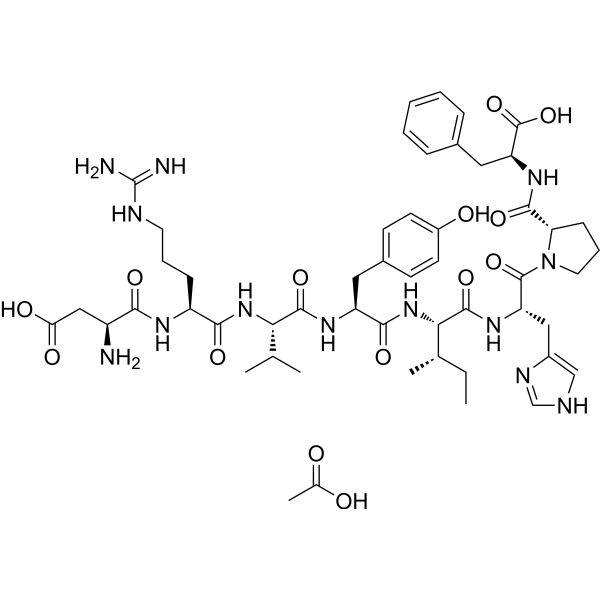
Angiotensin II acetate; Ang II acetate; DRVYIHPF acetate
|
Angiotensin Receptor
Apoptosis
|
Cardiovascular Disease
Infection
Metabolic Disease
Inflammation/Immunology
Cancer
|
|
Angiotensin II human (Angiotensin II) acetate is a vasoconstrictor and a major bioactive peptide of the renin/angiotensin system. Angiotensin II human acetate plays a central role in regulating human blood pressure, which is mainly mediated by interactions between Angiotensin II and the G-protein-coupled receptors (GPCRs) Angiotensin II type 1 receptor (AT1R) and Angiotensin II type 2 receptor (AT2R). Angiotensin II human acetate stimulates sympathetic nervous stimulation, increases aldosterone biosynthesis and renal actions. Angiotensin II human acetate induces growth of vascular smooth muscle cells, increases collagen type I and III synthesis in fibroblasts, leading to thickening of the vascular wall and myocardium, and fibrosis. Angiotensin II human acetate also induces apoptosis. Angiotensin II human acetate induces capillary formation from endothelial cells via the LOX-1 dependent redox-sensitive pathway .
|
-
-
- HY-P990117
-
|
|
Integrin
|
Cardiovascular Disease
Cancer
|
|
Anti-Mouse/Rat/Human Osteopontin/SPP1 Antibody (MPIIIB10) is a mouse-derived Osteopontin/SPP1 IgG1 κ type antibody inhibitor. Anti-Mouse/Rat/Human Osteopontin/SPP1 Antibody (MPIIIB10) blocks Angiotensin II (HY-13948)-induced DNA synthesis and collagen gel contraction in cardiac fibroblasts. Anti-Mouse/Rat/Human Osteopontin/SPP1 Antibody (MPIIIB10) significantly inhibits tumor growth in CT26 or MC38 tumors mice models .
|
-
-
- HY-P10739
-
|
|
Exosomes
Collagen
|
Inflammation/Immunology
|
|
WYRGRL is a selective, high-affinity collagen type II-binding peptide with a IC50 of 140 nM. Collagen type II is the most abundant and specific structural protein in the extracellular matrix of articular cartilage. WYRGRL can precisely target small-molecule compounds such as Dexamethasone (HY-14648) and nanocarrier-engineered exosomes to cartilage, significantly enhancing their therapeutic effects on osteoarthritis .
|
-
-
- HY-13948B
-
|
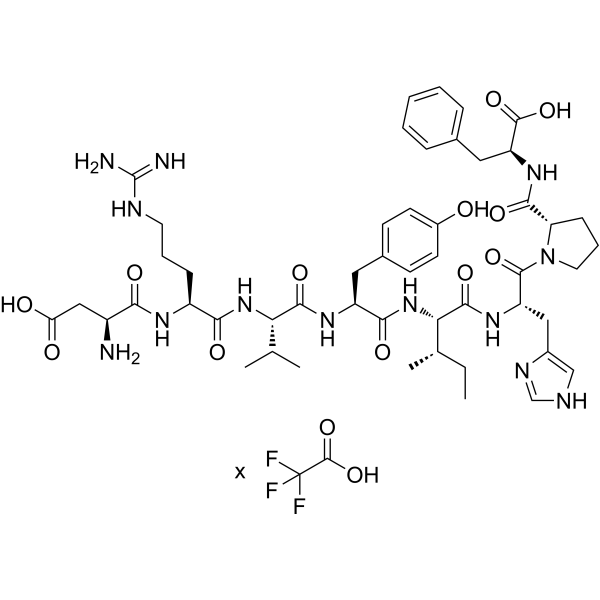
Angiotensin II TFA; Ang II TFA; DRVYIHPF TFA
|
Angiotensin Receptor
Apoptosis
|
Cardiovascular Disease
Metabolic Disease
Cancer
|
|
Angiotensin II human (Angiotensin II) TFA is a vasoconstrictor and a major bioactive peptide of the renin/angiotensin system. Angiotensin II human TFA plays a central role in regulating human blood pressure, which is mainly mediated by interactions between Angiotensin II and the G-protein-coupled receptors (GPCRs) Angiotensin II type 1 receptor (AT1R) and Angiotensin II type 2 receptor (AT2R). Angiotensin II human TFA stimulates sympathetic nervous stimulation, increases aldosterone biosynthesis and renal actions. Angiotensin II human TFA induces growth of vascular smooth muscle cells, increases collagen type I and III synthesis in fibroblasts, leading to thickening of the vascular wall and myocardium, and fibrosis. Angiotensin II human TFA also induces apoptosis. Angiotensin II human TFA induces capillary formation from endothelial cells via the LOX-1 dependent redox-sensitive pathway .
|
-
-
- HY-P5003
-
|
|
MMP
|
Inflammation/Immunology
|
|
Collagen Type II Fragment is an anti-inflammatory peptide that potently inhibits collagen-induced arthritis (CIA) in mice. Collagen Type II Fragment can be used for research on inflammation and immunity .
|
-
-
- HY-76938
-
|
4-Acetylaminophenylacetic acid; MS-932
|
Carbonic Anhydrase
TNF Receptor
IFNAR
|
Inflammation/Immunology
|
|
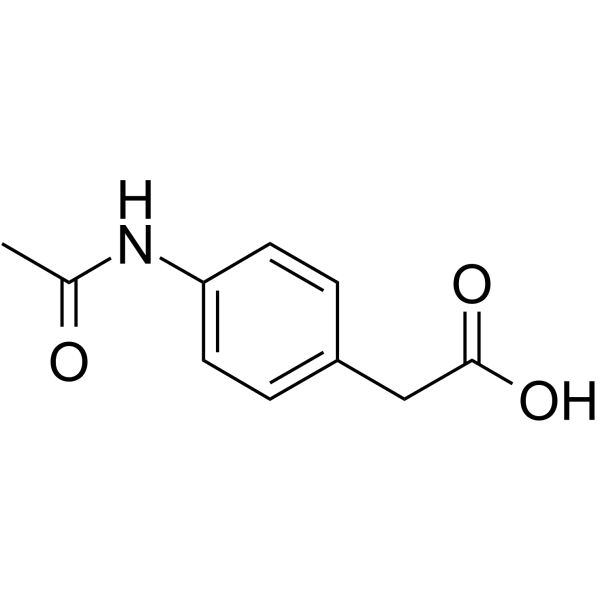
Actarit (4-Acetylaminophenylacetic acid) is an orally active Carbonic Anhydrase II (CAII) inhibitor with an IC50 of 422 nM. Actarit shows suppressive effects experimental autoimmune encephalomyelitis in rats. Actarit inhibits the development of type ll collagen (CII)-induced arthritis in mice by suppressing delayed-type hypersensitivity to CII. Actarit can be used for the study of Multiple Sclerosis (MS) and rheumatoid arthritis .
|
-
-
- HY-P10954
-
|
|
p38 MAPK
|
Others
|
|
Link N peptide is a proteoglycan aggregates activator in the extracellular matrix. Link N peptide can selectively activate the p38 mitogen-activated protein kinase (MAPK) pathway to promote the expression of type I and II collagens in human intervertebral disc cells. Link N peptide is promising for research of intervertebral disc degeneration-related diseases .
|
-
-
- HY-N2589
-
|
|
TGF-β Receptor
Collagen
|
Infection
Metabolic Disease
Inflammation/Immunology
Cancer
|
|
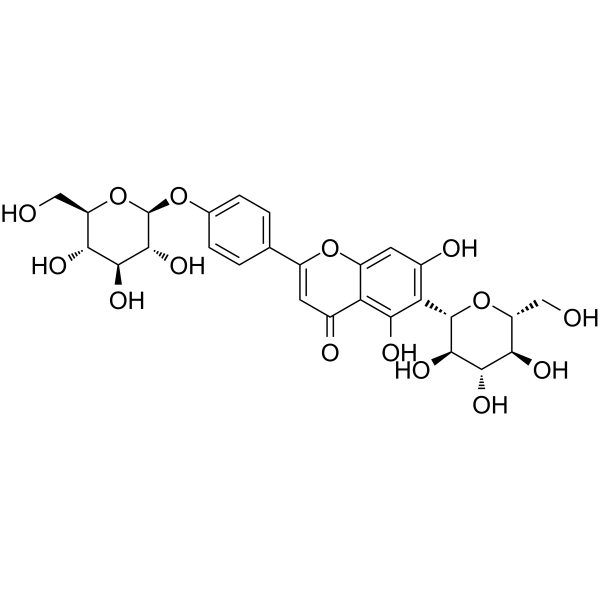
Isosaponarin is a flavone glycoside isolated from wasabi leaves. Isosaponarin is a P4HA2 enzymatic agonist. Isosaponarin increases collagen synthesis via up-regulated TGF-β type II receptor (TβR-II) and prolyl 4-hydroxylase (P4H) proteins production, promoting skin health and wound healing. Isosaponarin-rich plants exhibit strong antimicrobial, antioxidant, anti-hyaluronidase, antiplatelet, anti-atopic dermatitis, and anti-tumor effects .
|
-
-
- HY-NP113
-
|
Chick type II collagen, immunization grade
|
MMP
|
Inflammation/Immunology
|
|
Highly purified Type II collagen, from chick sternal cartilage (Chick Type II collagen, immunization grade) is an immune grade collagen derived from chick sternal cartilage, which can stimulate the animal's immune system to produce specific antibodies against this collagen. Collagen is also a substrate for hydrolysis by MMPs .
|
-
-
- HY-P3136
-
|
TRV120055
|
Angiotensin Receptor
ERK
|
Cardiovascular Disease
|
|
TRV055 (TRV120055) is a G protein-biased agonist of angiotensin II type 1 receptors (AT1Rs). TRV120055 induces fibroblast proliferation, overexpression of collagen I and α-SMA, and stress fibre formation in human cardiac fibroblasts. TRV055 activates AT1 receptor/Gαq-mediated signaling pathways, upregulates TGF-β1 and p-ERK1/2. TRV055 induces collagen secretion in adult rat myofibroblasts at a level comparable to Ang II. TRV055 can be used to study the role of G protein-biased signaling of AT1Rs in regulating fibrotic responses [1]
|
-
-
- HY-N12540
-
|
MGDG
|
DNA/RNA Synthesis
Apoptosis
|
Others
|
|
Monogalactosyldiacylglycerol (MGDG) is a galactolipid with anti-inflammatory and anticancer activities, which is found in photosynthetic organisms. Monogalactosyldiacylglycerol is a potent DNA polymerase inhibitor with pro-apoptotic activity. Monogalactosyldiacylglycerol inhibits the synthesis of LPS (HY-D1056)-induced inflammation-related proteins (Ex-FABP, Avidin, Serum Amyloid A). Monogalactosyldiacylglycerol exerts an anti-proliferative effect on chicken articular chondrocytes . Monogalactosyldiacylglycerol can be used in research related to osteoarthritis, cancer and inflammatory diseases .
|
-
-
- HY-NP158A
-
|
|
Biochemical Assay Reagents
|
Others
|
|
Type II Collagen, T Cell Grade, from Chick is a T-cell dependent antigen with unique immunological features. Type II Collagen, T Cell Chick, from Bovine can be used as a stimulating antigen for T-cells in in vitro culture systems .
|
-
-
- HY-P3153
-
|
|
Cathepsin
|
Metabolic Disease
|
|
Cathepsin K is a cysteine protease with endo and collagenolytic activities. Cathepsin K induces degradation of bone collagen and can be used for the research of osteoporosis .
|
-
-
- HY-122906
-
|
|
c-Fms
|
Inflammation/Immunology
|
|
JTE-952 is a potent, oral active and selective Type II inhibitor of colony stimulating factor-1 receptor (CSF-1R or cFMS, type III receptor tyrosine kinase), with IC50 values of 13 nM and 261 nM for CSF1R and TrkA , respectively. Effective against a mouse collagen-induced model of arthritis .
|
-
-
- HY-P3136A
-
|
TRV120055 hydrochloride
|
Angiotensin Receptor
|
Cardiovascular Disease
|
|
TRV055 (TRV120055) hydrochloride is a G protein-biased agonist of angiotensin II type 1 receptors (AT1Rs). TRV055 hydrochloride induces fibroblast proliferation, overexpression of collagen I and α-SMA, and stress fibre formation in human cardiac fibroblasts. RV055 hydrochloride activates AT1 receptor/Gαq-mediated signaling pathways, upregulates TGF-β1 and p-ERK1/2. RV055 hydrochloride induces collagen secretion in adult rat myofibroblasts at a level comparable to Ang II. RV055 hydrochloride can be used to study the role of G protein-biased signaling of AT1Rs in regulating fibrotic responses [1]
|
-
-
- HY-NP102
-
|
Bovine type II collagen, immunization grade
|
Biochemical Assay Reagents
|
Inflammation/Immunology
|
|
Highly purified Type II collagen, from bovine articular cartilage (Bovine Type II collagen, immunization grade), an immunization grade, is the major matrix protein in cartilage that can be used for the study of arthritis .
|
-
-
- HY-P2738B
-
|
|
MMP
|
Inflammation/Immunology
|
|
Collagen petide Type II is an extracellular matrix proteins and show many applications in food, cosmetic, pharmaceutical and biomedical industries. This product is enzymatically hydrolyzed collagen peptide .
|
-
-
- HY-NP158
-
|
|
Biochemical Assay Reagents
|
Others
|
|
Type II Collagen, T Cell Grade, from Bovine is a T-cell dependent antigen with unique immunological features. Type II Collagen, T Cell Grade, from Bovine can be used as a stimulating antigen for T-cells in in vitro culture systems .
|
-
-
- HY-114564
-
|
E5510
|
Prostaglandin Receptor
|
Cardiovascular Disease
|
|
Satigrel (E5510) is a potent inhibitor of platelet aggregation. Satigrel inhibits collagen- and arachidonic acid-induced platelet aggregation through preventing thromboxane A2 synthesis by selective inhibition of the target enzyme, PGHS1, which exists in platelets. Satigrel inhibits PGHS1 (IC50: 0.081 μM) and PGHS2 (IC50: 5.9 μM). Satigrel is against Type III PDE, Type V and Type II (IC50: 15.7 μM, 39.8 μM and 62.4 μM, respectively) .
|
-
-
- HY-NP158I
-
|
|
Biochemical Assay Reagents
|
Inflammation/Immunology
|
|
Collagen Type II (undenatured) is a T-cell dependent antigen with unique immunological features. Type II Collagen, T Cell Grade, from Bovine can be used as a stimulating antigen for T-cells in in vitro culture systems .
|
-
-
- HY-NP158D
-
|
|
Biochemical Assay Reagents
|
Others
|
|
Type II Collagen, T Cell Grade, from Mouse is a T-cell dependent antigen with unique immunological features. Type II Collagen, T Cell Grade, from Mouse can be used as a stimulating antigen for T-cells in in vitro culture systems .
|
-
-
- HY-P10462
-
|
Synthetic anti-inflammatory peptide 15
|
HDAC
NF-κB
|
Inflammation/Immunology
|
|
SAP15 (Synthetic anti-inflammatory peptide 15) is a synthetic anti-inflammatory peptide consisting of 15 amino acids designed from human beta-defensin 3. SAP15 has the ability to penetrate cells and is able to induce downregulation of intracellular inflammation. SAP15 inhibits inflammation by inhibiting the phosphorylation of HDAC5 and thereby reducing the phosphorylation of NF-κB p65. SAP15 inhibits HDAC5 and NF-κB p65 phosphorylation in LPS (HY-D1056)-induced macrophages. SAP15 increases the expression of aggrecan and type II collagen and decreases the expression of osteocalcin in LPS-induced chondrocytes. SAP15 can be used in the study of inflammation regulation and anti-inflammatory therapy of biomaterials .
|
-
-
- HY-NP108
-
|
Rat type II collagen, immunization grade
|
MMP
|
Inflammation/Immunology
|
|
Highly purified type II collagen, from rat sternal cartilage (Rat Type II collagen, immunization grade) is an immune grade collagen derived from rat sternal cartilage, which can stimulate the animal's immune system to produce specific antibodies against this collagen. Collagen is also a substrate for hydrolysis by MMPs .
|
-
-
- HY-NP130
-
|
Goat type II collagen, immunization grade
|
MMP
|
Inflammation/Immunology
|
|
Highly purified Type II collagen, from goat articular cartilage (Goat Type II collagen, immunization grade) is an immune grade collagen derived from goat articular cartilage, which can stimulate the animal's immune system to produce specific antibodies against this collagen. Collagen is also a substrate for hydrolysis by MMPs .
|
-
-
- HY-NP123
-
|
Porcine type II collagen, immunization grade
|
MMP
|
Inflammation/Immunology
|
|
Highly purified Type II collagen, from porcine articular cartilage (Porcine Type II collagen, immunization grade) is an immune grade collagen derived from porcine articular cartilage, which can stimulate the animal's immune system to produce specific antibodies against this collagen. Collagen is also a substrate for hydrolysis by MMPs .
|
-
-
- HY-NP111
-
|
Mouse type V collagen, immunization grade
|
MMP
|
Inflammation/Immunology
|
|
Highly purified Type V collagen, from mouse intestine (Mouse Type II collagen, immunization grade) is an immune grade collagen derived from mouse intestine, which can stimulate the animal's immune system to produce specific antibodies against this collagen. Collagen is also a substrate for hydrolysis by MMPs .
|
-
-
- HY-NP158H
-
|
|
Biochemical Assay Reagents
|
Others
|
|
Type II Collagen, T Cell Grade, from Rat is a T-cell dependent antigen with unique immunological features. Type II Collagen, T Cell Rat, from Bovine can be used as a stimulating antigen for T-cells in in vitro culture systems .
|
-
-
- HY-NP0241D
-
|
Chick cyanogen bromide digested peptide 12
|
Biochemical Assay Reagents
|
Inflammation/Immunology
|
|
Chick CB12 of type II collagen (Chick cyanogen bromide digested peptide 12) is a cyanobromide digested peptide (CB-peptide) fragment of type II collagen, which can be used to study B cell and T cell epitopes of type II collagen. This product is pepsin-free, making it ideal for studying T cell epitope specificity through proliferation assays. Chick CB12 of type II collagen can also be used as an antigen for analyzing antibody epitope specificity via ELISA .
|
-
-
- HY-P10462A
-
|
Synthetic anti-inflammatory peptide 15 acetate
|
HDAC
NF-κB
|
Inflammation/Immunology
|
|
SAP15 (Synthetic anti-inflammatory peptide 15) acetate is a synthetic anti-inflammatory peptide consisting of 15 amino acids designed from human beta-defensin 3. SAP15 acetate has the ability to penetrate cells and is able to induce downregulation of intracellular inflammation. SAP15 acetate inhibits inflammation by inhibiting the phosphorylation of HDAC5 and thereby reducing the phosphorylation of NF-κB p65. SAP15 acetate inhibits HDAC5 and NF-κB p65 phosphorylation in LPS (HY-D1056)-induced macrophages. SAP15 acetate increases the expression of aggrecan and type II collagen and decreases the expression of osteocalcin in LPS-induced chondrocytes. SAP15 acetate can be used in the study of inflammation regulation and anti-inflammatory therapy of biomaterials .
|
-
-
- HY-NP129
-
|
Sheep type II collagen, immunization grade
|
MMP
|
Inflammation/Immunology
|
|
Highly purified Type II collagen, from sheep articular cartilage (Sheep Type II collagen, immunization grade) is an immune grade collagen derived from sheep articular cartilage, which can stimulate the animal's immune system to produce specific antibodies against this collagen. Collagen is also a substrate for hydrolysis by MMPs .
|
-
-
- HY-NP110
-
|
Mouse type II collagen, immunization grade
|
MMP
|
Inflammation/Immunology
|
|
Highly purified Type II collagen, from mouse sternal cartilage (Mouse Type II collagen, immunization grade) is an immune grade collagen derived from mouse sternal cartilage, which can stimulate the animal's immune system to produce specific antibodies against this collagen. Collagen is also a substrate for hydrolysis by MMPs .
|
-
-
- HY-NP158E
-
|
|
Biochemical Assay Reagents
|
Others
|
|
Type II Collagen, T Cell Grade, from Porcine is a T-cell dependent antigen with unique immunological features. Type II Collagen, T Cell Grade, from Porcine can be used as a stimulating antigen for T-cells in in vitro culture systems .
|
-
-
- HY-NP158C
-
|
|
Biochemical Assay Reagents
|
Others
|
|
Type II Collagen, T Cell Grade, from Monkey is a T-cell dependent antigen with unique immunological features. Type II Collagen, T Cell Chick, from Monkey can be used as a stimulating antigen for T-cells in in vitro culture systems .
|
-
-
- HY-P2883A
-
|
|
Biochemical Assay Reagents
|
Others
|
|
Recombinant Human Keratin2 is a type II or neutral basic keratin intermediate filament protein that protects against collagen loss .
|
-
-
- HY-NP211
-
|
|
Biochemical Assay Reagents
|
Others
|
|
Highly purified Type II collagen from salmon nasal cartilage is a highly purified collagen that can stimulate the animal's immune system to produce specific antibodies against this collagen. Collagen is also a hydrolytic substrate for MMPs.
|
-
-
- HY-NP0243
-
|
Mouse cyanogen bromide digested peptide 8
|
Biochemical Assay Reagents
|
Inflammation/Immunology
|
|
Mouse CB8 of type II collagen (Mouse cyanogen bromide digested peptide 8) is a cyanobromide digested peptide (CB-peptide) fragment of type II collagen, which can be used to study B cell and T cell epitopes of type II collagen. This product is pepsin-free, making it ideal for studying T cell epitope specificity through proliferation assays. Mouse CB8 of type II collagen can also be used as an antigen for analyzing antibody epitope specificity via ELISA .
|
-
-
- HY-NP0241
-
|
Chick cyanogen bromide digested peptide 8
|
Biochemical Assay Reagents
|
Inflammation/Immunology
|
|
Chick CB8 of type II collagen (Chick cyanogen bromide digested peptide 8) is a cyanobromide digested peptide (CB-peptide) fragment of type II collagen, which can be used to study B cell and T cell epitopes of type II collagen. This product is pepsin-free, making it ideal for studying T cell epitope specificity through proliferation assays. Chick CB8 of type II collagen can also be used as an antigen for analyzing antibody epitope specificity via ELISA .
|
-
-
- HY-NP0240B
-
|
Bovine cyanogen bromide digested peptide 10
|
Biochemical Assay Reagents
|
Inflammation/Immunology
|
|
Bovine CB10 of type II collagen (Bovine cyanogen bromide digested peptide 10) is a cyanobromide digested peptide (CB-peptide) fragment of type II collagen, which can be used to study B cell and T cell epitopes of type II collagen. This product is pepsin-free, making it ideal for studying T cell epitope specificity through proliferation assays. Bovine CB10 of type II collagen can also be used as an antigen for analyzing antibody epitope specificity via ELISA .
|
-
-
- HY-NP0243B
-
|
Mouse cyanogen bromide digested peptide 11
|
Biochemical Assay Reagents
|
Inflammation/Immunology
|
|
Mouse CB11 of type II collagen (Mouse cyanogen bromide digested peptide 11) is a cyanobromide digested peptide (CB-peptide) fragment of type II collagen, which can be used to study B cell and T cell epitopes of type II collagen. This product is pepsin-free, making it ideal for studying T cell epitope specificity through proliferation assays. Mouse CB11 of type II collagen can also be used as an antigen for analyzing antibody epitope specificity via ELISA .
|
-
-
- HY-NP0241B
-
|
Chick cyanogen bromide digested peptide 10
|
Biochemical Assay Reagents
|
Inflammation/Immunology
|
|
Chick CB10 of type II collagen (Chick cyanogen bromide digested peptide 10) is a cyanobromide digested peptide (CB-peptide) fragment of type II collagen, which can be used to study B cell and T cell epitopes of type II collagen. This product is pepsin-free, making it ideal for studying T cell epitope specificity through proliferation assays. Chick CB10 of type II collagen can also be used as an antigen for analyzing antibody epitope specificity via ELISA .
|
-
-
- HY-NP0240
-
|
Bovine cyanogen bromide digested peptide 8
|
Biochemical Assay Reagents
|
Inflammation/Immunology
|
|
Bovine CB8 of type II collagen (Bovine cyanogen bromide digested peptide 8) is a cyanobromide digested peptide (CB-peptide) fragment of type II collagen, which can be used to study B cell and T cell epitopes of type II collagen. This product is pepsin-free, making it ideal for studying T cell epitope specificity through proliferation assays. Bovine CB8 of type II collagen can also be used as an antigen for analyzing antibody epitope specificity via ELISA .
|
-
-
- HY-NP0240D
-
|
Bovine cyanogen bromide digested peptide 12
|
Biochemical Assay Reagents
|
Inflammation/Immunology
|
|
Bovine CB12 of type II collagen (Bovine cyanogen bromide digested peptide 12) is a cyanobromide digested peptide (CB-peptide) fragment of type II collagen, which can be used to study B cell and T cell epitopes of type II collagen. This product is pepsin-free, making it ideal for studying T cell epitope specificity through proliferation assays. Bovine CB12 of type II collagen can also be used as an antigen for analyzing antibody epitope specificity via ELISA .
|
-
-
- HY-NP0241C
-
|
Chick Cyanogen bromide digested peptide 11
|
Biochemical Assay Reagents
|
Inflammation/Immunology
|
|
Chick CB11 of type II collagen (Chick cyanogen bromide digested peptide 11) is a cyanobromide digested peptide (CB-peptide) fragment of type II collagen, which can be used to study B cell and T cell epitopes of type II collagen. This product is pepsin-free, making it ideal for studying T cell epitope specificity through proliferation assays. Chick CB11 of type II collagen can also be used as an antigen for analyzing antibody epitope specificity via ELISA .
|
-
-
- HY-NP0243A
-
|
Mouse cyanogen bromide digested peptide 10
|
Biochemical Assay Reagents
|
Inflammation/Immunology
|
|
Mouse CB10 of type II collagen (Mouse cyanogen bromide digested peptide 10) is a cyanobromide digested peptide (CB-peptide) fragment of type II collagen, which can be used to study B cell and T cell epitopes of type II collagen. This product is pepsin-free, making it ideal for studying T cell epitope specificity through proliferation assays. Mouse CB10 of type II collagen can also be used as an antigen for analyzing antibody epitope specificity via ELISA .
|
-
-
- HY-NP0241A
-
|
Chick cyanogen bromide digested peptide 9
|
Biochemical Assay Reagents
|
Inflammation/Immunology
|
|
Chick CB9 of type II collagen (Chick cyanogen bromide digested peptide 9) is a cyanobromide digested peptide (CB-peptide) fragment of type II collagen, which can be used to study B cell and T cell epitopes of type II collagen. This product is pepsin-free, making it ideal for studying T cell epitope specificity through proliferation assays. Chick CB9 of type II collagen can also be used as an antigen for analyzing antibody epitope specificity via ELISA .
|
-
-
- HY-NP0240C
-
|
Bovine cyanogen bromide digested peptide 11
|
Biochemical Assay Reagents
|
Inflammation/Immunology
|
|
Bovine CB11 of type II collagen (Bovine cyanogen bromide digested peptide 11) is a cyanobromide digested peptide (CB-peptide) fragment of type II collagen, which can be used to study B cell and T cell epitopes of type II collagen. This product is pepsin-free, making it ideal for studying T cell epitope specificity through proliferation assays. Bovine CB11 of type II collagen can also be used as an antigen for analyzing antibody epitope specificity via ELISA .
|
-
-
- HY-NP0240A
-
|
Bovine cyanogen bromide digested peptide 9.7
|
Biochemical Assay Reagents
|
Inflammation/Immunology
|
|
Bovine CB9.7 of type II collagen (Bovine cyanogen bromide digested peptide 9.7) is a cyanobromide digested peptide (CB-peptide) fragment of type II collagen, which can be used to study B cell and T cell epitopes of type II collagen. This product is pepsin-free, making it ideal for studying T cell epitope specificity through proliferation assays. Bovine CB9.7 of type II collagen can also be used as an antigen for analyzing antibody epitope specificity via ELISA .
|
-
- HY-76938R
-
|
4-Acetylaminophenylacetic acid (Standard); MS-932 (Standard)
|
Carbonic Anhydrase
Reference Standards
|
Inflammation/Immunology
|
|
Actarit (Standard) is the analytical standard of Actarit. This product is intended for research and analytical applications. Actarit (4-Acetylaminophenylacetic acid) is an orally active Carbonic Anhydrase II (CAII) inhibitor with an IC50 of 422 nM. Actarit shows suppressive effects experimental autoimmune encephalomyelitis in rats. Actarit inhibits the development of type ll collagen (CII)-induced arthritis in mice by suppressing delayed-type hypersensitivity to CII. Actarit can be used for the study of Multiple Sclerosis (MS) and rheumatoid arthritis .
|
-
- HY-P10739C
-
|
|
Collagen
Apoptosis
|
Inflammation/Immunology
|
|
WYRGRLC is a type II collagen-targeting peptide. WYRGRLC specifically binds to type II collagen α1 in articular cartilage in a sequence-dependent manner. WYRGRLC inhibits the binding of WYRGRL-displaying phage (C1-3) to articular cartilage in a sequence-specific manner. WYRGRLC can act as a retention enhancer to improve the cartilage-targeting ability of polymeric nanoparticles and liposomal nanoplatforms, facilitating the delivery of Rapamycin (HY-10219) to chondrocytes. WYRGRLC can be used in studies related to osteoarthritis .
|
-
- HY-165564
-
|
|
Drug Derivative
|
Inflammation/Immunology
|
|
SM-8849 is a thiazole derivative with anti-arthritis activity. SM-8849 specifically targets and inactivates T cells involved in delayed-type hypersensitivity (DTH) reactions, thereby inhibiting the core immunopathological process of arthritis, but has little effect on the humoral immune process such as antibody production. In a mouse arthritis model induced by Type II Collagen (HY-NP003), SM-8849 significantly alleviated clinical symptoms, reduced bone destruction and joint damage. SM-8849 can be used for the study of autoimmune diseases such as rheumatoid arthritis .
|
-
| Cat. No. |
Product Name |
Type |
-
- HY-NP003
-
|
collagen
|
Biochemical Assay Reagents
|
|
Collagen, Type II, from bovine snout membrane is a type II collagen that can be used for cell culture . This product is enzymatically hydrolyzed collagen peptides.
|
-
- HY-NP113
-
|
Chick type II collagen, immunization grade
|
Biochemical Assay Reagents
|
|
Highly purified Type II collagen, from chick sternal cartilage (Chick Type II collagen, immunization grade) is an immune grade collagen derived from chick sternal cartilage, which can stimulate the animal's immune system to produce specific antibodies against this collagen. Collagen is also a substrate for hydrolysis by MMPs .
|
-
- HY-NP158A
-
|
|
Biochemical Assay Reagents
|
|
Type II Collagen, T Cell Grade, from Chick is a T-cell dependent antigen with unique immunological features. Type II Collagen, T Cell Chick, from Bovine can be used as a stimulating antigen for T-cells in in vitro culture systems .
|
-
- HY-NP102
-
|
Bovine type II collagen, immunization grade
|
Biochemical Assay Reagents
|
|
Highly purified Type II collagen, from bovine articular cartilage (Bovine Type II collagen, immunization grade), an immunization grade, is the major matrix protein in cartilage that can be used for the study of arthritis .
|
-
- HY-P2738B
-
|
|
Biochemical Assay Reagents
|
|
Collagen petide Type II is an extracellular matrix proteins and show many applications in food, cosmetic, pharmaceutical and biomedical industries. This product is enzymatically hydrolyzed collagen peptide .
|
-
- HY-NP158
-
|
|
Biochemical Assay Reagents
|
|
Type II Collagen, T Cell Grade, from Bovine is a T-cell dependent antigen with unique immunological features. Type II Collagen, T Cell Grade, from Bovine can be used as a stimulating antigen for T-cells in in vitro culture systems .
|
-
- HY-NP158I
-
|
|
Biochemical Assay Reagents
|
|
Collagen Type II (undenatured) is a T-cell dependent antigen with unique immunological features. Type II Collagen, T Cell Grade, from Bovine can be used as a stimulating antigen for T-cells in in vitro culture systems .
|
-
- HY-NP158D
-
|
|
Biochemical Assay Reagents
|
|
Type II Collagen, T Cell Grade, from Mouse is a T-cell dependent antigen with unique immunological features. Type II Collagen, T Cell Grade, from Mouse can be used as a stimulating antigen for T-cells in in vitro culture systems .
|
-
- HY-NP108
-
|
Rat type II collagen, immunization grade
|
Biochemical Assay Reagents
|
|
Highly purified type II collagen, from rat sternal cartilage (Rat Type II collagen, immunization grade) is an immune grade collagen derived from rat sternal cartilage, which can stimulate the animal's immune system to produce specific antibodies against this collagen. Collagen is also a substrate for hydrolysis by MMPs .
|
-
- HY-NP130
-
|
Goat type II collagen, immunization grade
|
Biochemical Assay Reagents
|
|
Highly purified Type II collagen, from goat articular cartilage (Goat Type II collagen, immunization grade) is an immune grade collagen derived from goat articular cartilage, which can stimulate the animal's immune system to produce specific antibodies against this collagen. Collagen is also a substrate for hydrolysis by MMPs .
|
-
- HY-NP123
-
|
Porcine type II collagen, immunization grade
|
Biochemical Assay Reagents
|
|
Highly purified Type II collagen, from porcine articular cartilage (Porcine Type II collagen, immunization grade) is an immune grade collagen derived from porcine articular cartilage, which can stimulate the animal's immune system to produce specific antibodies against this collagen. Collagen is also a substrate for hydrolysis by MMPs .
|
-
- HY-NP111
-
|
Mouse type V collagen, immunization grade
|
Biochemical Assay Reagents
|
|
Highly purified Type V collagen, from mouse intestine (Mouse Type II collagen, immunization grade) is an immune grade collagen derived from mouse intestine, which can stimulate the animal's immune system to produce specific antibodies against this collagen. Collagen is also a substrate for hydrolysis by MMPs .
|
-
- HY-NP158H
-
|
|
Biochemical Assay Reagents
|
|
Type II Collagen, T Cell Grade, from Rat is a T-cell dependent antigen with unique immunological features. Type II Collagen, T Cell Rat, from Bovine can be used as a stimulating antigen for T-cells in in vitro culture systems .
|
-
- HY-NP0241D
-
|
Chick cyanogen bromide digested peptide 12
|
Biochemical Assay Reagents
|
|
Chick CB12 of type II collagen (Chick cyanogen bromide digested peptide 12) is a cyanobromide digested peptide (CB-peptide) fragment of type II collagen, which can be used to study B cell and T cell epitopes of type II collagen. This product is pepsin-free, making it ideal for studying T cell epitope specificity through proliferation assays. Chick CB12 of type II collagen can also be used as an antigen for analyzing antibody epitope specificity via ELISA .
|
-
- HY-NP129
-
|
Sheep type II collagen, immunization grade
|
Biochemical Assay Reagents
|
|
Highly purified Type II collagen, from sheep articular cartilage (Sheep Type II collagen, immunization grade) is an immune grade collagen derived from sheep articular cartilage, which can stimulate the animal's immune system to produce specific antibodies against this collagen. Collagen is also a substrate for hydrolysis by MMPs .
|
-
- HY-NP110
-
|
Mouse type II collagen, immunization grade
|
Biochemical Assay Reagents
|
|
Highly purified Type II collagen, from mouse sternal cartilage (Mouse Type II collagen, immunization grade) is an immune grade collagen derived from mouse sternal cartilage, which can stimulate the animal's immune system to produce specific antibodies against this collagen. Collagen is also a substrate for hydrolysis by MMPs .
|
-
- HY-NP158E
-
|
|
Biochemical Assay Reagents
|
|
Type II Collagen, T Cell Grade, from Porcine is a T-cell dependent antigen with unique immunological features. Type II Collagen, T Cell Grade, from Porcine can be used as a stimulating antigen for T-cells in in vitro culture systems .
|
-
- HY-NP158C
-
|
|
Biochemical Assay Reagents
|
|
Type II Collagen, T Cell Grade, from Monkey is a T-cell dependent antigen with unique immunological features. Type II Collagen, T Cell Chick, from Monkey can be used as a stimulating antigen for T-cells in in vitro culture systems .
|
-
- HY-P2883A
-
|
|
Biochemical Assay Reagents
|
|
Recombinant Human Keratin2 is a type II or neutral basic keratin intermediate filament protein that protects against collagen loss .
|
-
- HY-NP211
-
|
|
Biochemical Assay Reagents
|
|
Highly purified Type II collagen from salmon nasal cartilage is a highly purified collagen that can stimulate the animal's immune system to produce specific antibodies against this collagen. Collagen is also a hydrolytic substrate for MMPs.
|
-
- HY-NP0243
-
|
Mouse cyanogen bromide digested peptide 8
|
Biochemical Assay Reagents
|
|
Mouse CB8 of type II collagen (Mouse cyanogen bromide digested peptide 8) is a cyanobromide digested peptide (CB-peptide) fragment of type II collagen, which can be used to study B cell and T cell epitopes of type II collagen. This product is pepsin-free, making it ideal for studying T cell epitope specificity through proliferation assays. Mouse CB8 of type II collagen can also be used as an antigen for analyzing antibody epitope specificity via ELISA .
|
-
- HY-NP0241
-
|
Chick cyanogen bromide digested peptide 8
|
Biochemical Assay Reagents
|
|
Chick CB8 of type II collagen (Chick cyanogen bromide digested peptide 8) is a cyanobromide digested peptide (CB-peptide) fragment of type II collagen, which can be used to study B cell and T cell epitopes of type II collagen. This product is pepsin-free, making it ideal for studying T cell epitope specificity through proliferation assays. Chick CB8 of type II collagen can also be used as an antigen for analyzing antibody epitope specificity via ELISA .
|
-
- HY-NP0240B
-
|
Bovine cyanogen bromide digested peptide 10
|
Biochemical Assay Reagents
|
|
Bovine CB10 of type II collagen (Bovine cyanogen bromide digested peptide 10) is a cyanobromide digested peptide (CB-peptide) fragment of type II collagen, which can be used to study B cell and T cell epitopes of type II collagen. This product is pepsin-free, making it ideal for studying T cell epitope specificity through proliferation assays. Bovine CB10 of type II collagen can also be used as an antigen for analyzing antibody epitope specificity via ELISA .
|
-
- HY-NP0243B
-
|
Mouse cyanogen bromide digested peptide 11
|
Biochemical Assay Reagents
|
|
Mouse CB11 of type II collagen (Mouse cyanogen bromide digested peptide 11) is a cyanobromide digested peptide (CB-peptide) fragment of type II collagen, which can be used to study B cell and T cell epitopes of type II collagen. This product is pepsin-free, making it ideal for studying T cell epitope specificity through proliferation assays. Mouse CB11 of type II collagen can also be used as an antigen for analyzing antibody epitope specificity via ELISA .
|
-
- HY-NP0241B
-
|
Chick cyanogen bromide digested peptide 10
|
Biochemical Assay Reagents
|
|
Chick CB10 of type II collagen (Chick cyanogen bromide digested peptide 10) is a cyanobromide digested peptide (CB-peptide) fragment of type II collagen, which can be used to study B cell and T cell epitopes of type II collagen. This product is pepsin-free, making it ideal for studying T cell epitope specificity through proliferation assays. Chick CB10 of type II collagen can also be used as an antigen for analyzing antibody epitope specificity via ELISA .
|
-
- HY-NP0240
-
|
Bovine cyanogen bromide digested peptide 8
|
Biochemical Assay Reagents
|
|
Bovine CB8 of type II collagen (Bovine cyanogen bromide digested peptide 8) is a cyanobromide digested peptide (CB-peptide) fragment of type II collagen, which can be used to study B cell and T cell epitopes of type II collagen. This product is pepsin-free, making it ideal for studying T cell epitope specificity through proliferation assays. Bovine CB8 of type II collagen can also be used as an antigen for analyzing antibody epitope specificity via ELISA .
|
-
- HY-NP0240D
-
|
Bovine cyanogen bromide digested peptide 12
|
Biochemical Assay Reagents
|
|
Bovine CB12 of type II collagen (Bovine cyanogen bromide digested peptide 12) is a cyanobromide digested peptide (CB-peptide) fragment of type II collagen, which can be used to study B cell and T cell epitopes of type II collagen. This product is pepsin-free, making it ideal for studying T cell epitope specificity through proliferation assays. Bovine CB12 of type II collagen can also be used as an antigen for analyzing antibody epitope specificity via ELISA .
|
-
- HY-NP0241C
-
|
Chick Cyanogen bromide digested peptide 11
|
Biochemical Assay Reagents
|
|
Chick CB11 of type II collagen (Chick cyanogen bromide digested peptide 11) is a cyanobromide digested peptide (CB-peptide) fragment of type II collagen, which can be used to study B cell and T cell epitopes of type II collagen. This product is pepsin-free, making it ideal for studying T cell epitope specificity through proliferation assays. Chick CB11 of type II collagen can also be used as an antigen for analyzing antibody epitope specificity via ELISA .
|
-
- HY-NP0243A
-
|
Mouse cyanogen bromide digested peptide 10
|
Biochemical Assay Reagents
|
|
Mouse CB10 of type II collagen (Mouse cyanogen bromide digested peptide 10) is a cyanobromide digested peptide (CB-peptide) fragment of type II collagen, which can be used to study B cell and T cell epitopes of type II collagen. This product is pepsin-free, making it ideal for studying T cell epitope specificity through proliferation assays. Mouse CB10 of type II collagen can also be used as an antigen for analyzing antibody epitope specificity via ELISA .
|
-
- HY-NP0241A
-
|
Chick cyanogen bromide digested peptide 9
|
Biochemical Assay Reagents
|
|
Chick CB9 of type II collagen (Chick cyanogen bromide digested peptide 9) is a cyanobromide digested peptide (CB-peptide) fragment of type II collagen, which can be used to study B cell and T cell epitopes of type II collagen. This product is pepsin-free, making it ideal for studying T cell epitope specificity through proliferation assays. Chick CB9 of type II collagen can also be used as an antigen for analyzing antibody epitope specificity via ELISA .
|
-
- HY-NP0240C
-
|
Bovine cyanogen bromide digested peptide 11
|
Biochemical Assay Reagents
|
|
Bovine CB11 of type II collagen (Bovine cyanogen bromide digested peptide 11) is a cyanobromide digested peptide (CB-peptide) fragment of type II collagen, which can be used to study B cell and T cell epitopes of type II collagen. This product is pepsin-free, making it ideal for studying T cell epitope specificity through proliferation assays. Bovine CB11 of type II collagen can also be used as an antigen for analyzing antibody epitope specificity via ELISA .
|
-
- HY-NP0240A
-
|
Bovine cyanogen bromide digested peptide 9.7
|
Biochemical Assay Reagents
|
|
Bovine CB9.7 of type II collagen (Bovine cyanogen bromide digested peptide 9.7) is a cyanobromide digested peptide (CB-peptide) fragment of type II collagen, which can be used to study B cell and T cell epitopes of type II collagen. This product is pepsin-free, making it ideal for studying T cell epitope specificity through proliferation assays. Bovine CB9.7 of type II collagen can also be used as an antigen for analyzing antibody epitope specificity via ELISA .
|
| Cat. No. |
Product Name |
Target |
Research Area |
-
- HY-13948
-
|
Angiotensin II; Ang II; DRVYIHPF
|
Angiotensin Receptor
Apoptosis
|
Cardiovascular Disease
Infection
Metabolic Disease
Inflammation/Immunology
Cancer
|
|
Angiotensin II (Angiotensin II) is a vasoconstrictor and a major bioactive peptide of the renin/angiotensin system. Angiotensin II human plays a central role in regulating human blood pressure, which is mainly mediated by interactions between Angiotensin II and the G-protein-coupled receptors (GPCRs) Angiotensin II type 1 receptor (AT1R) and Angiotensin II type 2 receptor (AT2R). Angiotensin II human stimulates sympathetic nervous stimulation, increases aldosterone biosynthesis and renal actions. Angiotensin II human induces growth of vascular smooth muscle cells, increases collagen type I and III synthesis in fibroblasts, leading to thickening of the vascular wall and myocardium, and fibrosis. Angiotensin II human also induces apoptosis. Angiotensin II induces capillary formation from endothelial cells via the LOX-1 dependent redox-sensitive pathway .
|
-
- HY-13948A
-
|
Angiotensin II acetate; Ang II acetate; DRVYIHPF acetate
|
Angiotensin Receptor
Apoptosis
|
Cardiovascular Disease
Infection
Metabolic Disease
Inflammation/Immunology
Cancer
|
|
Angiotensin II human (Angiotensin II) acetate is a vasoconstrictor and a major bioactive peptide of the renin/angiotensin system. Angiotensin II human acetate plays a central role in regulating human blood pressure, which is mainly mediated by interactions between Angiotensin II and the G-protein-coupled receptors (GPCRs) Angiotensin II type 1 receptor (AT1R) and Angiotensin II type 2 receptor (AT2R). Angiotensin II human acetate stimulates sympathetic nervous stimulation, increases aldosterone biosynthesis and renal actions. Angiotensin II human acetate induces growth of vascular smooth muscle cells, increases collagen type I and III synthesis in fibroblasts, leading to thickening of the vascular wall and myocardium, and fibrosis. Angiotensin II human acetate also induces apoptosis. Angiotensin II human acetate induces capillary formation from endothelial cells via the LOX-1 dependent redox-sensitive pathway .
|
-
- HY-P10739
-
|
|
Exosomes
Collagen
|
Inflammation/Immunology
|
|
WYRGRL is a selective, high-affinity collagen type II-binding peptide with a IC50 of 140 nM. Collagen type II is the most abundant and specific structural protein in the extracellular matrix of articular cartilage. WYRGRL can precisely target small-molecule compounds such as Dexamethasone (HY-14648) and nanocarrier-engineered exosomes to cartilage, significantly enhancing their therapeutic effects on osteoarthritis .
|
-
- HY-13948B
-
|
Angiotensin II TFA; Ang II TFA; DRVYIHPF TFA
|
Angiotensin Receptor
Apoptosis
|
Cardiovascular Disease
Metabolic Disease
Cancer
|
|
Angiotensin II human (Angiotensin II) TFA is a vasoconstrictor and a major bioactive peptide of the renin/angiotensin system. Angiotensin II human TFA plays a central role in regulating human blood pressure, which is mainly mediated by interactions between Angiotensin II and the G-protein-coupled receptors (GPCRs) Angiotensin II type 1 receptor (AT1R) and Angiotensin II type 2 receptor (AT2R). Angiotensin II human TFA stimulates sympathetic nervous stimulation, increases aldosterone biosynthesis and renal actions. Angiotensin II human TFA induces growth of vascular smooth muscle cells, increases collagen type I and III synthesis in fibroblasts, leading to thickening of the vascular wall and myocardium, and fibrosis. Angiotensin II human TFA also induces apoptosis. Angiotensin II human TFA induces capillary formation from endothelial cells via the LOX-1 dependent redox-sensitive pathway .
|
-
- HY-P5003
-
|
|
MMP
|
Inflammation/Immunology
|
|
Collagen Type II Fragment is an anti-inflammatory peptide that potently inhibits collagen-induced arthritis (CIA) in mice. Collagen Type II Fragment can be used for research on inflammation and immunity .
|
-
- HY-P10954
-
|
|
p38 MAPK
|
Others
|
|
Link N peptide is a proteoglycan aggregates activator in the extracellular matrix. Link N peptide can selectively activate the p38 mitogen-activated protein kinase (MAPK) pathway to promote the expression of type I and II collagens in human intervertebral disc cells. Link N peptide is promising for research of intervertebral disc degeneration-related diseases .
|
-
- HY-P3136
-
|
TRV120055
|
Angiotensin Receptor
ERK
|
Cardiovascular Disease
|
|
TRV055 (TRV120055) is a G protein-biased agonist of angiotensin II type 1 receptors (AT1Rs). TRV120055 induces fibroblast proliferation, overexpression of collagen I and α-SMA, and stress fibre formation in human cardiac fibroblasts. TRV055 activates AT1 receptor/Gαq-mediated signaling pathways, upregulates TGF-β1 and p-ERK1/2. TRV055 induces collagen secretion in adult rat myofibroblasts at a level comparable to Ang II. TRV055 can be used to study the role of G protein-biased signaling of AT1Rs in regulating fibrotic responses [1]
|
-
- HY-P3136A
-
|
TRV120055 hydrochloride
|
Angiotensin Receptor
|
Cardiovascular Disease
|
|
TRV055 (TRV120055) hydrochloride is a G protein-biased agonist of angiotensin II type 1 receptors (AT1Rs). TRV055 hydrochloride induces fibroblast proliferation, overexpression of collagen I and α-SMA, and stress fibre formation in human cardiac fibroblasts. RV055 hydrochloride activates AT1 receptor/Gαq-mediated signaling pathways, upregulates TGF-β1 and p-ERK1/2. RV055 hydrochloride induces collagen secretion in adult rat myofibroblasts at a level comparable to Ang II. RV055 hydrochloride can be used to study the role of G protein-biased signaling of AT1Rs in regulating fibrotic responses [1]
|
-
- HY-P10462
-
|
Synthetic anti-inflammatory peptide 15
|
HDAC
NF-κB
|
Inflammation/Immunology
|
|
SAP15 (Synthetic anti-inflammatory peptide 15) is a synthetic anti-inflammatory peptide consisting of 15 amino acids designed from human beta-defensin 3. SAP15 has the ability to penetrate cells and is able to induce downregulation of intracellular inflammation. SAP15 inhibits inflammation by inhibiting the phosphorylation of HDAC5 and thereby reducing the phosphorylation of NF-κB p65. SAP15 inhibits HDAC5 and NF-κB p65 phosphorylation in LPS (HY-D1056)-induced macrophages. SAP15 increases the expression of aggrecan and type II collagen and decreases the expression of osteocalcin in LPS-induced chondrocytes. SAP15 can be used in the study of inflammation regulation and anti-inflammatory therapy of biomaterials .
|
-
- HY-P10462A
-
|
Synthetic anti-inflammatory peptide 15 acetate
|
HDAC
NF-κB
|
Inflammation/Immunology
|
|
SAP15 (Synthetic anti-inflammatory peptide 15) acetate is a synthetic anti-inflammatory peptide consisting of 15 amino acids designed from human beta-defensin 3. SAP15 acetate has the ability to penetrate cells and is able to induce downregulation of intracellular inflammation. SAP15 acetate inhibits inflammation by inhibiting the phosphorylation of HDAC5 and thereby reducing the phosphorylation of NF-κB p65. SAP15 acetate inhibits HDAC5 and NF-κB p65 phosphorylation in LPS (HY-D1056)-induced macrophages. SAP15 acetate increases the expression of aggrecan and type II collagen and decreases the expression of osteocalcin in LPS-induced chondrocytes. SAP15 acetate can be used in the study of inflammation regulation and anti-inflammatory therapy of biomaterials .
|
-
- HY-P10739C
-
|
|
Collagen
Apoptosis
|
Inflammation/Immunology
|
|
WYRGRLC is a type II collagen-targeting peptide. WYRGRLC specifically binds to type II collagen α1 in articular cartilage in a sequence-dependent manner. WYRGRLC inhibits the binding of WYRGRL-displaying phage (C1-3) to articular cartilage in a sequence-specific manner. WYRGRLC can act as a retention enhancer to improve the cartilage-targeting ability of polymeric nanoparticles and liposomal nanoplatforms, facilitating the delivery of Rapamycin (HY-10219) to chondrocytes. WYRGRLC can be used in studies related to osteoarthritis .
|
| Cat. No. |
Product Name |
Target |
Research Area |
Image |
-
- HY-P990117
-
|
|
Integrin
|
Cardiovascular Disease
Cancer
|
|
Anti-Mouse/Rat/Human Osteopontin/SPP1 Antibody (MPIIIB10) is a mouse-derived Osteopontin/SPP1 IgG1 κ type antibody inhibitor. Anti-Mouse/Rat/Human Osteopontin/SPP1 Antibody (MPIIIB10) blocks Angiotensin II (HY-13948)-induced DNA synthesis and collagen gel contraction in cardiac fibroblasts. Anti-Mouse/Rat/Human Osteopontin/SPP1 Antibody (MPIIIB10) significantly inhibits tumor growth in CT26 or MC38 tumors mice models .
|
-
(5)
| Cat. No. |
Product Name |
Category |
Target |
Chemical Structure |
-
- HY-13948
-
|
Angiotensin II; Ang II; DRVYIHPF
|
Structural Classification
Natural Products
Classification of Application Fields
Endogenous metabolite
Disease Research Fields
Endocrinology
Source Classification
Cancer
|
Angiotensin Receptor
Apoptosis
|
|
Angiotensin II (Angiotensin II) is a vasoconstrictor and a major bioactive peptide of the renin/angiotensin system. Angiotensin II human plays a central role in regulating human blood pressure, which is mainly mediated by interactions between Angiotensin II and the G-protein-coupled receptors (GPCRs) Angiotensin II type 1 receptor (AT1R) and Angiotensin II type 2 receptor (AT2R). Angiotensin II human stimulates sympathetic nervous stimulation, increases aldosterone biosynthesis and renal actions. Angiotensin II human induces growth of vascular smooth muscle cells, increases collagen type I and III synthesis in fibroblasts, leading to thickening of the vascular wall and myocardium, and fibrosis. Angiotensin II human also induces apoptosis. Angiotensin II induces capillary formation from endothelial cells via the LOX-1 dependent redox-sensitive pathway .
|
-
-
- HY-N2589
-
-
-
- HY-N12540
-
|
MGDG
|
Structural Classification
other families
Oplismenus burmannii
Plants
Lipid
Source Classification
|
DNA/RNA Synthesis
Apoptosis
|
|
Monogalactosyldiacylglycerol (MGDG) is a galactolipid with anti-inflammatory and anticancer activities, which is found in photosynthetic organisms. Monogalactosyldiacylglycerol is a potent DNA polymerase inhibitor with pro-apoptotic activity. Monogalactosyldiacylglycerol inhibits the synthesis of LPS (HY-D1056)-induced inflammation-related proteins (Ex-FABP, Avidin, Serum Amyloid A). Monogalactosyldiacylglycerol exerts an anti-proliferative effect on chicken articular chondrocytes . Monogalactosyldiacylglycerol can be used in research related to osteoarthritis, cancer and inflammatory diseases .
|
-
Your information is safe with us. * Required Fields.
Inquiry Information
- Product Name:
- Cat. No.:
- Quantity:
- MCE Japan Authorized Agent:

