Neurological Disease
-
Neurological Disease Related Products (19216)
Related Products (19216)

-
Antibodies (42)
-
Related Compound Screening Libraries (7)
-
Butabindide oxalate
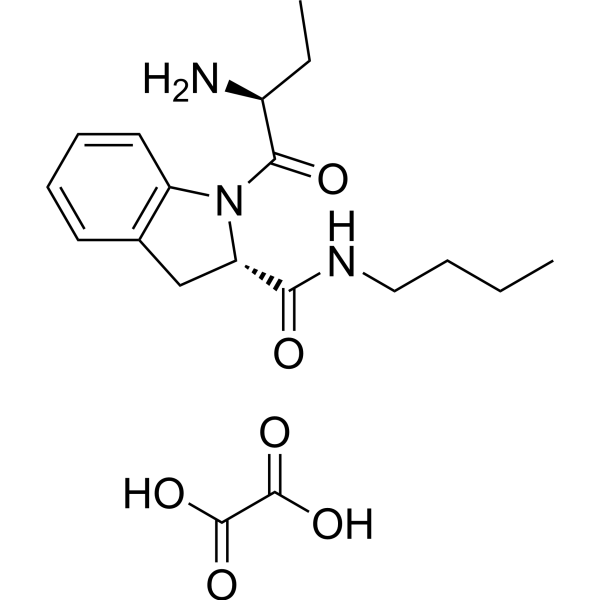 0 ImagesSynonyms: UCL-1397 oxalate
Butabindide (UCL-1397) oxalate is a potent, selective tripeptidvl peptidase II (TPP II) inhibitor with Ki values of 7 nM and 10 μM for TPP II and TPP I, respectively. Butabindide oxalate inhibits TPP II to protect CCK-8 against inactivation.

-
Ispronicline
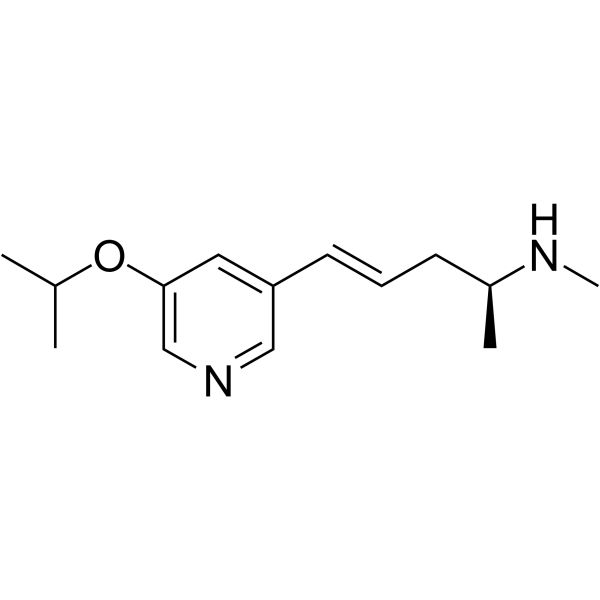 0 ImagesSynonyms: TC-1734; ACD3480
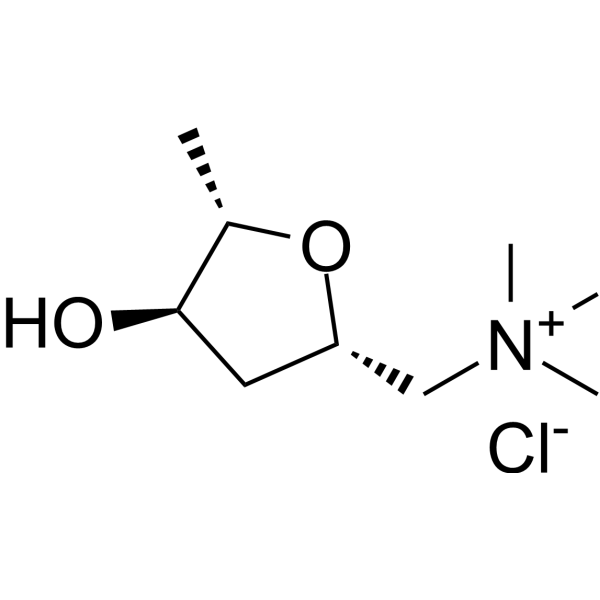
Ispronicline (TC-1734), an orally active, brain-selective α4β2 nicotine acetylcholine receptor (nAChR) partial agonist, has shown memory-enhancing properties in rodents and a good tolerability profile. Ispronicline binds to the α4β2 nAChR with high affinity (Ki=11 nM) and is highly selective to other nAChRs such as α7 nAChR and α3β4 nAChR.
-
TRPV1 antagonist 3
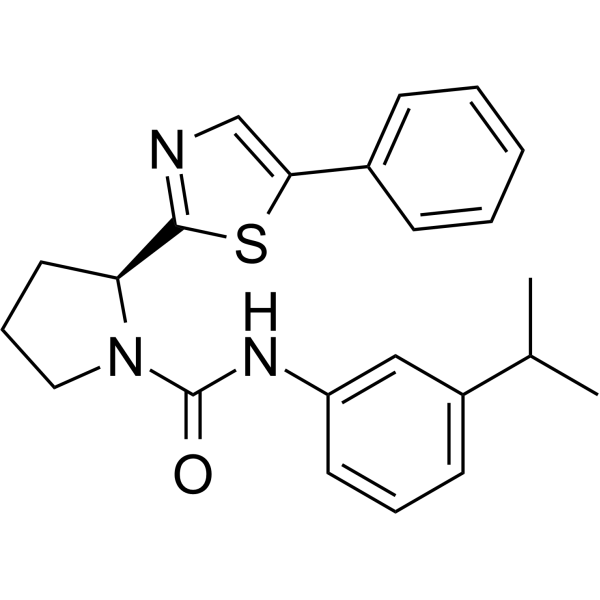 0 Images
TRPV1 antagonist 3 (Compound 7q) is a potent TRPV1 antagonist with an IC50 of 2.66 nM against capsaicin. TRPV1 antagonist 3 is mode-selective, oral bioavailable (F = 60%) and CNS-penetrant.
-
NEK7 degrader-1
 0 Images
NEK7 degrader-1 is a NEK7 molecular glue degrader with a DC50 of 9 nM. NEK7 degrader-1 dose-dependently inhibits caspase-1 activity and IL-Ιβ release in macrophages in response to NLRP3 inflammasome activation. NEK7 degrader-1 can be used for autoinflammatory and autoimmune disorders like multiple sclerosis, neurodegeneraive diseases like Alzheimer's disease and cardiovascular and melabolic disorders like pericarditis and Type 2 diabetes research.
-
GW405833 hydrochloride
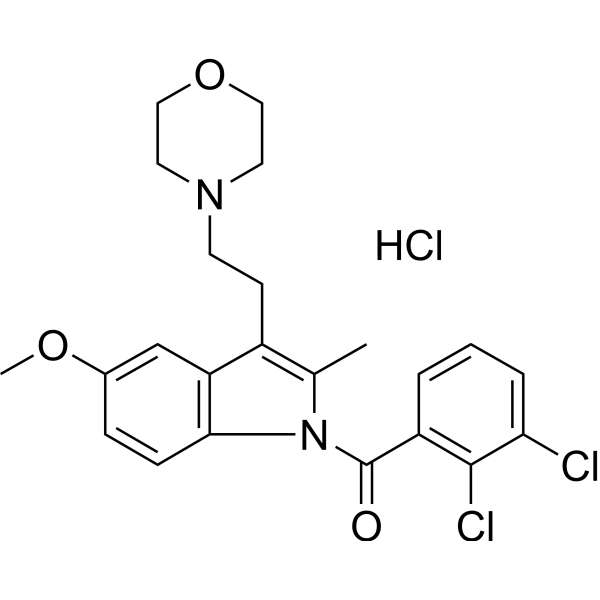 0 ImagesSynonyms: L768242 hydrochloride
GW405833 (L768242) hydrochloride is a potent, selective cannabinoid receptor 2 (CB2) agonist. GW405833 has EC50 and Ki values of 0.65 nM and 3.92 nM for CB2, and EC50 and Ki values of 16.1 μM and 4772 nM for CB1. GW405833 hydrochloride also exhibits non-competitive CB1 antagonist, exerting its analgesic effect through a CB1 receptor (rather than CB2) dependent mechanism. GW405833 hydrochloride can significantly inhibit the production of cAMP stimulated by Forskolin (HY-15371). GW405833 hydrochloride inhibits glycolysis by down-regulating HIF-1α, thereby alleviating acute liver failure (ALF).
-
3-Methylxanthine
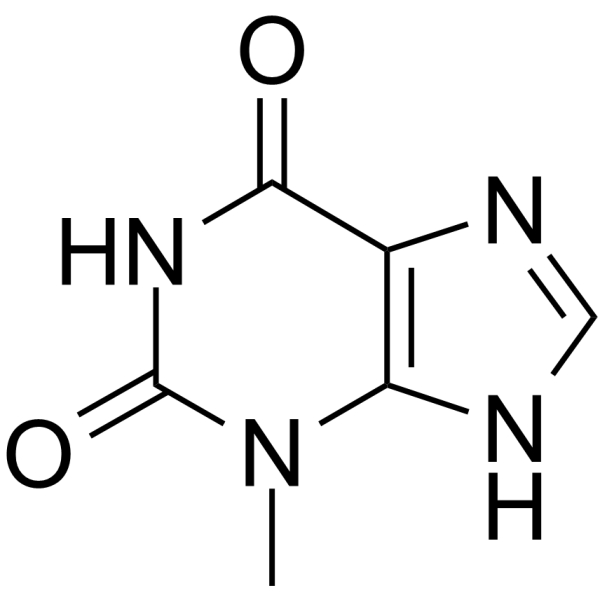 0 Images
3-Methylxanthine is a blood-brain barrier-permeable cyclic GMP phosphodiesterase inhibitor, with an IC50 of 920 μM against guinea pig cyclic GMP phosphodiesterase. 3-Methylxanthine relaxes the spontaneous tension of isolated guinea pig tracheal smooth muscle preparations. Through a DRD1-dependent pathway, 3-Methylxanthine upregulates the expression of γH2AX and activated caspase-3, downregulates the expression of Bcl-2, and enhances Cisplatin-induced apoptosis (apoptosis) in ovarian cancer cells both in vitro and in vivo. 3-Methylxanthine induces clonic convulsions in the central nervous system. 3-Methylxanthine is the major metabolite of Theophylline (HY-B0809). 3-Methylxanthine can be used in studies related to ovarian cancer and neurotoxic convulsions.
-
Substance P(1-7) TFA
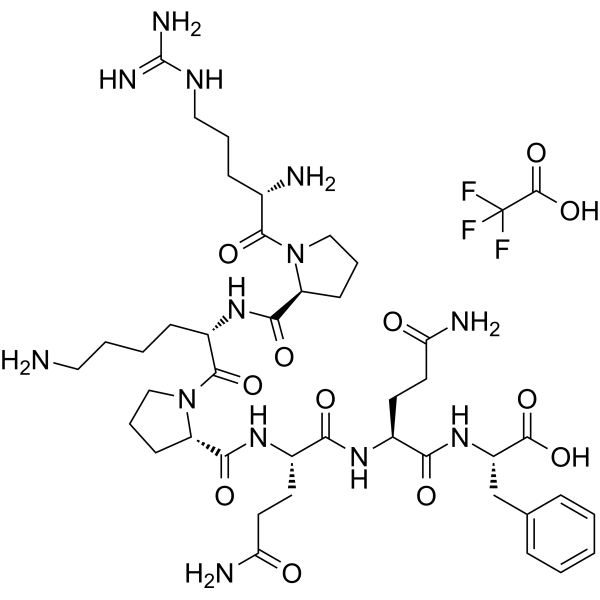 0 Images
Substance P(1-7) TFA is a fragment of the neuropeptide, substance P (SP). Substance P(1-7) TFA gives depressor and bradycardic effects when applied to the nucleus tractus solitarius.
-
Licarbazepine
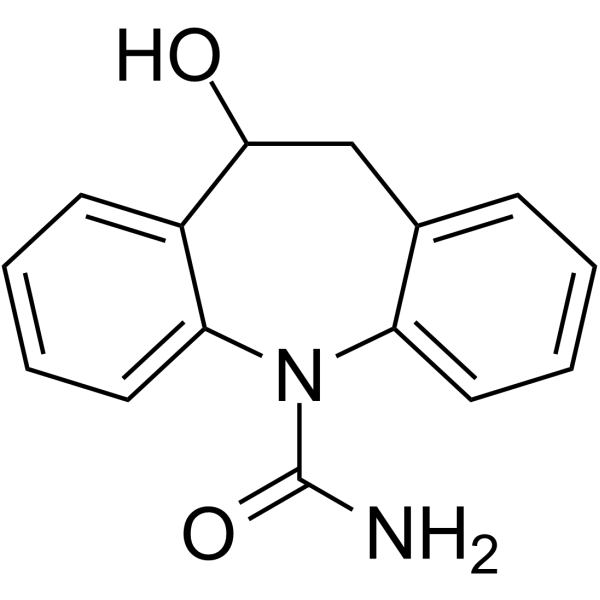 0 ImagesSynonyms: BIA 2-005; GP 47779
Licarbazepine (BIA 2-005; GP 47779) is a voltage-gated sodium channel blocker with anticonvulsant and mood-stabilizing effects.
-
Nε-(Carboxyethyl)lysine
 0 Images
Nε-(Carboxyethyl) lysine is an advanced glycation end product (AGE). Nε-(Carboxyethyl) lysine induces cross-linking between proteins, thereby affecting protein structure and function and causing protein denaturation. Nε-(Carboxyethyl) lysine binds to the RAGE receptor, affects cell signal transduction, and regulates processes such as inflammatory responses, cell proliferation, and apoptosis. Nε-(Carboxyethyl) lysine affects glutamate transporters, reduces glutamate uptake and S100β protein secretion, influences neurotransmission in the nervous system, and exhibits diabetes-related neurotoxicity.
-
Tetracosactide acetate
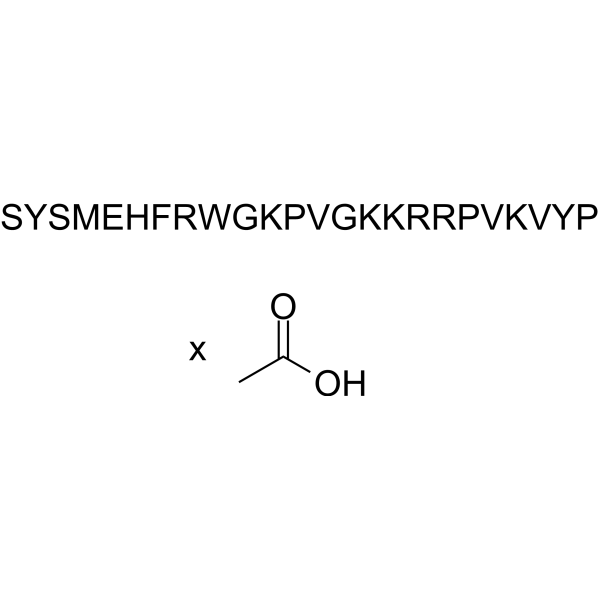 0 ImagesSynonyms: Tetracosactrin acetate; ACTH(1–24) acetate
Tetracosactide acetate (Tetracosactrin acetate ) is the acetate salt form of Tetracosactide (HY-P0060). Tetracosactide acetate is an analogue of adrenocorticotrophic hormone (ACTH). Tetracosactide acetate is the agonist for melanocortin-4 receptor (MC4R) that activates human MC4R with an EC50 of 0.65 nM. Tetracosactide acetate can stimulate the release of corticosteroids such as cortisol from the adrenal gland. Tetracosactide acetate is currently used for the research of ulcerative colitis and Crohn's disease, juvenile/adult rheumatoid arthritis and osteoarthrosis.
-
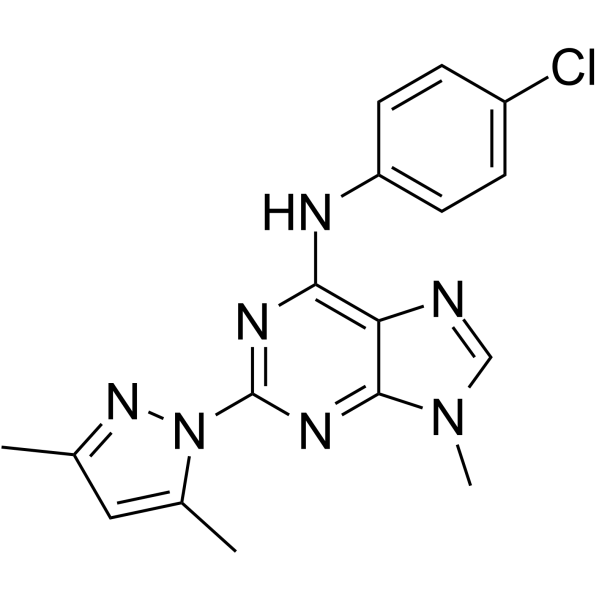
NS13001
 0 Images
NS13001 is a potent, selective, orally active allosteric positive modulator of SK channels (small conductance calcium-activated potassium channels). The EC50s are 1.8 and 0.14 μM for SK2 and SK3, respectively. NS13001 holds promise as a potential therapeutic agent for treatment of spinocerebellar ataxia type 2 (SCA2) and possibly other cerebellar ataxias.
-
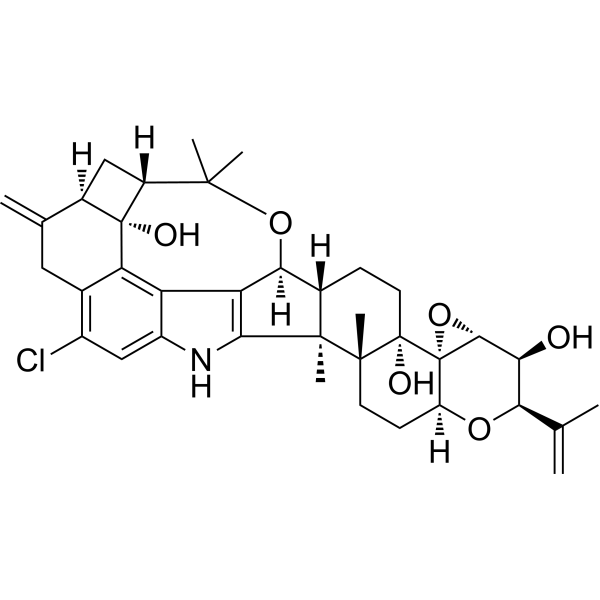
Penitrem A
 0 Images
Penitrem A is an indole diterpene neurotoxic alkaloid produced by Penicillium, acts as a selective BK channel antagonist with antiproliferative and anti-invasive activities against multiple malignancies. Penitrem A increases the spontaneous release of endogenous glutamate, gamma-aminobutyric acid (GABA) and aspartate from cerebrocortical synaptosomes, and induces tremorgenic syndromes in animals.
-
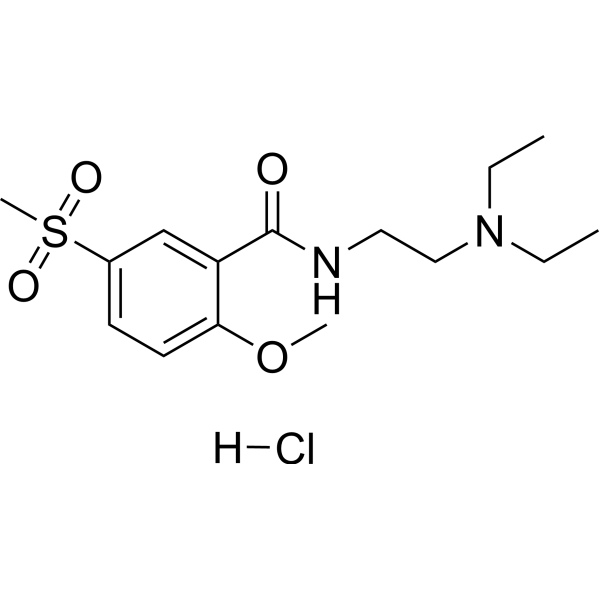
Tiapride hydrochloride
 0 Images
Tiapride hydrochloride is a selective and orally active D2 and D3 dopamine receptors antagonist with IC50 values of 110-320 nM and 180 nM, respectively. Tiapride hydrochloride shows anti-dyskinetic activity and anxiolytic activity. Tiapride hydrochloride is a neuroleptic agent.
-
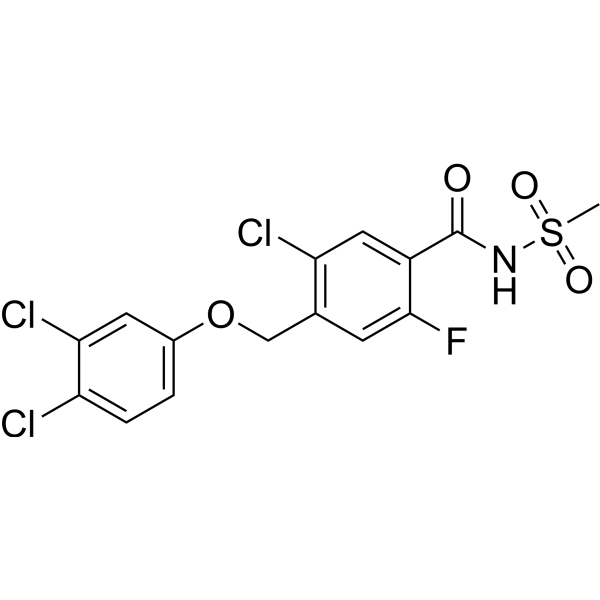
Nav1.7 inhibitor
 0 Images
Nav1.7 inhibitor (compound II), a sulfonamide, is a potent Nav1.7 inhibitor. Nav1.7 inhibitor has the potential for a wide range of disorders, particularly pain, including acute pain, inflammatory pain and/or neuropathic pain.
-
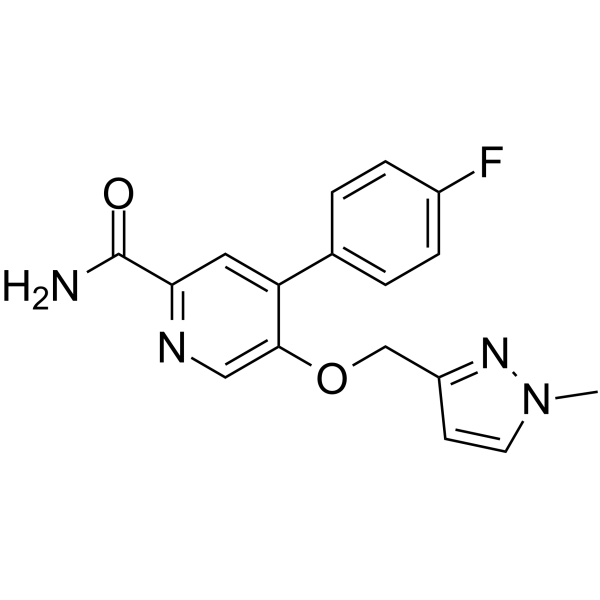
VU6001966
 0 Images
VU6001966 is a brain-penetrant and selective mGlu2 receptor inhibitor. VU6001966 blocks mGlu2 receptor activity, counteracts LY379268 (HY-103558)-mediated blood-brain barrier protection and inflammatory cytokine dampening in microglia under inflammatory conditions. VU6001966 enhances antidepressant effects when combined with Scopolamine (HY-N0296). VU6001966 can be used for the research of major depressive disorder.
-
Acefylline
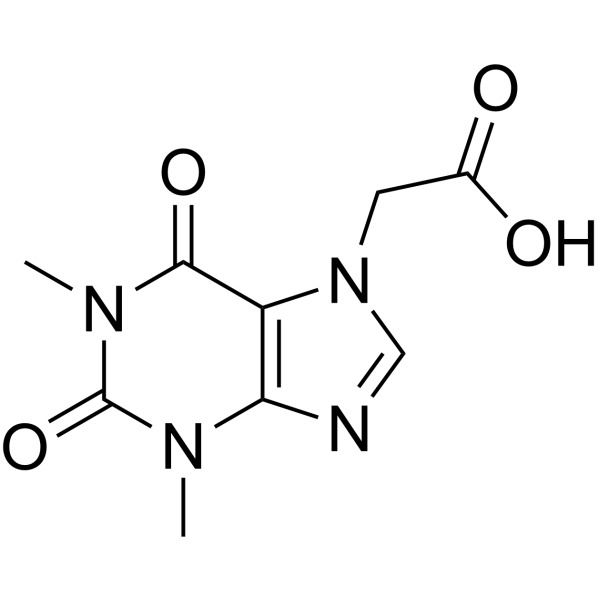 0 ImagesSynonyms: Theophyllineacetic acid; Theophylline-7-acetic acid
Acefylline (Theophyllineacetic acid), a xanthine derivative, is an Adenosine Receptor antagonist. Acefylline is a peptidylarginine deiminase (PAD) activator. Acefylline is also a bronchodilator and cardiac stimulant that inhibits rat lung cAMP phosphodiesterase isoenzymes. Acefylline can be used in asthma research.