Others
-
Others Related Products (76571)
Related Products (76571)

-
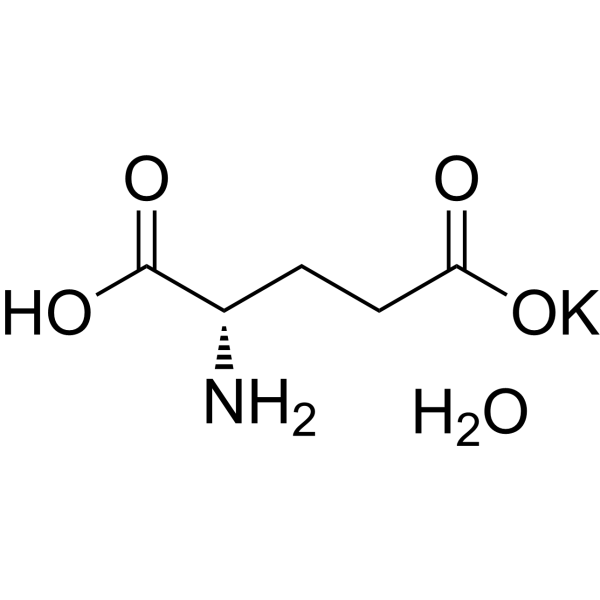
L-Glutamic acid potassium salt monohydrate
 0 Images
L-Glutamic acid potassium salt monohydrate is a glutamic acid derivative.
-
Thaumatins
 0 ImagesCat. No.: HY-W540600CAS No.: 53850-34-3
Thaumatins is a protein, which can be purified from the fruit of Thaumatococcus daniellii Benth. Thaumatins is 100,000 times sweeter than sucrose on a molar basis.
-
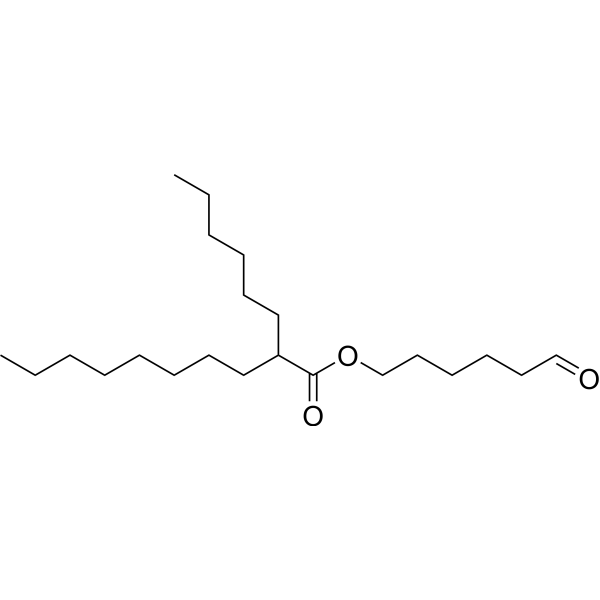
6-Oxohexyl 2-hexyldecanoate, 80% (ELSD)
 0 Images
6-Oxohexyl 2-hexyldecanoate, 80% (ELSD) is an intermediate in the synthesis of ALC-0315. 6-Oxohexyl 2-hexyldecanoate, 80% (ELSD) can be used in research on drug delivery, such as mRNA delivery.
-
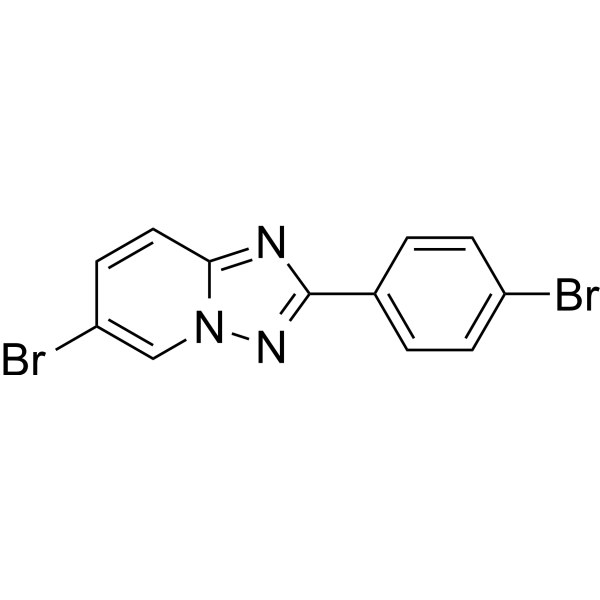
AhR agonist 2
 0 Images
AhR agonist 2 (Compound 12a) is a potent agonist of aryl hydrocarbon receptor (AhR) with an EC50 of 0.03 nM. AhR agonist 2 induces rapid nuclear enrichment of AhR, triggers the transcription of downstream genes and promote skin barrier repair. AhR agonist 2 has the potential for the research of psoriasis.
-
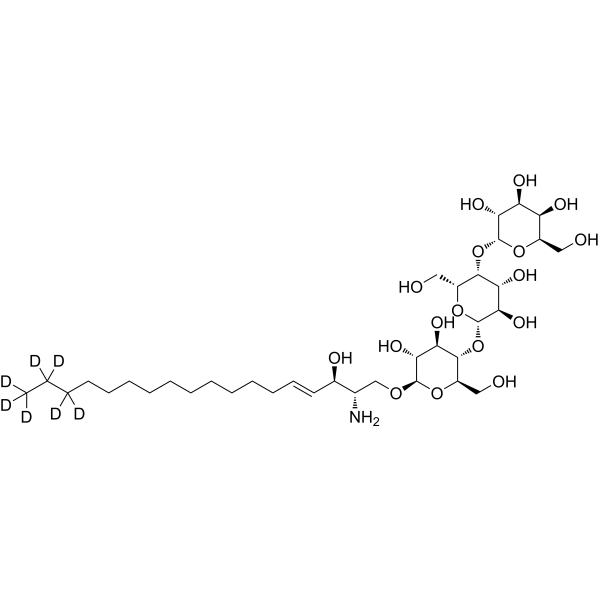
Lyso GB3-d7
 0 Images
Lyso GB3-d7 is deuterium labeled Lyso GB3.
-
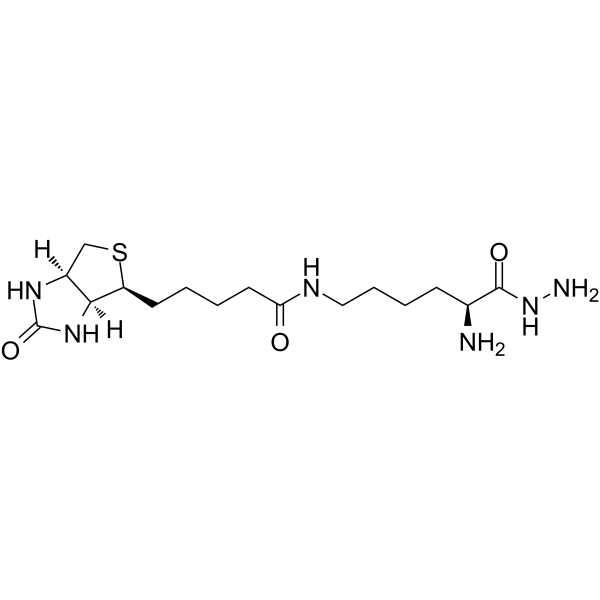
Biocytin hydrazide
 0 Images
Biocytin hydrazide is a long-chain biotin-containing hydrazide, serving as a biotin-derived active coupling reagent, selective labeling agent and biotinylating reagent. Biocytin hydrazide targets aldehyde, carboxyl, amino and guanidino groups to biotinylate glycoconjugates, K99 lectin, peptides and proteins through its hydrazide moiety, and achieves nonradioactive detection of sialic acid- and galactose-containing glycoconjugates via the avidin–biotin system.
-
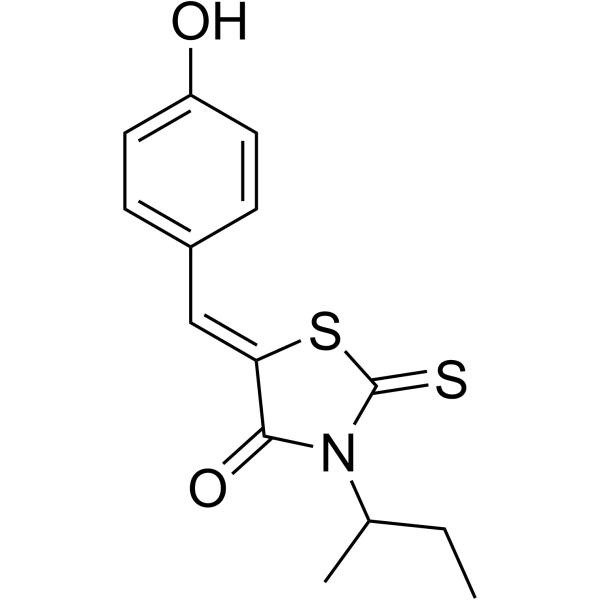
PFM03
 0 Images
PFM03 is a MRE11 Endonuclease inhibitor. PFM03 regulates DNA double-strand break repair (DSBR) by nonhomologous end-joining (NHEJ).
-
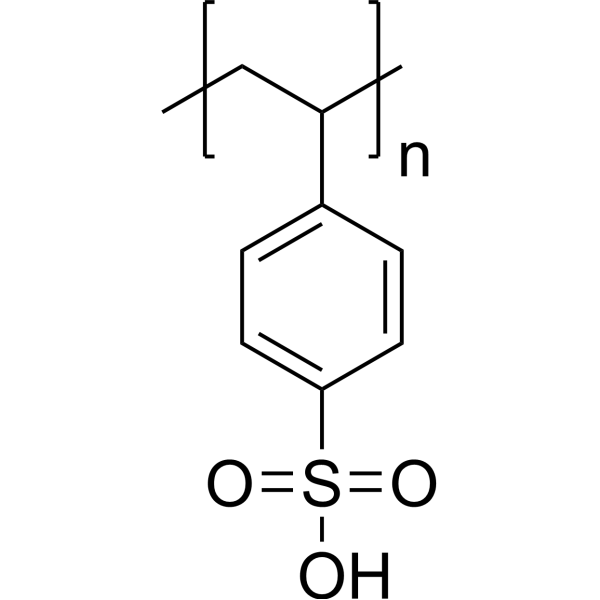
Polystyrene sulfonic acid (30% in water)
 0 ImagesCat. No.: HY-148163CAS No.: 28210-41-5
Polystyrene sulfonic acid (30% in water) is a potentially toxic hazardous substance. Polystyrene-derived microplastics (PS-MPs) are harmful to zebrafish hearts and induce male reproductive toxicity in mice. MCE offers Polystyrene products in solution packaging.
-
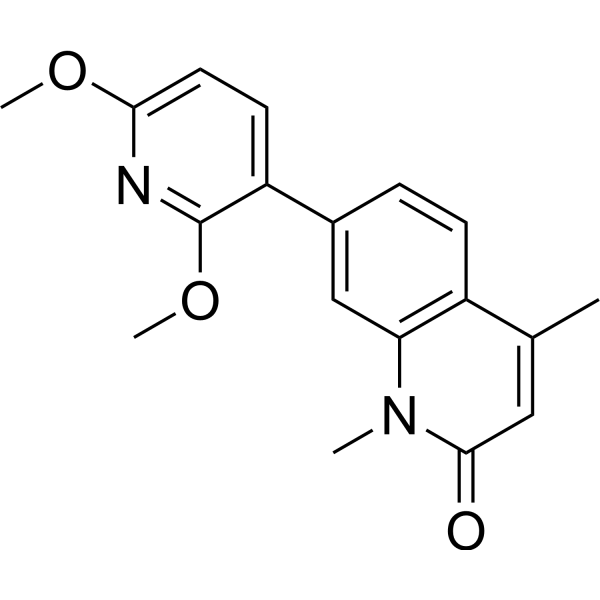
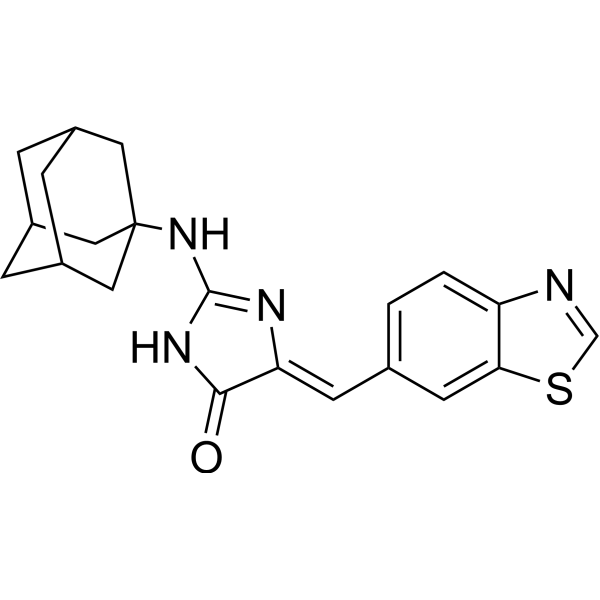
BRD7-IN-2
 0 Images
BRD7-IN-2 (compound 2-77) is a potent inhibitor of bromodomain-containing protein 7 (BRD7), targeting to prostate cancer cells. BRD7-IN-2 is selective for BRD7 rather than BRD9, with IC50s of 5.4 μM, and >300 μM, respectively.
-
Cross-linked dextran G 200
 0 ImagesCat. No.: HY-156045CCAS No.: 9041-36-5
Cross-linked dextran G 200 is a hydrophilic gel based on molecular size exclusion and targeted macromolecular separation. Cross-linked dextran G 200 works through the gel permeation mechanism, and the cross-linked structure forms a three-dimensional network with a specific pore size, achieving separation based on the molecular hydrodynamic volume. Cross-linked dextran G 200 can be used to adjust the osmotic solute distribution coefficient and the ability to maintain osmotic equilibrium, such as in gel filtration chromatography for purification and analysis of biomacromolecules such as proteins and nucleic acids. Cross-linked dextran G 200 can also be used as a gel filtration filler (particle size range: 40-120 μm; globular protein separation range: 5-600 kDa).
-
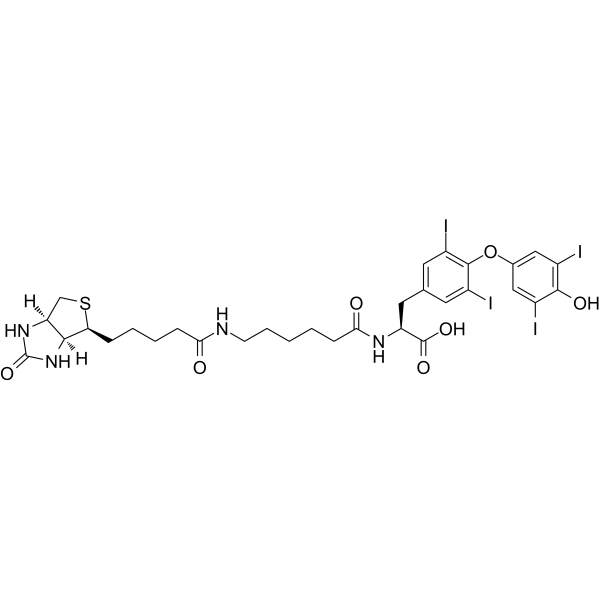
Biotin-hexanamide-(L-Thyroxine)
 0 Images
Biotin-hexanamide-(L-Thyroxine) is biotinylated L-Thyroxine (HY-18341). L-Thyroxine (Levothyroxine; T4) is a synthetic hormone for the research of hypothyroidism.
-
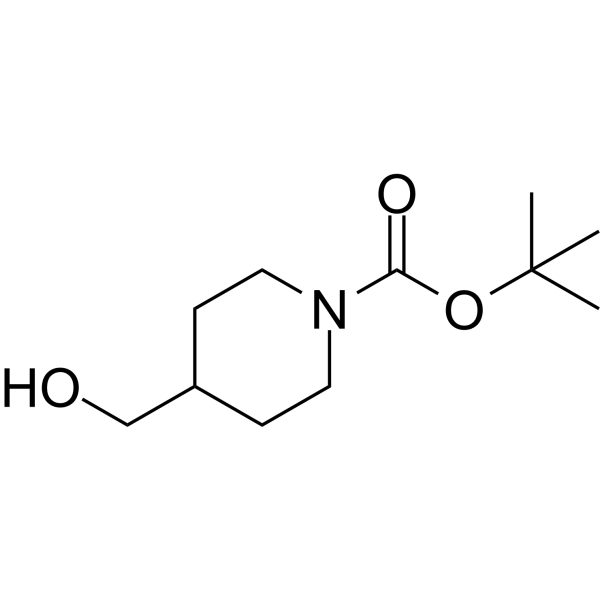
N-Boc-4-piperidinemethanol
 0 Images
N-Boc-4-piperidinemethanol (Compound 4) is a synthetic intermediate. N-Boc-4-piperidinemethanol can be used for the preparation of Acetylcholinesterase inhibitors.
-
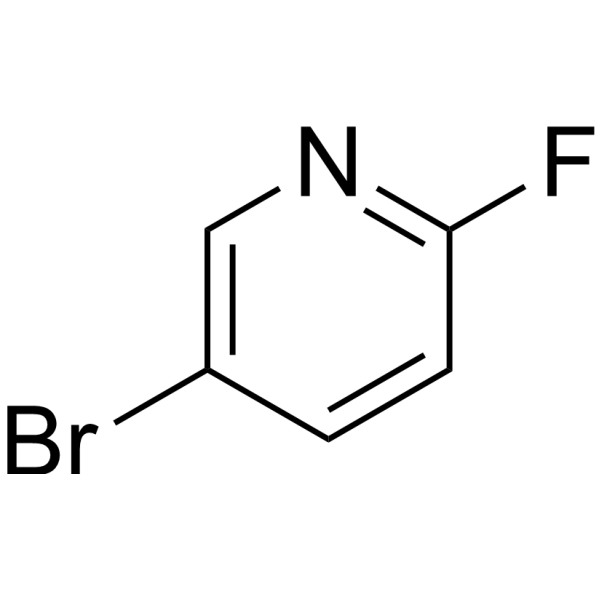
5-Bromo-2-fluoropyridine
 0 Images
5-Bromo-2-fluoropyridine is a halogenated pyridine precursor. 5-Bromo-2-fluoropyridine participates in Li-Br exchange to generate a pyridyl zinc halide for Negishi cross-coupling in the synthesis of nicotinic acetylcholine receptor agonist analogues.
-
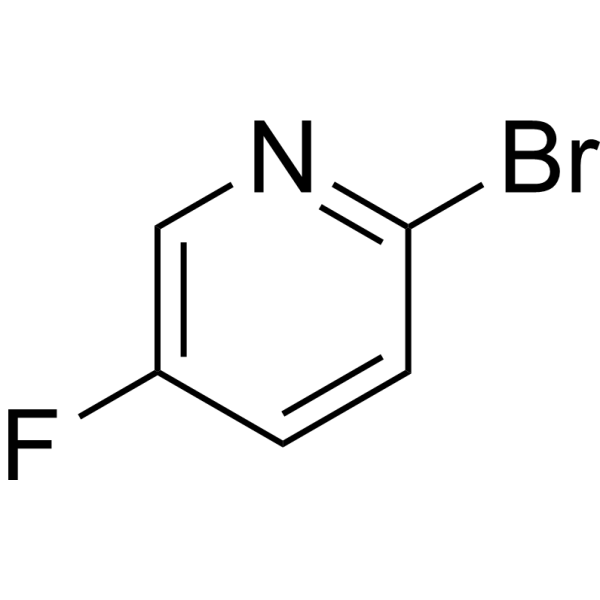
2-Bromo-5-fluoropyridine
 0 Images
2-Bromo-5-fluoropyridine acts as a bromofluoropyridine starting material and an azaaryl halide coupling partner. 2-Bromo-5-fluoropyridine participates in an oxygen-promoted, ligand-free Pd (OAc)2-catalyzed Suzuki reaction, reacting with arylboronic acids to produce 5-fluoro-2-aryl-substituted pyridine derivatives. 2-Bromo-5-fluoropyridine can be used to synthesize 5-fluoro-2-(4-(methylsulfonyl) phenyl) pyridine, an intermediate of the GPR119 agonist GSK1292263A.
-
Pyridine-3-sulfonyl chloride
 0 Images
Pyridine-3-sulfonyl chloride is a sulfonyl chlorination derivatization reagent for steroidal estrogens. Pyridine-3-sulfonyl chloride reacts with estrogens to form pyridine-3-sulfonyl derivatives, which generate abundant analyte-specific fragment ions upon collision-induced dissociation. Pyridine-3-sulfonyl chloride facilitates quantitative LC-ESI-MS/MS analysis of estrogens in serum and water matrices.
-
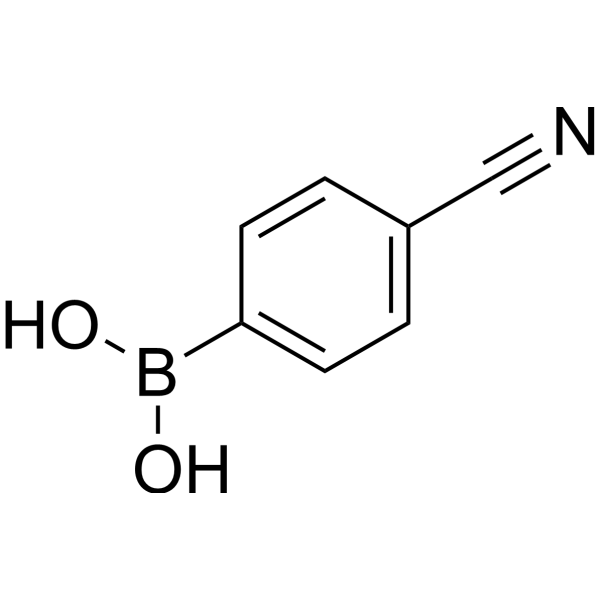
4-Cyanobenzeneboronic acid
 0 Images
4-Cyanobenzeneboronic acid is a boronic acid derivative and also coupling reagent in Suzuki cross-coupling reactions.
-
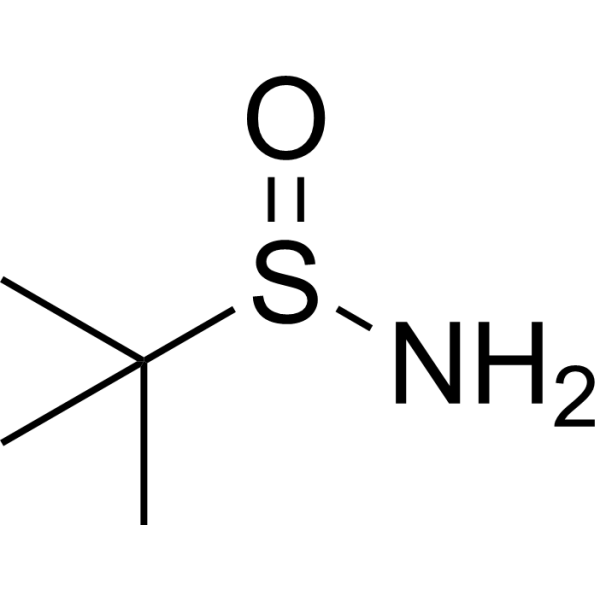
2-Methylpropane-2-sulfinamide
 0 Images
2-Methylpropane-2-sulfinamide is an amide compound that can be used as an intermediate in pharmaceutical synthesis.
-
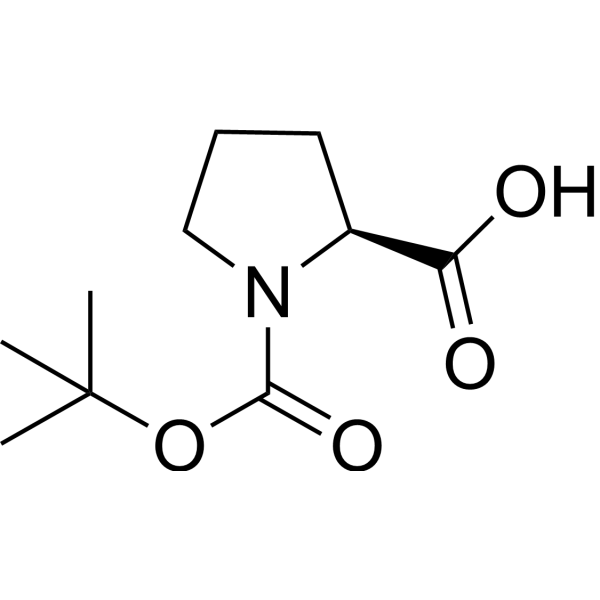
Boc-L-proline
 0 Images
Boc-L-proline is an amino acid derivative. As an important intermediate in organic synthesis, Boc-L-proline can be used for peptide synthesis.