



Apoptosis
Apoptosis
Apoptosis is a distinctive form of cell death exhibiting specific morphological and biochemical characteristics, including cell membrane blebbing, chromatin condensation, genomic DNA fragmentation, and exposure of specific phagocytosis signaling molecules on the cell surface. Cells undergoing apoptosis differ from those dying through necrosis. Necrotic cells are usually recognized by the immune system as a danger signal and, thus, resulting in inflammation; in contrast, apoptotic death is quiet and orderly.
There are two major pathways of apoptotic cell death induction: The intrinsic pathway, also called the Bcl-2-regulated or mitochondrial pathway, is activated by various developmental cues or cytotoxic insults, such as viral infection, DNA damage and growth-factor deprivation, and is strictly controlled by the BCL-2 family of proteins. The extrinsic or death-receptor pathway is triggered by ligation of death receptors (members of the tumor necrosis factor (TNF) receptor family, such as Fas or TNF receptor-1 (TNFR1)) that contain an intracellular death domain, which can recruit and activate caspase-8 through the adaptor protein Fas-associated death domain (FADD; also known as MORT1) at the cell surface. This recruitment causes subsequent activation of downstream (effector) caspases, such as caspase-3, -6 or -7, without any involvement of the BCL-2 family.
Studies suggest that alterations in cell survival contribute to the pathogenesis of a number of human diseases, including cancer, viral infections, autoimmune diseases, neurodegenerative disorders, and AIDS (acquired immunodeficiency syndrome). Treatments designed to specifically alter the apoptotic threshold may have the potential to change the natural progression of some of these diseases.
All Product Categories
-
Apoptosis Inhibitors
(884)
View all products
-
Apoptosis Agonists
(7)
View all products
-
Apoptosis Antagonists
(9)
View all products
-
Apoptosis Activators
(360)
View all products
-
Apoptosis Modulators
(59)
View all products
-
Apoptosis Inducers
(7784)
View all products
-
Apoptosis Degrader
(1)
View all products
-
Apoptosis Controls
(33)
View all products
-
Apoptosis Related Products (9696)
Related Products (9696)

-
Antibodies (120)
-
Cl-amidine hydrochloride
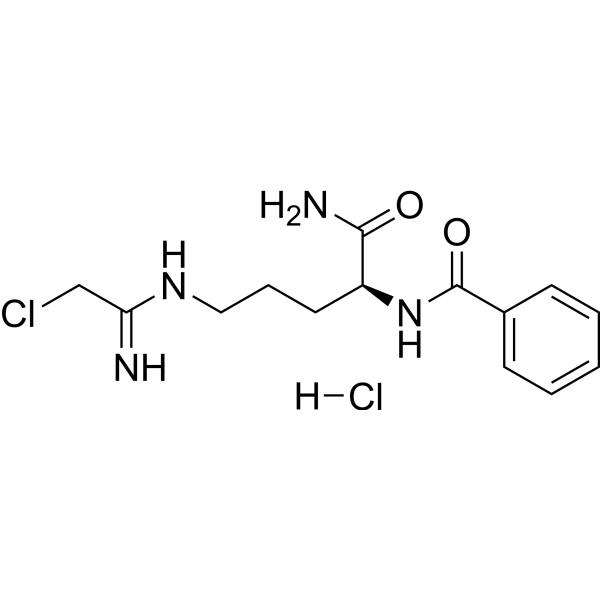 0 ImagesCl-amidine hydrochloride is an orally active peptidylarginine deminase (PAD) inhibitor, with IC50 values of 0.8 μM, 6.2 μM and 5.9 μM for PAD1, PAD3, and PAD4, respectively. Cl-amidine hydrochloride induces apoptosis in cancer cells. Cl-amidine hydrochloride induces microRNA (miR)-16 (miRNA-16, microRNA-16) expression and causes cell cycle arrest. Cl-Amidine hydrochloride prevents histone 3 citrullination and neutrophil extracellular trap formation, and improves survival in a murine sepsis model.
-
Salidroside
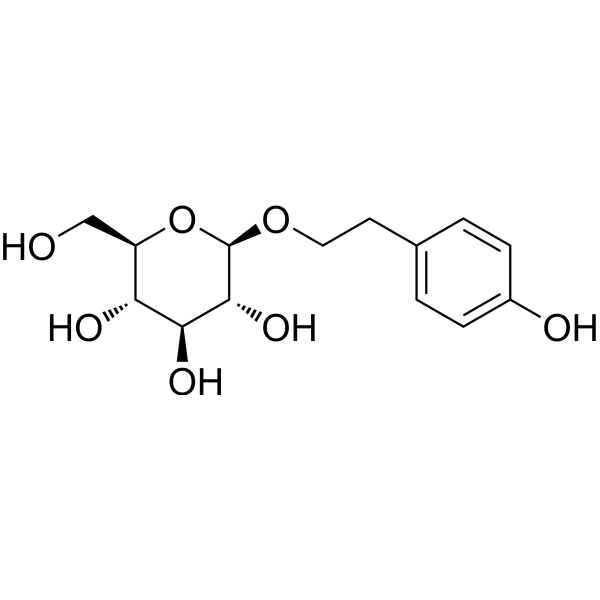 0 ImagesSynonyms: RhodiolosideSalidroside (Rhodioloside) is a prolyl endopeptidase inhibitor. Salidroside alleviates cachexia symptoms in mouse models of cancer cachexia via activating mTOR signalling. Salidroside protects dopaminergic neurons by enhancing PINK1/Parkin-mediated mitophagy.
-
LW6
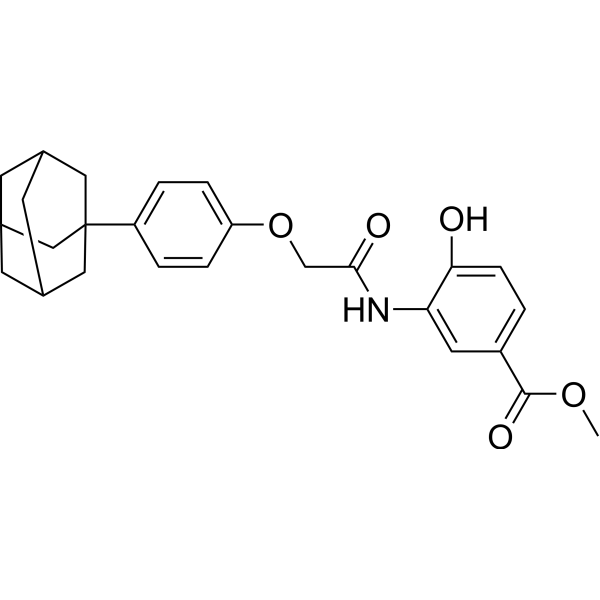 0 ImagesSynonyms: HIF-1α inhibitor; LW8LW6 (HIF-1α inhibitor) is a novel HIF-1 inhibitor with an IC50 value of 4.4 μM, and it is also an inhibitor of MDH2. LW6 decreases HIF-1α protein expression without affecting HIF-1β expression.
-
L-Proline
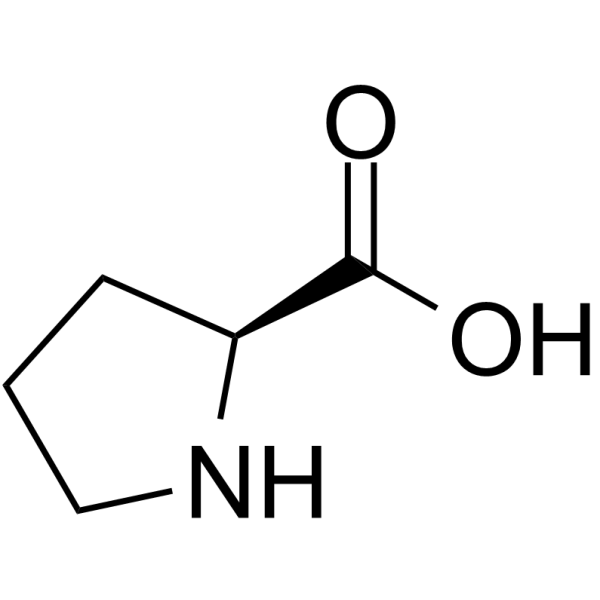 0 ImagesL-Proline is one of the twenty amino acids used in living organisms as the building blocks of proteins.
-
Quizartinib
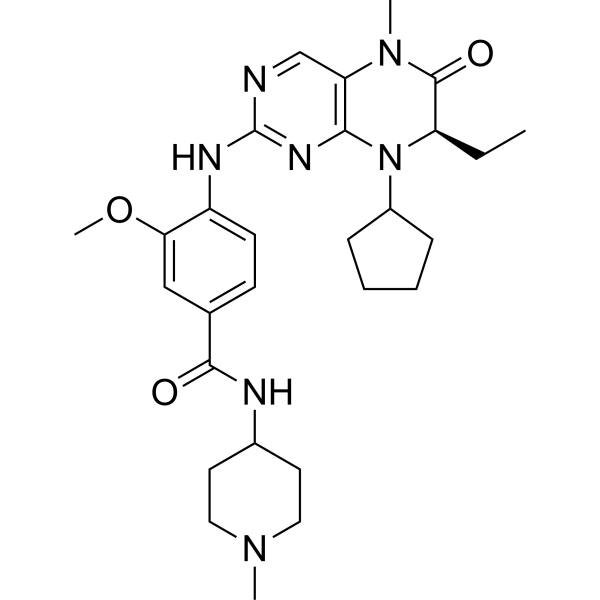
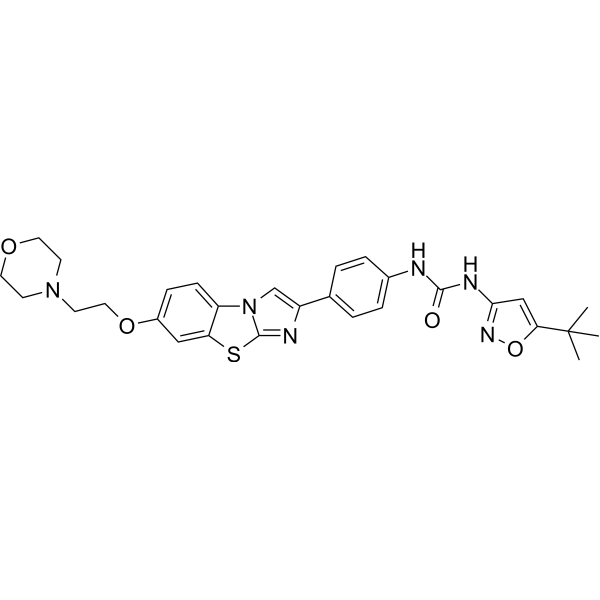 0 ImagesSynonyms: AC220Quizartinib (AC220) is an orally active, potent and selective FLT3 inhibitor. Quizartinib inhibits kinase activity of mutant-FLT3, -PDGFRA and -KIT isoforms and inhibits autophosphorylation. Quizartinib inhibits cellular proliferation, induces apoptosis in cancer cells. Quizartinib can be used for the research of cancer.
-
Chlorin e6
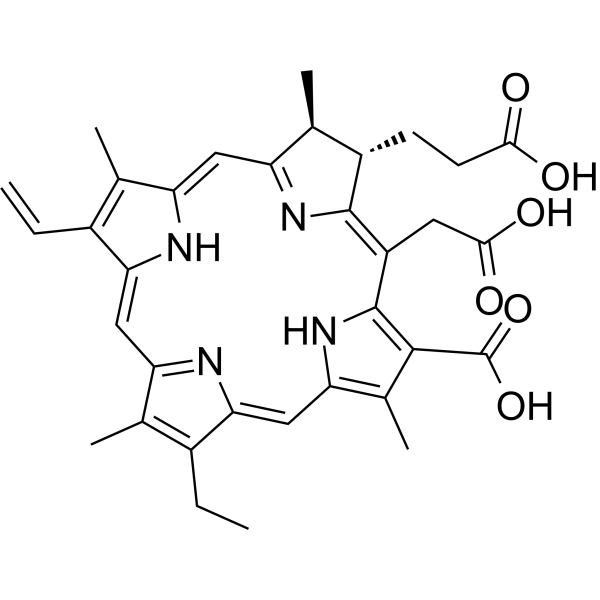 0 ImagesSynonyms: Ce6Chlorin e6 is a photosensitizer and has strong absorption peaks at wavelength of 402 and 662 nm, as well as exhibiting intense fluorescence at 668 nm. Chlorin e6 has antimicrobial efficacy and anticancer activity. Chlorin e6 induces cell apoptosis via caspase-3 activation and can be used for the research of cancer.
-
C188-9
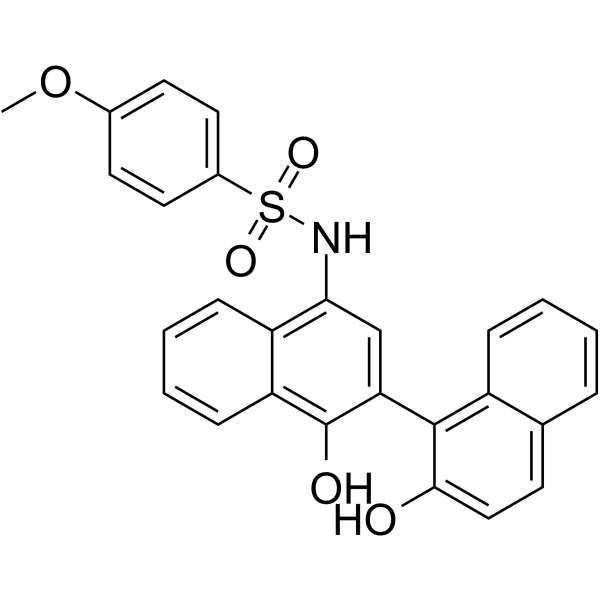 0 ImagesSynonyms: TTI-101C188-9 (TTI-101) is a STAT3 inhibitor with a Kd value of 4.7 nM. C188-9 targets the SH2 domain of STAT3, blocks the processes of STAT3 ligand binding, receptor recruitment, homodimerization and phosphorylation, and regulates STAT3-mediated genes associated with tumorigenesis and radioresistance. C188-9 regulates STAT1-mediated genes related to radioresistance and reduces the activation level of STAT1. C188-9 downregulates the expression of DNMT1, enhances DAC-induced demethylation and re-expression of RASSF1A, and simultaneously potentiates the anti-tumor effect of DAC on pancreatic cancer cells. C188-9 inhibits both anchorage-dependent and anchorage-independent growth of cancer cells, induces Apoptosis, blocks the growth of tumor xenografts, and suppresses muscle atrophy. C188-9 maintains muscle mass, increases body weight and improves grip strength in tumor-bearing mice. C188-9 can be used in research related to head and neck squamous cell carcinoma, pancreatic cancer, sepsis-related skeletal muscle wasting, non-small cell lung cancer, acute myeloid leukemia and cancer cachexia.
-
5,6-Dichlorobenzimidazole riboside
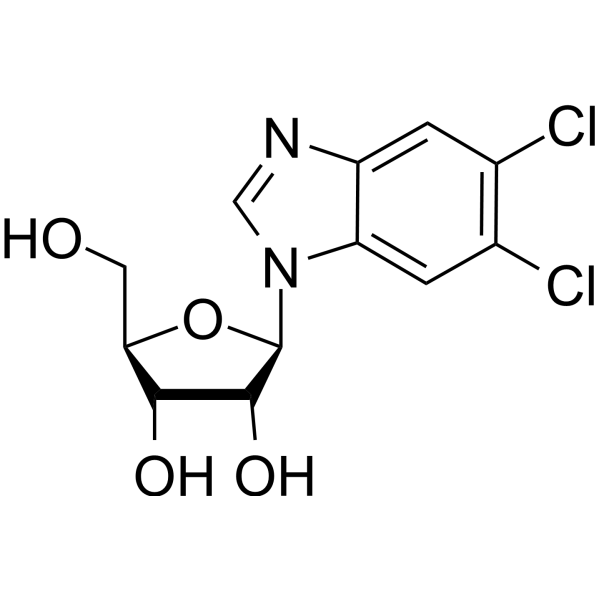 0 Images5,6-Dichlorobenzimidazole riboside (DRB) is a nucleoside analog that inhibits several carboxyl-terminal domain kinases, including casein kinase II and cell cycle-dependent kinases (CDK). 5, 6-dichlorobenzimidazole riboside has antitumor activity. 5, 6-dichlorobenzimidazole riboside can induce apoptosis.
-
Pemrametostat
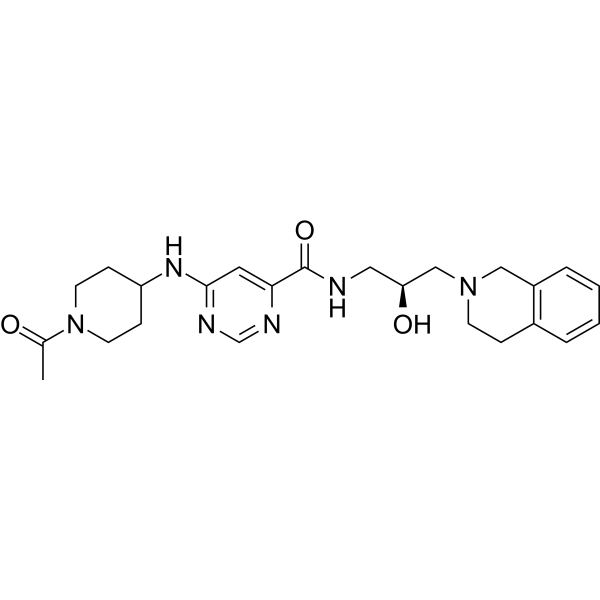 0 ImagesSynonyms: GSK3326595; EPZ015938GSK3326595 is a protein arginine methyltransferase 5 (PRMT5) inhibitor. GSK3326595 decreases SARS-CoV-2 infection, inhibits cancer cell proliferation and induces pro-inflammatory macrophage polarization and increases hepatic triglyceride levels without affecting atherosclerosis. GSK3326595 can be used for research of relapsed/refractory mantle cell lymphoma.
-
ICG-001
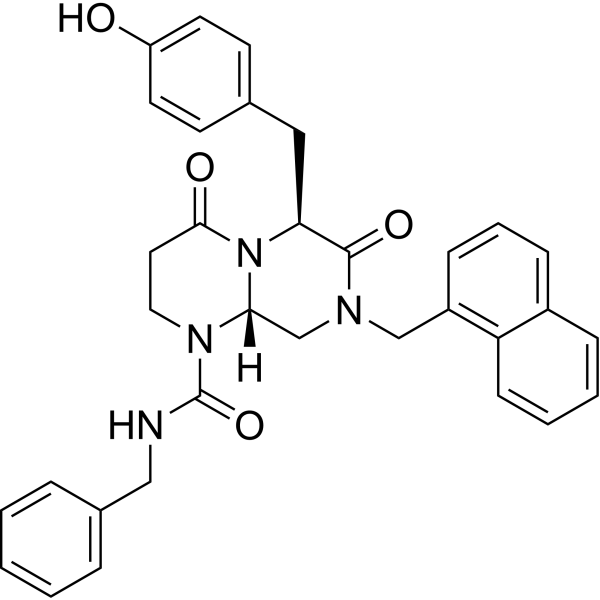 0 ImagesICG-001 is an inhibitor of β-catenin/TCF mediated transcription. ICG-001 works by specifically binding to cyclic AMP response element-binding protein with an IC50 of 3 μM. ICG-001 selectively blocks the β-catenin/CBP interaction without interfering with the β-catenin/p300 interaction.
-
Orlistat
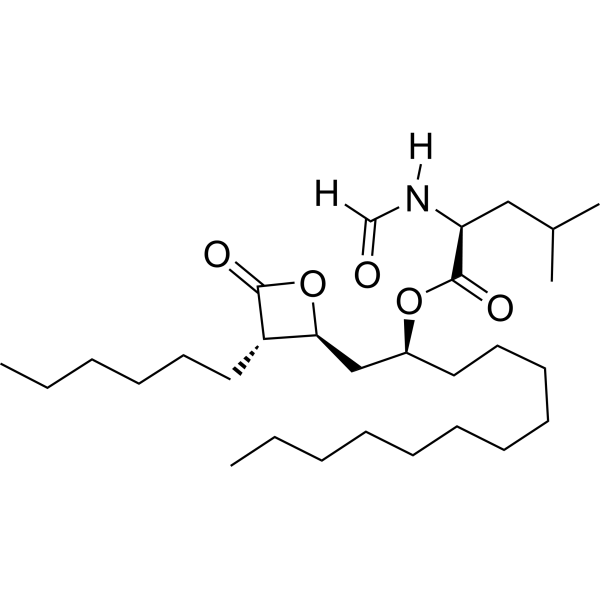 0 ImagesSynonyms: Tetrahydrolipstatin; Ro-18-0647Orlistat (Tetrahydrolipstatin) is a well-known irreversible inhibitor of pancreatic and gastric lipases. Orlistat is also an inhibitor of fatty acid synthase (FASN), is used orally for long-term research of obesity. Anti-atherosclerotic effect.
-
Tamoxifen Citrate
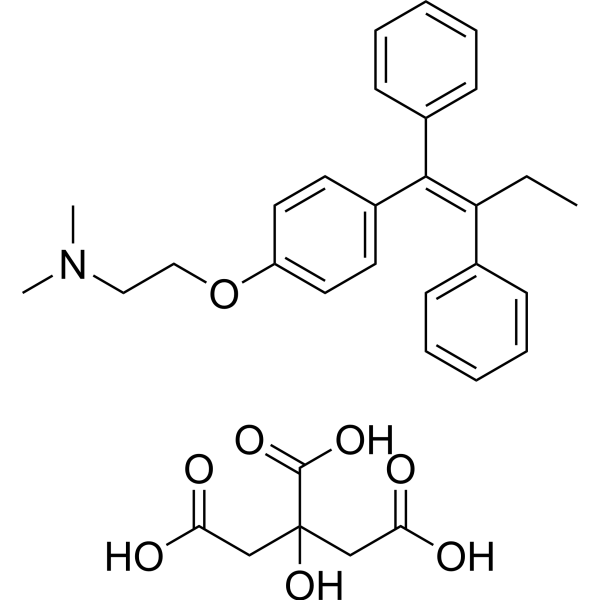 0 ImagesSynonyms: ICI 46474; (Z)-Tamoxifen Citrate; trans-Tamoxifen CitrateTamoxifen Citrate (ICI 46474) is an orally active, selective estrogen receptor modulator (SERM) which blocks estrogen action in breast cells and can activate estrogen activity in other cells, such as bone, liver, and uterine cells.Tamoxifen Citrate is a potent Hsp90 activator and enhances the Hsp90 molecular chaperone ATPase activity. Tamoxifen Citrate also potent inhibits infectious EBOV Zaire and Marburg (MARV) with IC50 of 0.1 μM and 1.8 μM, respectively. Tamoxifen Citrate activates autophagy and induces apoptosis. Tamoxifen Citrate can also be used to induce gene knockout in CreER transgenic mice.
-
Ciprofloxacin
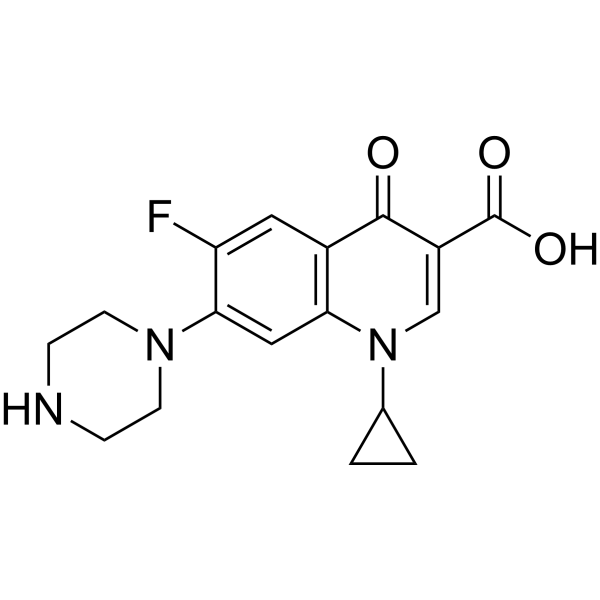 0 ImagesSynonyms: Bay-09867Ciprofloxacin (Bay-09867) is a potent, orally active topoisomerase IV inhibitor. Ciprofloxacin induces mitochondrial DNA and nuclear DNA damage and lead to mitochondrial dysfunction, ROS production. Ciprofloxacin has anti-proliferative activity and induces apoptosis. Ciprofloxacin is a fluoroquinolone antibiotic, exhibiting potent antibacterial activity.
-
Calpeptin
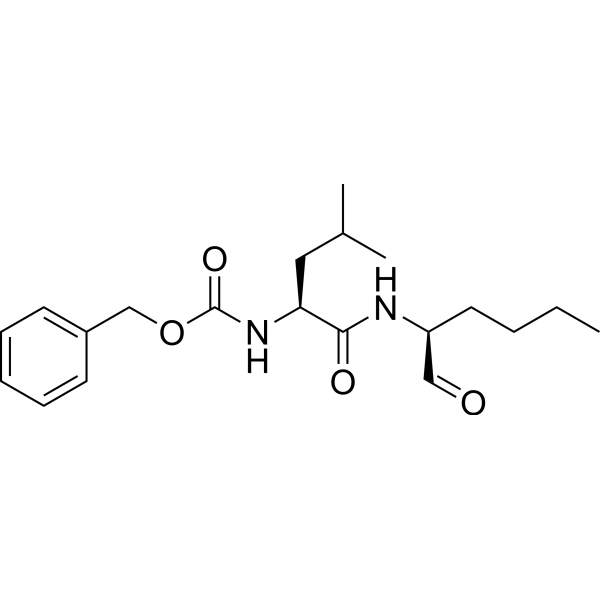 0 ImagesCalpeptin is a potent, cell penetrating calpain inhibitor, with an ID50 of 40 nM for Calpain I in human platelets. Calpeptin is also an inhibitor of cathepsin K.




