



Apoptosis Inducer
-
WNY0824
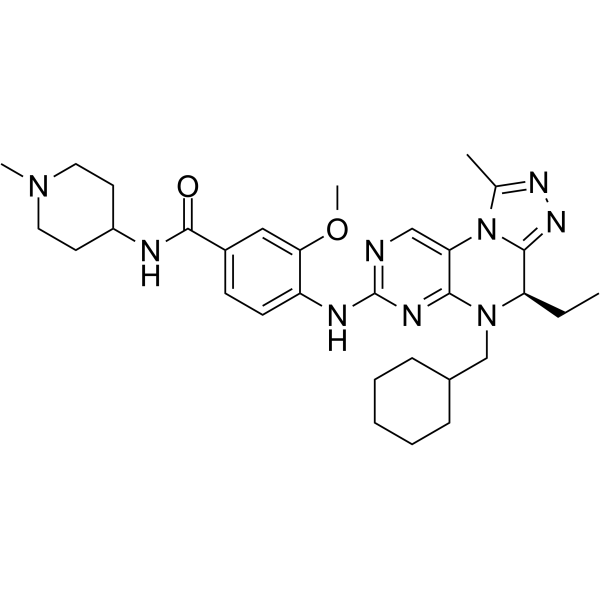 0 ImagesCat. No.: HY-143471CAS No.: 2412707-81-2Synonyms: PLK1/BRD4-IN-1
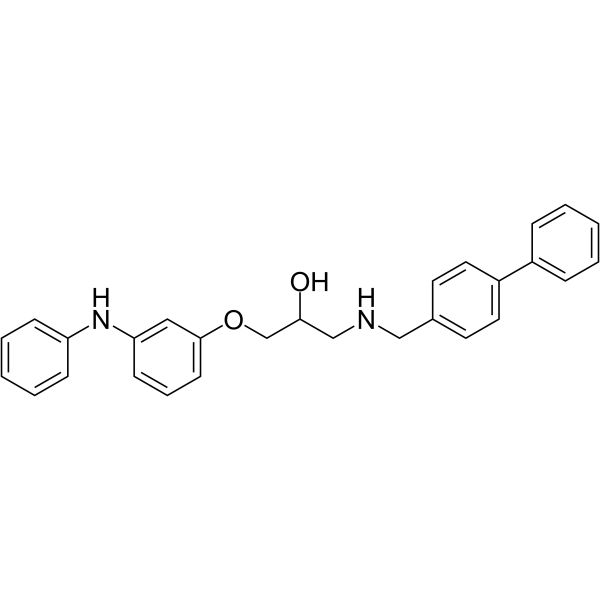
WNY0824 (PLK1/BRD4-IN-1) is an orally active dual inhibitor of PLK1 and BET protein families, with IC50 values of 22, 402.5, 150.7, 103.9, and 311.9 nmol/L for PLK1, BRD2, BRD3, BRD4, and BRDT, respectively. WNY0824 induces cell cycle arrest and apoptosis by inhibiting AR- and MYC-mediated transcriptional processes. In addition, WNY0824 also inhibits tumor growth in Enzalutamide (HY-70002) resistant CRPC xenograft tumor models.
-
EGFR kinase inhibitor 5
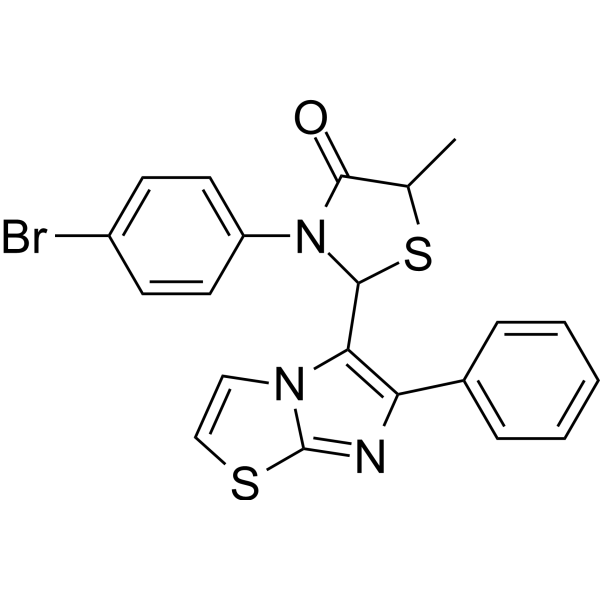 0 ImagesCat. No.: HY-162482
EGFR kinase inhibitor 5 (Compound 4c) is an orally active inhibitor for epidermal growth factor receptor (EGFR) kinase, with IC50 of 18.35 μM. EGFR kinase inhibitor 5 induces apoptosis. EGFR kinase inhibitor 5 exhibits anticancer and anti-inflammatory activity with low toxicity (LD50 range: 500-2000 mg/kg).
-
Valproic acid sodium (GMP)
 0 ImagesCat. No.: HY-10585AGCAS No.: 1069-66-5Synonyms: Sodium Valproate (GMP); VPA sodium (GMP); 2-Propylpentanoic acid sodium (GMP)
Valproic acid (Sodium Valproate) sodium is an orally active HDAC inhibitor, with IC50 in the range of 0.5 and 2 mM, also inhibits HDAC1 (IC50, 400 μM), and induces proteasomal degradation of HDAC2. Valproic acid sodium activates Notch1 signaling and inhibits proliferation in small cell lung cancer (SCLC) cells. Valproic acid sodium is used in the treatment of epilepsy, bipolar disorder, metabolic disease, HIV infection and prevention of migraine headaches.
-
Desethylamiodarone-d4 hydrochloride
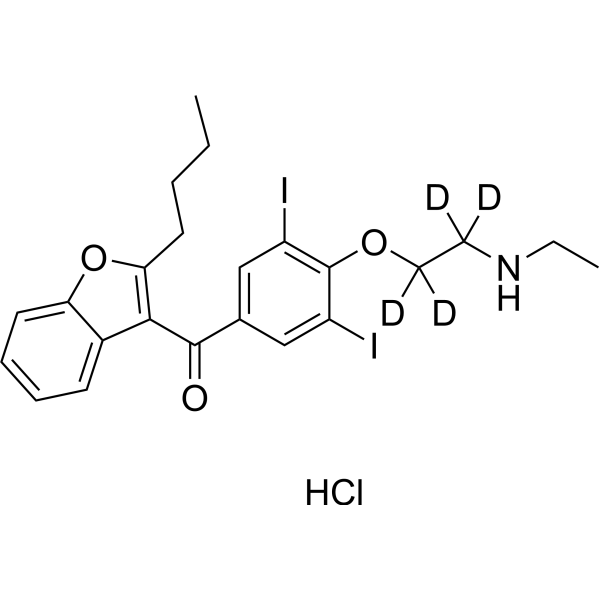 0 ImagesCat. No.: HY-130353SCAS No.: 1189960-80-2Synonyms: N-Desethylamiodarone-d4 hydrochloride; LB 33020-d4 hydrochloride
Desethylamiodarone-d4 hydrochloride (N-Desethylamiodarone-d4 hydrochloride; LB 33020-d4 hydrochloride) is the deuterated-labeled Desethylamiodarone hydrochloride (HY-130353). Desethylamiodarone hydrochloride (N-Desethylamiodarone hydrochloride; LB 33020 hydrochloride) is the major active metabolite of Amiodarone (HY-14187) generated via CYP3A4 metabolism. Desethylamiodarone hydrochloride downregulates p‑Akt, p‑Bad and Bcl‑2, upregulates Bax, promotes mitochondrial release of cytochrome c, activates caspase‑3 and cleaves PARP‑1, thereby inducing cell cycle arrest and apoptosis. Desethylamiodarone hydrochloride can be used in cervical cancer-related research.
-
CDK2-IN-55
 0 Images
CDK2-IN-55 (Compound 12c) is a CDK2 inhibitor with an IC50 value of 4.7 nM. CDK2-IN-55 also has a strong inhibitory effect on CDK1 (IC50 = 26.3 nM), moderate inhibitory effects on Aurora A (IC50 = 92.0 nM) and CDK9 (IC50 = 288 nM), and very weak inhibitory activities on CDK4, CDK6, DYRK1A, and GSK3β (IC50 > 1000 nM). CDK2-IN-55 shows strong anti-proliferative activity against various cancer cell lines, inducing cell cycle arrest and apoptosis. CDK2-IN-55 can be used for research on colorectal cancer, lung cancer, and cervical cancer.
-
P-gp inhibitor 22
 0 ImagesCat. No.: HY-162447CAS No.: 1226674-74-3
P-gp inhibitor 22 is a P-glycoprotein (P-gp) inhibitor that effectively inhibits P-pg and efflux function. P-gp inhibitor 22 induces apoptosis and accumulation of MCF-7/ADR cells processed in the S phase.
-
CBLC100
 0 ImagesCat. No.: HY-124922CAS No.: 1197996-83-0
CBLC100 is an anticancer compound that targets FACT, while inhibiting NF-κB and activating p53. CBLC100 induces cytotoxicity through p53-dependent apoptotic and non-apoptotic pathways. CBLC100 is applicable to the research of cancers such as fibrosarcoma.
-
Irbesartan (Standard)
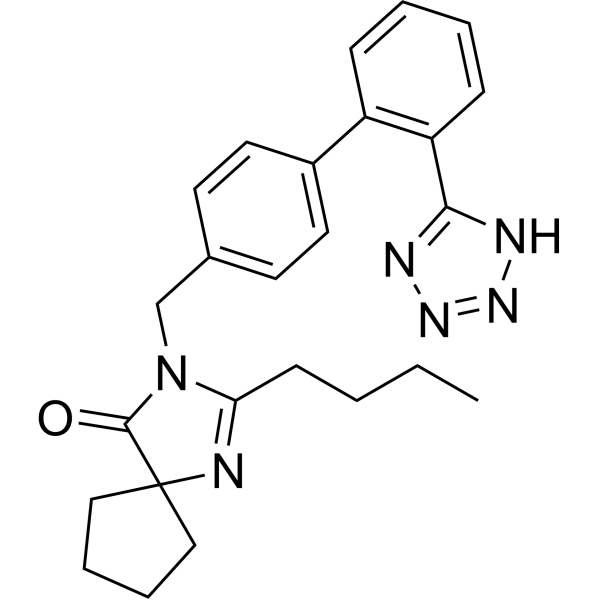 0 ImagesSynonyms: SR-47436 (Standard); BMS-186295 (Standard)
Irbesartan (Standard) is the analytical standard of Irbesartan. This product is intended for research and analytical applications. Irbesartan (SR-47436) is an orally active Ang II type 1 (AT1) receptor blocker (ARB). Irbesartan can relax the blood vessels, low blood pressure and increase the supply of blood and oxygen to the heart. Irbesartan can be used for the research of high blood pressure, heart failure, and diabetic kidney disease.
-
Thalidomide-5-PEG2-NH2 hydrochloride
 0 Images
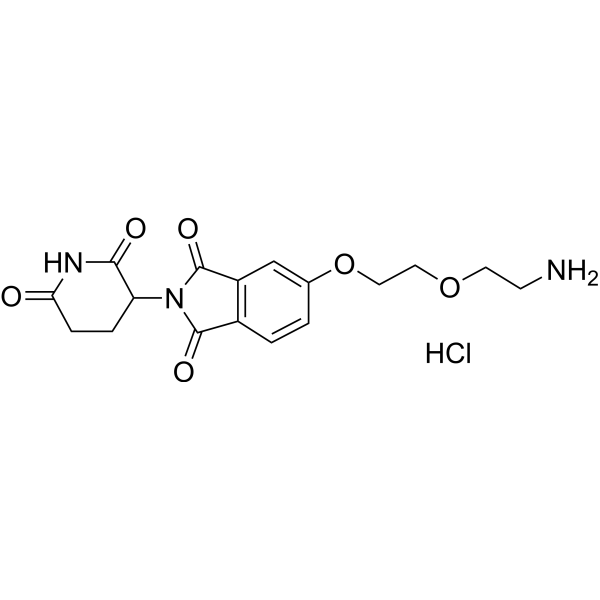
Thalidomide-5-PEG2-NH2 hydrochloride is the Thalidomide (HY-10984)-based cereblon ligand used in the recruitment of CRBN protein.Thalidomide-5-PEG2-NH2 hydrochloride can be connected to the ligand for protein by a linker to form PROTACs.
-
Thalidomide-NH-amido-C4-NH2 (hydrochloride)
 0 ImagesCat. No.: HY-134984ACAS No.: 2983057-91-4
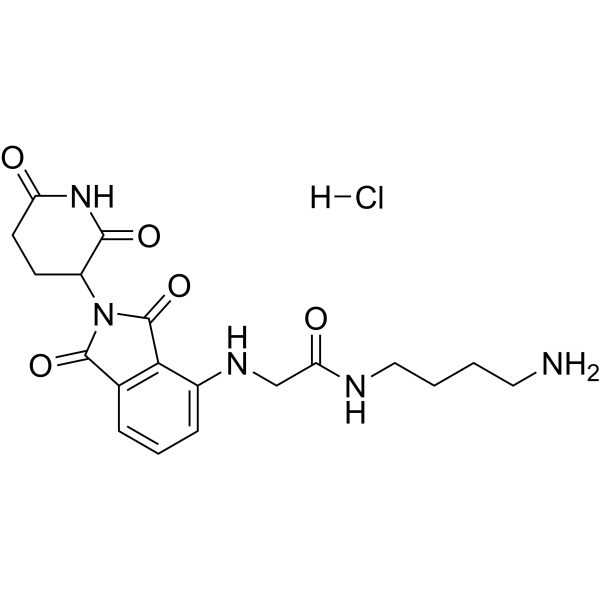
Thalidomide-NH-amido-C4-NH2 hydrochloride is a synthesized E3 ligase ligand-linker conjugate that incorporates the Thalidomide based cereblon ligand and a linker used in PROTAC technology.
-
PROTAC IKKβ degrader-1
 0 ImagesCat. No.: HY-181660
PROTAC IKKβ degrader-1 is a IKKβ PROTAC degrader (DC50 = 7.15 μM). PROTAC IKKβ degrader-1 induces apoptosis (Apoptosis) in triple-negative breast cancer cells. PROTAC IKKβ degrader-1 induces G1 phase cell cycle arrest in triple-negative breast cancer cells. PROTAC IKKβ degrader-1 exhibits antiproliferative activity against a variety of cells. PROTAC IKKβ degrader-1 is applicable for research related to cancers such as triple-negative breast cancer, colon cancer, liver cancer, pancreatic cancer.
-
N-Desmethyl imatinib-d4
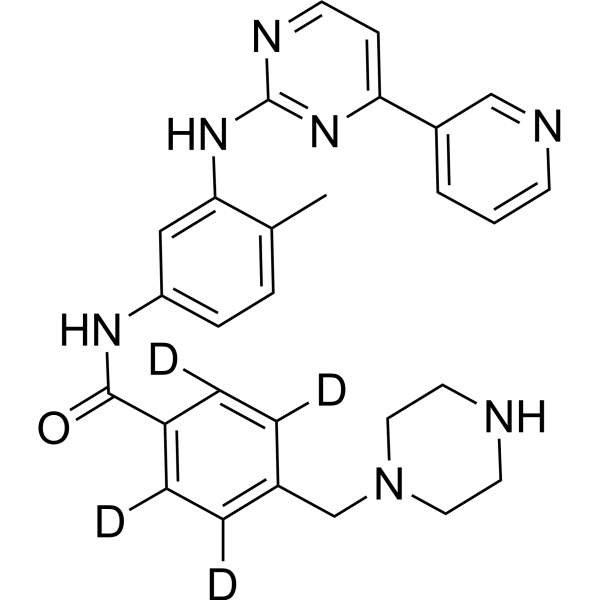 0 ImagesCat. No.: HY-G0017S1Synonyms: Norimatinib-d4; Imatinib metabolite N-Desmethyl imatinib-d4; CGP 74588-d4
N-Desmethyl imatinib-d4 is the deuterium-labeled N-Desmethyl imatinib (HY-G0017). N‑Desmethyl imatinib (Norimatinib) is an active metabolite of Imatinib (HY-15463), a selective c‑Abl inhibitor, and a substrate of P‑glycoprotein. N-Desmethyl imatinib binds to the c-Abl catalytic domain to prevent substrate phosphorylation, inhibits c-Abl-mediated α-synuclein activation and downstream inflammatory signaling pathways. N-Desmethyl imatinib induces apoptosis in K562 human leukemia cells. N-Desmethyl imatinib exhibits significantly elevated plasma levels in gastrointestinal stromal tumor (GIST) settings following mild SARS CoV 2 infection. N-Desmethyl imatinib can be used for the research of Parkinson’s disease, gastrointestinal stromal tumor, and chronic myeloid leukemia.
-
1-Monopalmitin (Standard)
 0 ImagesSynonyms: Glyceryl palmitate (Standard)
1-Monopalmitin (Glyceryl palmitate) (Standard) is the analytical standard of 1-Monopalmitin (HY-W009141). This product is intended for research and analytical applications. 1-Monopalmitin (Glyceryl palmitate) is an activator of the PI3K/Akt pathway and an inhibitor of P-glycoprotein (P-gp). 1-Monopalmitin can induce G2/M arrest and caspase-dependent apoptosis in cancer cells, while inhibiting IAPs protein expression. 1-Monopalmitin can increase drug accumulation by inhibiting P-gp activity in intestinal Caco-2 cells. 1-Monopalmitin has the ability to induce protective autophagy and apoptosis of lung cancer cells (IC50=50-58 μg/mL), with low toxicity to normal cells.
-
Paroxetine-d2
 0 ImagesCat. No.: HY-111124CAS No.: 923932-43-8Synonyms: BRL29060-d2
Paroxetine-d2 (BRL29060-d2) is the deuterated-labeled Paroxetine (HY-122272). Paroxetine (BRL29060) is an orally active and selective serotonin reuptake inhibitor (SSRI) and apoptosis inducer with blood-brain barrier permeability. Paroxetine inhibits nitric oxide synthase and CYP2D6, induces desensitization of 5-HT1A/1B/1D autoreceptors, downregulates 5-HT2 receptors, and promotes the production of inflammatory cytokines. Paroxetine is a weak norepinephrine (NE) uptake inhibitor and possesses antitumor activity. Paroxetine is widely used in research concerning depression, obsessive-compulsive disorder, panic disorder, social phobia, generalized anxiety disorder, post-traumatic stress disorder, premenstrual dysphoric disorder, hot flashes, and related conditions.
-
AKT-IN-21
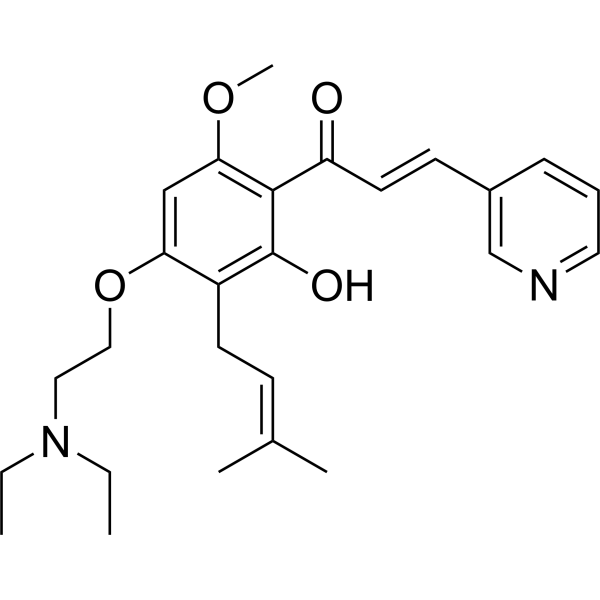 0 ImagesCat. No.: HY-161144
AKT-IN-21 (compound C36) is a potent AKT inhibitor with broad-spectrum cytotoxicity and anticancer activity. AKT-IN-21 also blocks the cell cycle and induces apoptosis of cancer cells by down-regulating the PI3K/AKT pathway.
-
PFKL-IN-1
 0 ImagesCat. No.: HY-187532
PFKL-IN-1 is an orally active PFKL inhibitor, with a human-derived IC50 value of 52.63 nM and a Kd of 0.24 μM. PFKL-IN-1 directly binds to PFKL and inhibits its enzymatic activity. PFKL-IN-1 inhibits glycolysis, induces apoptosis and suppresses cell proliferation in breast cancer cells. PFKL-IN-1 exhibits antitumor efficacy in mouse models and enhances the therapeutic effect of anti-PD-L1 agents. PFKL-IN-1 can be used in breast cancer-related research.
-
8-Acetonyldihydronitidine
 0 ImagesCat. No.: HY-N21597CAS No.: 80330-39-8
8‑Acetonyldihydronitidine is a naturally occurring benzophenanthridine alkaloid with antibacterial, antifungal, and anti-proliferative activities against colorectal cancer cells. 8‑Acetonyldihydronitidine inhibits Staphylococcus aureus and exerts a potent antifungal effect against Cladosporium cladosporioides. 8‑Acetonyldihydronitidine activates the p53 signaling pathway, upregulates the expression of target genes including p21, BAX, and FAS, downregulates cyclin A and cyclin B, and induces cell cycle arrest and apoptosis, thereby suppressing the proliferation of colorectal cancer cells. 8‑Acetonyldihydronitidine is used in research related to colorectal cancer, fungal infections, and bacterial infections.
-
(Rac)-Idroxioleic acid (Standard)
 0 ImagesCat. No.: HY-129467RCAS No.: 56472-29-8Synonyms: 2-Hydroxyoleic acid (Standard); 2-OHOA (Standard); LAM561 (Standard)
(Rac)-Idroxioleic acid (Standard) is the analytical standard of (Rac)-Idroxioleic acid. This product is intended for research and analytical applications. (Rac)-Idroxioleic acid (2-Hydroxyoleic acid) is a synthetic oleic acid (OA) derivative that binds to the plasma membrane and alters lipid organization. (Rac)-Idroxioleic acid has anti-tumor effect[1].



