



Bacterial
Anything that destroys bacteria or suppresses their growth or their ability to reproduce. Heat, chemicals such as chlorine, and antibiotic drugs all have antibacterial properties. Many antibacterial products for cleaning and handwashing are sold today. Such products do not reduce the risk for symptoms of viral infectious diseases in otherwise healthy persons. This does not preclude the potential contribution of antibacterial products to reducing symptoms of bacterial diseases in the home.
All Product Categories
-
Bacterial Inhibitors
(7553)
View all products
-
Bacterial Agonists
(3)
View all products
-
Bacterial Antagonists
(9)
View all products
-
Bacterial Activators
(25)
View all products
-
Bacterial Modulators
(27)
View all products
-
Bacterial Chemicals
(2)
View all products
-
Bacterial Inducers
(6)
View all products
-
Bacterial Controls
(14)
View all products
-
Bacterial Substrates
(2)
View all products
-
Bacterial Ligand
(1)
View all products
-
Bacterial Related Products (8893)
Related Products (8893)

-
Antibodies (14)
-
Related Compound Screening Libraries (1)
-
APH-IN-1
 0 ImagesCat. No.: HY-P11825APH-IN-1 is an Aminoglycoside phosphotransferase (APH) inhibitor with a Kd values of 63 nM against Escherichia coli APH(3′)-Ia. APH-IN-1 binds primarily to the ATP-binding pocket of APH in an ATP-competitive manner, with binding affinity enhanced by divalent metal ions (Mg2+ and Ca2+). APH-IN-1 can be used for the research of aminoglycoside-resistant bacterial infections.
-
Ocimum sanctum extract
 0 ImagesCat. No.: HY-N18730CAS No.: 91845-35-1The main active ingredients of Ocimum sanctum extract include ursolic acid, eugenol, rosmarinic acid, flavonoids, and phenolic compounds, which endow it with adaptogenic, anti-inflammatory, antioxidant, and antibacterial effects.
-
tetranor-Misoprostol
 0 ImagesCat. No.: HY-W748099Tetranor-Misoprostol is a derivative of Moxifloxacin (HY-66011A) and the active metabolite of a prostaglandin E1 analog. Moxifloxacin is an 8-methoxyquinolone antibacterial antibiotic used in the research of acute bacterial sinusitis, acute bacterial exacerbations of chronic bronchitis, and infectious pneumonia.
-
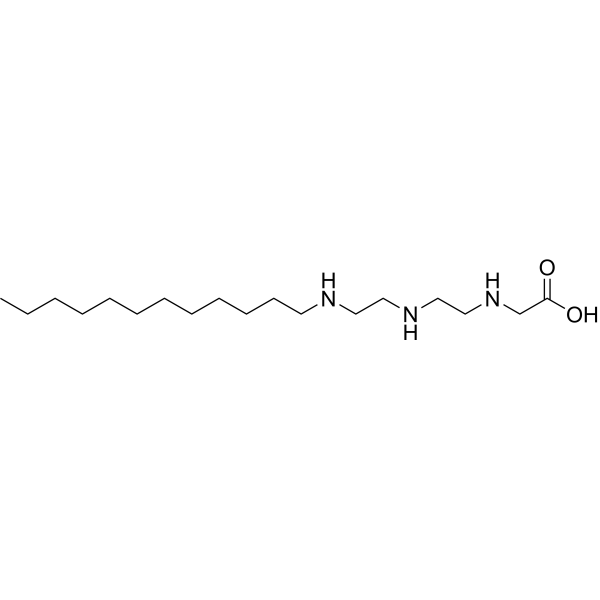
Trigonelline-d3-1 chloride
 0 ImagesCat. No.: HY-N0415S1Synonyms: Trigonelline-d3-1 hydrochlorideTrigonelline-d3-1 chloride (Trigonelline-d3-1 hydrochloride) is the deuterium labeled Trigonelline chloride (HY-N0415). Trigonelline chloride is an alkaloid with potential antidiabetic activity that can be isolated from Trigonella foenum-graecum L or Leonurus artemisia. Trigonelline chloride is a potent Nrf2 inhibitor that blocks Nrf2-dependent proteasome activity, thereby enhancing apoptosis in pancreatic cancer cells. Trigonelline chloride also has anti-HSV-1, antibacterial, and antifungal activity, and induces ferroptosis.
-
β-Lactamase-IN-8
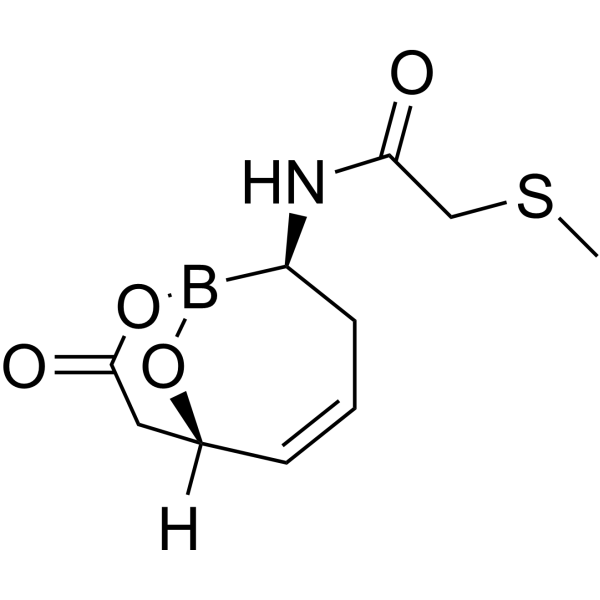 0 ImagesCat. No.: HY-146075CAS No.: 1929555-36-1β-Lactamase-IN-8 (compound 20) is a potent and oral bioavailable broad-spectrum cyclic boronate β-lactamase inhibitor. β-Lactamase-IN-8 can be used for researching antibacteria.
-
PptT-IN-1
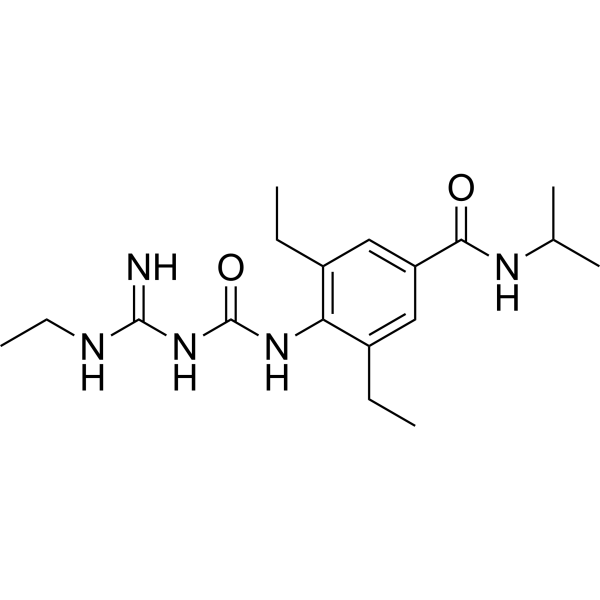 0 ImagesCat. No.: HY-115882PptT-IN-1 (compound 5j) is a potent inhibitor of with phosphopantetheinyl phosphoryl transferase (PptT) an IC50 of 2.8 μM. Phosphopantetheinyl transferase, an essential enzyme that plays a critical role in the biosynthesis of cellular lipids and virulence factors in Mycobacterium tuberculosis. PptT-IN-1 has the potential for the research of tuberculosis.
-
Minocycline-d6
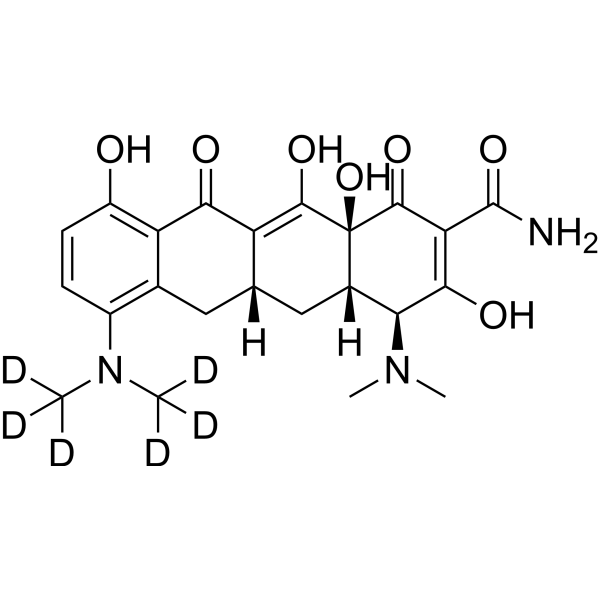 0 ImagesCat. No.: HY-17412ASCAS No.: 1036070-10-6Minocycline-d6 is deuterium labeled Minocycline (HY-17412A). Minocycline is an orally active, potent and BBB-penetrated semi-synthetic tetracycline antibiotic. Minocycline is a hypoxia-inducible factor (HIF)-1α inhibitor. Minocycline shows anti-cancer, anti-inflammatory, and glutamate antagonist effects. Minocycline reduces glutamate neurotransmission and shows neuroprotective properties and antidepressant effects. Minocycline inhibits bacterial protein synthesis through binding with the 30S subunit of the bacterial ribosome, resulting in a bacteriostatic effect.
-
C16-K-cBB1
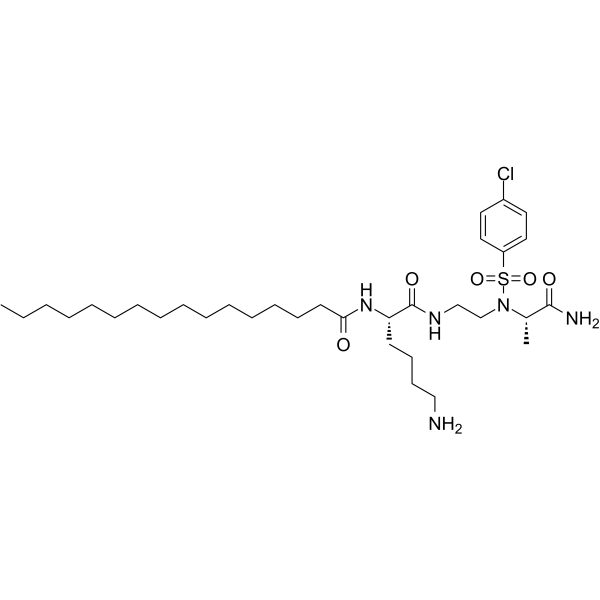 0 ImagesCat. No.: HY-147755C16-K-cBB1 is a potent and selective antimicrobial agent for MRSA (Methicillin resistant Staphylococcus aureus), with a MIC of 1 µg/mL. C16-K-cBB1 has very good selectivity, as it has weak hemolytic activity. C16-K-cBB1 is able to kill MRSA cells in a matter of 120 min at a concentration of 12.5 μg/mL.
-
Pyridomycin
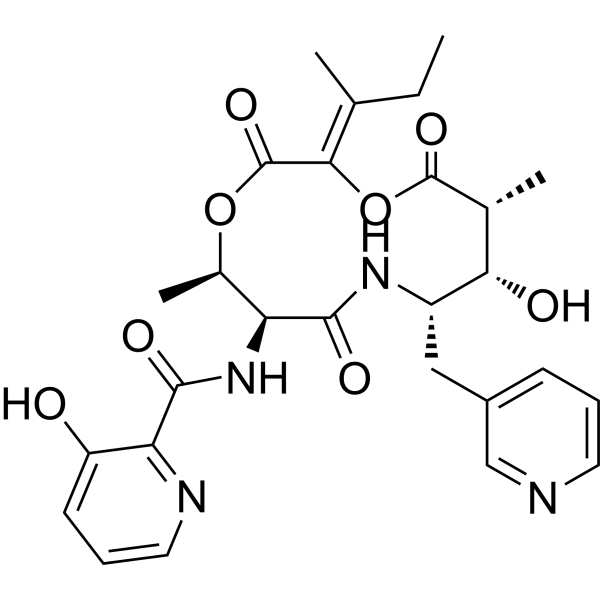 0 ImagesCat. No.: HY-111402CAS No.: 18791-21-4Synonyms: Erizomycin; NSC 246134Pyridomycin (Erizomycin) is a selective and low cytotoxic inhibitor of Mycobacterium tuberculosis that effectively targets InhA. Pyrdomycin is also an antibiotic that can be obtained from metabolites of Dactylosporangium fulvum. Pyrdomycin can be used in the study of bacterial infections such as tuberculosis.
-
DC-159a
 0 ImagesCat. No.: HY-159955CAS No.: 931411-93-7DC-159a is an 8-methoxyfluoroquinolone with broad-spectrum antimicrobial activity, especially against Gram-positive pathogens. DC-159a against Peptostreptococcus, Clostridium difficile, and Bacteroides fragilis with MIC90 values of 0.5, 4, and 2 μg/mL, respectively.
-
Saptomycin D
 0 ImagesCat. No.: HY-105463CAS No.: 137714-91-1Saptomycin D is an antibiotic with antitumor activity isolated from the Streptomyces sp. HP530 strain. Saptomycin D exhibits potent inhibitory effects against Gram-positive bacteria, while demonstrating weaker inhibitory activities against certain Gram-negative bacteria and yeasts. Saptomycin D also displays remarkable antitumor properties. Saptomycin D is applicable in research within the field of oncology.
-
Antibiotic A-33853
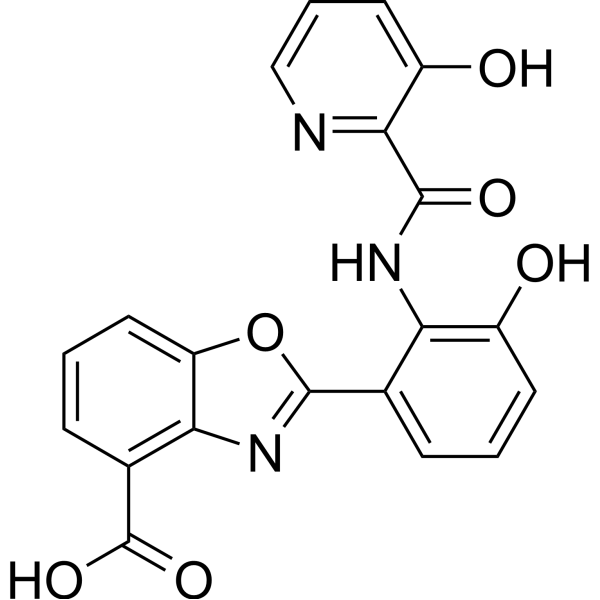 0 ImagesCat. No.: HY-14366CAS No.: 80148-45-4Antibiotic A-338533, an antibiotic, can be isolated from Streptomyces strain. Antibiotic A-338533 has anti-bacterial activity against Staphylococcus aureus, Mycoplasma gallisepticum with MIC values of 2 μg/mL and ≤1.56 μg/mL, respectively.
-
p-Anisic acid-d7
 0 ImagesCat. No.: HY-W723952CAS No.: 1219803-08-3Synonyms: 4-Methoxybenzoic acid-d7; Draconic acid-d7p-Anisic acid-d7 (4-Methoxybenzoic acid-d7) is the deuterium labeled p-Anisic acid (HY-N1394). p-Anisic acid (4-Methoxybenzoic acid) is an orally available tyrosinase inhibitor that has antioxidant, anti-anxiety, anti-inflammatory, anti-tumor, anti-diabetic, and preservative properties. p-Anisic acid can be used as a preservative in the cosmetics field.
-
Fosfomycin calcium (Standard)
 0 ImagesCat. No.: HY-B1075RCAS No.: 26016-98-8Synonyms: MK-0955 calcium (Standard)Fosfomycin (calcium) (Standard) is the analytical standard of Fosfomycin (calcium). This product is intended for research and analytical applications. Fosfomycin (MK-0955) calcium is a blood-brain barrier penetrating, broad-spectrum antibiotic by irreversibly inhibiting an early stage in cell wall synthesis. Fosfomycin calcium shows both in vivo and in vitro activity against a wide range of bacteria, including multidrug-resistant (MDR), extensively drug-resistant (XDR), and pan-drug-resistant (PDR) bacteria.
-
Isosilychristin
 0 ImagesCat. No.: HY-184830CAS No.: 77182-66-2Isosilychristin is a P-glycoprotein inhibitor with an IC50 of 25.9 μM. Isosilychristin downregulates the expression of transmembrane efflux pumps, exerts intracellular antioxidant effects, and inhibits NO production in macrophages. Isosilychristin regulates cell cycle progression, and exerts weak antiproliferative and colony formation inhibitory effects in prostate cancer cells. Isosilychristin reduces bacterial intercellular communication and reverses the drug resistance of Staphylococcus aureus. Isosilychristin can be used in studies related to prostate cancer, inflammation and bacterial infections.
-
Spirolaxine
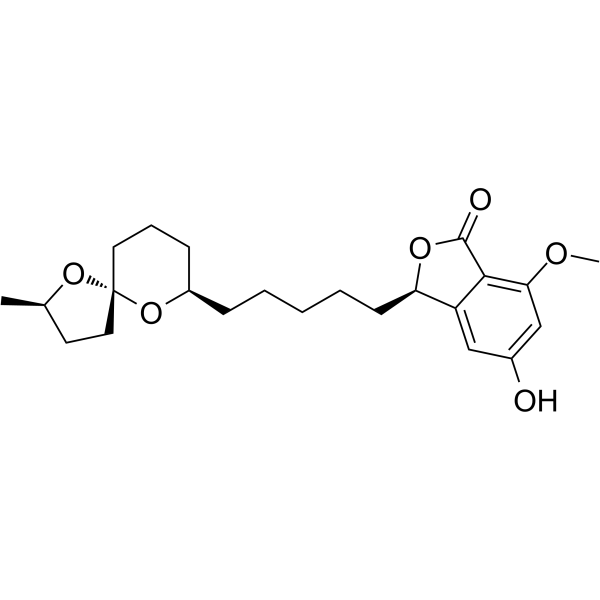 0 ImagesCat. No.: HY-117760CAS No.: 126382-01-2Spirolaxine is a plant growth inhibitor and possess significant anti-Helicobacter pylori activity. Spirolaxine exhibits cholesterol-lowering activity.
-
Lytx-Pa2a
 0 ImagesCat. No.: HY-P11442Synonyms: Lycotoxin-Pa2a; TBIU041425Lytx-Pa2a (Lycotoxin-Pa2a) is a peptide inhibitor against bacterial membranes and TLR4 receptor. Lytx-Pa2a exerts antimicrobial effects via non-competitive disruption of outer/cytoplasmic membranes and suppression of LPS-induced TLR4/NF-κB signaling. Lytx-Pa2a is promising for research of bacterial infection and inflammation-related disease (e.g., sepsis).

-
Methyl N-methylanthranilate-d3
 0 ImagesCat. No.: HY-76705SCAS No.: 2562378-12-3Methyl N-methylanthranilate-d3 is the deuterated-labeled Methyl N-methylanthranilate (HY-76705). Methyl N-methylanthranilate is an N-alkylated anthranilate with a sweet citrus aroma, which is commonly used in perfume manufacturing. Methyl N-methylanthranilate is the dominant component in the defensive secretion of the millipede Typhloiulus orpheus. Methyl N-methylanthranilate exhibits quorum sensing inhibition and anti-biofilm activity against P. aeruginosa; it interferes with PQS synthesis via competitive inhibition of PqsA, but lacks bactericidal activity. Methyl N-methylanthranilate is sensitive to UVA/sunlight in human skin cells, and generates O2•- through type I photodynamic reactions, leading to lysosomal/mitochondrial damage, double-strand DNA breaks and apoptosis, with potential phototoxicity.




