



FXR Inhibitor
- 1
- 2
-
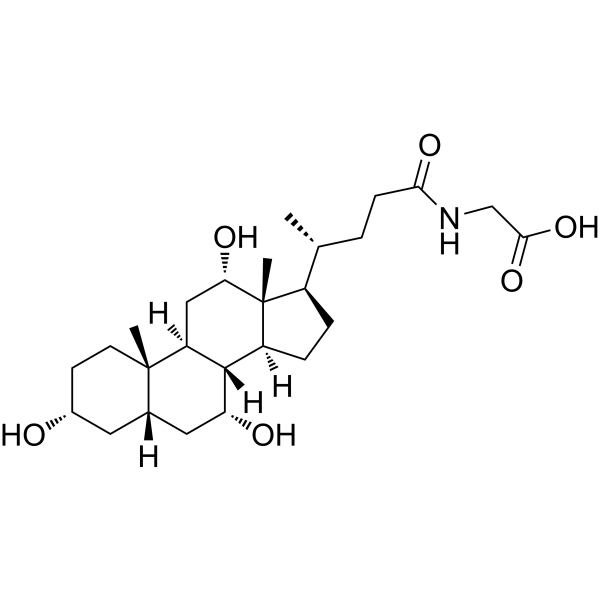
Glycocholic acid
 0 Images
Glycocholic acid is a bile acid derivative. Glycocholic acid downregulates MDR1, Bcl-2, MRP1, MRP2 and FXR, upregulates Bax, p53, caspase-9, caspase-3, TGR5 and S1PR2. Glycocholic acid inhibits multidrug resistance and efflux pumps, induces mitochondrial apoptosis, and enhances chemosensitivity. Glycocholic acid modulates related bile acid receptor signaling. Glycocholic acid suppresses growth and conjugation of Enterobacteriaceae and increases their antibiotic susceptibility. Glycocholic acid can be used for the research of colon adenocarcinoma and cholangiocarcinoma (CCA).
-
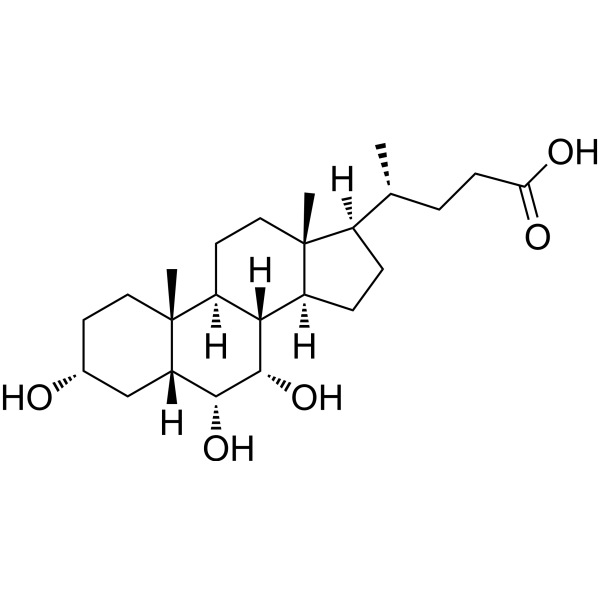
Hyocholic acid
 0 Images
Hyocholic Acid is a bile acid found in pig. Hyocholic Acid can also be found in urine samples from patients with cholestasis. Hyocholic Acid promotes GLP-1 secretion via activating TGR5 and inhibiting FXR in enteroendocrine cells. Hyocholic Acid is known for its exceptional resistance to type 2 diabetes .
-
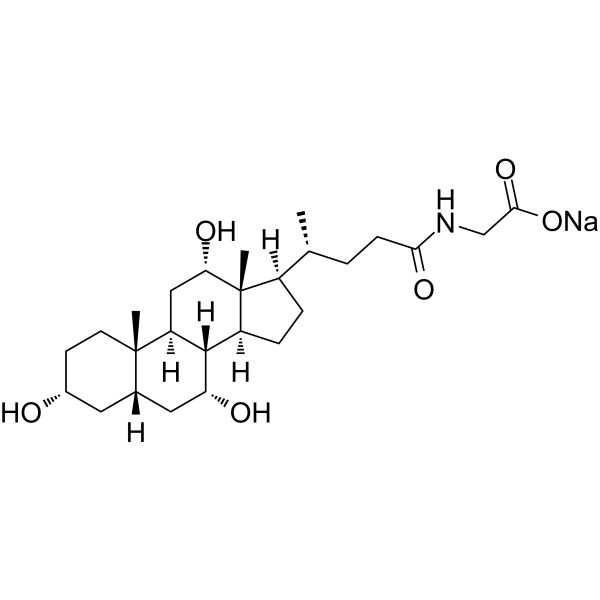
Glycocholic acid sodium
 0 Images
Glycocholic acid sodium is a bile acid derivative. Glycocholic acid downregulates MDR1, Bcl-2, MRP1, MRP2 and FXR, upregulates Bax, p53, caspase-9, caspase-3, TGR5 and S1PR2. Glycocholic acid sodium inhibits multidrug resistance and efflux pumps, induces mitochondrial apoptosis, and enhances chemosensitivity. Glycocholic acid sodium modulates related bile acid receptor signaling. Glycocholic acid sodium suppresses growth and conjugation of Enterobacteriaceae and increases their antibiotic susceptibility. Glycocholic acid sodium can be used for the research of colon adenocarcinoma and cholangiocarcinoma (CCA).
-
Glycocholic acid-d4
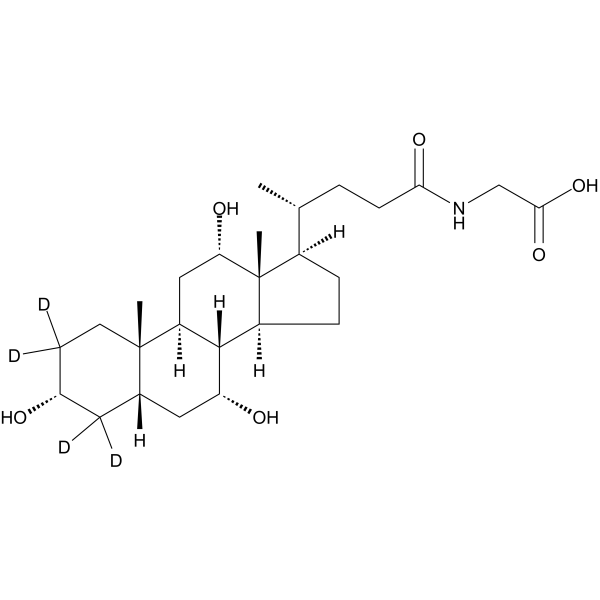 0 Images
Glycocholic acid-d4 is the deuterium labeled Glycocholic acid (HY-N1423). Glycocholic acid is a bile acid derivative. Glycocholic acid downregulates MDR1, Bcl-2, MRP1, MRP2 and FXR, upregulates Bax, p53, caspase-9, caspase-3, TGR5 and S1PR2. Glycocholic acid inhibits multidrug resistance and efflux pumps, induces mitochondrial apoptosis, and enhances chemosensitivity. Glycocholic acid modulates related bile acid receptor signaling. Glycocholic acid suppresses growth and conjugation of Enterobacteriaceae and increases their antibiotic susceptibility. Glycocholic acid can be used for the research of colon adenocarcinoma and cholangiocarcinoma (CCA).
-
Glycocholic acid (Standard)
 0 Images
Glycocholic acid (Standard) is the analytical standard of Glycocholic acid (HY-N1423). This product is intended for research and analytical applications. Glycocholic acid is a bile acid with anticancer activity, targeting against pump resistance-related and non-pump resistance-related pathways.
-
Colesevelam hydrochloride
 0 ImagesArt. -Nr.: HY-106539CAS. Nr.: 182815-44-7
Colesevelam hydrochloride is an orally active bile acid sequestrant, lipid-lowering agent, and glycemic control agent. Colesevelam hydrochloride binds bile acids in the gastrointestinal tract to form nonabsorbable complexes, interrupts enterohepatic recirculation and increases fecal bile acid elimination. Colesevelam hydrochloride modulates FXR, TGR5, and Cyp7a1 activity and triggers cAMP signaling and GLP-1 release. Colesevelam hydrochloride alters hepatic lipid and glucose metabolism, suppresses hepatic glycogenolysis, reduces hepatic triglyceride and cholesterol levels, and increases LDL-C (low-density lipoprotein cholesterol) clearance. Colesevelam hydrochloride can be used for the research of type 2 diabetes mellitus, hypercholesterolemia, and alcohol-related liver disease.
-
F44-A13
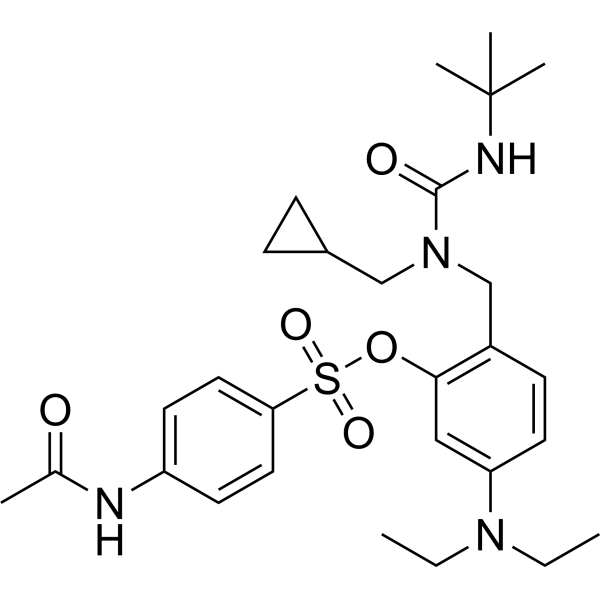 0 ImagesArt. -Nr.: HY-163436CAS. Nr.: 1338190-14-9
F44-A13 is an orally active and highly selective farnesoid X receptor (FXR) antagonist with an IC50 value of 1.1 μM. F44-A13 can optimize cholesterol metabolism and reduce its activity by inducing CYP7A1 expression. F44-A13 reduces levels of cholesterol, triglycerides, and low-density lipoprotein cholesterol (LDL-C) in mouse models. F44-A13 can be used in the study of metabolic diseases associated with lipid disorders.
-
Sevelamer carbonate
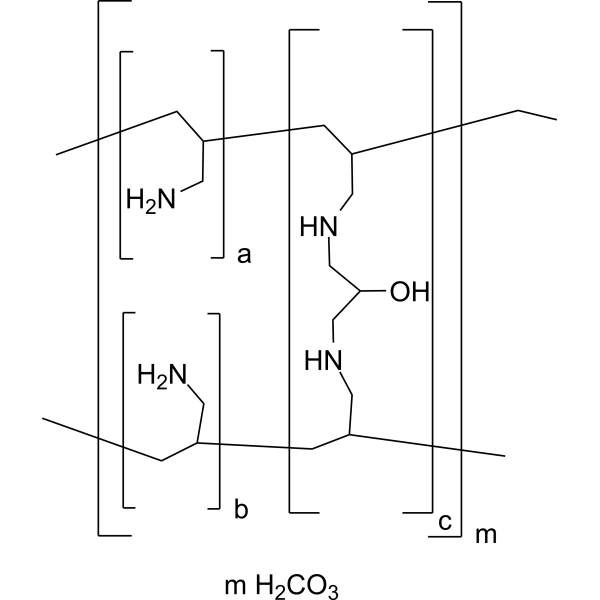 0 ImagesArt. -Nr.: HY-13995BCAS. Nr.: 845273-93-0
Sevelamer carbonate is an orally active polymeric phosphate binder and bile acid sequestrant. Sevelamer carbonate binds dietary phosphate in the gastrointestinal tract, reducing phosphate absorption and serum phosphorus levels, and reduces urinary phosphate excretion. Sevelamer carbonate binds polyanion bile acids, increases bile acid faecal excretion, and reduces total cholesterol and LDL cholesterol levels. Sevelamer carbonate can be used for the research of hyperphosphataemia, hyperparathyroidism, chronic renal failure, kidney disease, and type 2 diabetes.
-
Sodium glycocholate hydrate, 98%
 0 ImagesSynonyms: N-Cholylglycine sodium salt, 98%
Sodium glycocholate hydrate, 98% is a bile acid derivative. Sodium glycocholate hydrate, 98% downregulates MDR1, Bcl-2, MRP1, MRP2 and FXR, upregulates Bax, p53, caspase-9, caspase-3, TGR5 and S1PR2. Sodium glycocholate hydrate, 98% inhibits multidrug resistance and efflux pumps, induces mitochondrial apoptosis, and enhances chemosensitivity. Sodium glycocholate hydrate, 98% modulates related bile acid receptor signaling. Sodium glycocholate hydrate, 98% suppresses growth and conjugation of Enterobacteriaceae and increases their antibiotic susceptibility. Sodium glycocholate hydrate, 98% can be used for the research of colon adenocarcinoma and cholangiocarcinoma (CCA).
-
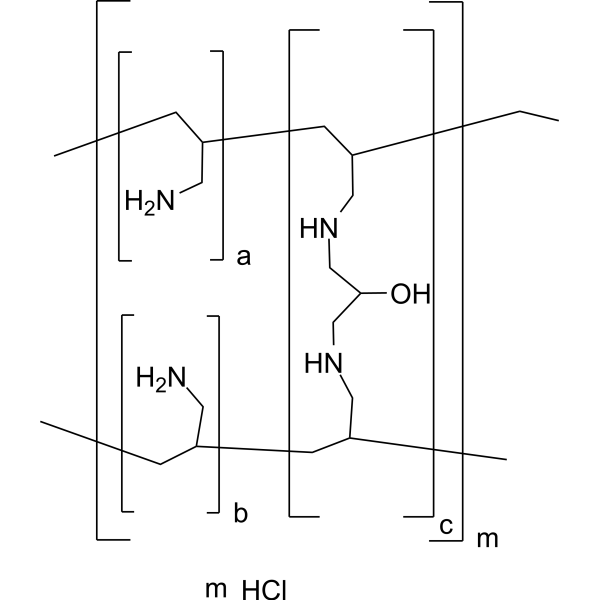
Sevelamer hydrochloride
 0 Images
Sevelamer hydrochloride is an orally active polymeric phosphate binder and bile acid sequestrant. Sevelamer hydrochloride binds dietary phosphate in the gastrointestinal tract, reducing phosphate absorption and serum phosphorus levels, and reduces urinary phosphate excretion. Sevelamer hydrochloride binds polyanion bile acids, increases bile acid faecal excretion, and reduces total cholesterol and LDL cholesterol levels. Sevelamer hydrochloride can be used for the research of hyperphosphataemia, hyperparathyroidism, chronic renal failure, kidney disease, and type 2 diabetes.
-
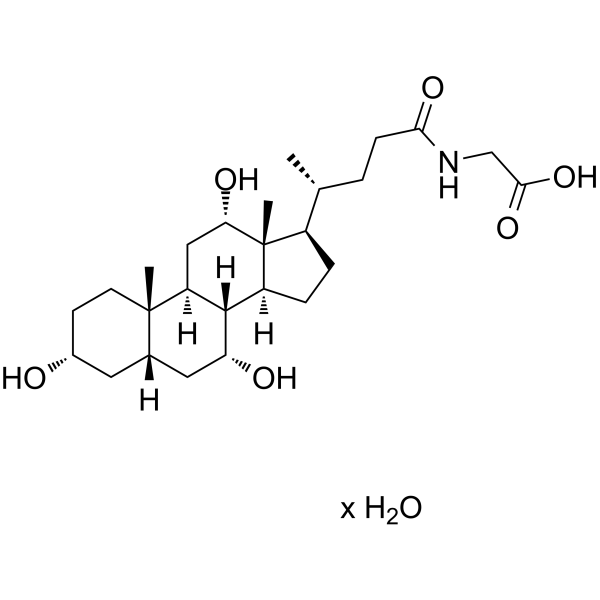
Glycocholic acid hydrate
 0 Images
Glycocholic acid hydrate is a bile acid derivative. Glycocholic acid hydrate downregulates MDR1, Bcl-2, MRP1, MRP2 and FXR, upregulates Bax, p53, caspase-9, caspase-3, TGR5 and S1PR2. Glycocholic acid hydrate inhibits multidrug resistance and efflux pumps, induces mitochondrial apoptosis, and enhances chemosensitivity. Glycocholic acid hydrate modulates related bile acid receptor signaling. Glycocholic acid hydrate suppresses growth and conjugation of Enterobacteriaceae and increases their antibiotic susceptibility. Glycocholic acid hydrate can be used for the research of colon adenocarcinoma and cholangiocarcinoma (CCA).
-
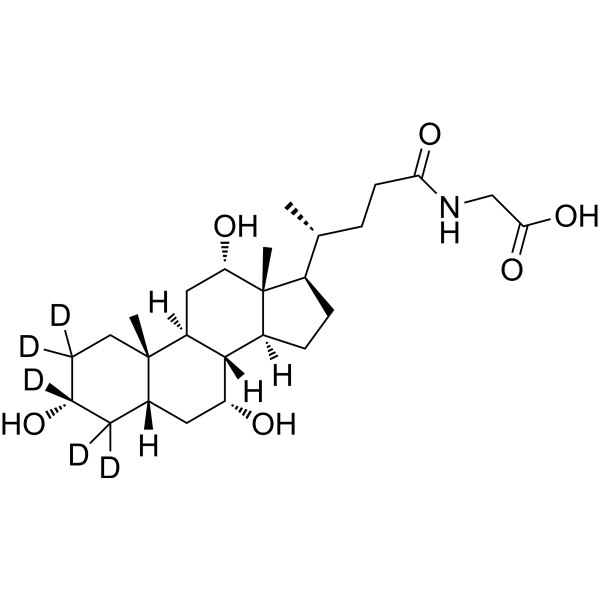
Glycocholic acid-d5
 0 Images
Glycocholic acid-d5 is the deuterium labeled Glycocholic acid (HY-N1423). Glycocholic acid is a bile acid derivative. Glycocholic acid downregulates MDR1, Bcl-2, MRP1, MRP2 and FXR, upregulates Bax, p53, caspase-9, caspase-3, TGR5 and S1PR2. Glycocholic acid inhibits multidrug resistance and efflux pumps, induces mitochondrial apoptosis, and enhances chemosensitivity. Glycocholic acid modulates related bile acid receptor signaling. Glycocholic acid suppresses growth and conjugation of Enterobacteriaceae and increases their antibiotic susceptibility. Glycocholic acid can be used for the research of colon adenocarcinoma and cholangiocarcinoma (CCA).
-
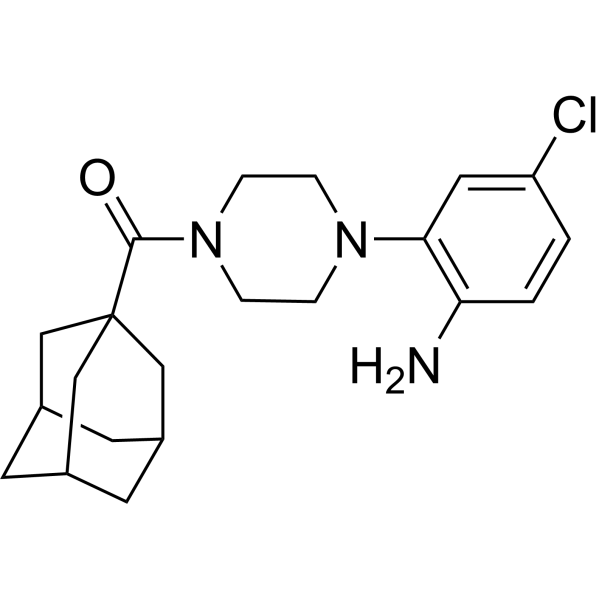
FXR agonist 4
 0 Images
FXR agonist 4 (compound 10a) is an agonist of farnesoid X receptor (FXR) with an EC50 value of 1.05 μM. FXR agonist 4 effectively improves hyperlipidemia, hepatic steatosis, insulin resistance and hepatic inflammation in DIO mice. FXR agonist 4 can be used for the research of non-alcoholic fatty liver disease (NAFLD).
-
Sevelamer
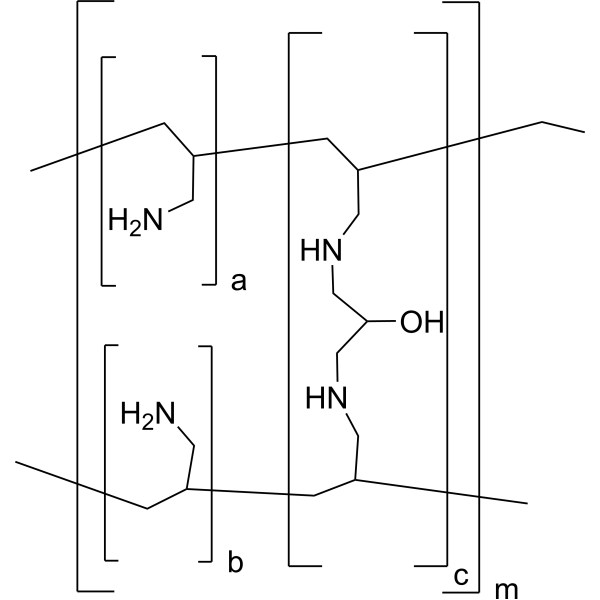 0 ImagesArt. -Nr.: HY-13995CAS. Nr.: 52757-95-6
Sevelamer is an orally active polymeric phosphate binder and bile acid sequestrant. Sevelamer binds dietary phosphate in the gastrointestinal tract, reducing phosphate absorption and serum phosphorus levels, and reduces urinary phosphate excretion. Sevelamer binds polyanion bile acids, increases bile acid faecal excretion, and reduces total cholesterol and LDL cholesterol levels. Sevelamer can be used for the research of hyperphosphataemia, hyperparathyroidism, chronic renal failure, kidney disease, and type 2 diabetes.
-
ACT001 hydrochloride
 0 ImagesArt. -Nr.: HY-128861BCAS. Nr.: 1403357-80-1Synonyms: Dimethylaminomicheliolide hydrochloride; DMAMCL hydrochloride
ACT001 (Dimethylaminomicheliolide; DMAMCL) hydrochloride is an orally active, blood-brain barrier-permeable anti-inflammatory and anti-tumor agent. ACT001 hydrochloride exerts microglia-mediated neuroanti-inflammatory effects by inhibiting the AKT/NF-κB/NLRP3 axis and suppressing apoptosis (apoptosis). ACT001 hydrochloride inhibits tumor proliferation by upregulating NKTR and inhibiting AKT. ACT001 hydrochloride alleviates metabolic-associated fatty liver disease by regulating gut microbiota and inhibiting ileal FXR. ACT001 hydrochloride inhibits pyroptosis (pyroptosis) and pro-inflammatory cytokine release by activating PPAR-γ and inhibiting NF-κB/NLRP3.
-
Ligusticum cycloprolactam
 0 ImagesArt. -Nr.: HY-N17383CAS. Nr.: 2283387-37-9
Ligusticum cycloprolactam is a potent, orally active, and CNS-penetrant TLR4/NF-κB inhibitor, exhibiting anti-inflammatory and neuroprotective activity. Ligusticum cycloprolactam reduces FPR1 expression, inhibits NLRP3 inflammasome, TLR4/NF-κB, hepatic MAPK and TGF-β signaling, and selectively activates hepatic FXR. Ligusticum cycloprolactam attenuates pro-inflammatory mediator production, enhances anti-inflammatory cytokine secretion, regulates renal uric acid transporters, and preserves intestinal microbiota composition. Ligusticum cycloprolactam can be used for the research of ischemic stroke, hyperuricemic nephropathy, neuroinflammation, and metabolic dysfunction-associated fatty liver disease.
-
Glycocholic acid-13C2,d4N
 0 ImagesArt. -Nr.: HY-W754548
Glycocholic acid-13C2,d4 is the deuterium labeled and 13C-labeled Glycocholic acid (HY-N1423). Glycocholic acid is a bile acid derivative. Glycocholic acid downregulates MDR1, Bcl-2, MRP1, MRP2 and FXR, upregulates Bax, p53, caspase-9, caspase-3, TGR5 and S1PR2. Glycocholic acid inhibits multidrug resistance and efflux pumps, induces mitochondrial apoptosis, and enhances chemosensitivity. Glycocholic acid modulates related bile acid receptor signaling. Glycocholic acid suppresses growth and conjugation of Enterobacteriaceae and increases their antibiotic susceptibility. Glycocholic acid can be used for the research of colon adenocarcinoma and cholangiocarcinoma (CCA).
-
Hyocholic Acid (Standard)
 0 Images
Hyocholic Acid (Standard) is the analytical standard of Hyocholic Acid. This product is intended for research and analytical applications. Hyocholic Acid is a bile acid found in pig. Hyocholic Acid can also be found in urine samples from patients with cholestasis. Hyocholic Acid promotes GLP-1 secretion via activating TGR5 and inhibiting FXR in enteroendocrine cells. Hyocholic Acid is known for its exceptional resistance to type 2 diabetes [1][2][3].
-
Hyocholic acid-d5
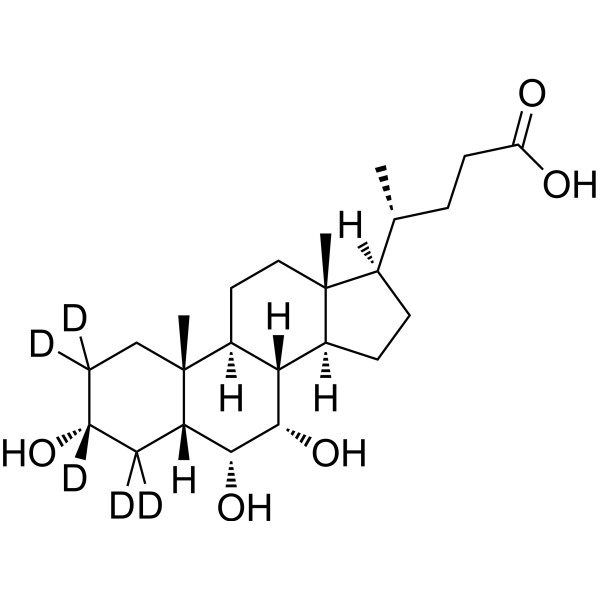 0 ImagesArt. -Nr.: HY-121238S1
Hyocholic Acid-d5 is the deuterium labeled Hyocholic Acid.
- 1
- 2



