



HIV
Human immunodeficiency virus
HIV (Human immunodeficiency virus) is a lentivirus (a subgroup of retrovirus) that causes the acquired immunodeficiency syndrome (AIDS), a condition in humans in which progressive failure of the immune system allows life-threatening opportunistic infections and cancers to thrive. Infection with HIV occurs by the transfer of blood, semen, vaginal fluid, pre-ejaculate, or breast milk. Within these bodily fluids, HIV is present as both free virus particles and virus within infected immune cells. HIV infects vital cells in the human immune system such as helper T cells (specifically CD4+ T cells), macrophages, and dendritic cells. HIV infection leads to low levels of CD4+ T cells through a number of mechanisms, including apoptosis of uninfected bystander cells, direct viral killing of infected cells, and killing of infected CD4+ T cells by CD8 cytotoxic lymphocytes that recognize infected cells. When CD4+ T cell numbers decline below a critical level, cell-mediated immunity is lost, and the body becomes progressively more susceptible to opportunistic infections.
HIV Isoform Specific Products
All Product Categories
-
HIV Inhibitors
(1218)
View all products
-
HIV Antagonists
(4)
View all products
-
HIV Activators
(19)
View all products
-
HIV Modulator
(1)
View all products
-
HIV Inducers
(2)
View all products
-
HIV Degrader
(1)
View all products
-
HIV Controls
(4)
View all products
-
HIV Ligand
(1)
View all products
-
HIV Proteins
(27)
View all products
-
HIV Related Products (1390)
Related Products (1390)

-
Recombinant Proteins (27)
-
Antibodies (6)
-
HIV Isoform Comparison
-
ssRNA40 sodium
 0 ImagesCat. No.: HY-160229Purity: 98.34%Synonyms: R-1075 sodiumssRNA40 sodium (R-1075 sodium) is a single-stranded RNA40 derived from HIV-1. ssRNA40 sodium activates the TLR7, TLR8, TLR2, RIG-I, MDA5, MyD88, Caspase-3, IRE1α, NLRP3 inflammasome and IRF7 signaling pathways. ssRNA40 sodium alters mRNA expression in neutrophils, induces pro-inflammatory cytokines, ROS, autophagy (autophagy), pyroptosis (pyroptosis), neuronal death, neurodegeneration, aggregate formation and NK cell activation. ssRNA40 sodium activates the expression of CD62L, CD11b, CD69, MX1, OAS1, ATG7, LC3B and XBP1 in immune cell and neuronal populations. ssRNA40 sodium causes cortical neuron loss and axonal damage in mice in a TLR7-dependent manner. ssRNA40 sodium can be used in research on HIV-1 infection, neurodegeneration, COVID-19 and HIV-associated neurological disorders.
-
Ditiocarb sodium
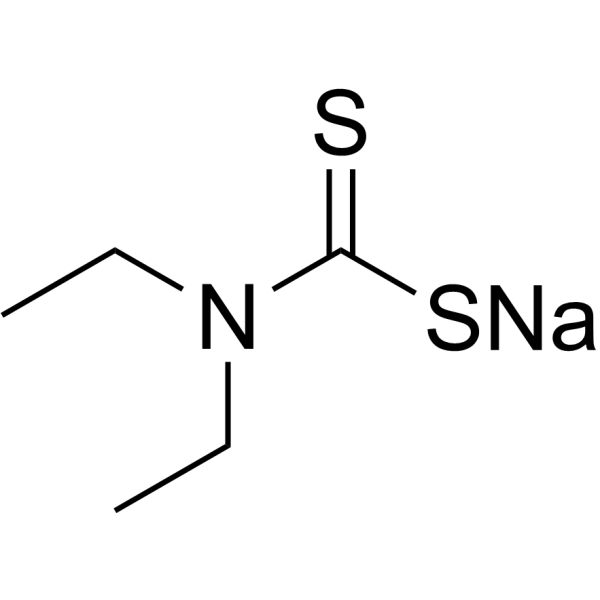 0 ImagesDitiocarb sodium (Sodium diethyldithiocarbamate) is an orally active copper reagent. Ditiocarb sodium exhibits activities such as antioxidation, chelation, anti-tumor effects, immunomodulation, and anti-HIV properties. Ditiocarb sodium can be used in the research of tumors, inflammatory, and immune-related diseases.
-
Indinavir sulfate
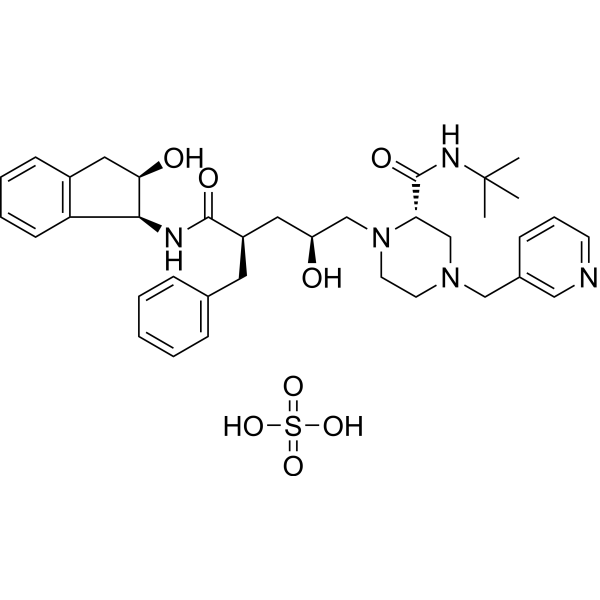 0 ImagesSynonyms: MK-639; L735524Indinavir sulfate (MK-639) is an orally active and selective HIV-1 protease inhibitor with a Ki of 0.54 nM for PR. Indinavir sulfate exhibits anticancer activity by inhibiting the activation of MMPs-2 hydrolysis, anti-angiogenesis and inducing apoptosis. Indinavir sulfate is also a SARS-CoV 3CLpro inhibitor.
-
Doravirine
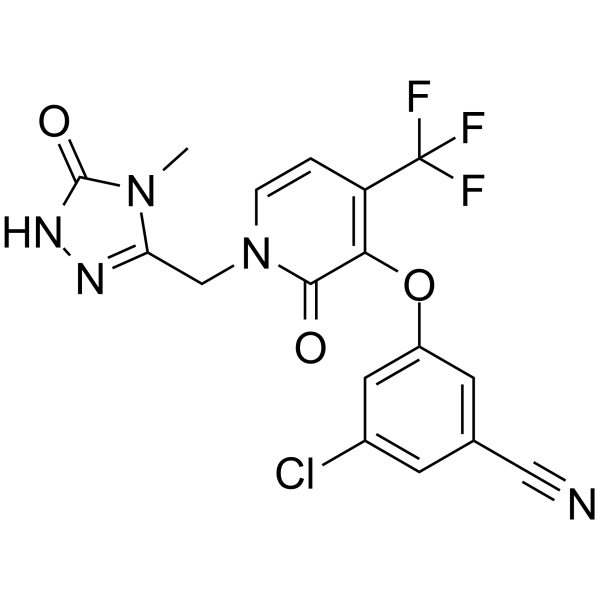 0 ImagesSynonyms: MK-1439Doravirine (MK-1439) is a highly specific HIV-1 nonnucleoside reverse transcriptase inhibitor with IC50s of 4.5 nM, 5.5 nM and 6.1 nM against the wild type and K103N and Y181C reverse transcriptase mutants, respectively.
-
Tenofovir alafenamide fumarate
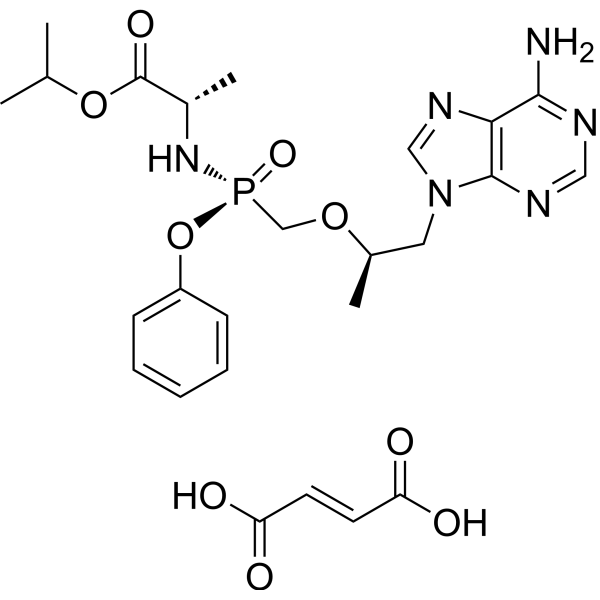 0 ImagesSynonyms: GS-7340 fumarateTenofovir alafenamide fumarate (GS-7340 fumarate) is an investigational oral proagent of Tenofovir. Tenofovir is a HIV-1 nucleotide reverse transcriptase inhibitor.
-
Tizoxanide
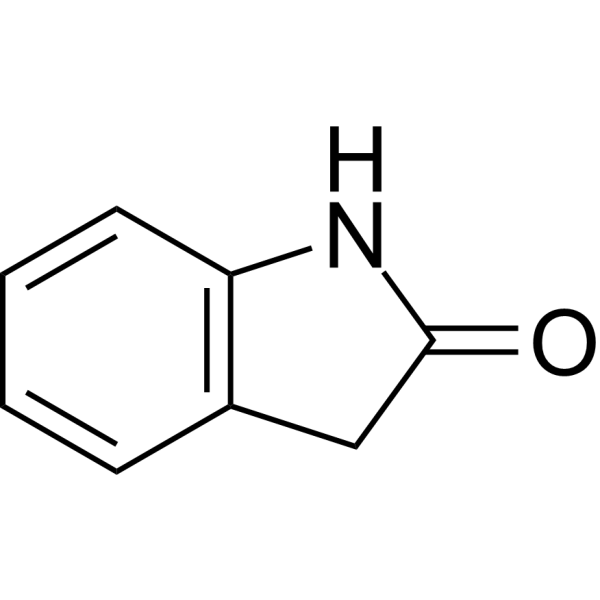
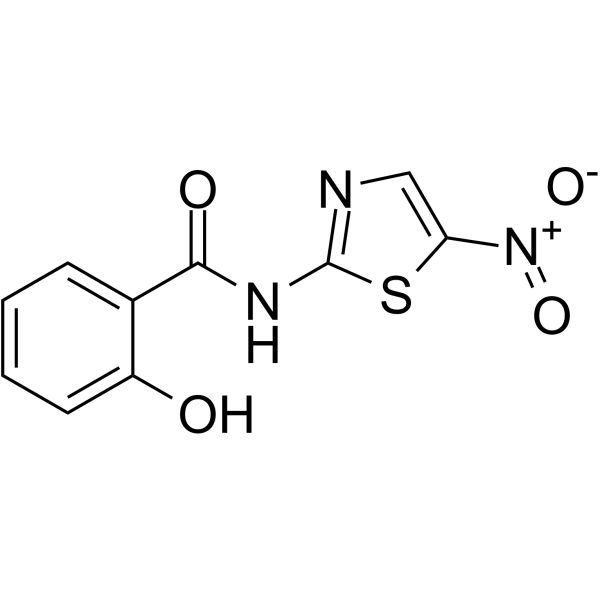 0 ImagesSynonyms: TIZTizoxanide (TIZ) is the active metabolite of Nitazoxanide, which is a thiazolide anti-infective compound against anaerobic bacteria, protozoa, and a range of viruses. Tizoxanide (TIZ) has anti-HIV-1 activities and potent inhibition of both HBV and HCV replication with values EC50 of 0.46μM and 0.15 μM, respectively. Tizoxanide also exerts anti-inflammatory effects by inhibiting the production of pro-inflammatory cytokines and suppressing of the activation of the NF-κB and the MAPK signaling pathways in LPS-treated macrophage cells.

-
Methyl gallate
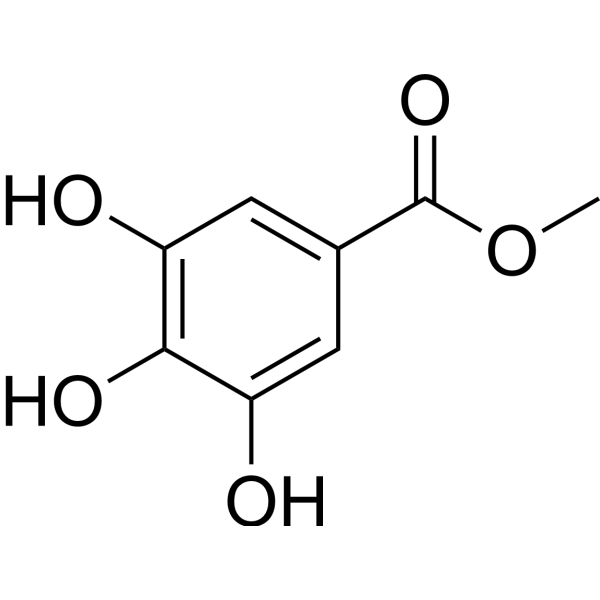 0 ImagesMethyl gallate is a plant phenolic with antioxidant, anticancer, and anti-inflammatory activities. Methyl gallate also shows bacterial inhibition activity. Methyl gallate also has anti-HIV-1 and HIV-1 enzyme inhibitory activities.
-
Pentosan Polysulfate Sodium (W/W 43%)
 0 ImagesCat. No.: HY-A0203ACAS No.: 140207-93-8
-
Islatravir
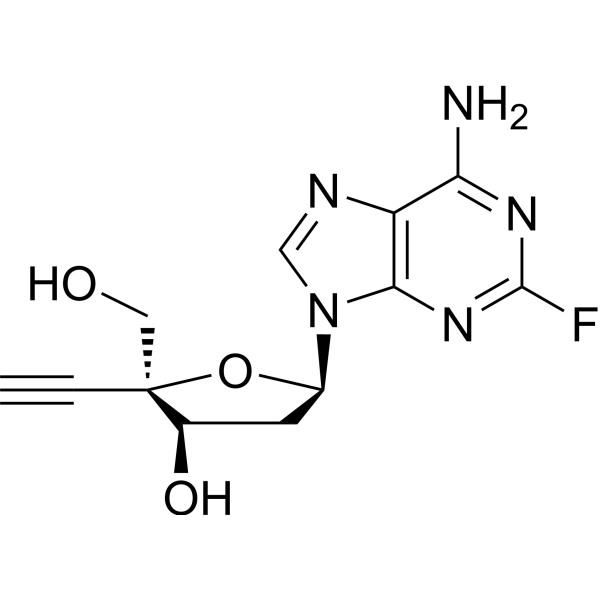 0 ImagesSynonyms: MK-8591Islatravir (MK-8591) is a potent anti-HIV-1 agent, acting as a nucleoside reverse transcriptase inhibitor, with EC50s of 0.068 nM, 3.1 nM and 0.15 nM for HIV-1 (WT), HIV-1 (M184V), HIV-1 (MDR), respectively. Islatravir is a click chemistry reagent, it contains an Alkyne group and can undergo copper-catalyzed azide-alkyne cycloaddition (CuAAc) with molecules containing Azide groups.
-
Megestrol acetate
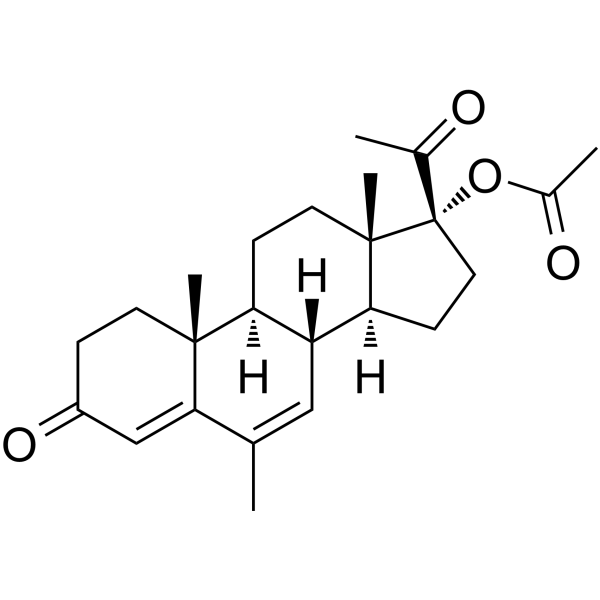 0 ImagesMegestrol acetate is a synthetic and orally active progesteronal agent. Megestrol acetate is effective as an appetite stimulant for wasting syndromes such as cachexia. Megestrol acetate decreases nuclear and cytosol androgen receptors human BPH tissue. Megestrol acetate has the potential for HIV study and downregulates autophagic catabolic pathway.
-
CHMA1004 dihydrochloride
 0 ImagesSynonyms: Methyl piperazine-2-carboxylate dihydrochloride; METTL3 activator-1CHMA1004 (Methyl piperazine-2-carboxylate; METTL3 activator-1) dihydrochloride is a METTL3/METTL14/WTAP methyltransferase complex activator. CHMA1004 dihydrochloride exhibits neuroprotective and anxiolytic potential by enhancing m6A methylation modification of RNA. CHMA1004 dihydrochloride promotes HIV replication in an infection context. CHMA1004 dihydrochloride can be used in studies related to anxiety disorders and HIV-1 infection.
-
Saquinavir mesylate
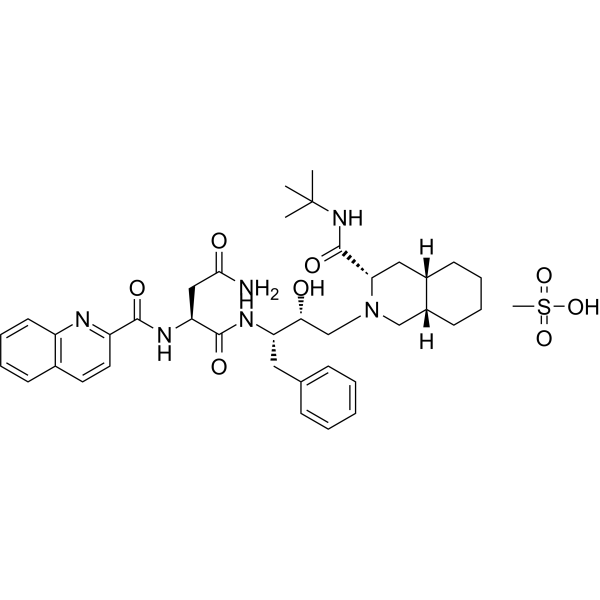 0 ImagesSynonyms: Ro 31-8959/003
-
Cosalane
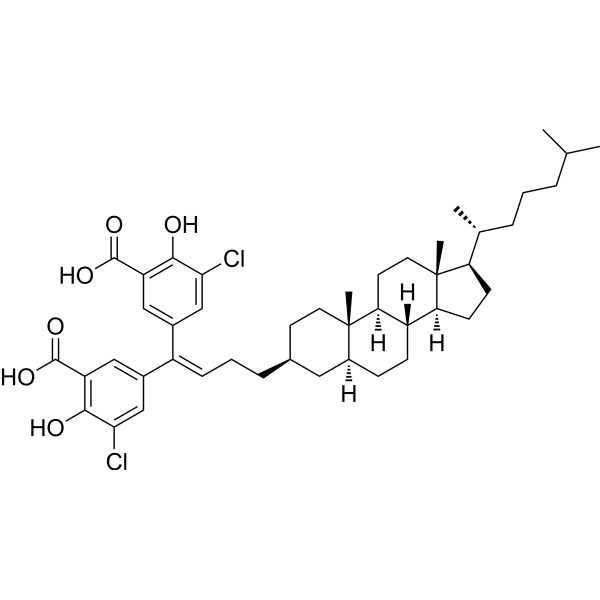 0 ImagesSynonyms: NSC 658586Cosalane (NSC 658586) is a CCR7 (IC50 = 2.43 μM) and CXCR2 antagonist (IC50 = 0.66 μM). Cosalane is an inhibitor of HIV replication with a wide range of activity against HIV-1 isolates, HIV-2, Rauscher murine leukemia virus, HSV-1, HSV-2 and human cytomegalovirus. Cosalane inhibits both attachment of gp120 to CD4. Cosalane inhibits human and murine CCR7 in response to both CCL19 and CCL21 agonists. Cosalane can be studied in research for HIV or attenuating acute graft-versus-host disease (aGVHD) in allogeneic hematopoietic stem cell transplantation (HSCT).
-
Pyrazofurin
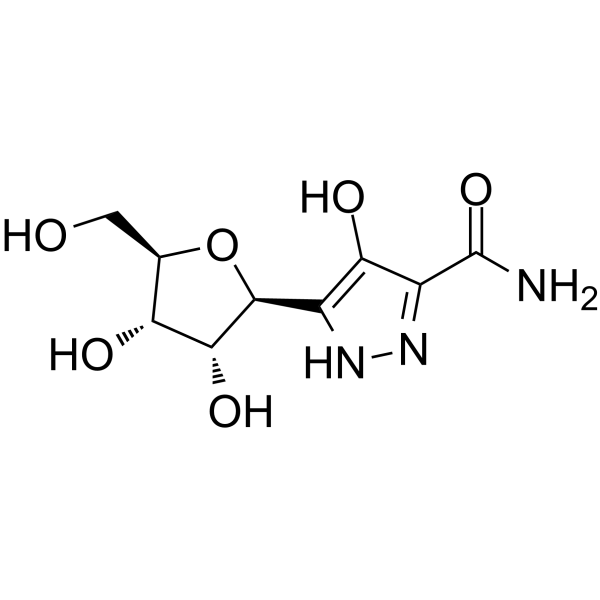 0 ImagesSynonyms: PirazofurinPyrazofurin is an antitumor pyrimidine nucleoside analogue and a orotate-phosphoribosyltransferase inhibitor. Pyrazofurin inhibits cell proliferation and intracellular DNA synthesis by inhibiting uridine 5'-phosphate synthase. Pyrazofurin is also an antibiotic with a broad spectrum of antiviral activity.
-
Acetohydroxamic acid
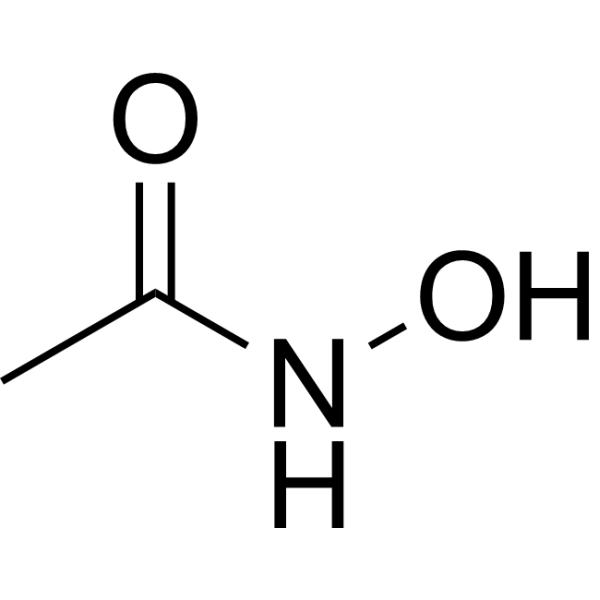 0 ImagesAcetohydroxamic acid is the inhibitor for bacterial and plant urease that can be used for chronic urinary tract infections. Acetohydroxamic acid selectively inhibits arachidonic acid 5-lipoxygenase that is useful in the research of asthma. Acetohydroxamic acid inhibits the formation of advanced glycation end products, and reduces oxidative stress and inflammatory responses. Acetohydroxamic acid exhibits antiviral activity against HIV.




