



PI3K
Phosphoinositide 3-kinase
PI3K (Phosphoinositide 3-kinase), via phosphorylation of the inositol lipid phosphatidylinositol 4,5-bisphosphate (PI(4,5)P2), forms the second messenger molecule phosphatidylinositol (3,4,5)-trisphosphate (PI(3,4,5)P3) which recruits and activates pleckstrin homology domain containing proteins, leading to downstream signalling events crucial for proliferation, survival and migration. Class I PI3K enzymes consist of four distinct catalytic isoforms, PI3Kα, PI3Kβ, PI3Kδ and PI3Kγ.
There are three major classes of PI3K enzymes, being class IA widely associated to cancer. Class IA PI3K are heterodimeric lipid kinases composed of a catalytic subunit (p110α, p110β, or p110δ; encoded by PIK3CA, PIK3CB, and PIK3CD genes, respectively) and a regulatory subunit (p85).
The PI3K pathway plays an important role in many biological processes, including cell cycle progression, cell growth, survival, actin rearrangement and migration, and intracellular vesicular transport.
PI3K Isoform Specific Products
-
PI3Kα
(233)
View all products
-
PI3Kβ
(162)
View all products
-
PI3Kγ
(182)
View all products
-
PI3Kδ
(200)
View all products
-
PI3KC2α
(8)
View all products
-
PI3KC2β
(12)
View all products
-
PI3KC2γ
(4)
View all products
-
Vps34
(24)
View all products
-
PI3K
(659)
View all products
-
PI3KC3
(1)
View all products
-
p120γ
(1)
View all products
All Product Categories
-
PI3K Inhibitors
(854)
View all products
-
PI3K Agonists
(9)
View all products
-
PI3K Antagonist
(1)
View all products
-
PI3K Activators
(126)
View all products
-
PI3K Modulators
(22)
View all products
-
PI3K Inducers
(3)
View all products
-
PI3K Degraders
(6)
View all products
-
PI3K Controls
(4)
View all products
-
PI3K Substrate
(1)
View all products
-
PI3K Ligands
(9)
View all products
-
PI3K Related Products (1098)
Related Products (1098)

-
Antibodies (16)
-
PI3K Signaling Pathway
-
PI3K Isoform Comparison
-
Kaempferide
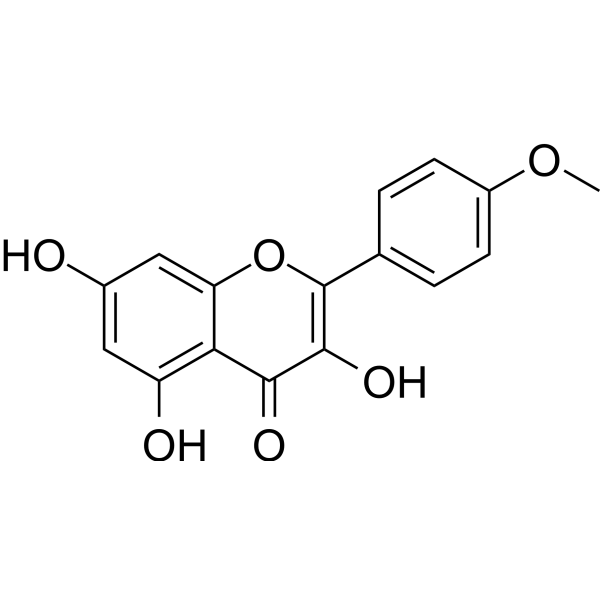 0 ImagesKaempferide is an orally active flavonol isolated from Hippophae rhamnoides L. Kaempferide has anticancer, anti-inflammatory, antioxidant, antidiabetic, antiobesity, antihypertensive, and neuroprotective activities. Kaempferide induces apoptosis. Kaempferide promotes osteogenesis through antioxidants and can be used in osteoporosis research.
 -
loading...Please select quantityGet Quote
August 31
-
Please select quantity
August 31
Get Quote
loading... -
- TGX-221
-
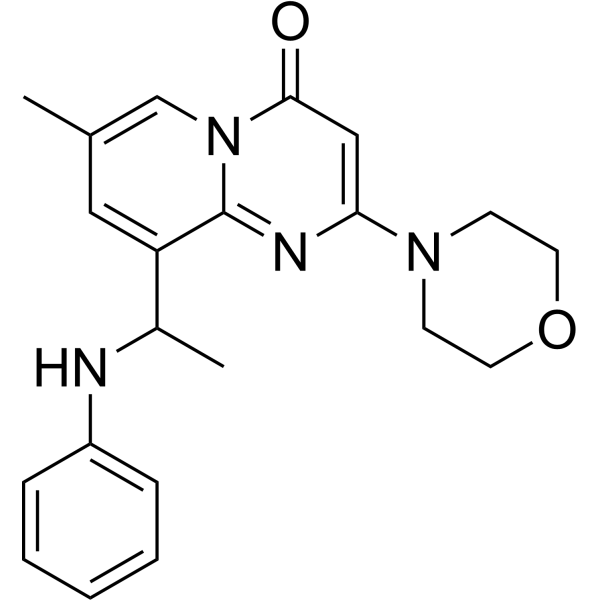
loading...Please select quantityGet Quote
August 31
-
Please select quantity
August 31
Get Quote
loading... -
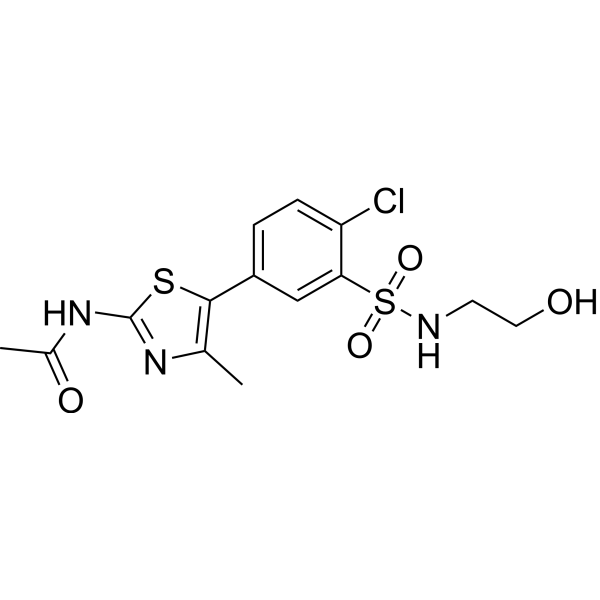
- PIK-93
-
loading...Please select quantityGet Quote
August 31
-
Please select quantity
August 31
Get Quote
loading... -
-
4,4'-Sulfonyldiphenol
 0 ImagesSynonyms: Bisphenol S; Bis(4-hydroxyphenyl) sulfone4,4'-Sulfonyldiphenol (Bisphenol S; Bis(4-hydroxyphenyl) sulfone), a substitute for Bisphenol A (HY-18260), is widely used in industrial and consumer products. 4,4'-Sulfonyldiphenol is an oally ative estrogen receptor (ER) agonist and can competitively bind to thyroid hormone receptors (TR) with IC50 values for TRα and TRβ are 2650 μM and 2294 μM respectively, thereby affecting breast development and reducing the expression of androgen receptor (AR) in fetal testes. 4,4'-Sulfonyldiphenol promotes the progression of glioblastoma by upregulating the EZH2 mediated PI3K/AKT/mTOR pathway. Under chronic exposure, 4,4'-Sulfonyldiphenol can cause significant lipid deposition and dyslipidemia in the mouse liver by upregulating JunB and Atf3, and has a role in causing obesity at low doses. 4,4'-Sulfonyldiphenol induces intestinal inflammation by altering the intestinal microbiome. 4,4'-Sulfonyldiphenol accelerates the progression of atherosclerosis in zebrafish embryo larvae.
 -
loading...Please select quantityGet Quote
August 31
-
Please select quantity
August 31
Get Quote
loading... -
-
WS6
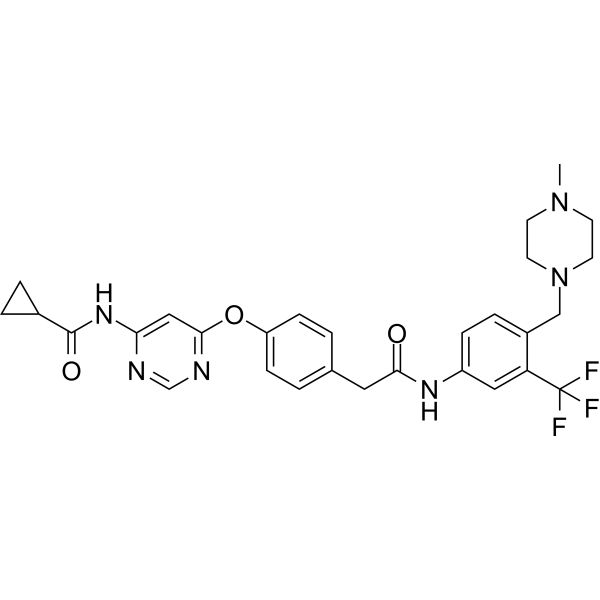 0 ImagesWS6 is an IkB kinase and EBP1 inhibitor, with IC50 values of 0.24 nM, 0.21 nM, and 40.48 nM in MV4-11, MOLM13, and K562 cells, respectively. WS6 promotes the proliferation of alpha and beta cells in the pancreas, has antioxidant and anti-inflammatory activities, and can alleviate depression like behavior in rats[1][2][4].
 -
loading...Please select quantityGet Quote
August 31
-
Please select quantity
August 31
Get Quote
loading... -
-
D-GsMTx4 TFA
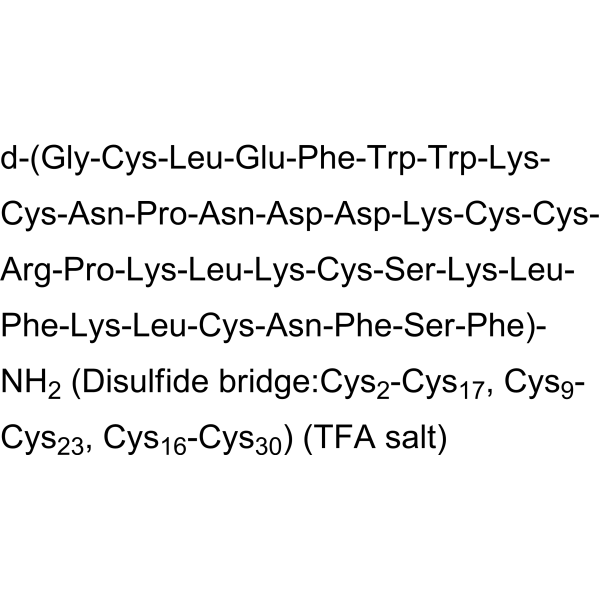 0 ImagesCat. No.: HY-P1410CPurity: 99.89%D-GsMTx4 TFA is a spider peptide and the D enantiomer of GsMTx4 (HY-P1410). D-GsMTx4 TFA inhibits the mechanosensitive ion channel Piezo2. D-GsMTx4 TFA inhibits [Ca2+]i elevation. D-GsMTx4 TFA inhibits mTOR and PI3K-Akt signaling pathways. D-GsMTx4 TFA inhibits mechanical allodynia and thermal hyperalgesia. D-GsMTx4 TFA can be used in researches of mechanical stress, chronic pain and idiopathic pulmonary fibrosis.
 -
loading...Please select quantityGet Quote
August 31
-
Please select quantity
August 31
Get Quote
loading... -
-
GO-203 TFA
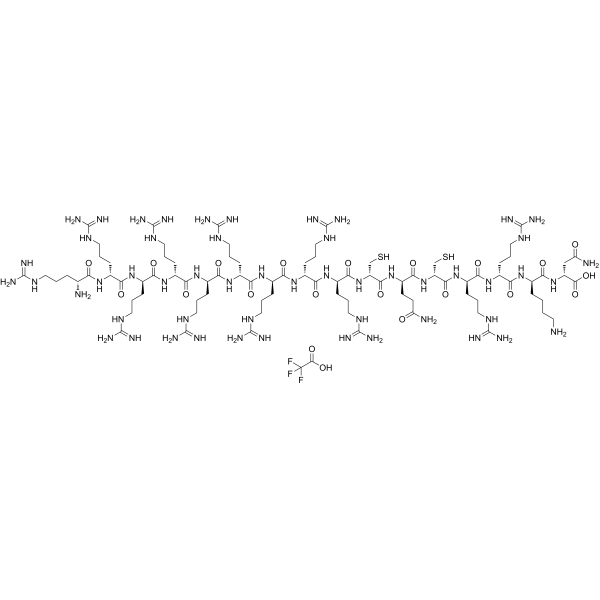 0 ImagesGO-203 TFA is a potent MUC1-C oncoprotein inhibitor. GO-203 TFA is an all D-amino acid peptide that consists of a poly-R transduction domain linked to a CQCRRKN motif that binds to the MUC1-C cytoplasmic tail and blocks MUC1-C homodimerization. GO-203 TFA downregulates TIGAR (TP53-induced glycolysis and apoptosis regulator) protein synthesis by inhibiting the PI3K-AKT-S6K1 pathway. GO-203 TFA induces the production of ROS and loss of mitochondrial transmembrane potential. GO-203 TFA inhibits the growth of colon cancer cells in vitro and as xenografts in nude mice.
 -
loading...Please select quantityGet Quote
August 31
-
Please select quantity
August 31
Get Quote
loading... -
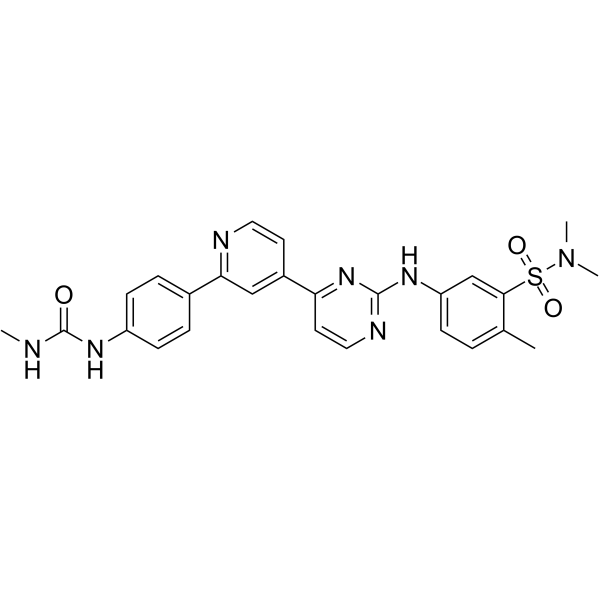
- hSMG-1 inhibitor 11e
-
loading...Please select quantityGet Quote
August 31
-
Please select quantity
August 31
Get Quote
loading... -
-
Samotolisib
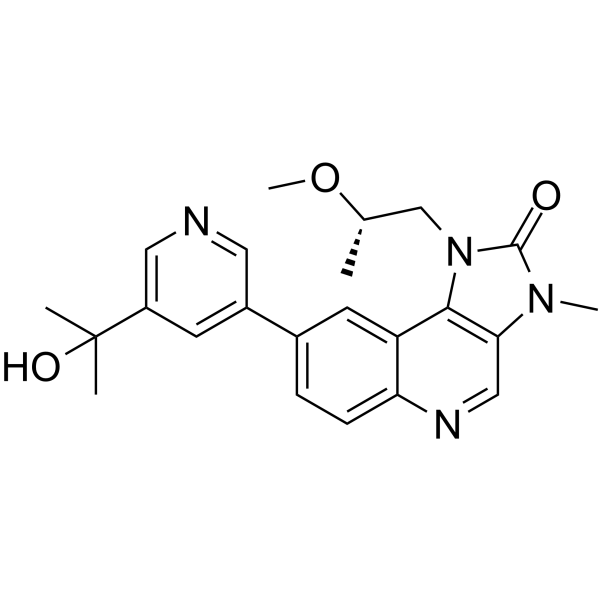 0 ImagesSynonyms: LY3023414Samotolisib (LY3023414) potently and selectively inhibits class I PI3K isoforms, DNA-PK, and mTORC1/2 with IC50s of 6.07 nM, 77.6 nM, 38 nM, 23.8 nM, 4.24 nM and 165 nM for PI3Kα, PI3Kβ, PI3Kδ, PI3Kγ, DNA-PK and mTOR, respectively. Samotolisib potently inhibits mTORC1/2 at low nanomolar concentrations.
 -
loading...Please select quantityGet Quote
August 31
-
Please select quantity
August 31
Get Quote
loading... -
-
Alizarin
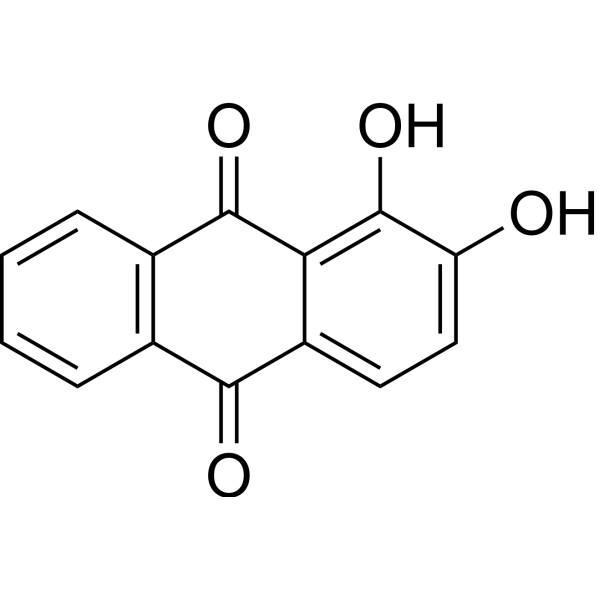 0 ImagesAlizarin is a natural dye. Alizarin can be extracted from the roots of madder plant. Alizarin activates AMPK and VEGFR2/eNOS pathway. Alizarin regulates PI3K/Akt and inhibits NF-κB pathway. Alizarin enhances CYP1A1 enzyme activity. Alizarin has protective effects on hypertension and vascular endothelial dysfunction. Alizarin has anti-tumor activity against multiple cancers including pancreatic cancer, breast cancer, osteosarcoma and liver cancer. Alizarin has been widely used as a pigment in textile fabrics and paintings.
 -
loading...Please select quantityGet Quote
August 31
-
Please select quantity
August 31
Get Quote
loading... -
-
Sophocarpine
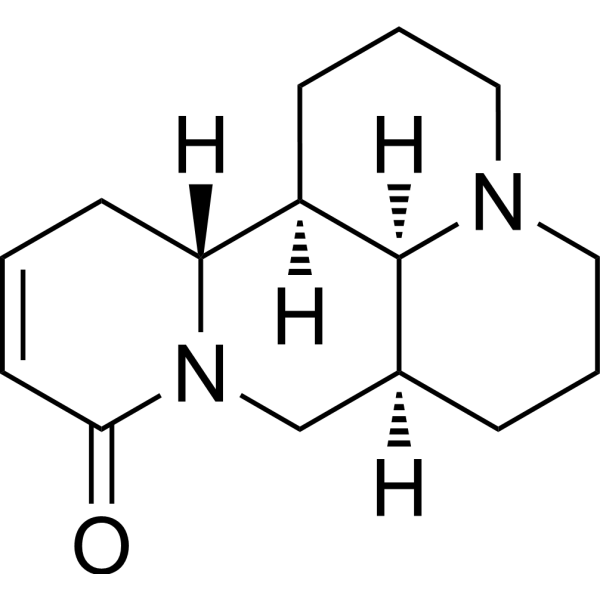 0 ImagesSophocarpine is a PTEN activator and an inhibitor of PI3K/Akt, MEK/ERK, and NF-κB signaling pathways. Sophocarpine upregulates PTEN expression and inhibits PI3K/Akt phosphorylation, arrests tumor cell cycle and induces apoptosis. Sophocarpine inhibits MEK/ERK phosphorylation and VEGF secretion, reducing tumor cell migration. Sophocarpine can also inhibit NF-κB activation and p38 and JNK phosphorylation, reduce the expression of inflammatory factors such as iNOS and COX-2, and activate the Nrf2/HO-1 pathway to reduce oxidative stress. Sophocarpine has anti-tumor, anti-inflammatory, antioxidant and anti-apoptotic effects, and can be used in the research of cancers such as glioblastoma and colorectal cancer, inflammation-related diseases, and Doxorubicin (HY-15142A)-induced cardiac damage.
 -
loading...Please select quantityGet Quote
August 31
-
Please select quantity
August 31
Get Quote
loading... -
-
Apitolisib
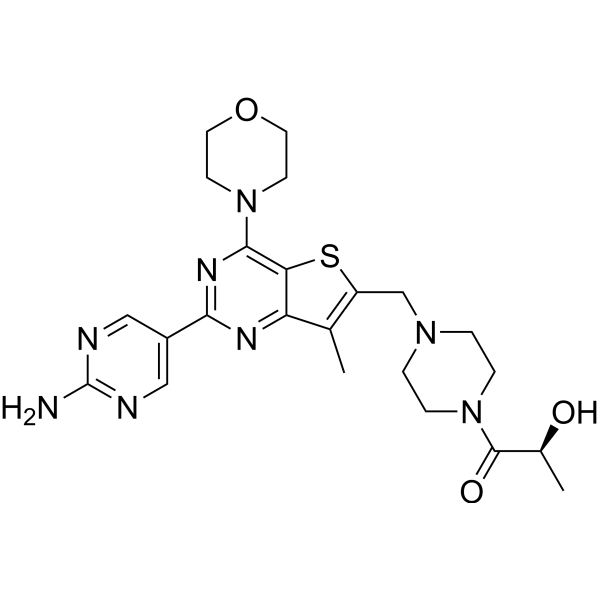 0 ImagesSynonyms: GDC-0980; GNE 390; RG 7422
 -
loading...Please select quantityGet Quote
August 31
-
Please select quantity
August 31
Get Quote
loading... -
-
Resibufogenin
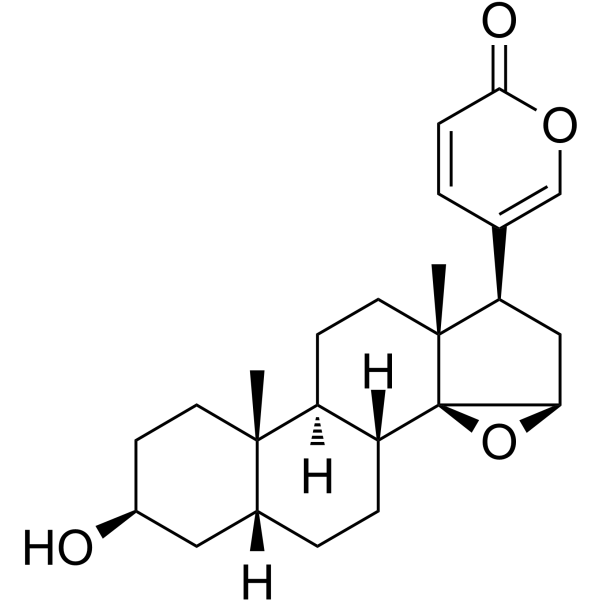 0 ImagesResibufogenin is an orally active anticancer agent. Resibufogenin can be extracted from toad venom. Resibufogenin blocks signaling pathways such as PI3K/Akt, NF-κB, AP-1, activates GSK-3β, and regulates cyclin D1. Resibufogenin can activate central neurons. Resibufogenin has anti-inflammatory activity. Resibufogenin has anti-tumor effects on a variety of tumors such as multiple myeloma, renal cancer, colorectal cancer, pancreatic cancer, and glioma.
 -
loading...Please select quantityGet Quote
August 31
-
Please select quantity
August 31
Get Quote
loading... -
-
10-Gingerol
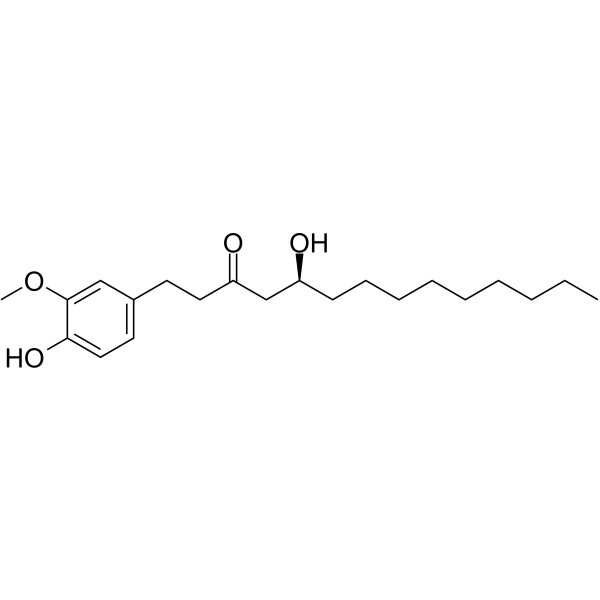 0 Images10-Gingerol is an AMPK agonist, which is found in the ginger oleoresin from fresh rhizome with anti-inflammatory, antioxidant and anti-proliferative activities. 10-Gingerol suppresses neointimal hyperplasia and inhibits vascular smooth muscle cell proliferation. 10-Gingerol exhibits substantial scavenging activities with an IC50 value of 10.47 μM against DPPH radical, an IC50 value of 1.68 μM against superoxide radical and an IC50 value of 1.35 μM against hydroxyl radical. 10-Gingerol inhibits the proliferation of MDA-MB-231 tumor cell line with an IC50 of 12.1 μM. 10-Gingerol suppresses the proliferation, migration, invasion, and induced apoptosis through targeting the PI3K/Akt signaling pathway in MDA-MB-231/IR cells. 10-Gingerol can be used in research on various common cancers such as ovarian cancer and colon cancer, as well as colitis and neurodegenerative diseases.
 -
loading...Please select quantityGet Quote
August 31
-
Please select quantity
August 31
Get Quote
loading... -
-
Bimiralisib
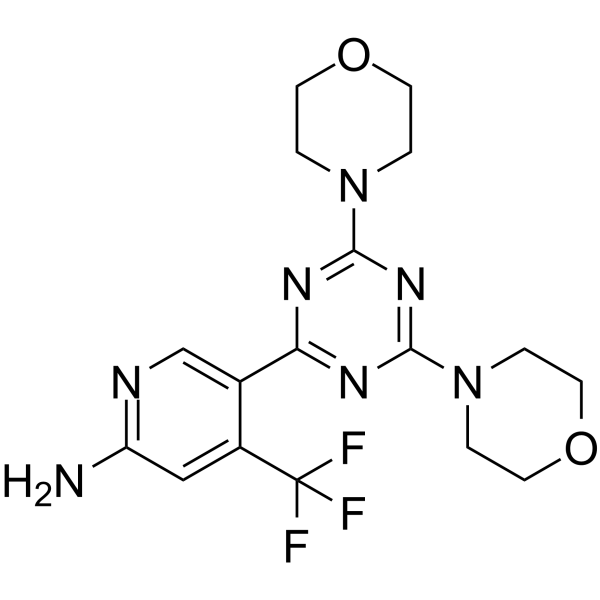 0 ImagesSynonyms: PQR309
 -
loading...Please select quantityGet Quote
August 31
-
Please select quantity
August 31
Get Quote
loading... -
-
Veratramine
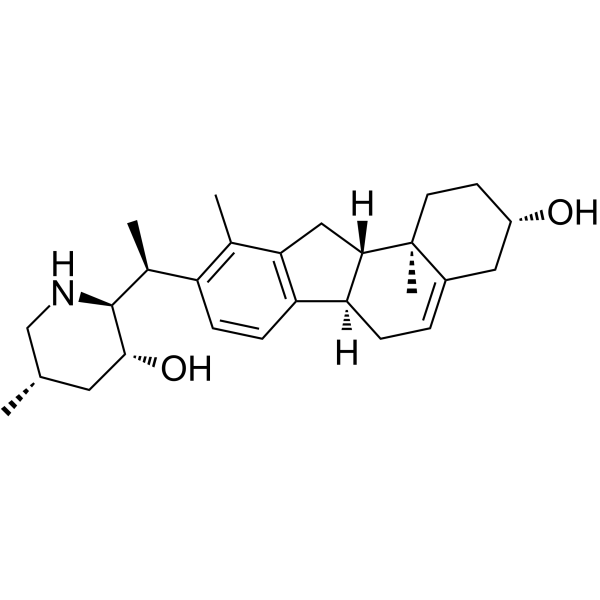 0 ImagesVeratramine (NSC17821; NSC23880) is an orally active inhibitor of the PI3K/Akt/mTOR signaling pathway and a SIGMAR1 modulator. Veratramine induces autophagic apoptosis of tumor cells, arrests the cell cycle at the G0/G1 phase, and inhibits epithelial-mesenchymal transition (EMT)-related proteins to reduce tumor migration. Veratramine reduces spinal cord and sciatic nerve pathological damage in a neuropathy model by inhibiting SIGMAR1 binding to NMDAR and phosphorylation of NMDAR Ser896. Veratramine has anti-tumor proliferation, apoptosis induction, anti-inflammatory and neuroprotective activities, and can be used in the study of cancers such as liver cancer and osteosarcoma, as well as diabetic peripheral neuropathy.
 -
loading...Please select quantityGet Quote
August 31
-
Please select quantity
August 31
Get Quote
loading... -
-
Umbralisib
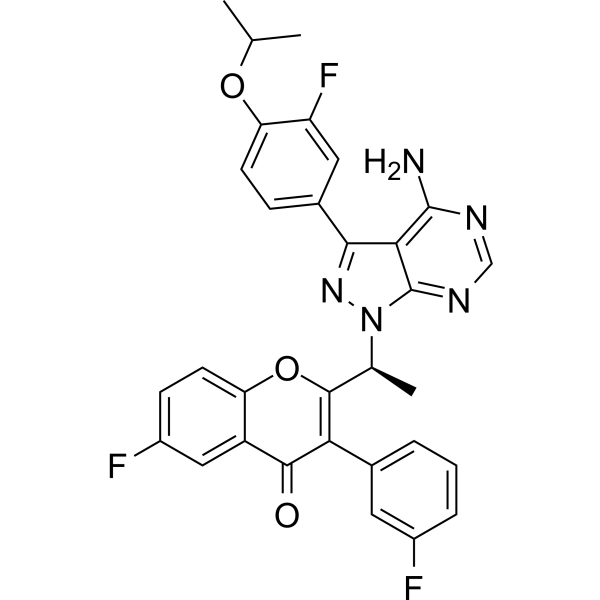 0 ImagesSynonyms: TGR-1202; RP5264Umbralisib (TGR-1202) is an orally active, potent and selective dual PI3Kδ and casein kinase-1-ε (CK1ε) inhibitor, with EC50 of 22.2 nM and 6.0 μM, respectively. Umbralisib exhibits unique immunomodulatory effects on chronic lymphocytic leukemia (CLL) T cells. Umbralisib can be used for haematological malignancies reseach.
 -
loading...Please select quantityGet Quote
August 31
-
Please select quantity
August 31
Get Quote
loading... -
-
Vps34-PIK-III
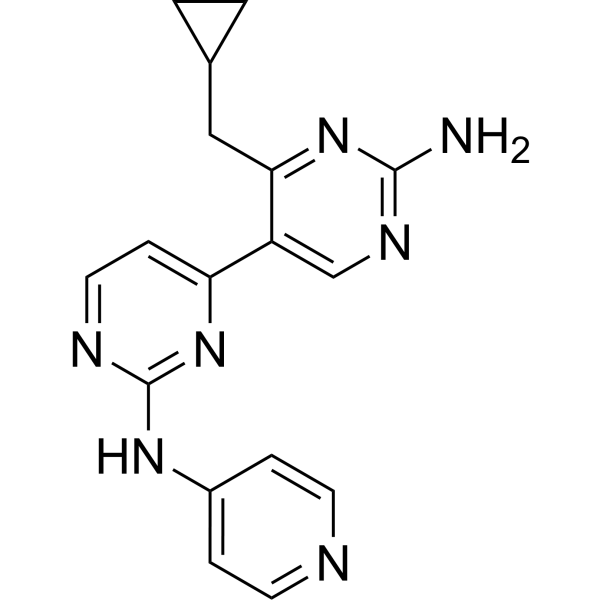 0 ImagesVps34-PIK-III is an orally active and selective VPS34 inhibitor (IC50=18 nM). Vps34-PIK-III effectively inhibits autophagy and can be used as a molecular tool. vps34-PIK-III is also a PI3K inhibitor that inhibits the expression of genes in liver cancer stem cells (CSCs).
 -
loading...Please select quantityGet Quote
August 31
-
Please select quantity
August 31
Get Quote
loading... -
-
YS-49
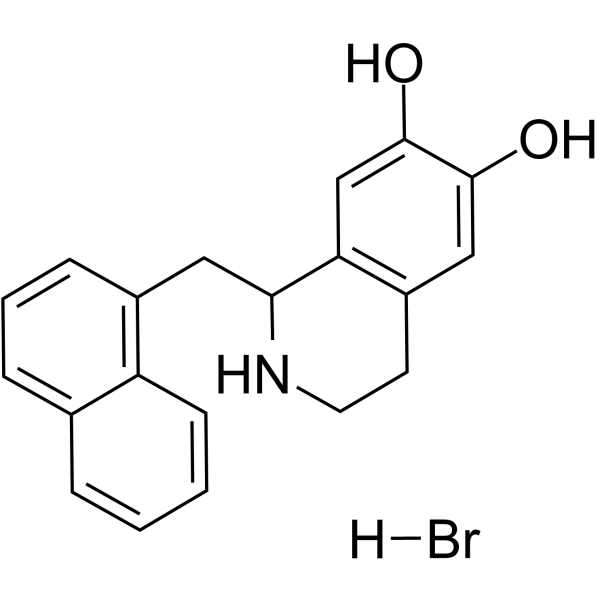 0 ImagesYS-49 is a PI3K/Akt (a downstream target of RhoA) activator, to reduce RhoA/PTEN activation in the 3-methylcholanthrene-treated cells. YS-49 inhibits angiotensin II (Ang II)-stimulated proliferation of VSMCs via induction of heme oxygenase (HO)-1. YS-49 is also an isoquinoline compound alkaloid, has a strong positive inotropic action through activation of cardiac β-adrenoceptors.
 -
loading...Please select quantityGet Quote
August 31
-
Please select quantity
August 31
Get Quote
loading... -
-
Propylparaben
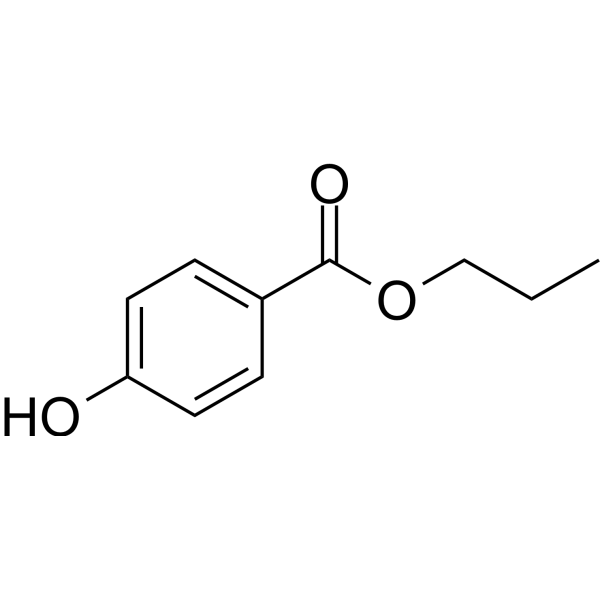 0 ImagesSynonyms: Propyl parahydroxybenzoate; Propyl 4-hydroxybenzoatePropylparaben (Propyl parahydroxybenzoate) is an antibacterial preservative that can be produced by plants and bacteria. Propylparaben is an orally active weak estrogen receptor agonist. Propylparaben regulates the PI3K-AKT and JNK signaling pathways, and induces oxidative stress. Propylparaben is commonly used in cosmetics, pharmaceuticals and foods, and can be used in studies related to ovarian aging and myocardial ischemia-reperfusion injury.
 -
loading...Please select quantityGet Quote
August 31
-
Please select quantity
August 31
Get Quote
loading... -
No matching results
No matching results
No matching results
No matching results
No matching results
No matching results
No matching results
No matching results
No matching results
No matching results

Phosphatidylinositol 3 kinases (PI3Ks) are a family of lipid kinases that integrate signals from growth factors, cytokines and other environmental cues, translating them into intracellular signals that regulate multiple signaling pathways. These pathways control many physiological functions and cellular processes, which include cell proliferation, growth, survival, motility and metabolism[1].
In the absence of activating signals, p85 interacts with p110 and inhibits p110 kinase activity. Following receptor tyrosine kinase (RTK) or G protein-coupled receptor (GPCR) activation, class I PI3Ks are recruited to the plasma membrane, where p85 inhibition of p110 is relieved and p110 phosphorylates PIP2 to generate PIP3. The activated insulin receptor recruits intracellular adaptor protein IRS1. Phosphorylation of IRS proteins on tyrosine residues by the insulin receptor initiates the recruitment and activation of PI3K. PIP3 acts as a second messenger which promotes the phosphorylation of Akt at Thr308 by PDK-1. RTK activation can also trigger Ras-Raf-MEK-ERK pathway. Activated Akt, ERK and RSK phosphorylate TSC2 at multiple sites to inhibit TSC1-TSC2-TBC1D7, which is the TSC complex that acts as a GTPase-activating protein (GAP) for the small GTPase RHEB. During inhibition of the TSC complex, GTP-loaded RHEB binds the mTOR catalytic domain to activate mTORC1. Glycogen synthase kinase 3β (GSK-3β) activates the TSC complex by phosphorylating TSC2 at Ser1379 and Ser1383. Phosphorylation of these two residues requires priming by AMPK-dependent phosphorylation of Ser1387. Wnt signaling inhibits GSK-3β and the TSC complex, and thus activates mTORC1. mTORC2 is activated by Wnt in a manner dependent on the small GTPase RAC1. Akt activation contributes to diverse cellular activities which include cell survival, growth, proliferation, angiogenesis, metabolism, and migration. Important downstream targets of Akt are GSK-3, FOXOs, BAD, AS160, eNOS, and mTOR. mTORC1 negatively regulates autophagy through multiple inputs, including inhibitory phosphorylation of ULK1, and promotes protein synthesis through activation of the translation initiation promoter S6K and through inhibition of the inhibitory mRNA cap binding 4E-BP1[1][2][3].
PI3Kδ is a heterodimeric enzyme, typically composed of a p85α regulatory subunit and a p110δ catalytic subunit. In T cells, the TCR, the costimulatory receptor ICOS and the IL-2R can activate PI3Kδ. In B cells, PI3Kδ is activated upon crosslinking of the B cell receptor (BCR). The BCR co-opts the co-receptor CD19 or the adaptor B cell associated protein (BCAP), both of which have YXXM motifs to which the p85α SH2 domains can bind. In lumphocytes, BTK and ITK contribute to the activation of PLCγ and promotes the generation of DAG and the influx of Ca2+, which in turn activate PKC and the CARMA1-, BCL 10- and MALT1 containing (CBM) complex. The resulting NF-κB inhibitor kinase (IKK) activation leads to the phosphorylation and the degradation of IκB, and to the nuclear accumulation of the p50-p65 NF-κB heterodimer. MyD88 is an adapter protein that mediates signal transduction for most TLRs and leads to activation of PI3K[4].
Reference:
[1]. Thorpe LM, et al. PI3K in cancer: divergent roles of isoforms, modes of activation and therapeutic targeting.Nat Rev Cancer. 2015 Jan;15(1):7-24.
[2]. Vanhaesebroeck B, et al. PI3K signalling: the path to discovery and understanding.Nat Rev Mol Cell Biol. 2012 Feb 23;13(3):195-203.
[3]. Fruman DA, et al. The PI3K Pathway in Human Disease.Cell. 2017 Aug 10;170(4):605-635.
[4]. Lucas CL, et al. PI3Kδ and primary immunodeficiencies.Nat Rev Immunol. 2016 Nov;16(11):702-714.
Your Search Returned No Results.
Sorry. There is currently no product that acts on isoform Bcl-2, Bcl-W and Bim together.Please
try each isoform separately.



