



PPARγ Inhibitor
- 1
- 2
-
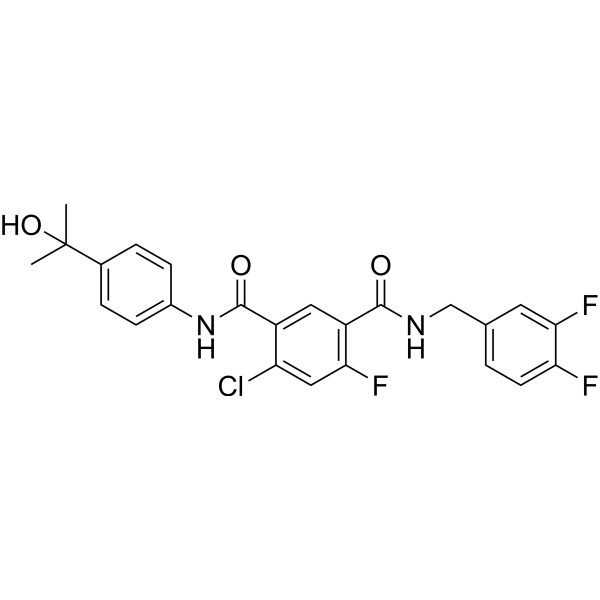
BAY-5094
 0 Images
BAY-5094 is a PPAR gamma (PPARG) inverse agonist. BAY-5094 has oral activity. BAY-5094 can be used in the research of luminal bladder cancer.
-
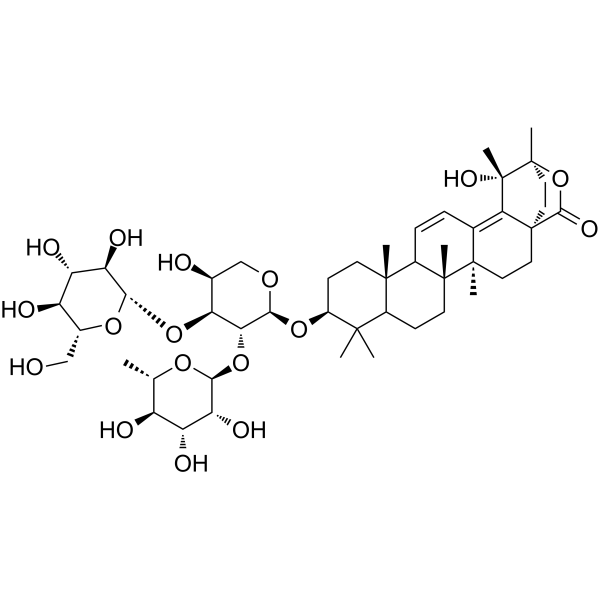
Kudinoside D
 0 Images
Kudinoside D is a triterpenoid saponin. Kudinoside D is isolated from the leaves of Ilex kudingcha. Kudinoside D enhances the phosphorylation levels of AMPK and its downstream molecule ACC, and inhibits the expression of PPARγ, C/EBPα, SREBP-1c as well as the target genes of adipogenic transcription factors. Kudinoside D inhibits the activity of ANO1. Kudinoside D possesses hypolipidemic activity. Kudinoside D can be used in obesity-related research.
-
Sinigrin hydrate
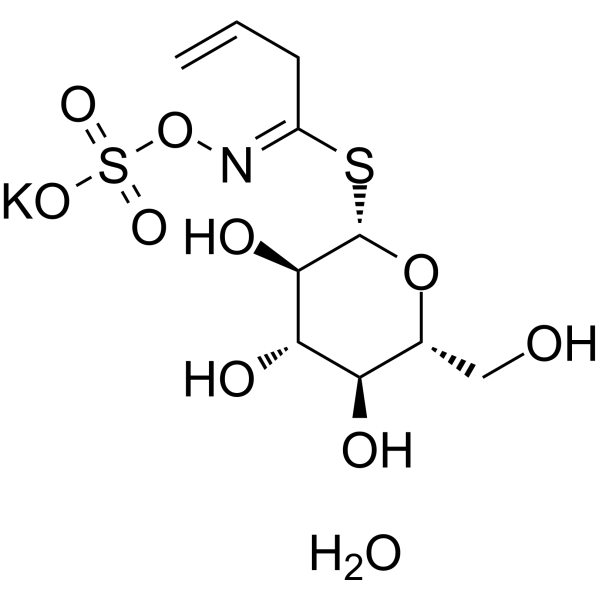 0 ImagesSynonyms: Allyl-glucosinolate hydrate; 2-Propenyl-glucosinolate hydrate
Sinigrin (Allyl-glucosinolate) hydrate is an orally active glucosinolate found in cruciferous plants. Sinigrin hydrate possesses multiple activities such as anti-cancer, antibacterial, antifungal, anti-inflammatory, antioxidant, and inhibition of fat synthesis. Sinigrin hydrate can be used in the research of tumors, inflammatory, and metabolic diseases.
-
Tibesaikosaponin V
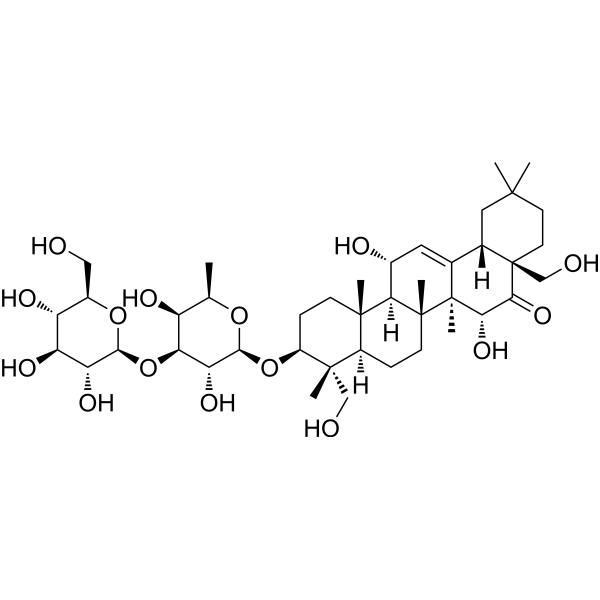 0 ImagesCat. No.: HY-N11507CAS No.: 2319668-87-4Synonyms: TKV
Tibesaikosaponin V (TKV) is a triterpene diglycoside, which can be isolated from the methanol extract of the roots of Bupleurum chinense DC.. Tibesaikosaponin V inhibits lipid accumulation and triacylglycerol content occurred without cytotoxicity to adipocytes. Tibesaikosaponin V suppresses the mRNA expression of nuclear transcription factors, such as peroxisome proliferator-activated receptor γ (PPARγ) and CCAAT/enhancer binding protein α (C/EBPα). Tibesaikosaponin V inhibits 3T3-L1 preadipocyte differentiation. Tibesaikosaponin V can be used fro research of obesity and its associated metabolic disorders.
-
PPARγ-IN-3
 0 ImagesCat. No.: HY-161985
PPARγ-IN-3 (compound 9ga) is a potent and orally active PPARγ inhibitor. PPARγ-IN-3 reduces triglyceride (TG) accumulation with low cytotoxicity. PPARγ-IN-3 preventes the excessive growth of body weight and lessened fat mass as well as liver mass, decreases lipid accumulation in the liver and blood. PPARγ-IN-3 has the potential for the research of diet-induced obesity.

-
Canola oil
 0 ImagesCat. No.: HY-N20666CAS No.: 120962-03-0
Canola oil is an orally effective adipogenesis inhibitor and gut microbiota modulator. Canola oil inhibits the expression of PPARγ, SREBP1, SREBP2, Insig1 and Insig2, and increases the phosphorylation level of the AMPK pathway. Canola oil inhibits adipogenesis and reshapes gut microbiota in mice to ameliorate obesity. Canola oil can be used in obesity-related research.
-
Ginsenoside Rh1 (Standard)
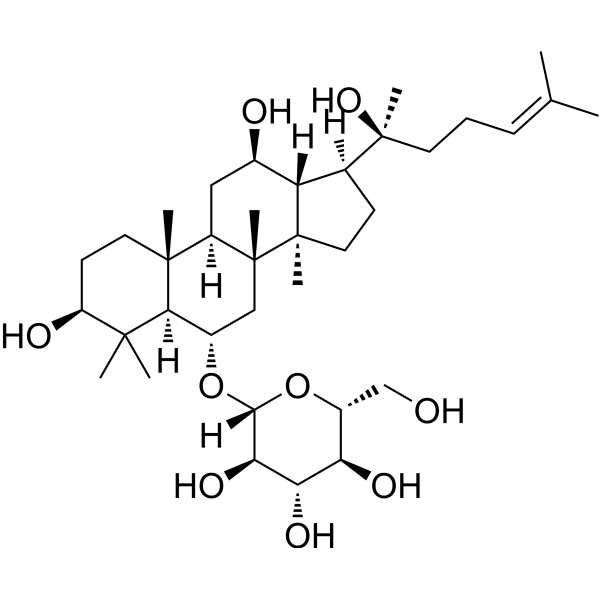 0 ImagesCat. No.: HY-N0604RCAS No.: 63223-86-9Synonyms: Prosapogenin A2 (Standard); Sanchinoside B2 (Standard); Sanchinoside Rh1 (Standard)
Ginsenoside Rh1 (Standard) is the analytical standard of Ginsenoside Rh1. This product is intended for research and analytical applications. Ginsenoside Rh1 (Prosapogenin A2) inhibits the expression of PPAR-γ, TNF-α, IL-6, and IL-1β.
-
S-Petasin
 0 ImagesCat. No.: HY-N17617CAS No.: 70238-51-6
S-Petasin is a phosphodiesterase (PDE) inhibitor with IC50 values of 25.5 μM and 17.5 μM for PDE3 and PDE4, respectively. S-Petasin inhibits cholesterol side-chain cleavage enzyme, 11β-hydroxylase, PPAR-γ, and iNOS induction at RNA and protein levels. S-Petasin induces apoptosis, activates caspases, cleaves PARP, modulates mitochondrial membrane permeability, and regulates BCL2/BAX, p53, Bcl-XL, MMP-2, MMP-9, p21, CDK4, and cyclin D1 expression. S-Petasin reduces inflammatory cell accumulation, cytokine and IgE levels, and enhances serum IgG2a levels. S-Petasin relaxes isolated sensitized guinea pig trachealis and exhibits gastrointestinal anti-spasmodic activity. S-Petasin reduces tonsillitis severity and asthmatic attack frequency. S-Petasin can be used for the research of prostate cancer, obesity, melanoma, allergic asthma, asthma, and peritonitis.
-
Hydrangeic acid
 0 Images
Hydrangeic acid is an orally effective stilbene-type glycolipid metabolism regulator that lowers blood glucose and lipids. It can be isolated from processed leaves of Hydrangea macrophylla var. thunbergii. Hydrangeic acid is associated with glycolipid metabolism and insulin sensitivity regulation. Hydrangeic acid does not directly activate PPARγ or PPARα, but instead upregulates the mRNA expression of adiponectin, PPARγ2, GLUT4, and fatty acid-binding protein aP2, and downregulates TNF-α mRNA expression, promoting adipogenesis, glucose uptake, and GLUT4 translocation in 3T3-L1 cells. Simultaneously, Hydrangeic acid inhibits inflammatory factor-induced NO production, exerting activity in improving insulin resistance. Hydrangeic acid can be used in research related to type 2 diabetes and does not cause liver weight gain as a side effect.
-
FSVVPSPK
 0 ImagesCat. No.: HY-P11608CAS No.: 2016043-82-4
FSVVPSPK is an orally active peptide. FSVVPSPK exerts significant anti-adipogenic, antioxidant and anti-inflammatory effects in vitro and in vivo, mainly through activating the HO-1/Nrf2 pathway. FSVVPSPK can be used in research related to obesity and metabolic disorders.
-
PPARγ-IN-5
 0 ImagesCat. No.: HY-172169CAS No.: 3038323-12-2
PPARγ-IN-5 (Compound A3) is the inhibitor for PPARγ. PPARγ-IN-5 inhibits lipid accumulation in hepatocytes without significant cytotoxicity in HepG2 cell (400 µM). PPARγ-IN-5 can be used in research of non-alcoholic fatty liver disease.
-
Avicularin (Standard)
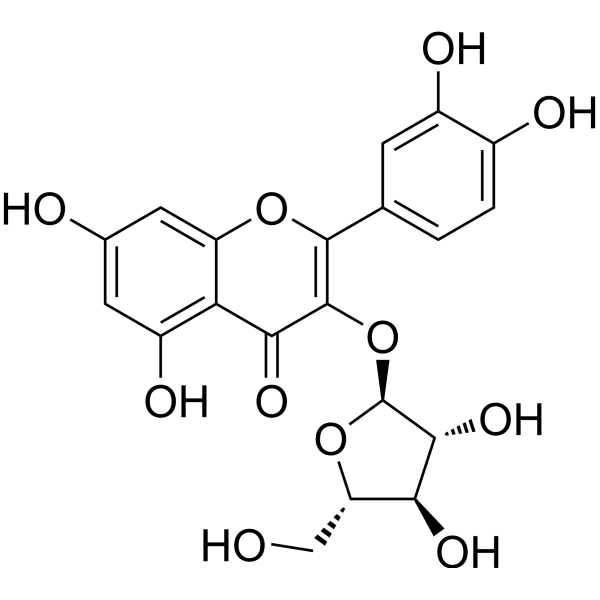 0 Images
Avicularin (Standard) is the analytical standard of Avicularin. This product is intended for research and analytical applications. Avicularin is an orally active flavonoid. Avicularin inhibits NF-κB (p65), COX-2 and PPAR-γ activities. Avicularin has anti-inflammatory, anti-infectious anti-allergic, anti-oxidant, hepatoprotective, and anti-tumor activities.
-
Porphyra 334
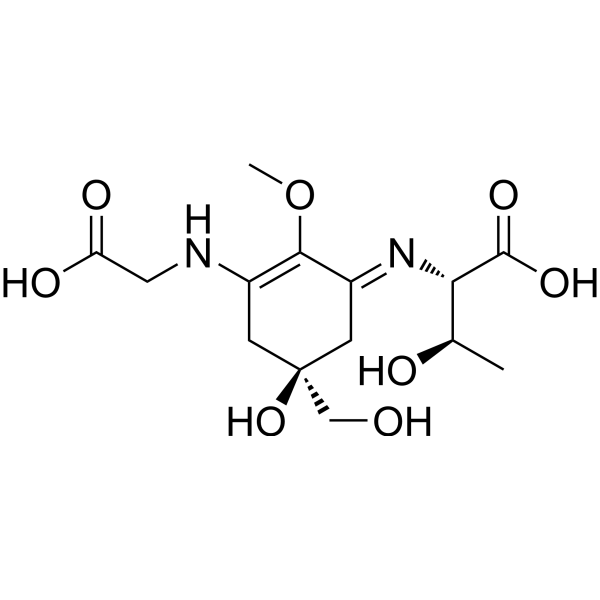 0 Images
Porphyra 334 is a carnosine-like amino acid and a natural photoprotective agent and antioxidant. Porphyra-334 exerts its photoprotective effects by scavenging ROS, inhibiting the expression and activity of MMP-1/8, and promoting the synthesis of collagen and elastin. Porphyra 334 effectively inhibits linoleic acid oxidation induced by alkyl radicals (AAPH) and singlet oxygen. Porphyra 334 has anti-obesity potential by inhibiting the expression of PPARγ2 and C/EBPα. Porphyra 334 protects cells against UV-induced DNA damage and apoptosis by inhibiting the activation of caspase-3.
- 1
- 2



