



STAT
STAT is a family of cytoplasmic protein that regulates many aspects of growth, survival and differentiation in cells. The transcription factors of this family are activated by Janus kinase and dysregulation of this pathway is frequently observed in primary tumours and leads to increased angiogenesis, enhanced survival of tumours and immunosuppression. Gene knockout studies have provided evidence that STAT proteins are involved in the development and function of the immune system and play a role in maintaining immune tolerance and tumour surveillance. STAT proteins were originally described as latent cytoplasmic transcription factors that require phosphorylation for nuclear retention. The unphosphorylated STAT proteins shuttle between cytosol and the nucleus waiting for its activation signal. Once the activated transcription factor reaches the nucleus, it binds to consensus DNA-recognition motif called gamma-activated sites (GAS) in the promoter region of cytokine-inducible genes and activates transcription of these genes.
STAT Isoform Specific Products
All Product Categories
-
STAT Inhibitors
(707)
View all products
-
STAT Agonists
(9)
View all products
-
STAT Antagonists
(5)
View all products
-
STAT Activators
(77)
View all products
-
STAT Modulators
(23)
View all products
-
STAT Inducers
(2)
View all products
-
STAT Degraders
(25)
View all products
-
STAT Controls
(2)
View all products
-
STAT Ligands
(7)
View all products
-
STAT Related Products (919)
Related Products (919)

-
Antibodies (25)
-
STAT Isoform Comparison

-
Cycloartenyl ferulate
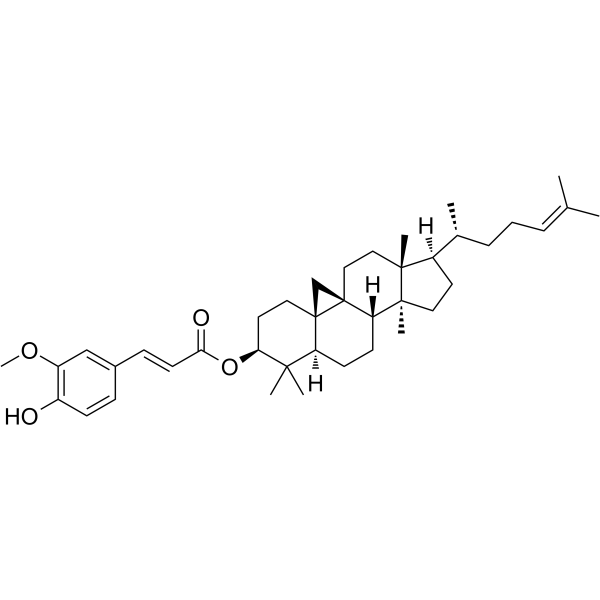 0 ImagesSynonyms: Cycloartenol ferulate; Cycloartenol ferulic acid esterCycloartenyl ferulate (Cycloartenol ferulate; Cycloartenol ferulic acid ester) is a derivative of γ-oryzanol (HY-B2194) with multiple biological activities including antioxidant, anti-inflammatory, and anti-tumor properties. Cycloartenyl ferulate selectively binds to IFNγR1 (binding affinity Kd = 0.5 μM) to activate the canonical JAK1/2-STAT1 signaling pathway. Cycloartenyl ferulate inhibits paraquat (PQ)-triggered apoptosis and ROS in HK2 cells. Cycloartenyl ferulate enhances the activation and cytolytic activity of natural killer (NK) cells by upregulating the expression of NK cell activation receptors (NKG2D, NKp30, NKp44) and the release of cytotoxic molecules and cytokine IFNγ. Cycloartenyl ferulate exerts anti-cancer effects in tumor mice models. Cycloartenyl ferulate can be used for the study of cancer and allergic inflammation intervention.
-
Eflepedocokin alfa
 0 ImagesSynonyms: F-652; rhIL-22 dimerEflepedocokin alfa is a recombinant fusion protein. Eflepedocokin alfa consists of human IL-22 fused to human IgG2-Fc domain. Eflepedocokin alfa leads to the activation of IL-22/IL-22R-mediated signal transduction pathways as well as STAT3. Eflepedocokin alfa plays a role in immune response and bacterial infection, enhancing intestinal barrier function, intestinal immunity, and tissue repair.
-
WB436B
 0 ImagesWB436B is a highly selective STAT3 inhibitor. WB436B can selectively inhibit STAT3-Tyr705 phosphorylation and the expression of STAT3 target genes, showing cytotoxic effects on pancreatic cancer cells and inducing apoptosis. WB436B can suppress tumor growth and metastasis in pancreatic cancer mouse models, extending the survival of tumor-bearing mice.
-
Cyanidin 3,5-diglucoside chloride
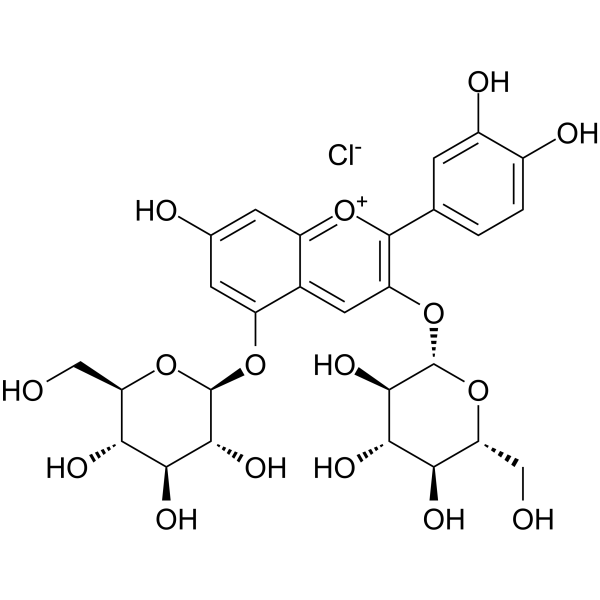 0 ImagesCyanidin 3,5-diglucoside chloride is an anthocyanin. Cyanidin 3,5-diglucoside chloride inhibits inflammatory cytokines (IL-1α, IL-1β, and IL-6) expression and NO production. Cyanidin 3,5-diglucoside chloride inhibits the phosphorylation of STAT3, IκB, ERK, p38, and AKT. Cyanidin 3,5-diglucoside chloride inhibits high pressure-induced decrease in GLAST. Cyanidin 3,5-diglucoside chloride exerts anti-inflammatory and skin barrier modulating effects. Cyanidin 3,5-diglucoside chloride can be used in retinal research.
-
Lorpucitinib
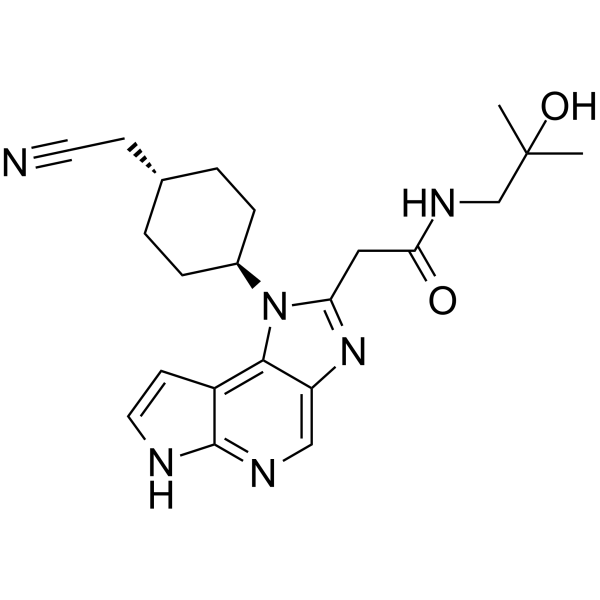 0 ImagesSynonyms: JNJ-64251330Lorpucitinib (JNJ-64251330) is an orally active pan-JAK inhibitor with good enteric selectivity and safety. Lorpucitinib can inhibit the JAK/STAT pathway and reduce the levels of inflammatory biomarkers in serum. Lorpucitinib can be used in the research of familial adenomatous polyposis and gastrointestinal inflammatory diseases.
-
Triacetylresveratrol
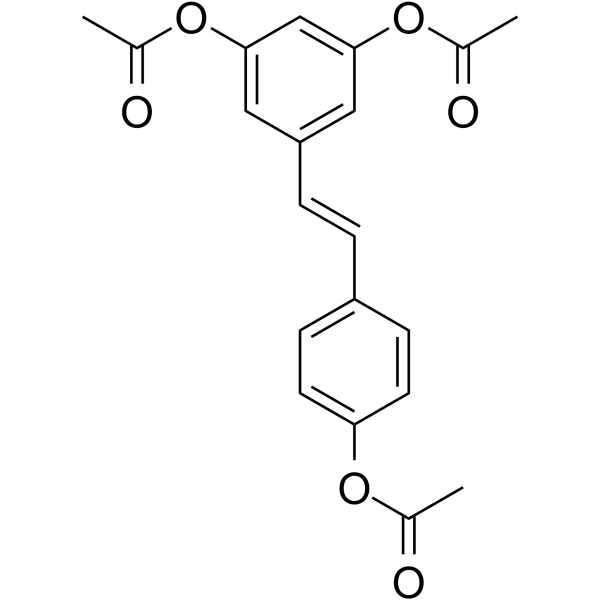 0 ImagesTriacetylresveratrol, an acetylated analog of Resveratrol. Triacetylresveratrol decreases the phosphorylation of STAT3 and NF-κB in a dose- and time- dependent manner in PANC-1 and BxPC-3 cells. Anticancer effects.
-
Viridicatol
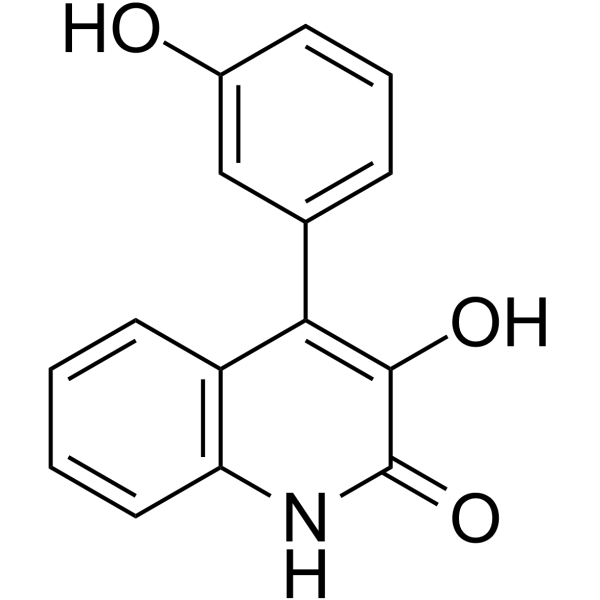 0 ImagesViridicatol is a quinolone alkaloid with anti-inflammatory, antibacterial, antifungal, osteogenic and chondrogenic activities. Viridicatol reduces the phosphorylation levels of ERK, JNK, p38 and STAT6; inhibits MMP-2, MMP-9, NF-κB signaling pathway and PTP1B; downregulates genes related to mast cell activation; and binds to SHN3 to activate the Wnt/SHN3 signaling pathway. Viridicatol inhibits the expression of pro-inflammatory mediators and cytokines, and promotes osteogenic/chondrogenic differentiation. Viridicatol can be used in studies related to fibrosarcoma, allergy, bacterial infection, fungal infection and osteoporosis.
-
Pheophytin a
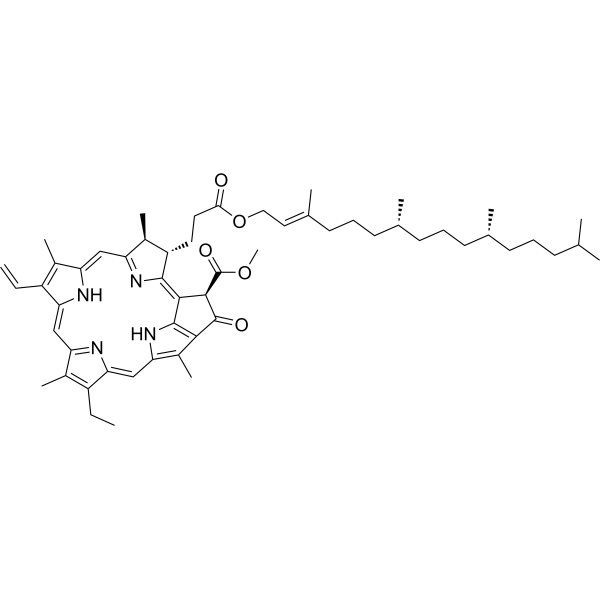 0 ImagesPheophytin a is a multi-target inhibitor, anticancer agent, antioxidant and antiviral agent. Pheophytin a directly binds to and inhibits HCV-NS3/4A protease (IC50=0.89 μM) to block viral replication. Pheophytin a also scavenges free radicals, reduces ferric ions, and exhibits cytotoxic activity against breast cancer cells. Pheophytin a effectively inhibits LPS-induced production of nitric oxide, prostaglandin E2, NOS2 and COX-2, as well as various pro-inflammatory cytokines, by downregulating the transcription levels of inflammatory mediators and blocking the ERK1/2 and STAT-1 pathways. In a low nerve growth factor environment, Pheophytin a also enhances ERK1/2 phosphorylation and synergistically promotes neurite outgrowth through MAPK pathway. Pheophytin a can be used to investigate the pathogenic mechanisms of diseases including chronic hepatitis C, sepsis, breast cancer and Alzheimer's disease.
-
Balsalazide
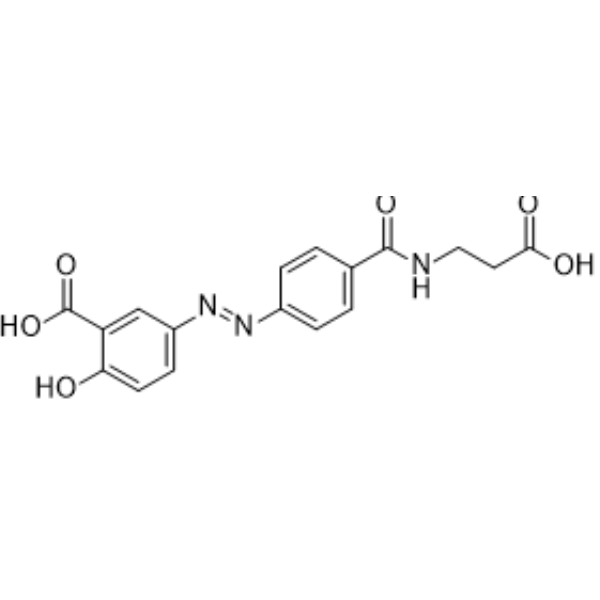 0 ImagesBalsalazide is a prodrug of amino salicylic acid that releases mesalamine (HY-15027) in the colon, offering various anti-inflammatory effects in areas of colitis, and it also exerts related anticancer effects by regulating the IL-6/STAT3 pathway.
-
AX-202
 0 ImagesCat. No.: HY-P991363Purity: 98.91%AX-202 is a humanized IgG4 monoclonal antibody targeting S100A4. AX-202 neutralizes the activity of S100A4. AX-202 effectively reverses established fibrosis and reduces inflammation and fibrosis-related biomarkers in a mouse model of skin fibrosis. AX-202 is applicable for the research of fibrotic and inflammatory diseases.
-
3′,4′,7-Trihydroxyflavone
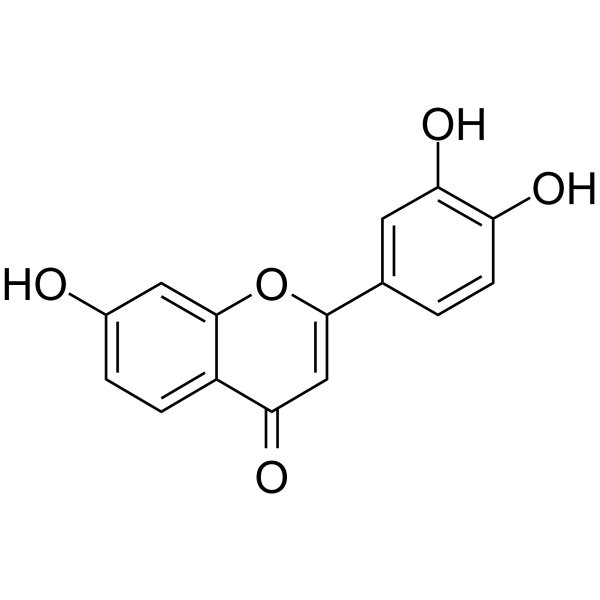 0 Images3′,4′,7-Trihydroxyflavone is an orally active inhibitor of OXA-48 (IC50 = 1.89 μM) and COX-1 (IC50 = 36.37 μM). 3′,4′,7-Trihydroxyflavone exhibits antioxidant and anti-inflammatory properties, inhibiting the release of inflammatory cytokines such as IL-6, IL-8, and TNF-α. 3′,4′,7-Trihydroxyflavone inhibits H2O2-induced neuronal apoptosis and ROS accumulation, and exerts anti-neuroinflammatory effects by suppressing the JNK-STAT1 pathway. 3′,4′,7-Trihydroxyflavone exhibits antimicrobial and antibiotic-modifying activities against multidrug-resistant Gram-negative enteric bacteria. 3′,4′,7-Trihydroxyflavone inhibits RANKL-induced osteoclast formation via NFATc1. 3′,4′,7-Trihydroxyflavone activates the CREB-BDNF axis and restores scopolamine (HY-N0296)-induced memory deficits in mice.
-
HBS-101
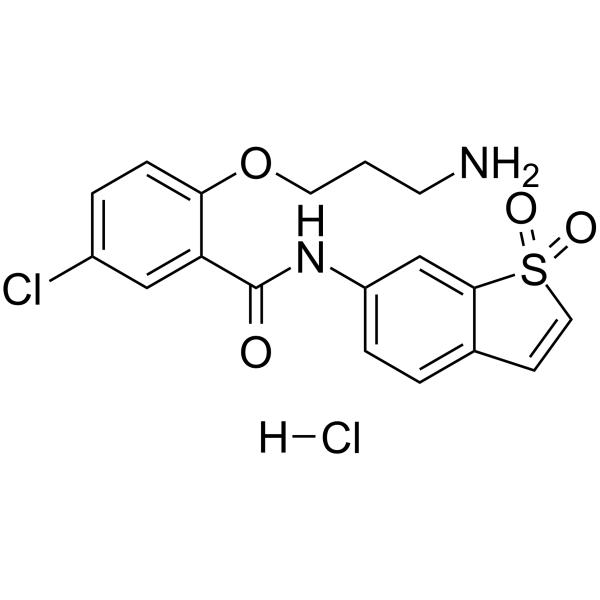
 0 ImagesCat. No.: HY-178164Purity: 99.59%HBS-101 is a selectively, orally active, brain-penetrant, Midkine (MDK) inhibitor (KD = 38.4 nM). HBS-101 significantly reduces cell viability, clonogenic survival, and invasiveness and increases apoptosis. HBS-101 involves suppression of the Akt/mTOR, STAT3, and NF-κB pathways. HBS-101 can be used for the study of Triple-negative breast cancer (TNBC).
-
Ochromycinone
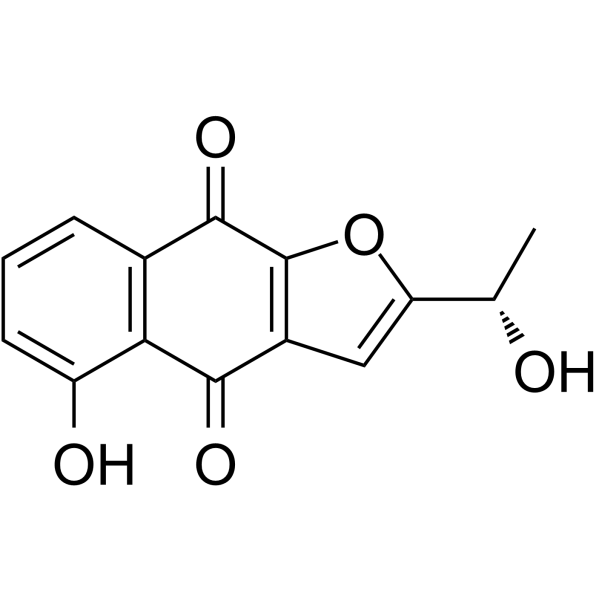
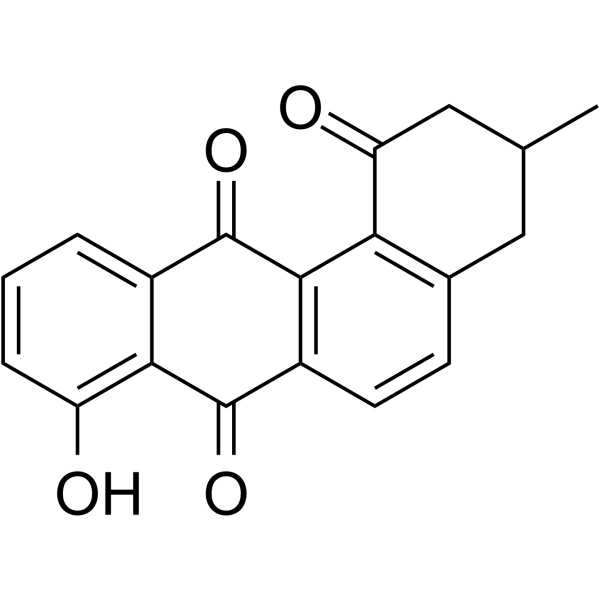 0 ImagesSynonyms: (Rac)-STA-21Ochromycinone ((Rac)-STA-21) is a natural antibiotic and a STAT3 inhibitor. Ochromycinone can inhibits STAT3 DNA binding activity, STAT3 dimerization. Ochromycinone has anticancer and antimicrobial activity.
-
Golotimod hydrochloride
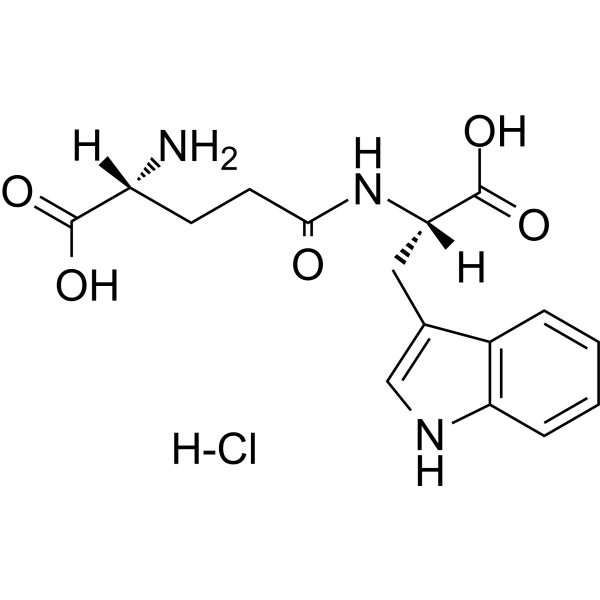 0 ImagesSynonyms: SCV 07 hydrochloride; Gamma-D-glutamyl-L-tryptophan hydrochlorideGolotimod hydrochloride (SCV 07 hydrochloride), an immunomodulating peptide with antimicrobial activity, significantly increases the efficacy of antituberculosis therapy, stimulates thymic and splenic cell proliferation, and improves macrophage function. Golotimod hydrochloride (SCV 07 hydrochloride) inhibits STAT3 signaling and modulates the duration and severity of oral mucositis in animal models that received radiation or a combination of radiation and Cisplatin. Golotimod hydrochloride (SCV 07 hydrochloride) is also a potential therapeutic for recurrent genital herpes simplex virus type 2 (HSV-2).




