



Biochemical Assay Reagents
Biochemical agents refers to the life science research related to biological material or organic compounds. Due to a wide range of life sciences, rapid development, and therefore a wide variety of such agents, complex in nature. There are electrophoresis reagents, chromatography reagents, centrifuged reagents, immunological reagent, labeled reagent, staining agents, penetration agents and carcinogens variable, insecticides, culture, buffering agents, electron microscopy reagents, protein and nucleic acid precipitating agent, condensing agent ultrafiltration membrane, clinical diagnostic reagents, dyes, antioxidants, preservatives, detergents and surfactants, standard biochemical reagents, biochemical reagents quality control materials, separation material, etc..
All Product Categories
-
Biochemical Assay Reagents Inhibitors
(10)
View all products
-
Biochemical Assay Reagents Modulator
(1)
View all products
-
Biochemical Assay Reagents Chemicals
(7)
View all products
-
Biochemical Assay Reagents Inducer
(1)
View all products
-
Biochemical Assay Reagents Controls
(59)
View all products
-
Biochemical Assay Reagents Substrates
(4)
View all products
-
Biochemical Assay Reagents Ligands
(2)
View all products
-
Biochemical Assay Reagents Related Products (16057)
Related Products (16057)

-
Antibodies (44)
-
N-Acetyl-α-D-glucosamine
 0 ImagesN-Acetyl-α-D-glucosamine is a biochemical assay reagent.
-
2,3,5-Triiodobenzoic acid
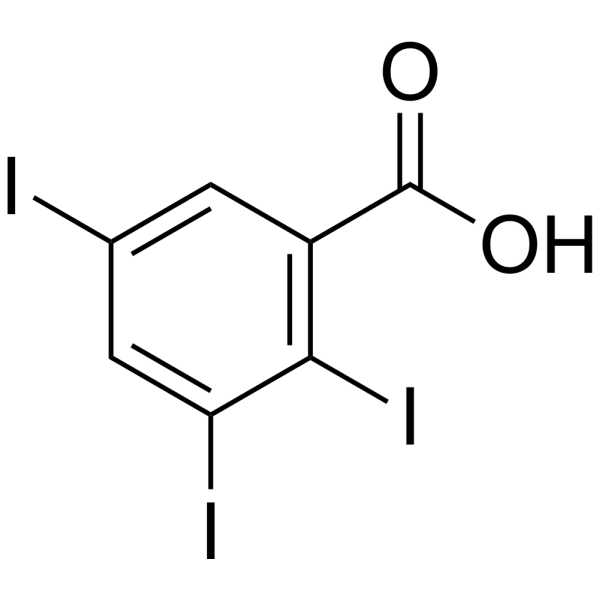 0 Images2,3,5-Triiodobenzoic acid is a biochemical reagent that can be used as a biological material or organic compound for life science related research.
-
4-(Boc-amino)benzeneboronic acid pinacol ester
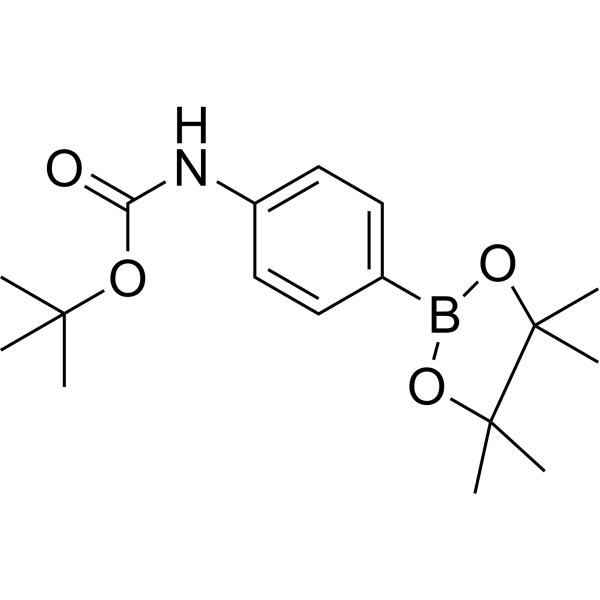 0 ImagesCat. No.: HY-W000913CAS No.: 330793-01-64-(Boc-amino)benzeneboronic acid pinacol ester is a biochemical reagent that can be used as a biological material or organic compound for life science related research.
-
Dextran T100 (MW 100,000)
 0 ImagesCat. No.: HY-112624OCAS No.: 9004-54-0Synonyms: Dextran 100; Dextran D100; Dextran T100(MW 90000-110000)Dextran T100 (MW 100,000) (Dextran 100; Dextran D100) is a dehydrated glucose polymer with an average molecular weight of 100,000. Dextran T100 (MW 100,000) has an α-(1→6)-linked D-glucose backbone and α-(1→4)-, α-(1→3)- or α-(1→2)-linked D-glucose side chains, and it is synthesized by lactic acid bacteria or their enzymes. Dextran T100 (MW 100,000) possesses favorable biodegradability and biocompatibility, and it can be used in the fields of food, pharmaceuticals, cosmetics and research.
-
3-Amino-2-naphthoic acid
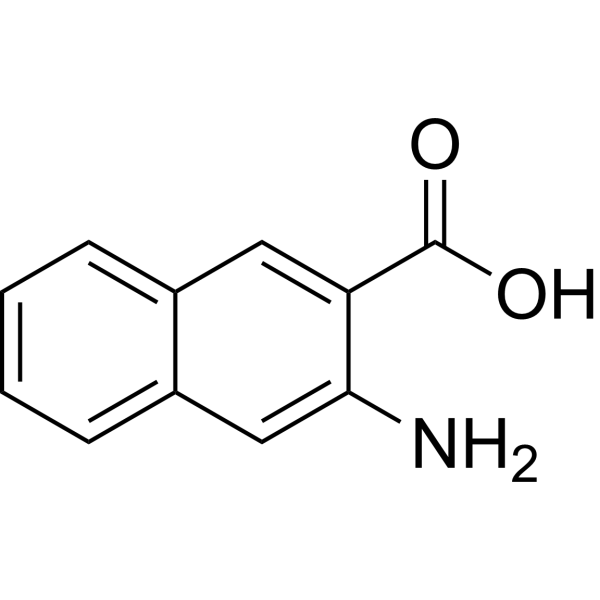 0 Images3-Amino-2-naphthoic acid is a derivative of naphthalene and can be used to synthesize other compounds. 3-Amino-2-naphthoic acid is commonly used as the base material for synthesizing various dyes and pigments. 3-Amino-2-naphthoic acid has been developed as a "turn-on" fluorescence probe for the specific detection of the cyanate anion (CNO-).
-
DEAE-dextran, MW 500000 hydrochloride
 0 ImagesSynonyms: DEAE-dextran, MW 500000 hydrochloride, from bacterial (Leuconostoc mesenteroides); Diethylaminoethyl-dextran, MW 500000 hydrochlorideDEAE-dextran, MW 500000 hydrochloride (DEAE-dextran, MW 500000 hydrochloride, from bacterial (Leuconostoc mesenteroides)) is a high-molecular-weight positively charged polymer that significantly enhances the uptake of viral RNA by tissue culture cells. When employed in the delivery system for "tumor immunity" RNA-splenocyte transfer, DEAE-dextran can markedly extend the lifespan of tumor-bearing animals, comparable to that of actively immunized animals. Furthermore, DEAE-dextran serves as a complexing agent for nucleic acids, forming composite particles with DNA/RNA for extensive applications in gene delivery. Additionally, DEAE-dextran can be utilized as a coating for liposomes.
-
NOTA-AE105
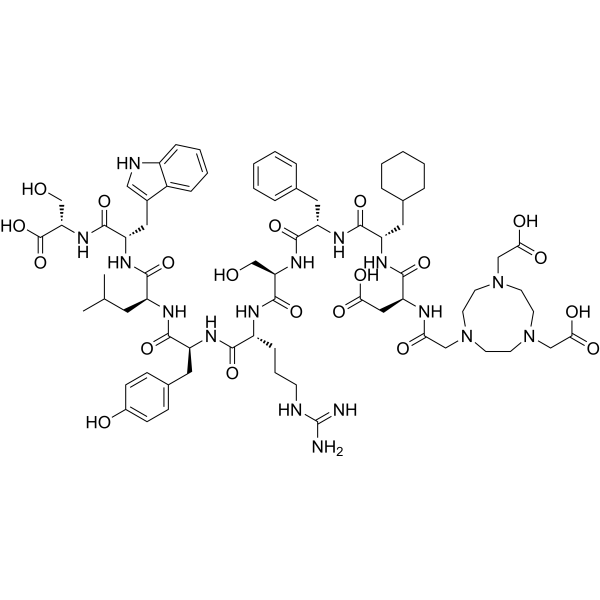 0 ImagesNOTA-AE105 is a uPAR-targeting PET imaging ligand. NOTA-AE105 can be radiolabeled with 64Cu and 68Ga. NOTA-AE105 binds to the urokinase-type plasminogen activator receptor, thereby enabling PET imaging of uPAR expression in tumor tissues. NOTA-AE105 can be used for research on head and neck squamous cell carcinoma, breast cancer, prostate cancer, bladder cancer, and glioblastoma.
-
7H-Purine-2,6-diamine
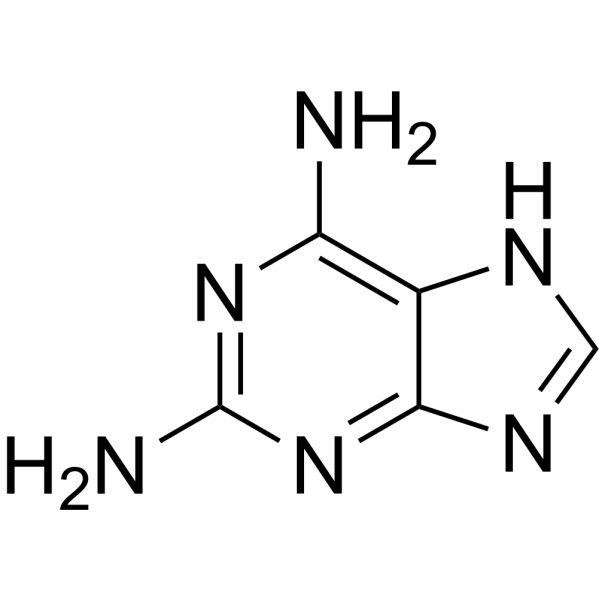 0 Images7H-Purine-2,6-diamine is a biochemical reagent that can be used as a biological material or organic compound for life science related research.
-
L-Aspartic acid-13C4,15N
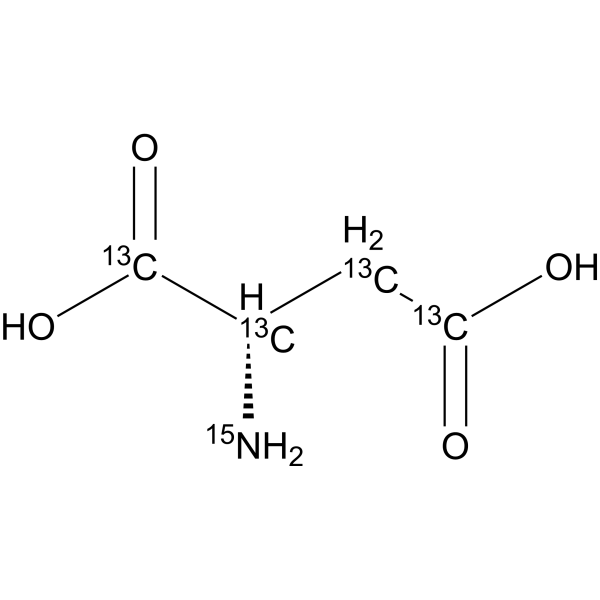 0 ImagesL-Aspartic acid-13C4,15N is the 15N, 13C-labeled L-Aspartic acid (HY-N0666). L-Aspartic acid is a NMDA receptor agonist and acidic amino acid. L-Aspartic acid has no independent analgesic activity. L-Aspartic acid can antagonize the analgesic effects of D-Aspartic acid and Morphine. L-Aspartic acid regulates polymorph transformation, crystal growth/aggregation and nucleation processes of calcium carbonate, and can serve as a biomineralization template. L-Aspartic acid promotes burst firing of central neurons. L-Aspartic acid can be used in studies related to cerebral ischemia and epilepsy.
-
Poloxamer 184 (L64)
 0 ImagesCat. No.: HY-D1005A10CAS No.: 9003-11-6Synonyms: PEG-PPG-PEG, 2900 (Average)Poloxamer 184 L64 is a block copolymer of polyethylene oxide and polypropylene oxide with an average molecular weight of 2900. Poloxamer has the ability to inhibit P-gp. Poloxamer 184 exhibits short-term skin toxicity, characterized by mild erythema and intradermal inflammatory reactions. Poloxamer 184 has antimicrobial activity, inhibiting 60% of Mycobacterium avium at a concentration of 1 mg/mL. Poloxamer 184 forms a thermoreversible hydrogel and is used as a food additive and as a drug delivery carrier in cosmetics and tissue engineering.
-
Carbomer 941
 0 ImagesCat. No.: HY-W250721CCAS No.: 9007-20-9Synonyms: CBM 941Carbomer 941 (CBM 941) is an acrylic acid polymer, which can be used as a thickening agent. Carbomer 941 provides a stable gel matrix, exhibits good heat, light and microbial contamination resistance. Carbomer 941 facilitates the drug release and local application, which can be used in the pharmaceutical industry.
-
Azide-PEG5000-amine
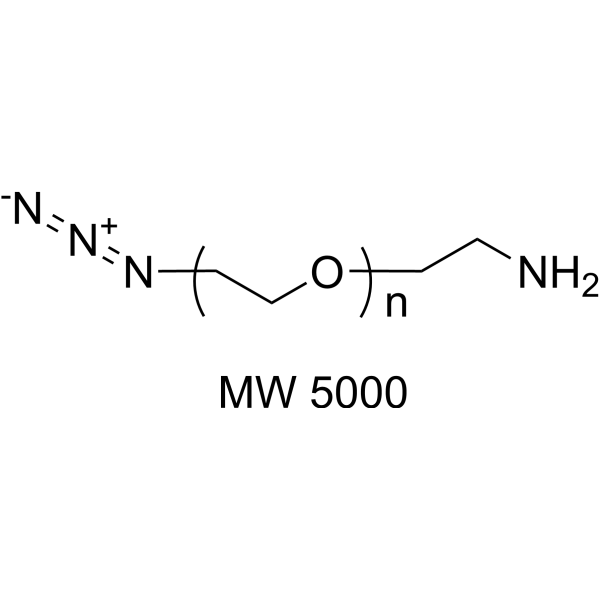 0 ImagesCat. No.: HY-140663Azide-PEG5000-amine is a class of functionalized polymers composed of a methoxy-terminated polyethylene glycol backbone and a terminal primary amine group. Azide-PEG5000-amine serves as an important intermediate for constructing functionalized nanocarriers, modifying proteins or polypeptides, and developing novel drug delivery systems. Azide-PEG5000-amine is a click chemistry reagent, it contains an Azide group and can undergo copper-catalyzed azide-alkyne cycloaddition reaction (CuAAc) with molecules containing Alkyne groups. It can also undergo strain-promoted alkyne-azide cycloaddition (SPAAC) reactions with molecules containing DBCO or BCN groups.
-
5α-Cholestane
 0 Images5α-Cholestane is a steroidal hydrocarbon and fecal stanol, and is used as an internal standard for gas chromatographic sterol analysis. 5α-Cholestane is the parent steroidal skeleton of polyhydroxylated brassinosteroids of plant origin. It is used as an internal standard for GC-FID and GC-MS analysis of fecal sterols in urine and sludge samples. 5α-Cholestane can be used in studies of age- or disease-related skeletal muscle atrophy.
-
Quinoline-6-carboxylic acid
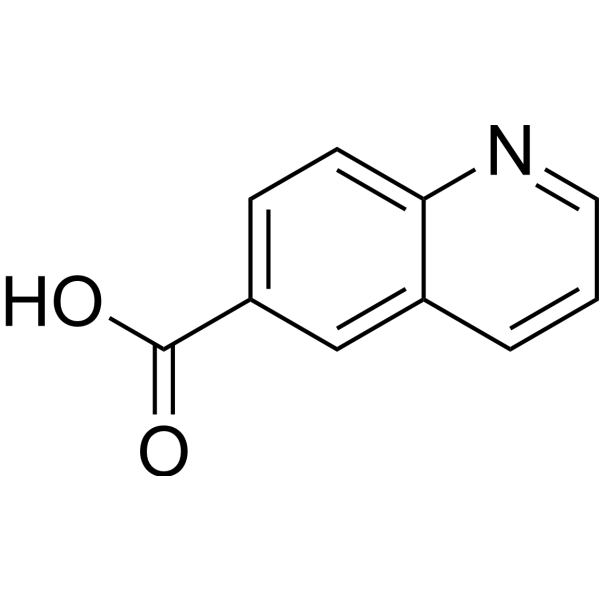 0 ImagesCat. No.: HY-W004855CAS No.: 10349-57-2Quinoline-6-carboxylic acid is a biochemical reagent that can be used as a biological material or organic compound for life science related research.
-
5-Chloroindole
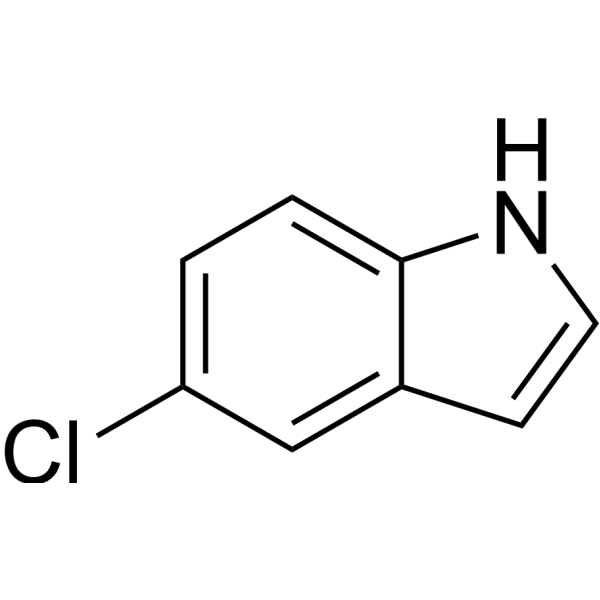 0 Images5-Chloroindole is a biochemical reagent that can be used as a biological material or organic compound for life science related research.
-
6-Hydroxyindole
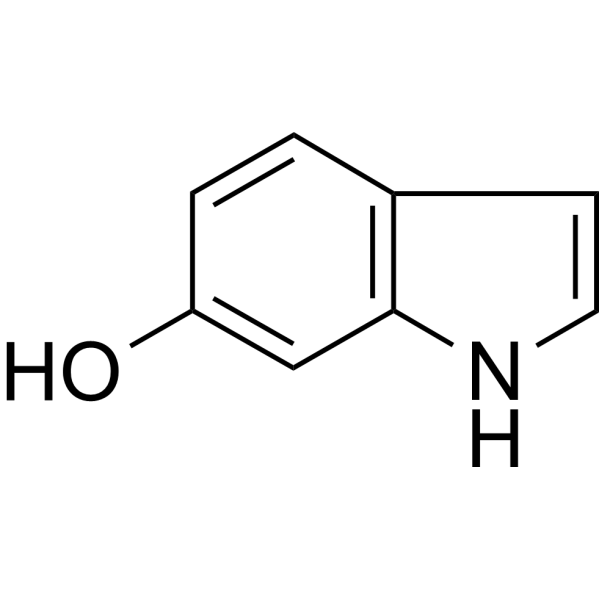 0 Images6-Hydroxyindole is an orally active, endogenous long-acting OATP1B1 inhibitor. 6-Hydroxyindole does not alter the cell surface expression or subcellular localization of OATP1B1. 6-Hydroxyindole protects cells against Ferroptosis. 6-Hydroxyindole possesses intrinsic radical-trapping antioxidant activity. 6-Hydroxyindole serves as a component of oxidative hair dyes. 6-Hydroxyindole can be used in research related to renal failure and neurodegenerative diseases.
-
DO2A-tert-butyl ester
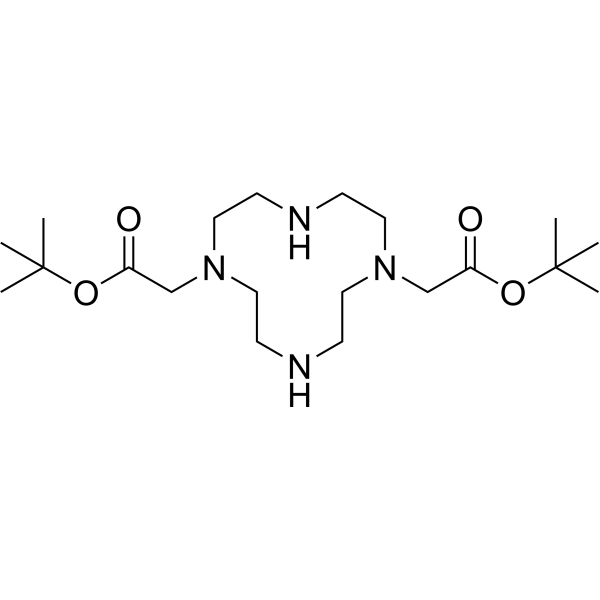 0 ImagesDO2A-tert-butyl ester is a bifunctional chelating agent. DO2A-tert-butyl ester can be used in the development of radionuclide imaging tracers.
-
(2S,3AS,7aS)-Octahydroindole-2-carboxylic acid
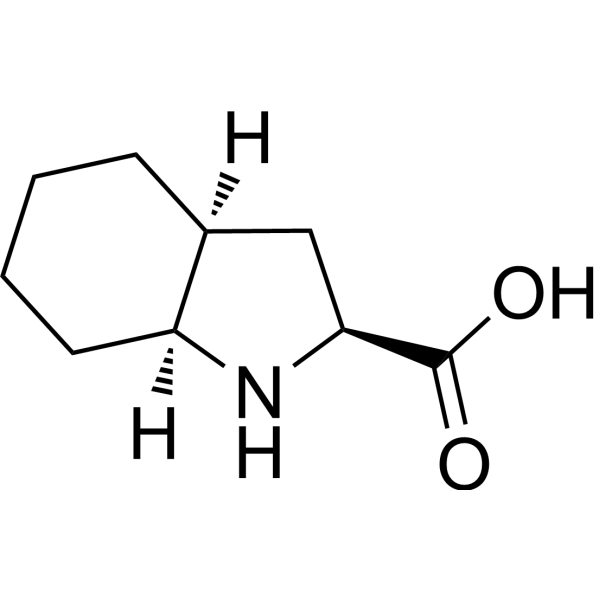 0 Images(2S,3aS,7aS)-Octahydroindole-2-carboxylic acid is a bicyclic hydrophobic proline analog that acts as a polyproline-II helix stabilizer. (2S,3aS,7aS)-Octahydroindole-2-carboxylic acid serves as a structural component of Perindopril (HY-B0130). (2S,3aS,7aS)-Octahydroindole-2-carboxylic acid can be used in studies related to organic synthesis.




