



Collagen
Collagen
Collagens are the most abundant proteins in mammals. The collagen family comprises 28 members that contain at least one triple-helical domain. Beyond the existence of 28 collagen types, further diversity occurs in the collagen family because of the existence of several molecular isoforms for the same collagen type (e.g., collagens IV and VI) and of hybrid isoforms comprised of a chains belonging to two different collagen types (type V/XI molecules). Collagens are deposited in the extracellular matrix where most of them form supramolecular assemblies. Four collagens are type II membrane proteins that also exist in a soluble form released from the cell surface by shedding. Collagens play structural roles and contribute to mechanical properties, organization, and shape of tissues. They interact with cells via several receptor families and regulate their proliferation, migration, and differentiation[1].
All Product Categories
-
Collagen Related Products (93)
Related Products (93)

-
Methylophiopogonone A
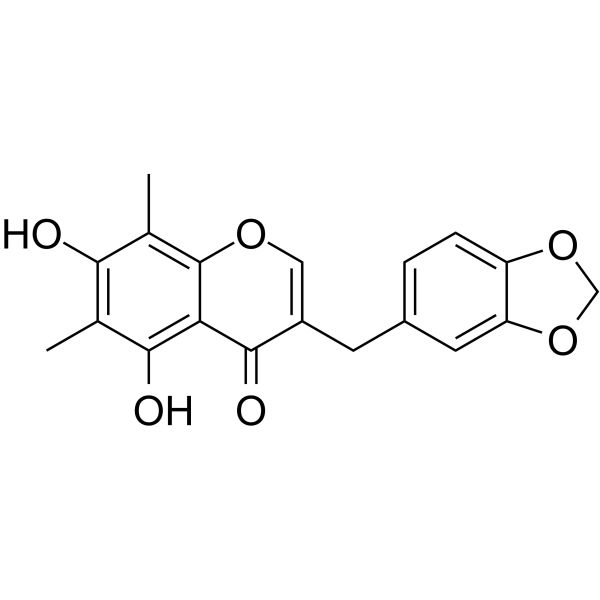 0 ImagesMethylophiopogonone A is a homoisoflavonoid compound found in the tuberous roots of Ophiopogon japonicus. Methylophiopogonone A inhibits lipopolysaccharide-induced NO production in mouse microglia with an IC50 of 19.2 μM. Methylophiopogonone A blocks the proliferation of LX-2 hepatic stellate cells and downregulates TGF-β1-induced expressions of type I collagen and α-SMA. Methylophiopogonone A blocks RELA/EGFR-mediated hepatic stellate cell activation, inhibits the MAPK12 pathway to reduce extracellular matrix accumulation, and simultaneously suppresses inflammatory signal transduction. Methylophiopogonone A can be used in studies related to chronic hepatitis B-associated hepatic fibrosis and neuroinflammation.
-
Hexapeptide-9
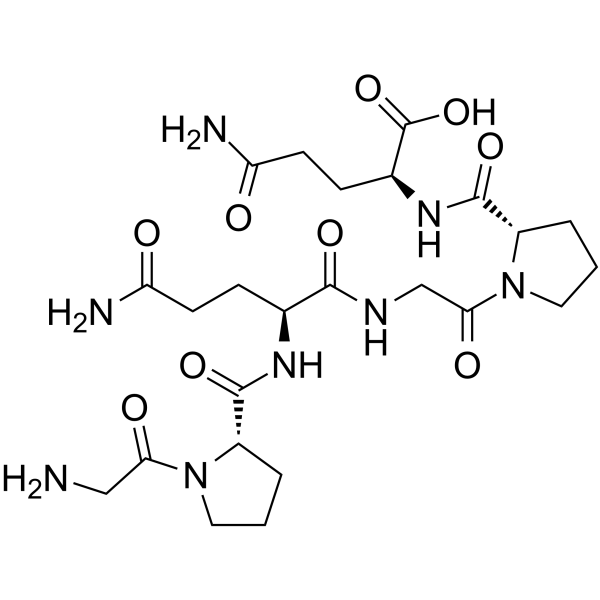 0 ImagesHexapeptide-9 is a signaling peptide. Hexapeptide-9 can promote collagen production. Hexapeptide-9 has anti-aging activity, and can be used in cosmetic research.
-
Karacoline
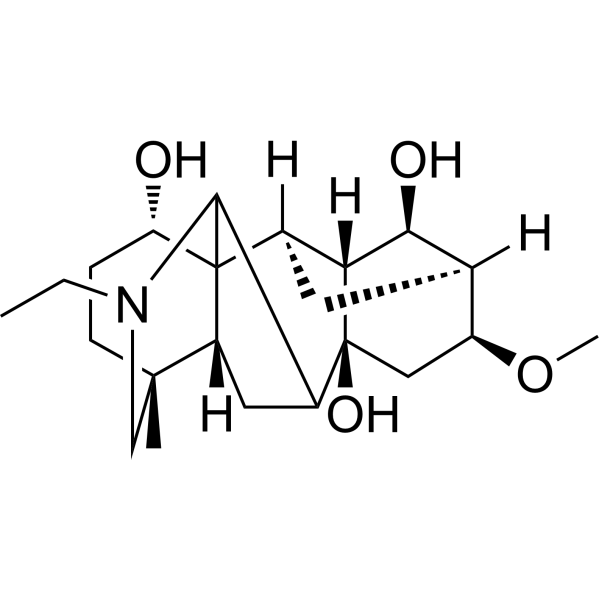 0 ImagesKaracoline is an orally active PPARγ activator and ERK/JNK MAPK inhibitor. Karacoline restricts ROS production, maintains mitochondrial membrane potential, and inhibits pulmonary cell apoptosis. Karacoline inhibits NF-κB pathway activation, reduces acetylation levels of p65 and the expression of MMP14 and MMP9, enhances the expression of type II collagen (collagen II) and aggrecan (aggrecan), and suppresses extracellular matrix degradation. In a mouse model of sepsis-induced acute lung injury, Karacoline alleviates lung injury, inhibits the release of IL-1β, IL-6 and TNF-α, increases the Bcl-2/BAX ratio, and reduces caspase 3 expression. Karacoline can be used in research related to acute lung injury and intervertebral disc degeneration.

-
Tetrapeptide-21
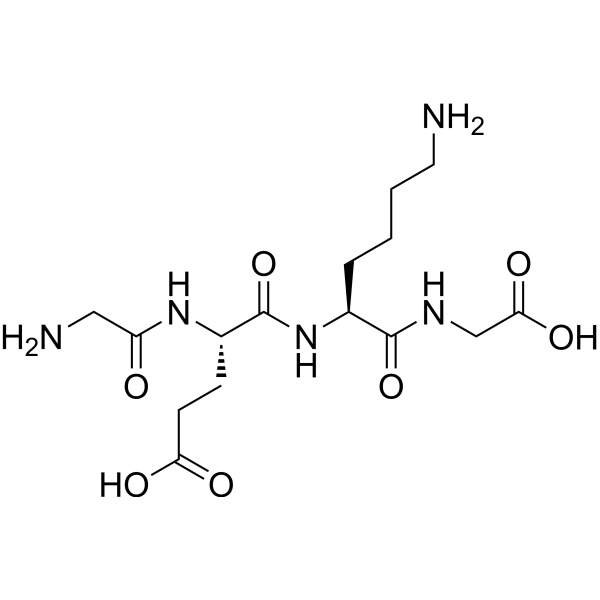 0 ImagesTetrapeptide-21 is a bioactive peptide composed of four amino acids. Tetrapeptide-21 effectively enhances the vitality of human dermal fibroblasts. Tetrapeptide-21 upregulates the expression of key extracellular matrix (ECM) genes and promotes the synthesis of ECM proteins (such as type I collagen, hyaluronic acid synthase 1, and fibronectin). Tetrapeptide-21 has the efficacy of anti-wrinkle and improving skin elasticity, and has been reported to be used as a cosmetic ingredient.
-
Tetrapeptide-1
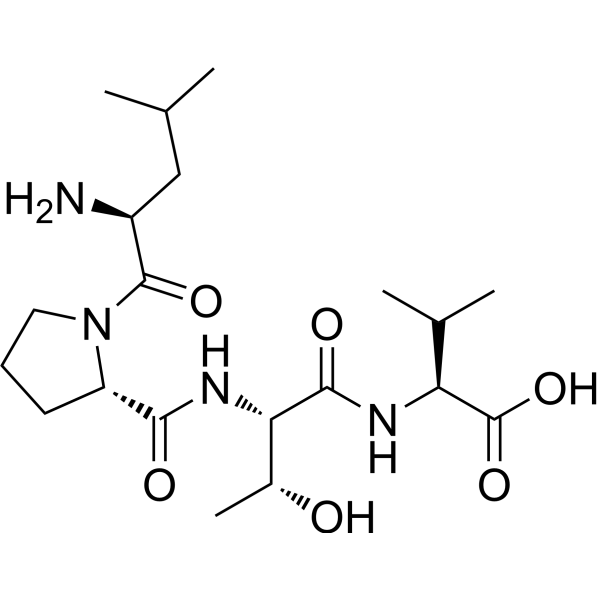 0 ImagesTetrapeptide-1 is a tetrapeptide exhibiting antiaging and antioxidant activity. Tetrapeptide-1 can be used for cosmetics research.
-
1-Hydroxypyrene-d9
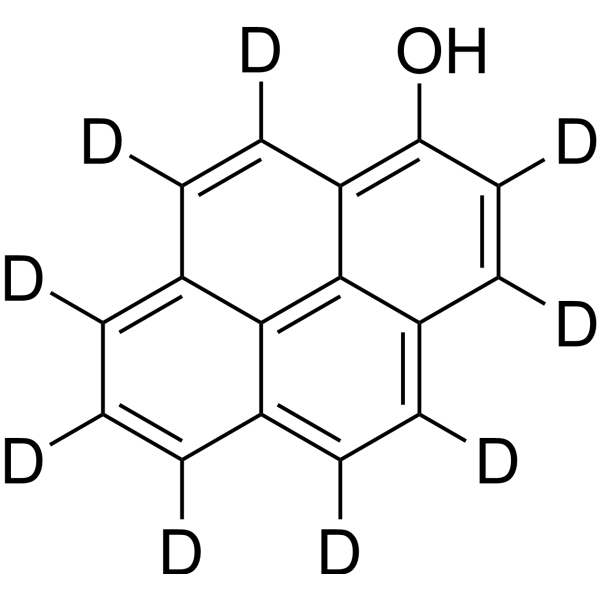 0 Images1-Hydroxypyrene-d9 is the deuterium labeled 1-Hydroxypyrene (HY-W014075). 1-Hydroxypyrene, a biomarker of exposure to polycyclic aromatic hydrocarbons (PAHs), is analyzed in urine samples. 1-Hydroxypyrene is the major biomarker of exposure to pyrenes. 1-Hydroxypyrene is the orally active agonist for aryl hydrocarbon receptor (AhR) and can lead to renal fibrosis.
-
2-(Methylamino)ethanol
 0 Images2-(Methylamino) ethanol (N-Methylethanolamine) is an orally active Phospholipase D inhibitor and analog of Ethanolamine (HY-Y0524). 2-(Methylamino) ethanol reduces the mRNA levels of ACE, ppET-1 and ECE-1, and inhibits MMP-2 activity. 2-(Methylamino) ethanol inhibits Collagen synthesis. 2-(Methylamino) ethanol attenuates ventricular hypertrophy, prevents increased myocardial stiffness and hemodynamic deterioration. 2-(Methylamino) ethanol can capture industrial acid gases and react with carbon dioxide to form carbamates and bicarbonates. 2-(Methylamino) ethanol can be used in studies related to hypertensive heart failure (diastolic heart failure).
-
Palmitoyl tripeptide-38
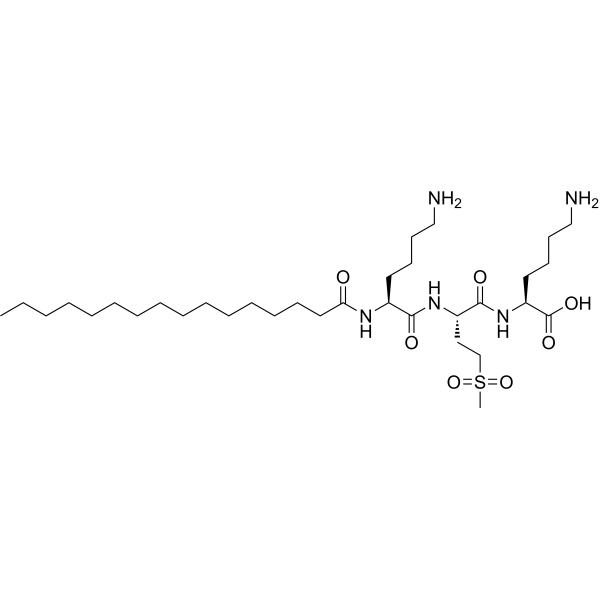 0 ImagesPalmitoyl tripeptide-38 is a lipopeptide that increases the production of dermal and epidermal collagen, fibronectin, and hyaluronic acid. Palmitoyl tripeptide-38 is used in research related to skin aging (fine lines, wrinkles, reduced skin elasticity, decreased skin water content, uneven skin tone).
-
PTD-DBM
 0 ImagesCat. No.: HY-P11112CAS No.: 1609454-11-6PTD-DBM is a CXXC5-Dvl protein-protein interaction inhibitor and also a Wnt/β-catenin pathway activator. PTD-DBM interferes with the Dvl-binding function of CXXC5, disrupts the negative feedback regulation of the Wnt/β-catenin pathway, induces β-catenin expression and nuclear translocation, and increases the production of type I collagen, α-smooth muscle actin and endothelin-1. PTD-DBM is applicable to studies related to androgenetic alopecia and skin wound healing.
-
4'-Acetoxy resveratrol
 0 Images4'-Acetoxy resveratrol is a Resveratrol (HY-16561) derivative. 4'-Acetoxy resveratrol upregulates gene expression of elastin, collagen types III and IV, superoxide dismutase (SOD), and catalase (CAT), while downregulating interleukins (IL-1A, IL-1R2, IL-6, IL-8) and cyclooxygenase-2 (COX-2) in human skin models. 4'-Acetoxy resveratrol can be used for skin reasearch.
-
PST3.1a
 0 ImagesPST3.1a is an orally active and brain-penetrant N-acetylglucosamine glycosyltransferase (MGAT5) inhibitor with a human IC50 of 2 µM. PST3.1a inhibits TGFβR and FAK signaling pathway activity. PST3.1a alters β1,6-GlcNAc N-glycans and microtubule/microfilament integrity, increases OLIG2 expression, and inhibits proliferation, migration, invasiveness, and clonogenic capacities of glioblastoma initiating cells. PST3.1a reduces invasive and proliferative capacity of glioblastoma initiating cells in orthotopic graft models, increases overall survival of orthotopic graft model mice. PST3.1a blunts MGAT5 overexpression, decreases renal fibrosis via collagen 1, collagen 4, and galectin 3 downregulation in a rat chronic kidney disease model. PST3.1a can be used for the research of glioblastoma multiforme and chronic kidney disease.
-
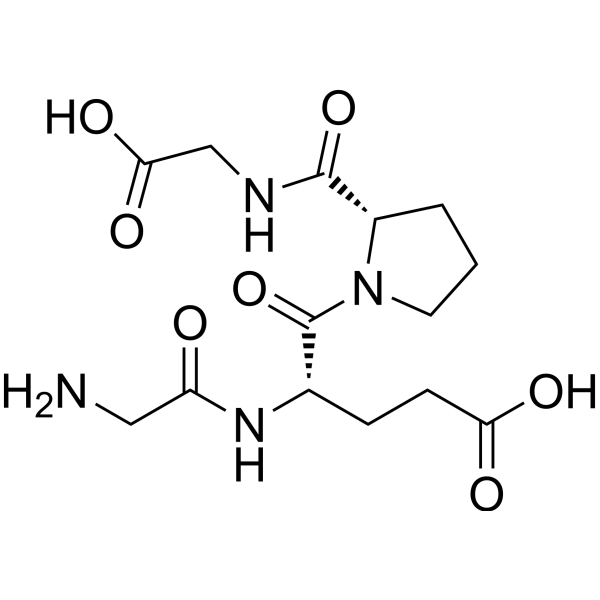
Vezocolmitide
 0 ImagesCat. No.: HY-P10904CAS No.: 51486-77-2Synonyms: ST-100Vezocolmitide (ST-100) is a collagen mimetic peptide. Vezocolmitide can rapidly repair damaged collagen triple helix structures, thereby quickly reversing damage to the ocular surface and extracellular matrix, and restoring corneal nerve function while repairing the epithelium. Vezocolmitide can be used for research of dry eye disease (DED).
-
Anti-Human/Mouse denatured collagen type-I Antibody (XL313)
 0 ImagesCat. No.: HY-P990251Anti-Human/Mouse denatured collagen type-I Antibody (XL313) is a mouse-derived IgG1 κ type antibody inhibitor, targeting to human/mouse denatured collagen type-I. Anti-Human/Mouse denatured collagen type-I Antibody (XL313) selectively binds to proteolyzed collagen type I. Anti-Human/Mouse denatured collagen type-I Antibody (XL313) reduces PD L1 levels in tumor cells. Anti-Human/Mouse denatured collagen type-I Antibody (XL313) can be used for the researches of cancer and inflammation, such as such as ovarian tumor.
-
Type IV collagen peptide acetate
 0 ImagesCat. No.: HY-P11794APurity: 98.18%
-
P15
 0 ImagesP15 is a type I collagen-mimetic peptide with pro-adhesive properties. P15 binds to membrane integrin, including α2β1, to mediate cell adhesion and trigger the production of growth factors and cytokines. P15 upregulates the expression of osteogenic genes via targets including RUNX2, OSTRX and BSP. P15 stimulates the adhesion and proliferation of osteoblasts, enhances alkaline phosphatase activity and calcium deposition, and supports osteogenic differentiation. P15 can be used in research related to periodontal bone defects, cervical intervertebral disc defects, and non-union/bone defects.
-
VDR agonist 4
 0 ImagesCat. No.: HY-178328CAS No.: 3136765-61-9VDR agonist 4 is an orally active potent VDR agonist. VDR agonist 4 exerts VDR-dependent antifibrotic activity by regulating multiple fibrosis-related genes to suppress α-SMA and collagen I production, thereby inhibiting hepatic stellate cell (HSC) activation. VDR agonist 4 improves CCl4 (HY-RS16594)-induced hepatic fibrosis in mice. VDR agonist 4 can be used for liver fibrosis research.
-
Cyclic peptide P1-1
 0 ImagesCat. No.: HY-P11264Cyclic peptide P1-1 is a high-potent GPR55 antagonist. Cyclic peptide P1-1 antagonizes GPR55 and suppresses collagen secretion. Cyclic peptide P1-1 reduces ROS production, attenuates ER stress, and inhibits mitochondria-associated Apoptosis. Cyclic peptide P1-1 inhibits the expression of α-SMA and COL1α. Cyclic peptide P1-1 ameliorates CCl4 (HY-Y0298)-induce and MCD-diet-induce acute liver inflammation and fibrosis.
-
Ligusticum cycloprolactam
 0 ImagesCat. No.: HY-N17383CAS No.: 2283387-37-9Ligusticum cycloprolactam is a potent, orally active, and CNS-penetrant TLR4/NF-κB inhibitor, exhibiting anti-inflammatory and neuroprotective activity. Ligusticum cycloprolactam reduces FPR1 expression, inhibits NLRP3 inflammasome, TLR4/NF-κB, hepatic MAPK and TGF-β signaling, and selectively activates hepatic FXR. Ligusticum cycloprolactam attenuates pro-inflammatory mediator production, enhances anti-inflammatory cytokine secretion, regulates renal uric acid transporters, and preserves intestinal microbiota composition. Ligusticum cycloprolactam can be used for the research of ischemic stroke, hyperuricemic nephropathy, neuroinflammation, and metabolic dysfunction-associated fatty liver disease.



