



Necroptosis
Necroptosis is a form of regulated necrotic cell death mediated by receptor-interacting serine-threonine kinase 3 (RIPK3) and mixed lineage kinase domain-like (MLKL) and generally manifests with morphological features of necrosis. Necroptosis is characterized by early loss of plasma membrane integrity, leakage of intracellular contents, and organelle swelling. The cells dying through necroptosis lack the typical apoptotic characteristics, such as membrane blebbing, chromatin condensation, and intranucleosomal DNA cleavage into 180 bp DNA laddering, but may show TUNEL positivity.
Necroptosis triggers innate immune responses by rupturing dead cells and releasing intracellular components, it can be caused by Toll-like receptor (TLR)-3 and TLR-4 agonists, tumor necrosis factor (TNF), certain microbial infections, and T cell receptors. Necroptosis signaling is modulated by receptor-interacting protein kinase (RIPK) 1 when the activity of caspase-8 becomes compromised. Activated death receptors (DRs) cause the activation of receptor-interacting serine-threonine kinase 1 (RIPK1) and the RIPK1 kinase activity-dependent formation of an RIPK1-RIPK3-MLKL, which is complex II. RIPK3 phosphorylates MLKL, ultimately leading to necrosis through plasma membrane disruption and cell lysis.
All Product Categories
-
Necroptosis Related Products (176)
Related Products (176)

-
Cholesteryl hemisuccinate (Standard)
 0 ImagesCholesteryl hemisuccinate (Standard) is the analytical standard of Cholesteryl hemisuccinate. This product is intended for research and analytical applications. Cholesteryl hemisuccinate is a with hepatoprotective an anticancer activity. Cholesteryl hemisuccinate inhibits Acetaminophen (AAP, HY-66005) hepatotoxicity, and prevents AAP-induced hepatic apoptosis and necrosis. Cholesteryl hemisuccinate inhibits DNA polymerase and DNA topoisomerase to inhibit DNA replication and repair and cell division. Thus, Cholesteryl hemisuccinate inhibits tumor growth[1][2].
-
Cyclopentenylcytosine
 0 ImagesSynonyms: CPEC; NSC 375575Cyclopentenylcytosine (CPEC), a carbocyclic nucleoside analog of cytosine, is a potent inhibitor of CTP synthetase and causes depletion of CTP and dCTP pools. Cyclopentenylcytosine shows broad-spectrum (both DNA and RNA viruses) antiviral activity. Cyclopentenyl cytosine increases Gemcitabine (HY-17026) radiosensitisation in human pancreatic cancer cells. Cyclopentenylcytosine shows effective antiviral activity in the Ad5/NZW rabbit ocular replication model and shows anti-tumor activity in various tumor xenografts model. Cyclopentenylcytosine can be used for the study of infection and cancer.
-
ω-Hexatoxin-Hv1a TFA
 0 ImagesCat. No.: HY-P5142ASynonyms: ω-ACTX-Hv1 TFA; ω-Atracotoxin-HV1 TFAω-Hexatoxin-Hv1a (ω-ACTX-Hv1; ω-Atracotoxin-HV1) TFA is an orally active insecticidal neurotoxin containing an inhibitor cystine knot motif and a selective calcium channel inhibitor. ω-Hexatoxin-Hv1a TFA blocks L-type voltage-dependent Ca2+ channels and reduces intracellular calcium ion concentration, thereby decreasing apoptosis, necroptosis and oxidative stress, and promoting cell recovery and energy level elevation. ω-Hexatoxin-Hv1a TFA causes larval paralysis and death by impairing neurotransmission in the central nervous system of insects. It shows high injectable toxicity against insects of multiple orders, but exhibits weak oral toxicity. ω-Hexatoxin-Hv1a TFA is widely applicable to studies related to ischemia-reperfusion injury, atopic dermatitis, and ischemic injury of cardiomyocytes and neurons.
-
Necrosulfonamide-d4
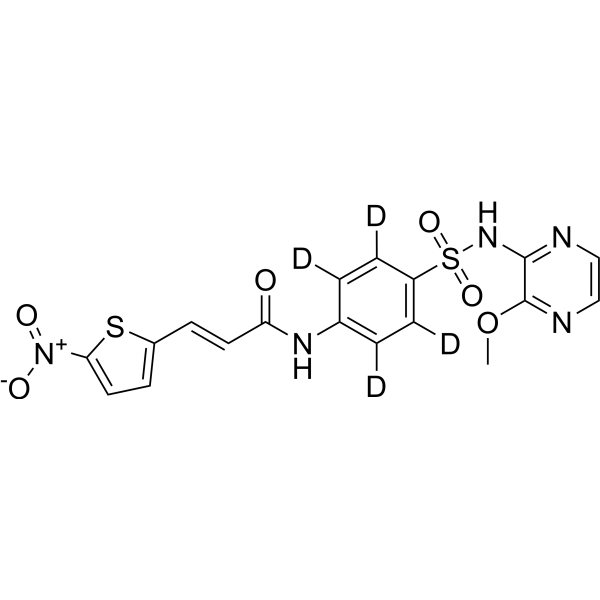 0 ImagesNecrosulfonamide-d4 is the deuterium labeled Necrosulfonamide (HY-100573). Necrosulfonamide is a MLKL and Gasdermin D (GSDMD) inhibitor, capable of separately inhibiting necroptosis and pyroptosis of cells. Necrosulfonamide does not affect the activation of upstream signals, but specifically inhibits the downstream executor oligomerization step. Necrosulfonamide reduces the expression of the key kinases NLRP3 and caspase-1 involved in necroptosis and pyroptosis, activate the Nrf2 pathway and the downstream antioxidant enzymes, and also downregulates a variety of inflammatory factors. Necrosulfonamide plays significant roles in various diseases such as neurodegenerative diseases (such as Parkinson’s disease), tissue damage and ischemia-reperfusion injury, inflammatory bowel disease, osteoarthritis and fracture repair, and hair loss by regulating two important programmed necrosis pathways.
-
Chlorhexidine (Standard)
 0 ImagesChlorhexidine (Standard) is the analytical standard of Chlorhexidine (HY-B1248). This product is intended for research and analytical applications. Chlorhexidine is a orally active cationic antimicrobial agent that targets microbial cell membranes. Chlorhexidine binds to cell membrane phospholipids non-specifically, destroys membrane structure and induces leakage of cell contents. Chlorhexidine has broad-spectrum bactericidal activity against both Gram-positive and Gram-negative bacteria. Chlorhexidine can interfere with membrane permeability, cause protein precipitation and energy metabolism disorders, such as rapid inhibition of microbial growth and induction of cell death (necrosis or apoptosis).
-
Glyphosate-d2-1
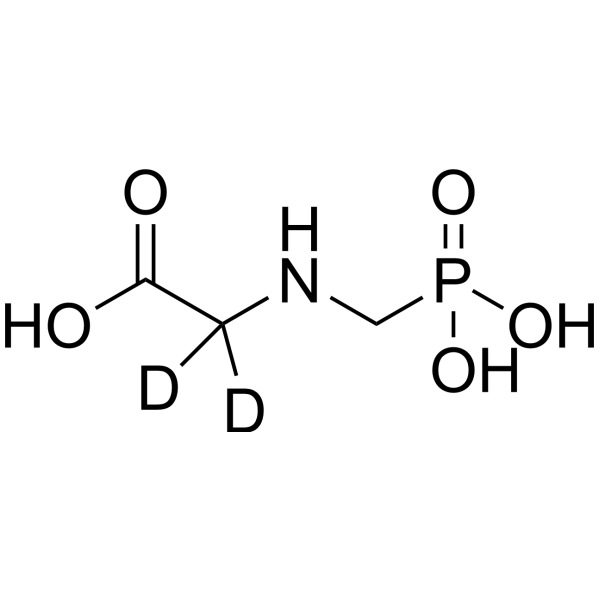 0 ImagesCat. No.: HY-B0863S2CAS No.: 2734001-36-4Glyphosate-d2-1 is the deuterium labeled Glyphosate. Glyphosate is an herbicidal derivative of the amino acid glycine. Glyphosate targets and blocks a plant metabolic pathway not found in animals, the shikimate pathway, required for the synthesis of aromatic amino acids in plants.
-
Chlorhexidine-d8 dihydrochloride
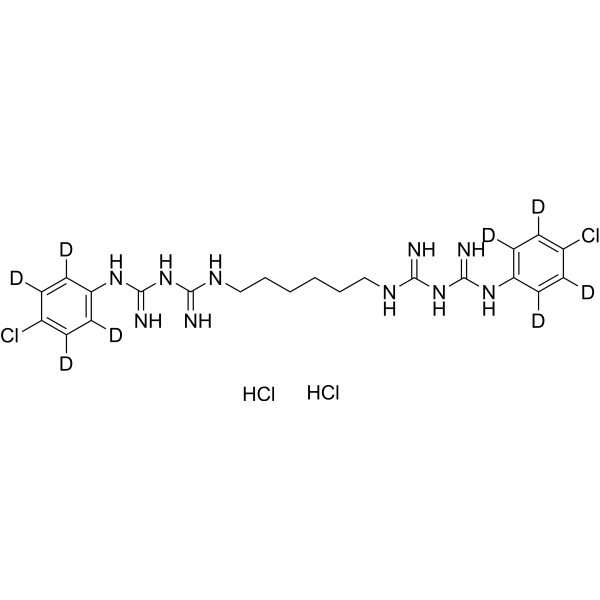 0 ImagesCat. No.: HY-B1145SCAS No.: 2012598-75-1Chlorhexidine-d8 (dihydrochloride) is the deuterium labeled Chlorhexidine dihydrochloride (HY-B1145). Chlorhexidine dihydrochloride is a orally active cationic antimicrobial agent that targets microbial cell membranes. Chlorhexidine dihydrochloride binds to cell membrane phospholipids non-specifically, destroys membrane structure and induces leakage of cell contents. Chlorhexidine dihydrochloride has broad-spectrum bactericidal activity against both Gram-positive and Gram-negative bacteria. Chlorhexidine dihydrochloride can interfere with membrane permeability, cause protein precipitation and energy metabolism disorders, such as rapid inhibition of microbial growth and induction of cell death (necrosis or apoptosis).
-
Pectic acid
 0 ImagesPectic acid (Methyl protopectin), a polygalacturonic acid, induces cell apoptosis and necrosis in pituitary tumor cells. Pectic acid can be used in the research of cancers and autoimmune disease.
-
CIL62
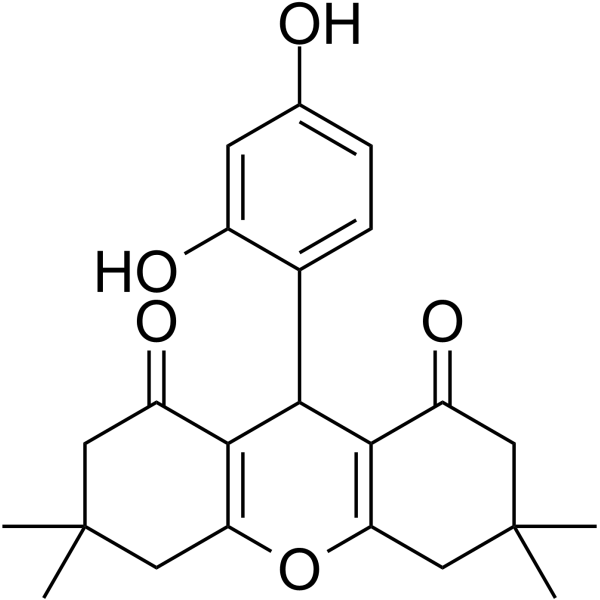 0 ImagesCat. No.: HY-136509CAS No.: 117593-36-9CIL62 is a caspase-3/7-independent cell death inducer. The mechanism of action of CIL62 is Necrostatin-1 dependent cell death.
-
Citronellol (Standard)
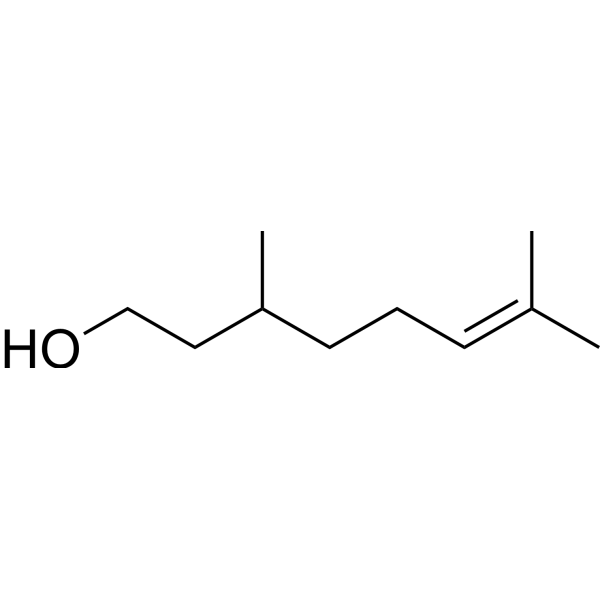 0 ImagesCat. No.: HY-W010201RCAS No.: 106-22-9Synonyms: (±)-Citronellol (Standard); (±)-β-Citronellol (Standard)Citronellol (Standard) is the analytical standard of Citronellol. Citronellol (Standard) is an orally active inducer of apoptosis. Citronellol (Standard) can prevent oxidative stress, mitochondrial dysfunction, and apoptosis in the SH-SY5Y cell Parkinson's disease model induced by 6-OHDA by regulating the ROS-NO, MAPK/ERK, and PI3K/Akt signaling pathways. Citronellol (Standard) can induce necroptosis in human lung cancer cells through the TNF-α pathway and accumulation of ROS. Citronellol (Standard) can reduce the levels of LC-3 and p62 to regulate the autophagy pathway, inhibit oxidative stress and neuroinflammation, and thus have neuroprotective effects on Parkinson's rats. Citronellol (Standard) exhibits anti-fungal activity against Trichophyton rubrum by inhibiting ergosterol synthesis.
-
Vibilsertib
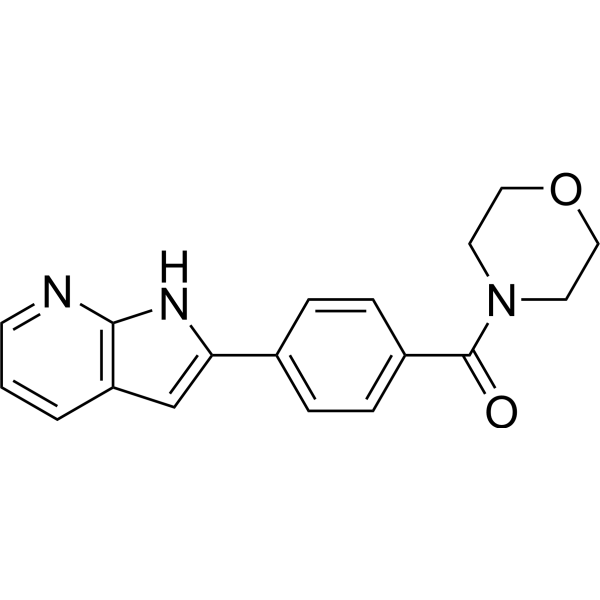
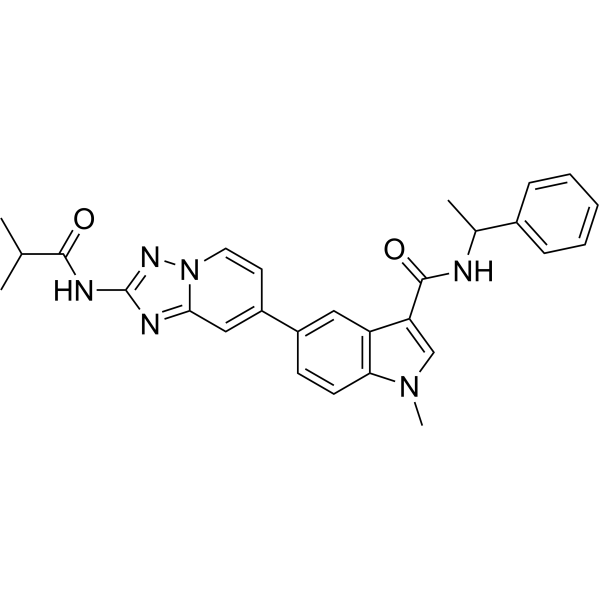
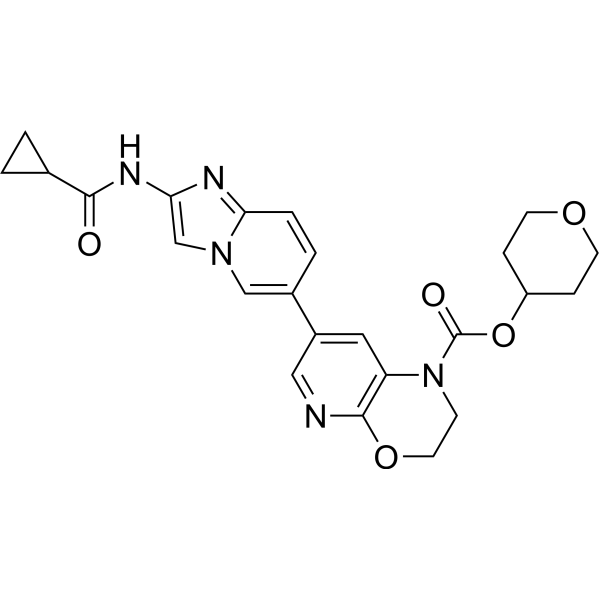 0 ImagesSynonyms: Necrosis inhibitor 2Vibilsertib (Necrosis inhibitor 2) (Compound B19), a serine/threonine kinase inhibitor, is a cell necrosis inhibitor. Vibilsertib can be used to study diseases related to the necrosis pathway, including inflammation, tumors, metabolic diseases and neurodegenerative diseases.
-
Glyphosate-13C
 0 ImagesGlyphosate-13C is the 13C-labeled Glyphosate (HY-B0863). Glyphosate, a non-selective systemic biocide with broad-spectrum activity, is an herbicidal derivative of the amino acid glycine. Glyphosate inhibits the enzymatic activity of the 5-endopyruvylshikimate 3-phosphate synthase (EPSPS) in the shikimic acid pathway, preventing the synthesis of the aromatic amino acids tyrosine, phenylalanine, and tryptophan. Glyphosate induces oxidative stress, neuroinflammation, and mitochondrial dysfunction, processes that lead to neuronal death by autophagia, necrosis, or apoptosis, as well as the appearance of behavioral and motor disorders.
-
Kongensin A
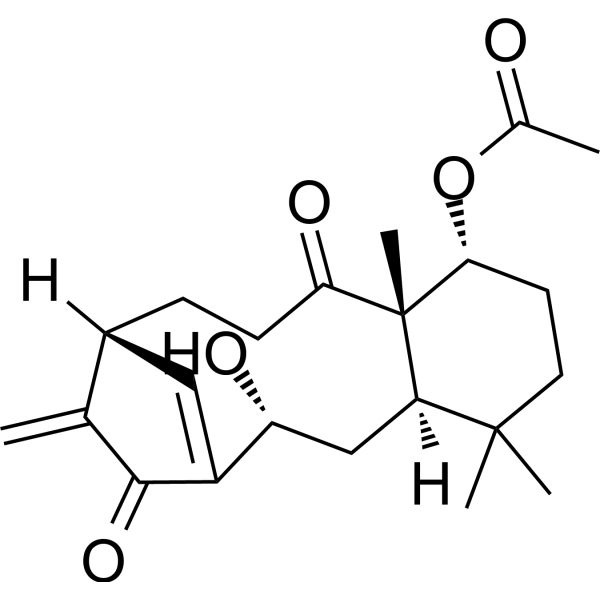 0 ImagesKongensin A is a natural product isolated from Croton kongensis. Kongensin A is an effective, covalent HSP90 inhibitor that blocks RIP3-dependent necroptosishas. Kongensin A is a potent necroptosis inhibitor and an apoptosis inducer. Kongensin A has potential anti-necroptosis and anti-inflammation applications.
-
Methyl methanesulfonate-d3
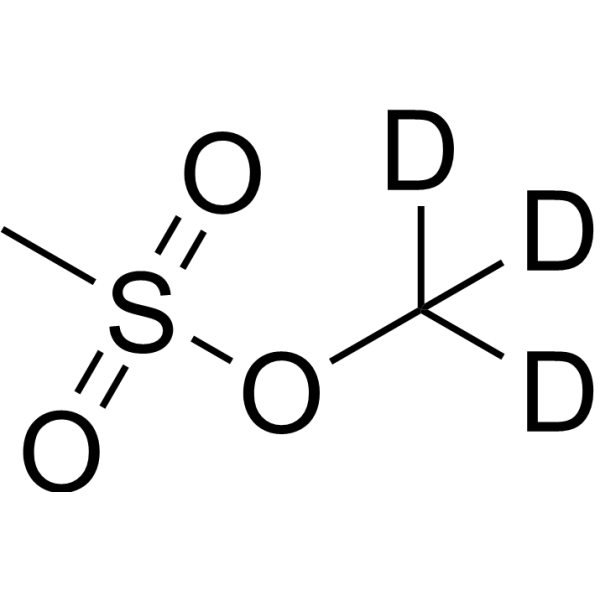 0 ImagesSynonyms: METHYLMETHANE SULPHONATE-d3Methyl methanesulfonate-d3 is the deuterium labeled Methyl methanesulfonate (HY-W004702). Methyl methanesulfonate is an alkylating agent which transfers methyl groups, and induces DNA damage. Methyl methanesulfonate is a biochemical reagent that can be used as a biological material or organic compound for life science related research.
-
Primidone-d5
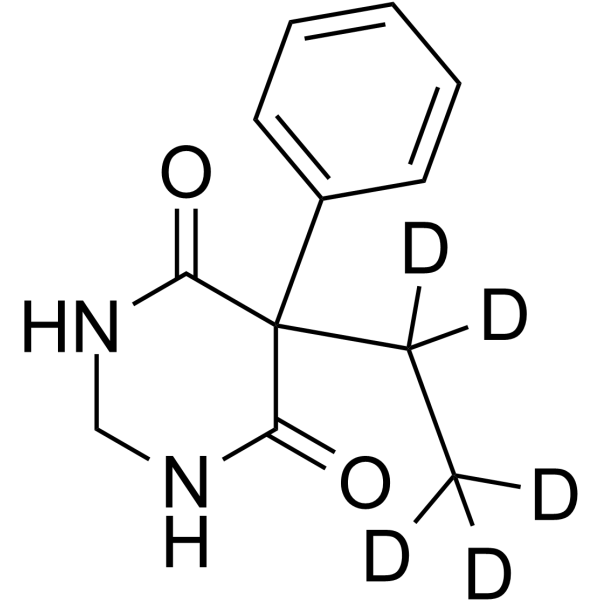 0 ImagesPrimidone-d5 is the deuterium labeled Primidone. Primidone is the orally active inhibitor for TRPM3 (IC50 = 0.6 μM), RIP kinase and voltage-gated sodium channel, and the antagonist for GABA receptor. Primidone can be used as the analgesic and anticonvulsant agent.
-
Necroptosis inducer 1
 0 ImagesCat. No.: HY-181718Necroptosis inducer 1 is a necroptosis inducer. Necroptosis inducer 1 inhibits the activity of thioredoxin reductase (TrxR), elevates intracellular ROS levels, triggers ROS-mediated necroptosis, and induces necroptosis-dependent immunogenic cell death. Necroptosis inducer 1 inhibits tumor growth, remodels the tumor immune microenvironment, and exerts a synergistic effect with anti-PD-1 in animal models. Necroptosis inducer 1 is applicable to the research of colon cancer.
-
RIP1-IN-1
 0 ImagesCat. No.: HY-173185RIP1-IN-1 is an orally active RIP1 inhibitor with strong RIP1 binding affinity (Kd: 110 nM). RIP1-IN-1 exhibits strong anti-necroptosis activity. RIP1-IN-1 effectively inhibits the formation of necrosomes by blocking the phosphorylation of RIP1, RIP3 and MLKL signaling pathways. RIP1-IN-1 inhibits necroptosis and can be used in the study of acute liver injury.
-
Cholicamideβ (GMP)
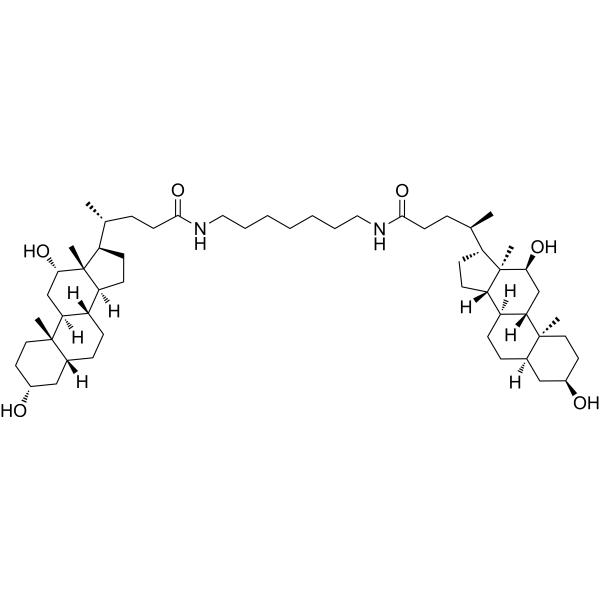 0 ImagesCat. No.: HY-156087GCAS No.: 3036578-71-6Cholicamideβ (GMP) is a GMP grade of Cholicamideβ. Cholicamideβ (compound 6) is a self-assembling, small molecule, cancer vaccine adjuvant. Cholicamideβ can form virus-like particles with low cytotoxicity. Cholicamideβ, upon binding to peptide antigens, enhances antigen presentation by dendritic cells and induces antigen-specific T cells. Cholicamideβ can induce apoptosis and necrosis.



