



p38 MAPK
The p38 MAPK family consists of highly conserved proline-directed serine-threonine protein kinases that are activated in response to a number many growth factors, cytokines, and chemotactic substances, such as vascular endothelial growth factor (VEGF), fibroblast growth factor (FGF), PDGF, TNF, interleukins, lipopolysaccharide (LPS) and formyl-methionyl-leucyl-phenylalanine (fMLP). It is well known that p38 is involved in inflammation, apoptosis, cardiomyocyte hypertrophy and cell differentiation.
The p38 MAPK family is composed of four proteins: p38α (encoded by the gene Mapk14), p38β (Mapk11), p38γ (Mapk12), and p38δ (Mapk13). Their coding genes have a distinct tissue distribution and they appear differentially expressed, being Mapk14 the most highly expressed. p38 MAPKs are substrates for three MAP2K (MKK6, MKK3, and MKK4). The contribution of each of these MAP2K to p38 MAPKs activation depends on the stimulus and the cell type. The MAP3Ks that lead to p38 MAPKs activation are ASK1, DLK1, TAK1, TAO1, TAO2, TPL2, MLK3, MEKK3, MEKK4, and ZAK1.
p38 MAPK Isoform Specific Products
All Product Categories
-
p38 MAPK Inhibitors
(821)
View all products
-
p38 MAPK Agonists
(6)
View all products
-
p38 MAPK Antagonists
(2)
View all products
-
p38 MAPK Activators
(216)
View all products
-
p38 MAPK Modulators
(20)
View all products
-
p38 MAPK p53 Inhibitors
(2)
View all products
-
p38 MAPK Inducers
(11)
View all products
-
p38 MAPK Degraders
(3)
View all products
-
p38 MAPK Control
(1)
View all products
-
p38 MAPK Ligands
(2)
View all products
-
AKT Serine/Threonine Kinase 1 (AKT1) Proteins
(3)
View all products
-
p38 MAPK Related Products (1175)
Related Products (1175)

-
Recombinant Proteins (3)
-
Antibodies (20)
-
p38 MAPK Isoform Comparison
-
Leupeptin
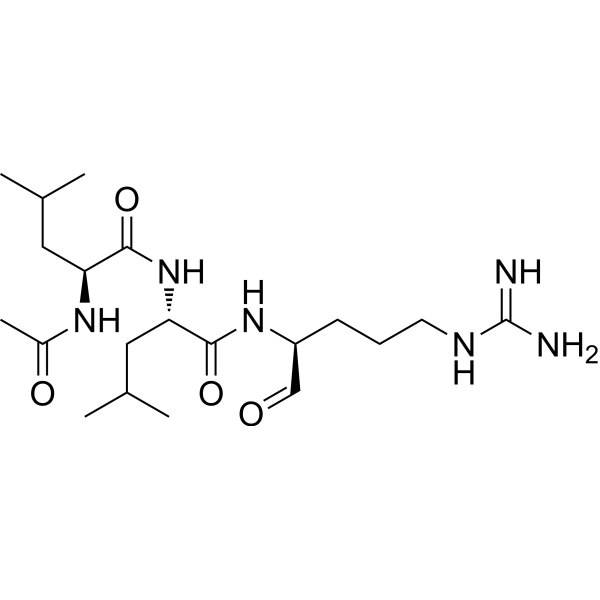 0 ImagesCat. No.: HY-18234CAS No.: 55123-66-5Leupeptin is a broad-spectrum protease inhibitor. By inhibiting the activation of the PTEN/PI3K/Akt/NF-κB/ERK1/2/p38 signaling pathway, Leupeptin significantly reduces LPS-induced NO and ROS production, mitochondrial membrane potential hyperpolarization, phagocytic activity, pro-inflammatory cytokine release, and M1 polarization in mouse peritoneal macrophages, and reverses autophagic flux impairment. It also decreases Concanavalin A (HY-P2149)-induced proliferation index of mouse splenic lymphocytes and the Th1/IL-10 and Th2/IL-10 cytokine ratios, thereby modulating innate and adaptive immune responses. Leupeptin inhibits blood coagulation and tumorigenesis in mouse skin. Leupeptin can be used in research on chronic inflammatory diseases and skin tumorigenesis.
-
Aspirin lithium
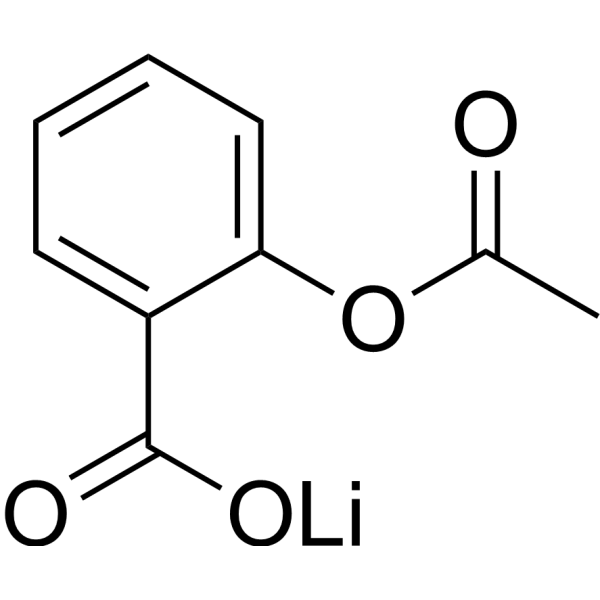 0 ImagesAspirin (Acetylsalicylic Acid) lithium is an orally active, potent and irreversible inhibitor of cyclooxygenase COX-1 and COX-2, with IC50 values of 5 and 210 μg/mL, respectively. Aspirin lithium induces apoptosis. Aspirin lithium inhibits the activation of NF-κB. Aspirin lithium also inhibits platelet prostaglandin synthetase, and can prevent coronary artery and cerebrovascular thrombosis.
-
Homovanillyl alcohol (Standard)
 0 ImagesHomovanillyl alcohol (Standard) is the analytical standard of Homovanillyl alcohol (HY-N7513). This product is intended for research and analytical applications. Homovanillyl alcohol is a biological metabolite of Hydroxytyrosol, and belongs to the class of phenolic organic compounds. Homovanillyl alcohol alleviates cellular oxidative stress and inflammatory responses by scavenging free radicals, inhibiting the phosphorylation of the p38 and JNK MAP kinase pathways, as well as suppressing NF-κB-driven transcription and nuclear translocation. It can be used in studies related to cardiovascular diseases and allergic asthma.
-
Anti-inflammatory agent 99
 0 ImagesCat. No.: HY-183934CAS No.: 1345412-48-7Anti-inflammatory agent 99 is a chalcone derivative. Anti-inflammatory agent 99 inhibits LPS (HY-D1056)-induced NF-κB nuclear translocation and suppress the phosphorylation of JNK, ERK, and p38. Anti-inflammatory agent 99 inhibits the expression of cytoinflammatory factors such as TNF-α and IL-6 induced by LPS. Anti-inflammatory agent 99 can be used for the research of LPS-induced septic shock.
-
ITX5061 free base
 0 ImagesCat. No.: HY-122068CAS No.: 848144-15-0ITX5061 free base is an orally active type II non-competitive p38 MAPK inhibitor. ITX5061 free base increases HDL-C levels by inhibiting SR-BI activity. ITX5061 free base also moderately elevates ApoA-I levels. ITX5061 free base reduces early atherosclerotic lesions in the aortic arch of mice fed an atherogenic diet. ITX5061 free base can be used in the research of atherosclerosis.
-
SB-747651A
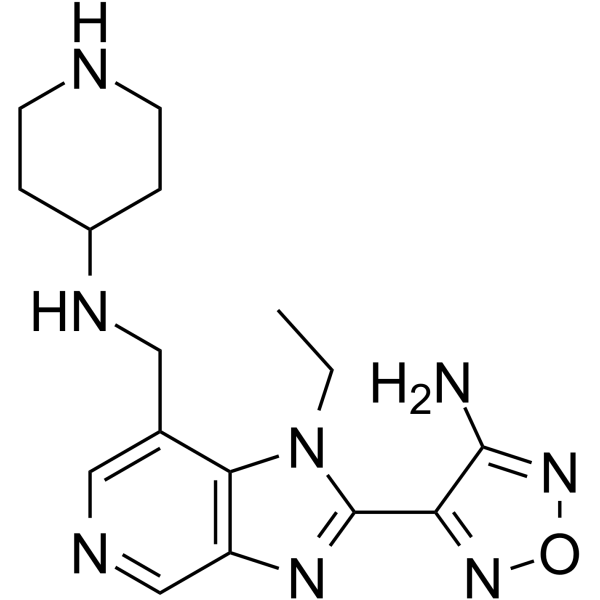 0 ImagesCat. No.: HY-114038CAS No.: 607372-46-3SB-747651A is an ATP-competitive mitogen- and stress-activated kinase 1 (MSK1) inhibitor with an IC50 of 11 nM. SB-747651A also inhibits PRK2, RSK1, p70S6K and ROCK-II. SB-747651A can be used for inflammation research.
-
Desipramine-d3
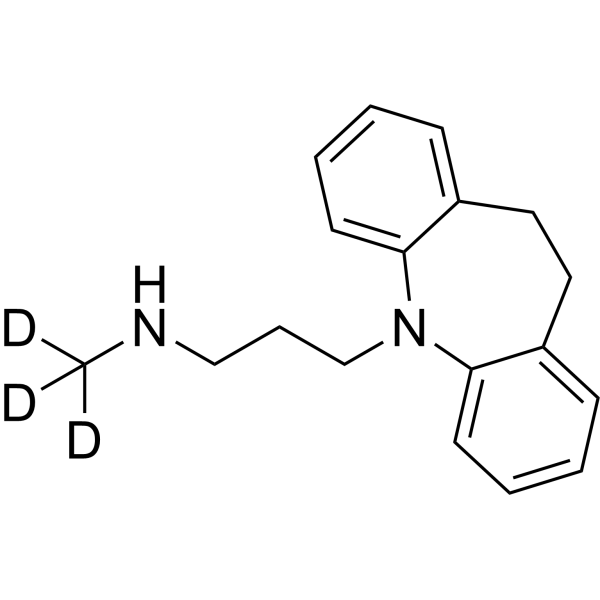 0 ImagesCat. No.: HY-B1272AS1CAS No.: 65100-49-4Desipramine-d3 is the deuterium labeled Desipramine (HY-B1272A). Desipramine is a first-generation tricyclic antidepressant. Desipramine selectively binds to norepinephrine transporter and blocks neuronal norepinephrine reuptake. Desipramine activates MAPK signaling via ERK1/2, JNK, and p38, represses NF-κB and AP-1 activity, and induces apoptosis via ROS elevation, mitochondrial membrane potential reduction, and intracellular calcium increase. Desipramine also shows anyi-inflammatory activity, inhibiting TNF-α production. Desipramine can be used for the research of hepatocellular cancer, inflammation, and neurological diseases.
-
Autotaxin-IN-8
 0 ImagesCat. No.: HY-181931CAS No.: 3058084-21-9Autotaxin-IN-8 (Compound 14E) is an orally active Autotaxin inhibitor with an IC50 of 14.2 nM against hAutotaxin. Autotaxin-IN-8 inhibits Autotaxin activity, MAPK activation, LPAR1 and p-ERK1/2. Autotaxin-IN-8 reduces the phosphorylation levels of JNK and p38. Autotaxin-IN-8 decreases collagen deposition in a mouse model of pulmonary fibrosis. Autotaxin-IN-8 can be used in research related to pulmonary fibrosis.
-
Isomaltulose monohydrate
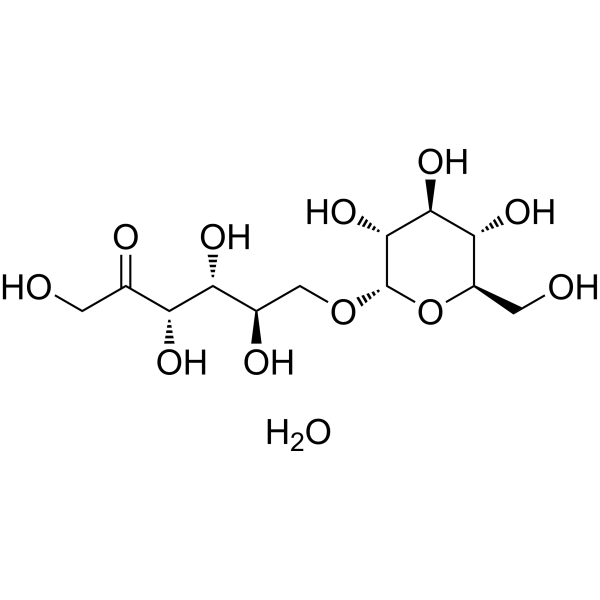 0 ImagesCat. No.: HY-W745090CAS No.: 58024-13-8Isomaltulose monohydrate is a fMLP inhibitor and also inhibits Src kinase, ERK1/2, p38 and AKT phosphorylation signals in immune regulation. Isomaltulose monohydrate can interfere with the interaction between the βγ subunit of the fMLP receptor Gi protein and its downstream molecules, thereby inhibiting fMLP-induced respiratory burst. Isomaltulose monohydrate inhibits fMLP (0.1 μM)-induced superoxide anion production (IC50: 1.98 μM) , cathepsin G release (IC< sub>50: 2.76 μM) and chemotaxis. Isomaltulose monohydrate can improve excessive activation of neutrophils and reduce inflammation or tissue damage. A series of derivatives of Isomaltulose monohydrate are found to have inhibitory effects on FSGS-related TRPC6 functional mutants.
-
2-Oleoxyphenethyl phosphocholin
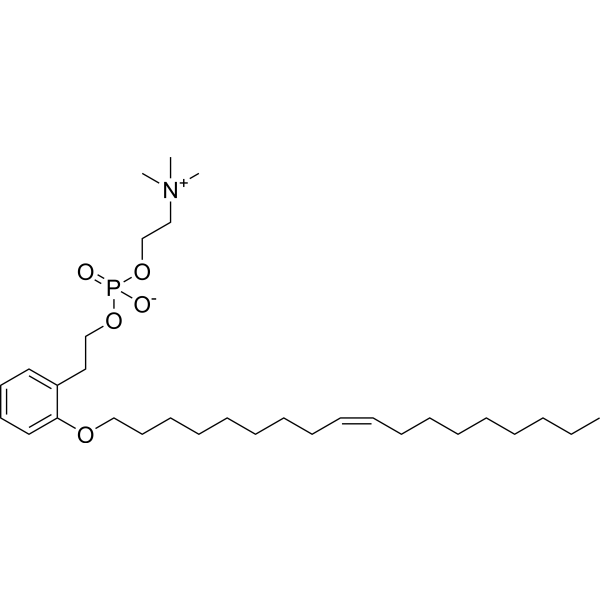 0 ImagesCat. No.: HY-163115CAS No.: 2170888-41-02-Oleoxyphenethyl phosphocholin (compound 1b) is a p38 MAPK inhibitor with anticancer activity. 2-Oleoxyphenethyl phosphocholin may bind to the p38 MAPK lipid-binding pocket and has broad-spectrum anti-tumor and lipid-modulating activities.
-
Aspirin DL-lysine
 0 ImagesCat. No.: HY-14654BCAS No.: 62952-06-1Synonyms: Acetylsalicylic acid DL-lysine; ASA DL-lysineAspirin DL-lysine (ASA DL-lysine) is a lysine-containing aspirin derivative. Aspirin DL-lysine inhibits cyclooxygenase (COX) in platelets, blocks the synthesis of thromboxane A2 (TXA2), and thus inhibits platelet aggregation and activation. Aspirin DL-lysine can be used to study thrombin generation in patients with unstable angina pectoris.
-
Antiproliferative agent-57
 0 ImagesCat. No.: HY-169100Antiproliferative agent-57 (compound M2) is a tumor angiogenesis inhibitor. Antiproliferative agent-57 inhibits the secretion of VEGF in SiHa cells under hypoxic conditions (IC50=0.68 μM) without inducing cytotoxicity. Antiproliferative agent-57 can modulate the PI3K/AKT/mTOR and MAPK signaling pathways in tumor cells to inhibit the expression of HIF-1α and VEGF in tumor tissues.
-
ZJK-807
 0 ImagesCat. No.: HY-178497ZJK-807 is a highly efficient and selective KRASG12D PROTAC degrader (DC50 = 79.5 nM in AsPC-1 cells). ZJK-807 promotes KRASG12D ubiquitination and degradation. ZJK-807 suppresses RAS/MAPK signaling and uniquely modulates TNF signaling and eukaryotic ribosome biogenesis. ZJK-807 can be used for the study of KRAS-driven pancreatic cancer.
-
4-Hydroxy-3-butylphthalide
 0 ImagesCat. No.: HY-N18209CAS No.: 74459-23-74-Hydroxy-3-butylphthalide is a Phthalide (HY-W015820) derivative found in the rhizome of Ligusticum ChuanXiong Hort. 4-Hydroxy-3-butylphthalide binds core targets linked to lung cancer brain metastasis, such as BDNF, FOS, and MAPK14. 4-Hydroxy-3-butylphthalide can be used for the research of lung cancer brain metastasis.
-
Acenocoumarol-d4
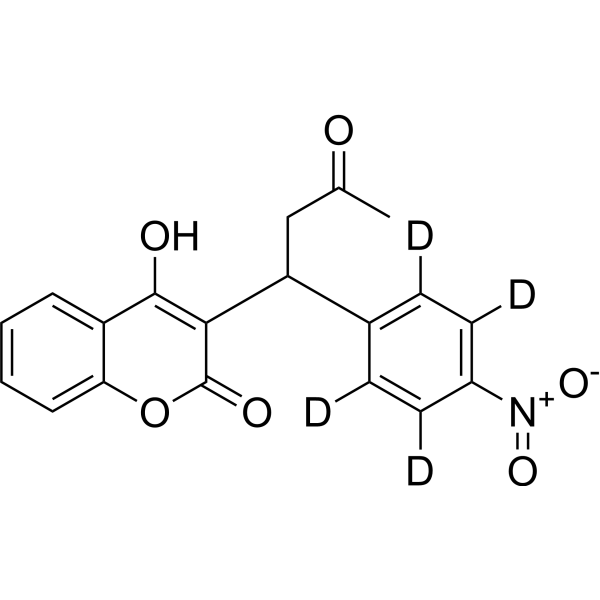 0 ImagesCat. No.: HY-B1014S1CAS No.: 2937878-24-3Acenocoumarol-d4 is deuterium labeled Acenocoumarol (HY-B1014). Acenocoumarol is an anticoagulant that functions as a Vitamin K antagonist. Acenocoumarol inhibits MAPK/ERK/JNK signaling pathway, reduces the nuclear translocation of NF-κB p65, activates Akt/GSK3β signaling pathway. Acenocoumarol induces apoptosis in cell A549, arrests cell cycle at S phase.
-
ZAK-IN-2
 0 ImagesCat. No.: HY-182103CAS No.: 3033697-19-4ZAK-IN-2 (Compound 8) is a selective, covalent ZAK inhibitor with an IC50 of 11.5 nM. ZAK-IN-2 forms a covalent bond with Cys22 in the P-loop of ZAK to inhibit its kinase activity. ZAK-IN-2 inhibits the phosphorylation of the downstream target p38. ZAK-IN-2 blocks Doxorubicin (HY-15142A)-induced cleavage of Caspase 3. ZAK-IN-2 is applicable to research related to myocardial hypertrophy.
-
Cm-CATH2
 0 ImagesCat. No.: HY-P11242Cm-CATH2 is an antimicrobial peptide discovered from Chelonia mydas. Cm-CATH2 has a potent, broad-spectrum and rapid bactericidal ability by rapidly destroying the integrity of bacterial cell membranes. It shows strong activity against Gram-positive bacteria (such as VREF, Staphylococcus aureus), Gram-negative bacteria (such as Escherichia coli, Klebsiella pneumoniae), and fungi (such as Candida albicans) with MICs ranges from 1.17 to 18.75 μg/mL. Cm-CATH2 is also effective against various aquatic pathogenic bacteria. Cm-CATH2 not only inhibits biofilm formation but can also remove the formed biofilms. Cm-CATH2 has immunomodulatory functions and chemotactic effects on immune cells, and can inhibit the production of pro-inflammatory cytokines by macrophages stimulated by LPS (HY-D1056). Cm-CATH2 prevents the activation of NF-κB by inhibiting the degradation of IκBα, and also inhibits the phosphorylation of MAPK signaling pathways (p38, JNK, ERK). Cm-CATH2 demonstrates strong anti-infective ability in mouse peritonitis models and pneumonia models.

-
BLT1-IN-1
 0 ImagesCat. No.: HY-181809BLT1-IN-1 is an orally active and selective BLT1 inhibitor with an IC50 of 8.7 nM and a Kd of 121 nM. BLT1-IN-1 exerts protective effects against acute lung injury and sepsis in in vivo models. BLT1-IN-1 can be used in research related to acute lung injury and sepsis.
-
Jujuboside B (Standard)
 0 ImagesCat. No.: HY-N0660RCAS No.: 55466-05-2Jujuboside B (Standard) is the analytical standard of Jujuboside B. This product is intended for research and analytical applications. Jujuboside B is a bioactive saponin component isolated from Ziziphi Spinosae Semen (sour jujube seed), with oral efficacy and blood-brain barrier permeability. Jujuboside B induces acute leukemia cell death and drives necroptosis apoptosis by activating the RIPK1/RIPK3/MLKL pathway. Jujuboside B upregulates the expression of NOXA, PARP and caspase-3, activates AMPK, inhibits the proliferation of breast cancer cells, and induces cell apoptosis and autophagy. Jujuboside B inhibits angiogenesis and tumor growth by blocking the VEGFR-2 signaling pathway. Jujuboside B alleviates liver injury in mice by regulating the Nrf2-STING signaling pathway. Jujuboside B alleviates liver injury by regulating anti-inflammatory responses and downregulating the expression of 11β-HSD2. Jujuboside B induces ferroptosis and overcomes radioresistance in non-small cell lung cancer via the PPARγ-ATF3-Gpx4 signaling pathway. Jujuboside B exerts inhibitory effects on platelet aggregation. Jujuboside B inhibits febrile seizures by suppressing the activity of AMPA receptors. Jujuboside B reverses chronic unpredictable mild stress-promoted tumor progression by blocking the PI3K/Akt and MAPK/ERK pathways and dephosphorylating CREB signaling. Jujuboside B is applicable to related studies on acute leukemia, breast cancer, PM2.5-induced lung injury, hepatotoxicity, liver injury, colorectal cancer, non-small cell lung cancer, thromboembolic diseases, cardiovascular diseases associated with high platelet aggregation, febrile seizures, and depressive-like phenotypes.




