



Virus Protease
Viral proteases are enzymes encoded by the genetic material (DNA or RNA) of viral pathogens. Viral proteases catalyze the cleavage of specific peptide bonds in viral polyprotein precursors or in cellular proteins. Viral proteases may use different catalytic mechanisms involving either serine, cysteine or aspartic acid residues to attack the scissile peptide bond. Selective recognition of these sequence patterns by a complementary substrate binding site of the enzyme ensures a high degree of specific recognition and cleavage.
Severe acute respiratory syndrome coronavirus 2 (SARS-CoV-2), is the cause of the respiratory illness coronavirus disease 2019 (COVID-19). Initial spike protein priming by transmembrane protease, serine 2 (TMPRSS2) is essential for entry of SARS-CoV-2. After a SARS-CoV-2 virion attaches to a target cell, the cell's protease TMPRSS2 cuts open the spike protein of the virus, exposing a fusion peptide.
All Product Categories
-
Virus Protease Related Products (393)
Related Products (393)

-
Antibodies (1)
-
Danthron
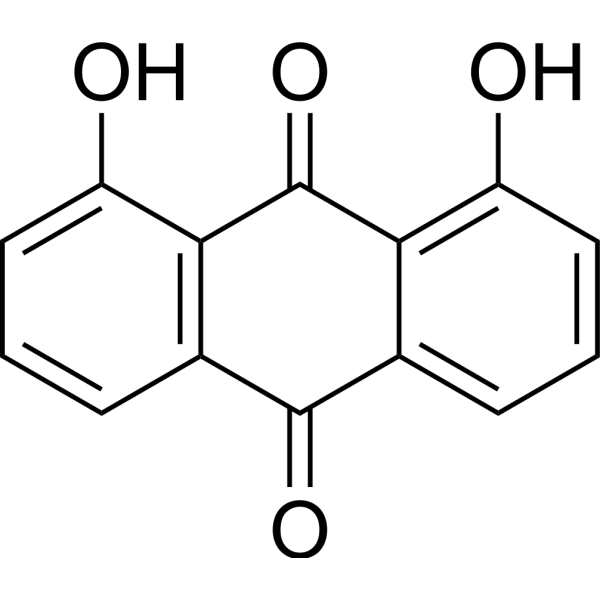 0 ImagesSynonyms: Dantron; Chrysazin; 1,8-DihydroxyanthraquinoneDanthron is a natural product extracted from the traditional Chinese medicine Salvia miltiorrhiza Bunge. Danthron functions in regulating glucose and lipid metabolism by activating AMPK.

-
Pyridostatin TFA
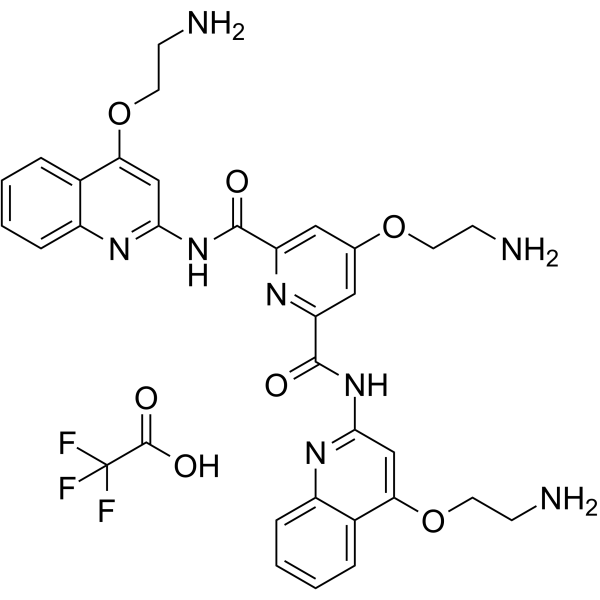 0 ImagesSynonyms: RR82 TFAPyridostatin (RR82) TFA is a G-quadruplex (G4) inducer/stabilizer with a Kd of 490 nM. Pyridostatin TFA also acts as an inhibitor of Zika virus (ZIKV) NS2B-NS3 protease, with an IC50 of 11.0 μM. Pyridostatin TFA interacts with G-quadruplex structures, regulates the expression of SRC and SUB1, and induces replication- and transcription-dependent DNA damage, growth arrest, and genomic instability. Pyridostatin TFA exhibits antiproliferative and antiviral activities. Pyridostatin TFA can be used in studies related to breast cancer, cervical cancer, and Zika virus infection.
-
Angelicin
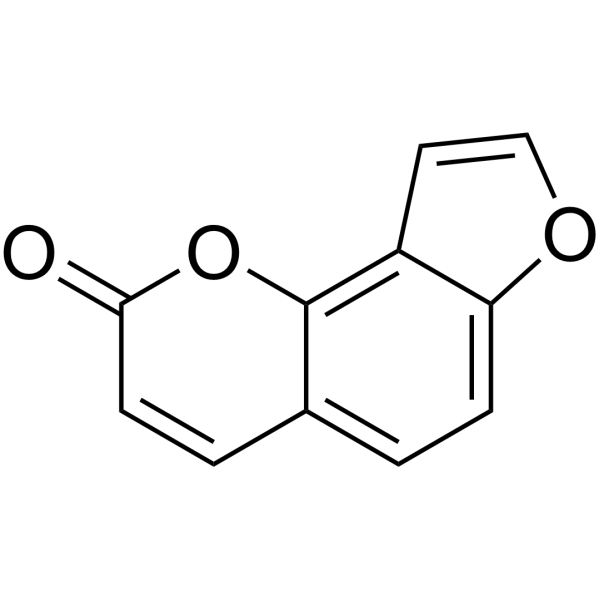 0 ImagesAngelicin is a furanocoumarin compound that functions as an inhibitor of NF-κB and MAPK signaling pathways, exhibiting anti-inflammatory, antiviral, and antitumor activities. It suppresses the lytic replication of γ-herpesviruses, such as MHV-68, early during viral infection, potentially inhibiting RTA gene expression (IC50=28.95 μM). Angelicin also mitigates inflammation by inhibiting the phosphorylation and nuclear translocation of NF-κB, and the phosphorylation of p38 and JNK. Furthermore, it induces apoptosis in neuroblastoma cells by downregulating anti-apoptotic proteins like Bcl-2, Bcl-xL, and Mcl-1, while activating caspase-9 and caspase-3.
-
Bergenin
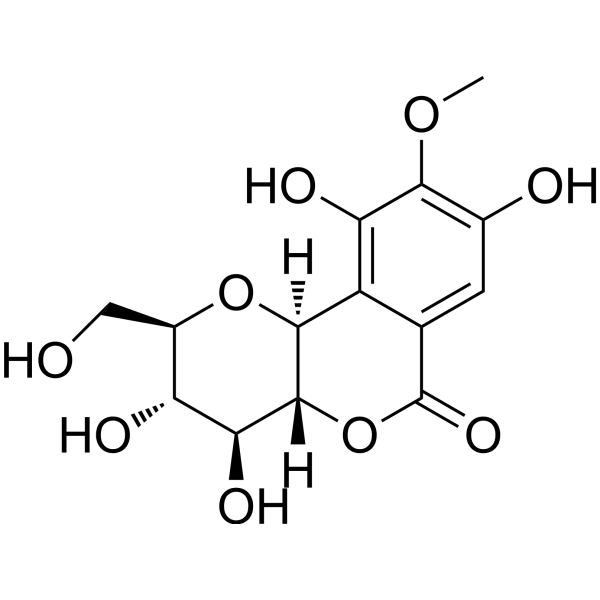 0 ImagesBergenin is a cytoprotective and antioxidative polyphenol found in many medicinal plants. Bergenin has a wide spectrum activities such as hepatoprotective, antiinflammatory, immunomodulatory, antitumor, antiviral, and antifungal properties.
-
NH125
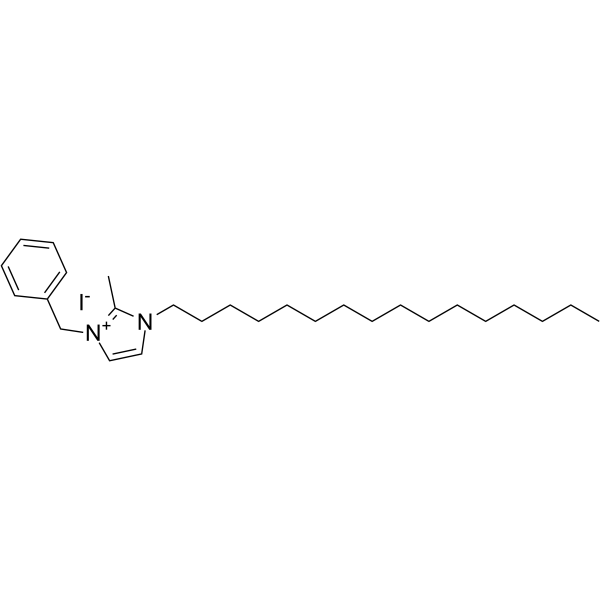 0 ImagesNH125 is a potent and selective inhibitor of eukaryotic elongation factor 2 kinase (eEF-2K/CaMKIII) with an IC50 of 60 nM for eEF-2K. NH125 kills methicillin-resistant S. aureus (MRSA) persisters by interacting with and disrupting membranes.
-
Chymostatin
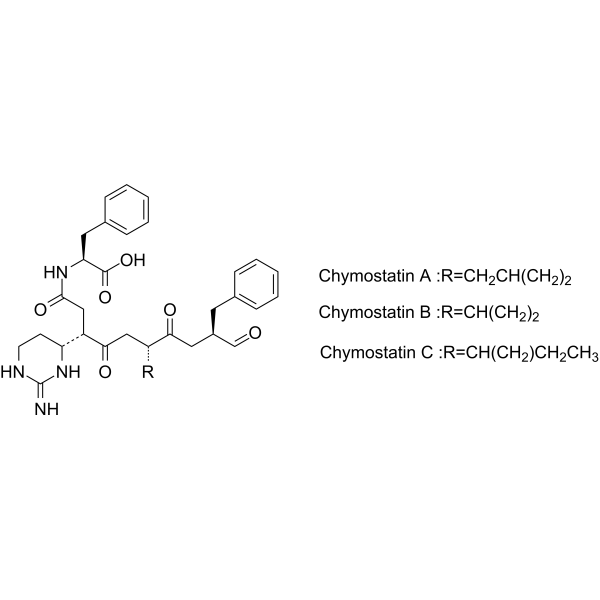 0 ImagesChymostatin is a SARS-CoV-2 Mpro inhibitor. Chymostatin up-regulates endocan and inhibits NF-κBp65 activity. Chymostatin reduces proinflammatory cytokines (IL-1β and IL-6) and HMGB1. Chymostatin shows protective effects against Paraquat-induced acute lung injury. Chymostatin exhibits anticancer activity against lung cancer.
-
STING agonist-1
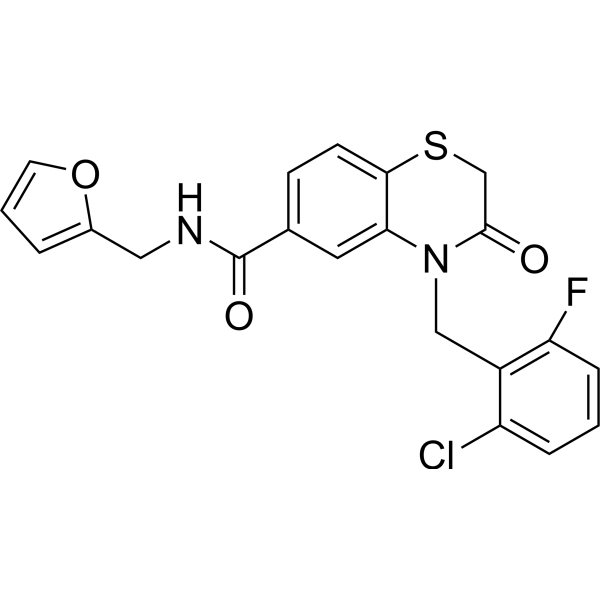 0 ImagesSynonyms: G10STING agonist-1 (G10) is human-specific STING agonist that elicits antiviral activity against emerging Alphaviruses. G10 potently blocks replication of Alphavirus species Venezuelan Equine Encephalitis Virus (VEEV) with IC90 of 24.57 μM.
-
NITD-688
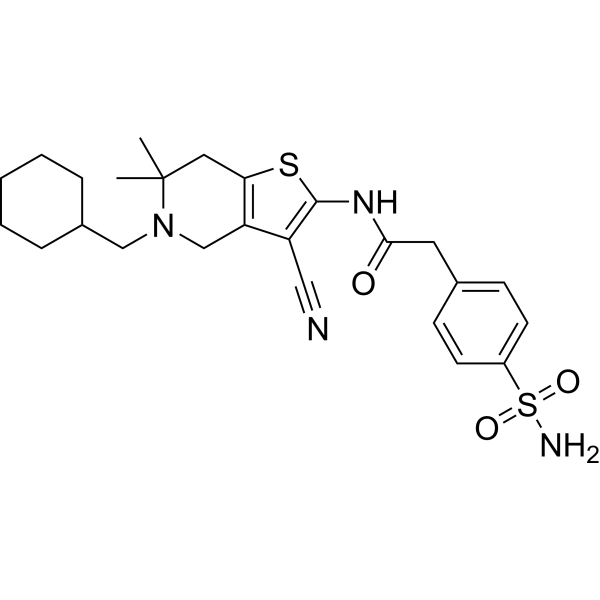 0 ImagesSynonyms: EYU-688NITD-688 is an orally active pan-serotype inhibitor of the dengue virus NS4B protein. NITD-688 can be used in the research of dengue virus (DENV).
-
(+)-JNJ-A07
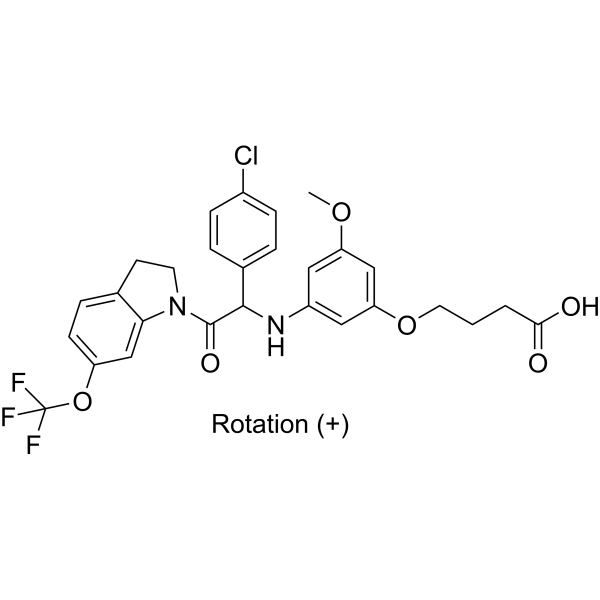 0 Images(+)-JNJ-A07 is a highly potent, orally active pan-serotype dengue virus inhibitor targeting the NS3-NS4B interaction. (+)-JNJ-A07 exerts nanomolar to picomolar activity against a panel of 21 clinical isolates. (+)-JNJ-A07 has a favourable pharmacokinetic profile that results in outstanding efficacy against dengue virus infection in mouse infection models.
-
7-Hydroxyflavone
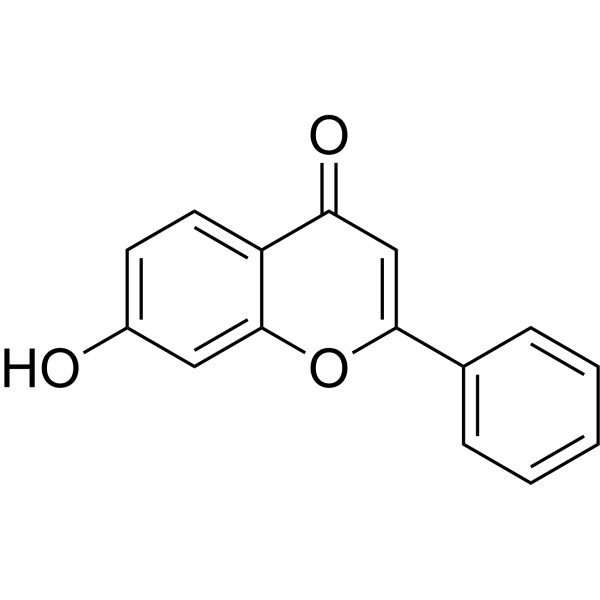 0 Images7-Hydroxyflavone is a flavonoid isolated from Clerodendrum phlomidis, with anti-inflammatory activity. 7-Hydroxyflavone protects renal cells from nicotine (NIC)-associated cytotoxicity via the ERK/Nrf2/HO-1 pathway. 7-Hydroxyflavone inhibits PKM2 with an IC50 of 2.12 μM. 7-Hydroxyflavone inhibits COX-2 and 5-LOX with IC50 of 27 µg/mL and 33 µg/mL. 7-Hydroxyflavone is orally active.
-
L-Lysine-d4 hydrochloride
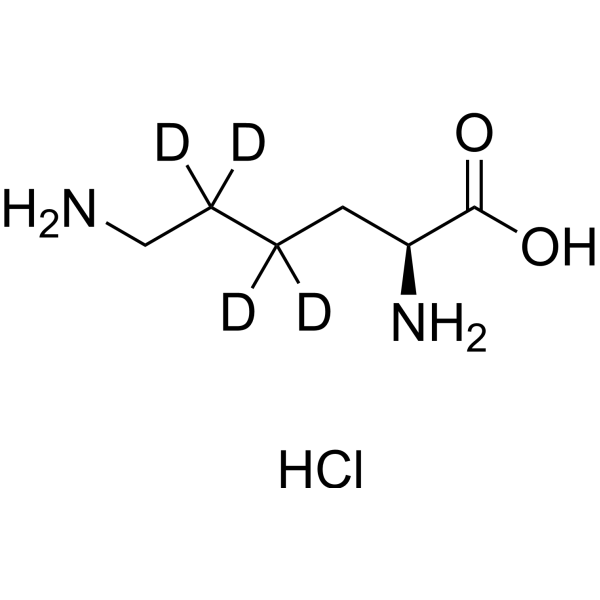 0 ImagesL-Lysine-d4 (hydrochloride) is the deuterium labeled L-Lysine. L-lysine hydrochloride is an essential amino acid for humans with various benefits including treating herpes, increasing calcium absorption, reducing diabetes-related illnesses and improving gut health.
-
AZ960
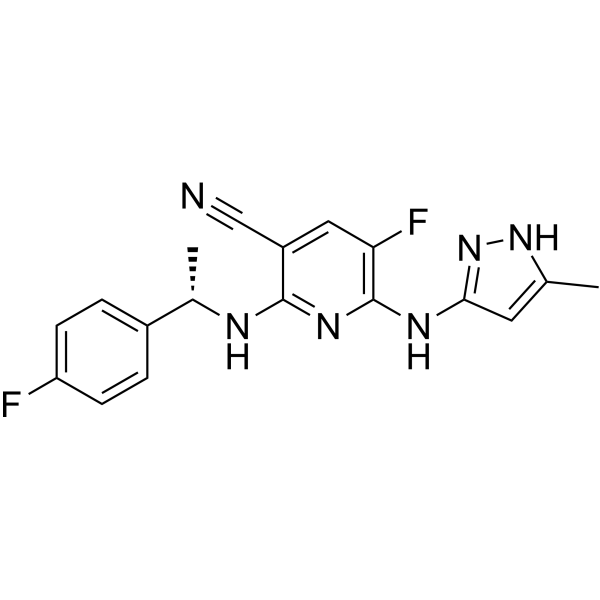 0 ImagesCat. No.: HY-10411CAS No.: 905586-69-8AZ960 is a potent and specific inhibitor of the JAK2 kinase with a Ki of 0.45 nM.
-
L-Lysine (Standard)
 0 ImagesL-Lysine (Standard) is the analytical standard of L-Lysine. This product is intended for research and analytical applications. L-lysine is an essential amino acid for humans with orally activity. L-lysine can inhibit the occurrence of HSV infections and is used in herpes research. L-lysine increases calcium absorption, reduces diabetes-related diseases, improves gut health, and alleviates pancreatic inflammation. L-lysine can be used in research on metabolism, infection, and inflammation. IC50 & Target:L-lysine (150 mg/kg) promotes, but not initiates, bladder cancer. The administration of L-lysine to rats submitted to colovesical cystoplasty accelerates the development of transitional metaplasia of the intestinal epithelium.
L-lysine (10 mg/kg) treatment attenuates pancreatic tissue injury induced by L-arginine by inhibiting the release of the inflammatory cytokine IL-6 and enhance antioxidant activity. In Vivo:L-lysine (10?mg/kg, p.o., pre-treated or post-treated, administration duration 15 days) treatment attenuates pancreatic tissue injury induced by L-arginine by inhibiting the release of the inflammatory cytokine IL-6 and enhance antioxidant activity in acute pancreatitis mice model. L-lysine (5 or 10?mg/kg, p.o., 45 days) ameliorates sepsis-induced acute lung injury in a lipopolysaccharide (HY-D1056)-induced mouse model.
-
Anthraquinone
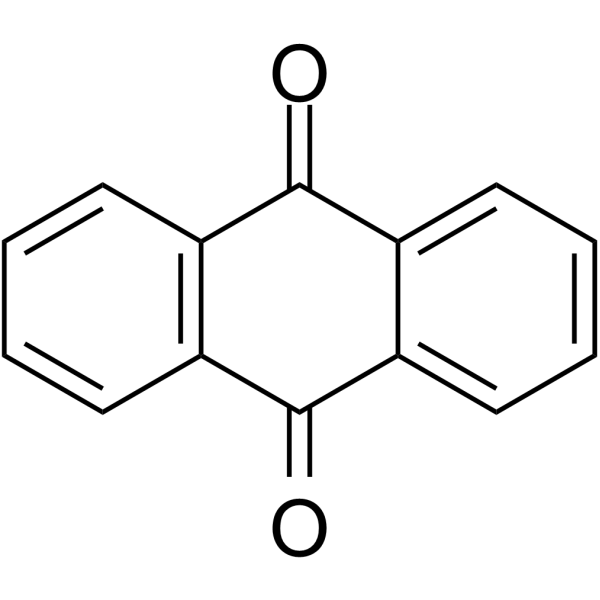 0 ImagesAnthraquinone is used as a precursor for dye formation and agrochemicals, existing in different organisms, such as bacteria, fungi, plants, and some animals. Anthraquinone has biological activities: anticancer, antiinflammatory, diuretic, antiarthritic, antifungal, antibacterial, antimalarial and antioxidant. Anthraquinone also plays an important role in the primary metabolism of plants by acting on the electron transport chain through the inhibition of energy transfer in the photosynthetic process. Anthraquinone can intercalates into DNA and inhibits the topoisomerase II (topo II) enzyme, resulting in cell death via Apoptosis.
-
Aminothiazole
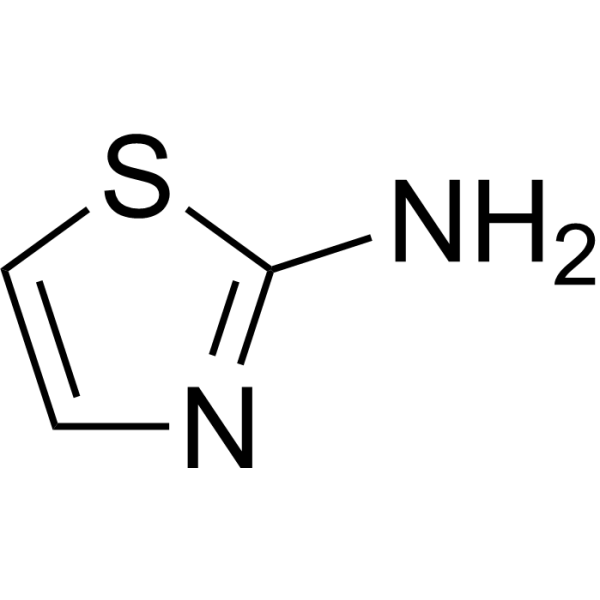 0 ImagesAminothiazole (2-Aminothiazole), a typical heterocyclic amine, is a precursor for the synthesis of biologically active molecules including sulfur agents, biocides, fungicides, antibiotics, dyes and chemical reaction accelerators.
-
NS2B/NS3-IN-2
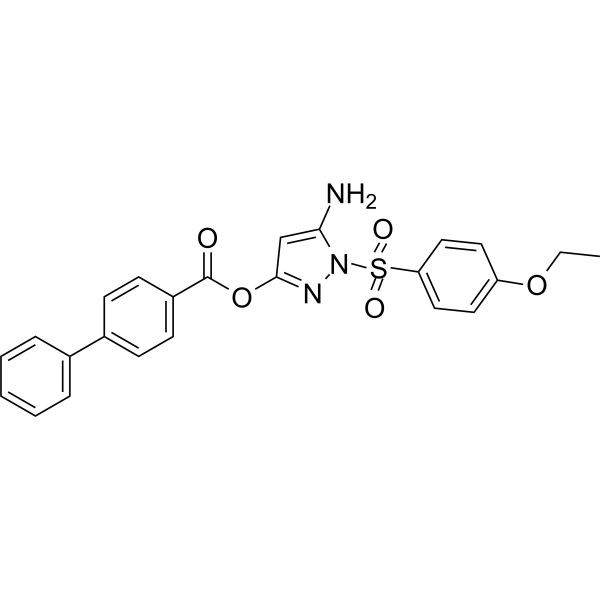 0 ImagesNS2B/NS3-IN-2 is a potent dengue virus (DENV) NS2B/NS3 covalent inhibitor with an IC50 of 6.0 nM and Ki of 0.66 µM. NS2B/NS3-IN-2 shows no cytotoxicity and markedly increases the cell survival rate.
-
AM-001
 0 ImagesAM-001 is a selective Epac1 inhibitor with an IC50 value of 47.8-53.7 μM. AM-001 blocks cAMP (Cyclic AMP) (HY-B1511)-induced conformational changes of Epac1, inhibits Epac1-dependent activation of Rap1, and does not compete with cAMP for binding to Epac1. AM-001 disrupts the formation of the Epac1-GRK5 complex, blocks nuclear import of GRK5, and inhibits GRK5-mediated nuclear export of HDAC5 and activation of MEF2. AM-001 can be used in research related to heart disease, myocardial ischemia/reperfusion injury, SARS-CoV-2 infection, influenza A virus infection, atrial fibrillation and idiopathic pulmonary fibrosis.




