2438 Results for "

decrease

" in MedChemExpress (MCE) Product Catalog:
Products (2438)

2438 Results for "decrease" in MCE Product Catalog:

Art. -Nr.: HY-D0186S5
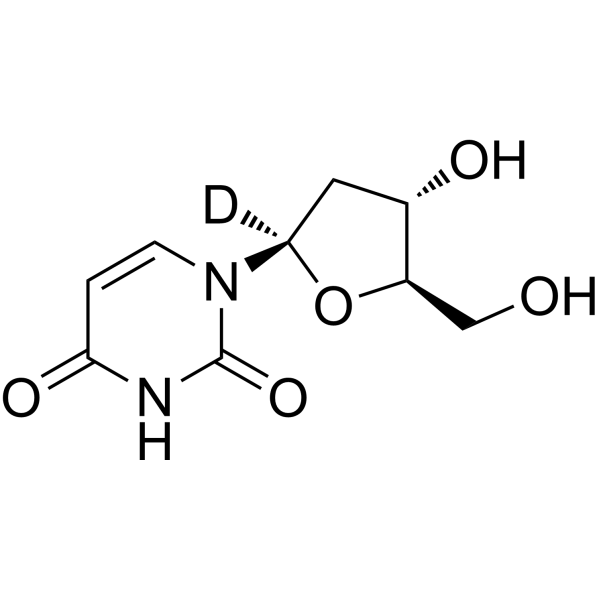
2'-Deoxyuridine-d is the deuterium labeled 2'-Deoxyuridine. 2'-Deoxyuridine could increase chromosome breakage and results in a decreased thymidylate synthetase activity. A known use of 2'-Deoxyuridine is as a precursor in the synthesis of Edoxud <
loading...
    loading...
Art. -Nr.: HY-N0785R
CAS. Nr.: 15291-76-6
Synonyms: BN-52022 (Standard)
Ginkgolide C (Standard) is the analytical standard of Ginkgolide C. This product is intended for research and analytical applications. Ginkgolide C is a flavone isolated from Ginkgo biloba leaves, possessing multiple biological functions, such as decreasing platelet aggregation and ameliorating Alzheimer disease.
loading...
    loading...
Art. -Nr.: HY-N7696
CAS. Nr.: 57423-71-9
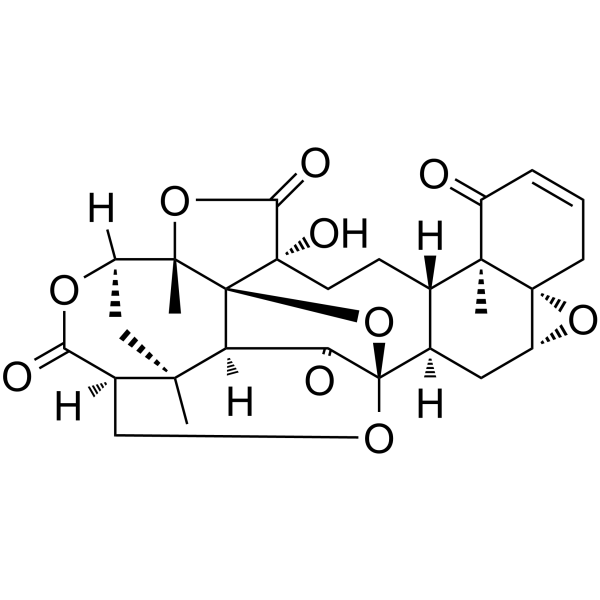
Physalin F is a secosteroid with potent anti-inflammatory and immunomodulatory activities. Physalin F induces apoptosis of PBMC, decreasing the spontaneous proliferation and cytokine production caused by Human T-lymphotropic virus type 1 (HTLV-1) infection .
loading...
    loading...
Art. -Nr.: HY-P3050
CAS. Nr.: 93585-83-2
Target:  

GCGR

Forschungsgebiete:  

Cardiovascular Disease

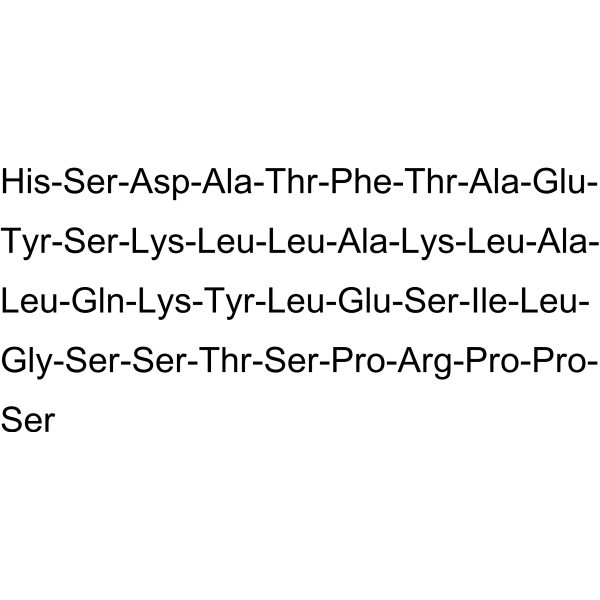
Helospectin II is a neuropeptide of the vasoactive intestinal peptide (VIP) family. Helospectin II has vasodilatory and antihypertensive activities, and decreases blood pressure. Helospectin II is originally isolated from the salivary gland venom of the lizard Heloderma suspectum .
loading...
    loading...
Art. -Nr.: HY-P3053
CAS. Nr.: 93438-37-0
Target:  

GCGR

Forschungsgebiete:  

Cardiovascular Disease

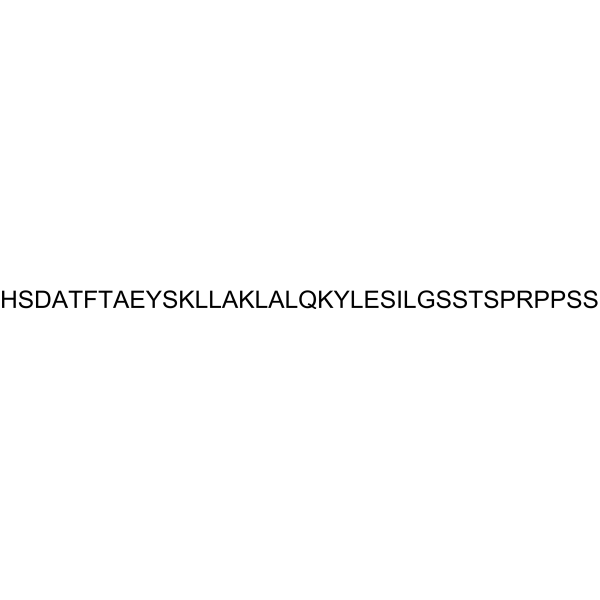
Helospectin I is a neuropeptide of the vasoactive intestinal peptide (VIP) family. Helospectin I has vasodilatory and antihypertensive activities, and decreases blood pressure. Helospectin I is originally isolated from the salivary gland venom of the lizard Heloderma suspectum .
loading...
    loading...
Art. -Nr.: HY-P3169
CAS. Nr.: 99658-03-4
Target:  

CRFR

Forschungsgebiete:  

Inflammation/Immunology

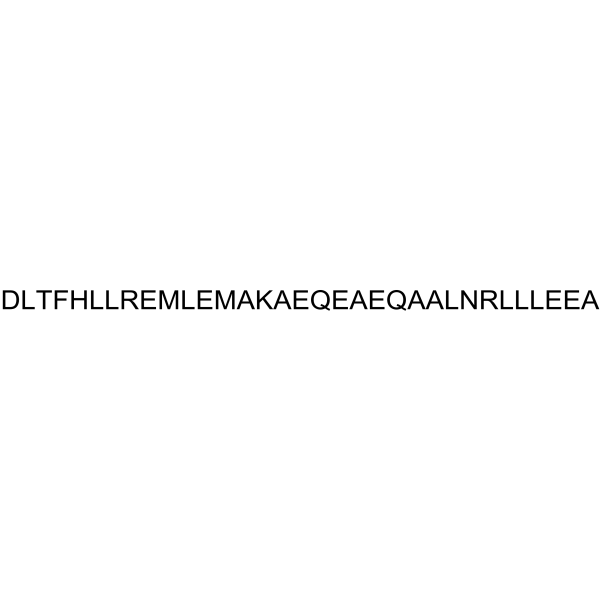
α-Helical Corticotropin Releasing Factor (9-41) is a corticotropin releasing factor (CRF) antagonist. α-Helical Corticotropin Releasing Factor (9-41) decreases plasma growth hormone (GH) values in vivo .
loading...
    loading...
Art. -Nr.: HY-P3777
CAS. Nr.: 109024-47-7
Target:  

Potassium Channel

Forschungsgebiete:  

Neurological Disease

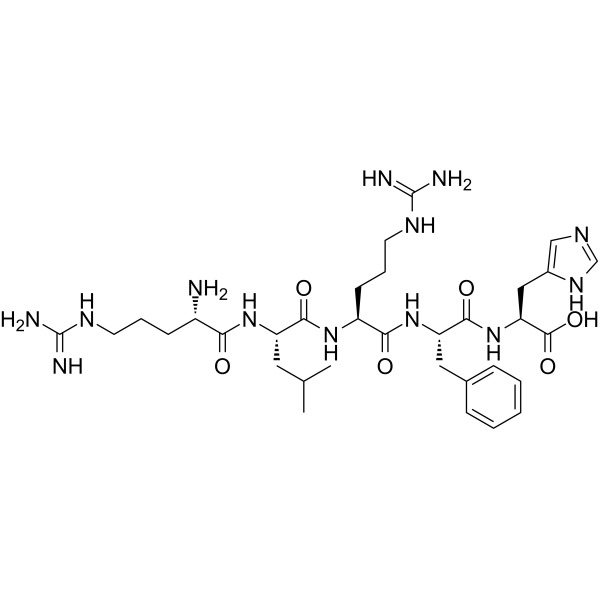
β-Bag cell peptide is a neuroactive peptide. β-Bag cell peptide elevates cyclic AMP levels in the bag cell neurons. β-Bag cell peptide decreases the amplitudes of the voltage-dependent potassium currents .
loading...
    loading...
Art. -Nr.: HY-W014861
CAS. Nr.: 75-58-1
Synonyms: Tetramethyl-ammoniuiodide
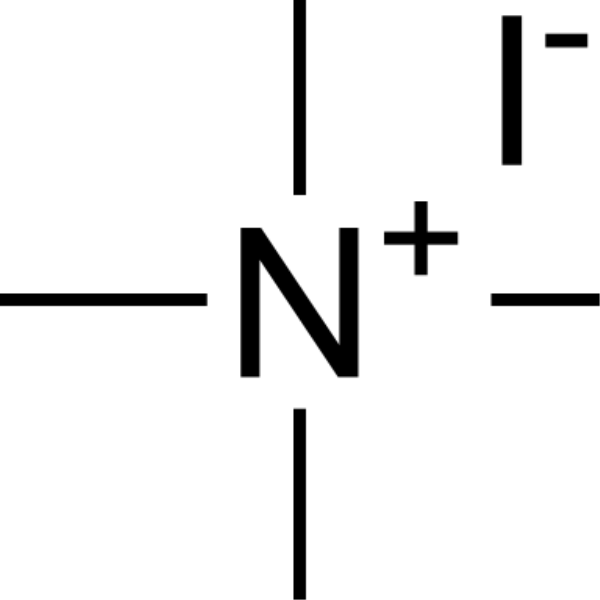
Tetramethylammonium iodide (Tetramethyl-ammoniuiodide) is a capillary active agent and weakly capillary active quasi-simple salt. Tetramethylammonium iodide decreases aqueous solution surface tension with increasing concentration and exhibits surface accumulation of constituent ions at liquid-vapor interfaces .
loading...
    loading...
Art. -Nr.: HY-W015003
CAS. Nr.: 86-28-2
Synonyms: N-Ethylcarbazole
Forschungsgebiete:  

Others

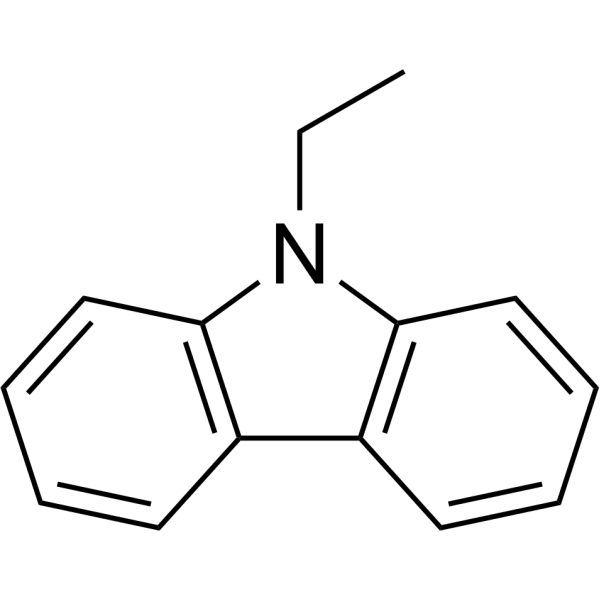
9-Ethylcarbazole (N-Ethylcarbazole) serves as a hydrogen storage material. The introduction of nitrogen (N) into 9-ethylcarbazole can reduce the endothermic nature of the reaction and decrease the dehydrogenation temperature, thereby facilitating the process of hydrogen storage and release .
loading...
    loading...
Art. -Nr.: HY-113058
CAS. Nr.: 14292-27-4
Reinheit:  ≥98.0%
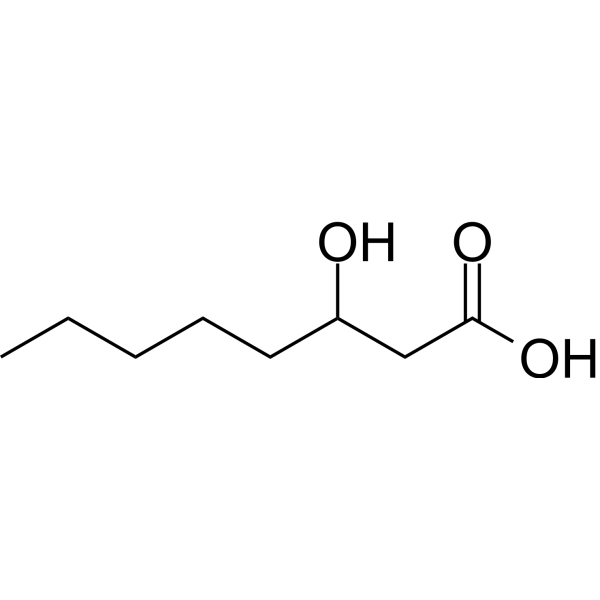
3-Hydroxyoctanoic acid is a medium-chain β-hydroxy fatty acid that possesses antibacterial, antifungal, and quorum-sensing regulatory activities. 3-Hydroxyoctanoic acid is an endogenous agonist of the human HCAR3 receptor, decreases intracellular cAMP, reduces IL-1beta secretion, increases IL-10 secretion, and decreases ROS production in macrophages. 3-Hydroxyoctanoic acid inhibits quorum-sensing-regulated pyocyanin production in Pseudomonas aeruginosa PAO1 and inhibits the yeast-to-hypha transition in Candida albicans. 3-Hydroxyoctanoic acid is used in research related to metabolism, bacterial infections, and fungal infections .
loading...
    loading...
Art. -Nr.: HY-116195
CAS. Nr.: 126-91-0
Reinheit:  ≥98.0%
Synonyms: (-)-Linalool
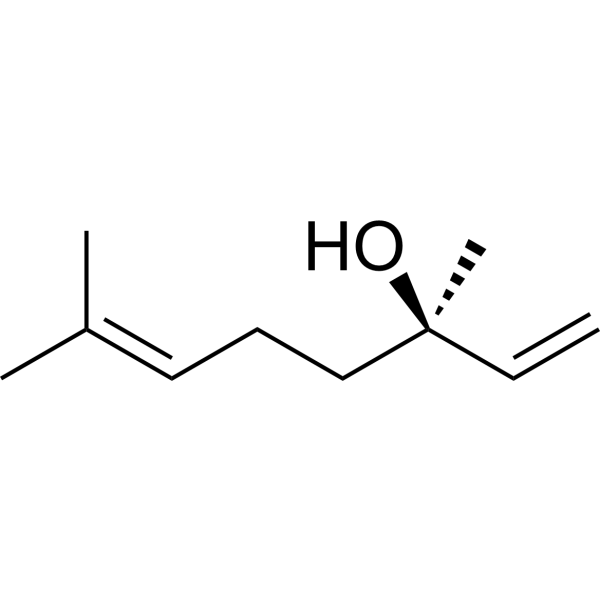
L-Linalool ((-)-Linalool) is a naturally derived monoterpene alcohol with oral activity, possessing neuroprotective, anti-inflammatory, and antioxidant activities. L-Linalool is a 5-HT3 receptor inhibitor and a benzodiazepine-responsive GABAA receptor enhancer. L-Linalool reduces nitrite and lipid peroxidation in the brain and partially prevents the decrease of striatal dopamine, DOPAC, and HVA. L-Linalool exhibits neuroprotective effects in hemiparkinsonian rats, cortical oxygen-glucose deprivation injury, and Alzheimer's disease models. L-Linalool prevents the decrease in tyrosine hydroxylase and dopamine transporter expression. L-Linalool can be used in research related to diseases such as Parkinson's disease and Alzheimer's disease .
loading...
    loading...
Art. -Nr.: HY-169831
CAS. Nr.: 3006795-68-9
Target:  

α-synuclein

Forschungsgebiete:  

Neurological Disease

HUP-55 is a prolyl endopeptidase inhibitor (IC50 = 5 nM). HUP-55 reduces the dimerization of α-synuclein in Neuro2a cells and induces autophagy (Autophagy) in HEK293 cells. It also decreases the increase in reactive oxygen species (ROS) production induced by hydrogen peroxide in SH-SY5Y cells at a concentration of 10 μM. In a mouse Parkinson’s disease model, HUP-55 (10 mg/kg) improves motor function (reduces the use frequency of the impaired paw) and decreases the levels of harmful oligomers of α-synuclein in the striatum caused by overexpression of α-synuclein .
loading...
    loading...
Art. -Nr.: HY-19699
CAS. Nr.: 86-86-2
Synonyms: NAAM; 1-Naphthaleneacetamide; α-Naphthylacetamide
1-Naphthylacetamide is an orally active nonsteroidal anti-inflammatory agent (NAIA) and also an indole-type auxin plant growth regulator. 1-Naphthylacetamide inhibits inflammatory response-related pathways and modulates plant hormone signaling, exhibiting anti-inflammatory, local anesthetic, antispasmodic, analgesic, and diuretic activities. 1-Naphthylacetamide promotes plant cell expansion, differentiation, and fruit enlargement. Additionally, 1-Naphthylacetamide induces central nervous system (CNS) depression in mice, characterized by reduced spontaneous activity, decreased irritability, decreased muscle tone, and attenuated ear-cuff reflex, ipsilateral flexor reflex, and corneal reflex [1][2].
loading...
    loading...
Art. -Nr.: HY-W014684R
CAS. Nr.: 80-54-6
Lilial (Standard) is the analytical standard of Lilial. This product is intended for research and analytical applications. Lilial is a widely used synthetic fragrance and ester in consumer products. Lilial possesses estrogenic activity in vitro. Lilial can induce a toxic effect on mitochondria that causes a decrease in the viability of HaCaT cells. Lilial can increase NRF2 protein level in vitro. Lilial is able to target respiratory chain complexes, inhibit complexes I and II of the electron transport chain, increase the generation of reactive oxygen species, and decrease the level of intracellular ATP. Lilial can induce systemic toxicity in vivo. Lilial induces significant DNA strand breaks .
loading...
    loading...
Art. -Nr.: HY-10079A
CAS. Nr.: 1160589-73-0
Synonyms: GMX1778 (nicotinate)
Target:  

NAMPT Apoptosis

Forschungsgebiete:  

Cancer

CHS-828 nicotinate is a competitive inhibitor of nicotinamide phosphoribosyltransferase (NAMPT), with an IC50 less than 25 nM. CHS-828 nicotinate (GMX1778) exerts a cytotoxic effect by decreasing the cellular level of NAD + and exhibits a potent anticancer activity .
loading...
    loading...
Art. -Nr.: HY-103438
CAS. Nr.: 793726-84-8
Target:  

Apoptosis Akt Autophagy

Forschungsgebiete:  

Cancer

BIBU1361 induces apoptosis and inhibits autophagy. BIBU1361 inhibits pro-survival pathways Akt/mTOR and gp130/JAK/STAT3, and decreased levels of pro-inflammatory cytokine IL-6 .
loading...
    loading...
Art. -Nr.: HY-103438A
CAS. Nr.: 1643609-75-9
Target:  

Apoptosis Autophagy Akt

Forschungsgebiete:  

Cancer

BIBU1361 dihydrochloride induces apoptosis and inhibits autophagy. BIBU1361 inhibits pro-survival pathways Akt/mTOR and gp130/JAK/STAT3, and decreased levels of pro-inflammatory cytokine IL-6 .
loading...
    loading...
Art. -Nr.: HY-118528
CAS. Nr.: 864374-00-5
Target:  

TGF-β Receptor

Forschungsgebiete:  

Cancer

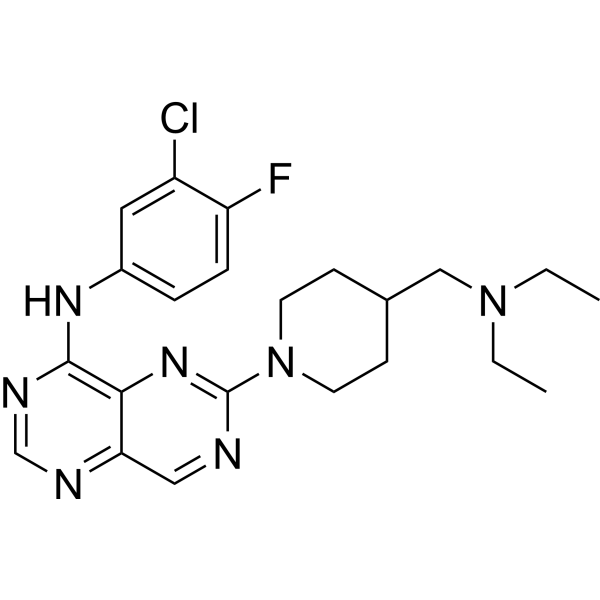
TP0427736 is a selective inhibitor of ALK5 with an IC50 of 2.72 nM. TP0427736 inhibits Smad2/3 phosphorylation in A549 cells. TP0427736 decreases the growth inhibition of human outer root sheath cells .
loading...
    loading...
Art. -Nr.: HY-118618
CAS. Nr.: 38458-58-1
Synonyms: Hiyodorilactone A; Schkuhrin I
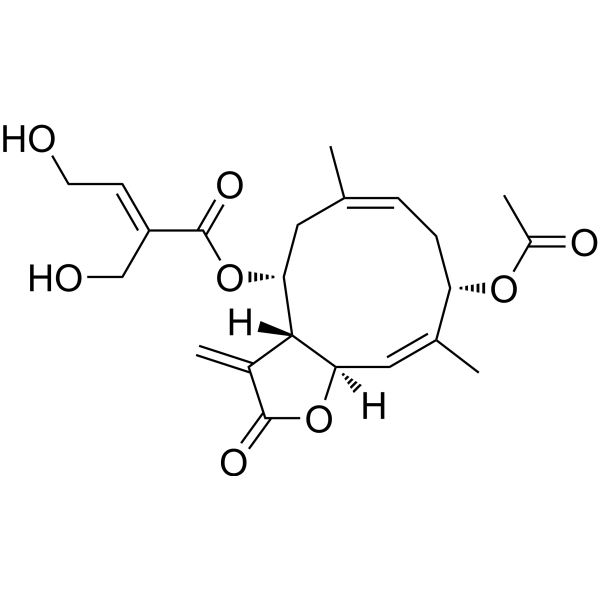
Eucannabinolide is a STAT3 inhibitor. Eucannabinolide suppresses STAT3 activation at tyrosine 705, inhibiteds its translocation to nucleus, and decreases its DNA binding capacity. Eucannabinolide can be used for triple negative breast cancer (TNBC) diseases research .
loading...
    loading...
Art. -Nr.: HY-120299
CAS. Nr.: 1646795-59-6
Reinheit:  ≥99.0%
Target:  

TNF Receptor

Forschungsgebiete:  

Inflammation/Immunology

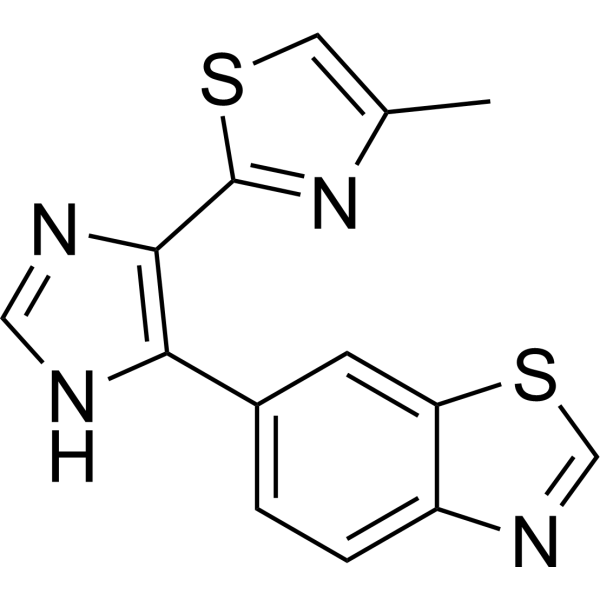
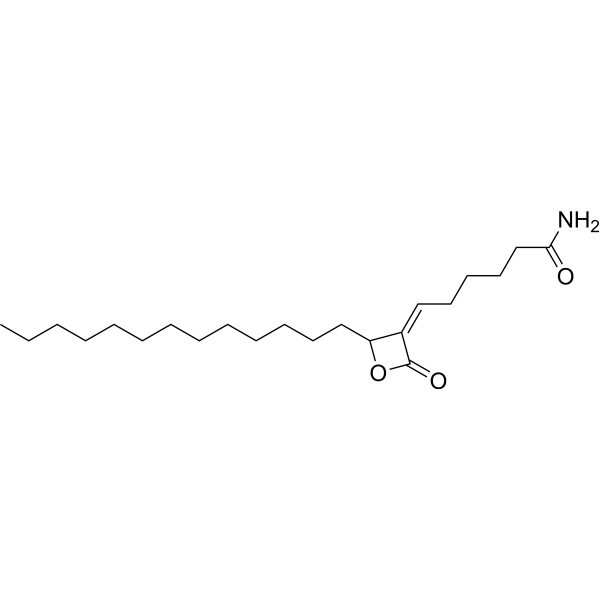
KC01 is an effective inhibitor of ABHD16A, with IC50s of 90 nM for hABHD16A and 520 nM for mABHD16A. KC01 significantly reduces lyso-PSs, and decreases lyso-PS and LPS-induced cytokine production in mouse macrophages .
loading...
    loading...

