



Roflumilast
Based on 17 publication(s) in Google Scholar
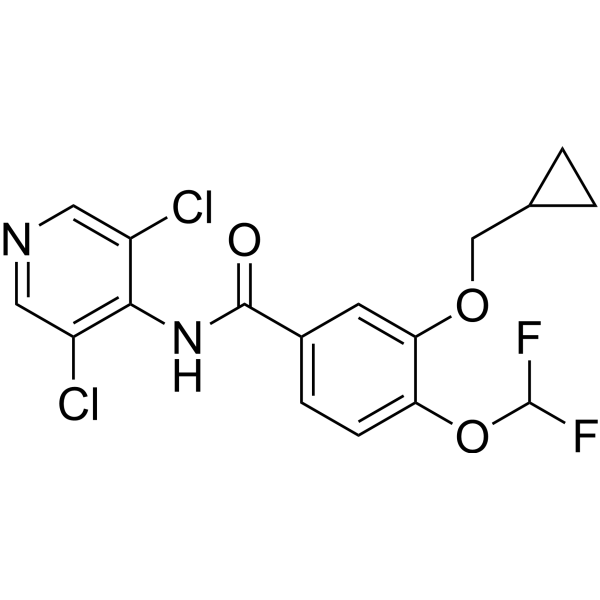
Roflumilast (APTA-2217) is a selective PDE4 inhibitor with IC50s of 0.7, 0.9, 0.7, and 0.2 nM for PDE4A1, PDE4A4, PDE4B1, and PDE4B2, respectively, without affecting PDE1, PDE2, PDE3 or PDE5 isoenzymes from various cells.
Nur für Forschungszwecke. Wir verkaufen nicht an Patienten.
- Reinheit : 99.98%
- CAS. Nr.: 162401-32-3
- Formel: C17H14Cl2F2N2O3
- Molecular Weight:403.21
-
Speicherung:Powder -20°C, 3 years , 4°C, 2 years ; In solvent -80°C, 2 years , -20°C, 1 year

To place orders, for customer services and technical support, please contact: MedChemExpress USA
Tel: 609-228-6898 E-mail: [email protected] [email protected]


-
 Biologische Aktivität
-
Chemical Information
-
Lösungsmittel & Löslichkeit
- Reinheit & Dokumentation
- Verweise
-
 Help & FAQs


-
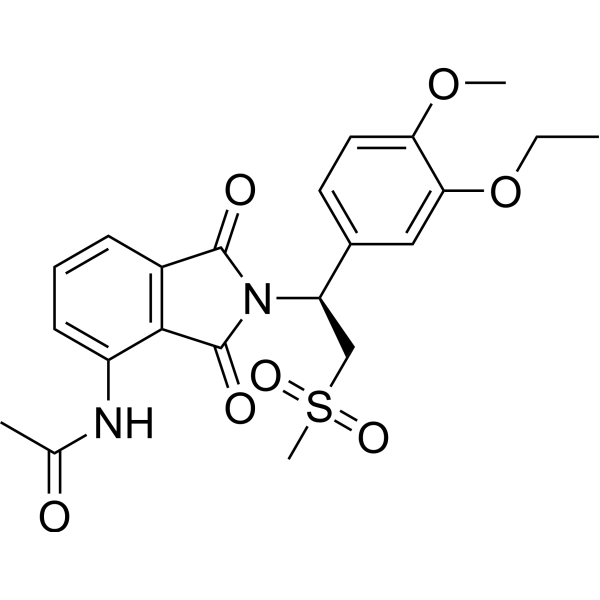
HY-12085
ApremilastPDE-4 Inhibitor -
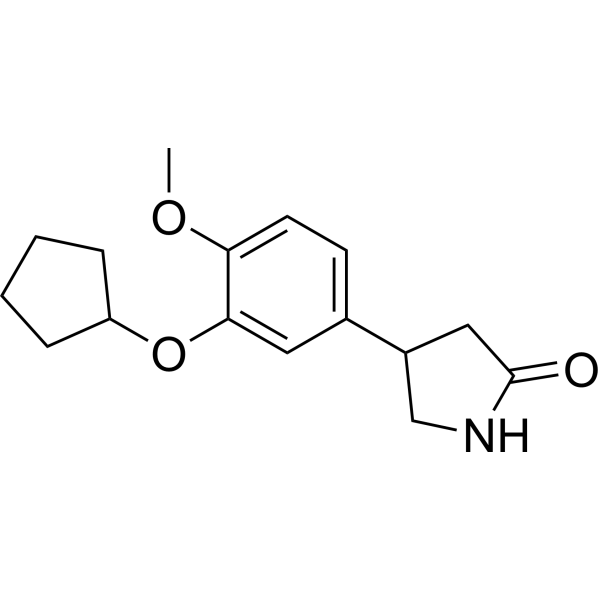
HY-16900
RolipramPDE4 Inhibitor -
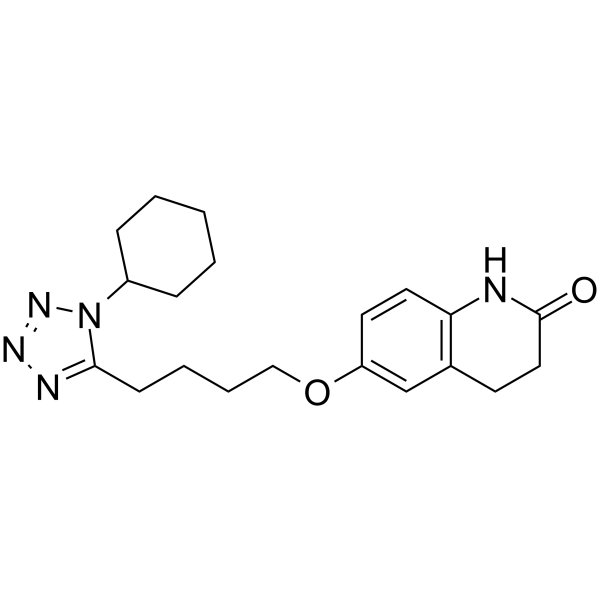
HY-17464
CilostazolPDE3 Inhibitor -
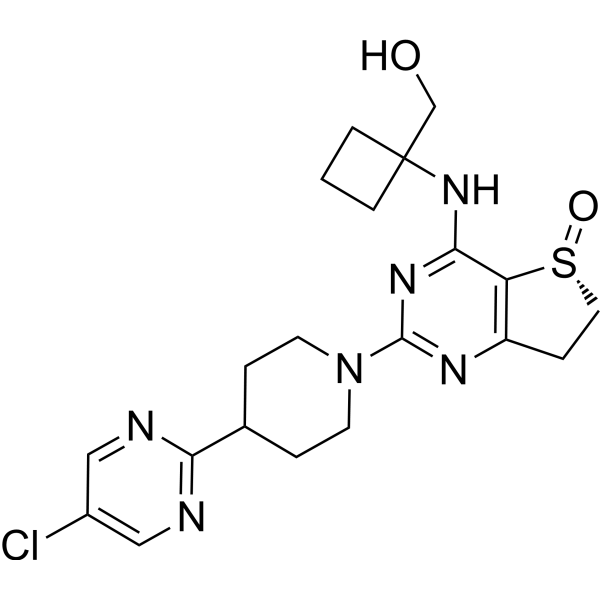
HY-153192
NerandomilastPDE4B Inhibitor -
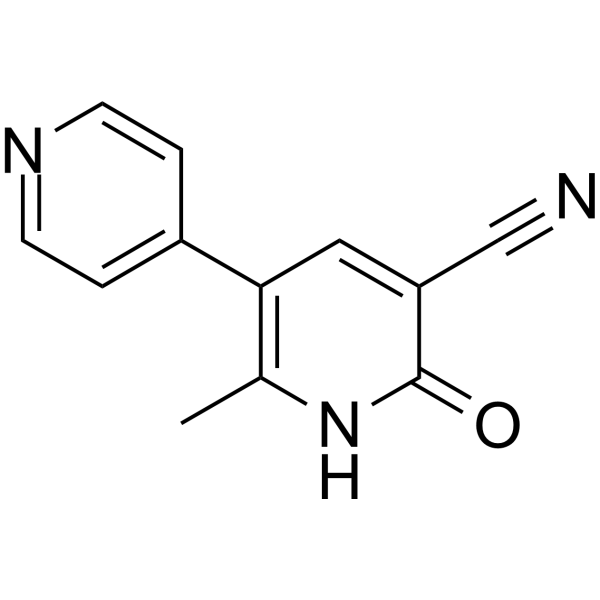
HY-14252
Milrinone -
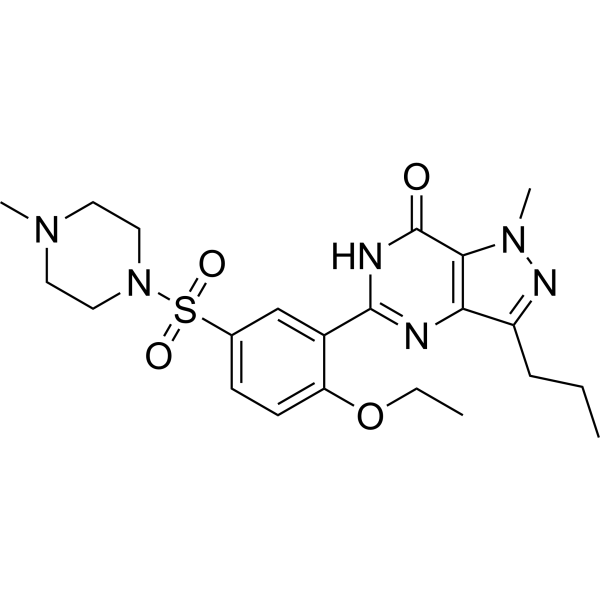
HY-15025
SildenafilPDE5 Inhibitor -
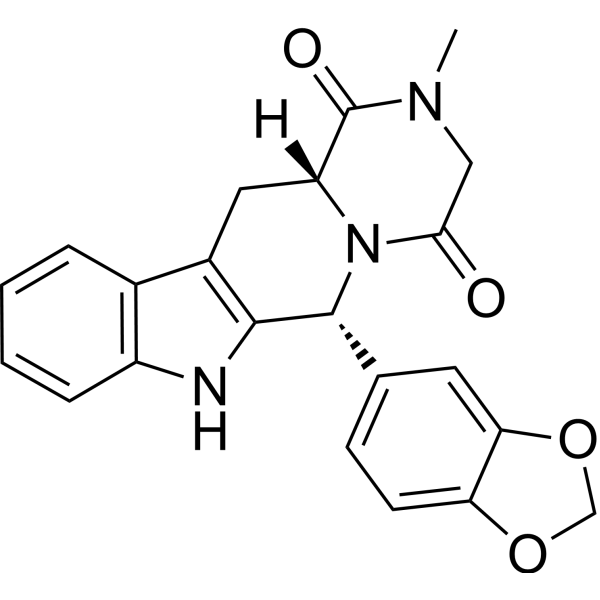
HY-90009A
TadalafilPDE5 Inhibitor -
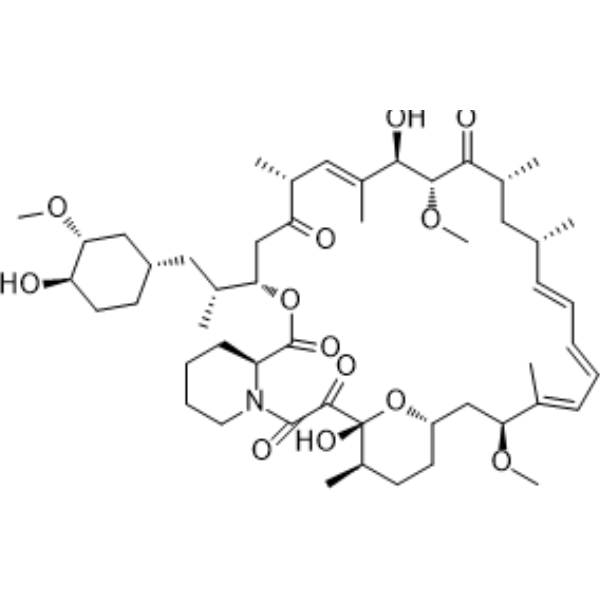
HY-10219
RapamycinmTOR Inhibitor -
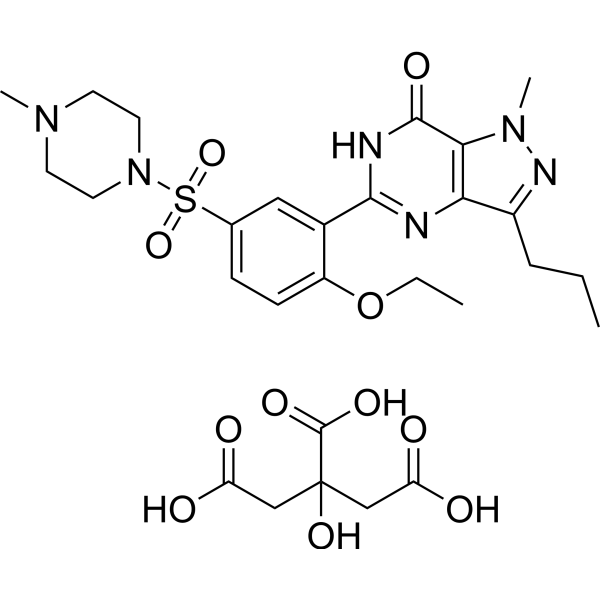
HY-15025A
Sildenafil citratePDE5 Inhibitor -
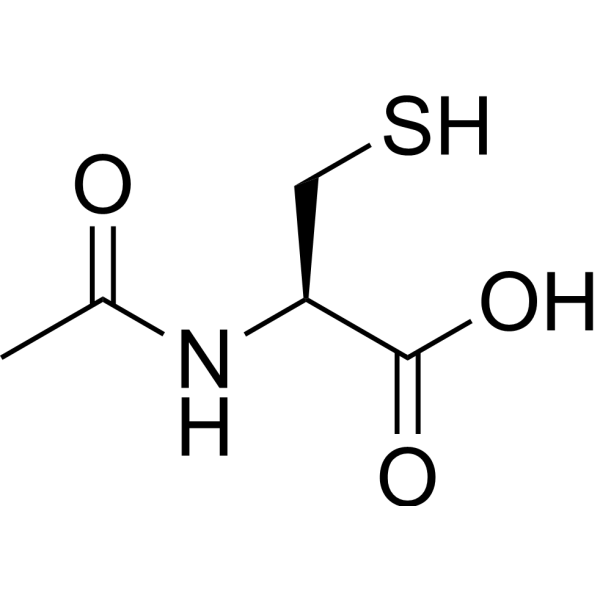
HY-B0215
AcetylcysteineMucolytic Agent -
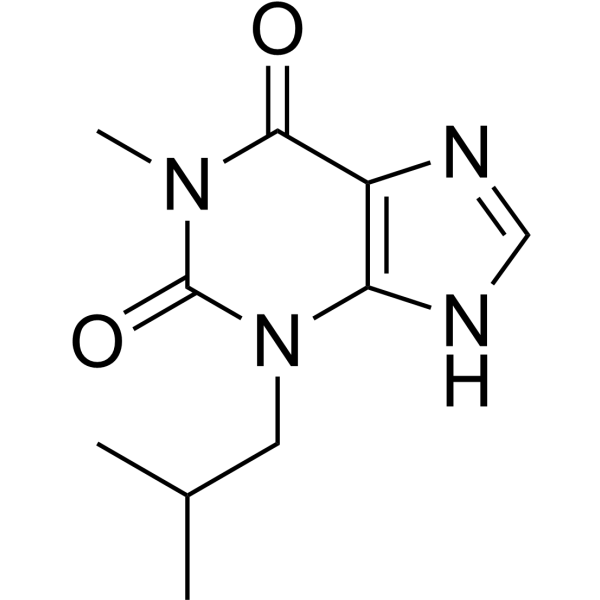
HY-12318
IBMXPDE Inhibitor -
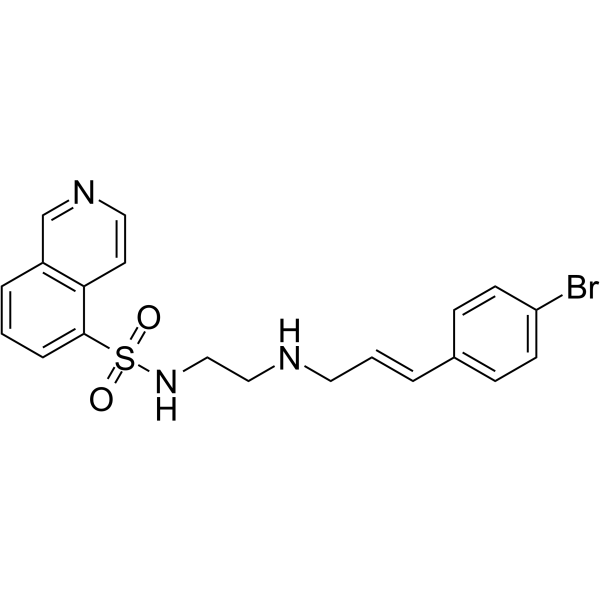
HY-15979
H-89PKA Inhibitor
Publications Citing Use of MedChemExpress (MCE) Roflumilast
More- Adv Sci (Weinh). 2025 Jun;12(23):e2500566. [Abstract]
- J Ethnopharmacol. 2025 Jul 18;353(Pt A):120309. [Abstract]
- J Ethnopharmacol. 2025 Feb 11:341:119336. [Abstract]
- Inflamm Res. 2020 Dec;69(12):1191-1199. [Abstract]
- Ceram Int. 30 September 2021.
- Pharmaceuticals (Basel). 2026 Aug 3;19(8):1219.
- Int J Mol Sci. 2026 Aug 28;27(17):7696.
- J Dermatol Sci. 2023 May;110(2):44-52. [Abstract]
- Mol Cell Endocrinol. 2026 Jul:617:112788. [Abstract]
- BMC Neurosci. 2023 Jul 31;24(1):39. [Abstract]
- Biochem Biophys Rep. 2021 Aug 28:28:101118. [Abstract]
- Biochim Biophys Acta Gen Subj. 2025 Oct;1869(11):130850. [Abstract]
- Int Urol Nephrol. 2019 Feb;51(2):253-260. [Abstract]
- Int Urol Nephrol. 2017 Oct;49(10):1723-1730. [Abstract]
- Preprints. 2026 Jun 19.
- Res Sq. 2024 Jun 17.
- Patent. US20230111925A1.
 Customer Validation & Images

-
Histological Imaging/Staining
-
ELISA
-
2D/3D Cell Culture and Differentiation
-
WB
-
WB


Biologische Aktivität
Beschreibung
IC50 & Target
|
PDE4 |
Cellular Effect
|
Cell Line

|
Type | Value | Description | References |
|---|---|---|---|---|
| Eosinophil | ED50 |
1.8 μM/g
Compound: Roflumilast
|
Anti-inflammatory activity against ovalbumin induced lung inflammatory rat model assessed as reduction in eosinophil influx
Anti-inflammatory activity against ovalbumin induced lung inflammatory rat model assessed as reduction in eosinophil influx
|
[PMID: 33569941] |
| HEK293 | IC50 |
1 nM
Compound: Roflumilast
|
Inhibition of PDE4 expressed in HEK293 cells coexpressing cyclic nucleotide gated ion channel mutant assessed as inhibition of NECA-induced cAMP production treated 15 mins before NECA challenge measured after 45 mins by FLIPR assay
Inhibition of PDE4 expressed in HEK293 cells coexpressing cyclic nucleotide gated ion channel mutant assessed as inhibition of NECA-induced cAMP production treated 15 mins before NECA challenge measured after 45 mins by FLIPR assay
|
[PMID: 20378348] |
| Neutrophil | ED50 |
31 μM/g
Compound: Roflumilast
|
Anti-inflammatory activity in LPS-induced inflammatory mouse model assessed as reduction in neutrophil influx
Anti-inflammatory activity in LPS-induced inflammatory mouse model assessed as reduction in neutrophil influx
|
[PMID: 33569941] |
| PBMC | EC50 |
50 nM
Compound: Roflumilast
|
Anti-inflammatory activity against human PBMCs assessed as reduction in LPS-induced TNF-alpha release by ELISA analysis
Anti-inflammatory activity against human PBMCs assessed as reduction in LPS-induced TNF-alpha release by ELISA analysis
|
[PMID: 33569941] |
| PBMC | IC50 |
0.02 nM
Compound: Roflumilast
|
Inhibition of TNFalpha production in LPS-stimulated human PBMC preincubated before LPS challenge measured after 4 hrs by enzyme immunoassay
Inhibition of TNFalpha production in LPS-stimulated human PBMC preincubated before LPS challenge measured after 4 hrs by enzyme immunoassay
|
[PMID: 19256507] |
| PBMC | IC50 |
2.6 nM
Compound: Roflumilast
|
Inhibition of LPS-induced TNFalpha production in PBMC
Inhibition of LPS-induced TNFalpha production in PBMC
|
[PMID: 21871695] |
| Sf21 | IC50 |
>100 μM
Compound: 6
|
Inhibition of His-tagged catalytic domain Trypanosoma brucei brucei PDEB1 expressed in baculovirus infected insect Sf21 cells
Inhibition of His-tagged catalytic domain Trypanosoma brucei brucei PDEB1 expressed in baculovirus infected insect Sf21 cells
|
[PMID: 22023548] |
| Sf21 | IC50 |
0.35 nM
Compound: 3
|
Inhibition of human full length PDE4A4 expressed in baculovirus infected sf21 cells
Inhibition of human full length PDE4A4 expressed in baculovirus infected sf21 cells
|
[PMID: 23806553] |
| Sf9 | IC50 |
5.8 nM
Compound: CHEMBL193240
|
Inhibition of recombinant human PDE4D7 catalytic domain expressed in baculovirus infected sf9 cells using cAMP as substrate
Inhibition of recombinant human PDE4D7 catalytic domain expressed in baculovirus infected sf9 cells using cAMP as substrate
|
[PMID: 26908025] |
| Splenocyte | IC50 |
1.2 nM
Compound: 1
|
Antiinflammatory activity in Balb/c mouse splenocytes assessed as LPS-induced TNF-alpha production after 18 to 24 hrs by AlphaLISA
Antiinflammatory activity in Balb/c mouse splenocytes assessed as LPS-induced TNF-alpha production after 18 to 24 hrs by AlphaLISA
|
[PMID: 23602400] |
| Splenocyte | IC50 |
1.2 nM
Compound: Roflumilast
|
Inhibition of LPS-induced TNFalpha production in Balb/c mouse splenocytes after 18 to 24 hrs by AlphaLISA assay
Inhibition of LPS-induced TNFalpha production in Balb/c mouse splenocytes after 18 to 24 hrs by AlphaLISA assay
|
[PMID: 24094436] |
In Vitro
Roflumilast does not affect PDE enzymes apart from PDE4, and is a subnanomolar inhibitor of most PDE4 splicing variants tested. It showed no PDE4 subtype selectivity apart from PDE4C (4C1, IC50=3 nM; 4C2, IC50=4.3 nM), which is inhibited with a slightly lower potency[2]. Roflumilast is a potent and selective PDE4 inhibitor. Roflumilast is a monoselective PDE4 inhibitor since it does not affect other PDE isoenzymes, including PDE1, PDE2, PDE3, and PDE5 up to 10,000-fold higher concentrations. Roflumilast inhibits human neutrophil functions. Roflumilast inhibits TNFα synthesis in monocyte-derived dendritic cells. Rolfumilast inhibits proliferation and cytokine synthesis in CD4+ T cells. Proliferation is inhibited to a maximum of about 60% by Roflumilast with a potency (IC30) of 7 nM[3].
MedChemExpress (MCE) has not independently confirmed the accuracy of these methods. They are for reference only.
In Vivo
MedChemExpress (MCE) has not independently confirmed the accuracy of these methods. They are for reference only.
Clinical Trial
| NCT Number | Sponsor | Condition | Start Date |
Phase
|
|---|---|---|---|---|
| NCT01329991 | Plexxikon| | 2011-05 | PHASE1 |


Chemical Information
-
CAS. Nr. 162401-32-3
-
Appearance Solid
-
Molecular Weight 403.21
-
Formel C17H14Cl2F2N2O3
-
Color White to off-white
-
SMILES
O=C(NC1=C(Cl)C=NC=C1Cl)C2=CC=C(OC(F)F)C(OCC3CC3)=C2
-
Synonyms
APTA-2217; BYK 20869; B9302-107
-
Versand
Room temperature in continental US; may vary elsewhere.
-
Speicherung
Powder -20°C 3 years 4°C 2 years In solvent -80°C 2 years -20°C 1 year


Publications (17)
-
Journal Impact Factor
-
Most Recent
-
Adv Sci (Weinh)
2025 Jun;12(23):e2500566. PMID: 40365742 -
J Ethnopharmacol
Mechanism of Huanglian Zhimu Decoction in improving hepatic lipid deposition in type 2 diabetes based on lipidomics and transcriptomics. [Abstract]2025 Jul 18;353(Pt A):120309. PMID: 40684822 -
J Ethnopharmacol
Chinese herbal formula Regan Saibisitan alleviates airway inflammation of chronic bronchitis via inhibiting the JAK2/STAT3 pathway. [Abstract]2025 Feb 11:341:119336. PMID: 39788165
Roflumilast purchased from MedChemExpress. Usage Cited in: J Ethnopharmacol. 2025 Feb 11:341:119336. [Abstract]
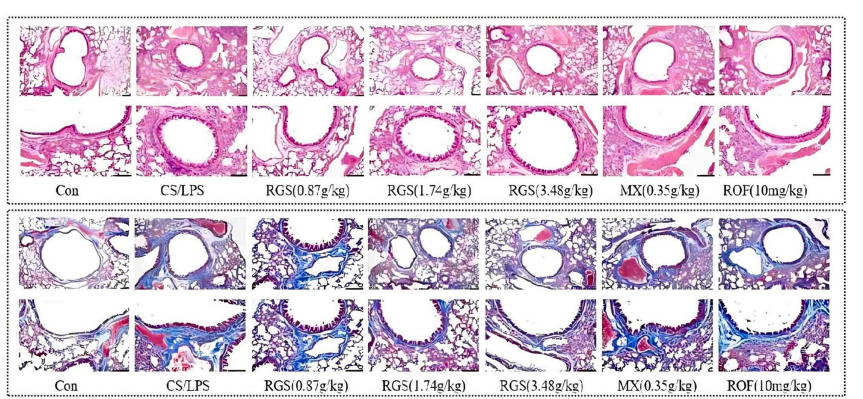
Roflumilast (ROF, 10 mg/kg, orally administered, 14 days) alleviated lung tissue pathological damage and reduced collagen deposition around the bronchi and blood vessels in CS/LPS-induced CB mice.
Roflumilast purchased from MedChemExpress. Usage Cited in: J Ethnopharmacol. 2025 Feb 11:341:119336. [Abstract]
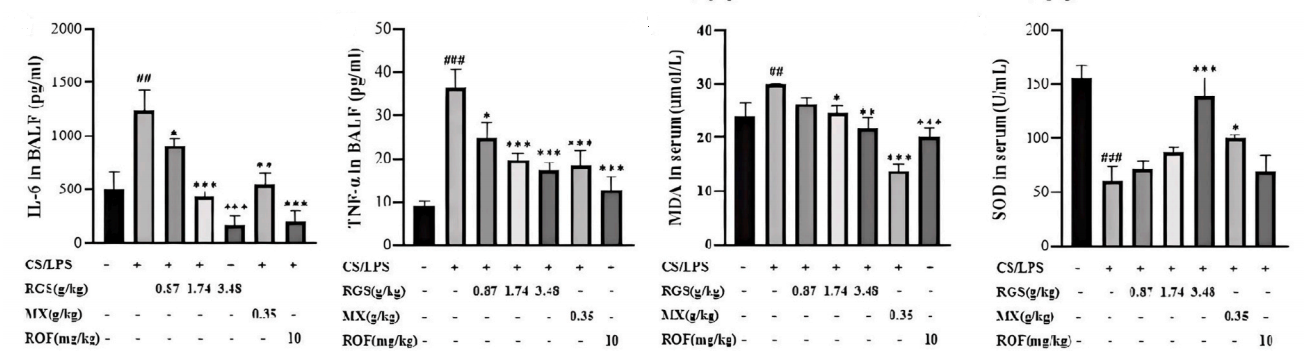
Roflumilast (ROF, 10 mg/kg, orally administered, 14 days) decreased IL-6, MDA, and TNF-α (p<0.0001) in the BALF of CS/LPS-induced CB mice.
-
Inflamm Res
Roflumilast prevents lymphotoxin α (TNF-β)-induced inflammation activation and degradation of type 2 collagen in chondrocytes. [Abstract]2020 Dec;69(12):1191-1199. PMID: 32990777 -
-
-
-
J Dermatol Sci
Roflumilast enhances the melanogenesis and attenuates oxidative stress-triggered damage in melanocytes. [Abstract]2023 May;110(2):44-52. PMID: 37069030
Roflumilast purchased from MedChemExpress. Usage Cited in: J Dermatol Sci. 2023 May;110(2):44-52. [Abstract]
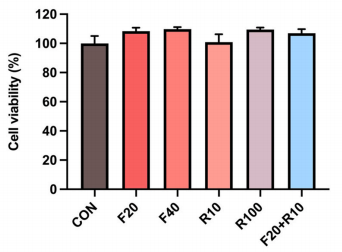
Roflumilast (10 or 100 μM), forskolin (20 or 40 μM), and the combination of 10 μM roflumilast with 20 μM forskolin exhibited no toxicity to PIG1 cells after 24 h of treatment.
-
Mol Cell Endocrinol
SIK1 drives lipid-induced insulin resistance in skeletal muscle by linking TGFβ1-Smad2/3 activation to PDE4-cAMP dysregulation. [Abstract]2026 Jul:617:112788. PMID: 41856198 -
BMC Neurosci
Differential effects of two phosphodiesterase 4 inhibitors against lipopolysaccharide-induced neuroinflammation in mice. [Abstract]2023 Jul 31;24(1):39. PMID: 37525115 -
Biochem Biophys Rep
The phosphodiesterase 4 inhibitor AA6216 suppresses activity of fibrosis-specific macrophages. [Abstract]2021 Aug 28:28:101118. PMID: 34485715 -
Biochim Biophys Acta Gen Subj
2025 Oct;1869(11):130850. PMID: 40816541 -
Int Urol Nephrol
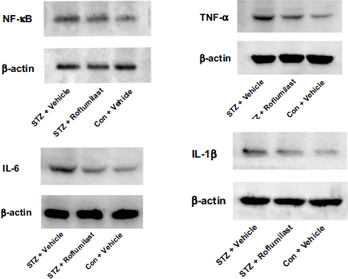
The phosphodiesterase type 4 inhibitor roflumilast suppresses inflammation to improve diabetic bladder dysfunction rats. [Abstract]2019 Feb;51(2):253-260. PMID: 30474782
Roflumilast purchased from MedChemExpress. Usage Cited in: Int Urol Nephrol. 2019 Feb;51(2):253-260. [Abstract]
Increased protein expression levels of inflammatory factors are deceased after oral Roflumilast treatment in diabetic rat DSM.
-
Int Urol Nephrol
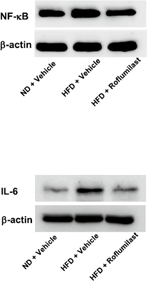
Treatment of obesity-associated overactive bladder by the phosphodiesterase type-4 inhibitor roflumilast. [Abstract]2017 Oct;49(10):1723-1730. PMID: 28756610
Roflumilast purchased from MedChemExpress. Usage Cited in: Int Urol Nephrol. 2017 Oct;49(10):1723-1730. [Abstract]
Oral Roflumilast treatment attenuates increased expression of inflammatory factor protein in obese rat bladder. Comparison of protein expression levels of NF-κB, IL-6 in the DSM. The data are the ratio of target protein with reference. The protein levels of vehicle-treated HFDfed rats are significantly higher than those of the ND+vehicle group. The protein levels of Roflumilast-treated HFD-fed rats are significantly reduced compared to vehicle-treated HFD-fed rats. Data are shown as relative pro
-
-
-


Lösungsmittel & Löslichkeit
In Vitro:
DMSO : ≥ 50 mg/mL (124.00 mM; Hygroscopic DMSO has a significant impact on the solubility of product, please use newly opened DMSO)
H2O : < 0.1 mg/mL (insoluble)
* "≥" means soluble, but saturation unknown.
Please refer to the solubility information to select the appropriate solvent. Once prepared, please aliquot and store the solution to prevent product inactivation from repeated freeze-thaw cycles.
Storage method and period of stock solution: -80°C, 2 years; -20°C, 1 year. When stored at -80°C, please use it within 2 years. When stored at -20°C, please use it within 1 year.
Please refer to the solubility information to select the appropriate solvent. Once prepared, please aliquot and store the solution to prevent product inactivation from repeated freeze-thaw cycles.
Storage method and period of stock solution: -80°C, 2 years; -20°C, 1 year. When stored at -80°C, please use it within 2 years. When stored at -20°C, please use it within 1 year.
Konzentration (Stammlösung) × Volumen (Stammlösung) = Konzentration (Ziellösung) × Volumen (Ziellösung)
In Vivo:
Select the appropriate dissolution method based on your experimental animal and administration route.
- For the following dissolution methods, please ensure to first prepare a clear stock solution using an In Vitro approach and then sequentially add co-solvents:
- To ensure reliable experimental results, the clarified stock solution can be appropriately stored based on storage conditions. As for the working solution for In Vivo experiments, it is recommended to prepare freshly and use it on the same day.
- The percentages shown for the solvents indicate their volumetric ratio in the final prepared solution. If precipitation or phase separation occurs during preparation, heat and/or sonication can be used to aid dissolution.
In Vivo Dissolution Calculator
Please enter the basic information of animal experiments:
-
-
-
-
Recommended: Prepare an additional quantity of animals to account for potential losses during experiments.
Please enter your animal formula composition:
-
%DMSO +
Recommended: Keep the proportion of DMSO in working solution below 2% if your animal is weak.
-
%+
-
+%Tween-80 + +
-
%Saline +
The co-solvents required include: DMSO, . All of co-solvents are available by MedChemExpress (MCE). , Tween 80. All of co-solvents are available by MedChemExpress (MCE).
Working solution concentration: 0.22 mg/mL
Method for preparing stock solution: mg drug dissolved in μL DMSO. Stock solution concentration: mg/mL.
1. Take μL DMSO stock solution;
2. Add μL .
μL , mix evenly;
3. Then add μL Tween 80, mix evenly;
4. Then add μL
Please ensure that the stock solution in the first step is dissolved to a clear state, and add co-solvents in sequence. You can use ultrasonic heating (ultrasonic cleaner, recommended frequency 20-40 kHz), vortexing, etc. to assist dissolution.


Reinheit & Dokumentation
-
Data Sheet (282 KB)
-
SDS (393 KB)
- English - EN (393 KB)
- Français - FR (393 KB)
- Deutsch - DE (393 KB)
- Norwegian - NO (393 KB)
- Español - ES (393 KB)
- Swedish - SV (393 KB)
- Italian - IT (393 KB)
- Korean - KR (393 KB)
- Portuguese - PT (393 KB)
-
Handling Instructions (2659 KB)
Verweise
[1]. Hatzelmann A, et al. The preclinical pharmacology of roflumilast--a selective, oral phosphodiesterase 4 inhibitor in development for chronic obstructive pulmonary disease. Pulm Pharmacol Ther. 2010 Aug;23(4):235-56. [Content Brief]
[2]. Rabe KF. Update on roflumilast, a phosphodiesterase 4 inhibitor for the treatment of chronic obstructive pulmonary disease. Br J Pharmacol. 2011 May;163(1):53-67. [Content Brief]
[3]. Hatzelmann A, et al. Anti-inflammatory and immunomodulatory potential of the novel PDE4 inhibitor roflumilast in vitro. J Pharmacol Exp Ther. 2001 Apr;297(1):267-79. [Content Brief]
[4]. Richmond BW, et al. Airway bacteria drive a progressive COPD-like phenotype in mice with polymeric immunoglobulin receptor deficiency. Nat Commun. 2016 Apr 5;7:11240. [Content Brief]
[5]. Ding H, et al. Treatment of obesity-associated overactive bladder by the phosphodiesterase type-4 inhibitor roflumilast. Int Urol Nephrol. 2017 Jul 29. [Content Brief]


Complete Stock Solution Preparation Table
Please refer to the solubility information to select the appropriate solvent. Once prepared, please aliquot and store the solution to prevent product inactivation from repeated freeze-thaw cycles.
Storage method and period of stock solution: -80°C, 2 years; -20°C, 1 year. When stored at -80°C, please use it within 2 years. When stored at -20°C, please use it within 1 year.
| Optional Solvent | Concentration Solvent Mass | 1 mg | 5 mg | 10 mg | 25 mg |
|---|---|---|---|---|---|
| DMSO | 1 mM | 2.4801 mL | 12.4005 mL | 24.8010 mL | 62.0024 mL |
| 5 mM | 0.4960 mL | 2.4801 mL | 4.9602 mL | 12.4005 mL | |
| 10 mM | 0.2480 mL | 1.2400 mL | 2.4801 mL | 6.2002 mL | |
| 15 mM | 0.1653 mL | 0.8267 mL | 1.6534 mL | 4.1335 mL | |
| 20 mM | 0.1240 mL | 0.6200 mL | 1.2400 mL | 3.1001 mL | |
| 25 mM | 0.0992 mL | 0.4960 mL | 0.9920 mL | 2.4801 mL | |
| 30 mM | 0.0827 mL | 0.4133 mL | 0.8267 mL | 2.0667 mL | |
| 40 mM | 0.0620 mL | 0.3100 mL | 0.6200 mL | 1.5501 mL | |
| 50 mM | 0.0496 mL | 0.2480 mL | 0.4960 mL | 1.2400 mL | |
| 60 mM | 0.0413 mL | 0.2067 mL | 0.4133 mL | 1.0334 mL | |
| 80 mM | 0.0310 mL | 0.1550 mL | 0.3100 mL | 0.7750 mL | |
| 100 mM | 0.0248 mL | 0.1240 mL | 0.2480 mL | 0.6200 mL |


Roflumilast Related Classifications
HY-15455 Related Classifications
 Powered by Bioz