



PBP10
Based on 1 publication(s) in Google Scholar
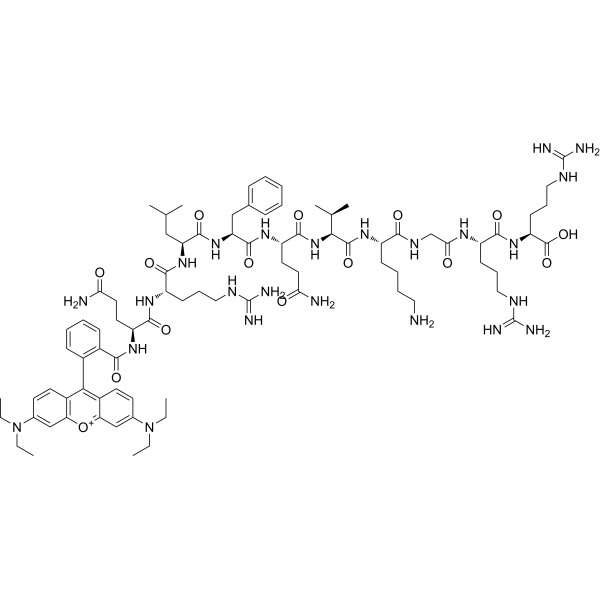
PBP10 is a decapeptide. PBP10 selectively binds to lipoteichoic acid (LTA), lipopolysaccharide (LPS) and phosphatidylinositol-4,5-bisphosphate (PIP2). PBP10 penetrates cell membranes and possesses bactericidal, anti-inflammatory, cell motility-inhibiting and actin assembly-regulating activities. PBP10 is applicable to relevant research on bacterial infections, microbe-induced inflammation, skin and soft tissue infections, as well as sepsis.
Nur für Forschungszwecke. Wir verkaufen nicht an Patienten.
- Reinheit : 98.79%
- CAS. Nr.: 794466-43-6
- Formel: C84H127N24O15+
- Molecular Weight:1713.06
-
Speicherung:
Sealed storage, away from moisture.
Powder -80°C, 2 years , -20°C, 1 year* In solvent : -80°C, 6 months; -20°C, 1 month (sealed storage, away from moisture)

To place orders, for customer services and technical support, please contact: MedChemExpress USA
Tel: 609-228-6898 E-mail: [email protected] [email protected]


-
 Biologische Aktivität
-
Chemical Information
-
Lösungsmittel & Löslichkeit
- Protokoll
- Reinheit & Dokumentation
- Verweise
-
 Help & FAQs


-
HY-P1119
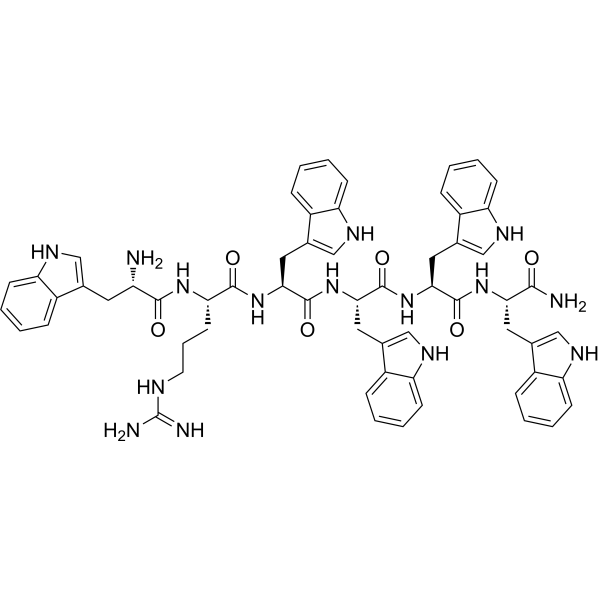
WRW4FPRL1 Antagonist -
HY-P0224
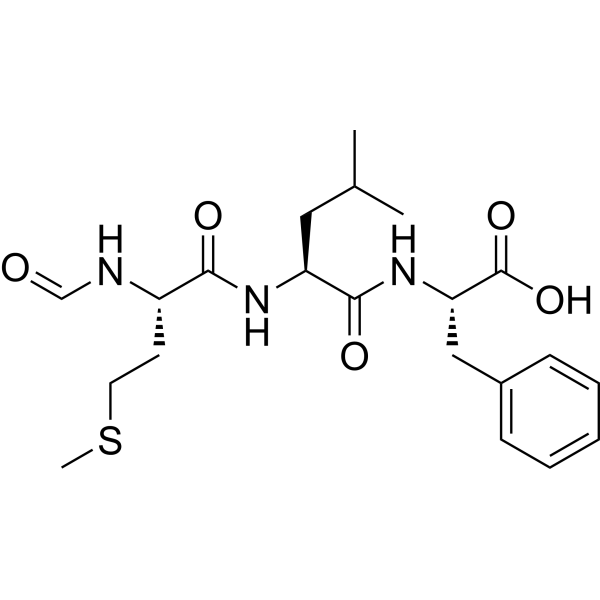
N-Formyl-Met-Leu-PheTNF Receptor Inhibitor -

HY-P1117
MMK1FPRL-1 Agonist -
HY-103473
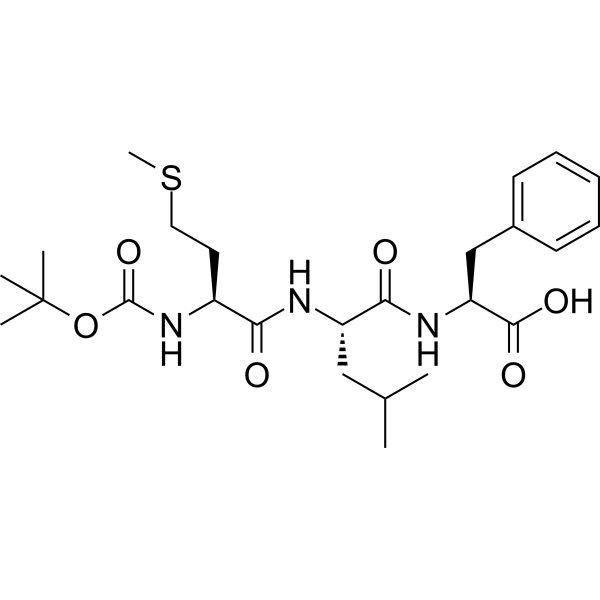
Boc-MLFFPR1 Antagonist -
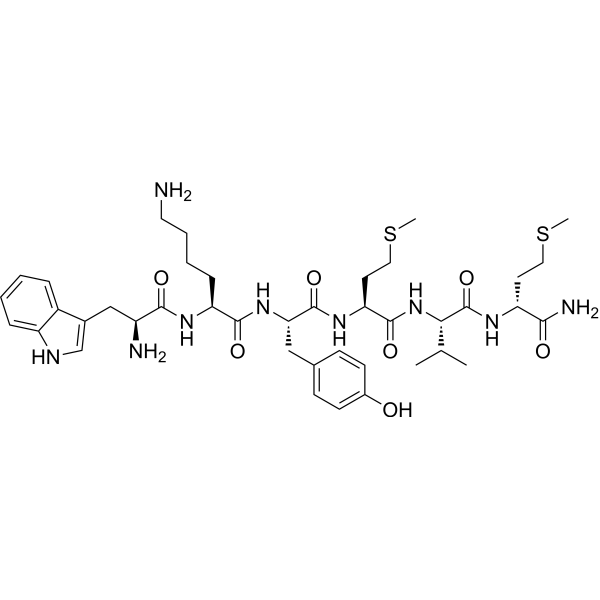
HY-P1120
WKYMVmN-Formyl Peptide Receptor Agonist -
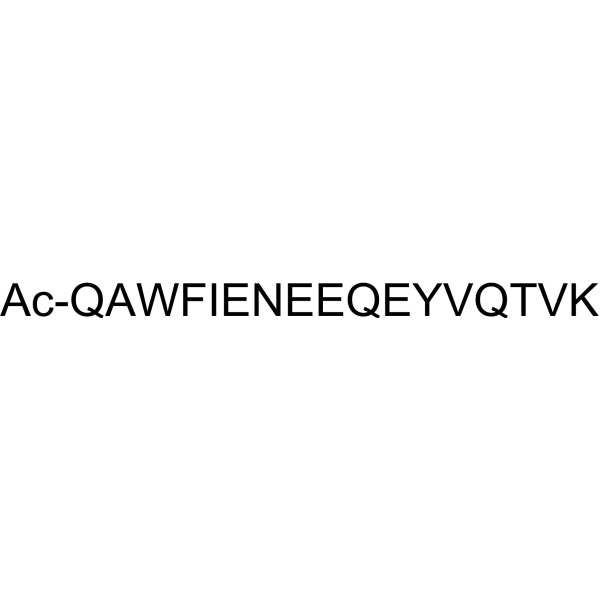
HY-P1118
Ac9-25FPR Agonist -

HY-P1121
WKYMVM-NH2FPRL1/FPRL2 Recaptor Agonist -
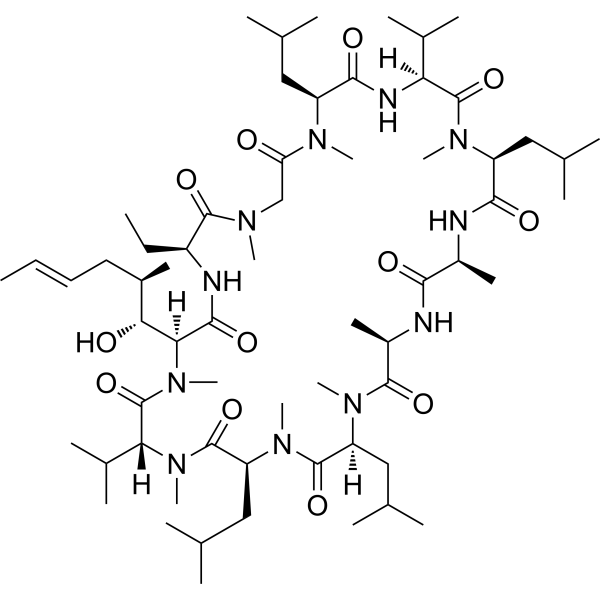
HY-P1122
Cyclosporin HFPR-1 Inhibitor -
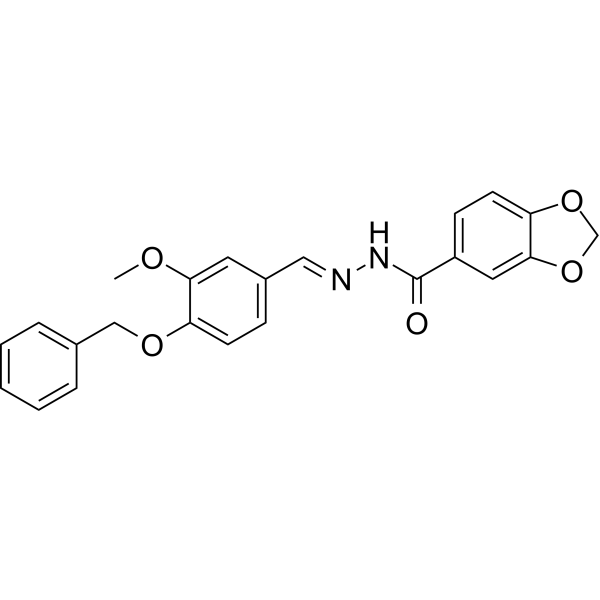
HY-103472
FPR-A14FPR Agonist -

HY-103472R
FPR-A14 (Standard)Reference Standard
Publications Citing Use of MedChemExpress (MCE) PBP10
More

Biologische Aktivität
Beschreibung
IC50 & Target
IC50: formyl peptide receptor 2 (FPR2)[1]
In Vitro
PBP10 (2 μM; 15 min) selectively binds to LTA, LPS, and PIP2, but does not bind to PE[1].
PBP10 (1-18 h) exhibits bactericidal activity against E. coli SG13009 with an MIC of 12.5 μg/mL, and also shows bactericidal activity against B. subtilis ATCC 6051 with an MIC of 3.125 μg/mL. Its bactericidal activity is strongly inhibited by LPS and LTA[1].
PBP10 (0-50 μM) inhibits the directional migration of NIH3T3 fibroblasts, human A7 melanoma cells and human neutrophils in a concentration-dependent manner[2].
PBP10 (1-50 μM) potently inhibits thrombin-stimulated human platelet aggregation and platelet actin assembly in a concentration-dependent manner[2].
PBP10 (5-20 μM) concentration-dependently inhibits the migration speed and actin assembly of human neutrophils stimulated by fMLP[2].
PBP10 (0-100 µg/mL; 24 h) exhibits extremely low cytotoxicity against human keratinocyte HaCaT cells[3].
PBP10 (2-10 µg/mL; 1 h) exhibits potent dose-dependent bactericidal activity against E. coli RS218 and S. aureus A1[3].
PBP10 (2-10 µg/mL; 24 h) dose-dependently inhibits the production of NO and ROS in human keratinocyte HaCaT cells stimulated by LPS (HY-D1056), LTA, heat-inactivated E. coli or heat-inactivated S. aureus[3].
PBP10 (2-10 µg/mL; 24 h) reduces IL-8 release in LPS- and LTA-stimulated human keratinocyte HaCaT cells in a dose-dependent manner[3].
MedChemExpress (MCE) has not independently confirmed the accuracy of these methods. They are for reference only.
-
Cell Line:HaCaT human keratinocytes (stimulated with LPS or LTA)
-
Concentration:2, 5, 10 µg/mL
-
Incubation Time:24 h (co-incubated with LPS or LTA)
-
Result:Reduced IL-8 release in LPS/LTA in a dose-dependent manner.


Chemical Information
-
CAS. Nr. 794466-43-6
-
Appearance Solid
-
Molecular Weight 1713.06
-
Formel C84H127N24O15+
-
Color White to off-white
-
Sequence
RhB-Gln-Arg-Leu-Phe-Gln-Val-Lys-Gly-Arg-Arg-OH
-
Sequence Shortening
RhB-QRLFQVKGRR-OH
-
Versand
Room temperature in continental US; may vary elsewhere.
-
Speicherung
Sealed storage, away from moisture
Powder -80°C 2 years -20°C 1 year * In solvent : -80°C, 6 months; -20°C, 1 month (sealed storage, away from moisture)


Publications (1)
-
Journal Impact Factor
-
Most Recent
-
Cancer Res
DLGAP1-AS2-Mediated Phosphatidic Acid Synthesis Activates YAP Signaling and Confers Chemoresistance in Squamous Cell Carcinoma. [Abstract]2022 Aug 16;82(16):2887-2903. PMID: 35731019


Lösungsmittel & Löslichkeit
In Vitro:
H2O : 20 mg/mL (11.68 mM; Need ultrasonic)
Please refer to the solubility information to select the appropriate solvent. Once prepared, please aliquot and store the solution to prevent product inactivation from repeated freeze-thaw cycles.
Storage method and period of stock solution: -80°C, 6 months; -20°C, 1 month (sealed storage, away from moisture). When stored at -80°C, please use it within 6 months. When stored at -20°C, please use it within 1 month.
* Note: If you choose water as the stock solution, please dilute it to the working solution, then filter and sterilize it with a 0.22 μm filter before use.
Konzentration (Stammlösung) × Volumen (Stammlösung) = Konzentration (Ziellösung) × Volumen (Ziellösung)
In Vivo Dissolution Calculator
Please enter the basic information of animal experiments:
-
-
-
-
Recommended: Prepare an additional quantity of animals to account for potential losses during experiments.
Working solution concentration: 0.22 mg/mL
This product has good water solubility, please refer to the measured solubility data in water/PBS/Saline for details.


Reinheit & Dokumentation
-
Data Sheet (275 KB)
-
SDS (252 KB)
- English - EN (252 KB)
- Français - FR (252 KB)
- Deutsch - DE (252 KB)
- Norwegian - NO (252 KB)
- Español - ES (252 KB)
- Swedish - SV (252 KB)
- Italian - IT (252 KB)
- Korean - KR (252 KB)
- Portuguese - PT (252 KB)
-
Handling Instructions (2659 KB)
Verweise
[1]. Bucki R, et al. Interaction of the gelsolin-derived antibacterial PBP 10 peptide with lipid bilayers and cell membranes. Antimicrob Agents Chemother. 2006;50(9):2932-2940. [Content Brief]
[2]. Cunningham CC, et al. Cell permeant polyphosphoinositide-binding peptides that block cell motility and actin assembly. J Biol Chem. 2001;276(46):43390-43399. [Content Brief]
[3]. Piktel E, et al. Inhibition of inflammatory response in human keratinocytes by magnetic nanoparticles functionalized with PBP10 peptide derived from the PIP2-binding site of human plasma gelsolin. J Nanobiotechnology. 2019;17(1):22. Published 2019 Feb 2. [Content Brief]


Complete Stock Solution Preparation Table
Please refer to the solubility information to select the appropriate solvent. Once prepared, please aliquot and store the solution to prevent product inactivation from repeated freeze-thaw cycles.
Storage method and period of stock solution: -80°C, 6 months; -20°C, 1 month (sealed storage, away from moisture). When stored at -80°C, please use it within 6 months. When stored at -20°C, please use it within 1 month.
| Optional Solvent | Concentration Solvent Mass | 1 mg | 5 mg | 10 mg | 25 mg |
|---|---|---|---|---|---|
| H2O | 1 mM | 0.5838 mL | 2.9188 mL | 5.8375 mL | 14.5938 mL |
| 5 mM | 0.1168 mL | 0.5838 mL | 1.1675 mL | 2.9188 mL | |
| 10 mM | 0.0584 mL | 0.2919 mL | 0.5838 mL | 1.4594 mL |
* Note: If you choose water as the stock solution, please dilute it to the working solution, then filter and sterilize it with a 0.22 μm filter before use.


PBP10 Related Classifications
HY-P1116 Related Classifications
 Powered by Bioz
Keywords
- PBP10
- 794466-43-6
- PBP 10
- PBP-10
- Bacterial
- Reactive Oxygen Species (ROS)
- Interleukin Related
- IL
- lipopolysaccharides
- lipoteichoic acid
- B. subtilis ATCC 6051
- human A7 melanoma cells
- phosphatidylinositol 3-kinase
- gelsolin
- NIH3T3 fibroblasts
- human neutrophils
- phosphatidylinositol-4
- 5-bisphosphate
- E. coli SG13009
- Inhibitor
- inhibitor
- inhibit