



Abrocitinib
Based on 12 publication(s) in Google Scholar
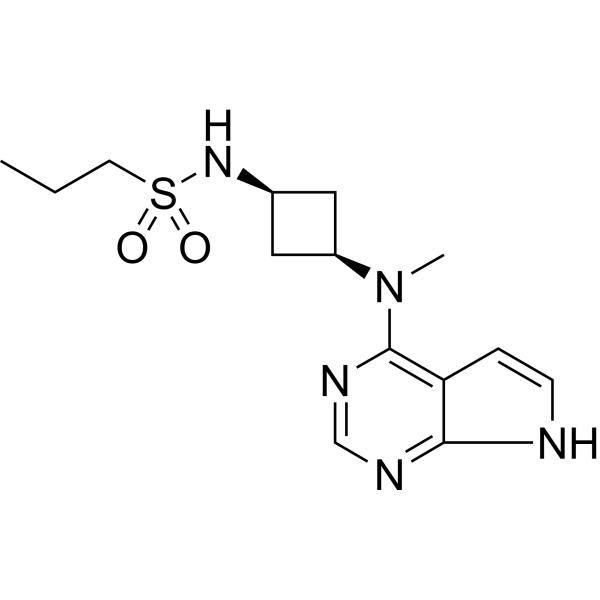
Abrocitinib (PF-04965842) is a potent, orally active and selective JAK1 inhibitor, with IC50s of 29 and 803 nM for JAK1 and JAK2, respectively. Abrocitinib (PF-04965842) exhibits less active effect on TYK2 (IC50, 1.253 μM), and inhibits phosphorylation of STAT1, STAT3 and STAT5 after stimulation. Effective in autoimmune disease.
For research use only. We do not sell to patients.
- Purity : 99.85%
- CAS No.: 1622902-68-4
- Formula: C14H21N5O2S
- Molecular Weight:323.41
-
Storage:Powder -20°C, 3 years , 4°C, 2 years ; In solvent -80°C, 2 years , -20°C, 1 year

To place orders, for customer services and technical support, please contact: MedChemExpress USA
Tel: 609-228-6898 E-mail: [email protected] [email protected]


-
 Biological Activity
-
Chemical Information
-
Solvent & Solubility
- Protocols
- Purity & Documentation
- References
-
 Help & FAQs


-
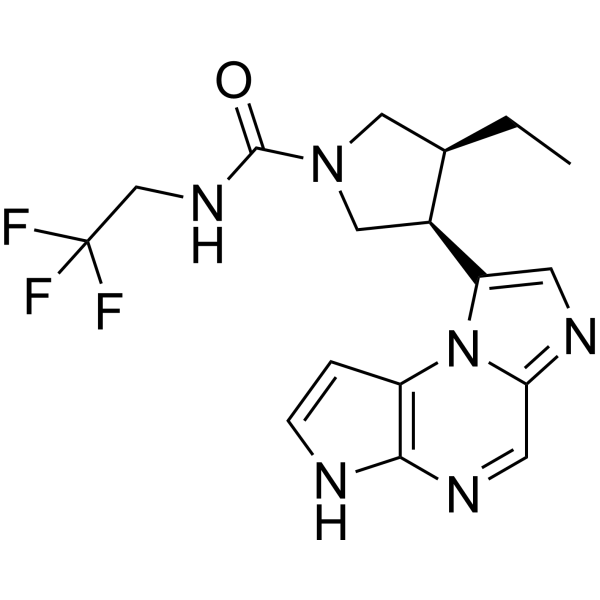
HY-19569
UpadacitinibJAK1 Inhibitor -
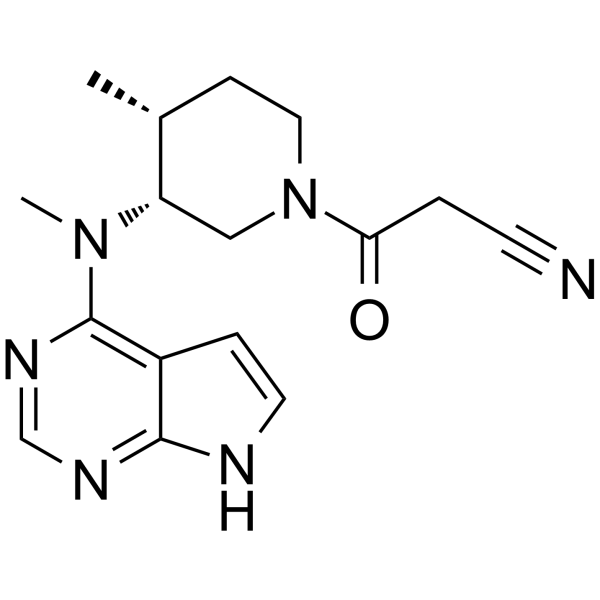
HY-40354
TofacitinibJAK1/JAK3 Inhibitor -
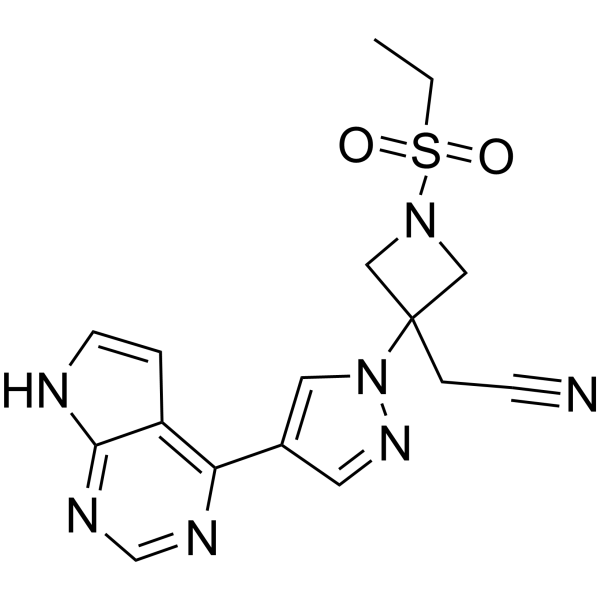
HY-15315
BaricitinibJAK1/2 Inhibitor -
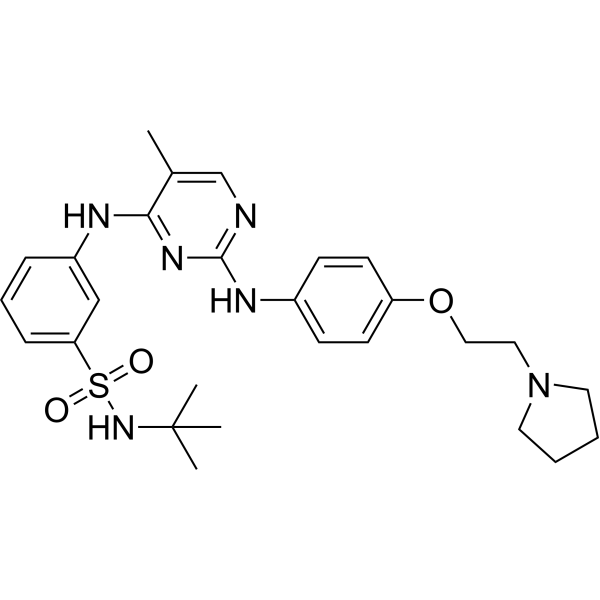
HY-10409
FedratinibJAK2 Inhibitor -
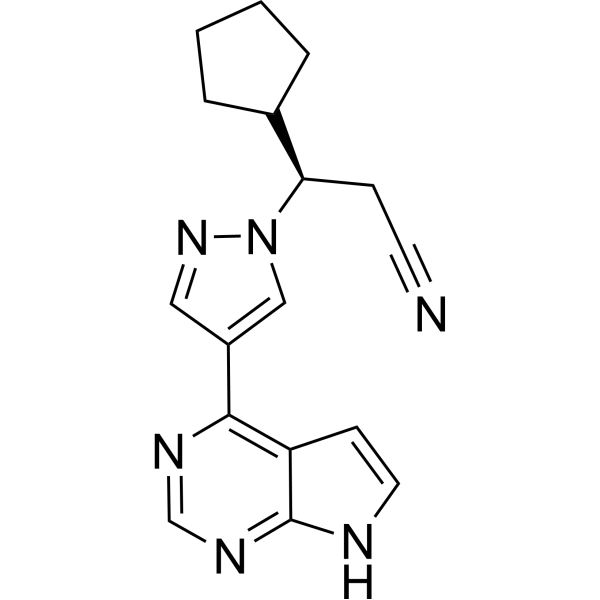
HY-50856
RuxolitinibJAK1/2 Inhibitor -
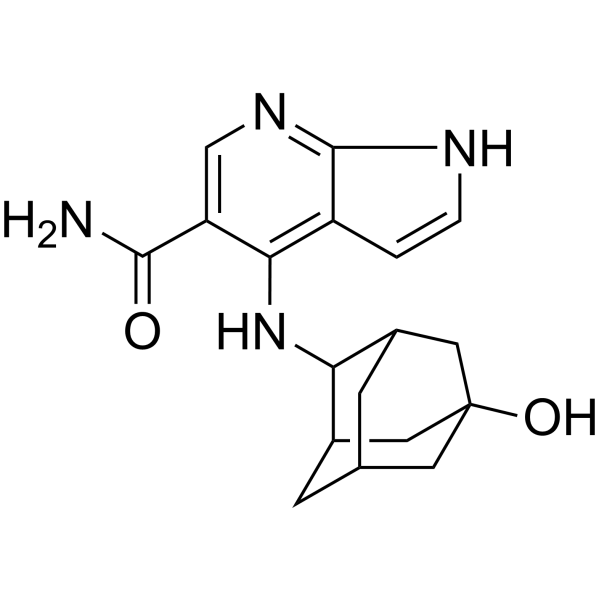
HY-19568
PeficitinibJAK Inhibitor -
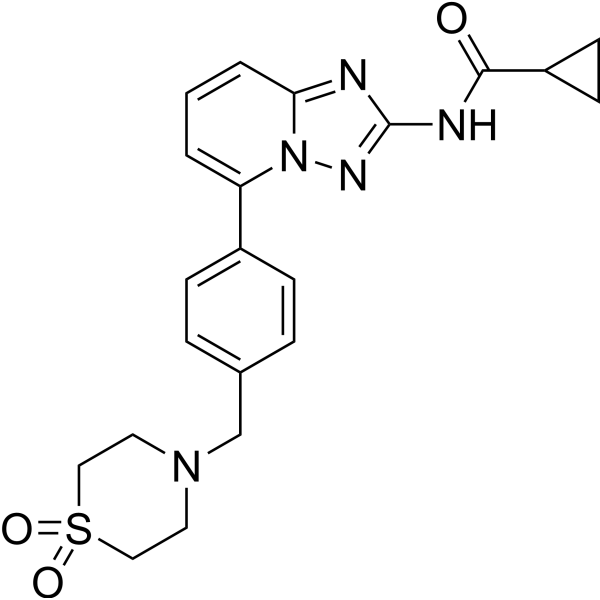
HY-18300
FilgotinibJAK1 Inhibitor -
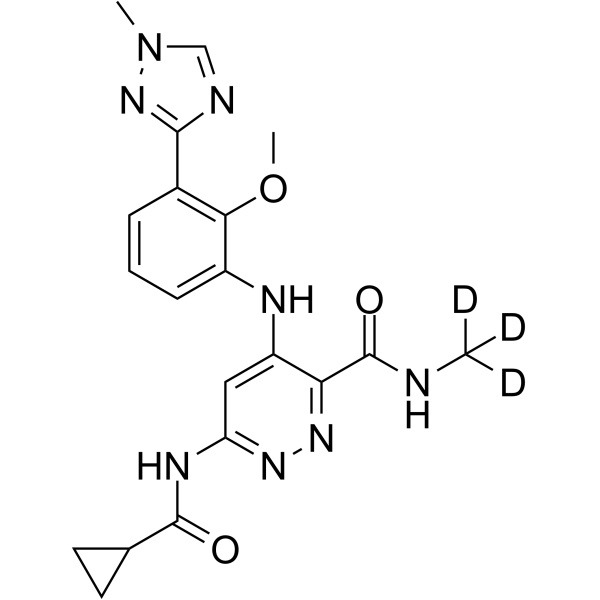
HY-117287
DeucravacitinibTYK2 Inhibitor -
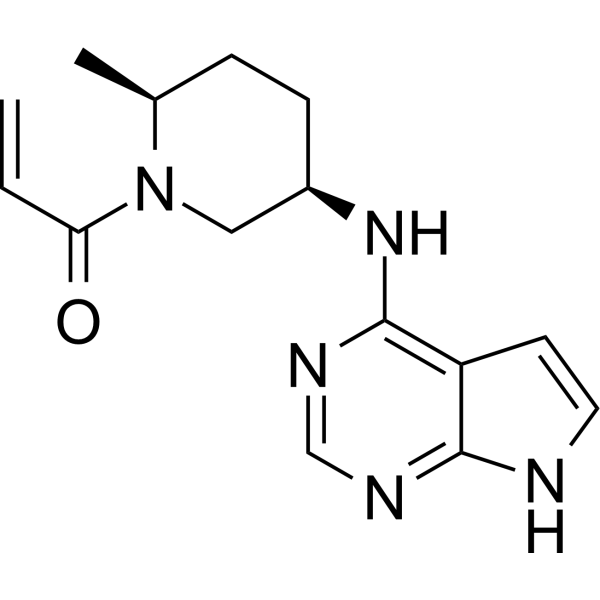
HY-100754
RitlecitinibJAK3 Inhibitor -
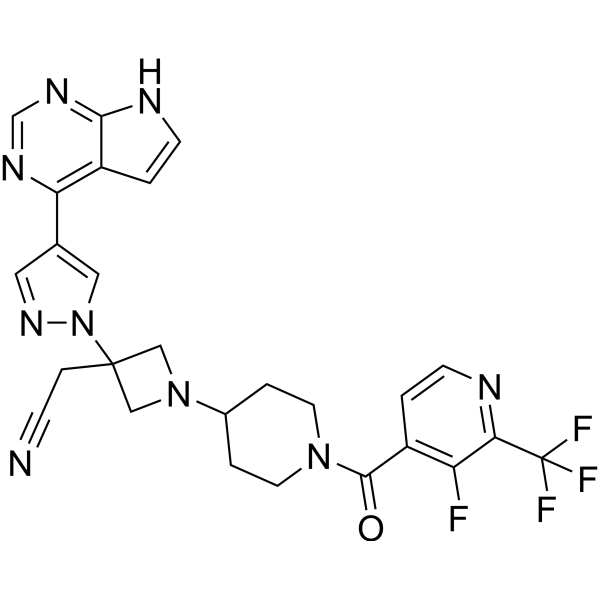
HY-16997
ItacitinibJAK1 Inhibitor -
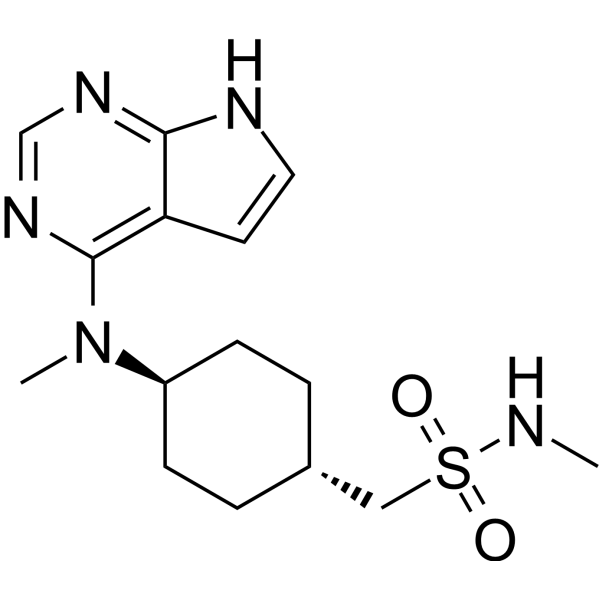
HY-13577
OclacitinibJAK Inhibitor -
HY-112724
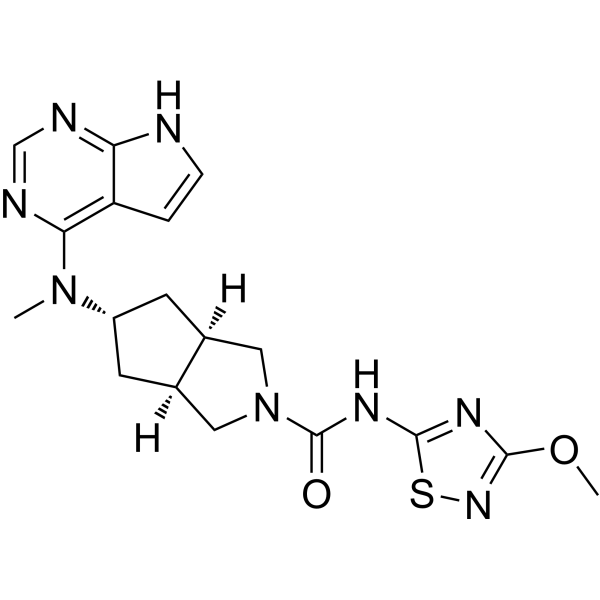
IvarmacitinibJAK1 Inhibitor
Publications Citing Use of MedChemExpress (MCE) Abrocitinib
More- Cancer Res. 2023 Jan 18;83(2):264-284. [Abstract]
- Nat Commun. 2026 Jan 22;17(1):619. [Abstract]
- J Immunother Cancer. 2025 May 11;13(5):e010831. [Abstract]
- Mol Syst Biol. 2024 Jan;20(1):28-55. [Abstract]
- Int J Mol Sci. 2023 May 25;24(11):9243. [Abstract]
- Int J Mol Sci. 2022 Oct 28;23(21):13122. [Abstract]
- Bioorg Chem. 2022 Feb:119:105538. [Abstract]
- Dermatol Ther (Heidelb). 2026 Oct 2.
- Clin Immunol. 2026 Feb:283:110654. [Abstract]
- Res Sq. 2026 Jan 9.
- bioRxiv. 2025 February 21.
- bioRxiv. 2025 Feb 24:2025.02.19.638911. [Abstract]
 Customer Validation & Images

-
Cell Proliferation/Viability Assay
-
Flow Cytometry
-
Cell Imaging/Staining
-
WB
-
WB


Biological Activity
Description
IC50 & Target
[1]|
JAK1 29 nM (IC50) |
JAK2 803 nM (IC50) |
Tyk2 1253 nM (IC50) |
Cellular Effect
|
Cell Line

|
Type | Value | Description | References |
|---|---|---|---|---|
| TF-1 | IC50 |
1.4 μM
Compound: Abrocitinib
|
Inhibition of JAK2 in human STAT5-irf1-bla TF1 cells assessed as reduction in EPO-induced STAT5-signalling pre-incubated for 1 hrs before EPO addition and further incubated for 4 hrs fluorescence based assay
Inhibition of JAK2 in human STAT5-irf1-bla TF1 cells assessed as reduction in EPO-induced STAT5-signalling pre-incubated for 1 hrs before EPO addition and further incubated for 4 hrs fluorescence based assay
|
[PMID: 32462873] |
In Vitro
Abrocitinib (Compound 25) inhibits IFNα-stimulated phosphorylation of STAT3, IFN-stimulated phosphorylation of STAT1 in human whole blood (HWB), as well as pSTAT5 in CD34+ spiked into HWB (JAK2), with IC50s of 189, 163 nM, 7.178 μM, respectively[1].
MedChemExpress (MCE) has not independently confirmed the accuracy of these methods. They are for reference only.
In Vivo
MedChemExpress (MCE) has not independently confirmed the accuracy of these methods. They are for reference only.
-
Animal Model:Female Lewis rats (8−10 weeks old)[1]
-
Dosage:5, 15, 50 mg/kg
-
Administration:P.O. daily for 7 days
-
Result:Obviously reduced paw swelling at all doses.
Clinical Trial
| NCT Number | Sponsor | Condition | Start Date |
Phase
|
|---|---|---|---|---|
| NCT01329991 | Plexxikon| | 2011-05 | PHASE1 |


Chemical Information
-
CAS No. 1622902-68-4
-
Appearance Solid
-
Molecular Weight 323.41
-
Formula C14H21N5O2S
-
Color White to light yellow
-
SMILES
CN([C@H]1C[C@@H](NS(CCC)(=O)=O)C1)C2=C3C(NC=C3)=NC=N2
-
Synonyms
PF-04965842
-
Shipping
Room temperature in continental US; may vary elsewhere.
-
Storage
Powder -20°C 3 years 4°C 2 years In solvent -80°C 2 years -20°C 1 year


Publications (12)
-
Journal Impact Factor
-
Most Recent
-
Cancer Res
JAK-STAT Signaling in Inflammatory Breast Cancer Enables Chemotherapy-Resistant Cell States. [Abstract]2023 Jan 18;83(2):264-284. PMID: 36409824 -
Nat Commun
CDK2 inhibitor BLU-222 synergizes with CDK4/6 inhibitors in drug resistant breast cancers through p21/p27 induction. [Abstract]2026 Jan 22;17(1):619. PMID: 41571637
Abrocitinib purchased from MedChemExpress. Usage Cited in: Nat Commun. 2026 Jan 22;17(1):619. [Abstract]
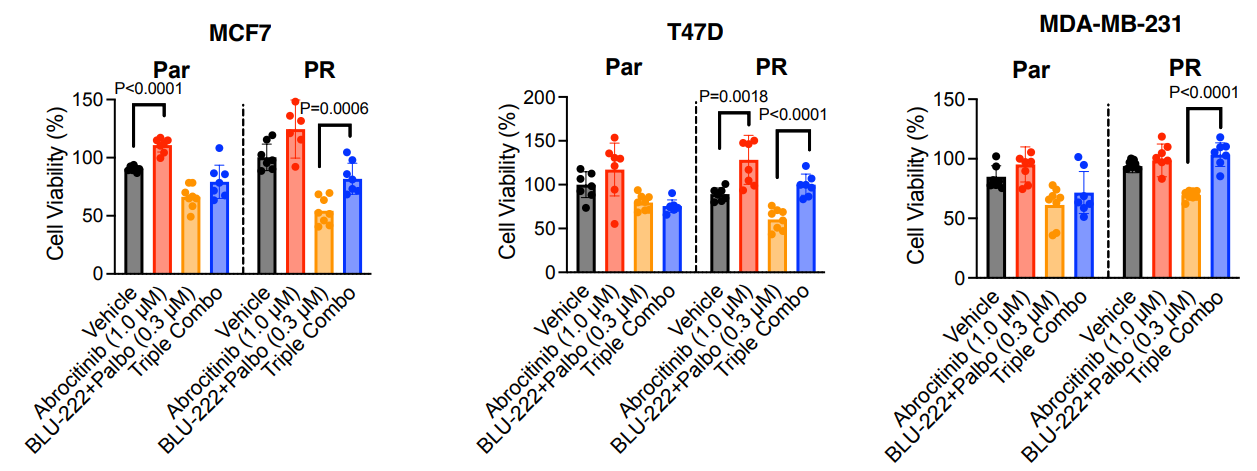
Cell viability assays in MCF7 Par and PR, T47D Par and PR, and MDA-MB-231 Par and PR cells treated with Abrocitinib (ABR) (1 μM; 5 d).
-
J Immunother Cancer
Combinatorial treatment with upadacitinib abrogates systemic toxicity of a tumor-targeted IL-2 fusion protein. [Abstract]2025 May 11;13(5):e010831. PMID: 40350206 -
Mol Syst Biol
Illuminating phenotypic drug responses of sarcoma cells to kinase inhibitors by phosphoproteomics. [Abstract]2024 Jan;20(1):28-55. PMID: 38177929 -
Int J Mol Sci
JAK Signaling Is Critically Important in Cytokine-Induced Viral Susceptibility of Keratinocytes. [Abstract]2023 May 25;24(11):9243. PMID: 37298195
Abrocitinib purchased from MedChemExpress. Usage Cited in: Int J Mol Sci. 2023 May 25;24(11):9243. [Abstract]
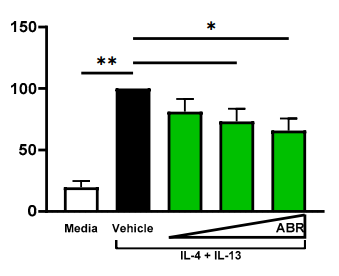
Abrocitinib (50-200 nM; 24 h) significantly decreased VV (poxvirus) plaque number in IL-4 + IL-13-treated KC cultures.
-
Int J Mol Sci
Antifibrotic TSG-6 Expression Is Synergistically Increased in Both Cells during Coculture of Mesenchymal Stem Cells and Macrophages via the JAK/STAT Signaling Pathway. [Abstract]2022 Oct 28;23(21):13122. PMID: 36361907 -
Bioorg Chem
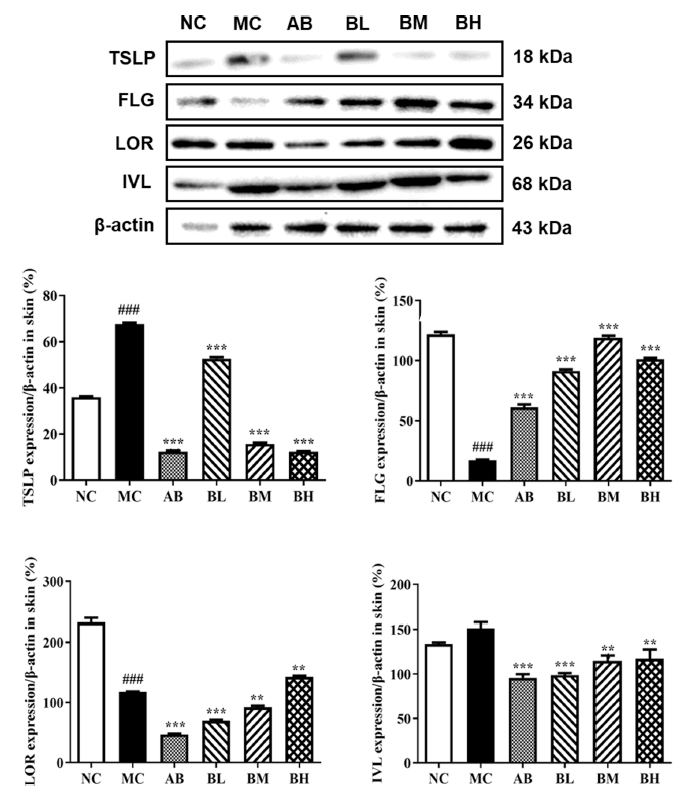
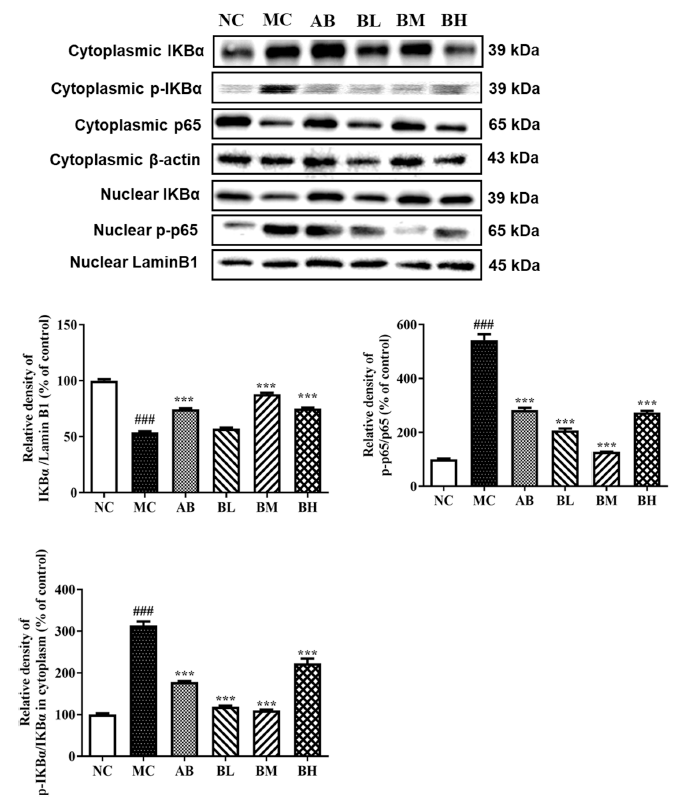
Baicalin ameliorates 2,4-dinitrochlorobenzene-induced atopic dermatitis-like skin lesions in mice through modulating skin barrier function, gut microbiota and JAK/STAT pathway. [Abstract]2022 Feb:119:105538. PMID: 34929516
Abrocitinib purchased from MedChemExpress. Usage Cited in: Bioorg Chem. 2022 Feb:119:105538. [Abstract]
Abrocitinib (AB) (7.5 mg/kg; i.g.; once daily for 14 d) reduced the protein expression of TSLP and IVL, while up-regulated the protein expressions of FLG and LOR in dorsal skin of the DNCB-treated mice.
Abrocitinib purchased from MedChemExpress. Usage Cited in: Bioorg Chem. 2022 Feb:119:105538. [Abstract]
Abrocitinib (AB) (7.5 mg/kg; i.g.; once daily for 14 d) significantly decreased the ratio of p-IκBα/IκBα and p-p65/p65, and increased the expression level of IκBα in the nucleus in the dorsal skin of the DNCB-treated mice.
-
-
Clin Immunol
Development and validation of a flow cytometry-based ISG15 induction assay to monitor the type I interferon response. [Abstract]2026 Feb:283:110654. PMID: 41344526
Abrocitinib purchased from MedChemExpress. Usage Cited in: Clin Immunol. 2026 Feb:283:110654. [Abstract]
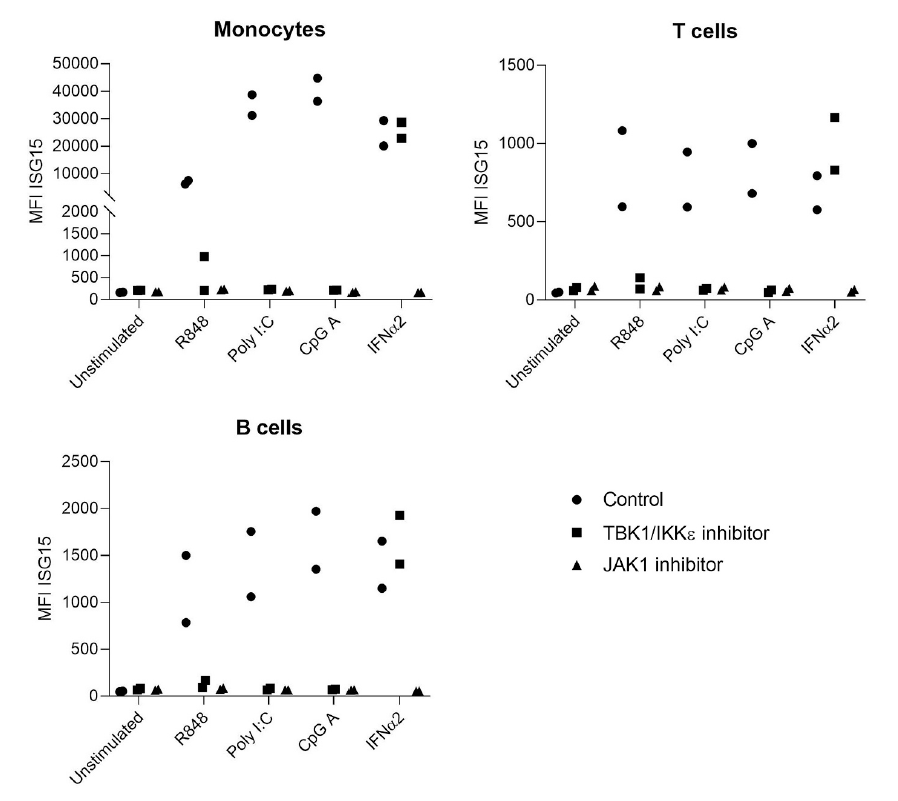
The JAK1 inhibitor Abrocitinib (300 μM) abolished ISG15 induction upon stimulation of PBMCs with R848, poly I:C, and CpG A.
-
-
-
bioRxiv
2025 Feb 24:2025.02.19.638911. PMID: 40060568


Solvent & Solubility
In Vitro:
DMSO : 100 mg/mL (309.21 mM; Need ultrasonic; Hygroscopic DMSO has a significant impact on the solubility of product, please use newly opened DMSO)
Please refer to the solubility information to select the appropriate solvent. Once prepared, please aliquot and store the solution to prevent product inactivation from repeated freeze-thaw cycles.
Storage method and period of stock solution: -80°C, 2 years; -20°C, 1 year. When stored at -80°C, please use it within 2 years. When stored at -20°C, please use it within 1 year.
Please refer to the solubility information to select the appropriate solvent. Once prepared, please aliquot and store the solution to prevent product inactivation from repeated freeze-thaw cycles.
Storage method and period of stock solution: -80°C, 2 years; -20°C, 1 year. When stored at -80°C, please use it within 2 years. When stored at -20°C, please use it within 1 year.
Concentration (start) × Volume (start) = Concentration (final) × Volume (final)
In Vivo:
Select the appropriate dissolution method based on your experimental animal and administration route.
- For the following dissolution methods, please ensure to first prepare a clear stock solution using an In Vitro approach and then sequentially add co-solvents:
- To ensure reliable experimental results, the clarified stock solution can be appropriately stored based on storage conditions. As for the working solution for In Vivo experiments, it is recommended to prepare freshly and use it on the same day.
- The percentages shown for the solvents indicate their volumetric ratio in the final prepared solution. If precipitation or phase separation occurs during preparation, heat and/or sonication can be used to aid dissolution.
Add each solvent one by one: 10% DMSO 40% PEG300 5% Tween-80 45% Saline
Solubility: ≥ 2.08 mg/mL (6.43 mM); Clear solution
This protocol yields a clear solution of ≥ 2.08 mg/mL (saturation unknown).
Taking 1 mL working solution as an example, add 100 μL DMSO stock solution (20.8 mg/mL) to 400 μL PEG300, and mix evenly; then add 50 μL Tween-80 and mix evenly; then add 450 μL Saline to adjust the volume to 1 mL.
Preparation of Saline: Dissolve 0.9 g sodium chloride in ddH₂O and dilute to 100 mL to obtain a clear Saline solution.
Add each solvent one by one: 10% DMSO 90% (20% SBE-β-CD in Saline)
Solubility: ≥ 2.08 mg/mL (6.43 mM); Clear solution
This protocol yields a clear solution of ≥ 2.08 mg/mL (saturation unknown).
Taking 1 mL working solution as an example, add 100 μL DMSO stock solution (20.8 mg/mL) to 900 μL 20% SBE-β-CD in Saline, and mix evenly.
Preparation of 20% SBE-β-CD in Saline (4°C, storage for one week): 2 g SBE-β-CD powder is dissolved in 10 mL Saline, completely dissolve until clear.
For the following dissolution methods, please prepare the working solution directly:
It is recommended to prepare fresh solutions and use them promptly within a short period of time.
The percentages shown for the solvents indicate their volumetric ratio in the final prepared solution. If precipitation or phase separation occurs during preparation, heat and/or sonication can be used to aid dissolution.
Add each solvent one by one: 0.5% CMC-Na/saline water
Solubility: 3.64 mg/mL (11.26 mM); Suspended solution; Need ultrasonic
In Vivo Dissolution Calculator
Please enter the basic information of animal experiments:
-
-
-
-
Recommended: Prepare an additional quantity of animals to account for potential losses during experiments.
Please enter your animal formula composition:
-
%DMSO +
Recommended: Keep the proportion of DMSO in working solution below 2% if your animal is weak.
-
%+
-
+%Tween-80 + +
-
%Saline +
The co-solvents required include: DMSO, . All of co-solvents are available by MedChemExpress (MCE). , Tween 80. All of co-solvents are available by MedChemExpress (MCE).
Working solution concentration: 0.22 mg/mL
Method for preparing stock solution: mg drug dissolved in μL DMSO. Stock solution concentration: mg/mL.
1. Take μL DMSO stock solution;
2. Add μL .
μL , mix evenly;
3. Then add μL Tween 80, mix evenly;
4. Then add μL
Please ensure that the stock solution in the first step is dissolved to a clear state, and add co-solvents in sequence. You can use ultrasonic heating (ultrasonic cleaner, recommended frequency 20-40 kHz), vortexing, etc. to assist dissolution.


Purity & Documentation
-
Data Sheet (274 KB)
-
SDS (396 KB)
- English - EN (396 KB)
- Français - FR (396 KB)
- Deutsch - DE (396 KB)
- Norwegian - NO (396 KB)
- Español - ES (396 KB)
- Swedish - SV (396 KB)
- Italian - IT (396 KB)
- Korean - KR (396 KB)
- Portuguese - PT (396 KB)
-
Handling Instructions (2659 KB)
References


Complete Stock Solution Preparation Table
Please refer to the solubility information to select the appropriate solvent. Once prepared, please aliquot and store the solution to prevent product inactivation from repeated freeze-thaw cycles.
Storage method and period of stock solution: -80°C, 2 years; -20°C, 1 year. When stored at -80°C, please use it within 2 years. When stored at -20°C, please use it within 1 year.
| Optional Solvent | Concentration Solvent Mass | 1 mg | 5 mg | 10 mg | 25 mg |
|---|---|---|---|---|---|
| DMSO | 1 mM | 3.0921 mL | 15.4603 mL | 30.9205 mL | 77.3013 mL |
| 5 mM | 0.6184 mL | 3.0921 mL | 6.1841 mL | 15.4603 mL | |
| 10 mM | 0.3092 mL | 1.5460 mL | 3.0921 mL | 7.7301 mL | |
| 15 mM | 0.2061 mL | 1.0307 mL | 2.0614 mL | 5.1534 mL | |
| 20 mM | 0.1546 mL | 0.7730 mL | 1.5460 mL | 3.8651 mL | |
| 25 mM | 0.1237 mL | 0.6184 mL | 1.2368 mL | 3.0921 mL | |
| 30 mM | 0.1031 mL | 0.5153 mL | 1.0307 mL | 2.5767 mL | |
| 40 mM | 0.0773 mL | 0.3865 mL | 0.7730 mL | 1.9325 mL | |
| 50 mM | 0.0618 mL | 0.3092 mL | 0.6184 mL | 1.5460 mL | |
| 60 mM | 0.0515 mL | 0.2577 mL | 0.5153 mL | 1.2884 mL | |
| 80 mM | 0.0387 mL | 0.1933 mL | 0.3865 mL | 0.9663 mL | |
| 100 mM | 0.0309 mL | 0.1546 mL | 0.3092 mL | 0.7730 mL |


Abrocitinib Related Classifications
HY-107429 Related Classifications
 Powered by Bioz