



Omzirafenib

Based on 1 Customer Validation
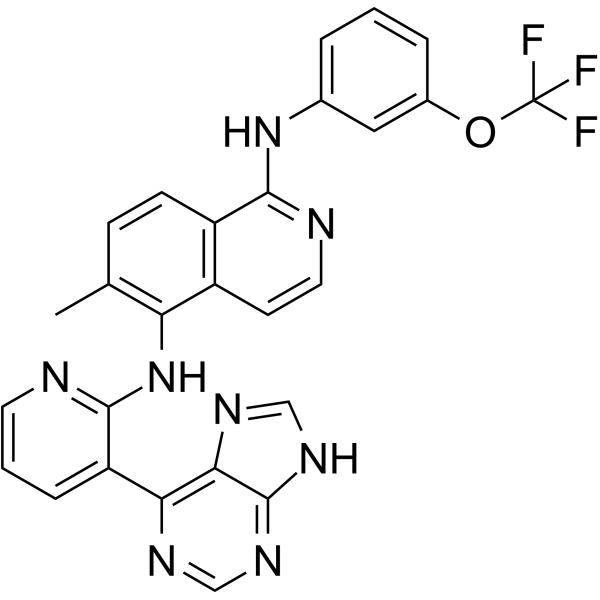
Omzirafenib (LUT014) is a topical inhibitor targeting BRAF that cannot pass through the blood-brain barrier. Omzirafenib inhibits BRAF kinase and abnormally activates the MAPK/ERK signaling pathway, promoting the proliferation of epidermal keratinocytes, repairing skin barrier damage caused by radiation damage, and alleviating inflammatory responses. Omzirafenib is independent of RAS signaling and accelerates the repair and regeneration of damaged skin cells. Omzirafenib can be used to study radiation dermatitis, especially skin damage caused by breast cancer radiotherapy.
For research use only. We do not sell to patients.
- Purity : 97.09%
- CAS No.: 2274819-46-2
- Formula: C27H19F3N8O
- Molecular Weight:528.49
-
Storage:
4°C, protect from light
* In solvent : -80°C, 6 months; -20°C, 1 month (protect from light)

To place orders, for customer services and technical support, please contact: MedChemExpress USA
Tel: 609-228-6898 E-mail: [email protected] [email protected]


-
 Biological Activity
-
Chemical Information
-
Solvent & Solubility
- Protocols
- Purity & Documentation
- References
-
 Help & FAQs


-
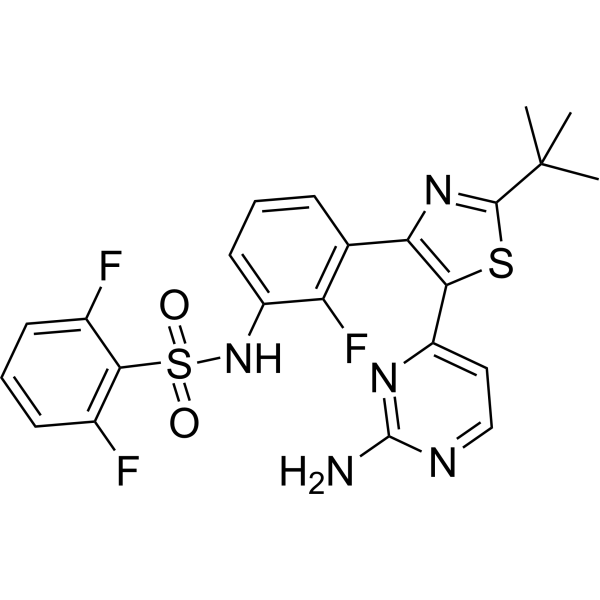
HY-14660
DabrafenibBRAF Inhibitor -
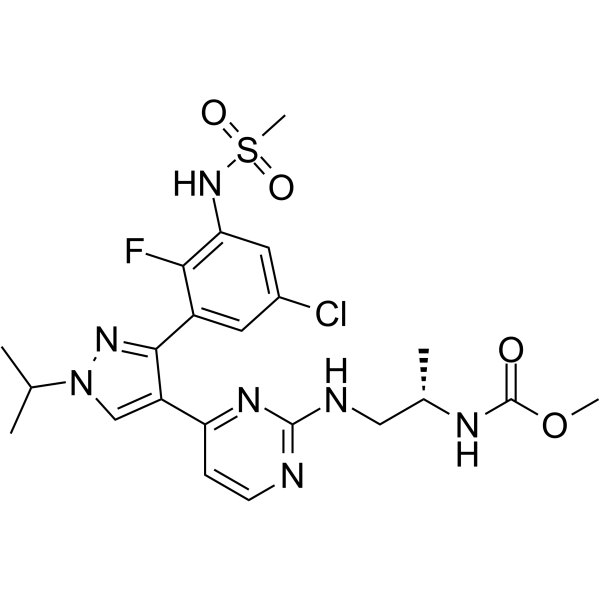
HY-15605
EncorafenibBRAF Inhibitor -
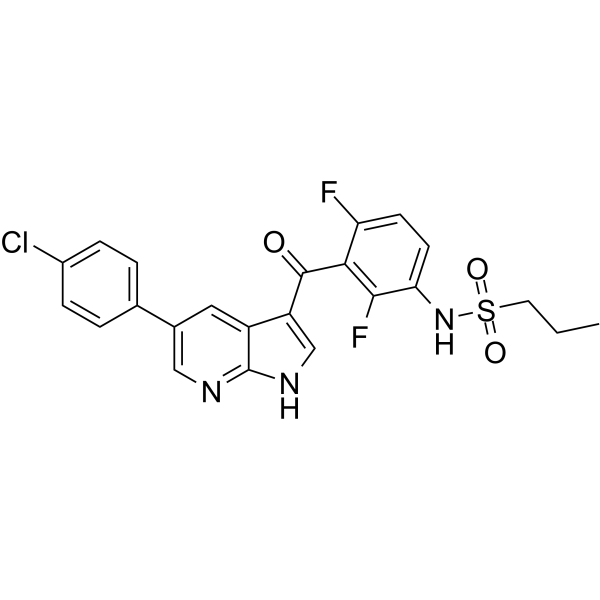
HY-12057
VemurafenibB-Raf Inhibitor -
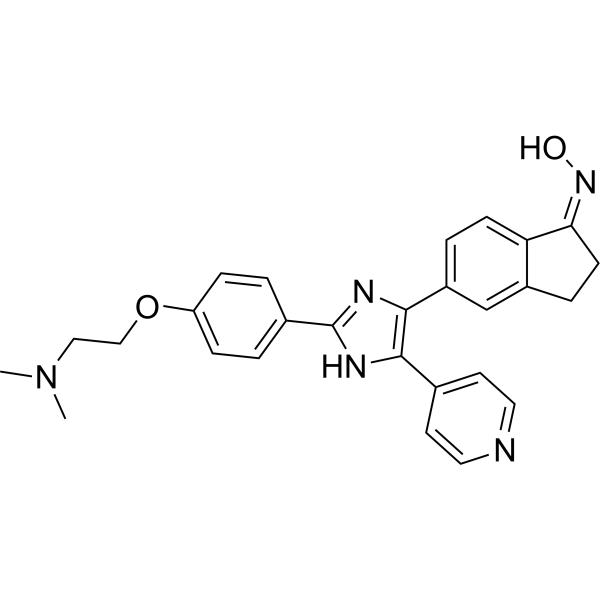
HY-10966
SB-590885BRAF/c-Raf Inhibitor -
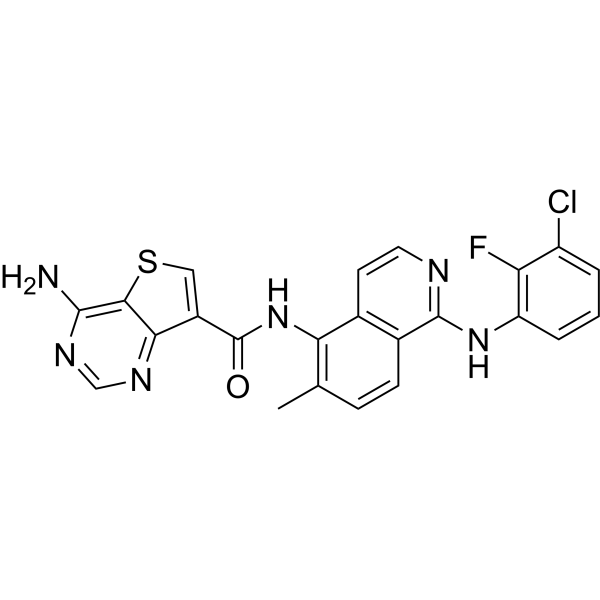
HY-109080
BelvarafenibRAF Inhibitor -
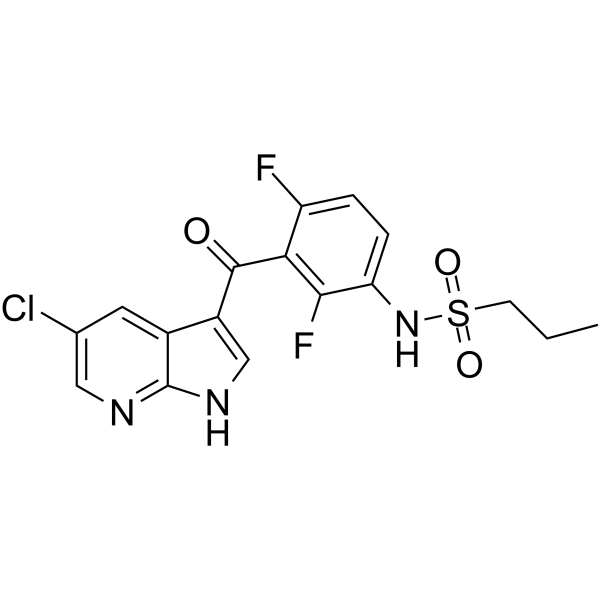
HY-51424
PLX-4720B-Raf Inhibitor -
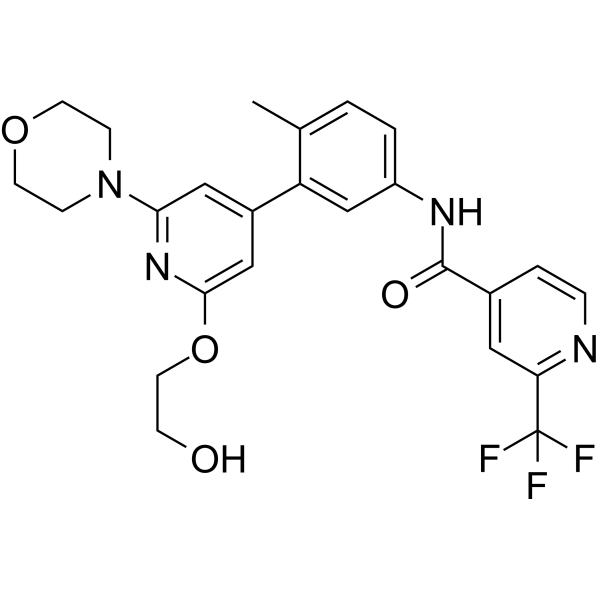
HY-112089
NaporafenibB/CRAF Inhibitor -
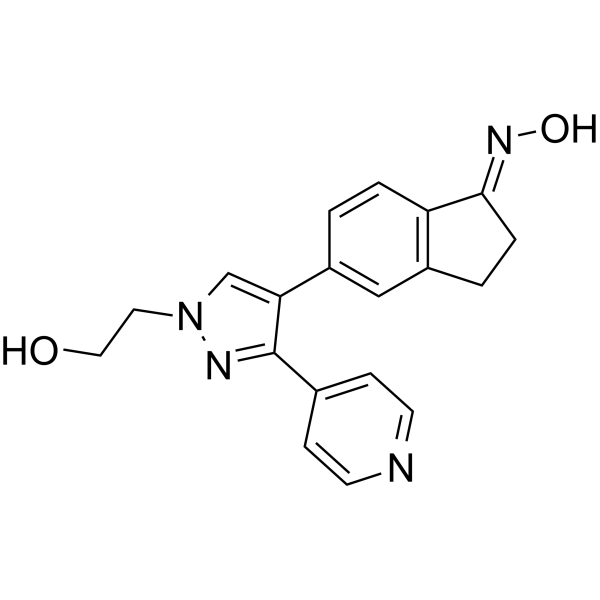
HY-50864
GDC-0879B-Raf Inhibitor -
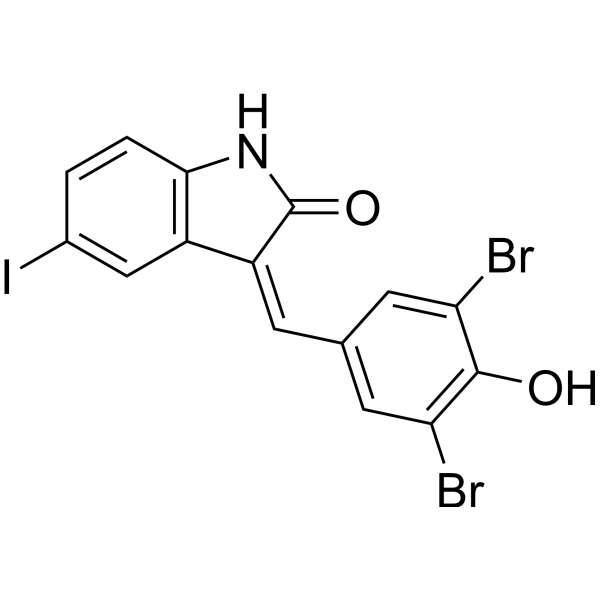
HY-10542
GW 5074Raf-1 Inhibitor -
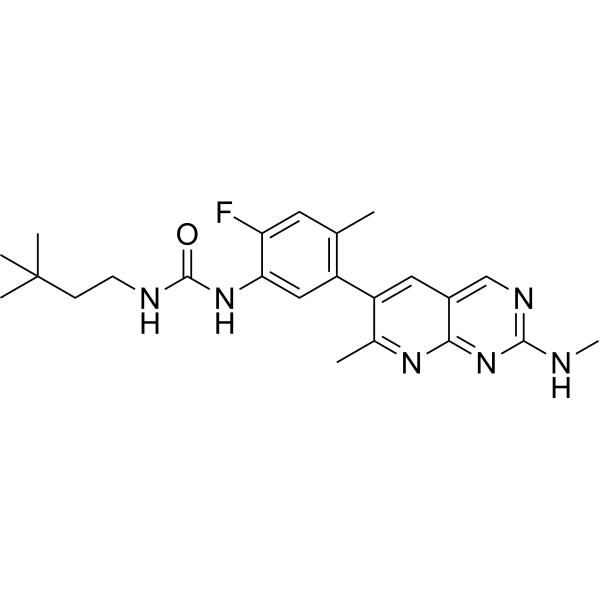
HY-12558
LY3009120Pan RAF Inhibitor -
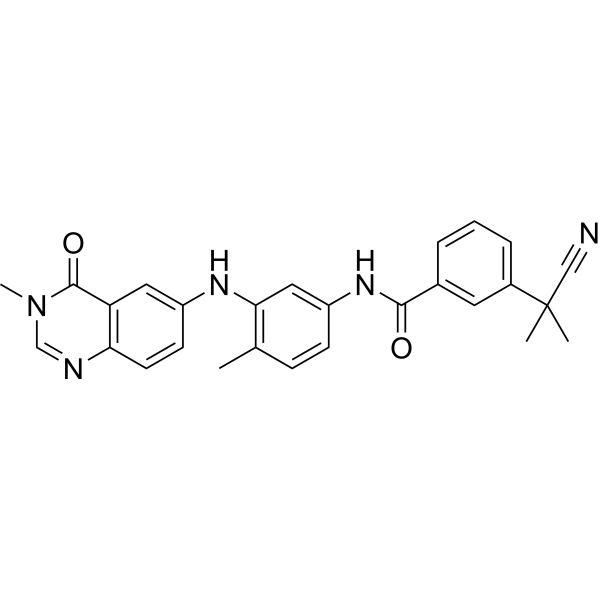
HY-11004
AZ 628Apoptosis Inducer -
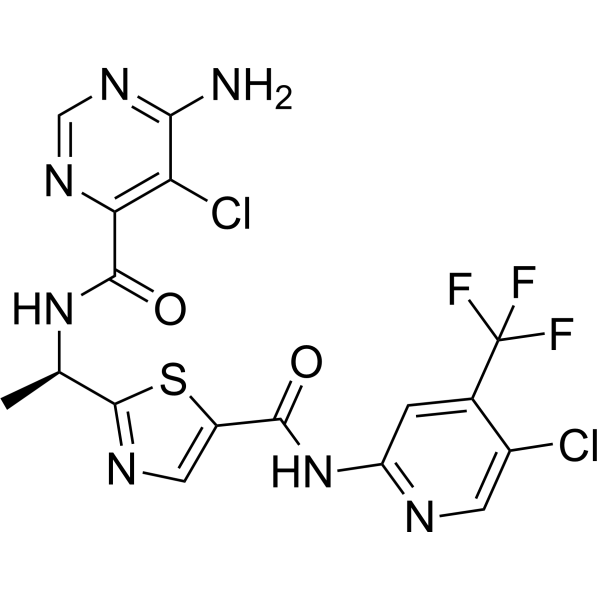
HY-15246
TovorafenibRaf Kinase Inhibitor


Biological Activity
Description
IC50 & Target
[1]|
B-Raf 11.7 nM (IC50) |
In Vitro
Omzirafenib (LUT014) (0.3 μM; 2 h) induces elevated levels of phosphorylated ERK1/2 (pERK) in primary human epidermal keratinocytes (HEKa), reverses pERK inhibition induced by Erlotinib (HY-50896) or Cetuximab (HY-P9905), and restores MAPK signaling to levels close to those stimulated by growth factors[4].
Omzirafenib (LUT014) (0.002-1.11 μM; 72 h) induces a bell-shaped proliferation curve in KRAS G12C mutant MIA-PaCa-2 pancreatic cancer cells in a concentration-dependent manner, with the strongest proliferation at 0.041 μM, and high concentrations (≥0.37 μmol/L) inhibited proliferation[4].
MedChemExpress (MCE) has not independently confirmed the accuracy of these methods. They are for reference only. Further protocols information, click here.
-
Cell Line:Primary human epidermal keratinocytes (HEKa cells)
-
Concentration:0.3 μM
-
Incubation Time:2 h
-
Result:Increased the pERK/total ERK2 ratio by 1.8-fold compared to vehicle control (DMSO), reversing the 50% reduction in pERK induced by Erlotinib (10 μM) or Cetuximab (50 μg/mL).
The combination of LUT014 with EGFR inhibitors restored pERK levels to 85% of those stimulated by human keratinocyte growth supplement (HKGS).
-
Cell Line:MIA-PaCa-2 (KRAS G12C-mutated pancreatic cancer cells)
-
Concentration:0.002, 0.05, 0.14, 0.41, 1.11 μM
-
Incubation Time:72 h
-
Result:Significantly enhanced cell proliferation by 40% compared to vehicle control, at 0.041 μM, while concentrations ≥0.37 μmol/L caused growth arrest.
The maximal proliferation at low doses correlated with paradoxical MAPK activation, as demonstrated by increased pERK levels in Western blot analyses.
Clinical Trial
| NCT Number | Sponsor | Condition | Start Date |
Phase

|
|---|---|---|---|---|
| NCT01329991 | Plexxikon| | 2011-05 | PHASE1 |


Chemical Information
-
CAS No. 2274819-46-2
-
Appearance Solid
-
Molecular Weight 528.49
-
Formula C27H19F3N8O
-
Color Light yellow to yellow
-
SMILES
FC(F)(F)OC1=CC(NC2=NC=CC3=C2C=CC(C)=C3NC4=NC=CC=C4C5=C6N=CNC6=NC=N5)=CC=C1
-
Synonyms
LUT014
-
Shipping
Room temperature in continental US; may vary elsewhere.
-
Storage
4°C, protect from light
* In solvent : -80°C, 6 months; -20°C, 1 month (protect from light)


Solvent & Solubility
In Vitro:
DMSO : 50 mg/mL (94.61 mM; Need ultrasonic; Hygroscopic DMSO has a significant impact on the solubility of product, please use newly opened DMSO)
Please refer to the solubility information to select the appropriate solvent. Once prepared, please aliquot and store the solution to prevent product inactivation from repeated freeze-thaw cycles.
Storage method and period of stock solution: -80°C, 6 months; -20°C, 1 month (protect from light). When stored at -80°C, please use it within 6 months. When stored at -20°C, please use it within 1 month.
Please refer to the solubility information to select the appropriate solvent. Once prepared, please aliquot and store the solution to prevent product inactivation from repeated freeze-thaw cycles.
Storage method and period of stock solution: -80°C, 6 months; -20°C, 1 month (protect from light). When stored at -80°C, please use it within 6 months. When stored at -20°C, please use it within 1 month.
Concentration (start) × Volume (start) = Concentration (final) × Volume (final)
In Vivo:
Select the appropriate dissolution method based on your experimental animal and administration route.
- For the following dissolution methods, please ensure to first prepare a clear stock solution using an In Vitro approach and then sequentially add co-solvents:
- To ensure reliable experimental results, the clarified stock solution can be appropriately stored based on storage conditions. As for the working solution for In Vivo experiments, it is recommended to prepare freshly and use it on the same day.
- The percentages shown for the solvents indicate their volumetric ratio in the final prepared solution. If precipitation or phase separation occurs during preparation, heat and/or sonication can be used to aid dissolution.
Add each solvent one by one: 10% DMSO 40% PEG300 5% Tween-80 45% Saline
Solubility: ≥ 2.08 mg/mL (3.94 mM); Clear solution
This protocol yields a clear solution of ≥ 2.08 mg/mL (saturation unknown).
Taking 1 mL working solution as an example, add 100 μL DMSO stock solution (20.8 mg/mL) to 400 μL PEG300, and mix evenly; then add 50 μL Tween-80 and mix evenly; then add 450 μL Saline to adjust the volume to 1 mL.
Preparation of Saline: Dissolve 0.9 g sodium chloride in ddH₂O and dilute to 100 mL to obtain a clear Saline solution.
In Vivo Dissolution Calculator
Please enter the basic information of animal experiments:
-
-
-
-
Recommended: Prepare an additional quantity of animals to account for potential losses during experiments.
Please enter your animal formula composition:
-
%DMSO +
Recommended: Keep the proportion of DMSO in working solution below 2% if your animal is weak.
-
%+
-
+%Tween-80 + +
-
%Saline +
The co-solvents required include: DMSO, . All of co-solvents are available by MedChemExpress (MCE). , Tween 80. All of co-solvents are available by MedChemExpress (MCE).
Working solution concentration: 0.22 mg/mL
Method for preparing stock solution: mg drug dissolved in μL DMSO. Stock solution concentration: mg/mL. * In solvent : -80°C, 6 months; -20°C, 1 month (protect from light)
1. Take μL DMSO stock solution;
2. Add μL .
μL , mix evenly;
3. Then add μL Tween 80, mix evenly;
4. Then add μL
Please ensure that the stock solution in the first step is dissolved to a clear state, and add co-solvents in sequence. You can use ultrasonic heating (ultrasonic cleaner, recommended frequency 20-40 kHz), vortexing, etc. to assist dissolution.

Protocols
-
TPA/Croton Oil Ear Edema and Dermatitis
The TPA (12-O-tetradecanoylphorbol-13-acetate) and croton oil-induced mouse ear edema model is a well-established acute cutaneous inflammation system used to evaluate topical anti-inflammatory activity by measuring edema formation, neutrophil infiltration, vascular permeability, and cytokine-mediated skin responses in vivo. The inflammatory response is triggered by topical application of phorbol esters (TPA) or croton oil constituents, leading to rapid activation of protein kinase C signaling, leukocyte recruitment, and increased vascular permeability, which can be quantified by ear thickness, weight, dye extravasation, and biochemical markers such as myeloperoxidase (MPO) activity and pro-inflammatory mediators in ear tissue homogenates. This model is widely used for screening anti-inflammatory agents, where reductions in edema and inflammatory biomarkers reflect suppression of acute dermal inflammation and immune cell infiltration. Histological evaluation typically confirms epidermal
-
Breast Cancer Modeling
Breast cancer is a heterogeneous cancer, and it has been distinguished into four subtypes: luminal A, luminal B, HER2-positive and basal-like. Molecular mutations, epigenetic alterations, hormone exposure and immune microenvironment are related to the progression of breast cancer.
-
Cell Viability Determination by MTT Colorimetric Assay
The following protocol uses the MTT colorimetric assay as a classic literature-established method for assessing cell viability/metabolic activity in cultured mammalian cells. MTT[3-(4,5-dimethylthiazol-2-yl)-2,5-diphenyltetrazolium bromide] is reduced by metabolically active cells to a colored formazan product; the amount of formazan is quantified spectrophotometrically and provides an indirect measure of metabolically active viable cells. Importantly, MTT reduction reflects cellular oxidoreductase/metabolic activity rather than an absolute direct count of living cells, so changes in cellular metabolism can alter the signal independently of cell number.


Purity & Documentation
-
Data Sheet (281 KB)
-
SDS (393 KB)
- English - EN (393 KB)
- Français - FR (393 KB)
- Deutsch - DE (393 KB)
- Norwegian - NO (393 KB)
- Español - ES (393 KB)
- Swedish - SV (393 KB)
- Italian - IT (393 KB)
- Korean - KR (393 KB)
- Portuguese - PT (393 KB)
-
Handling Instructions (2659 KB)
References
[1]. Katz S, et al. A topical BRAF inhibitor (LUT-014) for treatment of radiodermatitis among women with breast cancer. JAAD Int. 2023 Dec 25;15:62-68. [Content Brief]
[2]. Wang PP, et al. BRAF Mutations in Colorectal Liver Metastases: Prognostic Implications and Potential Therapeutic Strategies. Cancers (Basel). 2022 Aug 23;14(17):4067. [Content Brief]
[3]. Li Y, et al. Mechanism of Lethal Skin Toxicities Induced by Epidermal Growth Factor Receptor Inhibitors and Related Treatment Strategies. Front Oncol. 2022 Feb 10;12:804212. [Content Brief]


Complete Stock Solution Preparation Table
Please refer to the solubility information to select the appropriate solvent. Once prepared, please aliquot and store the solution to prevent product inactivation from repeated freeze-thaw cycles.
Storage method and period of stock solution: -80°C, 6 months; -20°C, 1 month (protect from light). When stored at -80°C, please use it within 6 months. When stored at -20°C, please use it within 1 month.
| Optional Solvent | Concentration Solvent Mass | 1 mg | 5 mg | 10 mg | 25 mg |
|---|---|---|---|---|---|
| DMSO | 1 mM | 1.8922 mL | 9.4609 mL | 18.9218 mL | 47.3046 mL |
| 5 mM | 0.3784 mL | 1.8922 mL | 3.7844 mL | 9.4609 mL | |
| 10 mM | 0.1892 mL | 0.9461 mL | 1.8922 mL | 4.7305 mL | |
| 15 mM | 0.1261 mL | 0.6307 mL | 1.2615 mL | 3.1536 mL | |
| 20 mM | 0.0946 mL | 0.4730 mL | 0.9461 mL | 2.3652 mL | |
| 25 mM | 0.0757 mL | 0.3784 mL | 0.7569 mL | 1.8922 mL | |
| 30 mM | 0.0631 mL | 0.3154 mL | 0.6307 mL | 1.5768 mL | |
| 40 mM | 0.0473 mL | 0.2365 mL | 0.4730 mL | 1.1826 mL | |
| 50 mM | 0.0378 mL | 0.1892 mL | 0.3784 mL | 0.9461 mL | |
| 60 mM | 0.0315 mL | 0.1577 mL | 0.3154 mL | 0.7884 mL | |
| 80 mM | 0.0237 mL | 0.1183 mL | 0.2365 mL | 0.5913 mL |


Omzirafenib Related Classifications
HY-111940 Related Classifications
 Powered by Bioz