



Ki16425
Based on 11 publication(s) in Google Scholar
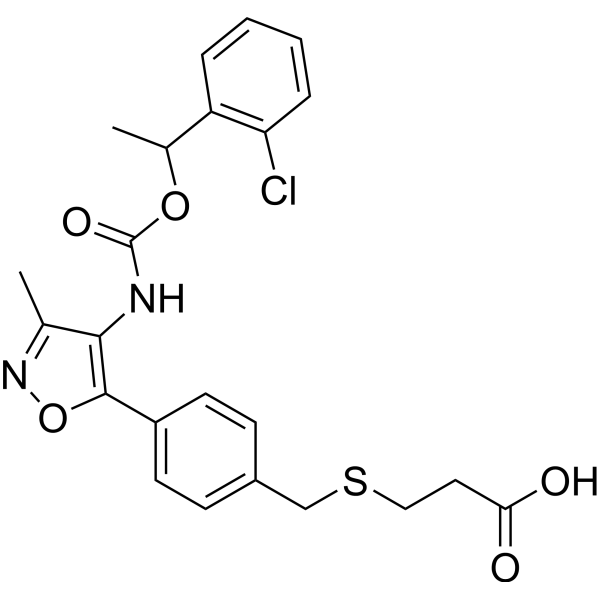
Ki16425 (Debio 0719) is a subtype-selective, competitive antagonist of the EDG-family receptors, LPA1 and LPA3 with Kis of 0.34 μM and 0.93 μM, respectively. Ki16425 (Debio 0719) reduces the LPA-induced activation of p42/p44 MAPK. Ki16425 can also inhibit LPA-induced dephosphorylation of Yes-associated protein (YAP)/TAZ in HEK293A cells.
For research use only. We do not sell to patients.
- Purity : 99.30%
- CAS No.: 355025-24-0
- Formula: C23H23ClN2O5S
- Molecular Weight:474.96
-
Storage:Powder -20°C, 3 years , 4°C, 2 years ; In solvent -80°C, 2 years , -20°C, 1 year

To place orders, for customer services and technical support, please contact: MedChemExpress USA
Tel: 609-228-6898 E-mail: [email protected] [email protected]


-
 Biological Activity
-
Chemical Information
-
Solvent & Solubility
- Purity & Documentation
- References
-
 Help & FAQs


-
HY-15277
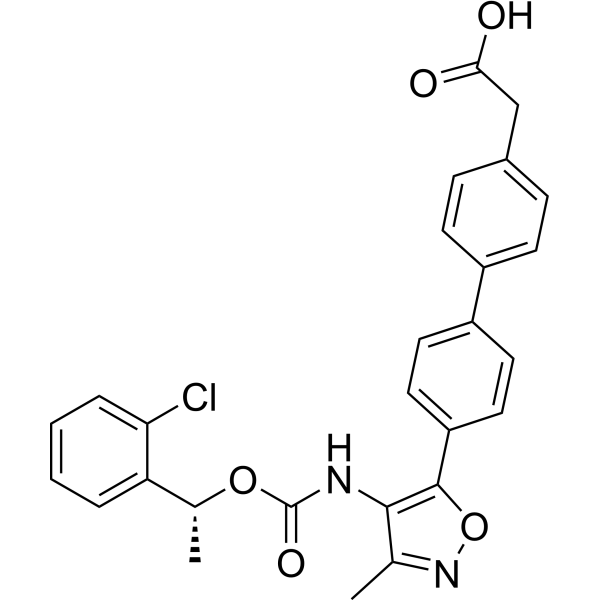
AM966LPA1 Receptor Antagonist -
HY-16039
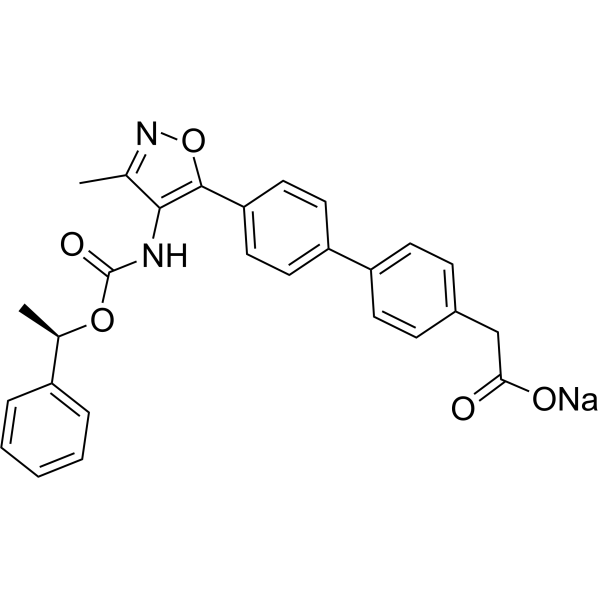
AM095LPA1 Antagonist -
HY-107614
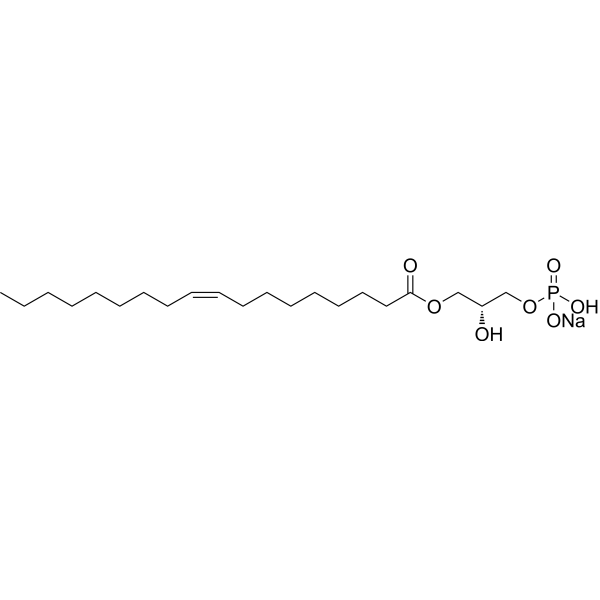
1-Oleoyl lysophosphatidic acid sodiumLPA Receptor Activator -
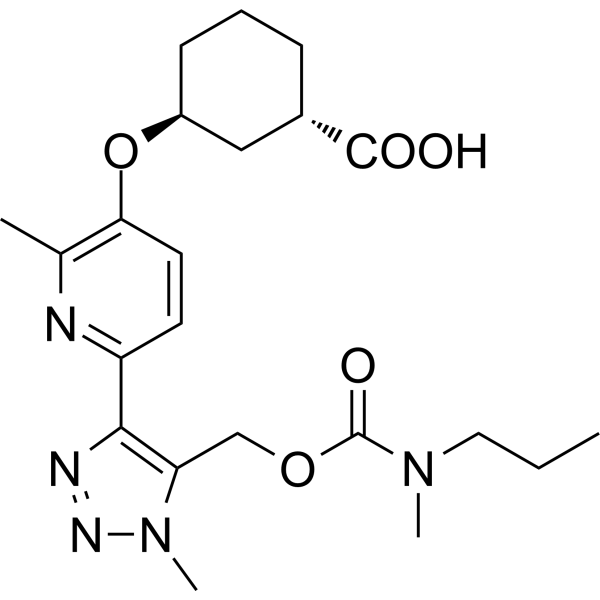
HY-139853
BMS-986278LPA1 Antagonist -
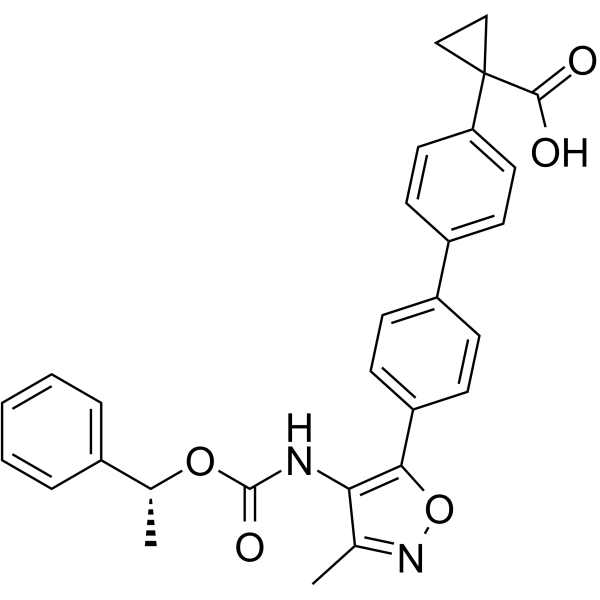
HY-100619
BMS-986020LPA1 Antagonist -
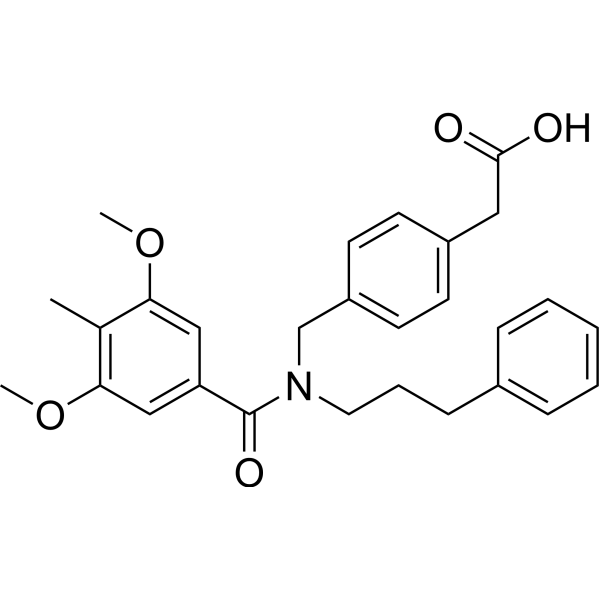
HY-100882
ONO-7300243LPA1 Antagonist -
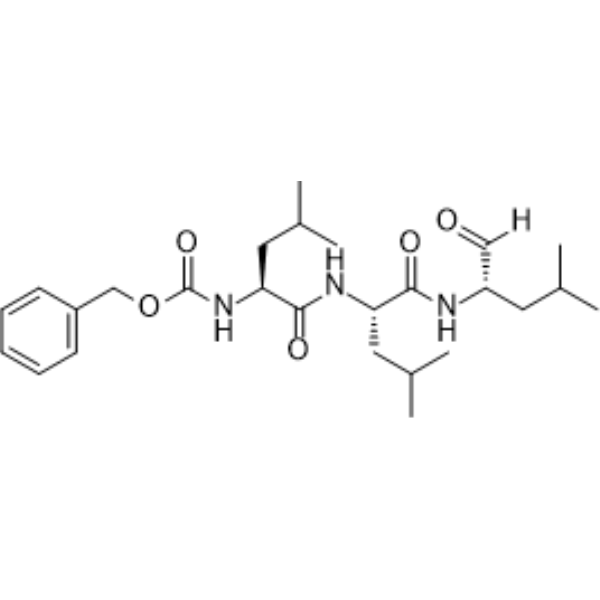
HY-13259
MG-132Proteasome Inhibitor -
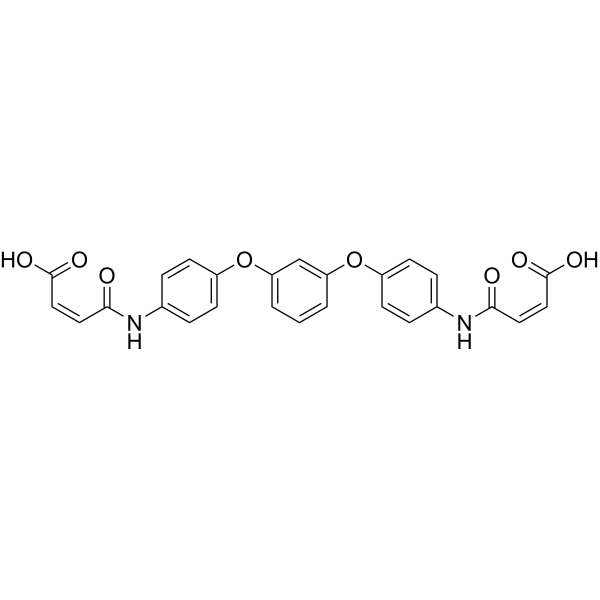
HY-107616
H2L5186303LPA2 Receptor Antagonist -
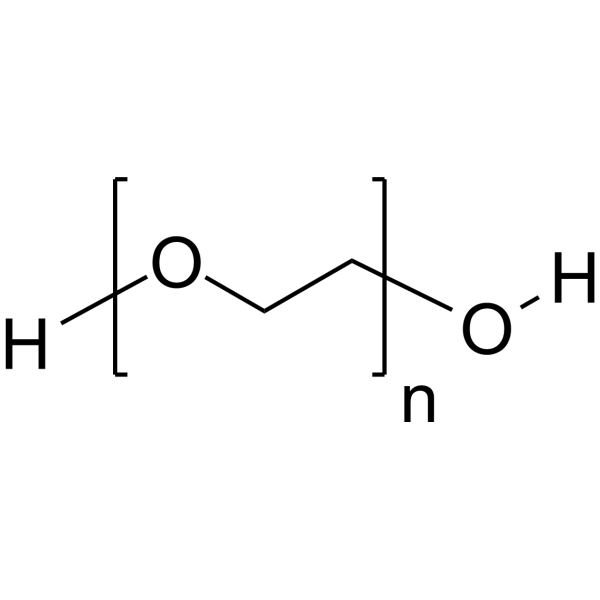
HY-Y0873
PEG300Neutral Polymer -
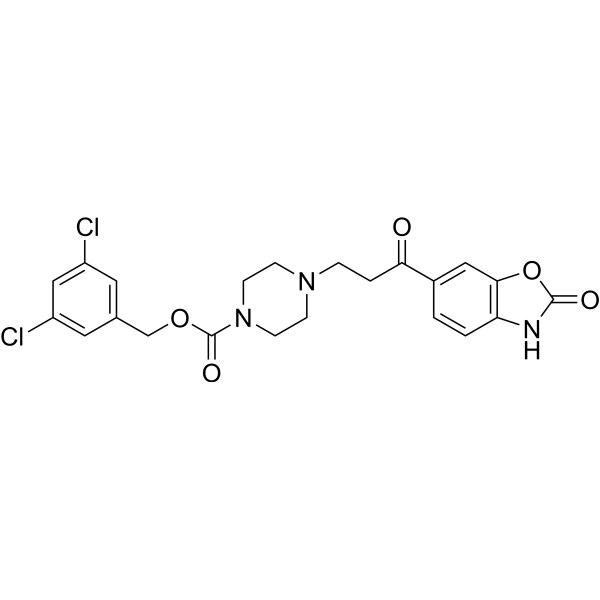
HY-13344
PF-8380Autotaxin Inhibitor -
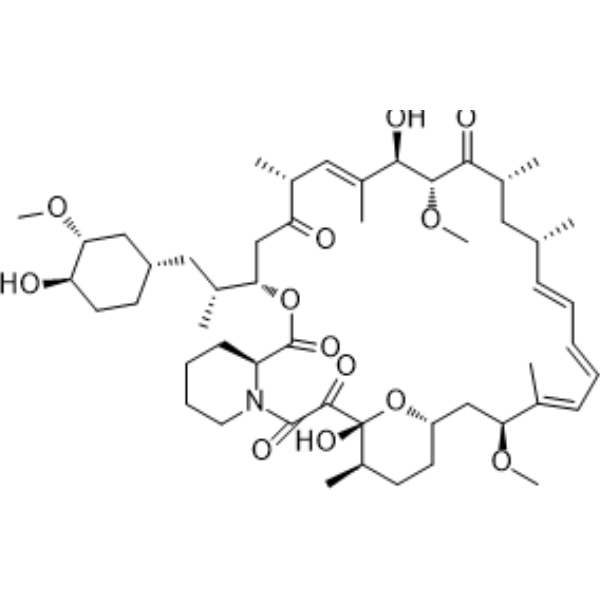
HY-10219
RapamycinmTOR Inhibitor -
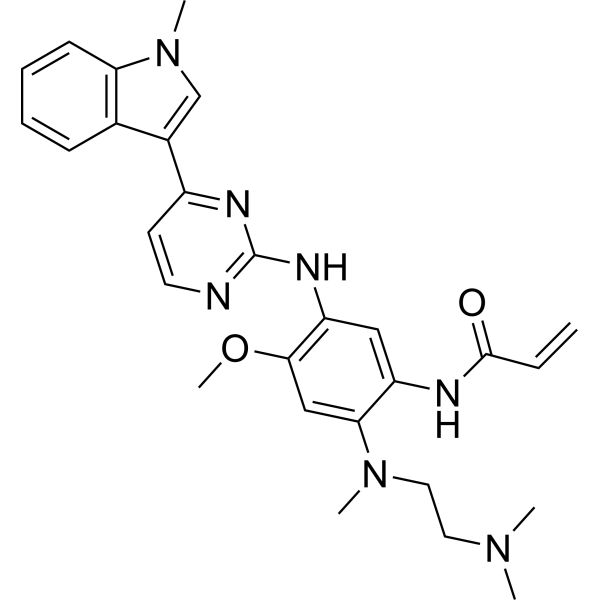
HY-15772
OsimertinibMutant-Selective EGFR Inhibitor
Publications Citing Use of MedChemExpress (MCE) Ki16425
More- Cell Metab. 2022 Apr 5;34(4):615-633.e8. [Abstract]
- EBioMedicine. 2020 Feb:52:102652. [Abstract]
- J Transl Med. 2023 Nov 21;21(1):838. [Abstract]
- Int J Biol Macromol. 2025 Sep:326:147087. [Abstract]
- Int J Mol Sci. 2022 Jul 5;23(13):7452. [Abstract]
- Mol Pharm. 2023 Nov 6;20(11):5500-5514. [Abstract]
- iScience. 2023 Jul 27;26(8):107465. [Abstract]
- FASEB J. 2025 Apr 30;39(8):e70544. [Abstract]
- Neurobiol Stress. 2024 Apr 4:30:100632. [Abstract]
- Vet Microbiol. 2021 Oct:261:109177. [Abstract]
- Res Sq. 2025 Nov 1.
 Customer Validation & Images

-
WB

-
IF

-
WB

-
In Vivo Efficacy Study

-
WB

All YAP Isoforms
More

Biological Activity
Description
IC50 & Target
|
YAP/TAZ |
Cellular Effect
|
Cell Line

|
Type | Value | Description | References |
|---|---|---|---|---|
| CHO-K1 | IC50 |
0.51 μM
Compound: Kil6425-(1)
|
Antagonist activity at human recombinant LPA1 receptor expressed in CHOK1 cells assessed as inhibition of lysophosphatidic acid-induced intracellular calcium influx
Antagonist activity at human recombinant LPA1 receptor expressed in CHOK1 cells assessed as inhibition of lysophosphatidic acid-induced intracellular calcium influx
|
[PMID: 17467986] |
| PC-3 | IC50 |
3384 nM
Compound: 6
|
Inhibition of LPA-induced calcium transients in PC-3 cells
Inhibition of LPA-induced calcium transients in PC-3 cells
|
[PMID: 16033271] |
| RH7777 | IC50 |
301 nM
Compound: 6
|
Inhibition of LPA-induced calcium transients in RH7777 rat hepatoma cells expressing LPA3 receptor
Inhibition of LPA-induced calcium transients in RH7777 rat hepatoma cells expressing LPA3 receptor
|
[PMID: 16033271] |
| RH7777 | IC50 |
762 nM
Compound: 6
|
Inhibition of LPA-induced calcium transients in RH7777 rat hepatoma cells expressing LPA1 receptor
Inhibition of LPA-induced calcium transients in RH7777 rat hepatoma cells expressing LPA1 receptor
|
[PMID: 16033271] |
In Vitro
Ki16425 (10 μM; 1.5 hours; HEK293A cells) treatment blocks LPA-induced dephosphorylation of YAP/TAZ in HEK293A cells. Ki16425 partially inhibits the ability of serum to repress YAP/TAZ phosphorylation, particularly at low serum concentrations (0.2%)[3].
MedChemExpress (MCE) has not independently confirmed the accuracy of these methods. They are for reference only. .
-
Cell Line:HEK293A cells
-
Concentration:10 μM
-
Incubation Time:1.5 hours
-
Result:Blocked LPA-induced dephosphorylation of YAP/TAZ. Partially inhibited the ability of serum to repress YAP/TAZ phosphorylation.
In Vivo
MedChemExpress (MCE) has not independently confirmed the accuracy of these methods. They are for reference only.
-
Animal Model:20-24 g male standard ddY-strain mice[4]
-
Dosage:1-30 mg/kg
-
Administration:Intraperitoneal injection; at 30 minutes prior to LPA injection
-
Result:LPA-induced neuropathic pain behaviors were attenuated in a dose-dependent manner.


Chemical Information
-
CAS No. 355025-24-0
-
Appearance Solid
-
Molecular Weight 474.96
-
Formula C23H23ClN2O5S
-
Color White to off-white
-
SMILES
ClC1=C(C=CC=C1)C(C)OC(NC2=C(ON=C2C)C3=CC=C(C=C3)CSCCC(O)=O)=O
-
Synonyms
Debio 0719
-
Shipping
Room temperature in continental US; may vary elsewhere.
-
Storage
Powder -20°C 3 years 4°C 2 years In solvent -80°C 2 years -20°C 1 year


Publications (11)
-
Journal Impact Factor
-
Most Recent
-
Cell Metab
Secreted phospholipase A2 modifies extracellular vesicles and accelerates B cell lymphoma. [Abstract]2022 Apr 5;34(4):615-633.e8. PMID: 35294862 -
EBioMedicine
A SNP of bacterial blc disturbs gut lysophospholipid homeostasis and induces inflammation through epithelial barrier disruption. [Abstract]2020 Feb:52:102652. PMID: 32058942
Ki16425 purchased from MedChemExpress. Usage Cited in: EBioMedicine. 2020 Feb:52:102652. [Abstract]
Ki16425 (1, 10 μM) blocked the protective function of LPE in Caco-2 cells pre-treated with LPA (1 μM) or LPE (20 μM).

Ki16425 purchased from MedChemExpress. Usage Cited in: EBioMedicine. 2020 Feb:52:102652. [Abstract]
Ki16425 (20 mg/kg; i.p.) blocked E. coli BW25113 caused damage to the intestinal barrier of the mouse.
-
J Transl Med
LIPH contributes to glycolytic phenotype in pancreatic ductal adenocarcinoma by activating LPA/LPAR axis and maintaining ALDOA stability. [Abstract]2023 Nov 21;21(1):838. PMID: 37990271
Ki16425 purchased from MedChemExpress. Usage Cited in: J Transl Med. 2023 Nov 21;21(1):838. [Abstract]
Ki16425 (10 μM) effectively promoted the phosphorylation of YAP1, inhibited the expression of its downstream gene, CTGF in MIA PaCa-2 cells.
Ki16425 purchased from MedChemExpress. Usage Cited in: J Transl Med. 2023 Nov 21;21(1):838. [Abstract]
Ki16425 (4 mg/kg; i.p.; every other day for two weeks) restrained the growth of subcutaneous tumors in a patient-derived xenograft (PDX) mice.
-
Int J Biol Macromol
2025 Sep:326:147087. PMID: 40865829 -
Int J Mol Sci
2022 Jul 5;23(13):7452. PMID: 35806457 -
Mol Pharm
Integration of an LPAR1 Antagonist into Liposomes Enhances Their Internalization and Tumor Accumulation in an Animal Model of Human Metastatic Breast Cancer. [Abstract]2023 Nov 6;20(11):5500-5514. PMID: 37844135 -
iScience
Soluble epoxide hydrolase maintains steady-state lipid turnover linked with autocrine signaling in peritoneal macrophages. [Abstract]2023 Jul 27;26(8):107465. PMID: 37599831 -
FASEB J
Gαq/11 Signaling Modulates Fibroblast Growth Factor 23 Production and Contributes to Acute Kidney Injury. [Abstract]2025 Apr 30;39(8):e70544. PMID: 40275688 -
Neurobiol Stress
Effects of autotaxin and lysophosphatidic acid deficiencies on depression-like behaviors in mice exposed to chronic unpredictable mild stress. [Abstract]2024 Apr 4:30:100632. PMID: 38601361
Ki16425 purchased from MedChemExpress. Usage Cited in: Neurobiol Stress. 2024 Apr 4:30:100632. [Abstract]
Ki16425 (50 μM; 6 h) demonstrated a noteworthy reduction in synapse-associated proteins in HT22 cells.
Ki16425 purchased from MedChemExpress. Usage Cited in: Neurobiol Stress. 2024 Apr 4:30:100632. [Abstract]
Ki16425 (30 mg/mL; i.c.v.) decreased the LPA-induced increase in expression of SYN, SYP, and BDNF in the hippocampal region of mice.
-
Vet Microbiol
Lipid metabolism is a novel and practical source of potential targets for antiviral discovery against porcine parvovirus. [Abstract]2021 Oct:261:109177. PMID: 34391196 -


Solvent & Solubility
In Vitro:
DMSO : ≥ 100 mg/mL (210.54 mM; Hygroscopic DMSO has a significant impact on the solubility of product, please use newly opened DMSO)
* "≥" means soluble, but saturation unknown.
Please refer to the solubility information to select the appropriate solvent. Once prepared, please aliquot and store the solution to prevent product inactivation from repeated freeze-thaw cycles.
Storage method and period of stock solution: -80°C, 2 years; -20°C, 1 year. When stored at -80°C, please use it within 2 years. When stored at -20°C, please use it within 1 year.
Please refer to the solubility information to select the appropriate solvent. Once prepared, please aliquot and store the solution to prevent product inactivation from repeated freeze-thaw cycles.
Storage method and period of stock solution: -80°C, 2 years; -20°C, 1 year. When stored at -80°C, please use it within 2 years. When stored at -20°C, please use it within 1 year.
Concentration (start) × Volume (start) = Concentration (final) × Volume (final)
In Vivo:
Select the appropriate dissolution method based on your experimental animal and administration route.
- For the following dissolution methods, please ensure to first prepare a clear stock solution using an In Vitro approach and then sequentially add co-solvents:
- To ensure reliable experimental results, the clarified stock solution can be appropriately stored based on storage conditions. As for the working solution for In Vivo experiments, it is recommended to prepare freshly and use it on the same day.
- The percentages shown for the solvents indicate their volumetric ratio in the final prepared solution. If precipitation or phase separation occurs during preparation, heat and/or sonication can be used to aid dissolution.
Add each solvent one by one: 10% DMSO 40% PEG300 5% Tween-80 45% Saline
Solubility: ≥ 2.5 mg/mL (5.26 mM); Clear solution
This protocol yields a clear solution of ≥ 2.5 mg/mL (saturation unknown).
Taking 1 mL working solution as an example, add 100 μL DMSO stock solution (25.0 mg/mL) to 400 μL PEG300, and mix evenly; then add 50 μL Tween-80 and mix evenly; then add 450 μL Saline to adjust the volume to 1 mL.
Preparation of Saline: Dissolve 0.9 g sodium chloride in ddH₂O and dilute to 100 mL to obtain a clear Saline solution.
Add each solvent one by one: 10% DMSO 90% (20% SBE-β-CD in Saline)
Solubility: ≥ 2.5 mg/mL (5.26 mM); Clear solution
This protocol yields a clear solution of ≥ 2.5 mg/mL (saturation unknown).
Taking 1 mL working solution as an example, add 100 μL DMSO stock solution (25.0 mg/mL) to 900 μL 20% SBE-β-CD in Saline, and mix evenly.
Preparation of 20% SBE-β-CD in Saline (4°C, storage for one week): 2 g SBE-β-CD powder is dissolved in 10 mL Saline, completely dissolve until clear.
In Vivo Dissolution Calculator
Please enter the basic information of animal experiments:
-
-
-
-
Recommended: Prepare an additional quantity of animals to account for potential losses during experiments.
Please enter your animal formula composition:
-
%DMSO +
Recommended: Keep the proportion of DMSO in working solution below 2% if your animal is weak.
-
%+
-
+%Tween-80 + +
-
%Saline +
The co-solvents required include: DMSO, . All of co-solvents are available by MedChemExpress (MCE). , Tween 80. All of co-solvents are available by MedChemExpress (MCE).
Working solution concentration: 0.22 mg/mL
Method for preparing stock solution: mg drug dissolved in μL DMSO. Stock solution concentration: mg/mL.
1. Take μL DMSO stock solution;
2. Add μL .
μL , mix evenly;
3. Then add μL Tween 80, mix evenly;
4. Then add μL
Please ensure that the stock solution in the first step is dissolved to a clear state, and add co-solvents in sequence. You can use ultrasonic heating (ultrasonic cleaner, recommended frequency 20-40 kHz), vortexing, etc. to assist dissolution.


Purity & Documentation
-
Data Sheet (282 KB)
-
SDS (396 KB)
- English - EN (396 KB)
- Français - FR (396 KB)
- Deutsch - DE (396 KB)
- Norwegian - NO (396 KB)
- Español - ES (396 KB)
- Swedish - SV (396 KB)
- Italian - IT (396 KB)
- Korean - KR (396 KB)
- Portuguese - PT (396 KB)
-
Handling Instructions (2659 KB)
References
[1]. Ohta H, et al. Ki16425, a subtype-selective antagonist for EDG-family lysophosphatidic acid receptors.Mol Pharmacol, 2003, 64(4), 994-1005. [Content Brief]
[2]. Moughal NA, et al. Protean agonism of the lysophosphatidic acid receptor-1 with Ki16425 reduces nerve growth factor-induced neurite outgrowth in pheochromocytoma 12 cells. J Neurochem, 2006, 98(6), 1920-1929. [Content Brief]
[3]. Yu FX, et al. Regulation of the Hippo-YAP pathway by G-protein-coupled receptor signaling. Cell. 2012 Aug 17;150(4):780-91. [Content Brief]
[4]. Ma L, et al. Evidence for lysophosphatidic acid 1 receptor signaling in the early phase of neuropathic pain mechanisms in experiments using Ki-16425, a lysophosphatidic acid 1 receptor antagonist. J Neurochem, 2009, 109(2), 603-610. [Content Brief]


Complete Stock Solution Preparation Table
Please refer to the solubility information to select the appropriate solvent. Once prepared, please aliquot and store the solution to prevent product inactivation from repeated freeze-thaw cycles.
Storage method and period of stock solution: -80°C, 2 years; -20°C, 1 year. When stored at -80°C, please use it within 2 years. When stored at -20°C, please use it within 1 year.
| Optional Solvent | Concentration Solvent Mass | 1 mg | 5 mg | 10 mg | 25 mg |
|---|---|---|---|---|---|
| DMSO | 1 mM | 2.1054 mL | 10.5272 mL | 21.0544 mL | 52.6360 mL |
| 5 mM | 0.4211 mL | 2.1054 mL | 4.2109 mL | 10.5272 mL | |
| 10 mM | 0.2105 mL | 1.0527 mL | 2.1054 mL | 5.2636 mL | |
| 15 mM | 0.1404 mL | 0.7018 mL | 1.4036 mL | 3.5091 mL | |
| 20 mM | 0.1053 mL | 0.5264 mL | 1.0527 mL | 2.6318 mL | |
| 25 mM | 0.0842 mL | 0.4211 mL | 0.8422 mL | 2.1054 mL | |
| 30 mM | 0.0702 mL | 0.3509 mL | 0.7018 mL | 1.7545 mL | |
| 40 mM | 0.0526 mL | 0.2632 mL | 0.5264 mL | 1.3159 mL | |
| 50 mM | 0.0421 mL | 0.2105 mL | 0.4211 mL | 1.0527 mL | |
| 60 mM | 0.0351 mL | 0.1755 mL | 0.3509 mL | 0.8773 mL | |
| 80 mM | 0.0263 mL | 0.1316 mL | 0.2632 mL | 0.6580 mL | |
| 100 mM | 0.0211 mL | 0.1053 mL | 0.2105 mL | 0.5264 mL |


Ki16425 Related Classifications
HY-13285 Related Classifications
 Powered by Bioz