



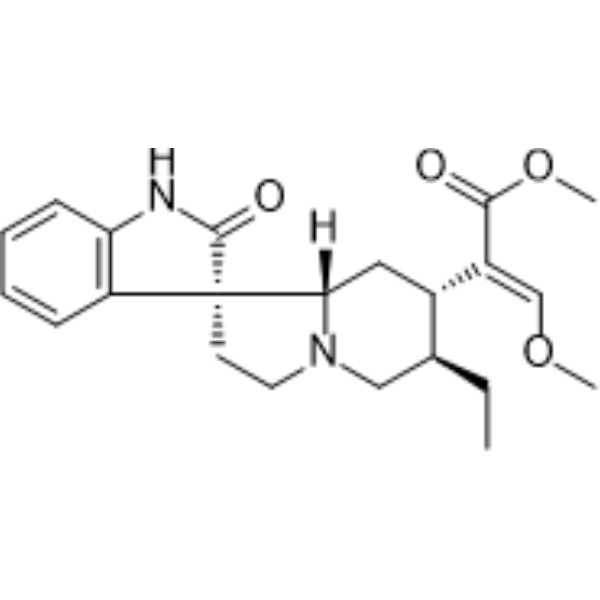
Rhynchophylline
Based on 2 publication(s) in Google Scholar
Rhyncholphylline is an alkaloid compound isolated from Uncaria rhynchophyllum. Rhyncholphylline is an EphA4 inhibitor. It has high biological activity and is widely used in anti-inflammatory, neuroprotective and other research..
For research use only. We do not sell to patients.
- Purity : 99.75%
- CAS No.: 76-66-4
- Formula: C22H28N2O4
- Molecular Weight:384.47
-
Storage:Powder -20°C, 3 years , 4°C, 2 years ; In solvent -80°C, 2 years , -20°C, 1 year

To place orders, for customer services and technical support, please contact: MedChemExpress USA
Tel: 609-228-6898 E-mail: [email protected] [email protected]


-
 Biological Activity
-
Chemical Information
-
Solvent & Solubility
- Protocols
- Purity & Documentation
- References
-
 Help & FAQs


-
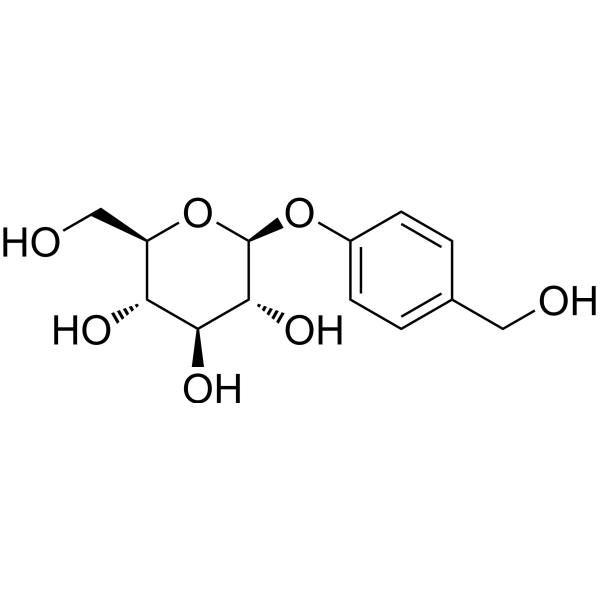
HY-N0115
GastrodinAnti-Inflammatory Agent -
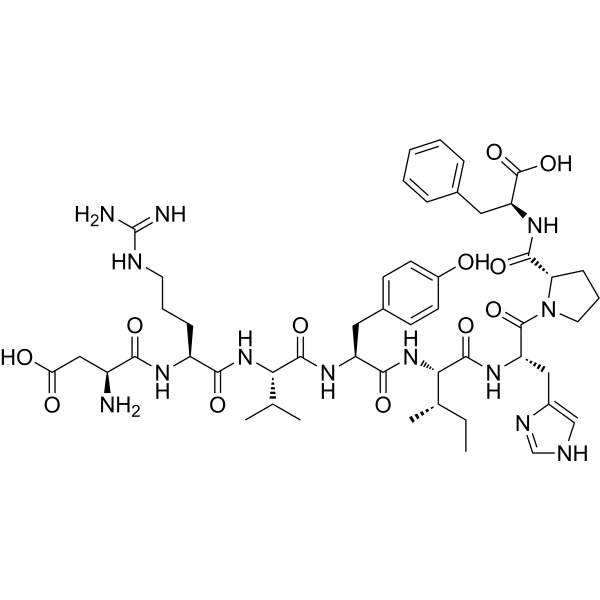
HY-13948
Angiotensin II humanVasoconstrictor -
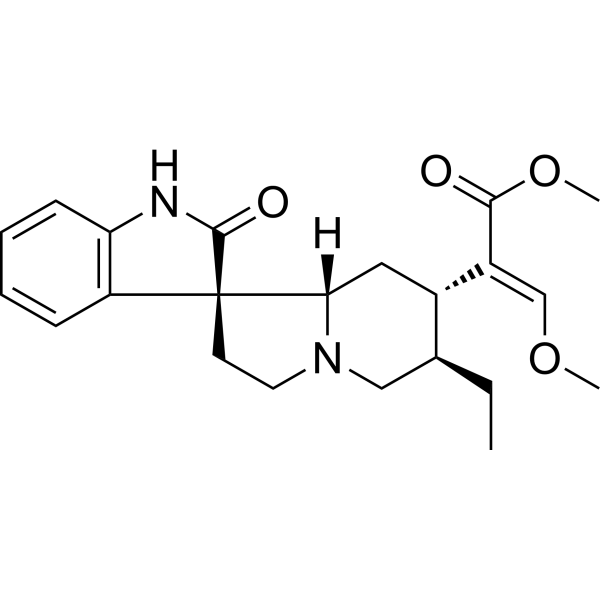
HY-N0766
IsorhynchophyllineVasodilator -
HY-15608
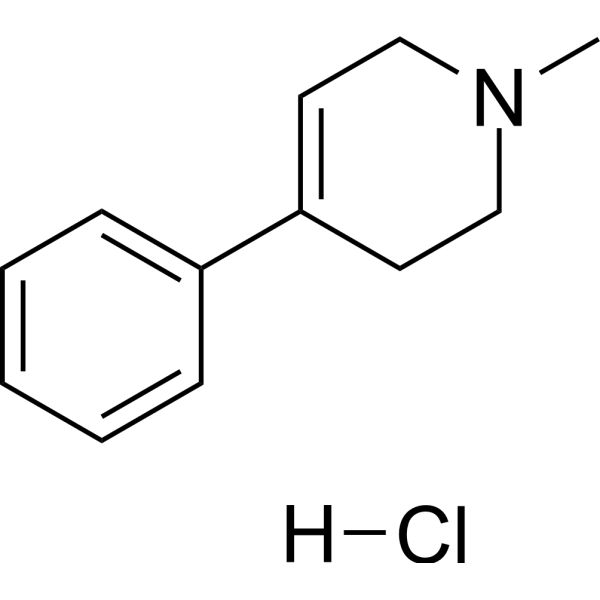
MPTP hydrochlorideDopaminergic Neurotoxin -
HY-N6946
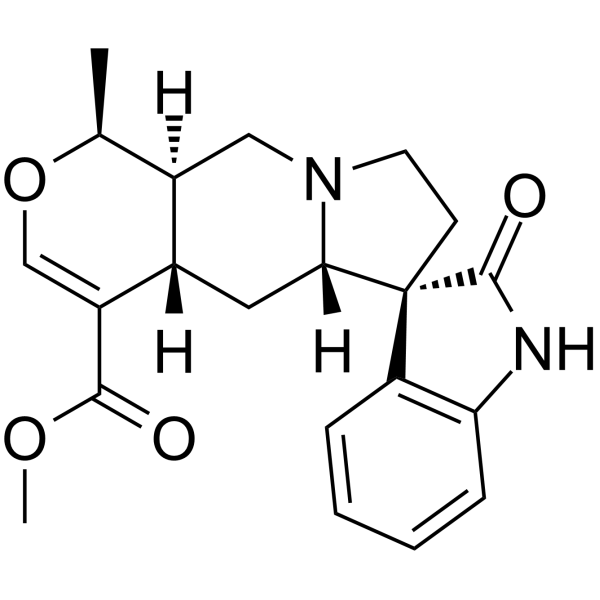
MitraphyllineAnticancer Agent -
HY-N2193
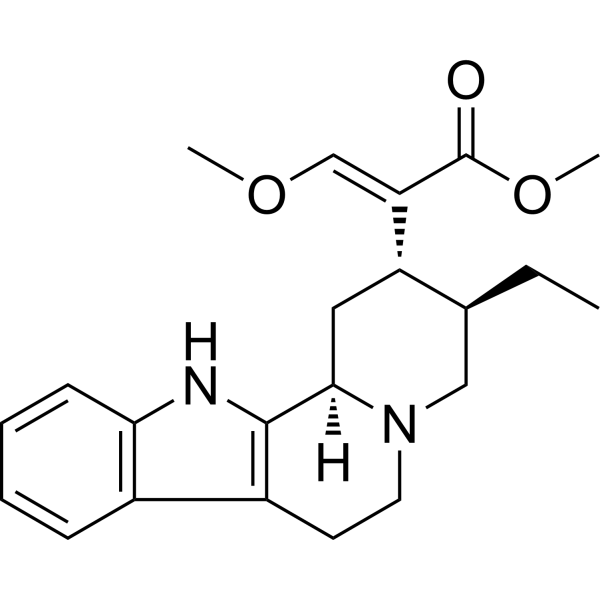
HirsutineApoptosis Inducer -

HY-N0387R
Rhynchophylline (Standard)NF-κB Inhibitor -
HY-N0510
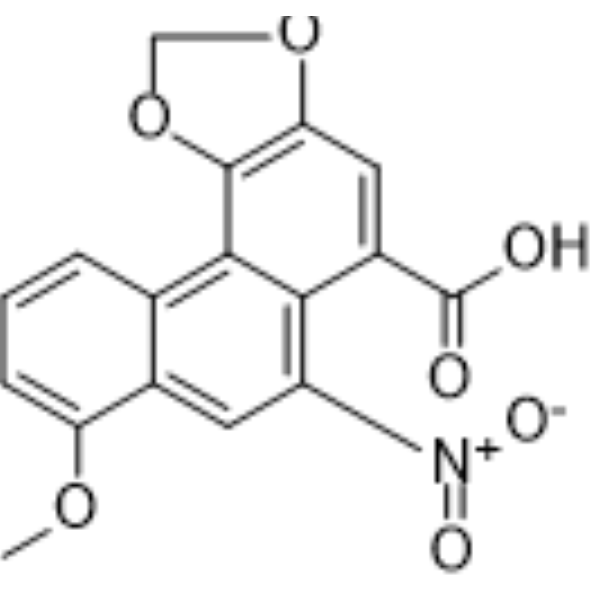
Aristolochic acid ANF-κB Inhibitor -
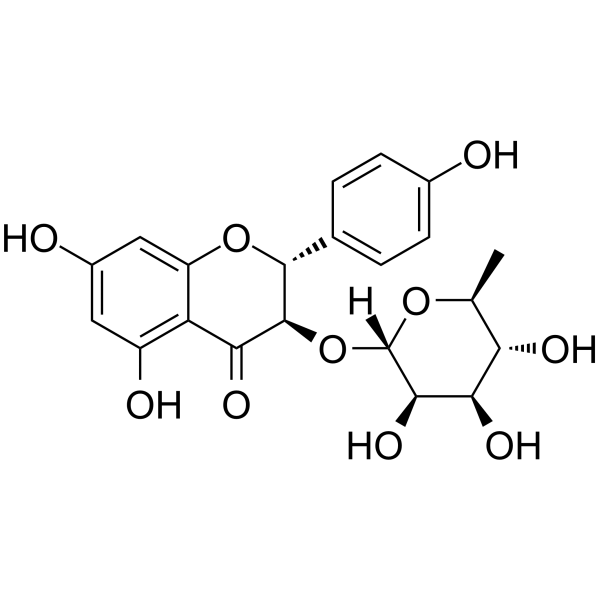
HY-N0436
EngeletinNF-κB Inhibitor -
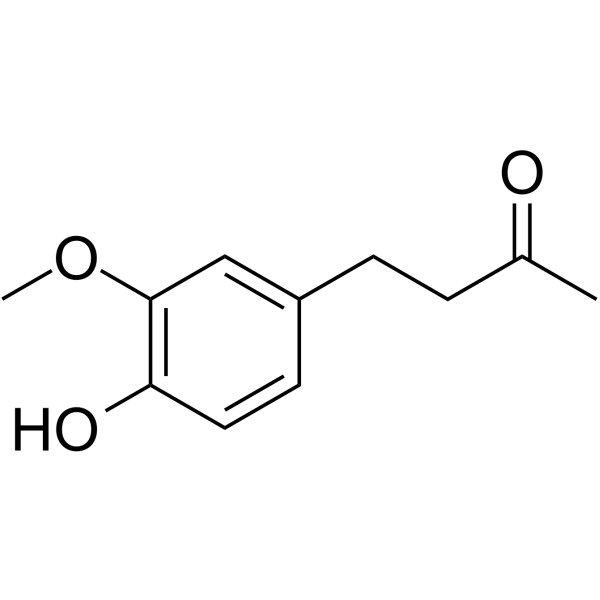
HY-14621
ZingeronePhenolic Ketone -
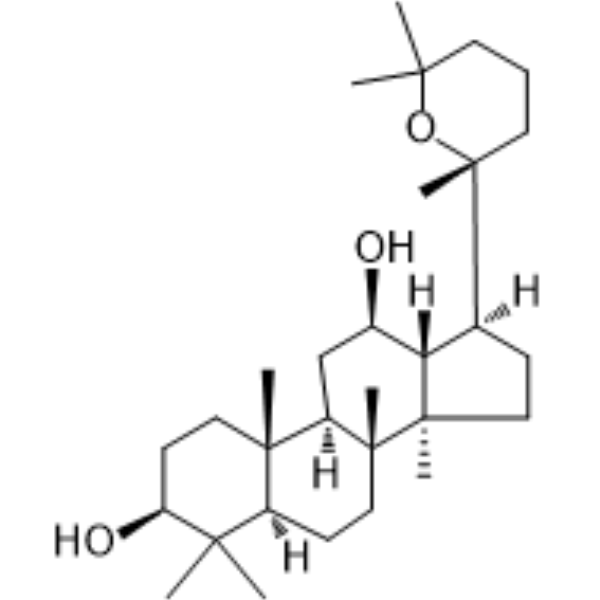
HY-N0596
PanaxadiolHIF-1α/STAT3 Inhibitor -
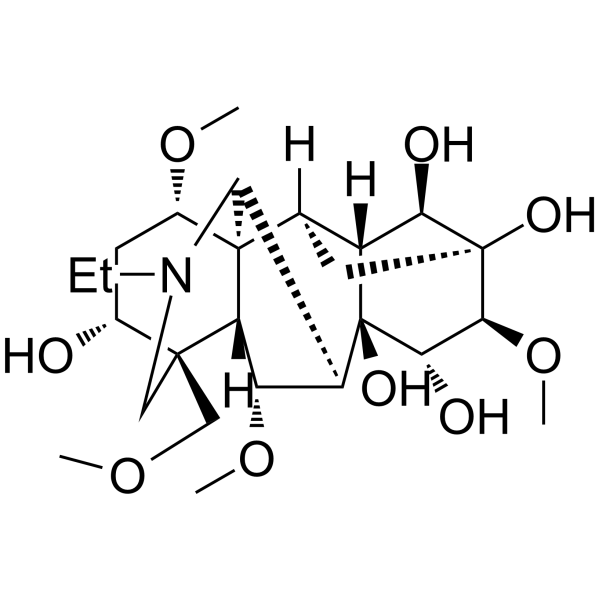
HY-N0277
AconineNF-κB Inhibitor
Publications Citing Use of MedChemExpress (MCE) Rhynchophylline
More Customer Validation & Images

-
Cell Proliferation/Viability Assay
-
Histological Imaging/Staining
-
IF
-
ELISA

-
WB


Biological Activity
Description
Cellular Effect
|
Cell Line

|
Type | Value | Description | References |
|---|---|---|---|---|
| HL-60 | IC50 |
>40 μM
Compound: 4
|
Cytotoxicity against human HL60 cells after 48 hrs by MTT assay
Cytotoxicity against human HL60 cells after 48 hrs by MTT assay
|
[PMID: 21070010] |
| Microglia | IC50 |
18.5 μM
Compound: 5
|
Inhibition of LPS-stimulated NO release in rat cortical microglial cells assessed as nitrite accumulation after 48 hrs
Inhibition of LPS-stimulated NO release in rat cortical microglial cells assessed as nitrite accumulation after 48 hrs
|
[PMID: 18588343] |
| N2a | IC50 |
7.9 μM
Compound: 1
|
Inhibition of Kv channel in depolarized mouse N2A cells assessed as inhibition of +30 mV-triggered steady state potassium current flow
Inhibition of Kv channel in depolarized mouse N2A cells assessed as inhibition of +30 mV-triggered steady state potassium current flow
|
[PMID: 19331340] |
| SW480 | IC50 |
>40 μM
Compound: 4
|
Cytotoxicity against human SW480 cells after 48 hrs by MTT assay
Cytotoxicity against human SW480 cells after 48 hrs by MTT assay
|
[PMID: 21070010] |
In Vitro
Rhyncholphylline (0-30 μM, 48 h) inhibits the NO production, release of proinflammatory cytokines (TNF-α and IL-1β) in LPS-activated N9 microglial cells[1].
Rhyncholphylline (0-30 μM, 48 h) inhibits ERK and p38 MAPK phosphorylation in LPS-treated N9 microglial cells[1].
Rhyncholphylline inhibits ephrin-A1 induced tyrosine phosphorylation in rat cortical neurons[6].
MedChemExpress (MCE) has not independently confirmed the accuracy of these methods. They are for reference only.
-
Cell Line:LPS (1 μg/mL) treated N9 cells
-
Concentration:0-30 μM
-
Incubation Time:48 h
-
Result:Inhibited phosphorylated ERK and p38 MAPK level.
Restored IκBα level
In Vivo
Rhynchophylline (100 µM, 2 µL, injected bilaterally in the hippocamp) shows neuroprotective effects against Aβ1-42-induced neurotoxicity in rats[5].
Rhynchophylline (50 mg/kg, p.o., daily, 3-4 weeks) inhibits EphA4 activation in the hippocampus of APP/PS1 mice[6].
MedChemExpress (MCE) has not independently confirmed the accuracy of these methods. They are for reference only.
-
Animal Model:Aβ1-42(1.6 µM, 2 µL) treated rats[5]
-
Dosage:100 µM, 2 µL
-
Administration:injected bilaterally in the hippocamp
-
Result:Rescued the soluble Aβ1-42-induced spatial learning and memory deficits.
Inhibited Aβ1-42-induced excessive activation of extrasynaptic NMDARs.


Chemical Information
-
CAS No. 76-66-4
-
Appearance Solid
-
Molecular Weight 384.47
-
Formula C22H28N2O4
-
Color White to off-white
-
SMILES
O=C(NC1=C2C=CC=C1)[C@]32[C@@](C[C@H](/C(C(OC)=O)=C\OC)[C@@H](CC)C4)([H])N4CC3
-
Structure Classification
-
Initial Source
-
Shipping
Room temperature in continental US; may vary elsewhere.
-
Storage
Powder -20°C 3 years 4°C 2 years In solvent -80°C 2 years -20°C 1 year


Publications (2)
-
Journal Impact Factor
-
Most Recent
-
Mol Cell Biochem
Rhynchophylline attenuates migraine in trigeminal nucleus caudalis in nitroglycerin-induced rat model by inhibiting MAPK/NF-кB signaling. [Abstract]2019 Nov;461(1-2):205-212. PMID: 31420791
Rhynchophylline purchased from MedChemExpress. Usage Cited in: Mol Cell Biochem. 2019 Nov;461(1-2):205-212. [Abstract]
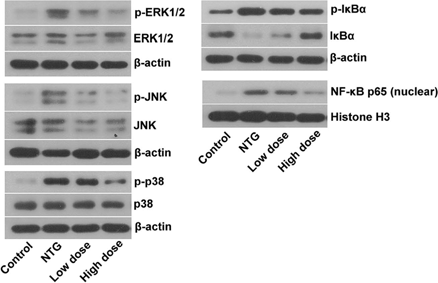
Administration of Rhy (Rhynchophylline) inhibits MAPK/NF-κB signaling n migraine rats. The administration of Rhy downregulates the expression of p-ERK1/2, p-JNK, p-p38, p-IκBα, nuclear NF-κB p65 while upregulates the expression of IκBα in TNC tissues. Low dose: Rhy of 10 mg/kg. High dose: Rhy of 30 mg/kg.
-
Hum Exp Toxicol
Rhynchophylline promotes microglia phenotypic transformation and repair of cerebral ischaemic injury through the JAK2/STAT3 pathway. [Abstract]2025 Jan-Dec:44:9603271251324582. PMID: 40014666
Rhynchophylline purchased from MedChemExpress. Usage Cited in: Hum Exp Toxicol. 2025 Jan-Dec:44:9603271251324582. [Abstract]
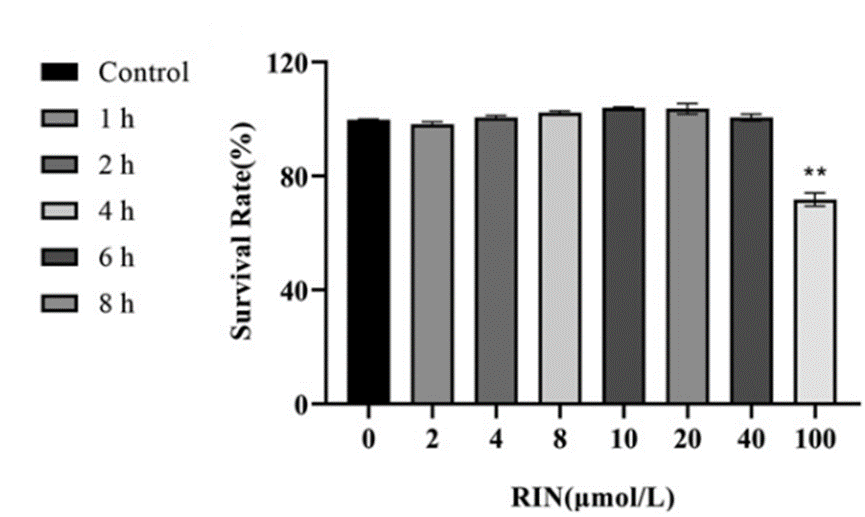
The survival rate of microglia in various concentrations of the RIN (0, 2, 4, 8, 10, 20, 40, 100 μM) group.
Rhynchophylline purchased from MedChemExpress. Usage Cited in: Hum Exp Toxicol. 2025 Jan-Dec:44:9603271251324582. [Abstract]
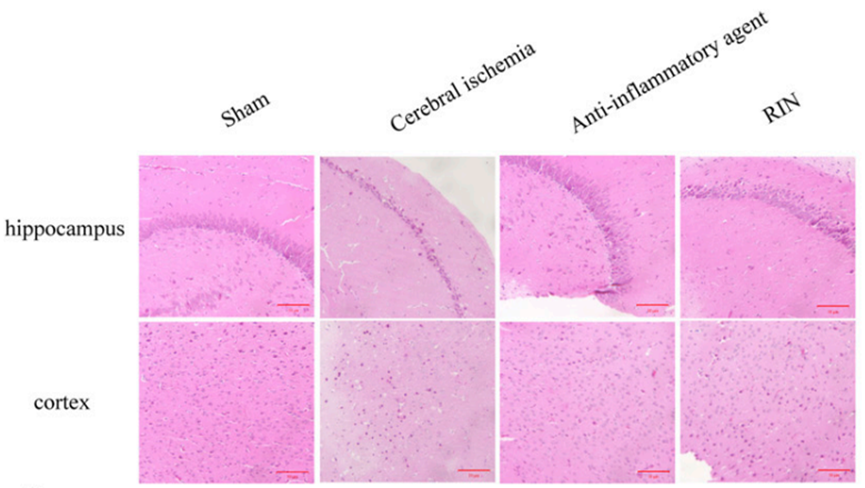
Histopathological changes were observed by HE staining treated with Rhynchophylline (RIN) (30 mg/kg, i.p.).
Rhynchophylline purchased from MedChemExpress. Usage Cited in: Hum Exp Toxicol. 2025 Jan-Dec:44:9603271251324582. [Abstract]
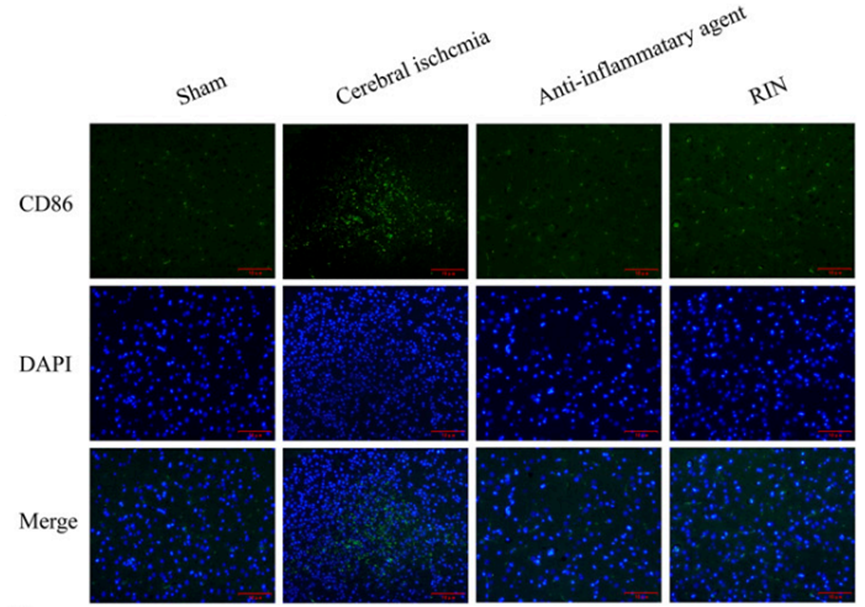
Representative immunofluorescence images of CD86-positive cells in the cerebral cortex tissue of rats treated with Rhynchophylline (RIN) (30 mg/kg, i.p.).
Rhynchophylline purchased from MedChemExpress. Usage Cited in: Hum Exp Toxicol. 2025 Jan-Dec:44:9603271251324582. [Abstract]
Detection of M1 and M2 cytokines utilizing ELISA techniques treated with Rhynchophylline (RIN) (30 mg/kg, i.p.).


Solvent & Solubility
In Vitro:
DMSO : 25 mg/mL (65.02 mM; Need ultrasonic; Hygroscopic DMSO has a significant impact on the solubility of product, please use newly opened DMSO)
Please refer to the solubility information to select the appropriate solvent. Once prepared, please aliquot and store the solution to prevent product inactivation from repeated freeze-thaw cycles.
Storage method and period of stock solution: -80°C, 2 years; -20°C, 1 year. When stored at -80°C, please use it within 2 years. When stored at -20°C, please use it within 1 year.
Please refer to the solubility information to select the appropriate solvent. Once prepared, please aliquot and store the solution to prevent product inactivation from repeated freeze-thaw cycles.
Storage method and period of stock solution: -80°C, 2 years; -20°C, 1 year. When stored at -80°C, please use it within 2 years. When stored at -20°C, please use it within 1 year.
Concentration (start) × Volume (start) = Concentration (final) × Volume (final)
In Vivo:
Select the appropriate dissolution method based on your experimental animal and administration route.
- For the following dissolution methods, please ensure to first prepare a clear stock solution using an In Vitro approach and then sequentially add co-solvents:
- To ensure reliable experimental results, the clarified stock solution can be appropriately stored based on storage conditions. As for the working solution for In Vivo experiments, it is recommended to prepare freshly and use it on the same day.
- The percentages shown for the solvents indicate their volumetric ratio in the final prepared solution. If precipitation or phase separation occurs during preparation, heat and/or sonication can be used to aid dissolution.
Add each solvent one by one: 10% DMSO 40% PEG300 5% Tween-80 45% Saline
Solubility: ≥ 2.5 mg/mL (6.50 mM); Clear solution
This protocol yields a clear solution of ≥ 2.5 mg/mL (saturation unknown).
Taking 1 mL working solution as an example, add 100 μL DMSO stock solution (25.0 mg/mL) to 400 μL PEG300, and mix evenly; then add 50 μL Tween-80 and mix evenly; then add 450 μL Saline to adjust the volume to 1 mL.
Preparation of Saline: Dissolve 0.9 g sodium chloride in ddH₂O and dilute to 100 mL to obtain a clear Saline solution.
In Vivo Dissolution Calculator
Please enter the basic information of animal experiments:
-
-
-
-
Recommended: Prepare an additional quantity of animals to account for potential losses during experiments.
Please enter your animal formula composition:
-
%DMSO +
Recommended: Keep the proportion of DMSO in working solution below 2% if your animal is weak.
-
%+
-
+%Tween-80 + +
-
%Saline +
The co-solvents required include: DMSO, . All of co-solvents are available by MedChemExpress (MCE). , Tween 80. All of co-solvents are available by MedChemExpress (MCE).
Working solution concentration: 0.22 mg/mL
Method for preparing stock solution: mg drug dissolved in μL DMSO. Stock solution concentration: mg/mL.
1. Take μL DMSO stock solution;
2. Add μL .
μL , mix evenly;
3. Then add μL Tween 80, mix evenly;
4. Then add μL
Please ensure that the stock solution in the first step is dissolved to a clear state, and add co-solvents in sequence. You can use ultrasonic heating (ultrasonic cleaner, recommended frequency 20-40 kHz), vortexing, etc. to assist dissolution.


Purity & Documentation
-
Data Sheet (280 KB)
-
SDS (479 KB)
- English - EN (479 KB)
- Français - FR (479 KB)
- Deutsch - DE (479 KB)
- Norwegian - NO (479 KB)
- Español - ES (479 KB)
- Swedish - SV (479 KB)
- Italian - IT (479 KB)
- Korean - KR (479 KB)
- Portuguese - PT (479 KB)
-
Handling Instructions (2659 KB)
References
[5]. Yang Y, et al. Rhynchophylline suppresses soluble Aβ1-42-induced impairment of spatial cognition function via inhibiting excessive activation of extrasynaptic NR2B-containing NMDA receptors. Neuropharmacology. 2018 Jun;135:100-112. [Content Brief]
[6]. Fu AK, et al. Blockade of EphA4 signaling ameliorates hippocampal synaptic dysfunctions in mouse models of Alzheimer's disease. Proc Natl Acad Sci U S A. 2014 Jul 8;111(27):9959-64. [Content Brief]


Complete Stock Solution Preparation Table
Please refer to the solubility information to select the appropriate solvent. Once prepared, please aliquot and store the solution to prevent product inactivation from repeated freeze-thaw cycles.
Storage method and period of stock solution: -80°C, 2 years; -20°C, 1 year. When stored at -80°C, please use it within 2 years. When stored at -20°C, please use it within 1 year.
| Optional Solvent | Concentration Solvent Mass | 1 mg | 5 mg | 10 mg | 25 mg |
|---|---|---|---|---|---|
| DMSO | 1 mM | 2.6010 mL | 13.0049 mL | 26.0098 mL | 65.0246 mL |
| 5 mM | 0.5202 mL | 2.6010 mL | 5.2020 mL | 13.0049 mL | |
| 10 mM | 0.2601 mL | 1.3005 mL | 2.6010 mL | 6.5025 mL | |
| 15 mM | 0.1734 mL | 0.8670 mL | 1.7340 mL | 4.3350 mL | |
| 20 mM | 0.1300 mL | 0.6502 mL | 1.3005 mL | 3.2512 mL | |
| 25 mM | 0.1040 mL | 0.5202 mL | 1.0404 mL | 2.6010 mL | |
| 30 mM | 0.0867 mL | 0.4335 mL | 0.8670 mL | 2.1675 mL | |
| 40 mM | 0.0650 mL | 0.3251 mL | 0.6502 mL | 1.6256 mL | |
| 50 mM | 0.0520 mL | 0.2601 mL | 0.5202 mL | 1.3005 mL | |
| 60 mM | 0.0433 mL | 0.2167 mL | 0.4335 mL | 1.0837 mL |


Rhynchophylline Related Classifications
HY-N0387 Related Classifications
 Powered by Bioz