



Taxifolin
Based on 31 publication(s) in Google Scholar
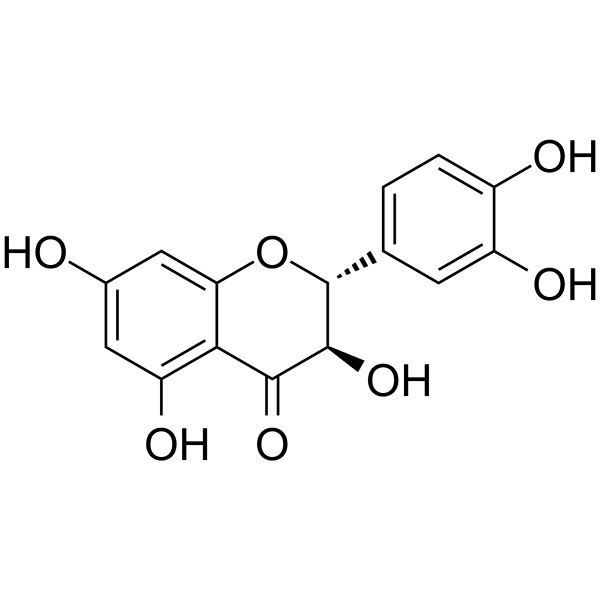
Taxifolin ((+)-Dihydroquercetin) exhibits important anti-tyrosinase activity. Taxifolin exhibits significant inhibitory activity against collagenase with an IC50 value of 193.3 μM. Taxifolin is an important natural compound with antifibrotic activity. Taxifolin is a free radical scavenger with antioxidant capacity.
For research use only. We do not sell to patients.
- Purity : 99.92%
- CAS No.: 480-18-2
- Formula: C15H12O7
- Molecular Weight:304.25
-
Storage:Powder -20°C, 3 years , 4°C, 2 years ; In solvent -80°C, 6 months , -20°C, 1 month

To place orders, for customer services and technical support, please contact: MedChemExpress USA
Tel: 609-228-6898 E-mail: [email protected] [email protected]


-
 Biological Activity
-
Chemical Information
-
Solvent & Solubility
- Purity & Documentation
- References
-
 Help & FAQs


-
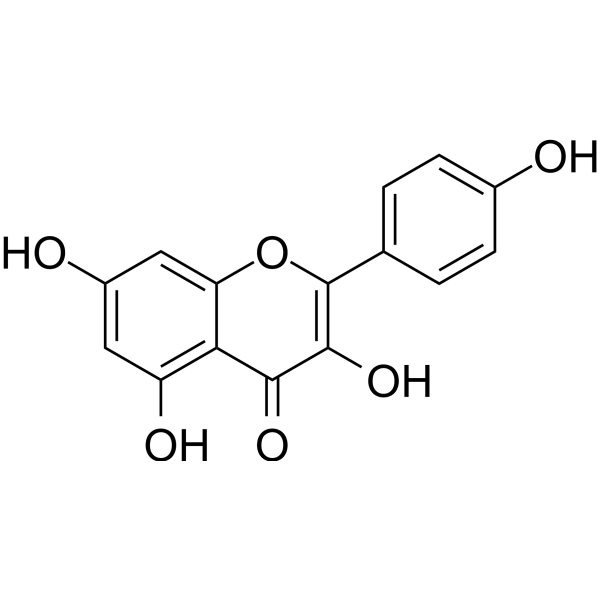
HY-14590
KaempferolEstrogen Receptor α Inhibitor -
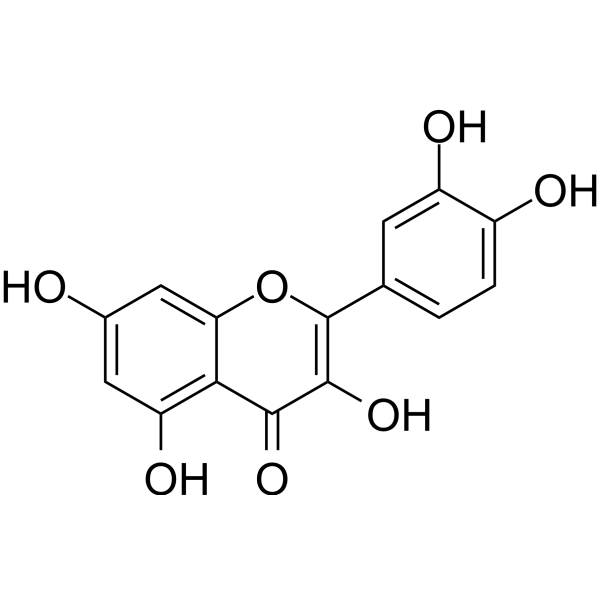
HY-18085
QuercetinFlavonoid Antioxidant -
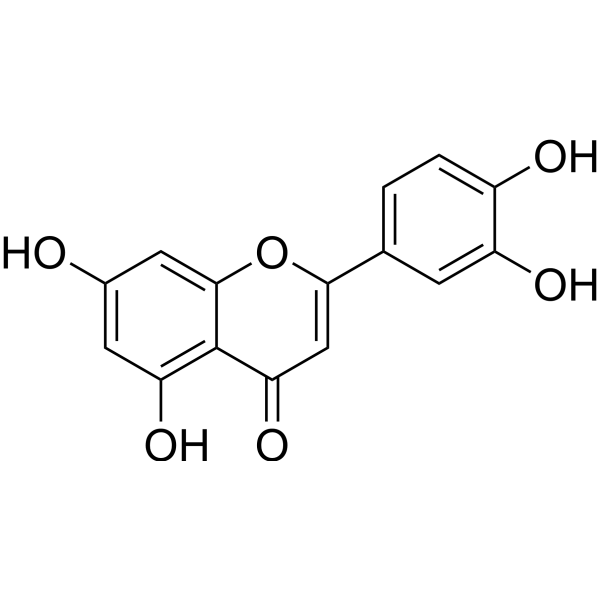
HY-N0162
LuteolinNrf2 Inhibitor -
HY-N0001
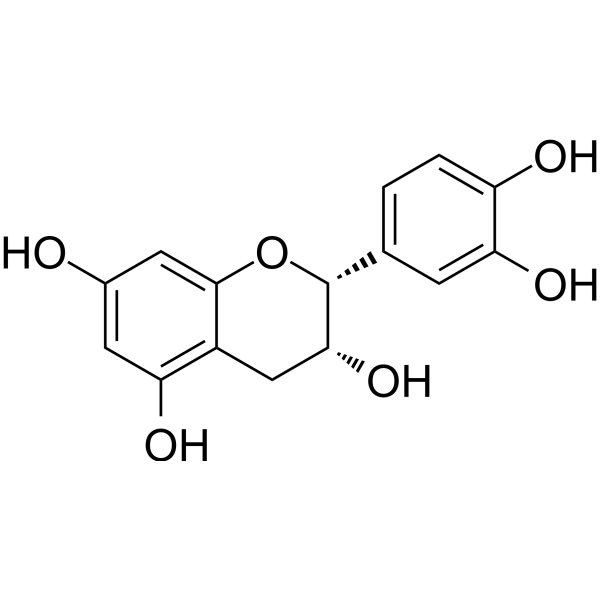
(-)-EpicatechinCOX Inhibitor -
HY-N0776
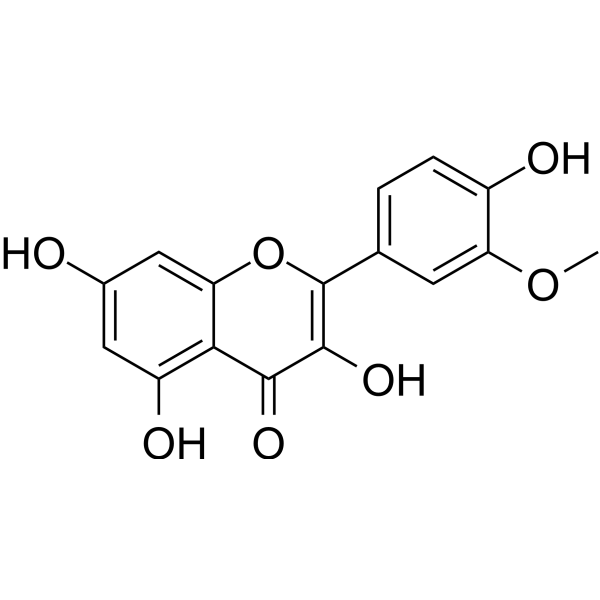
IsorhamnetinEndogenous Metabolite -
HY-N0148
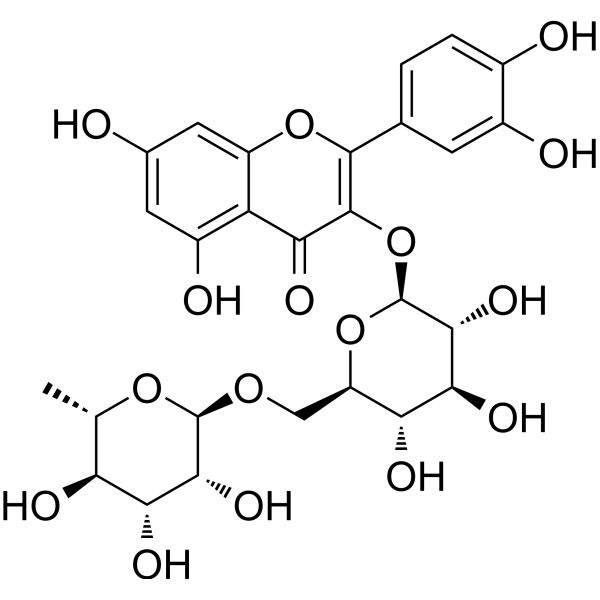
RutinCBR1 Inhibitor -
HY-N0196
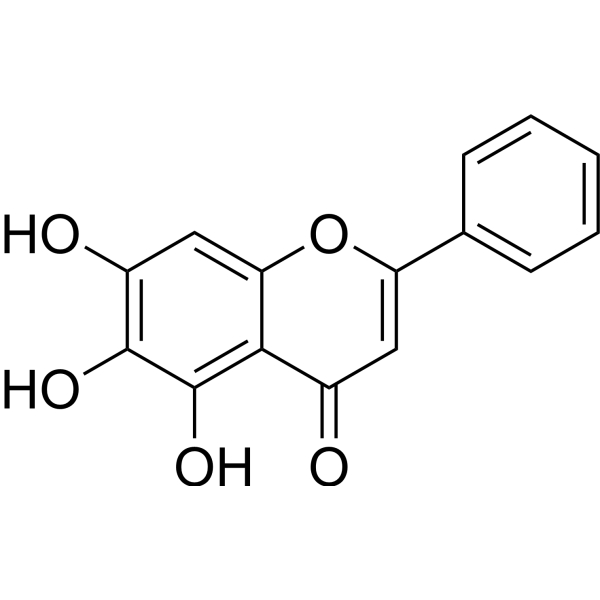
BaicaleinXanthine Oxidase Inhibitor -
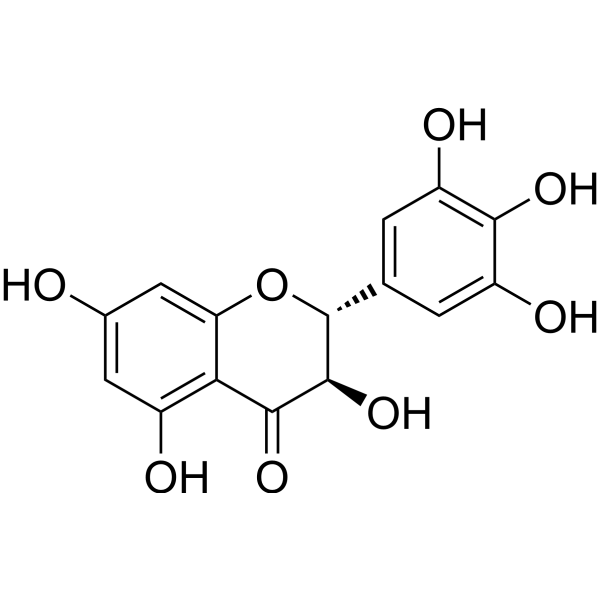
HY-N0112
DihydromyricetinAutophagy Inducer -
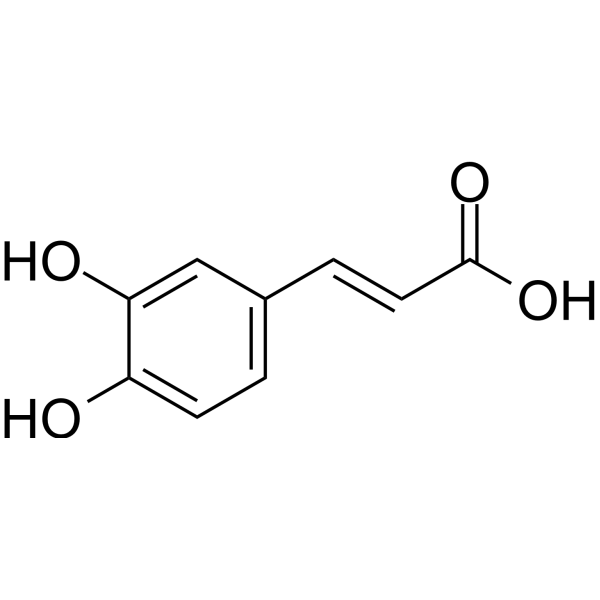
HY-N0172
Caffeic acidEndogenous Metabolite -
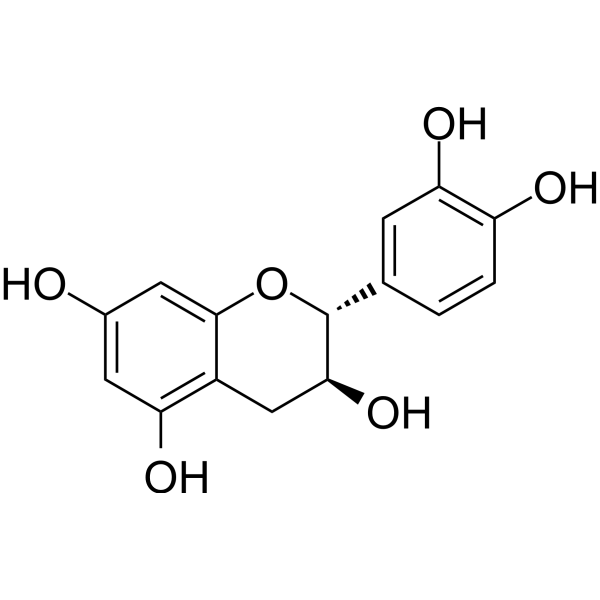
HY-N0898
CatechinCOX-1 Inhibitor -
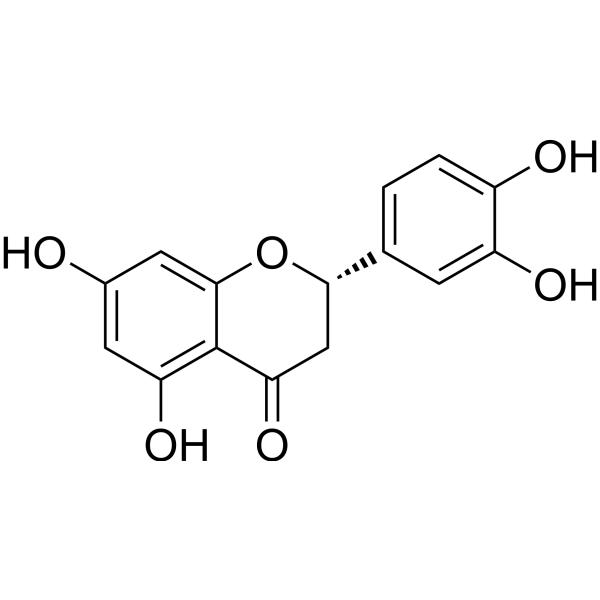
HY-N0637
EriodictyolEndogenous Metabolite -
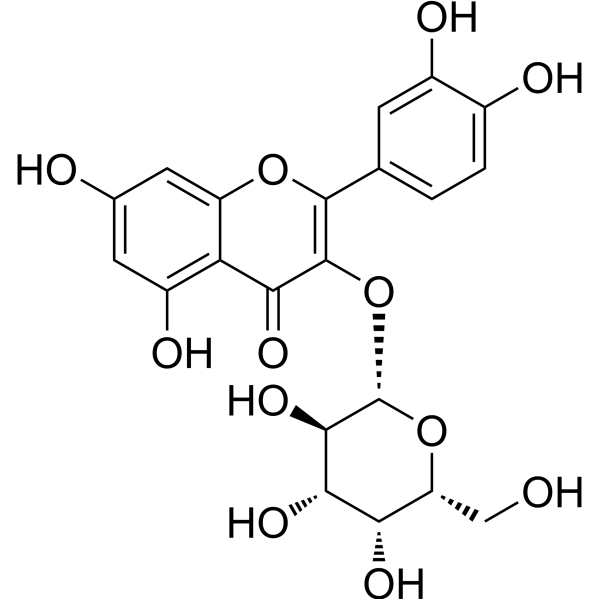
HY-N0452
HyperosideApoptosis Inducer
Publications Citing Use of MedChemExpress (MCE) Taxifolin
More- Nat Commun. 2025 Aug 21;16(1):7810. [Abstract]
- Acta Pharm Sin B. 2021 Jan;11(1):143-155. [Abstract]
- Food Chem. 2025 Dec 30:497:146992. [Abstract]
- Food Chem. 2025 Oct 15:489:144992. [Abstract]
- Int J Biol Macromol. 2025 Apr:300:140314. [Abstract]
- Front Immunol. 2025 Mar 17:16:1532336. [Abstract]
- J Ethnopharmacol. 2022 Mar 1:285:114913. [Abstract]
- Ind Crops Prod. 2026 May 8;246:123392.
- Ind Crops Prod. 2025 Dec 11;239:122458.
- Food Biosci. 2026 Apr 15;80:108917.
- Microb Cell Fact. 2025 Jul 2;24(1):153. [Abstract]
- Eur J Pharmacol. 2024 Dec 15:985:177100. [Abstract]
- Int J Mol Sci. 2026 Feb 5;27(3):1576. [Abstract]
- Int Immunopharmacol. 2023 Jun:119:110197. [Abstract]
- Int Immunopharmacol. 2023 Jan:114:109616. [Abstract]
- Chem Biol Interact. 2020 Oct 1:330:109230. [Abstract]
- Molecules. 2021 Mar 5;26(5):1409. [Abstract]
- Appl Microbiol Biotechnol. 2018 Feb;102(3):1443-1453. [Abstract]
- Fish Shellfish Immunol. 2025 Nov:166:110633. [Abstract]
- Pulm Pharmacol Ther. 2023 Dec:83:102249. [Abstract]
- Pulm Pharmacol Ther. 2020 Oct:64:101934. [Abstract]
- J Biochem Mol Toxicol. 2025 Jan;39(1):e70099. [Abstract]
- Hum Exp Toxicol. 2021 Oct;40(10):1767-1780. [Abstract]
- Hum Cell. 2025 Jan 3;38(2):37. [Abstract]
- Vet Sci. 2024 Mar 30;11(4):156. [Abstract]
- Biochem Biophys Res Commun. 2025 Feb 8:748:151318. [Abstract]
- Biochem Biophys Res Commun. 2024 Nov 19:734:150460. [Abstract]
- Res Sq. 2026 May 30.
- Res Sq. 2025 Apr 15.
- Patent. US20180263995A1.
- Int J Insect Sci. 2018 Feb 28:10:1179543318758409. [Abstract]
 Customer Validation & Images

-
IHC
-
Cell Proliferation/Viability Assay
-
Cell Imaging/Staining
-
IF
-
Bio/Physico-chemical Assay


Biological Activity
Description
IC50 & Target
Cellular Effect
|
Cell Line

|
Type | Value | Description | References |
|---|---|---|---|---|
| BJ | EC50 |
>10 μM
Compound: 1
|
Cytotoxicity against human BJ cells assessed as viable cells after 72 hrs by calcein AM assay
Cytotoxicity against human BJ cells assessed as viable cells after 72 hrs by calcein AM assay
|
[PMID: 20192247] |
| CCRF-CEM | EC50 |
>10 μM
Compound: 1
|
Cytotoxicity against human CEM cells assessed as viable cells after 72 hrs by calcein AM assay
Cytotoxicity against human CEM cells assessed as viable cells after 72 hrs by calcein AM assay
|
[PMID: 20192247] |
| H9 | EC50 |
9.8 μg/mL
Compound: 3
|
Inhibition of HIV-1 replication in H9 (human lymphoma) cells.
Inhibition of HIV-1 replication in H9 (human lymphoma) cells.
|
10.1016/0960-894X(96)00095-9 |
| H9 | IC50 |
9.8 μg/mL
Compound: 3
|
Inhibition of uninfected H9 lymphocytic cell growth
Inhibition of uninfected H9 lymphocytic cell growth
|
10.1016/0960-894X(96)00095-9 |
| HEK293 | EC50 |
670.66 μM
Compound: DHQ
|
Cytotoxicity in HEK293 cells assessed as reduction in cell survival incubated for 48 hrs by MTT assay
Cytotoxicity in HEK293 cells assessed as reduction in cell survival incubated for 48 hrs by MTT assay
|
[PMID: 30108751] |
| HeLa | EC50 |
>10 μM
Compound: 1
|
Cytotoxicity against human HeLa cells assessed as viable cells after 72 hrs by calcein AM assay
Cytotoxicity against human HeLa cells assessed as viable cells after 72 hrs by calcein AM assay
|
[PMID: 20192247] |
| HeLa | EC50 |
125.31 μM
Compound: DHQ
|
Cytotoxicity in human HeLa cells assessed as reduction in cell survival incubated for 48 hrs by MTT assay
Cytotoxicity in human HeLa cells assessed as reduction in cell survival incubated for 48 hrs by MTT assay
|
[PMID: 30108751] |
| HL-60 | IC50 |
10 ng/mL
Compound: Taxifolin
|
Growth inhibition of human HL60 cells after 72 hrs by MTT assay
Growth inhibition of human HL60 cells after 72 hrs by MTT assay
|
[PMID: 31398616] |
| HT-1080 | IC50 |
>10 μM
Compound: Taxifolin
|
Anti-ferroptotic activity against Erastin-induced human HT-1080 cells assessed as inhibition of ferroptosis incubated for 72 hrs by CCK-8 assay
Anti-ferroptotic activity against Erastin-induced human HT-1080 cells assessed as inhibition of ferroptosis incubated for 72 hrs by CCK-8 assay
|
[PMID: 38996382] |
| HUVEC | IC50 |
12 μM
Compound: 43, taxifolin
|
Inhibition of NADPH oxidase in Homo sapiens (human) HUVEC cells
Inhibition of NADPH oxidase in Homo sapiens (human) HUVEC cells
|
10.1007/s00044-012-0353-y |
| L929 | EC50 |
200 μM
Compound: taxifolin
|
Inhibition of recombinant human TNF-alpha-induced cytotoxicity of mouse L929 cells assessed as survivality preincubated for 15 mins before TNFalpha addition measured after 24 hrs by crystal violet staining
Inhibition of recombinant human TNF-alpha-induced cytotoxicity of mouse L929 cells assessed as survivality preincubated for 15 mins before TNFalpha addition measured after 24 hrs by crystal violet staining
|
[PMID: 9287415] |
| L929 | EC50 |
240 μM
Compound: taxifolin
|
Inhibition of recombinant human TNF-alpha-induced cytotoxicity of mouse L929 cells assessed as survivality preincubated for 15 mins before TNFalpha addition measured after 24 hrs by [methyl-3H]thymidine incorporation assay
Inhibition of recombinant human TNF-alpha-induced cytotoxicity of mouse L929 cells assessed as survivality preincubated for 15 mins before TNFalpha addition measured after 24 hrs by [methyl-3H]thymidine incorporation assay
|
[PMID: 9287415] |
| MCF7 | EC50 |
>10 μM
Compound: 1
|
Cytotoxicity against human MCF7 cells assessed as viable cells after 72 hrs by calcein AM assay
Cytotoxicity against human MCF7 cells assessed as viable cells after 72 hrs by calcein AM assay
|
[PMID: 20192247] |
| MT4 | CC50 |
25.4 μg/mL
Compound: 14
|
Cytotoxicity against human MT4 cells by MTT assay
Cytotoxicity against human MT4 cells by MTT assay
|
[PMID: 10425115] |
| MT4 | IC50 |
>25.4 μg/mL
Compound: 14
|
Antiviral activity against HIV infected in human MT4 cells assessed as inhibition of virus-induced cytopathic effect by MTT assay
Antiviral activity against HIV infected in human MT4 cells assessed as inhibition of virus-induced cytopathic effect by MTT assay
|
[PMID: 10425115] |
| Neutrophil | IC50 |
15.3 μM
Compound: 5c
|
Inhibition of oxidative burst in PMA-stimulated human neutrophils assessed as inhibition of HOCl-induced oxidation of APF after 6 mins by fluorescence assay
Inhibition of oxidative burst in PMA-stimulated human neutrophils assessed as inhibition of HOCl-induced oxidation of APF after 6 mins by fluorescence assay
|
[PMID: 23871908] |
| Neutrophil | IC50 |
15.5 μM
Compound: 5c
|
Inhibition of oxidative burst in PMA-stimulated human neutrophils assessed as inhibition of superoxide anion radical-induced lucigenin oxidation incubated for 5 mins prior to PMA challenge by chemiluminescence assay
Inhibition of oxidative burst in PMA-stimulated human neutrophils assessed as inhibition of superoxide anion radical-induced lucigenin oxidation incubated for 5 mins prior to PMA challenge by chemiluminescence assay
|
[PMID: 23871908] |
| Neutrophil | IC50 |
41.3 μM
Compound: 5c
|
Inhibition of oxidative burst in PMA-stimulated human neutrophils assessed as inhibition of H2O2-induced oxidation of amplex red incubated for 5 mins prior to PMA challenge by fluorescence assay
Inhibition of oxidative burst in PMA-stimulated human neutrophils assessed as inhibition of H2O2-induced oxidation of amplex red incubated for 5 mins prior to PMA challenge by fluorescence assay
|
[PMID: 23871908] |
| Neutrophil | IC50 |
53.5 μM
Compound: 5c
|
Inhibition of oxidative burst in PMA-stimulated human neutrophils assessed as inhibition of ROS-induced luminol oxidation incubated for 5 mins prior to PMA challenge by chemiluminescence assay
Inhibition of oxidative burst in PMA-stimulated human neutrophils assessed as inhibition of ROS-induced luminol oxidation incubated for 5 mins prior to PMA challenge by chemiluminescence assay
|
[PMID: 23871908] |
| RAW264.7 | IC50 |
81.6 μM
Compound: 10
|
Inhibition of LPS-induced NO production in mouse RAW264.7 cells by Griess reagent based assay
Inhibition of LPS-induced NO production in mouse RAW264.7 cells by Griess reagent based assay
|
[PMID: 32118424] |
| RPMI-8226 | EC50 |
>10 μM
Compound: 1
|
Cytotoxicity against human RPMI8226 cells assessed as viable cells after 72 hrs by calcein AM assay
Cytotoxicity against human RPMI8226 cells assessed as viable cells after 72 hrs by calcein AM assay
|
[PMID: 20192247] |
| Sf9 | IC50 |
15.7 μM
Compound: 4
|
Inhibition of N-terminal GST-His-tagged c-KIT (544 to 976 amino acids) D816V mutant (unknown origin) expressed in Sf9 insect cells using poly[Glu:Tyr] (4:1) as substrate preincubated for 20 mins followed by [33P-gamma]ATP addition and subsequent inhibitio
Inhibition of N-terminal GST-His-tagged c-KIT (544 to 976 amino acids) D816V mutant (unknown origin) expressed in Sf9 insect cells using poly[Glu:Tyr] (4:1) as substrate preincubated for 20 mins followed by [33P-gamma]ATP addition and subsequent inhibitio
|
[PMID: 26807861] |
| THP-1 | EC50 |
>10 μM
Compound: 1
|
Cytotoxicity against human THP1 cells after 72 hrs by erythosin B staining method
Cytotoxicity against human THP1 cells after 72 hrs by erythosin B staining method
|
[PMID: 20192247] |
| U-266 | EC50 |
>10 μM
Compound: 1
|
Cytotoxicity against human U266 cells assessed as viable cells after 72 hrs by calcein AM assay
Cytotoxicity against human U266 cells assessed as viable cells after 72 hrs by calcein AM assay
|
[PMID: 20192247] |
In Vitro
This is confirmed by the investigation of pure Taxifolin and (+)-Catechin against collagenase activity. Taxifolin exhibits significant inhibitory activity with an IC50 value of 193.3 μM while (+)-Catechin is not active[1].
Taxifolin is a ubiquitous bioactive constituent of foods and herbs. Taxifolin (dihydroquercetin) is a bioactive flavanonol commonly found in grapes, citrus fruits, onions, green tea, olive oil, wine, and many other foods, as well as several herbs (such as milk thistle, French maritime bark, Douglas fir bark, and Smilacis Glabrae Rhizoma)[3].
MedChemExpress (MCE) has not independently confirmed the accuracy of these methods. They are for reference only.
Clinical Trial
| NCT Number | Sponsor | Condition | Start Date |
Phase
|
|---|---|---|---|---|
| NCT01329991 | Plexxikon| | 2011-05 | PHASE1 |


Chemical Information
-
CAS No. 480-18-2
-
Appearance Solid
-
Molecular Weight 304.25
-
Formula C15H12O7
-
Color Off-white to yellow
-
SMILES
O=C1[C@H](O)[C@@H](C2=CC=C(O)C(O)=C2)OC3=CC(O)=CC(O)=C13
-
Synonyms
(+)-Dihydroquercetin; (+)-Taxifolin
-
Structure Classification
-
Initial Source
-
Shipping
Room temperature in continental US; may vary elsewhere.
-
Storage
Powder -20°C 3 years 4°C 2 years In solvent -80°C 6 months -20°C 1 month


Publications (31)
-
Journal Impact Factor
-
Most Recent
-
Nat Commun
Flavonoid pathway intermediates implicate UVR8 in functions beyond canonical UV-B signaling. [Abstract]2025 Aug 21;16(1):7810. PMID: 40841532 -
Acta Pharm Sin B
Chrysin serves as a novel inhibitor of DGK α/FAK interaction to suppress the malignancy of esophageal squamous cell carcinoma (ESCC). [Abstract]2021 Jan;11(1):143-155. PMID: 33532186 -
Food Chem
Effects of sun drying combined with baking processes on the flavor quality of Chongqing Tuocha raw tea. [Abstract]2025 Dec 30:497:146992. PMID: 41285060 -
Food Chem
Flavonoid-mediated metabolic underpinning quality variation in red bud-sport pear mutants. [Abstract]2025 Oct 15:489:144992. PMID: 40466530 -
Int J Biol Macromol
Mechanism of dsDNA binding, enzyme inhibition, antioxidant activities, and molecular docking studies of taxifolin, daidzein, and S-equol. [Abstract]2025 Apr:300:140314. PMID: 39864700 -
Front Immunol
Miquelianin inhibits IAV infection via the MAPK signaling pathway both in vitro and in vivo. [Abstract]2025 Mar 17:16:1532336. PMID: 40165966
Taxifolin purchased from MedChemExpress. Usage Cited in: Front Immunol. 2025 Mar 17:16:1532336. [Abstract]
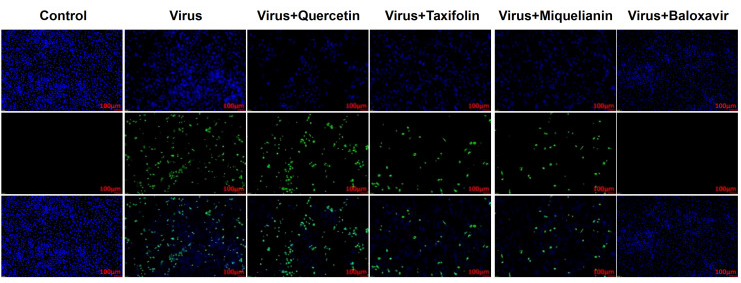
After infection of MDCK cells with H1N1-UI182 at an MOI of 0.01, the cells were treated with Quercetin (10 µM), Taxifolin (50 µM), Miquelianin (100 µM), and Baloxavir (10 µM) for 48 h. Nuclei were stained with DAPI, and infected cells were detected by NP-specific immunofluorescence staining (scale bar: 100 µm).
-
J Ethnopharmacol
Anti-hepatocellular carcinoma efficacy of Fuzheng Xiaozheng prescription and its interventional mechanism studies. [Abstract]2022 Mar 1:285:114913. PMID: 34910953 -
-
-
-
Microb Cell Fact
2025 Jul 2;24(1):153. PMID: 40605049 -
Eur J Pharmacol
Taxifolin attenuates hepatic ischemia-reperfusion injury by enhancing PINK1/Parkin-mediated mitophagy. [Abstract]2024 Dec 15:985:177100. PMID: 39542410 -
Int J Mol Sci
Dual Targeting of HIF-1α and DLL4 by Isoxanthohumol Potentiates Immune Checkpoint Blockade. [Abstract]2026 Feb 5;27(3):1576. PMID: 41683994 -
Int Immunopharmacol
Taxifolin ameliorates abdominal aortic aneurysm by preventing inflammation and apoptosis and extracellular matrix degradation via inactivating TLR4/NF-κB axis. [Abstract]2023 Jun:119:110197. PMID: 37098322 -
Int Immunopharmacol
Taxifolin attenuates neuroinflammation and microglial pyroptosis via the PI3K/Akt signaling pathway after spinal cord injury. [Abstract]2023 Jan:114:109616. PMID: 36700780 -
Chem Biol Interact
Taxifolin ameliorates iron overload-induced hepatocellular injury: Modulating PI3K/AKT and p38 MAPK signaling, inflammatory response, and hepatocellular regeneration. [Abstract]2020 Oct 1:330:109230. PMID: 32828744 -
Molecules
2021 Mar 5;26(5):1409. PMID: 33807773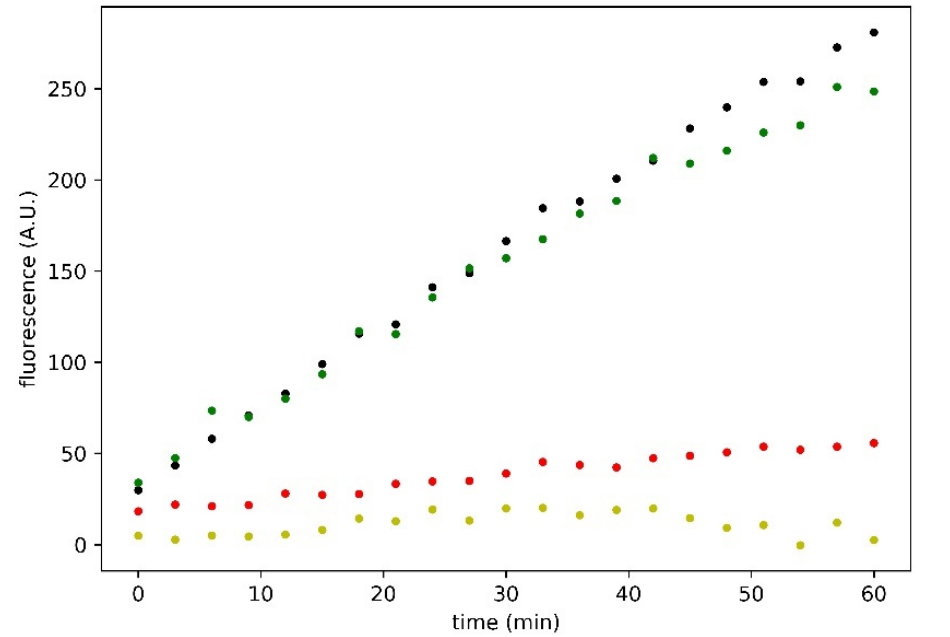
Taxifolin purchased from MedChemExpress. Usage Cited in: Molecules. 2021 Mar 5;26(5):1409. [Abstract]
Time course of SARS-CoV-2 Mpro enzymatic activity in response to inhibitory compounds. Black, green, red, and yellow dots represent control, 100 µM Taxifolin, 95.6 µM Silybin A + Silybin B, and 100 µM GC376, respectively. Reported traces are the average of three experiments.
-
Appl Microbiol Biotechnol
Dihydroquercetin ameliorated acetaminophen-induced hepatic cytotoxicity via activating JAK2/STAT3 pathway and autophagy. [Abstract]2018 Feb;102(3):1443-1453. PMID: 29243082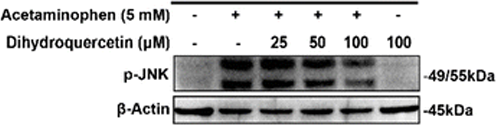
Taxifolin purchased from MedChemExpress. Usage Cited in: Appl Microbiol Biotechnol. 2018 Feb;102(3):1443-1453. [Abstract]
Dihydroquercetin relieves APAP-induced necrosis and suppressed ERK/JNK stress responses. Western Blot analysis for phosphor-JNK1/2, β-Actin as a lading control.
-
Fish Shellfish Immunol
Emodin enhances host antiviral immunity against Micropterus salmoides rhabdovirus by activating RLR signaling in largemouth bass. [Abstract]2025 Nov:166:110633. PMID: 40769268 -
Pulm Pharmacol Ther
Dihydroquercetin (DHQ) ameliorates LPS-induced acute lung injury by regulating macrophage M2 polarization through IRF4/miR-132-3p/FBXW7 axis. [Abstract]2023 Dec:83:102249. PMID: 37648017 -
Pulm Pharmacol Ther
Dihydroquercetin attenuates lipopolysaccharide-induced acute lung injury through modulating FOXO3-mediated NF-κB signaling via miR-132-3p. [Abstract]2020 Oct:64:101934. PMID: 32805387 -
J Biochem Mol Toxicol
Dihydroquercetin Ameliorates Neuronal Ferroptosis in Rats After Subarachnoid Hemorrhage via the PI3K/AKT/Nrf2/HO-1 Pathway. [Abstract]2025 Jan;39(1):e70099. PMID: 39756058 -
Hum Exp Toxicol
Effect of taxifolin/dapagliflozin combination on colistin-induced nephrotoxicity in rats. [Abstract]2021 Oct;40(10):1767-1780. PMID: 33882723 -
Hum Cell
Taxifolin regulates SLC31A1-mediated cuproptosis and tumor progression in hepatocellular carcinoma. [Abstract]2025 Jan 3;38(2):37. PMID: 39752031 -
Vet Sci
The Alleviating Effect of Taxifolin on Deoxynivalenol-Induced Damage in Porcine Intestinal Epithelial Cells. [Abstract]2024 Mar 30;11(4):156. PMID: 38668423
Taxifolin purchased from MedChemExpress. Usage Cited in: Vet Sci. 2024 Mar 30;11(4):156. [Abstract]
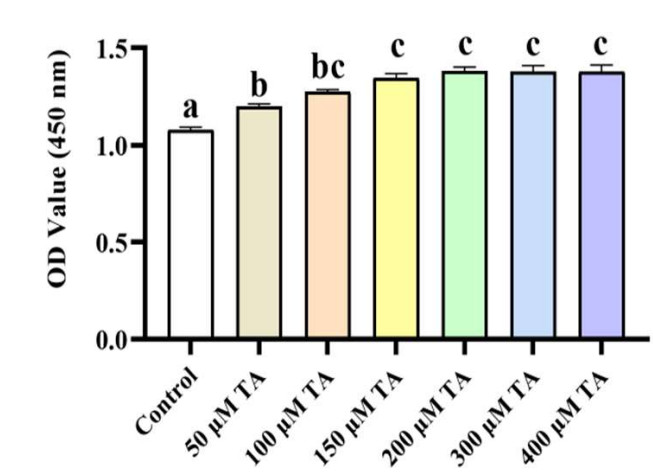
IPEC-J2 cells were treated with Taxifolin (0, 50, 100, 150, 300, and 400 μM) for 24 h. Cell viability was determined using the CCK-8 assay.
Taxifolin purchased from MedChemExpress. Usage Cited in: Vet Sci. 2024 Mar 30;11(4):156. [Abstract]
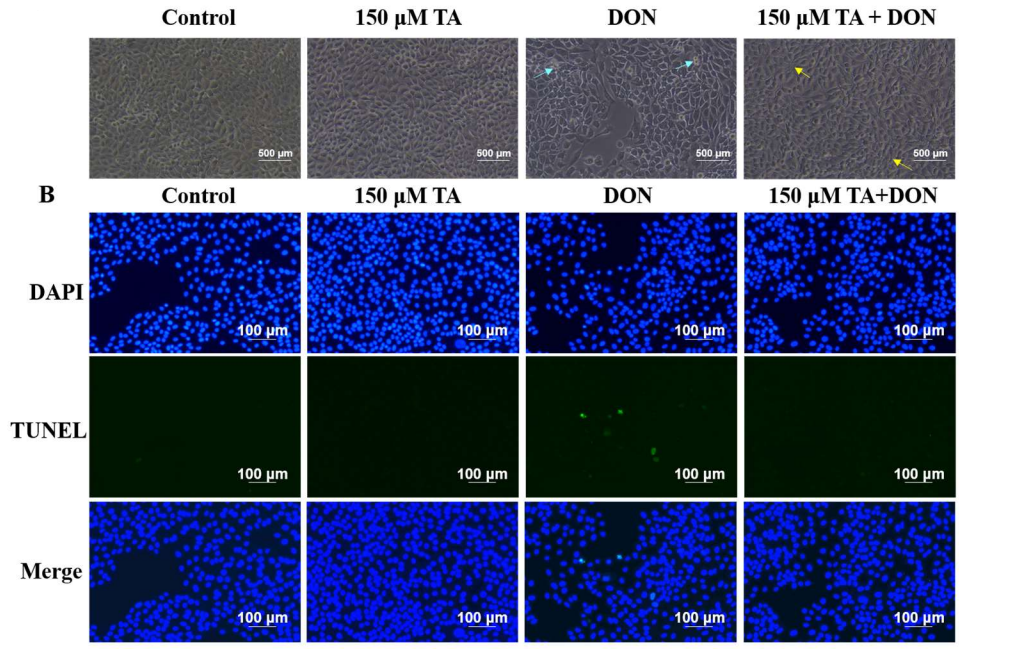
After pretreating the cells with 150 μM Taxifolin (0-150 μM) for 24 h, they were exposed to 0.5 μg/mL DON for another 24 h. Then, cell morphology was evaluated by capturing images of the cells. The cyan arrows indicate shrunken or fragmentated cells; the yellow arrows indicate normal or dividing cells. The magnification is 40×.
Taxifolin purchased from MedChemExpress. Usage Cited in: Vet Sci. 2024 Mar 30;11(4):156. [Abstract]
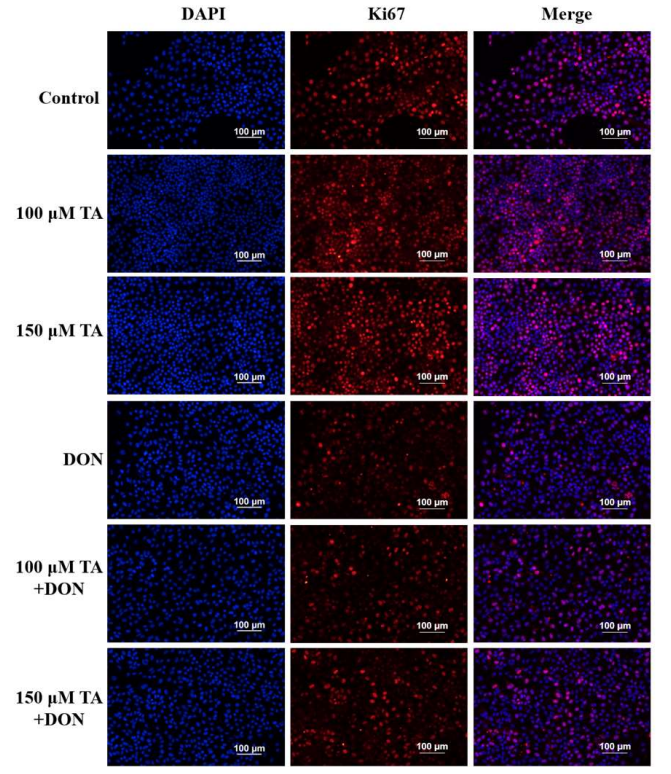
Representative immunofluorescence images of the control, Taxifolin, DON, and Taxifolin (0-150 μM) + DON groups labeled with DAPI (blue) and anti-Ki67 antibody (red).
Taxifolin purchased from MedChemExpress. Usage Cited in: Vet Sci. 2024 Mar 30;11(4):156. [Abstract]
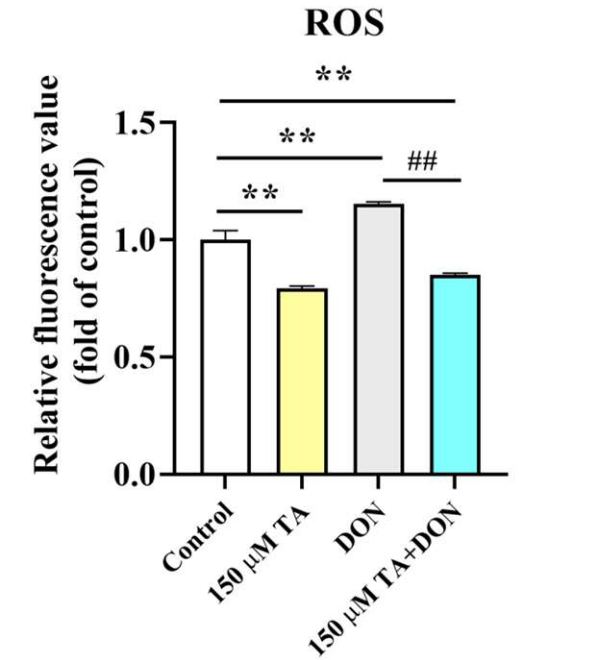
Effect of Taxifolin on intracellular ROS levels. Fluorescence values were determined using a fluorescence microplate. Data are shown as mean ± SEM (n = 3). Control: control group; 150 μM TA: 150 μM Taxifolin group; DON: 0.5 μg/mL DON group; 150 μM Taxifolin + DON: 150 μM Taxifolin + 0.5 μg/mL DON group.
-
Biochem Biophys Res Commun
Alleviation effect of taxifolin on diquat-induced damage to porcine intestinal epithelial cells. [Abstract]2025 Feb 8:748:151318. PMID: 39826529 -
Biochem Biophys Res Commun
Dihydroquercetin improves the proliferation of porcine intestinal epithelial cells via the Wnt/β-catenin pathway. [Abstract]2024 Nov 19:734:150460. PMID: 39083968 -
-
-
-
Int J Insect Sci
Do Bioflavonoids in Juniperus virginiana Heartwood Stimulate Oviposition in the Ladybird Coleomegilla maculata?. [Abstract]2018 Feb 28:10:1179543318758409. PMID: 29531477


Solvent & Solubility
In Vitro:
DMSO : ≥ 100 mg/mL (328.68 mM; Hygroscopic DMSO has a significant impact on the solubility of product, please use newly opened DMSO)
* "≥" means soluble, but saturation unknown.
Please refer to the solubility information to select the appropriate solvent. Once prepared, please aliquot and store the solution to prevent product inactivation from repeated freeze-thaw cycles.
Storage method and period of stock solution: -80°C, 6 months; -20°C, 1 month. When stored at -80°C, please use it within 6 months. When stored at -20°C, please use it within 1 month.
Please refer to the solubility information to select the appropriate solvent. Once prepared, please aliquot and store the solution to prevent product inactivation from repeated freeze-thaw cycles.
Storage method and period of stock solution: -80°C, 6 months; -20°C, 1 month. When stored at -80°C, please use it within 6 months. When stored at -20°C, please use it within 1 month.
Concentration (start) × Volume (start) = Concentration (final) × Volume (final)
In Vivo:
Select the appropriate dissolution method based on your experimental animal and administration route.
- For the following dissolution methods, please ensure to first prepare a clear stock solution using an In Vitro approach and then sequentially add co-solvents:
- To ensure reliable experimental results, the clarified stock solution can be appropriately stored based on storage conditions. As for the working solution for In Vivo experiments, it is recommended to prepare freshly and use it on the same day.
- The percentages shown for the solvents indicate their volumetric ratio in the final prepared solution. If precipitation or phase separation occurs during preparation, heat and/or sonication can be used to aid dissolution.
Add each solvent one by one: 10% DMSO 40% PEG300 5% Tween-80 45% Saline
Solubility: ≥ 2.75 mg/mL (9.04 mM); Clear solution
This protocol yields a clear solution of ≥ 2.75 mg/mL (saturation unknown).
Taking 1 mL working solution as an example, add 100 μL DMSO stock solution (27.5 mg/mL) to 400 μL PEG300, and mix evenly; then add 50 μL Tween-80 and mix evenly; then add 450 μL Saline to adjust the volume to 1 mL.
Preparation of Saline: Dissolve 0.9 g sodium chloride in ddH₂O and dilute to 100 mL to obtain a clear Saline solution.
Add each solvent one by one: 10% DMSO 90% (20% SBE-β-CD in Saline)
Solubility: ≥ 2.75 mg/mL (9.04 mM); Clear solution
This protocol yields a clear solution of ≥ 2.75 mg/mL (saturation unknown).
Taking 1 mL working solution as an example, add 100 μL DMSO stock solution (27.5 mg/mL) to 900 μL 20% SBE-β-CD in Saline, and mix evenly.
Preparation of 20% SBE-β-CD in Saline (4°C, storage for one week): 2 g SBE-β-CD powder is dissolved in 10 mL Saline, completely dissolve until clear.
In Vivo Dissolution Calculator
Please enter the basic information of animal experiments:
-
-
-
-
Recommended: Prepare an additional quantity of animals to account for potential losses during experiments.
Please enter your animal formula composition:
-
%DMSO +
Recommended: Keep the proportion of DMSO in working solution below 2% if your animal is weak.
-
%+
-
+%Tween-80 + +
-
%Saline +
The co-solvents required include: DMSO, . All of co-solvents are available by MedChemExpress (MCE). , Tween 80. All of co-solvents are available by MedChemExpress (MCE).
Working solution concentration: 0.22 mg/mL
Method for preparing stock solution: mg drug dissolved in μL DMSO. Stock solution concentration: mg/mL.
1. Take μL DMSO stock solution;
2. Add μL .
μL , mix evenly;
3. Then add μL Tween 80, mix evenly;
4. Then add μL
Please ensure that the stock solution in the first step is dissolved to a clear state, and add co-solvents in sequence. You can use ultrasonic heating (ultrasonic cleaner, recommended frequency 20-40 kHz), vortexing, etc. to assist dissolution.


Purity & Documentation
-
Data Sheet (277 KB)
-
SDS (396 KB)
- English - EN (396 KB)
- Français - FR (396 KB)
- Deutsch - DE (396 KB)
- Norwegian - NO (396 KB)
- Español - ES (396 KB)
- Swedish - SV (396 KB)
- Italian - IT (396 KB)
- Korean - KR (396 KB)
- Portuguese - PT (396 KB)
-
Handling Instructions (2659 KB)
References
[1]. Angelis A, et al. Bio-Guided Isolation of Methanol-Soluble Metabolites of Common Spruce (Picea abies) Bark by-Products and Investigation of Their Dermo-Cosmetic Properties. Molecules. 2016 Nov 21;21(11):1586. [Content Brief]
[2]. Lei Ren, et al. Dissecting Efficacy and Metabolic Characteristic Mechanism of Taxifolin on Renal Fibrosis by Multivariate Approach and Ultra-Performance Liquid Chromatography Coupled With Mass Spectrometry-Based Metabolomics Strategy. Front Pharmacol. 2021 Jan 14;11:608511. [Content Brief]
[3]. Yang P, et al. Detection of 191 Taxifolin Metabolites and Their Distribution in Rats Using HPLC-ESI-IT-TOF-MS(n). Molecules. 2016 Sep 13;21(9). pii: E1209. [Content Brief]


Complete Stock Solution Preparation Table
Please refer to the solubility information to select the appropriate solvent. Once prepared, please aliquot and store the solution to prevent product inactivation from repeated freeze-thaw cycles.
Storage method and period of stock solution: -80°C, 6 months; -20°C, 1 month. When stored at -80°C, please use it within 6 months. When stored at -20°C, please use it within 1 month.
| Optional Solvent | Concentration Solvent Mass | 1 mg | 5 mg | 10 mg | 25 mg |
|---|---|---|---|---|---|
| DMSO | 1 mM | 3.2868 mL | 16.4339 mL | 32.8677 mL | 82.1693 mL |
| 5 mM | 0.6574 mL | 3.2868 mL | 6.5735 mL | 16.4339 mL | |
| 10 mM | 0.3287 mL | 1.6434 mL | 3.2868 mL | 8.2169 mL | |
| 15 mM | 0.2191 mL | 1.0956 mL | 2.1912 mL | 5.4780 mL | |
| 20 mM | 0.1643 mL | 0.8217 mL | 1.6434 mL | 4.1085 mL | |
| 25 mM | 0.1315 mL | 0.6574 mL | 1.3147 mL | 3.2868 mL | |
| 30 mM | 0.1096 mL | 0.5478 mL | 1.0956 mL | 2.7390 mL | |
| 40 mM | 0.0822 mL | 0.4108 mL | 0.8217 mL | 2.0542 mL | |
| 50 mM | 0.0657 mL | 0.3287 mL | 0.6574 mL | 1.6434 mL | |
| 60 mM | 0.0548 mL | 0.2739 mL | 0.5478 mL | 1.3695 mL | |
| 80 mM | 0.0411 mL | 0.2054 mL | 0.4108 mL | 1.0271 mL | |
| 100 mM | 0.0329 mL | 0.1643 mL | 0.3287 mL | 0.8217 mL |


Taxifolin Related Classifications
HY-N0136 Related Classifications
 Powered by Bioz