



TRi-1
Based on 7 publication(s) in Google Scholar
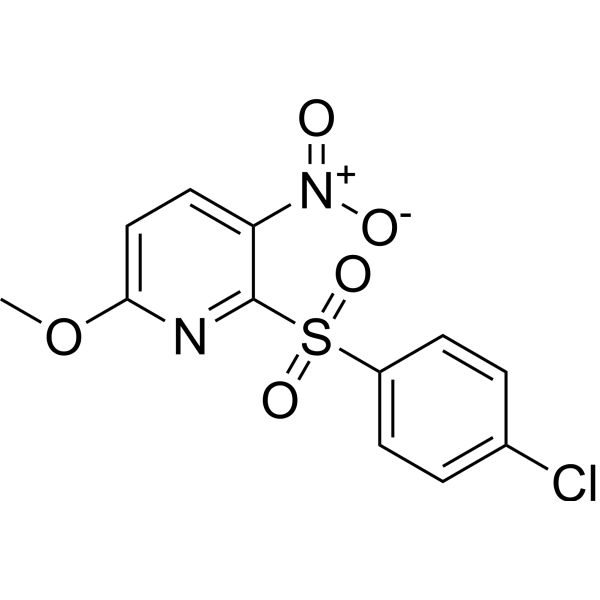
TRi-1 is a potent, specific and irreversible inhibitor of cytosolic thioredoxin reductase 1 (TXNRD1), with an IC50 of 12 nM. TRi-1 has little mitochondrial toxicity for anticancer therapy.
For research use only. We do not sell to patients.
- Purity : 99.69%
- CAS No.: 246020-68-8
- Formula: C12H9ClN2O5S
- Molecular Weight:328.73
-
Storage:
4°C, protect from light
* In solvent : -80°C, 6 months; -20°C, 1 month (protect from light)

To place orders, for customer services and technical support, please contact: MedChemExpress USA
Tel: 609-228-6898 E-mail: [email protected] [email protected]


-
 Biological Activity
-
Chemical Information
-
Solvent & Solubility
- Purity & Documentation
- References
-
 Help & FAQs


-
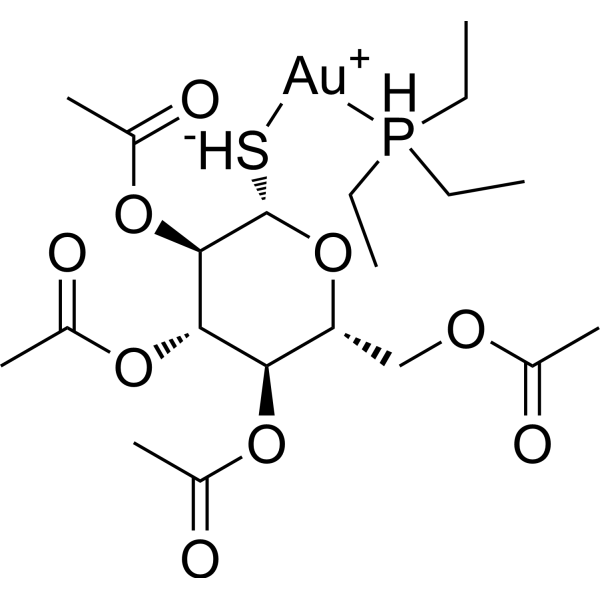
HY-B1123
AuranofinBacterial Inhibitor -
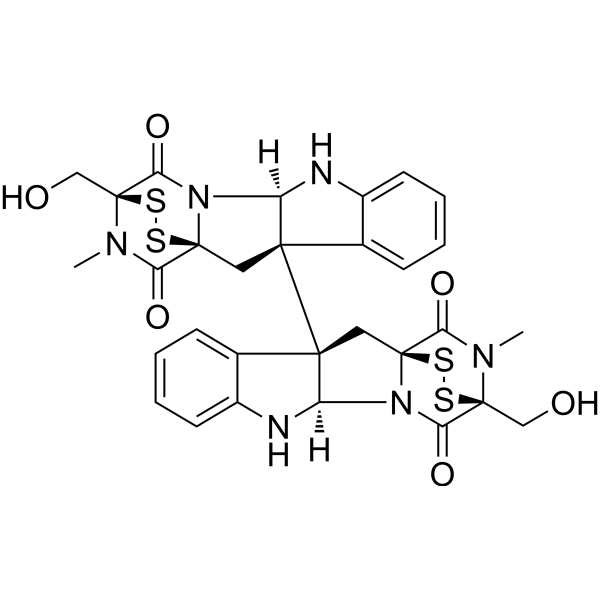
HY-N2019
ChaetocinSU(VAR)3-9 Inhibitor -
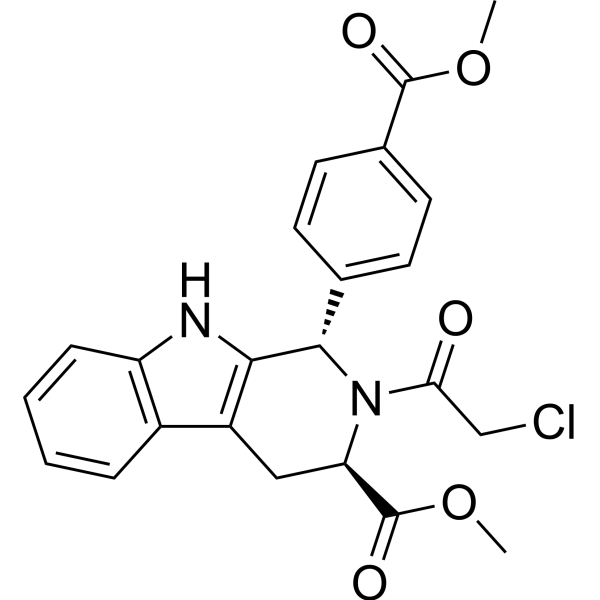
HY-100218A
RSL3GPX4 Inhibitor -
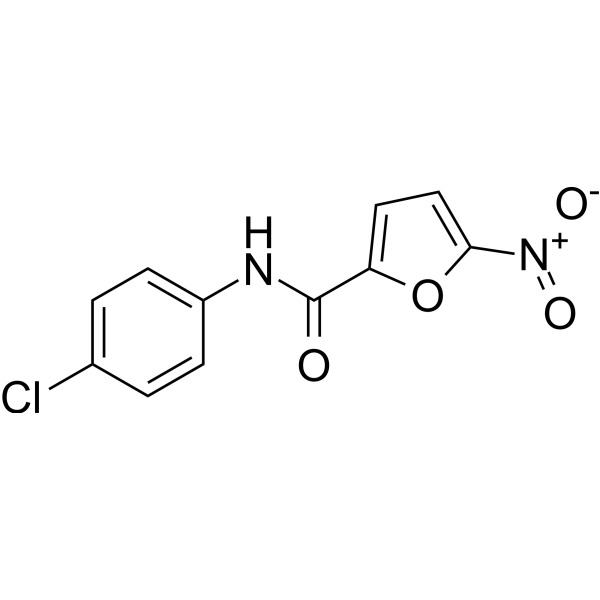
HY-147328
LCS3GSR/TXNRD1 Inhibitor -
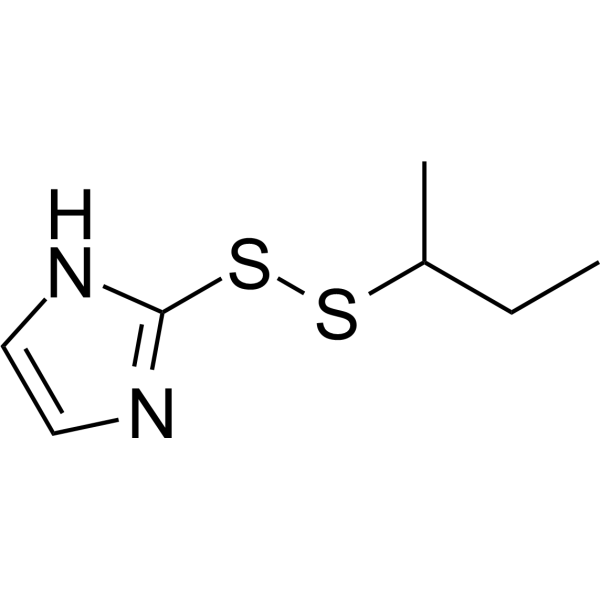
HY-13734
PX-12Thioredoxin-1 Inhibitor -
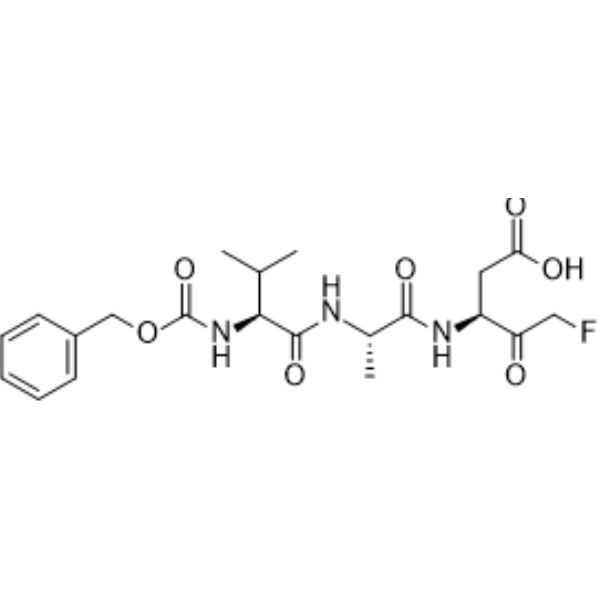
HY-16658B
Z-VAD-FMKPan-Caspase Inhibitor -
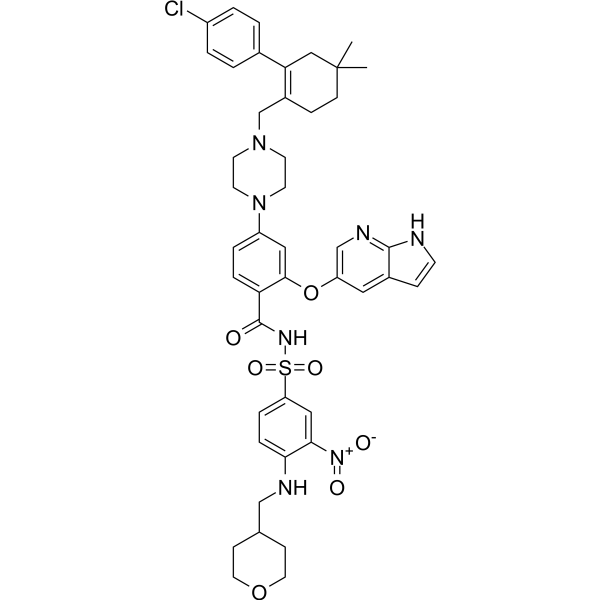
HY-15531
VenetoclaxBCL-2 Inhibitor -
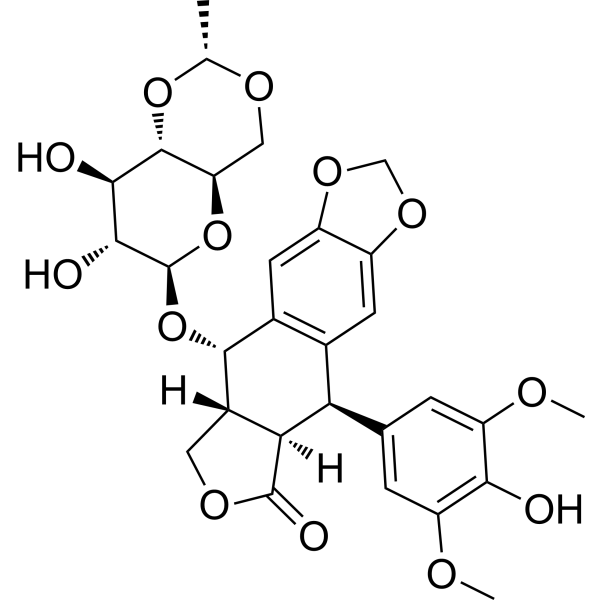
HY-13629
EtoposideTopoisomerase II Inhibitor -

HY-Y0320
Dimethyl sulfoxide, meets analytical specification of Ch.P.Aprotic Solvent -
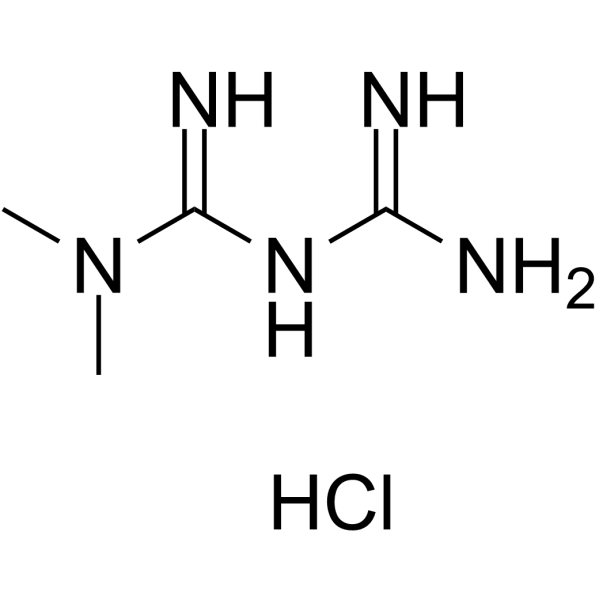
HY-17471A
Metformin hydrochlorideAntihyperglycemic Agent -
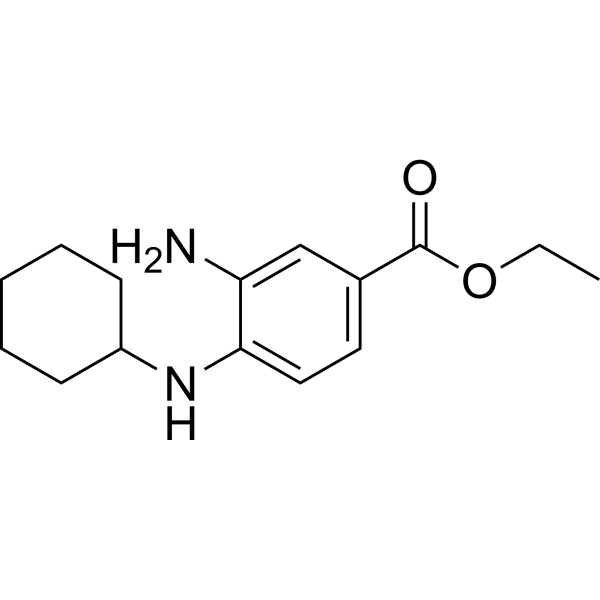
HY-100579
Ferrostatin-1Ferroptosis Inhibitor -
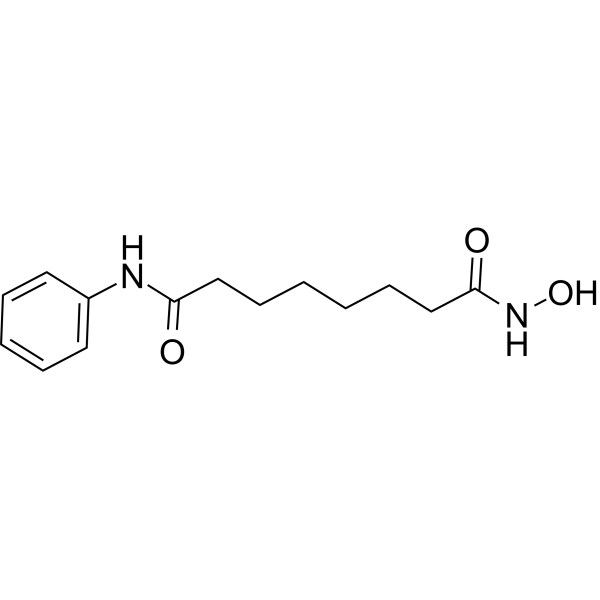
HY-10221
VorinostatHDAC Inhibitor
Publications Citing Use of MedChemExpress (MCE) TRi-1
More Customer Validation & Images

-
WB
-
IF
-
Bio/Physico-chemical Assay
-
IP
-
In Vivo Efficacy Study


Biological Activity
Description
IC50 & Target
IC50: 12 nM (TXNRD1)[1].
In Vitro
TRi-1 (0.679 and 6.79 μM; 6 h) has no effect on cellular glutathione (GSH) concentrations in FaDu cells, efficiently activates JNK and p38 phosphorylation[1].
TRi-1 (2 μM) irreversibly inhibit TXNRD1 in an NADPH-dependent manner[1].
TRi-1 (0.1-10 μM; 0-10 h) increases cellular H2O2 production in cultured FaDu cells in a concentration- and time-dependent manner[1].
TRi-1 (10 nM-100 μM; 48 h) shows cytotoxicity toward cancer cells[1].
MedChemExpress (MCE) has not independently confirmed the accuracy of these methods. They are for reference only. .
-
Cell Line:FaDu cells
-
Concentration:0.679 and 6.79 μM
-
Incubation Time:6 h
-
Result:Efficiently activated JNK and p38 phosphorylation.
-
Cell Line:Leukemia, non-small cell lung, CNS, colon, melanoma, ovarian, renal, prostate and breast cancer cells
-
Concentration:10 nM-100 μM
-
Incubation Time:48 h
-
Result:Displayed potency against every cell line tested, with an average growth inhibition to 50% (GI50) of 6.31 μM.
In Vivo
MedChemExpress (MCE) has not independently confirmed the accuracy of these methods. They are for reference only.
-
Animal Model:SCID mice bearing established human FaDu cell xenografts[1]
-
Dosage:10 mg/kg
-
Administration:Intravenous injection, twice a day for 4 days
-
Result:Resulted in decreased tumor growth compared to vehicle controls within four days with no signs of overt toxicity or changes in mouse weight relative to vehicle control.
-
Animal Model:PyMT-MMTV mice that spontaneously develop malignant breast cancer tumors[1]
-
Dosage:5 mg/kg
-
Administration:Intraperitoneal injection, twice a week for 3 weeks
-
Result:Impaired tumor growth, significantly reduced tumor volumes.


Chemical Information
-
CAS No. 246020-68-8
-
Appearance Solid
-
Molecular Weight 328.73
-
Formula C12H9ClN2O5S
-
Color Off-white to yellow
-
SMILES
O=[N+](C1=CC=C(OC)N=C1S(=O)(C2=CC=C(Cl)C=C2)=O)[O-]
-
Shipping
Room temperature in continental US; may vary elsewhere.
-
Storage
4°C, protect from light
* In solvent : -80°C, 6 months; -20°C, 1 month (protect from light)


Publications (7)
-
Journal Impact Factor
-
Most Recent
-
Immunity
Tolerance to ferroptosis facilitates lipid metabolism and pathogenic type 2 immunity in allergic airway inflammation. [Abstract]2025 Dec 10:S1074-7613(25)00520-5. PMID: 41380684 -
Nat Aging
TXNRD1 drives the innate immune response in senescent cells with implications for age-associated inflammation. [Abstract]2024 Feb;4(2):185-197. PMID: 38267705
TRi-1 purchased from MedChemExpress. Usage Cited in: Nat Aging. 2024 Feb;4(2):185-197. [Abstract]
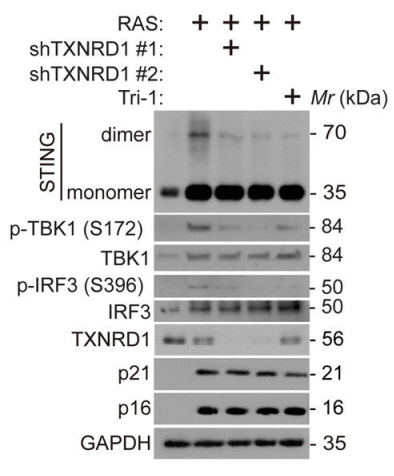
Immunoblot of the indicated protein in control proliferating and oncogenic RAS-induced senescent IMR90 cells with or without TXNRD1 knockdown or treatment with a pharmacological TXNRD1 inhibitor Tri-1 (5 μM).
TRi-1 purchased from MedChemExpress. Usage Cited in: Nat Aging. 2024 Feb;4(2):185-197. [Abstract]
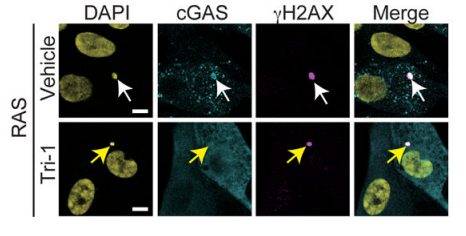
Immunostaining for cGAS and γH2AX in oncogenic RAS-induced senescent IMR90 cells treated with vehicle control or TXNRD1 inhibitor Tri-1 (5 μM).
TRi-1 purchased from MedChemExpress. Usage Cited in: Nat Aging. 2024 Feb;4(2):185-197. [Abstract]
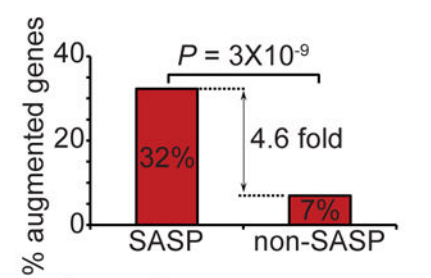
Enrichment of the SASP genes among genes that were significantly downregulated by both TXNRD1 knockdown and TXNRD1 inhibitor Tri-1 treatment in oncogenic RAS-induced senescent IMR90 cells determined by RNA-seq analysis.
TRi-1 purchased from MedChemExpress. Usage Cited in: Nat Aging. 2024 Feb;4(2):185-197. [Abstract]
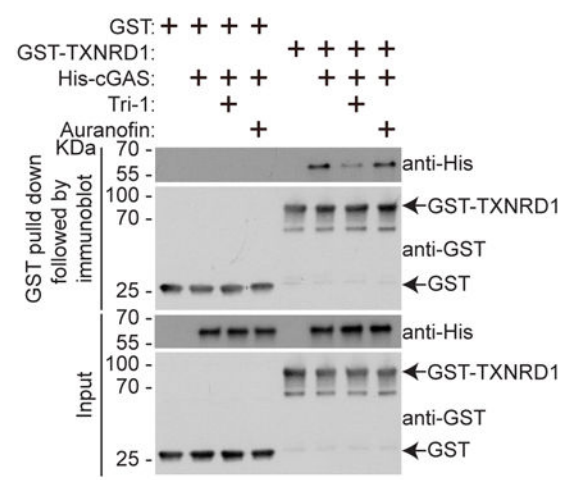
GST pull-down assay using purified His-cGAS and GST-TXNRD1 with or without Tri-1 (1 hr before cGAS addition) or auranofin in the reaction. GST was used a negative control.
TRi-1 purchased from MedChemExpress. Usage Cited in: Nat Aging. 2024 Feb;4(2):185-197. [Abstract]
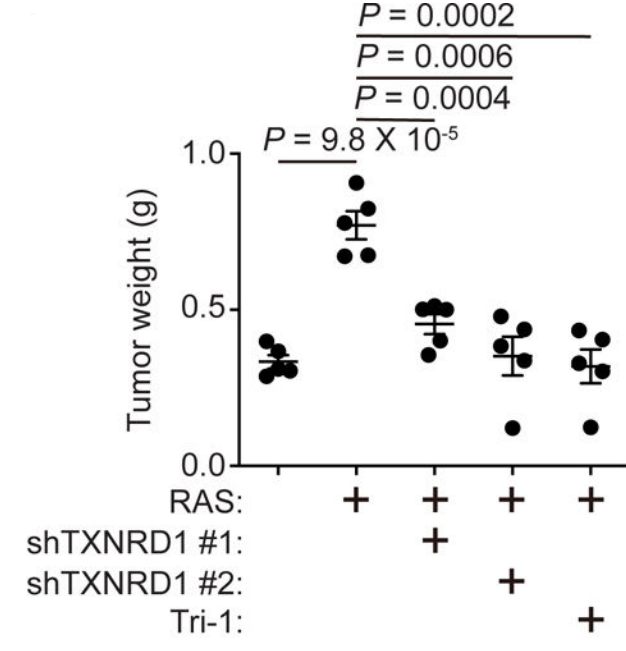
Tumor growth stimulated by co-injected senescent IMR90 fibroblasts in a xenograft mouse model was inhibited by TXNRD1 knockdown or Tri-1 (10 mg/kg, once every 3 days, ip) treatment. TOV21G cells were subcutaneously injected with the indicated senescent IMR90 cells into NSG female mice. The tumor weight was measured at the end of the experiment.
TRi-1 purchased from MedChemExpress. Usage Cited in: Nat Aging. 2024 Feb;4(2):185-197. [Abstract]
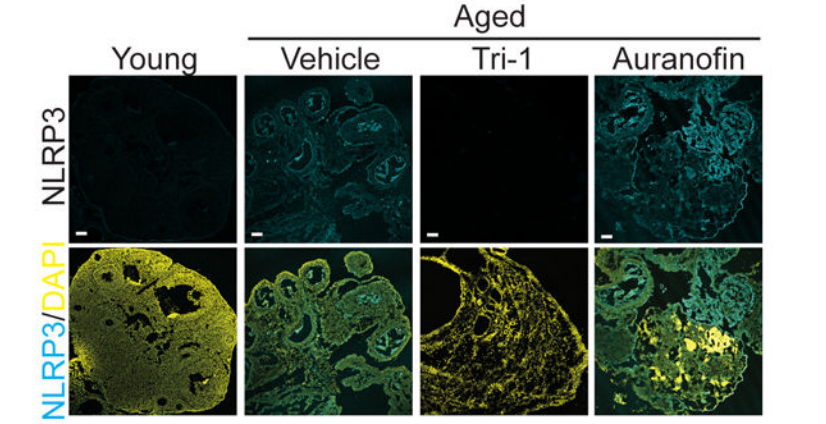
Images of immunostaining for NLRP3 in the ovary tissues from young (4 months) and aged mice (22 months) with or without Tri-1 and auranofin treatments.
-
Cell Death Discov
Redox regulation of EGFR activation by thioredoxin reductase 3 drives resistance to EGFR inhibitors in triple-negative breast cancer. [Abstract]2026 May 19. PMID: 42156718 -
-
Antioxidants (Basel)
Upregulation of Thioredoxin Reductase 1 Expression by Flavan-3-Ols Protects Human Kidney Proximal Tubular Cells from Hypoxia-Induced Cell Death. [Abstract]2022 Jul 19;11(7):1399. PMID: 35883890 -
J Virol
HCMV infection downregulates GPX4 and stimulates lipid peroxidation but does not induce ferroptosis. [Abstract]2025 Feb 25;99(2):e0185124. PMID: 39772623 -


Solvent & Solubility
In Vitro:
DMSO : 62.5 mg/mL (190.13 mM; Need ultrasonic; Hygroscopic DMSO has a significant impact on the solubility of product, please use newly opened DMSO)
Please refer to the solubility information to select the appropriate solvent. Once prepared, please aliquot and store the solution to prevent product inactivation from repeated freeze-thaw cycles.
Storage method and period of stock solution: -80°C, 6 months; -20°C, 1 month (protect from light). When stored at -80°C, please use it within 6 months. When stored at -20°C, please use it within 1 month.
Please refer to the solubility information to select the appropriate solvent. Once prepared, please aliquot and store the solution to prevent product inactivation from repeated freeze-thaw cycles.
Storage method and period of stock solution: -80°C, 6 months; -20°C, 1 month (protect from light). When stored at -80°C, please use it within 6 months. When stored at -20°C, please use it within 1 month.
Concentration (start) × Volume (start) = Concentration (final) × Volume (final)
In Vivo:
Select the appropriate dissolution method based on your experimental animal and administration route.
- For the following dissolution methods, please ensure to first prepare a clear stock solution using an In Vitro approach and then sequentially add co-solvents:
- To ensure reliable experimental results, the clarified stock solution can be appropriately stored based on storage conditions. As for the working solution for In Vivo experiments, it is recommended to prepare freshly and use it on the same day.
- The percentages shown for the solvents indicate their volumetric ratio in the final prepared solution. If precipitation or phase separation occurs during preparation, heat and/or sonication can be used to aid dissolution.
Add each solvent one by one: 10% DMSO 40% PEG300 5% Tween-80 45% Saline
Solubility: ≥ 2.08 mg/mL (6.33 mM); Clear solution
This protocol yields a clear solution of ≥ 2.08 mg/mL (saturation unknown).
Taking 1 mL working solution as an example, add 100 μL DMSO stock solution (20.8 mg/mL) to 400 μL PEG300, and mix evenly; then add 50 μL Tween-80 and mix evenly; then add 450 μL Saline to adjust the volume to 1 mL.
Preparation of Saline: Dissolve 0.9 g sodium chloride in ddH₂O and dilute to 100 mL to obtain a clear Saline solution.
In Vivo Dissolution Calculator
Please enter the basic information of animal experiments:
-
-
-
-
Recommended: Prepare an additional quantity of animals to account for potential losses during experiments.
Please enter your animal formula composition:
-
%DMSO +
Recommended: Keep the proportion of DMSO in working solution below 2% if your animal is weak.
-
%+
-
+%Tween-80 + +
-
%Saline +
The co-solvents required include: DMSO, . All of co-solvents are available by MedChemExpress (MCE). , Tween 80. All of co-solvents are available by MedChemExpress (MCE).
Working solution concentration: 0.22 mg/mL
Method for preparing stock solution: mg drug dissolved in μL DMSO. Stock solution concentration: mg/mL. * In solvent : -80°C, 6 months; -20°C, 1 month (protect from light)
1. Take μL DMSO stock solution;
2. Add μL .
μL , mix evenly;
3. Then add μL Tween 80, mix evenly;
4. Then add μL
Please ensure that the stock solution in the first step is dissolved to a clear state, and add co-solvents in sequence. You can use ultrasonic heating (ultrasonic cleaner, recommended frequency 20-40 kHz), vortexing, etc. to assist dissolution.


Purity & Documentation
-
Data Sheet (280 KB)
-
SDS (394 KB)
- English - EN (394 KB)
- Français - FR (394 KB)
- Deutsch - DE (394 KB)
- Norwegian - NO (394 KB)
- Español - ES (394 KB)
- Swedish - SV (394 KB)
- Italian - IT (394 KB)
- Korean - KR (394 KB)
- Portuguese - PT (394 KB)
-
Handling Instructions (2659 KB)
References


Complete Stock Solution Preparation Table
Please refer to the solubility information to select the appropriate solvent. Once prepared, please aliquot and store the solution to prevent product inactivation from repeated freeze-thaw cycles.
Storage method and period of stock solution: -80°C, 6 months; -20°C, 1 month (protect from light). When stored at -80°C, please use it within 6 months. When stored at -20°C, please use it within 1 month.
| Optional Solvent | Concentration Solvent Mass | 1 mg | 5 mg | 10 mg | 25 mg |
|---|---|---|---|---|---|
| DMSO | 1 mM | 3.0420 mL | 15.2101 mL | 30.4201 mL | 76.0503 mL |
| 5 mM | 0.6084 mL | 3.0420 mL | 6.0840 mL | 15.2101 mL | |
| 10 mM | 0.3042 mL | 1.5210 mL | 3.0420 mL | 7.6050 mL | |
| 15 mM | 0.2028 mL | 1.0140 mL | 2.0280 mL | 5.0700 mL | |
| 20 mM | 0.1521 mL | 0.7605 mL | 1.5210 mL | 3.8025 mL | |
| 25 mM | 0.1217 mL | 0.6084 mL | 1.2168 mL | 3.0420 mL | |
| 30 mM | 0.1014 mL | 0.5070 mL | 1.0140 mL | 2.5350 mL | |
| 40 mM | 0.0761 mL | 0.3803 mL | 0.7605 mL | 1.9013 mL | |
| 50 mM | 0.0608 mL | 0.3042 mL | 0.6084 mL | 1.5210 mL | |
| 60 mM | 0.0507 mL | 0.2535 mL | 0.5070 mL | 1.2675 mL | |
| 80 mM | 0.0380 mL | 0.1901 mL | 0.3803 mL | 0.9506 mL | |
| 100 mM | 0.0304 mL | 0.1521 mL | 0.3042 mL | 0.7605 mL |


TRi-1 Related Classifications
HY-125006 Related Classifications
 Powered by Bioz