



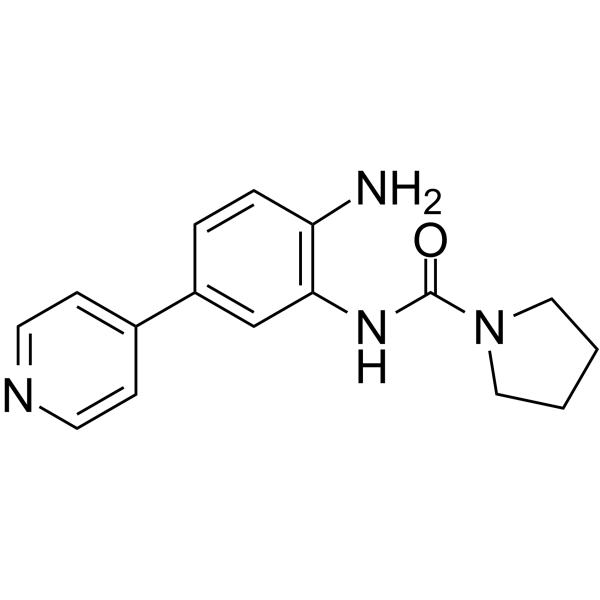
BRD6688
Based on 1 publication(s) in Google Scholar
BRD6688 is a selective HDAC inhibitor with IC50 values of 21 nM and 100 nM for HDAC1 and HDAC2, respectively. BRD6688 induces histone H4K12 and H3K9 acetylation. BRD6688 decreases CK2-induced HDAC2 phosphorylation. BRD6688 induces macrophage M1 to M2 polarization and renal cell proliferation. BRD6688 is used in research on neurodegenerative diseases, acute kidney injury, pain, and anxiety disorders.
商品は「研究用試薬」です。人や動物の医療用・臨床診断用・食品用の製品ではありません。
研究用途以外に使用した場合、当社は一切の責任を負いかねます。
- 純度 : 98.06%
- CAS 番号: 1404562-17-9
- 分子式: C16H18N4O
- 分子量:282.34
-
保管条件:Powder -20°C, 3 years , 4°C, 2 years ; In solvent -80°C, 6 months , -20°C, 1 month

To place orders, for customer services and technical support, please contact: MedChemExpress USA
Tel: 609-228-6898 E-mail: [email protected] [email protected]


-
 生物活性
-
化学情報
-
溶剤 & 溶解度
- プロトコル
- 純度とドキュメンテーション
- 参考文献
-
 Help & FAQs


-
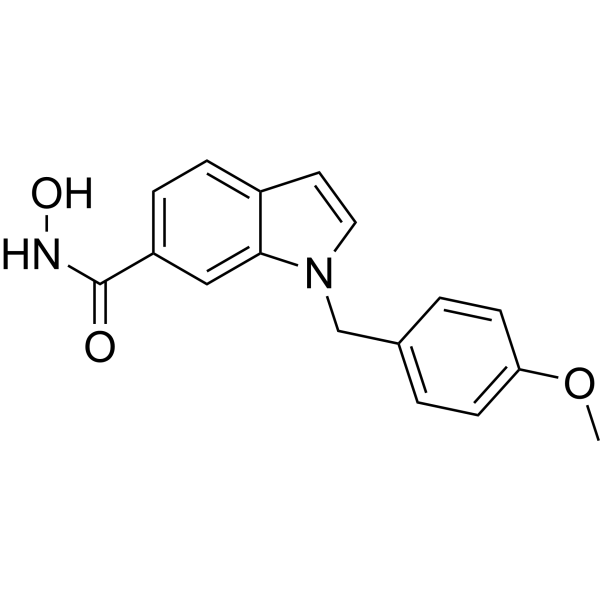
HY-15224
PCI-34051Apoptosis Inducer -
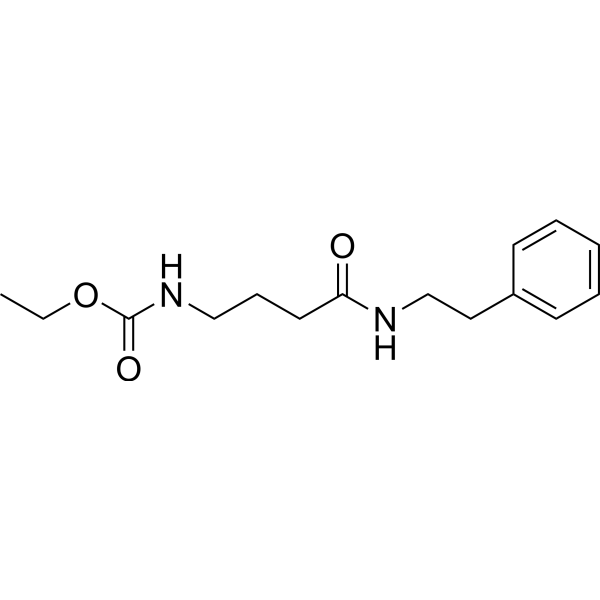
HY-N0931
Santacruzamate AHDAC2 Inhibitor -
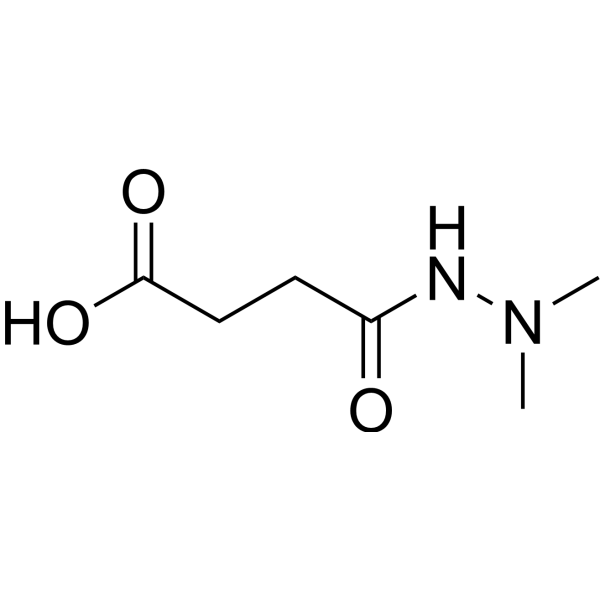
HY-13643
DaminozideKDM2/7 Inhibitor -

HY-164050
HDAC2-IN-2HDAC2 Inhibitor -
HY-15654
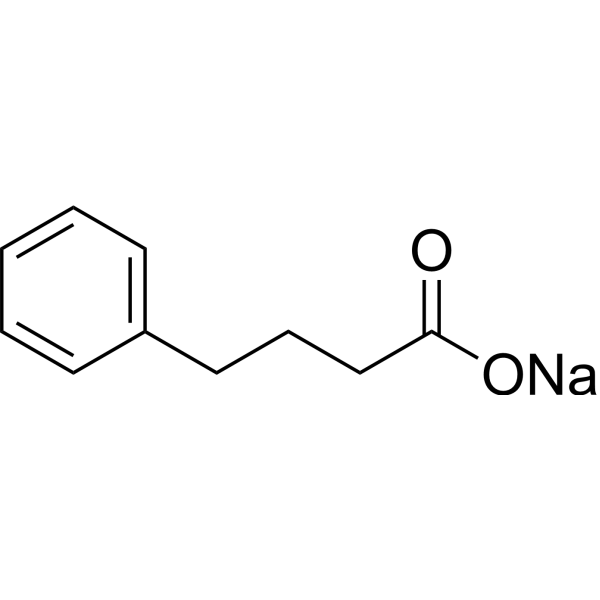
Sodium 4-phenylbutyrateHDAC/ERS Inhibitor -
HY-102083
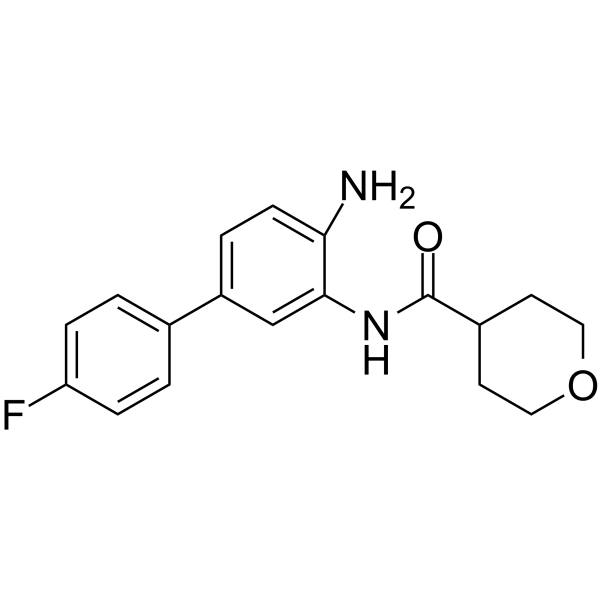
BRD4884HDAC Inhibitor -
HY-15149
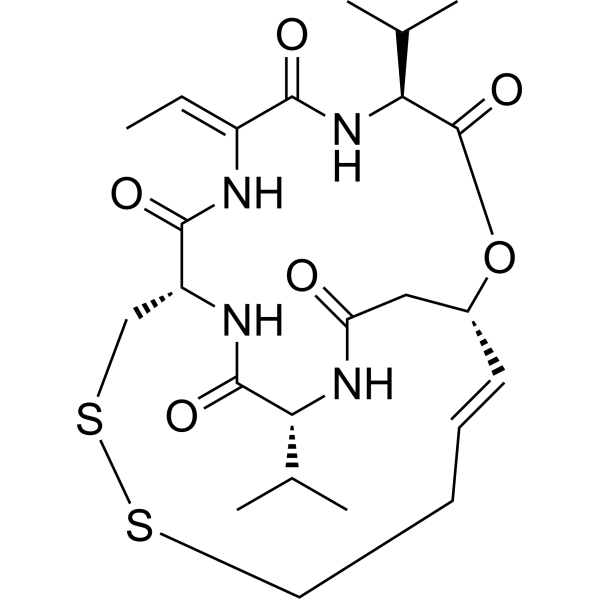
RomidepsinHDAC Inhibitor -
HY-13506
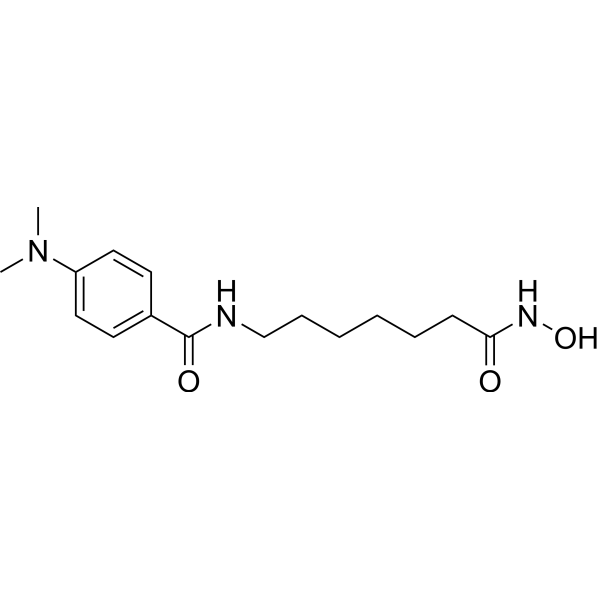
M344HDAC Inhibitor -
HY-50934
TacedinalineHDAC Inhibitor -
HY-15144
Trichostatin AHDAC Class I/II Inhibitor -
HY-13592
HDAC-IN-7HDAC Inhibitor -

HY-W016794
NSC3852Antitumor Agent
MedChemExpress(MCE)の使用を引用している文献 BRD6688
More

生物活性
製品説明
IC50 & Target
[1]|
HDAC1 21 nM (IC50) |
HDAC2 100 nM (IC50) |
体外実験
BRD6688 exhibits kinetically selective inhibition of HDAC2 with a residence time half-life of 381 min, compared to 65 min for HDAC1[1].
BRD6688 (10 μM; 24 h) increases H4K12 and H3K9 histone acetylation in primary mouse forebrain neuronal cultures at 10 μM[1].
BRD6688 (5-10 μM) suppresses LTA4H gene expression in HREpiC cells under H/R conditions[2].
BRD6688 (5 μM) decreases LTB4 secretion in HREpiC cells under H/R conditions[2].
BRD6688 (5 μM) reduces the proportion of LTA4H-positive HREpiC cells[2].
BRD6688 (5 μM) reduces p-HDAC levels in HREpiC cells[2].
BRD6688 (5 μM) inhibits CK2 activity in HREpiC cells under hypoxia/reoxygenation[2].
BRD6688 inhibits p-HDAC2 and LTA4H expression in HDAC2-overexpressing HREpiC cells[2].
BRD6688 reduces LTB4 production in HDAC2-overexpressing HREpiC cells[2].
BRD6688 (5-10 μM; 48 h) reduces BLT1 expression but not BLT2 expression in RAW264.7 macrophages[2].
BRD6688 (5 μM; 2 days) promotes M2 phenotype and suppresses M1 phenotype in RAW264.7 macrophages[2].
Selective HDAC2 inhibition by BRD6688 and BRD4884 rescues memory deficits in impaired mice through increased H4K12 and H3K9 acetylation without affecting episodic memory[3].
BRD6688 (4 μM; 24 h) acts as a high-ranking activator of Srrm4-dependent microexon splicing in N2A cells[7].
BRD6688 (10 μM; 24 h) promotes microexon splicing inclusion with a relatively limited impact on global gene expression in N2A cells[7].
BRD6688 (10 μM) promotes microexon splicing largely independently of effects on Srrm4 expression, and its effects are additive with RDR00572 in N2A cells[7].
The HDAC 2 inhibitor BRD6688 (10-100 nM; 24 h) significantly reduces the protein secretions of IL-1β and MCP-1 from TNF-stimulated human PBMCs/monocytes, but does not affect secreted TNF, MIP-1α, RANTES, IFN-γ, or IL-10 levels[6].
The HDAC 2 inhibitor BRD6688 (10-1000 nM; 10 days) significantly reduces the bone-resorbing activity of TNF-stimulated human osteoclasts at 1000 nM, but has minimal effect on osteoclast formation in the absence of TNF[6].
BRD6688 (10 nM; 10 days) reduces the mRNA expression of osteoclast-related factors TRAF-6, TRAP, Cathepsin K, and DC-STAMP at day 14 in TNF-stimulated human osteoclasts, but does not affect MCP-1, MIP-1α, or RANTES expression[6].
MedChemExpress (MCE) has not independently confirmed the accuracy of these methods. They are for reference only.
-
Cell Line:RAW264.7
-
Concentration:5 μM
-
Incubation Time:48 h
-
Result:Remarkably decreased mRNA expression of M1 macrophage markers (IL1B, IL6, TNF, IL12A, NOS2).
Restored the expression of M2 markers (IL10, TGFB1, ARG1, PDGFA) in RAW264.7 cells.
-
Cell Line:Human peripheral blood mononuclear cells (PBMCs)/monocytes
-
Concentration:10 nM; 100 nM
-
Incubation Time:24 h
-
Result:Reduced IL-1β relative mRNA expression to approximately 0.07 at 10 nM and 0.05 at 100 nM, compared to approximately 0.09 in vehicle control.
Reduced TNF relative mRNA expression to approximately 1.1 at 10 nM and 1.0 at 100 nM, compared to approximately 1.5 in control.
Reduced MIP-1α and MCP-1 mRNA expression in a dose-dependent manner.
Did not significantly alter IL-10 mRNA expression.
-
Cell Line:Human peripheral blood mononuclear cells (PBMCs)/monocytes
-
Concentration:10 nM; 100 nM
-
Incubation Time:24 h
-
Result:Significantly reduced protein levels of IL-1β and MCP-1 in cell supernatant.
Did not affect secreted levels of TNF, MIP-1α, RANTES, IFN-γ, or IL-10.
-
Cell Line:Human osteoclast progenitors
-
Concentration:10 nM; 100 nM; 1000 nM
-
Incubation Time:10 days
-
Result:Diminished osteoclast activity in the presence of TNF (10 ng/mL), with significant reduction in surface resorption at 1000 nM.
Reduced area of dentine resorption by approximately 50% when HDAC 2 was suppressed alone.
Had very little effect on osteoclastic formation in the absence of TNF.
-
Cell Line:Human osteoclasts
-
Concentration:10 nM
-
Incubation Time:10 days
-
Result:Reduced mRNA expression of TRAF-6, TRAP, Cathepsin K, and DC-STAMP at day 14.
Had no significant effect on MCP-1, MIP-1α, or RANTES.
体内実験
BRD6688 (1 mg/kg; i.p.; daily; 10 days) significantly attenuates Paclitaxel (HY-B0015)-induced mechanical allodynia and partially reverses spinal glutamate accumulation in a rat model of chemotherapy-induced peripheral neuropathy[4].
Pharmacological inhibition of Hdac2 by BRD6688 (1 mg/kg; i.p.; single dose; 6 h before extinction training) before extinction training reduces spontaneous fear memory recovery and decreases Acan/Aggrecan expression in wild-type mice, but this effect is occluded in PV+ cell-specific Hdac2 conditional knockout mice[5].
MedChemExpress (MCE) has not independently confirmed the accuracy of these methods. They are for reference only.
-
Animal Model:CK-p25 (male, 3 months old, induced for 6 weeks)[1]
-
Dosage:1 mg/kg
-
Administration:i.p.; daily; 10 days
-
Result:Restored the freezing response to normal levels compared to vehicle-treated non-induced p25 littermates.
Increased H4K12 acetylation in hippocampal CA1 neurons compared to the vehicle-treated group.
-
Animal Model:Sprague-Dawley rats (male, 200-250 g, Paclitaxel-induced painful neuropathy)[4]
-
Dosage:1 mg/kg
-
Administration:i.p.; daily; 10 days
-
Result:Significantly suppressed Paclitaxel-induced mechanical allodynia measured by paw withdrawal threshold compared with vehicle.
Partially reversed increased glutamate concentration in the spinal dorsal horn compared with vehicle.
Reduced YY1 expression.
-
Animal Model:Wild-type Hdac2lox littermates and PV-Cre; Hdac2lox/lox mice (adult males, mixed 129sv/C57BL/6J background, postnatal day 60)[5]
-
Dosage:1 mg/kg
-
Administration:i.p.; single dose; 6 h before extinction training
-
Result:In wild-type Hdac2lox mice, presented significantly less freezing behavior at the extinction retrieval test (P = 0.0030) but not at the fear renewal test (P = 0.1246) compared to vehicle-injected mice.
In PV-Cre; Hdac2lox/lox mice, did not lead to a significant difference in freezing behavior during the retrieval test (P = 0.0850) or the renewal test (P = 0.6733) compared to vehicle.
In wild-type mice, significantly decreased the number of Acan mRNA molecules in PFC PV+ cell somata (P = 0.0303) and the proportion of PV+ cells enwrapped by Aggrecan+ nets (P = 0.0317) 17 h after injection.
- Western Blot
- Nephrotoxicity Study
- BrdU Incorporation Assay
- Somatic Cell Culture
- CFSE Dye Dilution Proliferation Assay
- Dye-dilution cell tracking and proliferation staining
- CCK-8/WST-8 Cell Proliferation Assay
- Protocol for Cell Cycle
- Cell Counting-Based Growth Curve Assay
- Colony Formation (Clonogenic) Assay
- Cell Viability Determination by MTT Colorimetric Assay
- Kinase activity and phosphorylation assays
- Phagocytosis Functional Assay
- EdU Incorporation Assay (Click Chemistry-Based DNA Synthesis Measurement)
- Ki-67 Immunostaining Proliferation Assay
- PCNA Immunodetection Proliferation Assay
- Protocol for Cell Counting and Cell Density Analysis
- Protocol for Kinase activity and phosphorylation assays
- MTT Cell Proliferation Assay


化学情報
-
CAS 番号 1404562-17-9
-
性状 Solid
-
分子量 282.34
-
分子式 C16H18N4O
-
Color Off-white to light yellow
-
SMILES
O=C(N1CCCC1)NC2=C(N)C=CC(C3=CC=NC=C3)=C2
-
輸送条件
Room temperature in continental US; may vary elsewhere.
-
保管条件
Powder -20°C 3 years 4°C 2 years In solvent -80°C 6 months -20°C 1 month


Publications (1)
-
Journal Impact Factor
-
Most Recent


溶剤 & 溶解度
体外:
DMSO : 100 mg/mL (354.18 mM; Need ultrasonic; Hygroscopic DMSO has a significant impact on the solubility of product, please use newly opened DMSO)
Please refer to the solubility information to select the appropriate solvent. Once prepared, please aliquot and store the solution to prevent product inactivation from repeated freeze-thaw cycles.
Storage method and period of stock solution: -80°C, 6 months; -20°C, 1 month. When stored at -80°C, please use it within 6 months. When stored at -20°C, please use it within 1 month.
濃度 (開始) × 体積 (開始) = 濃度 (終了) × 体積 (終了)
体内:
Select the appropriate dissolution method based on your experimental animal and administration route.
- For the following dissolution methods, please ensure to first prepare a clear stock solution using an In Vitro approach and then sequentially add co-solvents:
- To ensure reliable experimental results, the clarified stock solution can be appropriately stored based on storage conditions. As for the working solution for In Vivo experiments, it is recommended to prepare freshly and use it on the same day.
- The percentages shown for the solvents indicate their volumetric ratio in the final prepared solution. If precipitation or phase separation occurs during preparation, heat and/or sonication can be used to aid dissolution.
Add each solvent one by one: 10% DMSO 40% PEG300 5% Tween-80 45% Saline
Solubility: 2.5 mg/mL (8.85 mM); Clear solution; Need ultrasonic
This protocol yields a clear solution of 2.5 mg/mL.
Taking 1 mL working solution as an example, add 100 μL DMSO stock solution (25.0 mg/mL) to 400 μL PEG300, and mix evenly; then add 50 μL Tween-80 and mix evenly; then add 450 μL Saline to adjust the volume to 1 mL.
Preparation of Saline: Dissolve 0.9 g sodium chloride in ddH₂O and dilute to 100 mL to obtain a clear Saline solution.
Add each solvent one by one: 10% DMSO 90% (20% SBE-β-CD in Saline)
Solubility: 2.5 mg/mL (8.85 mM); Clear solution; Need ultrasonic
This protocol yields a clear solution of 2.5 mg/mL.
Taking 1 mL working solution as an example, add 100 μL DMSO stock solution (25.0 mg/mL) to 900 μL 20% SBE-β-CD in Saline, and mix evenly.
Preparation of 20% SBE-β-CD in Saline (4°C, storage for one week): 2 g SBE-β-CD powder is dissolved in 10 mL Saline, completely dissolve until clear.
In Vivo Dissolution Calculator
Please enter the basic information of animal experiments:
-
-
-
-
Recommended: Prepare an additional quantity of animals to account for potential losses during experiments.
Please enter your animal formula composition:
-
%DMSO +
Recommended: Keep the proportion of DMSO in working solution below 2% if your animal is weak.
-
%+
-
+%Tween-80 + +
-
%Saline +
The co-solvents required include: DMSO, . All of co-solvents are available by MedChemExpress (MCE). , Tween 80. All of co-solvents are available by MedChemExpress (MCE).
Working solution concentration: 0.22 mg/mL
Method for preparing stock solution: mg drug dissolved in μL DMSO. Stock solution concentration: mg/mL.
1. Take μL DMSO stock solution;
2. Add μL .
μL , mix evenly;
3. Then add μL Tween 80, mix evenly;
4. Then add μL
Please ensure that the stock solution in the first step is dissolved to a clear state, and add co-solvents in sequence. You can use ultrasonic heating (ultrasonic cleaner, recommended frequency 20-40 kHz), vortexing, etc. to assist dissolution.


純度とドキュメンテーション
-
データシート (299 KB)
-
SDS (251 KB)
- English - EN (251 KB)
- Français - FR (251 KB)
- Deutsch - DE (251 KB)
- Norwegian - NO (251 KB)
- Español - ES (251 KB)
- Swedish - SV (251 KB)
- Italian - IT (251 KB)
- Korean - KR (251 KB)
- Portuguese - PT (251 KB)
-
取扱説明書 (2659 KB)
参考文献
[1]. Wagner FF, et al. Kinetically Selective Inhibitors of Histone Deacetylase 2 (HDAC2) as Cognition Enhancers. Chemical science. 2015 Jan 01;6(1):804-815. [Content Brief]
[6]. Algate K, et al. Histone deacetylases 1 and 2 inhibition suppresses cytokine production and osteoclast bone resorption in vitro. Journal of cellular biochemistry. 2020 Jan;121(1):244-258. [Content Brief]
[7]. Best AJ, et al. High-throughput sensitive screening of small molecule modulators of microexon alternative splicing using dual Nano and Firefly luciferase reporters. Nature communications. 2024 Jul 27;15(1):6328. [Content Brief]


Complete Stock Solution Preparation Table
Please refer to the solubility information to select the appropriate solvent. Once prepared, please aliquot and store the solution to prevent product inactivation from repeated freeze-thaw cycles.
Storage method and period of stock solution: -80°C, 6 months; -20°C, 1 month. When stored at -80°C, please use it within 6 months. When stored at -20°C, please use it within 1 month.
| Optional Solvent | Concentration Solvent Mass | 1 mg | 5 mg | 10 mg | 25 mg |
|---|---|---|---|---|---|
| DMSO | 1 mM | 3.5418 mL | 17.7091 mL | 35.4183 mL | 88.5457 mL |
| 5 mM | 0.7084 mL | 3.5418 mL | 7.0837 mL | 17.7091 mL | |
| 10 mM | 0.3542 mL | 1.7709 mL | 3.5418 mL | 8.8546 mL | |
| 15 mM | 0.2361 mL | 1.1806 mL | 2.3612 mL | 5.9030 mL | |
| 20 mM | 0.1771 mL | 0.8855 mL | 1.7709 mL | 4.4273 mL | |
| 25 mM | 0.1417 mL | 0.7084 mL | 1.4167 mL | 3.5418 mL | |
| 30 mM | 0.1181 mL | 0.5903 mL | 1.1806 mL | 2.9515 mL | |
| 40 mM | 0.0885 mL | 0.4427 mL | 0.8855 mL | 2.2136 mL | |
| 50 mM | 0.0708 mL | 0.3542 mL | 0.7084 mL | 1.7709 mL | |
| 60 mM | 0.0590 mL | 0.2952 mL | 0.5903 mL | 1.4758 mL | |
| 80 mM | 0.0443 mL | 0.2214 mL | 0.4427 mL | 1.1068 mL | |
| 100 mM | 0.0354 mL | 0.1771 mL | 0.3542 mL | 0.8855 mL |


BRD6688 関連分類
HY-117709 関連分類
 Powered by Bioz