



Cefepime
Based on 20 publication(s) in Google Scholar
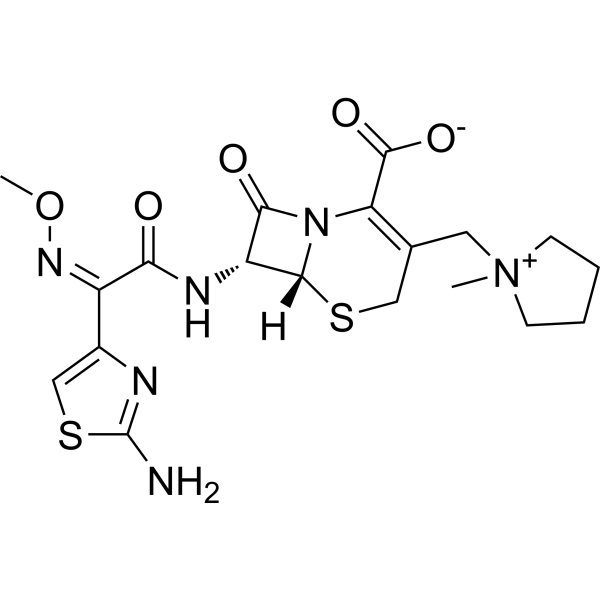
Cefepime (BMY-28142) is a broad-spectrum, blood-brain barrier-permeable cephalosporin antibiotic with hPON1 inhibitory activity, with an IC50 of 21.115 mM and a Ki of 35.092 mM. Cefepime inhibits hPON1 via a non-competitive mechanism and blocks GABAA receptors. Cefepime penetrates the outer membrane of Gram-negative bacteria, inhibits the growth of Gram-positive and Gram-negative bacteria, and does not induce the production of β-lactamase.
연구목적의 판매만을 진행합니다. 환자를 대상으로 한 판매는 하지 않습니다.
- Purity : 99.86%
- CAS No.: 88040-23-7
- 화학식: C19H24N6O5S2
- 분자량:480.56
-
보관:Powder -20°C, 3 years , 4°C, 2 years ; In solvent -80°C, 6 months , -20°C, 1 month

To place orders, for customer services and technical support, please contact: MedChemExpress USA
Tel: 609-228-6898 E-mail: [email protected] [email protected]


-
 Biological Activity
-
Chemical Information
-
용액&용해도
- Protocol
- 순도&문서
- References
-
 Help & FAQs


-
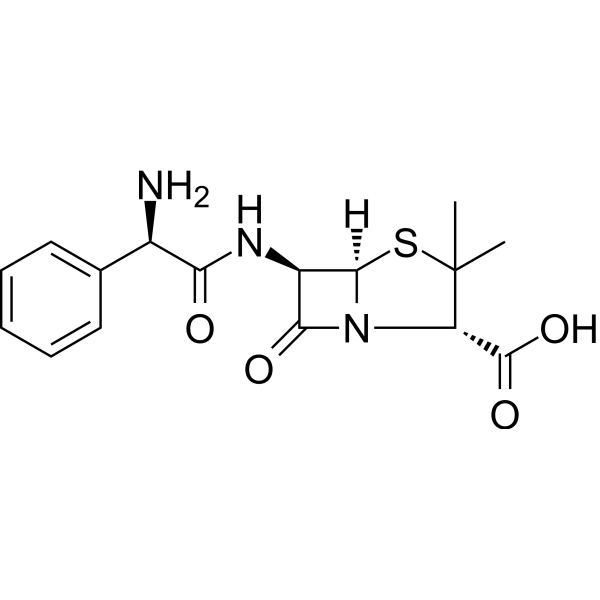
HY-B0522
AmpicillinBacterial Inhibitor -
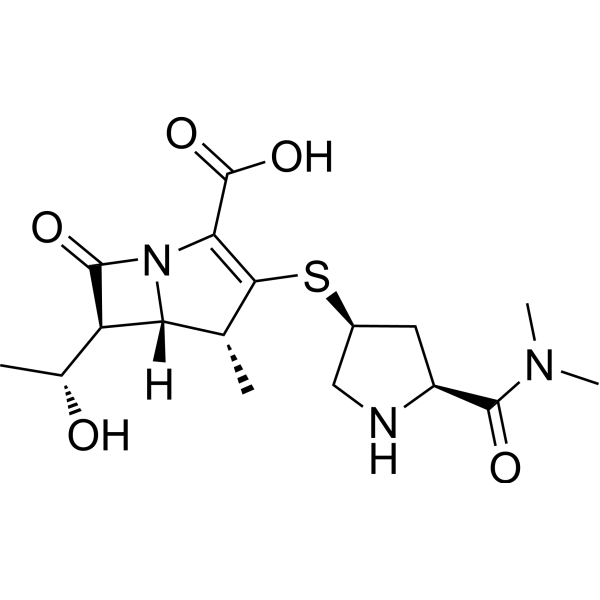
HY-13678
MeropenemAntimicrobial Agent -
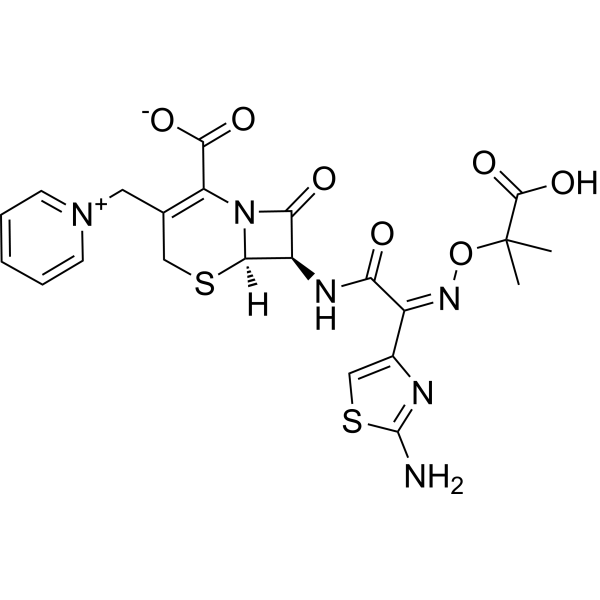
HY-B0593
CeftazidimeAntibiotic -
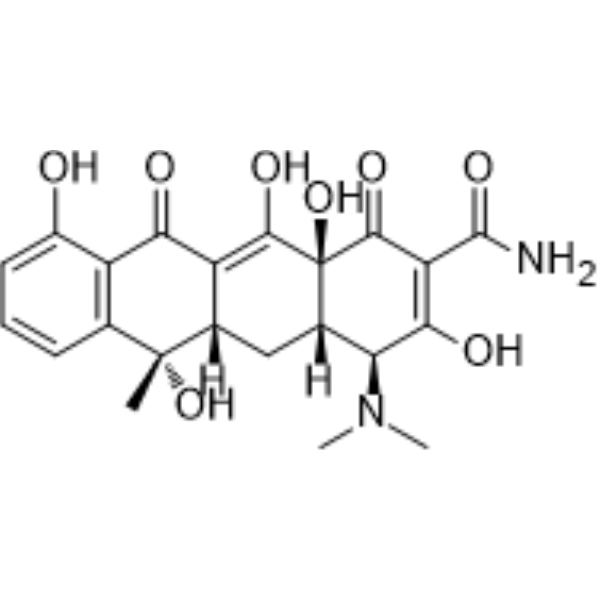
HY-A0107
TetracyclineAntibiotic -
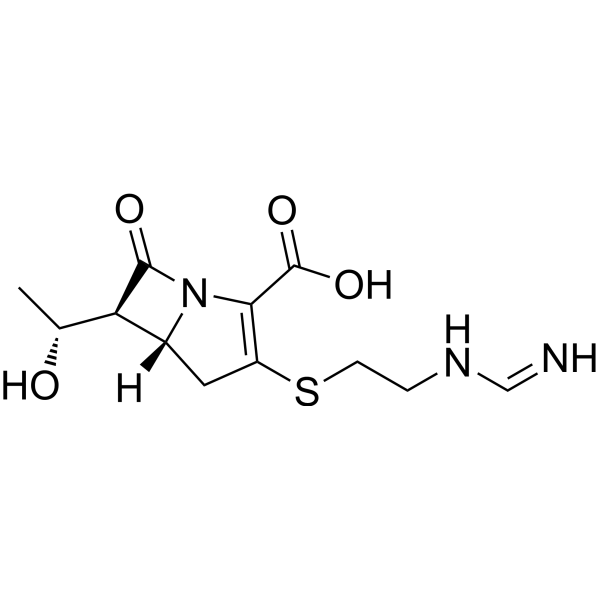
HY-B1369A
ImipenemAntibiotic -
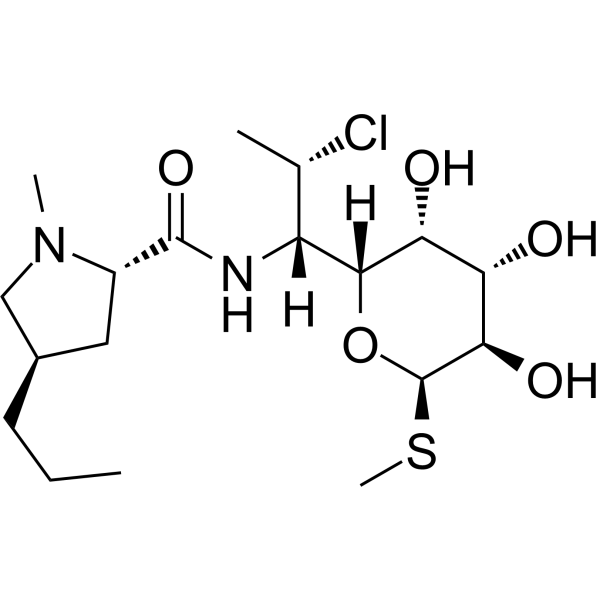
HY-B1455
ClindamycinLincosamide Antibiotic -
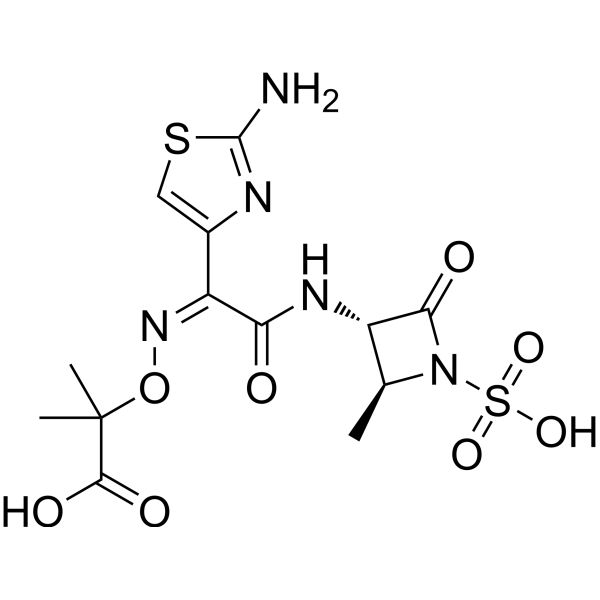
HY-B0129
AztreonamBacterial Inhibitor -
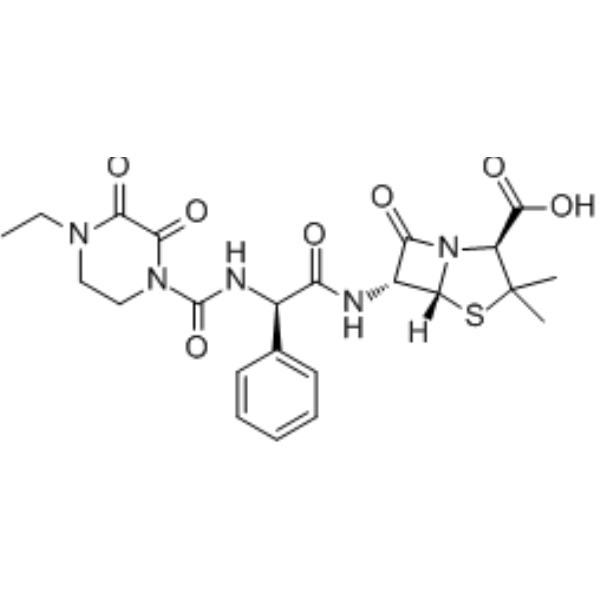
HY-B1923
Piperacillinβ-lactam Antibiotic -
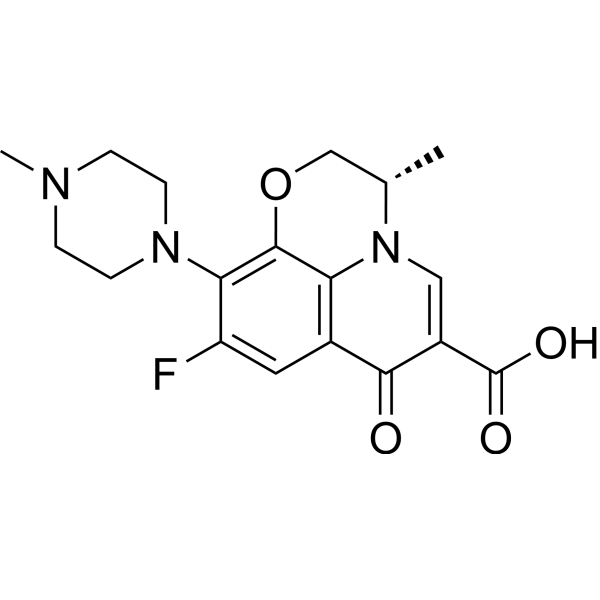
HY-B0330
LevofloxacinDNA Gyrase/Topoisomerase Inhibitor -
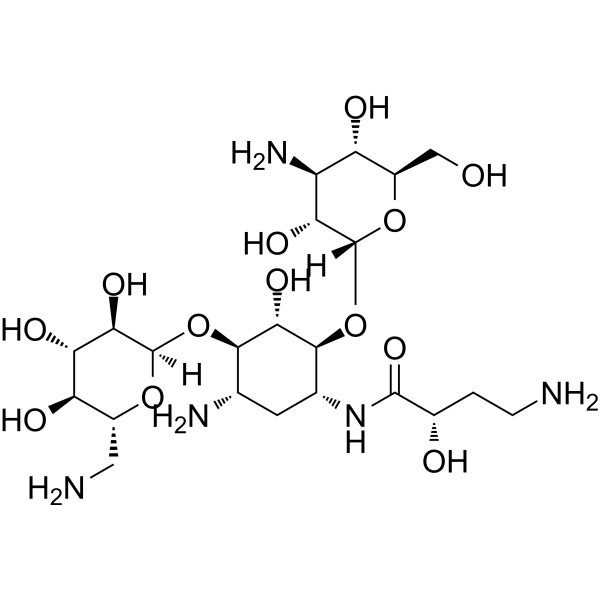
HY-B0509A
AmikacinAntibiotic -
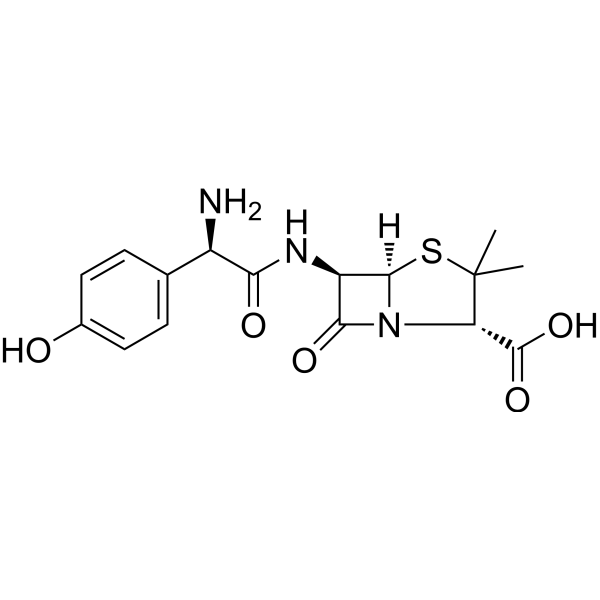
HY-B0467A
AmoxicillinAntibiotic -
HY-B0671
VancomycinAntibiotic
Publications Citing Use of MedChemExpress (MCE) Cefepime
More- J Exp Med. 2026 Mar 2;223(3):e20241287. [Abstract]
- Emerg Microbes Infect. 2024 Dec;13(1):2321981. [Abstract]
- Pharmaceutics. 2023 Nov 30;15(12):2705. [Abstract]
- Virulence. 2026 Dec 31;17(1):2646808. [Abstract]
- Molecules. 2025 Mar 9;30(6):1224. [Abstract]
- Int J Antimicrob Agents. 2025 Oct;66(4):107551. [Abstract]
- Antimicrob Agents Chemother. 2025 Jun 4;69(6):e0010225. [Abstract]
- J Antimicrob Chemother. 2026 Feb 2;81(3):dkag034. [Abstract]
- J Antimicrob Chemother. 2025 Nov 5:dkaf408. [Abstract]
- J Glob Antimicrob Resist. 2025 Jul 7:44:265-271. [Abstract]
- Eur J Clin Microbiol Infect Dis. 2026 Jul 18. [Abstract]
- Anim Dis. 2021;1(1):26. [Abstract]
- Infect Genet Evol. 2025 Sep:133:105780. [Abstract]
- Vet Microbiol. 2024 May:292:110046. [Abstract]
- J Antibiot (Tokyo). 2023 Apr;76(4):225-235. [Abstract]
- J Infect Chemother. 2025 Dec 8;32(1):102889. [Abstract]
- bioRxiv. 2026 Aug 26.
- Res Sq. 2026 Mar 9.
- Patent. US20240209004A1.
- bioRxiv. 2024 May 10.
 Customer Validation & Images

-
Microbiological Assay
-
Microbiological Assay
-
Microbiological Assay
-
Microbiological Assay
All Antibiotic Isoforms
More

Biological Activity
제품 설명
IC50 & Target
|
β-lactam |
Cellular Effect
|
Cell Line

|
Type | Value | Description | References |
|---|---|---|---|---|
| HeLa | IC50 |
1700 μM
Compound: Cefepime
|
TP_TRANSPORTER: inhibition of Carnitine uptake (Carnitine: 0.02 uM) in OCTN2-expressing HeLa cells
TP_TRANSPORTER: inhibition of Carnitine uptake (Carnitine: 0.02 uM) in OCTN2-expressing HeLa cells
|
[PMID: 10636865] |
In Vitro
Cefepime (18 h) potently inhibits most isolates of Gram-negative aerobic bacteria. Among these pathogens, the MIC90 value is ≤1 mg/L for most Enterobacteriaceae, 16 mg/L for Pseudomonas aeruginosa, and ≤0.12 mg/L for Haemophilus influenzae, Neisseria gonorrhoeae and Branhamella catarrhalis[4].
Cefepime (18-48 h) inhibits Gram-positive bacterial isolates, with an MIC90 value of ≤ 4 mg/L against staphylococci and an MIC90 value of ≤ 0.25 mg/L against most streptococci, but shows limited activity against Enterococcus faecalis, Listeria monocytogenes and Bacteroides species[4].
Cefepime exhibits stable in vitro activity across different culture media, pH values, and inoculum sizes. For most isolates, the difference between its MIC and MBC values is extremely small, but the MBC values of Pseudomonas aeruginosa and Staphylococcus aureus in human serum are higher[4].
Cefepime (2-8×MIC; 2-24 h) exhibits concentration-dependent bactericidal activity against Enterobacter cloacae (with the strongest activity and no regrowth observed at 8×MIC), sustained bactericidal activity against Pseudomonas aeruginosa, but only limited transient activity against Methicillin (HY-121544)-resistant Staphylococcus aureus[4].
Cefepime (1 mM) exhibits high stability against almost all tested plasmid-mediated and chromosome-mediated bacterial β-lactamases, and is only slightly hydrolyzed by the PSE-2 enzyme[4].
Cefepime is a weak inhibitor of most bacterial β-lactamases, exhibiting only weak activity against Proteus vulgaris Ic enzyme and Pseudomonas aeruginosa Id enzyme, with an IC50 value of > 400 mg/L against the key clinical β-lactamases TEM-1 and P99[4].
Cefepime exhibited only marginal differences in MIC values among Escherichia colipermeability mutants, whereas an 8-fold difference was observed among Pseudomonas aeruginosapermeability mutants, indicating that its ability to enhance bacterial cell wall penetration is limited[4].
MedChemExpress (MCE) has not independently confirmed the accuracy of these methods. They are for reference only. Further protocols information, click here.
In Vivo
Cefepime (250-500 mg/kg; intravenous bolus) does not increase the susceptibility to pentylenetetrazol (PTZ)-induced convulsions in normal male ICR mice[3].
Cefepime (250-500 mg/kg; intravenous bolus) significantly increases the average seizure grade to 3.3 in the low-current electroshock-induced seizure model of normal male ICR mice, while the 250 mg/kg dose increases the average seizure grade to 2.0[3].
Cefepime (500 mg/kg; intravenous bolus) induces convulsions in 2 out of 3 normal male ICR mice, and elicits electroencephalogram spike waves in the parietal cortex of 1 mouse following low-current electroshock stimulation[3].
Cefepime (500 mg/kg; intravenous bolus) significantly increases the average seizure grade induced by low-current electroconvulsive shock to 4.0 in cornea-kindled male ICR mice[3].
MedChemExpress (MCE) has not independently confirmed the accuracy of these methods. They are for reference only.
-
Animal Model:Male CD-1 mice[4]
-
Dosage:80 mg/kg
-
Administration:I.p.
-
Result:Significantly prolonged the half-life of cefepime and all mice survived at 18-22 mg/kg cisplatin, and when pretreatment with 26 mg/kg cisplatin significantly decreased survival with the half-life of cefepime was not significantly longer than of 18 mg/kg cisplatin.


Chemical Information
-
CAS No. 88040-23-7
-
Appearance Solid
-
분자량 480.56
-
화학식 C19H24N6O5S2
-
Color White to light yellow
-
SMILES
C[N+]1(CC(CS[C@]2([H])[C@@H]3NC(/C(C4=CSC(N)=N4)=N\OC)=O)=C(C([O-])=O)N2C3=O)CCCC1
-
Synonyms
BMY-28142
-
선적
Room temperature in continental US; may vary elsewhere.
-
보관
Powder -20°C 3 years 4°C 2 years In solvent -80°C 6 months -20°C 1 month


Publications (20)
-
Journal Impact Factor
-
Most Recent
-
J Exp Med
2026 Mar 2;223(3):e20241287. PMID: 41400657 -
Emerg Microbes Infect
AMXT-1501 targets membrane phospholipids against Gram-positive and -negative multidrug-resistant bacteria. [Abstract]2024 Dec;13(1):2321981. PMID: 38422452 -
Pharmaceutics
2023 Nov 30;15(12):2705. PMID: 38140046 -
Virulence
Antibacterial efficacy and mechanism of the novel antimicrobial peptide lachnospirin-1 against Acinetobacter baumannii. [Abstract]2026 Dec 31;17(1):2646808. PMID: 41838520 -
Molecules
Seeking Correlation Among Porin Permeabilities and Minimum Inhibitory Concentrations Through Machine Learning: A Promising Route to the Essential Molecular Descriptors. [Abstract]2025 Mar 9;30(6):1224. PMID: 40142001 -
Int J Antimicrob Agents
Elucidating adaptive compensatory tigecycline resistance mechanisms of RamA, RarA and SoxS in Klebsiella pneumoniae. [Abstract]2025 Oct;66(4):107551. PMID: 40499596 -
Antimicrob Agents Chemother
Individual target pharmacokinetic/pharmacodynamic attainment rates among cefepime-treated patients admitted to the ICU with hospital-acquired pneumonia with and without ECMO. [Abstract]2025 Jun 4;69(6):e0010225. PMID: 40372025 -
J Antimicrob Chemother
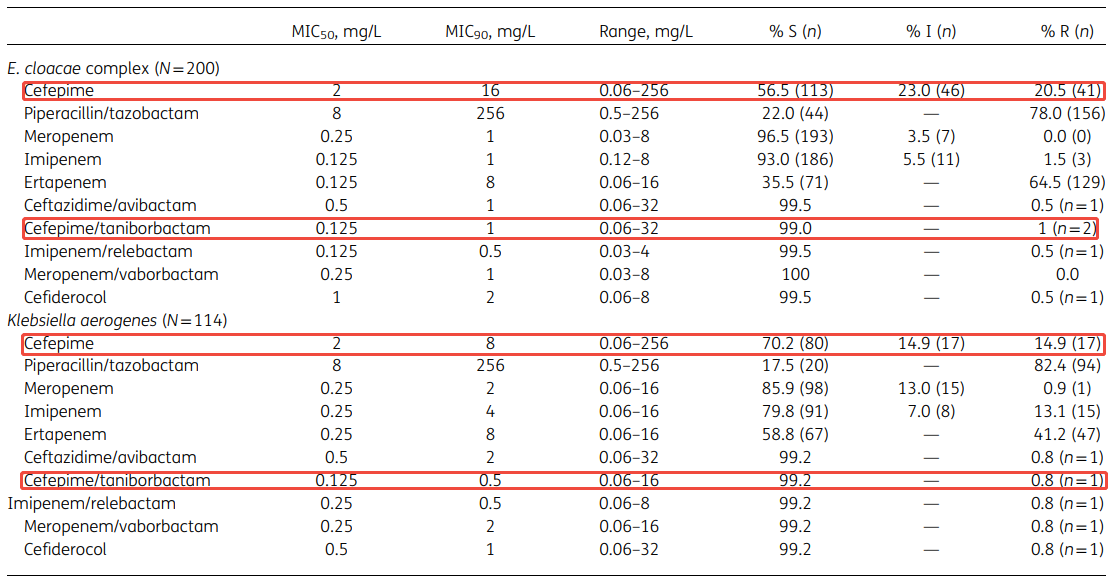
Comparative activity of established versus new-generation β-lactams against AmpC-hyperproducing clinical isolates of Enterobacter cloacae complex and Klebsiella aerogenes: a multicentre study. [Abstract]2026 Feb 2;81(3):dkag034. PMID: 41648989
Cefepime purchased from MedChemExpress. Usage Cited in: J Antimicrob Chemother. 2026 Feb 2;81(3):dkag034. [Abstract]
Activities of new β-lactam/β-lactamase inhibitors (Cefepime, et al.) against AmpC-hyperproducing E. cloacae complex and Klebsiella aerogenes were evaluated.
-
J Antimicrob Chemother
Unravelling the triad of penicillin-binding proteins, β-lactamase activity, and mRNA dynamics in Pseudomonas aeruginosa AmpC induction. [Abstract]2025 Nov 5:dkaf408. PMID: 41206063 -
J Glob Antimicrob Resist
Genomic characterization of carbapenem-resistant Pseudomonas aeruginosa from ICU admission screening in Hanoi, Vietnam, 2023. [Abstract]2025 Jul 7:44:265-271. PMID: 40633763 -
Eur J Clin Microbiol Infect Dis
Cefepime susceptibility testing in AmpC-hyperproducing Enterobacter cloacae complex: limitations of routine methods and a pragmatic diagnostic approach. [Abstract]2026 Jul 18. PMID: 42469484 -
Anim Dis
Pasteurella multocida capsular: lipopolysaccharide types D:L6 and A:L3 remain to be the main epidemic genotypes of pigs in China. [Abstract]2021;1(1):26. PMID: 34778886 -
Infect Genet Evol
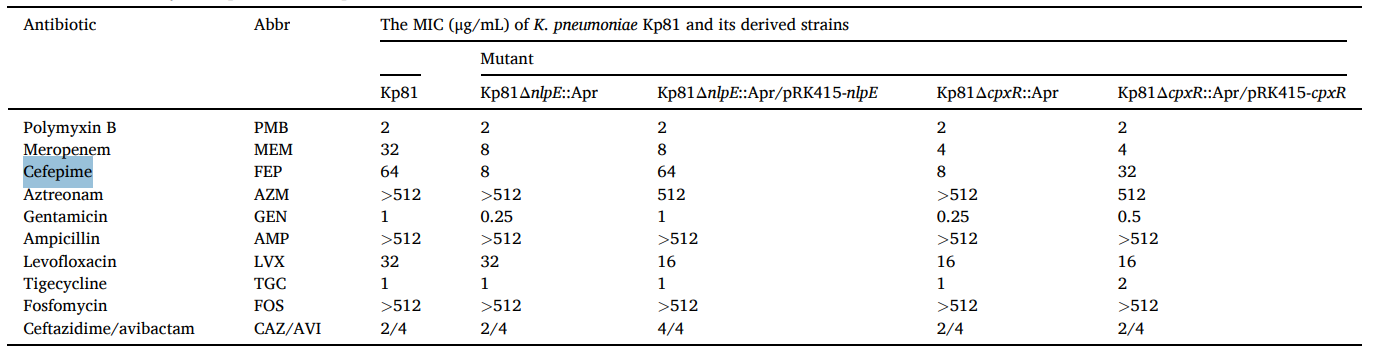
Polymyxin B combined with amikacin delays the resistance of Klebsiella pneumoniae to polymyxin B by modulating the expression of NlpE. [Abstract]2025 Sep:133:105780. PMID: 40480594
Cefepime purchased from MedChemExpress. Usage Cited in: Infect Genet Evol. 2025 Sep:133:105780. [Abstract]
Antibiotic sensitivity of K. pneumoniae Kp81 and its derivatives.
-
Vet Microbiol
Discovery of the tigecycline resistance gene cluster tmexCD3-toprJ1 in Pasteurella multocida strains isolated from pigs in China. [Abstract]2024 May:292:110046. PMID: 38471428
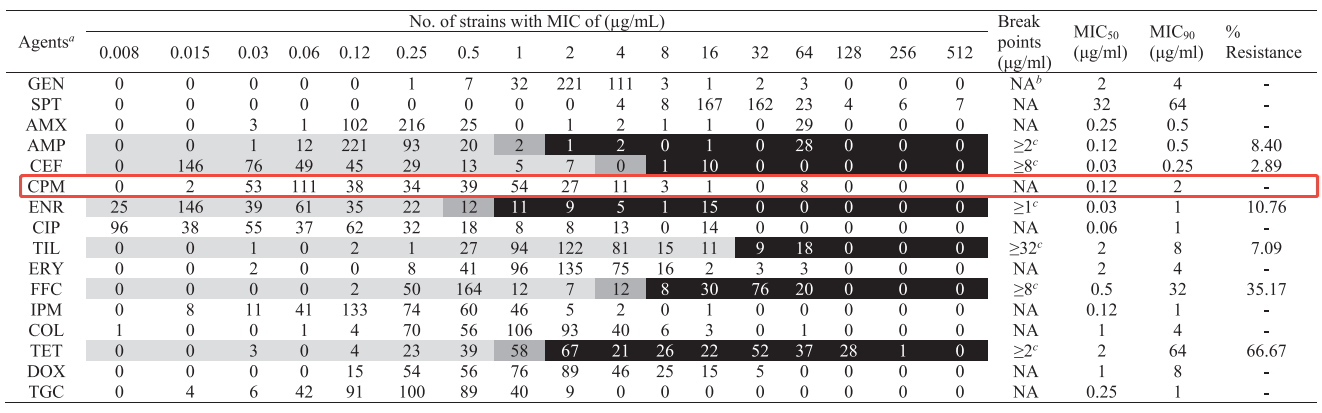
Cefepime purchased from MedChemExpress. Usage Cited in: Vet Microbiol. 2024 May:292:110046. [Abstract]
MICs for 16 antimicrobial agents against 381 strains of P. multocida from pigs. a AMP: ampicillin, AMX: amoxicillin, CEF: ceftiofur, CIP: ciprofloxacin, COL: colistin, CPM: Cefepime, DOX: doxycycline, ENR: enrofloxacin, ERY: erythromycin, FFC: florfenicol, GEN: gentamicin, IPM: imipenem, SPT: spectinomycin, TET: tetracycline, TGC: tigecycline, TIL: tilmicosin. b NA: breakpoint not available. c veterinary-specific breakpoints applicable to porcine P. multocida from CLSI VET01S ED7:2024; light grey shading – susceptible, dark grey shading – intermediate, black shading – resistant.
-
J Antibiot (Tokyo)
Impact of short chain fatty acids (SCFAs) on antimicrobial activity of new β-lactam/β-lactamase inhibitor combinations and on virulence of Escherichia coli isolates. [Abstract]2023 Apr;76(4):225-235. PMID: 36726014
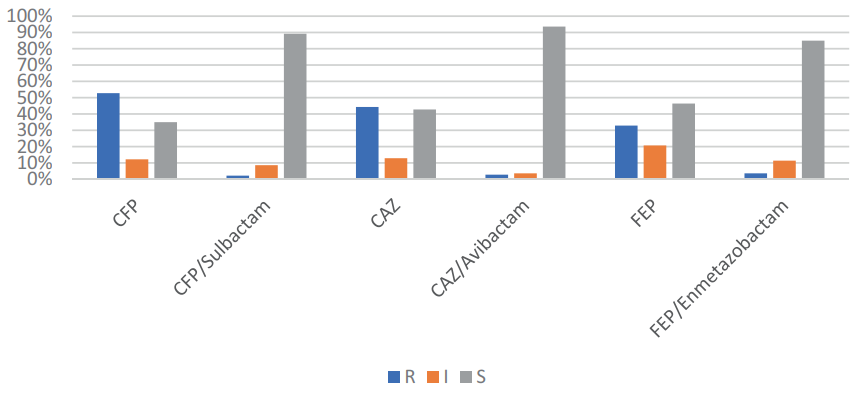
Cefepime purchased from MedChemExpress. Usage Cited in: J Antibiot (Tokyo). 2023 Apr;76(4):225-235. [Abstract]
Susceptibility patterns of E. coli isolates (n = 140) towards different β-Lactams singly and in combination with β-Lactamase inhibitors (CFP Cefoperazone, CAZ Ceftazidime, FEP Cefepime). The results showed that cephalosporins were effective against E. coli isolates at the following rates: cefoperazone (52.9%), ceftazidime (43.5%), and Cefepime (32.1%).
-
J Infect Chemother
Application of epithelial lining fluid drug concentrations to MICi-Based PK/PD modeling of cefepime/nacubactam in a murine model of CPE pneumonia. [Abstract]2025 Dec 8;32(1):102889. PMID: 41371496 -
-
-
-


용액&용해도
In Vitro:
DMSO : 116.67 mg/mL (242.78 mM; Need ultrasonic; Hygroscopic DMSO has a significant impact on the solubility of product, please use newly opened DMSO)
H2O : 100 mg/mL (208.09 mM; Need ultrasonic)
Please refer to the solubility information to select the appropriate solvent. Once prepared, please aliquot and store the solution to prevent product inactivation from repeated freeze-thaw cycles.
Storage method and period of stock solution: -80°C, 6 months; -20°C, 1 month. When stored at -80°C, please use it within 6 months. When stored at -20°C, please use it within 1 month.
* Note: If you choose water as the stock solution, please dilute it to the working solution, then filter and sterilize it with a 0.22 μm filter before use.
Please refer to the solubility information to select the appropriate solvent. Once prepared, please aliquot and store the solution to prevent product inactivation from repeated freeze-thaw cycles.
Storage method and period of stock solution: -80°C, 6 months; -20°C, 1 month. When stored at -80°C, please use it within 6 months. When stored at -20°C, please use it within 1 month.
* Note: If you choose water as the stock solution, please dilute it to the working solution, then filter and sterilize it with a 0.22 μm filter before use.
Concentration (start) × Volume (start) = Concentration (final) × Volume (final)
In Vivo:
Select the appropriate dissolution method based on your experimental animal and administration route.
- For the following dissolution methods, please ensure to first prepare a clear stock solution using an In Vitro approach and then sequentially add co-solvents:
- To ensure reliable experimental results, the clarified stock solution can be appropriately stored based on storage conditions. As for the working solution for In Vivo experiments, it is recommended to prepare freshly and use it on the same day.
- The percentages shown for the solvents indicate their volumetric ratio in the final prepared solution. If precipitation or phase separation occurs during preparation, heat and/or sonication can be used to aid dissolution.
Add each solvent one by one: 10% DMSO 40% PEG300 5% Tween-80 45% Saline
Solubility: ≥ 2.08 mg/mL (4.33 mM); Clear solution
This protocol yields a clear solution of ≥ 2.08 mg/mL (saturation unknown).
Taking 1 mL working solution as an example, add 100 μL DMSO stock solution (20.8 mg/mL) to 400 μL PEG300, and mix evenly; then add 50 μL Tween-80 and mix evenly; then add 450 μL Saline to adjust the volume to 1 mL.
Preparation of Saline: Dissolve 0.9 g sodium chloride in ddH₂O and dilute to 100 mL to obtain a clear Saline solution.
Add each solvent one by one: 10% DMSO 90% (20% SBE-β-CD in Saline)
Solubility: ≥ 2.08 mg/mL (4.33 mM); Clear solution
This protocol yields a clear solution of ≥ 2.08 mg/mL (saturation unknown).
Taking 1 mL working solution as an example, add 100 μL DMSO stock solution (20.8 mg/mL) to 900 μL 20% SBE-β-CD in Saline, and mix evenly.
Preparation of 20% SBE-β-CD in Saline (4°C, storage for one week): 2 g SBE-β-CD powder is dissolved in 10 mL Saline, completely dissolve until clear.
In Vivo Dissolution Calculator
Please enter the basic information of animal experiments:
-
-
-
-
Recommended: Prepare an additional quantity of animals to account for potential losses during experiments.
Working solution concentration: 0.22 mg/mL
This product has good water solubility, please refer to the measured solubility data in water/PBS/Saline for details.

Protocol
-
Gram Staining of Tissue Sections
Gram staining of tissue sections is a histochemical technique used to differentiate Gram-positive and Gram-negative bacteria within histological specimens based on differences in bacterial cell wall structure and dye retention, adapted from classical bacteriological Gram staining into tissue-compatible “histological Gram stain” variants. In tissue applications, modifications of the Brown-Hopps and Brown-Brenn methods are commonly used to improve differentiation of microorganisms embedded within host connective tissue and to reduce overstaining or loss of Gram-negative signal, which are known limitations of earlier approaches. The principle relies on crystal violet-iodine complex retention in Gram-positive organisms and subsequent decolorization and counterstaining steps that allow contrast visualization of Gram-negative organisms against tissue background.


순도&문서
-
Data Sheet (284 KB)
-
SDS (394 KB)
- English - EN (394 KB)
- Français - FR (394 KB)
- Deutsch - DE (394 KB)
- Norwegian - NO (394 KB)
- Español - ES (394 KB)
- Swedish - SV (394 KB)
- Italian - IT (394 KB)
- Korean - KR (394 KB)
- Portuguese - PT (394 KB)
-
Handling Instructions (2659 KB)
References
[1]. Türkeş C, et al. Human serum paraoxonase-1 (hPON1): in vitro inhibition effects of moxifloxacin hydrochloride, levofloxacin hemihidrate, cefepime hydrochloride, cefotaxime sodium and ceftizoxime sodium. J Enzyme Inhib Med Chem. 2015;30(4):622-628. [Content Brief]
[2]. Pais GM, et al. Clinical Pharmacokinetics and Pharmacodynamics of Cefepime. Clin Pharmacokinet. 2022;61(7):929-953. [Content Brief]
[3]. Tanaka A, et al. Convulsive liability of cefepime and meropenem in normal and corneal kindled mice. Antimicrob Agents Chemother. 2014;58(8):4380-4383. [Content Brief]
[4]. Neu HC, et al. The activity of BMY 28142 a new broad spectrum beta-lactamase stable cephalosporin. J Antimicrob Chemother. 1986;17(4):441-452. [Content Brief]


Complete Stock Solution Preparation Table
Please refer to the solubility information to select the appropriate solvent. Once prepared, please aliquot and store the solution to prevent product inactivation from repeated freeze-thaw cycles.
Storage method and period of stock solution: -80°C, 6 months; -20°C, 1 month. When stored at -80°C, please use it within 6 months. When stored at -20°C, please use it within 1 month.
| Optional Solvent | Concentration Solvent Mass | 1 mg | 5 mg | 10 mg | 25 mg |
|---|---|---|---|---|---|
| H2O / DMSO | 1 mM | 2.0809 mL | 10.4045 mL | 20.8091 mL | 52.0226 mL |
| 5 mM | 0.4162 mL | 2.0809 mL | 4.1618 mL | 10.4045 mL | |
| 10 mM | 0.2081 mL | 1.0405 mL | 2.0809 mL | 5.2023 mL | |
| 15 mM | 0.1387 mL | 0.6936 mL | 1.3873 mL | 3.4682 mL | |
| 20 mM | 0.1040 mL | 0.5202 mL | 1.0405 mL | 2.6011 mL | |
| 25 mM | 0.0832 mL | 0.4162 mL | 0.8324 mL | 2.0809 mL | |
| 30 mM | 0.0694 mL | 0.3468 mL | 0.6936 mL | 1.7341 mL | |
| 40 mM | 0.0520 mL | 0.2601 mL | 0.5202 mL | 1.3006 mL | |
| 50 mM | 0.0416 mL | 0.2081 mL | 0.4162 mL | 1.0405 mL | |
| 60 mM | 0.0347 mL | 0.1734 mL | 0.3468 mL | 0.8670 mL | |
| 80 mM | 0.0260 mL | 0.1301 mL | 0.2601 mL | 0.6503 mL | |
| 100 mM | 0.0208 mL | 0.1040 mL | 0.2081 mL | 0.5202 mL |
* Note: If you choose water as the stock solution, please dilute it to the working solution, then filter and sterilize it with a 0.22 μm filter before use.


Cefepime Related Classifications
HY-B0692 Related Classifications
 Powered by Bioz