208 Results for "

topically

" in MedChemExpress (MCE) Product Catalog:
Products (208)

208 Results for "topically" in MCE Product Catalog:

Cat. No.: HY-B1597R
CAS No.: 122-18-9
Synonyms: Benzyldimethylhexadecylammonium chloride (Standard)
Cetalkonium (chloride) (Standard) is the analytical standard of Cetalkonium (chloride). This product is intended for research and analytical applications. Cetalkonium chloride is an ammonium antiseptic agent used in many topical agents for infections of mouth, throat and eye. Cetalkonium chloride acts as anti-inflammatory amphiphilic agent. Cetalkonium chloride is a cationic surfactant, that improves the precorneal residence time and bioavailability of drugs. Cetalkonium chloride interacts with the negative charges on the bacterial cell membrane, disrupts the integrity of the cell membrane, causes leakage of cell contents and ultimately leading to bacterial death .
loading...
    loading...
Cat. No.: HY-111940
CAS No.: 2274819-46-2
Purity:  97.23%
Synonyms: LUT014
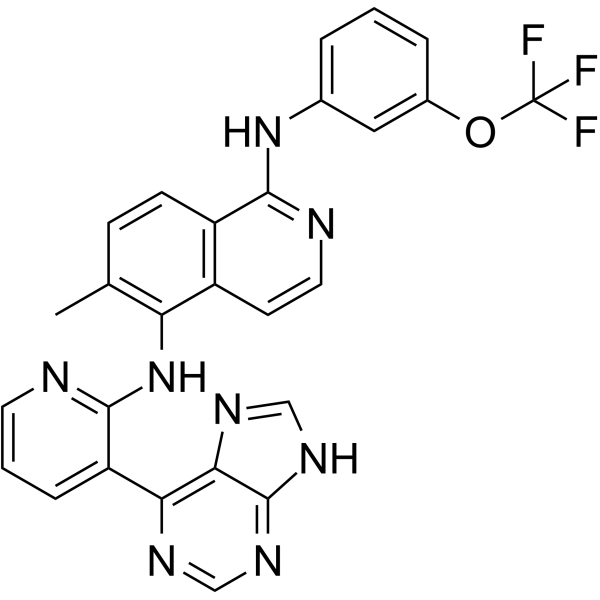
Omzirafenib (LUT014) is a topical inhibitor targeting BRAF that cannot pass through the blood-brain barrier. Omzirafenib inhibits BRAF kinase and abnormally activates the MAPK/ERK signaling pathway, promoting the proliferation of epidermal keratinocytes, repairing skin barrier damage caused by radiation damage, and alleviating inflammatory responses. Omzirafenib is independent of RAS signaling and accelerates the repair and regeneration of damaged skin cells. Omzirafenib can be used to study radiation dermatitis, especially skin damage caused by breast cancer radiotherapy .
loading...
    loading...
Cat. No.: HY-116691R
CAS No.: 74050-20-7
Synonyms: Hydrocortisone 17-propionate 21-acetate (Standard)
Hydrocortisone aceponate (Hydrocortisone 17-propionate 21-acetate) Standard is the analytical standard of Hydrocortisone aceponate (HY-116691). This product is intended for research and analytical applications. Hydrocortisone aceponate (Hydrocortisone 17-propionate 21-acetate) is a diester-based topical glucocorticoid. Hydrocortisone aceponate alleviates symptoms such as erythema, dryness/desquamation, pruritus, epidermal exfoliation, and exudation/crusting. Hydrocortisone aceponate causes extremely few adverse reactions. Hydrocortisone aceponate is applicable to various dermatological disease studies .
loading...
    loading...
Cat. No.: HY-126395
CAS No.: 3536-49-0
Purity:  99.99%
Target:  

Fluorescent Dye

Research Areas:  

Others

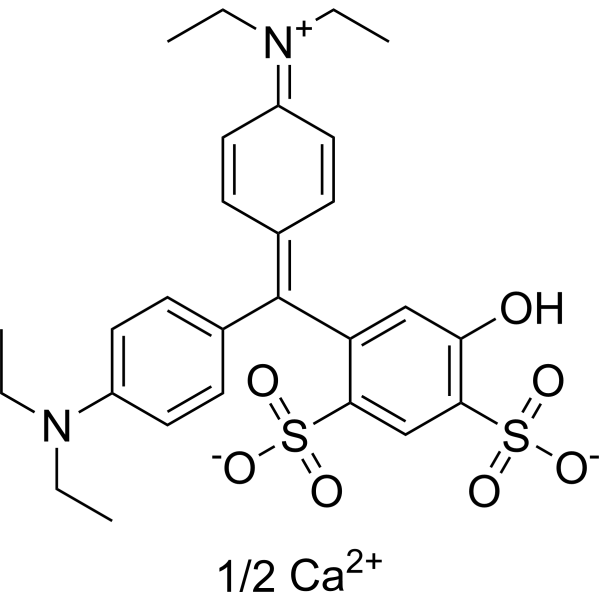
Patent Blue V calcium salt is a triarylmethane dye used for tissue staining and lymphatic tracing, mainly applied by topical injection or eye drops. Patent Blue V calcium salt has affinity for specific tissues (such as corneal endothelium, lymphatic system), and stains the target structure by adsorption or binding, assisting in precise operation during surgery. Patent Blue V calcium salt is mainly used in ophthalmic surgery (such as graft staining for Descemet's membrane endothelial keratoplasty) and lymphatic drainage localization for sentinel lymph node biopsy of tumors .
loading...
    loading...
Cat. No.: HY-171956
CAS No.: 2143080-91-3
Target:  

Proteasome Parasite

Research Areas:  

Infection

Carmaphycin-17 (CP-17) is a selective 20S proteasome inhibitor with an EC50 of 217 ?nM. Carmaphycin-17 has potent antimicrobial activity against Trichomonas vaginalis. Carmaphycin-17 overcomes Metronidazole (HY-B0318) resistance and significantly reduces parasite burden upon topical treatment without any apparent adverse effects in vaginal trichomonad infection mice model. Carmaphycin-17 can be used for sexually transmitted disease like trichomoniasis research .
loading...
    loading...
Cat. No.: HY-183367
CAS No.: 1504587-21-6
Research Areas:  

Inflammation/Immunology

Anti-inflammatory agent 115 is a potent anti-inflammatory agent. Anti-inflammatory agent 115 reduces secretion of myeloperoxidase (MPO), TNF-α, IL-1β, and IL-6. Anti-inflammatory agent 115 decreases ear tissue thickness and neutrophil infiltration in 12-O-tetradecanoylphorbol-13-acetate (TPA) (HY-18739)-induced topical edema in mice. Anti-inflammatory agent 115 can be used for the research of inflammatory diseases .
loading...
    loading...
Cat. No.: HY-B1419
CAS No.: 90-01-7
Synonyms: 2-Hydroxybenzyl alcohol; Saligenin
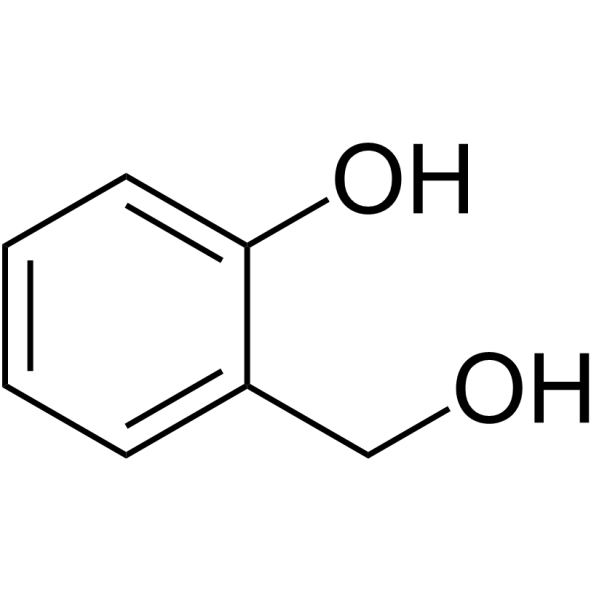
Salicyl alcohol (2-Hydroxybenzyl alcohol; Saligenin) is a phenolic alcohol-type topical anesthetic and strong sensitizer with antiseptic, antibacterial and antipyretic activities. Salicyl alcohol serves as a precursor for salicin synthesis. Salicyl alcohol induces contact dermatitis and eczematous skin reactions, and is a well-known allergen identified in phenolic resins. Salicyl alcohol is isolated from the barks of European aspen (Populus tremula), rowan (Sorbus aucuparia) and willow (Salix spp.). Salicyl alcohol is used in studies related to allergic contact dermatitis .
loading...
    loading...
Cat. No.: HY-DY1019
CAS No.: 186689-07-6
2-NBDG (solution) is a fluorescently-labeled deoxyglucose analog that is used primarily to directly monitor glucose uptake by living cells and tissues. It is also used as a topical contrast reagent for the detection of neoplasia. 2-NBDG can be used in real-time confocal, high-resolution, or wide-field fluorescence microscopy as well as in flow cytometry. The probe can be excited by the Argon laser at 488 nm to give the environment-sensitive fluorescence. It has lower photostability than the rhodamine-based fluorescent probes.
Solvent and Concentration: Sterile PBS: 5 mM
loading...
    loading...
Cat. No.: HY-W724344
Synonyms: Benzyldimethylhexadecylammonium-d5 chloride
Cetalkonium-d5 chloride (Benzyldimethylhexadecylammonium-d5 chloride) is the deuterium labeled Cetalkonium chloride (HY-B1597). Cetalkonium chloride is an ammonium antiseptic agent used in many topical agents for infections of mouth, throat and eye. Cetalkonium chloride acts as anti-inflammatory amphiphilic agent. Cetalkonium chloride is a cationic surfactant, that improves the precorneal residence time and bioavailability of drugs. Cetalkonium chloride interacts with the negative charges on the bacterial cell membrane, disrupts the integrity of the cell membrane, causes leakage of cell contents and ultimately leading to bacterial death .
loading...
    loading...
Cat. No.: HY-B1319R
CAS No.: 637-58-1
Synonyms: Pramoxine hydrochloride (Standard)
Research Areas:  

Neurological Disease

Pramocaine (Pramoxine) hydrochloride (Standard) is the analytical standard of Pramocaine hydrochloride (HY-B1319). This product is intended for research and analytical applications. Pramocaine hydrochloride is a topical surface anesthetic and antipruritic agent. Pramocaine hydrochloride reversibly inhibits voltage-gated sodium channel, reduces transmembrane permeability of sodium ions, stabilizes cell membranes, prevents depolarization, blocks action potential conduction, and inhibits peripheral slow C-fiber pathways associated with pain, pruritus and thermoception. Pramocaine hydrochloride can be used in research related to chronic pruritus, renal pruritus, atopic dermatitis, xerotic pruritus, uremic pruritus, and cutaneous hyperalgesia/pain .
loading...
    loading...
Cat. No.: HY-N7123R
CAS No.: 144-80-9
Synonyms: Sulphacetamide (Standard)
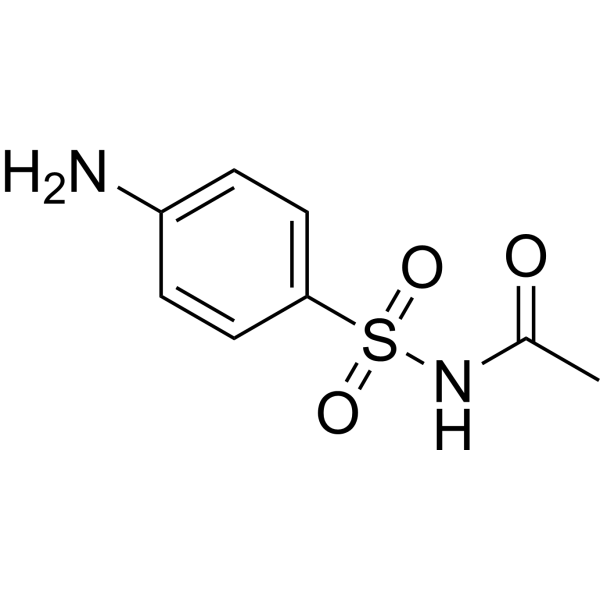
Sulfacetamide (Standard) (Sulphacetamide (Standard)) is the analytical standard of Sulfacetamide (HY-N7123). This product is intended for research and analytical applications. Sulfacetamide (Sulphacetamide) is a sulfonamide antibiotic. Sulfacetamide has antifungal and antibacterial activities. Sulfacetamide is employed as a topical formulation in various ophthalmic, dermatological, and hair solutions against bacterial infections, acne and scalp conditions. Sulfacetamide targets bacterial folic acid synthesis and is effective against various gram-positive and gram-negative bacteria. Sulfacetamide inhibits the synthesis of both dihydro-folic acid and para-aminobenzoic acid. Sulfacetamide can be used for the study of ocular infections .
loading...
    loading...
Cat. No.: HY-W127575
CAS No.: 747-90-0
Synonyms: delta-3,5-Cholestadiene
Target:  

PI3K Akt

Research Areas:  

Inflammation/Immunology

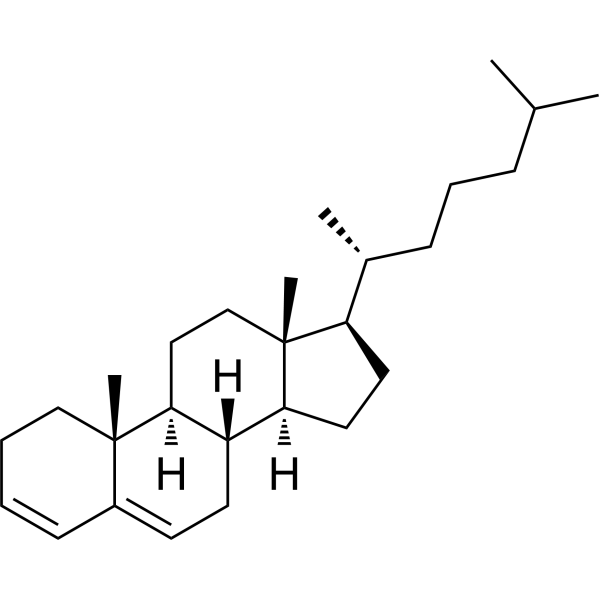
Cholesta-3,5-diene is an inflammatory modulator that targets immune cells such as neutrophils and accelerates wound healing by promoting neutrophil chemotaxis and fibroblast migration. Cholesta-3,5-diene enhances immune cell recruitment and extracellular matrix deposition by activating chemokine receptor-mediated signaling pathways such as PI3K/Akt. Cholesta-3,5-diene can be applied topically to wound repair and has potential therapeutic value in chronic ulcers or skin lesions .
loading...
    loading...
Cat. No.: HY-14648AR
CAS No.: 1177-87-3
Purity:  98.93%
Synonyms: Dexamethasone 21-acetate (Standard); Hexadecadrol acetate (Standard)
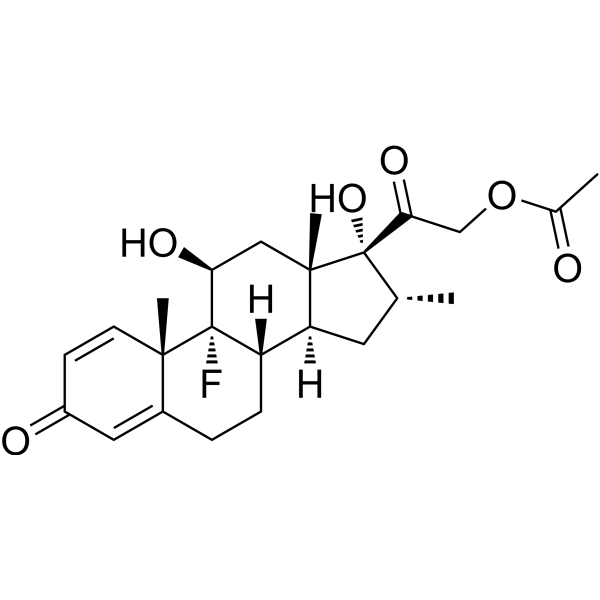
Dexamethasone acetate (Standard) (Dexamethasone 21-acetate (Standard)) is the analytical standard of Dexamethasone acetate (HY-14648A). This product is intended for research and analytical applications. Dexamethasone acetate (Dexamethasone 21-acetate) is the acetate form of the glucocorticoid Dexamethasone (HY-14648). Dexamethasone acetate has a longer duration of action than Dexamethasone. Dexamethasone acetate can accumulate at inflammatory sites, in mouse liver and mouse lung via nanostructured lipid carriers. Dexamethasone acetate can be used to prepare topical formulations for studies related to sensorineural hearing loss, γ-carrageenan-induced paw edema, chronic active hepatitis, pulmonary diseases, and inflammation after vitreoretinal surgery.
loading...
    loading...
Cat. No.: HY-165061
CAS No.: 7019-85-4
Synonyms: Sciadonic acid
Target:  

Apolipoprotein

Research Areas:  

Inflammation/Immunology

5(Z),11(Z),14(Z)-Eicosatrienoic acid (Sciadonic acid), a polyunsaturated fatty acid sourced from maritime pine seed oil, gymnospermae leaves and seeds, and freshwater gastropods, has been shown to reduce high-density lipoprotein and ApoA1 levels in transgenic mice expressing human ApoA1 when included in their diet. In vitro studies indicate that it diminishes cholesterol efflux, and when applied topically in its methyl ester form, it alleviates inflammatory processes, likely by displacing arachidonic acid from phospholipid pools and lowering concentrations of downstream inflammatory mediators such as prostaglandin E2 and leukotrienes.
loading...
    loading...
Cat. No.: HY-B1319S1
Synonyms: Pramoxine-d9 hydrochloride
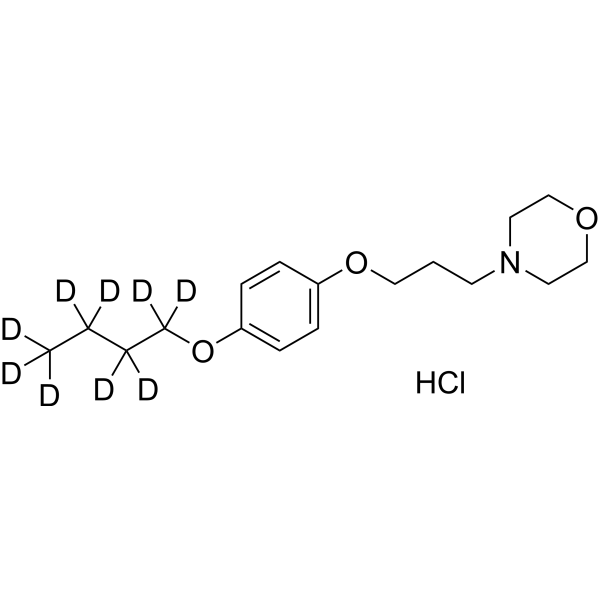
Pramocaine-d9 (Pramoxine-d9) hydrochloride is the d9-labeled Pramocaine hydrochloride (HY-B1319). Pramocaine hydrochloride is a topical surface anesthetic and antipruritic agent. Pramocaine hydrochloride reversibly inhibits voltage-gated sodium channel, reduces transmembrane permeability of sodium ions, stabilizes cell membranes, prevents depolarization, blocks action potential conduction, and inhibits peripheral slow C-fiber pathways associated with pain, pruritus and thermoception. Pramocaine hydrochloride can be used in research related to chronic pruritus, renal pruritus, atopic dermatitis, xerotic pruritus, uremic pruritus, and cutaneous hyperalgesia/pain .
loading...
    loading...
Cat. No.: HY-W013762
CAS No.: 77-94-1
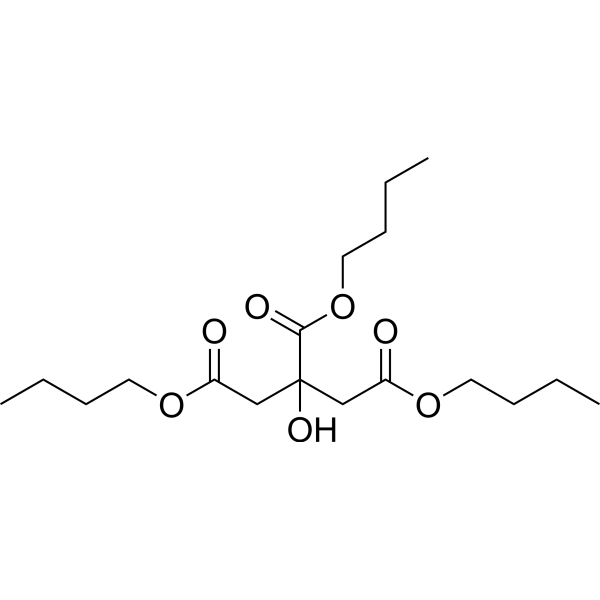
Tributyl citrate is a low-toxicity and orally active citrate ester with no genotoxicity or skin sensitizing activity. Tributyl citrate also acts as a plasticizer, solvent, FDA-approved indirect food additive, and topical anesthetic, among other uses. Tributyl citrate induces a needle-prick insensitivity response that lasts for more than 2 hours, and a 5% suspension of it temporarily eliminates the corneal reflex in rabbits. Tributyl citrate causes no significant systemic toxicity in rats and cats at most tested doses, and only may cause growth retardation and gastrointestinal reactions such as diarrhea and nausea at high doses or with repeated oral administration .
loading...
    loading...
Cat. No.: HY-W744577
Synonyms: Dexamethasone 21-acetate-d5; Hexadecadrol acetate-d5
Dexamethasone acetate-d5 (Dexamethasone 21-acetate-d5; Hexadecadrol acetate-d5) is the deuterium labeled Dexamethasone acetate (HY-14648A). Dexamethasone acetate (Dexamethasone 21-acetate) is the acetate form of the glucocorticoid Dexamethasone (HY-14648). Dexamethasone acetate has a longer duration of action than Dexamethasone. Dexamethasone acetate can accumulate at inflammatory sites, in mouse liver and mouse lung via nanostructured lipid carriers. Dexamethasone acetate can be used to prepare topical formulations for studies related to sensorineural hearing loss, γ-carrageenan-induced paw edema, chronic active hepatitis, pulmonary diseases, and inflammation after vitreoretinal surgery.
loading...
    loading...
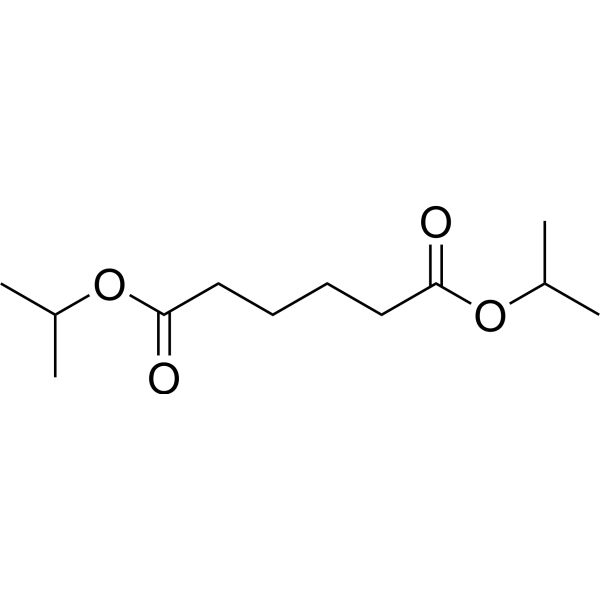
Cat. No.: HY-134098
CAS No.: 6938-94-9
Purity:  ≥98.0%
Synonyms: Adipic acid diisopropyl ester
Research Areas:  

Others

Diisopropyl adipate is an alternative plasticizer and a TRPA1 activator. Diisopropyl adipate activates TRPA1 and enhances FITC-induced contact hypersensitivity (CHS).Diisopropyl adipate also serves as an ingredient in cosmetics and drug formulations topically applied to the skin. Diisopropyl adipate can be used as an excipient, such as emollients, plasticizers. Pharmaceutical excipients, or pharmaceutical auxiliaries, refer to other chemical substances used in the pharmaceutical process other than pharmaceutical ingredients. Pharmaceutical excipients generally refer to inactive ingredients in pharmaceutical preparations, which can improve the stability, solubility and processability of pharmaceutical preparations. Pharmaceutical excipients also affect the absorption, distribution, metabolism, and elimination (ADME) processes of co-administered drugs .
loading...
    loading...
Cat. No.: HY-133079
CAS No.: 183476-82-6
Purity:  ≥98.0%
Synonyms: tetra-isopalmitoyl Ascorbic acid; IPAA; Tetrahexyldecyl Ascorbate
Research Areas:  

Endocrinology

Ascorbyl tetra-2-hexyldecanoate (tetra-isopalmitoyl Ascorbic acid; IPAA) is a lipophilic derivative of vitamin C (L-ascorbic acid). Ascorbyl tetra-2-hexyldecanoate (100 μM ) can prevent the decrease in viability of HaCaT keratinocytes induced by UVB, hydrogen peroxide, or tert-butyl hydroperoxide, and reduce the production of IL-1α and prostaglandin E2 (PGE2). Topical application of ascorbyl tetra-2-hexyldecanoate (1%) increases epidermal viability thickness, stratum corneum water content, and skin smoothness, and reduces skin roughness in hairless mice. Ascorbyl tetra-2-hexyldecanoate can be used to develop skin whitening agents in the beauty industry.
loading...
    loading...
Cat. No.: HY-W013762R
CAS No.: 77-94-1
Research Areas:  

Others

Tributyl citrate (Standard) is the analytical standard of Tributyl citrate. This product is intended for research and analytical applications. Tributyl citrate is a low-toxicity and orally active citrate ester with no genotoxicity or skin sensitizing activity. Tributyl citrate also acts as a plasticizer, solvent, FDA-approved indirect food additive, and topical anesthetic, among other uses. Tributyl citrate induces a needle-prick insensitivity response that lasts for more than 2 hours, and a 5% suspension of it temporarily eliminates the corneal reflex in rabbits. Tributyl citrate causes no significant systemic toxicity in rats and cats at most tested doses, and only may cause growth retardation and gastrointestinal reactions such as diarrhea and nausea at high doses or with repeated oral administration .
loading...
    loading...

