2479 Results for "

Acinetobacter strain T5

" in MedChemExpress (MCE) Product Catalog:
Products (2479)

2479 Results for "Acinetobacter strain T5" in MCE Product Catalog:

Cat. No.: HY-154341
CAS No.: 2095417-30-2
Domaines de recherche:  

Others

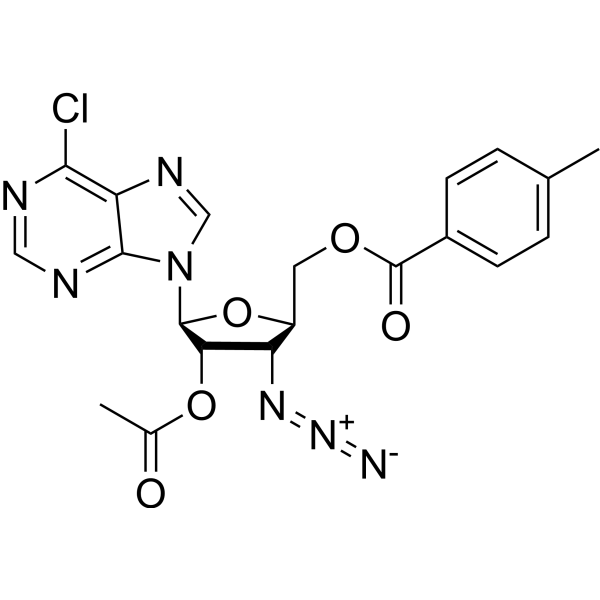
9-[2'-O-Acetyl-3'-azido-3'-deoxy-5'-O-toluoyl-b-L-ribofuranosyl)-6-chloropurine is a purine nucleoside analog. Purine nucleoside analogs have broad antitumor activity targeting indolent lymphoid malignancies. Anticancer mechanisms in this process rely on inhibition of DNA synthesis, induction of apoptosis, etc . 9-[2'-O-Acetyl-3'-azido-3'-deoxy-5'-O-toluoyl-b-L-ribofuranosyl)-6-chloropurine is a click chemistry reagent, it contains an Azide group and can undergo copper-catalyzed azide-alkyne cycloaddition reaction (CuAAc) with molecules containing Alkyne groups. It can also undergo strain-promoted alkyne-azide cycloaddition (SPAAC) reactions with molecules containing DBCO or BCN groups.
loading...
    loading...
Cat. No.: HY-154678
CAS No.: 1333126-30-9
Domaines de recherche:  

Cancer

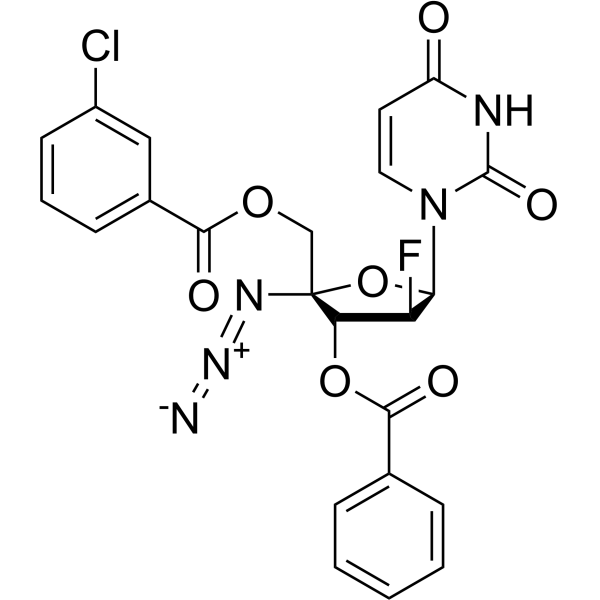
4’-Azido-3’-O-benzoyl-5’-O-(m-chlorobenzoyl)-2’-deoxy-2’-fluoro-beta-D-arabinouridine is a purine nucleoside analog. Purine nucleoside analogs have broad antitumor activity targeting indolent lymphoid malignancies. Anticancer mechanisms in this process rely on inhibition of DNA synthesis, induction of apoptosis, etc . 4’-Azido-3’-O-benzoyl-5’-O-(m-chlorobenzoyl)-2’-deoxy-2’-fluoro-beta-D-arabinouridine is a click chemistry reagent, it contains an Azide group and can undergo copper-catalyzed azide-alkyne cycloaddition reaction (CuAAc) with molecules containing Alkyne groups. It can also undergo strain-promoted alkyne-azide cycloaddition (SPAAC) reactions with molecules containing DBCO or BCN groups.
loading...
    loading...
Cat. No.: HY-181888
Target:  

HIV HIV Protease

Domaines de recherche:  

Infection

GRL-142 is a potent HIV-1 protease inhibitor capable of crossing the blood-brain barrier. GRL-142 exhibits extremely high inhibitory activity against both wild-type and multidrug-resistant strains (IC50=0.0094 nM). GRL-142 acts synergistically with the P2/P2' segments via a unique scaffold binding mechanism, utilizes fluorine-mediated stable interactions to maintain its bioactive conformation, adapts to p51 HIV-1 protease mutants, and maintains the flap-closed state by directly acting on the flap tip residues. GRL-142 disrupts the flap-water hydrogen bond network of wild-type protease, thereby effectively blocking viral replication. GRL-142 can be used to study HIV-1 infection and the associated neurocognitive disorder (HAND) .
loading...
    loading...
Cat. No.: HY-187563
Domaines de recherche:  

Infection

RNP-11 is a selective COX-2 inhibitor with an IC50 of 42.85 μg/mL against human COX-2, and also acts as a bactericide and anti-inflammatory agent. RNP-11 inhibits the production of pro-inflammatory cytokines (IL-6, TNF-α, IL-1β, disrupts bacterial cell membranes and induces bacterial cell death. RNP-11 exhibits activity against strains of Staphylococcus and Enterococcus, including Methicillin (HY-121544)-resistant Staphylococcus aureus and Vancomycin (HY-B0671)-resistant Enterococcus faecium. RNP-11 reduces the load of Staphylococcus aureus, exerting dual effects of pathogen clearance and inflammatory response alleviation in a mouse skin infection model,. RNP-11 can be used in research related to infections caused by Staphylococcus, Staphylococcus aureus and Enterococcus faecium .
loading...
    loading...
Cat. No.: HY-42489
CAS No.: 252881-73-5
Domaines de recherche:  

Cancer

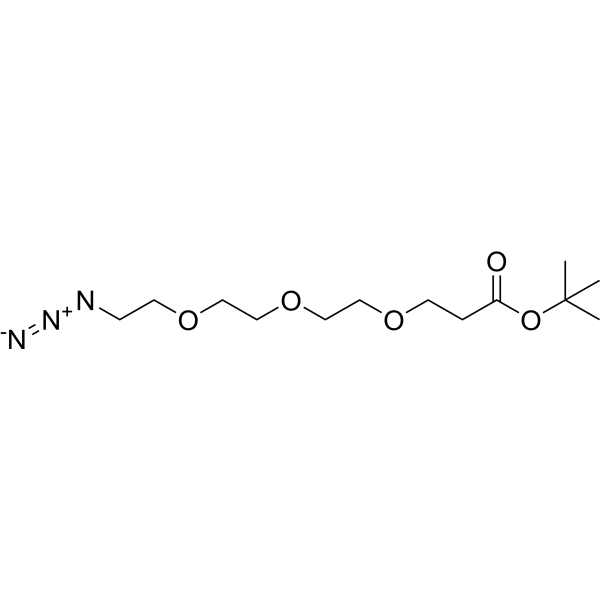
N3-PEG3-CH2CH2-Boc is a cleavable 3 unit PEG ADC linker used in the synthesis of antibody-drug conjugates (ADCs) . N3-PEG3-CH2CH2-Boc is also a PEG- and Alkyl/ether-based PROTAC linker that can be used in the synthesis of PROTACs . N3-PEG3-CH2CH2-Boc is a click chemistry reagent, it contains an Azide group and can undergo copper-catalyzed azide-alkyne cycloaddition reaction (CuAAc) with molecules containing Alkyne groups. It can also undergo strain-promoted alkyne-azide cycloaddition (SPAAC) reactions with molecules containing DBCO or BCN groups.
loading...
    loading...
Cat. No.: HY-42490
CAS No.: 1056024-94-2
Domaines de recherche:  

Inflammation/Immunology Cancer

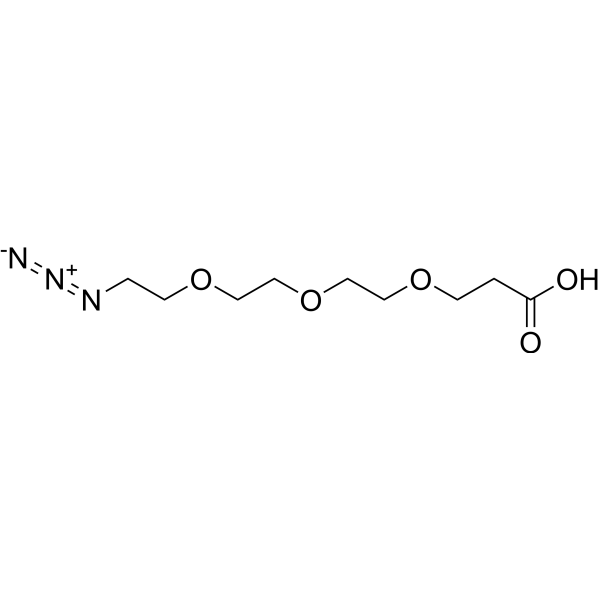
N3-PEG3-CH2CH2COOH a PEG-based PROTAC linker can be used in the synthesis of BI-3663 (HY-111546), BI-4216 and BI-0319. Azido-PEG3-acid is also a non-cleavable 3 unit PEG ADC linker used in the synthesis of antibody-drug conjugates (ADCs). N3-PEG3-CH2CH2COOH is a click chemistry reagent, it contains an Azide group and can undergo copper-catalyzed azide-alkyne cycloaddition reaction (CuAAc) with molecules containing Alkyne groups. It can also undergo strain-promoted alkyne-azide cycloaddition (SPAAC) reactions with molecules containing DBCO or BCN groups.
loading...
    loading...
Cat. No.: HY-N1050
CAS No.: 7727-79-9
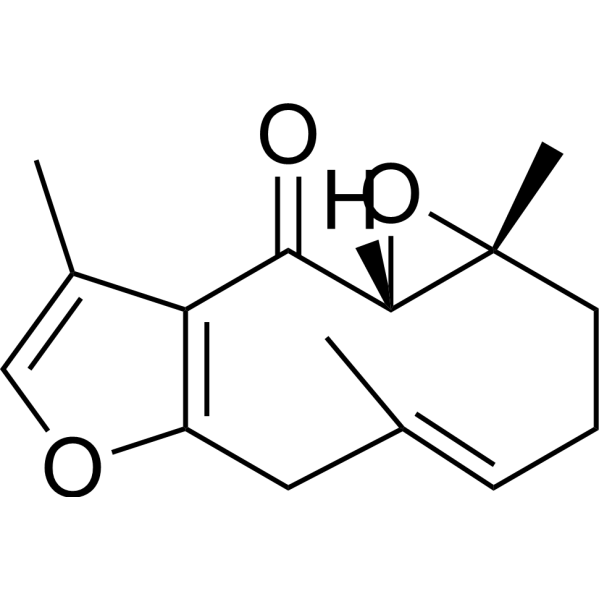
Zederone is a sesquiterpene. Zederone inhibits ovarian cancer cell proliferation through mTOR/p70s6K signalling pathway. Zederone inhibits CYP activities with IC50s of 2.9 μM (CYP2B6), 9.2 μM (CYP2C9), 11,2 μM (CYP2C19) and >30 μM (CYP1A2 and CYP2D6). Zederone is hepatotoxic with LD50 value at 24 hours in mice of approximately 223 mg/kg and cytotoxic against the KG1a cell line. Zederone shows antibacterial activity against a number of multi-drug resistant and Methicillin (HY-121544)-resistant Staphylococcus aureus strain. Zederone shows cognition improving capacity and assists in the modulation of gut bacterial dysbiosis .
loading...
    loading...
Cat. No.: HY-P11102
CAS No.: 1065010-73-2
Domaines de recherche:  

Infection Cancer

Temporin-Sha is an antibacterial peptide with extensive biological activity. Temporin-Sha exhibits broad-spectrum antibacterial activity (e.g., against L. ivanovii, MIC = 6.25 μM), and is effective against Gram-negative bacteria (such as Escherichia coli, MIC = 10 μM), including drug-resistant strains (such as Methicillin (HY-121544)-resistant Staphylococcus aureus). Temporin-Sha also has inhibitory effects on Candida albicans (MIC = 25 μM), Saccharomyces cerevisiae (MIC = 12 μM), the pre-flagellated and non-flagellated forms of Leishmania infantum (IC50 = 5-20 μM), and Trypanosoma cruzi (IC50 = 17 μM). Temporin-Sha exhibits antiviral activity against HSV-1 and has anti-cancer effects (cytotoxicity against breast cancer cells MCF-7 and lung cancer cells H460, etc.) .
loading...
    loading...
Cat. No.: HY-P1837
CAS No.: 186302-15-8
Target:  

Influenza Virus HSV

Domaines de recherche:  

Infection

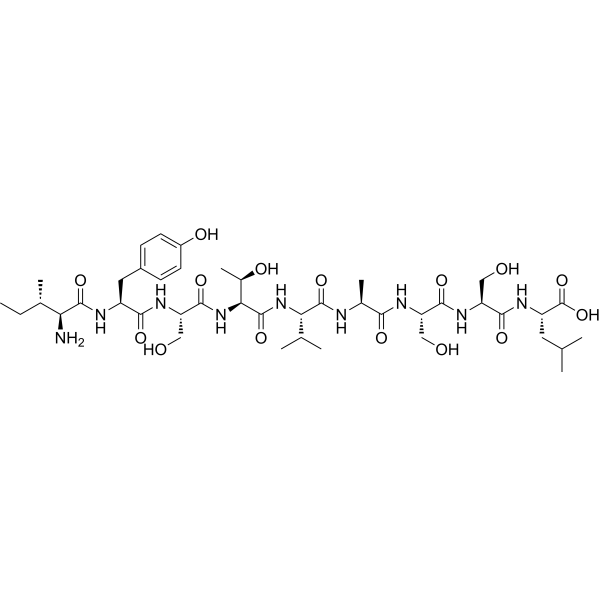
Influenza HA (518-526) is an H-2d-restricted CTL epitope derived from influenza virus hemagglutinin. Influenza HA (518-526) is highly conserved across various H5N1, some H9N2, and H1N1 strains. Influenza HA (518-526) binds to the mouse MHC class I allele K d to form a complex, which is then recognized by specific CD8 + T cells. Influenza HA (518-526) is an immunodominant epitope in influenza-infected BALB/c mice, and it stimulates CD8 + T cells to secrete IFN-γ to induce a robust immune response. Currently, Influenza HA (518-526) is widely used in research related to respiratory syncytial virus (RSV), influenza virus, and H5N1 influenza .
loading...
    loading...
Cat. No.: HY-W031757R
CAS No.: 117-78-2
Anthraquinone-2-carboxylic acid (Standard) is the analytical standard of Anthraquinone-2-carboxylic acid (HY-W031757). This product is intended for research and analytical applications. Anthraquinone-2-carboxylic acid is an orally active anthraquinone compound and Antibacterial agent. Anthraquinone-2-carboxylic acid can be isolated from Bajitian. Anthraquinone-2-carboxylic acid inhibits the activation of DPP-IV, COX-2, NF-κB and AP-1. Anthraquinone-2-carboxylic acid blocks IAV-induced activation of the RIG-I/STAT1 pathway, alleviates IAV-mediated weight loss, and protects against lethal IAV infection. Anthraquinone-2-carboxylic acid inhibits the growth of various Staphylococcus strains. It possesses potent anti-inflammatory, immunomodulatory, analgesic and antibacterial activities .\n


loading...
    loading...
Cat. No.: HY-W039939
CAS No.: 56883-39-7
Synonyms: 2-ADG, 98%
2-Azido-2-deoxy-D-glucose, 98% (2-ADG, 98%) is a substrate of O-GlcNAc transferase (OGT). 2-Azido-2-deoxy-D-glucose, 98% can be transferred from UDP-GlcAz to proteins in vitro via OGT mediation. When delivered as AcGlcAz, 2-Azido-2-deoxy-D-glucose, 98% enables the labeling and investigation of O-GlcNAc-modified nuclear and cytoplasmic proteins in cells. 2-Azido-2-deoxy-D-glucose, 98% undergoes strain-promoted [3+2] azide-alkyne cycloaddition (SPAAC) with technetium- 99m-labeled dibenzocyclooctyne derivatives in vivo. 2-Azido-2-deoxy-D-glucose, 98% can be used in sarcoma-related research .
loading...
    loading...
Cat. No.: HY-W127719
CAS No.: 96087-38-6
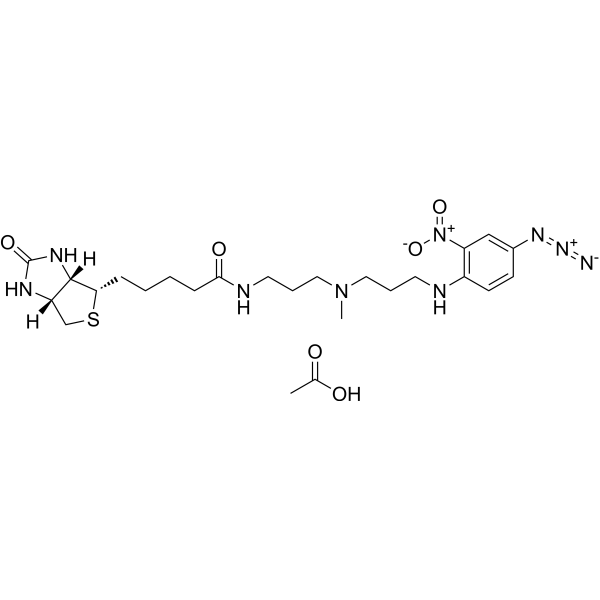
Photobiotin (acetate)It is a biological probe used to study biochemical processes such as protein interactions and enzymatic reactions. It is a molecule containing a photosensitive group, which can be combined with specific target molecules (such as proteins, nucleic acids, etc.) through photochemical cross-linking technology, so as to realize the labeling and detection of these molecules. During the photosensitive crosslinking process, Photobiotin (acetate)Can participate in the formation of covalent bonds and form stable compounds. In addition, the compound also has high biocompatibility and biological activity, so it is widely used in the field of biomedical research, such as enzymatic research, proteomics, western blotting and other aspects. Photobiotin (acetate) is a click chemistry reagent, it contains an Azide group and can undergo copper-catalyzed azide-alkyne cycloaddition reaction (CuAAc) with molecules containing Alkyne groups. It can also undergo strain-promoted alkyne-azide cycloaddition (SPAAC) reactions with molecules containing DBCO or BCN groups.
loading...
    loading...
Cat. No.: HY-103601R
CAS No.: 1797406-81-5
Synonyms: VH032-PEG4-N3 (Standard); VHL Ligand-Linker Conjugates 5 (Standard); E3 ligase Ligand-Linker Conjugates 4 (Standard)
Domaines de recherche:  

Others

(S,R,S)-AHPC-PEG4-N3 (Standard) is the analytical standard of (S,R,S)-AHPC-PEG4-N3 (HY-103601). This product is intended for research and analytical applications. (S,R,S)-AHPC-PEG4-N3 is a synthesized E3 ligase ligand-linker conjugate that incorporates the (S,R,S)-AHPC based VHL ligand and 4-unit PEG linker used in PROTAC technology. (S,R,S)-AHPC-PEG4-N3 is a click chemistry reagent, it contains an Azide group and can undergo copper-catalyzed azide-alkyne cycloaddition reaction (CuAAc) with molecules containing Alkyne groups. It can also undergo strain-promoted alkyne-azide cycloaddition (SPAAC) reactions with molecules containing DBCO or BCN groups.
loading...
    loading...
Cat. No.: HY-131027
Pureté:  99.87%
Synonyms: JF646, Azide
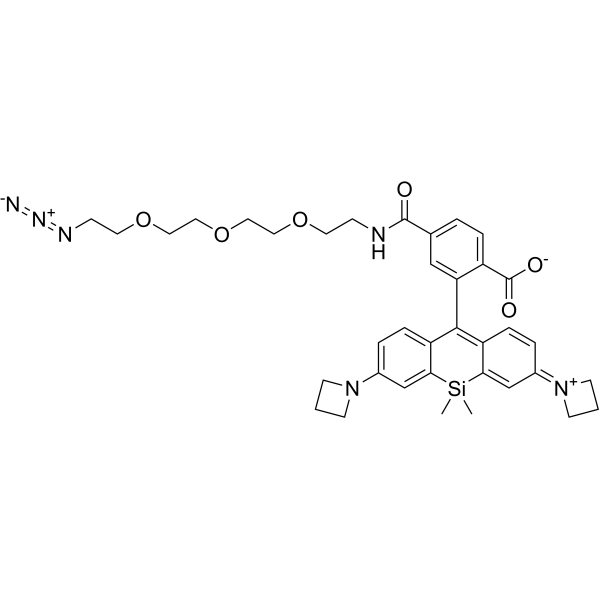
Janelia Fluor 646, Azide (JF646, Azide) is a red fluorogenic fluorescent dye containing a click chemistry group Azide. Janelia Fluor 646, Azide can be used for live-cell imaging experiments . Janelia Fluor fluorescent dyes can be chemically conjugated to the specific HaloTag substrate (a chloroalkane ligand) to form a fluorescent ligand, rather than binding directly to the HaloTag protein itself. Janelia Fluor products are licensed under U.S. Pat. Nos. 9,933,417, 10,018,624 and 10,161,932 and other patents from Howard Hughes Medical Institute. Janelia Fluor 646, Azide is a click chemistry reagent, it contains an Azide group and can undergo copper-catalyzed azide-alkyne cycloaddition reaction (CuAAc) with molecules containing Alkyne groups. It can also undergo strain-promoted alkyne-azide cycloaddition (SPAAC) reactions with molecules containing DBCO or BCN groups (Ex/Em = 646/664 nm).
loading...
    loading...
Cat. No.: HY-151791
CAS No.: 2300155-90-0
Target:  

ADC Linkers

Domaines de recherche:  

Others

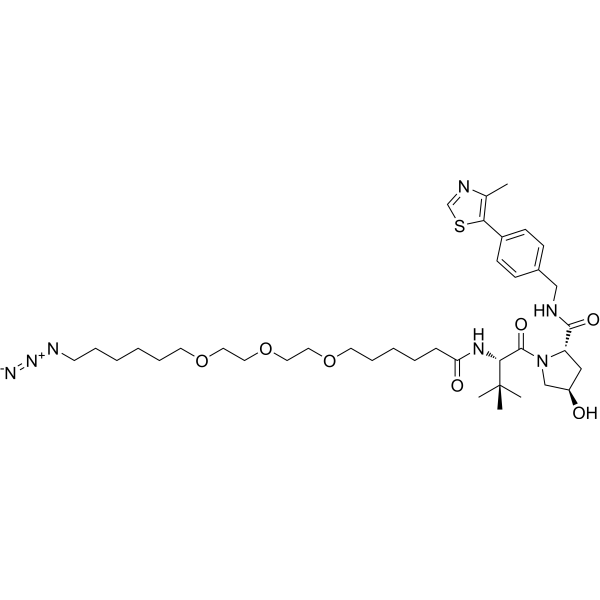
(S,R,S)-AHPC-C6-PEG3-butyl-N3 is a click chemistry reagent containing an azide group. (S,R,S)-AHPC-C6-PEG3-butyl-N3 serves as crosslinker-E3 ligase ligand conjugate, Click reactive protein degrader building block for PROTAC research, Template for synthesis of targeted protein degrader, VH032 conjugate . (S,R,S)-AHPC-C6-PEG3-butyl-N3 is a click chemistry reagent, it contains an Azide group and can undergo copper-catalyzed azide-alkyne cycloaddition reaction (CuAAc) with molecules containing Alkyne groups. It can also undergo strain-promoted alkyne-azide cycloaddition (SPAAC) reactions with molecules containing DBCO or BCN groups.
loading...
    loading...
Cat. No.: HY-180269
Domaines de recherche:  

Infection

Anti-Influenza agent 10 (Compound 41) is an influenza A virus RNA-dependent RNA polymerase (RdRp) inhibitor. Anti-Influenza agent 10 exhibits potent antiviral activity against A/PR/8/34(H1N1) with an IC50 of 0.29μM and a KD of 4.11 μM. Anti-Influenza agent 10 can inhibit the assembly of the viral RdRp complex by disrupting the protein interaction between PA and PB1 subunits, thereby blocking the transcription and replication of the viral genome. Anti-Influenza agent 10 shows significant broad-spectrum effects on multiple influenza virus strains, such as H3N2, H3N8 and H9N2 with IC50 values of 3.96, 1.91 and 1.45 μM. Anti-Influenza agent 10 can be used for the research of influenza A Virus Infection .
loading...
    loading...
Cat. No.: HY-183393
CAS No.: 1798292-13-3
Target:  

mTOR Fungal

Domaines de recherche:  

Infection

NVP-BHS345 is an ATP-competitive TORC1/TORC2 inhibitor with an IC50 of 1 μM for both targets in yeast. NVP-BHS345 acutely inhibits TORC1/TORC2 kinase activity, even in genetically engineered TOR1 M2282T Saccharomyces cerevisiae strains. NVP-BHS345 also reduces the phosphorylation levels of Ser-232/Ser-233 sites in Sch9, Ypk1/Ypk2 and Rps6, and induces hyperphosphorylation of Slt2 and activation of the cell wall integrity pathway. NVP-BHS345 causes depolarization of the actin cytoskeleton, blocks fluid-phase endocytosis, prevents the accumulation of vacuolar lipophilic dyes, and regulates the phosphorylation levels of Ent1, Pan1, Prk1, Akl1 and other cellular proteins .
loading...
    loading...
Cat. No.: HY-D1850
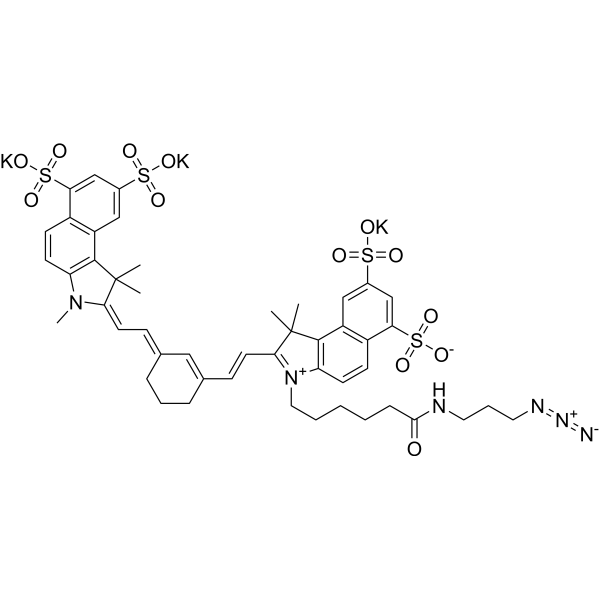
Sulfo-Cy7.5 azide is a Cyanine 7.5 (Cy7.5) (HY-D0926) dye derivative with azide and sulfonate functional groups. The sulfonate ion increases the water solubility of the compound, making it suitable for use in aqueous solutions. Cy7.5 is a near-infrared fluorescent dye commonly used for biolabeling and cell imaging. The azide group of Sulfo-Cy7.5 azide can react chemically with molecules containing alkyne functionality, such as alkyne or cyclooctyne, to form covalent bonds. Therefore, Sulfo-Cy7.5 azide can bind to biomolecules such as proteins and antibodies to track their location and dynamic changes in biological samples. It contains an azide group and can undergo copper-catalyzed azide-alkyne cycloaddition (CuAAc) with molecules containing alkyne groups. It can also undergo ring strain-promoted alkyne-azide cycloaddition (SPAAC) with molecules containing DBCO or BCN groups.
loading...
    loading...
Cat. No.: HY-P992061

Target:  

CD3 Calcium Channel

Domaines de recherche:  

Inflammation/Immunology

Anti-Mouse CD3E Antibody (500A2) is an antibody targeting mouse CD3ε, which specifically binds to the region on CD3ε adjacent to the T cell receptor binding site. Anti-Mouse CD3E Antibody (500A2) triggers functional signal transduction in immature T cells and activates naive T cells. When cross-linked, Anti-Mouse CD3E Antibody (500A2) induces a rapid, robust and transient increase in cytoplasmic calcium concentration, acting as a potent calcium flux inducer. Anti-Mouse CD3E Antibody (500A2) is suitable for multiple experimental techniques such as flow cytometry, immunoprecipitation and EMARS reactions. It can be used to detect CD3E expression on thymocytes, mature T lymphocytes and NK-T cells from different mouse strains, or to identify membrane cluster components of the TCR complex, and shows no cross-reactivity with rat leukocytes .
loading...
    loading...
Cat. No.: HY-W008270R
CAS No.: 497-23-4
Synonyms: γ-Crotonolactone (Standard)
2(5H)-Furanone (Standard) is the analytical standard of 2(5H)-Furanone. This product is intended for research and analytical applications. 2(5H)-Furanone (γ-Crotonolactone) is an endogenous metabolite. 2(5H)-Furanone mimics N-acyl homoserine lactone signals, occupies the binding site of LuxR homologs, and interferes with quorum sensing-mediated gene regulation. 2(5H)-Furanone inhibits quorum sensing mediated by AHLs with different acyl chain lengths. 2(5H)-Furanone inhibits biofilm formation of environmental Aeromonas hydrophila strains on polystyrene plates. 2(5H)-Furanone suppresses spike-and-wave discharges in a rat model of generalized absence seizures and exhibits selective activity against absence seizures. 2(5H)-Furanone can be used in studies related to bacteria infections and generalized absence seizures.
loading...
    loading...

