




359 Results for "

Intestinal cells

" in MedChemExpress (MCE) Product Catalog:
Products (359)

359 Results for "Intestinal cells" in MCE Product Catalog:

5
5 Cited Publications
Cat. No.: HY-B1190A
CAS No.: 66592-87-8
Synonyms: BL-S 578 hydrate
Target:  

Bacterial Antibiotic EAAT

Research Areas:  

Infection Neurological Disease

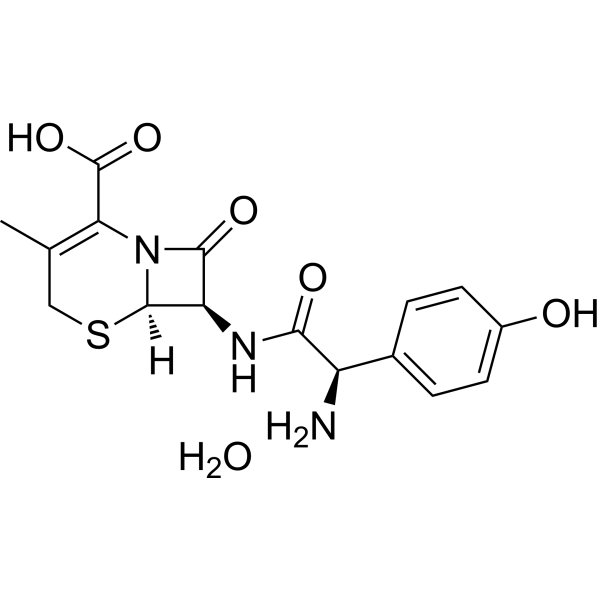
Cefadroxil hydrate is an orally active broad-spectrum cephalosporin antibiotic. Cefadroxil hydrate inhibits bacterial cell wall synthesis and enhances the expression of glutamate transporter-1. Cefadroxil hydrate is dependent on the intestinal peptide transporter PepT1 for small intestinal absorption. Cefadroxil hydrate has inhibitory and bactericidal activity against a variety of Gram-positive and Gram-negative bacteria and has analgesic effects on neuropathic pain .
loading...
    loading...
5
5 Cited Publications
Cat. No.: HY-18336
CAS No.: 328541-79-3
Target:  

CFTR

Research Areas:  

Cardiovascular Disease

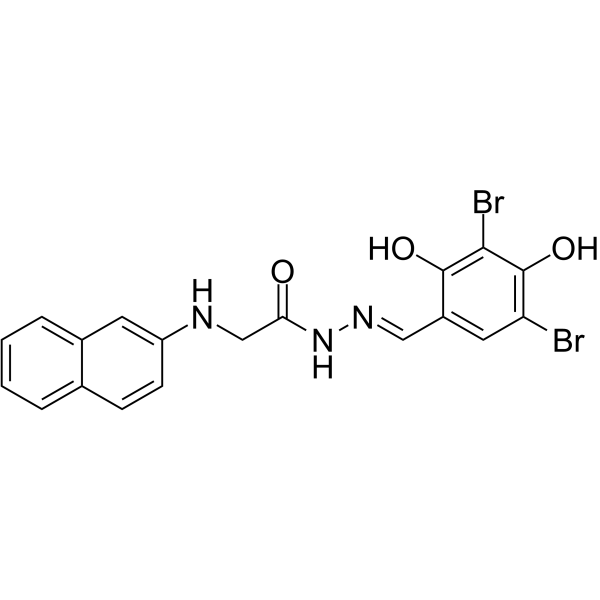
GlyH-101 is a potent CFTR inhibitor. GlyH-101 also is a potent and reversible inhibitor of the VSORC conductance. GlyH-101 shows antiproliferative activity. GlyH-101 inhibits CFTR-like current and VSORC current .
loading...
    loading...
4
4 Cited Publications
Cat. No.: HY-N7075
CAS No.: 9005-80-5
Inulin is an orally active prebiotic targeting the intestinal microbiota, selectively promoting the proliferation and activity of beneficial bacteria such as bifidobacteria and lactic acid bacteria, and playing a role in regulating the intestinal microecology. The functions of Inulin include: Fermentation by probiotics in the colon to produce short-chain fatty acids (such as butyrate and propionate), lowering the intestinal pH and inhibiting the overgrowth of harmful bacteria; Enhancing the intestinal barrier function and reducing endotoxin translocation; Directly scavenging free radicals (such as superoxide free radicals, hydroxyl free radicals) and activating antioxidant enzymes (SOD, CAT) to reduce oxidative stress. Inulin can also be used in the study of intestinal diseases (constipation, IBD), metabolic syndrome (diabetes, obesity) and liver damage by regulating glucose and lipid metabolism (such as reducing triglycerides, improving insulin sensitivity) and immune response (enhancing NK cell activity, inhibiting inflammatory factors)[1][2][3][4].
loading...
    loading...
4
4 Cited Publications
Cat. No.: HY-101981
CAS No.: 58-97-9
Purity:  99.98%
Synonyms: 5'-​Uridylic acid
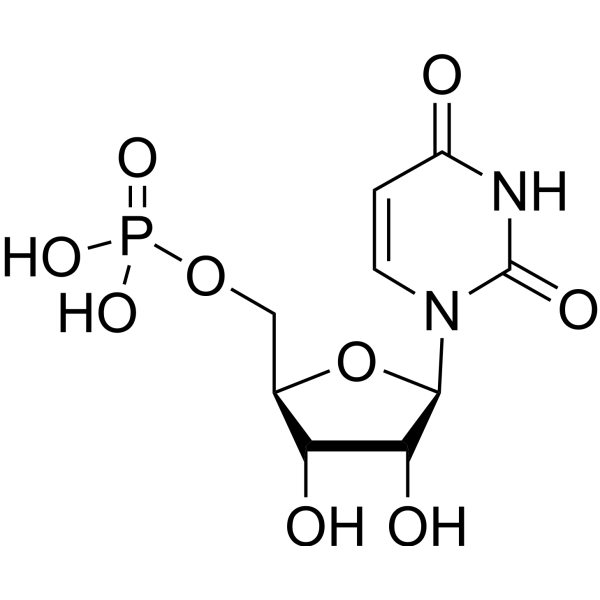
Uridine 5'-monophosphate (5'-Uridylic acid) is an orally active mitochondrial ATP-dependent potassium channel activator that has a protective effect on the heart. Uridine 5'-monophosphate can promote the synthesis of CDP-choline and induce apoptosis in intestinal epithelial cells, which is beneficial for gut development and reduces diarrhea .
loading...
    loading...
4
4 Cited Publications
Cat. No.: HY-W013175
CAS No.: 3387-36-8
Synonyms: 5'-​Uridylic acid disodium salt
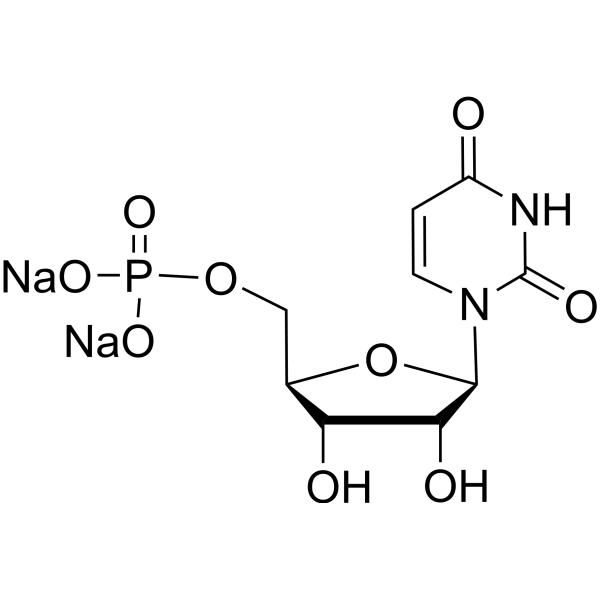
Uridine 5'-monophosphate (5'-Uridylic acid) disodium salt is an orally active mitochondrial ATP-dependent potassium channel activator that has a protective effect on the heart. Uridine 5'-monophosphate disodium salt can promote the synthesis of CDP-choline and induce apoptosis in intestinal epithelial cells, which is beneficial for gut development and reduces diarrhea .
loading...
    loading...
4
4 Cited Publications
Cat. No.: HY-78726
CAS No.: 226700-79-4
Synonyms: Amprenavir phosphate; GW 433908
Research Areas:  

Infection

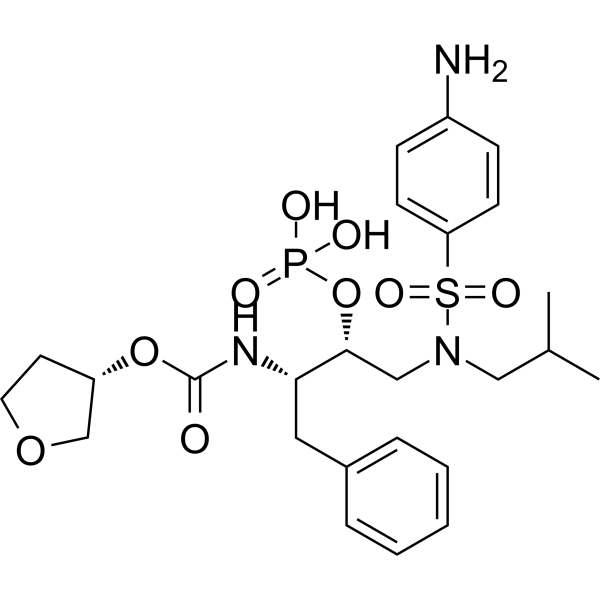
Fosamprenavir is an orally active inhibitor targeting HIV-1 protease and is a prodrug of Amprenavir (HY-17430). Fosamprenavir is hydrolyzed into Amprenavir (VX-478) by cell phosphatases in the intestinal epithelium. Amprenavir binds to the active site of HIV-1 protease, preventing the processing of viral gag and gag-pol polyprotein precursors, thereby inhibiting the formation of mature infectious virus particles and exerting anti-HIV-1 infection activity. Fosamprenavir can be used for the study of human immunodeficiency virus (HIV-1) infection .
loading...
    loading...
4
4 Cited Publications
Cat. No.: HY-17431
CAS No.: 226700-81-8
Synonyms: GW433908G
Research Areas:  

Infection

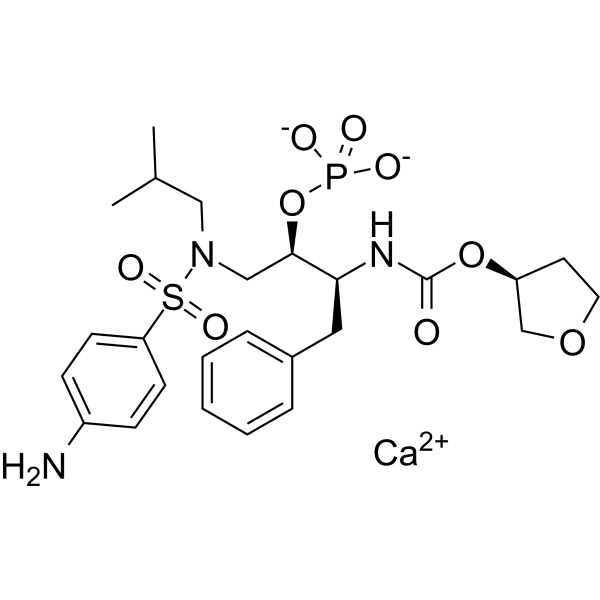
Fosamprenavir Calcium Salt (GW433908G) is an orally active inhibitor targeting HIV-1 protease and is a prodrug of Amprenavir (HY-17430). Fosamprenavir Calcium Salt is hydrolyzed into Amprenavir (VX-478) by cell phosphatases in the intestinal epithelium. Amprenavir binds to the active site of HIV-1 protease, preventing the processing of viral gag and gag-pol polyprotein precursors, thereby inhibiting the formation of mature infectious virus particles and exerting anti-HIV-1 infection activity. Fosamprenavir Calcium Salt can be used for the study of human immunodeficiency virus (HIV-1) infection .
loading...
    loading...
3
3 Cited Publications
Cat. No.: HY-P0276
CAS No.: 100040-31-1
Synonyms: Gastric Inhibitory Peptide (GIP), human
Target:  

Insulin Receptor

Research Areas:  

Metabolic Disease

GIP, human, a peptide hormone consisting of 42 amino acids, is a stimulator of glucose-dependent insulin secretion and a weak inhibitor of gastric acid secretion. GIP, human acts as an incretin hormone released from intestinal K cells in response to nutrient ingestion .
loading...
    loading...
3
3 Cited Publications
Cat. No.: HY-B0327
CAS No.: 57381-26-7
Synonyms: Dicloguamine
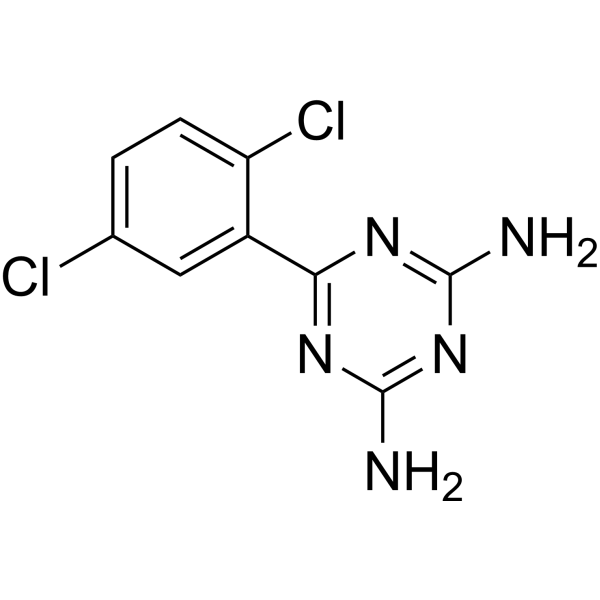
Irsogladine (Dicloguamine) is an orally active gastric mucosal protective agent. Irsogladine inhibits breast cancer recurrence and lung metastasis in nude mice . Irsogladine inhibits the transcriptional activities of NF-κB and AP-1, suppresses the activities of PDE and PDE4 to elevate intracellular cAMP levels, and activates TRPV1 and KATP channels. Irsogladine enhances iNOS expression, NO production, and the activation of cAMP-responsive elements. Irsogladine inhibits the development and progression of intestinal polyps in Apc-mutant mice. Irsogladine alleviates oxidative stress, increases gastric mucosal blood flow, and stimulates the production of endogenous prostaglandins. Irsogladine promotes insulin secretion in MIN6 cells. Irsogladine inhibits tumor angiogenesis, cancer cell proliferation, and the production of proinflammatory cytokines. Irsogladine exerts protective effects on astrocytes in ethanol/hydrochloric acid-induced gastric ulcers in mice. Irsogladine prevents colitis in IL-10 gene-deficient mice by reducing the production of IL-12 and IL-23. Irsogladine upregulates gap junction intercellular communication in pancreatic cancer cells via the PKA pathway. Irsogladine is applicable to research related to breast cancer, intestinal polyposis, gastric ulcer, spontaneous colitis, glioma, liver cancer, and pancreatic cancer [5][6] .
loading...
    loading...
3
3 Cited Publications
Cat. No.: HY-107616
CAS No.: 139262-76-3
Purity:  98.72%
Target:  

LPL Receptor Apoptosis

Research Areas:  

Inflammation/Immunology

H2L5186303 is a potent and selective LPA2 receptor antagonist with an IC50 of 9 nM. H2L5186303 promotes Apoptosis. H2L5186303 inhibits cell proliferation and motility. H2L5186303 has anti-inflammatory effects .
loading...
    loading...
3
3 Cited Publications
Cat. No.: HY-119347
CAS No.: 41365-32-6
Purity:  ≥98.0%
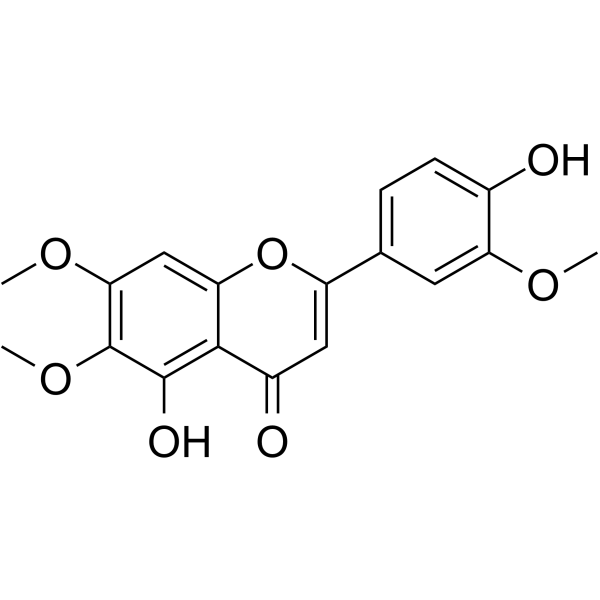
Cirsilineol, a natural flavone compound, selectively inhibits IFN-γ/STAT1/T-bet signaling in intestinal CD4 + T cells. Cirsilineol has potent immunosuppressive and anti-tumor properties. Cirsilineol significantly ameliorates trinitro-benzene sulfonic acid (TNBS)-induced T-cell-mediated experimental colitis in mice .
loading...
    loading...
3
3 Cited Publications
Cat. No.: HY-P0276A
Synonyms: Gastric Inhibitory Peptide (GIP), human TFA
Target:  

Insulin Receptor

Research Areas:  

Metabolic Disease

GIP, human TFA, a peptide hormone consisting of 42 amino acids, is a stimulator of glucose-dependent insulin secretion and a weak inhibitor of gastric acid secretion. GIP, human TFA acts as an incretin hormone released from intestinal K cells in response to nutrient ingestion .
loading...
    loading...
3
3 Cited Publications
Cat. No.: HY-Y1314
CAS No.: 67-71-0
Dimethyl sulfone (Methyl Sulfonyl Methane) is a metabolic product of endogenous methanethiol metabolism and intestinal bacterial metabolism. Dimethyl sulfone inhibits choriocapillary endothelial (CCE) cell proliferation, also has many biological effects, including antiinflammatory, antioxidant, and local anesthetic effects that could be neuroprotective .
loading...
    loading...
3
3 Cited Publications
Cat. No.: HY-N0237
CAS No.: 126054-77-1
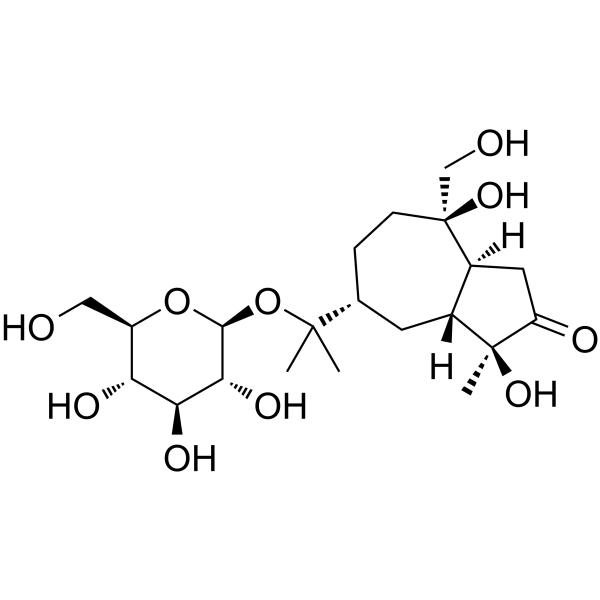
Atractyloside A is an orally active inhibitor of the TLR4/MyD88/NF-κB signaling pathway and also an opener of the mitochondrial permeability transition pore (MPTP). Atractyloside A interferes with the activation of the TLR4/MyD88/NF-κB pathway, thereby inhibiting intestinal inflammatory responses. Atractyloside A reverses mucin synthesis impairment, improves intestinal barrier integrity, and restores homeostasis by altering the composition of the gut microbiota. Atractyloside A can be used in studies related to spleen deficiency diarrhea and myocardial injury .
loading...
    loading...
3
3 Cited Publications
Cat. No.: HY-P1454
CAS No.: 2247635-23-8
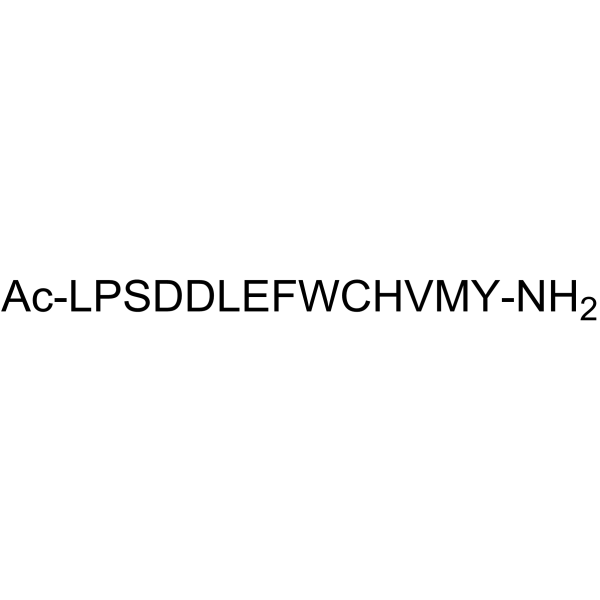
Synonyms: Ac-LPSDDLEFWCHVMY-NH2
Target:  

Wnt

Research Areas:  

Cancer

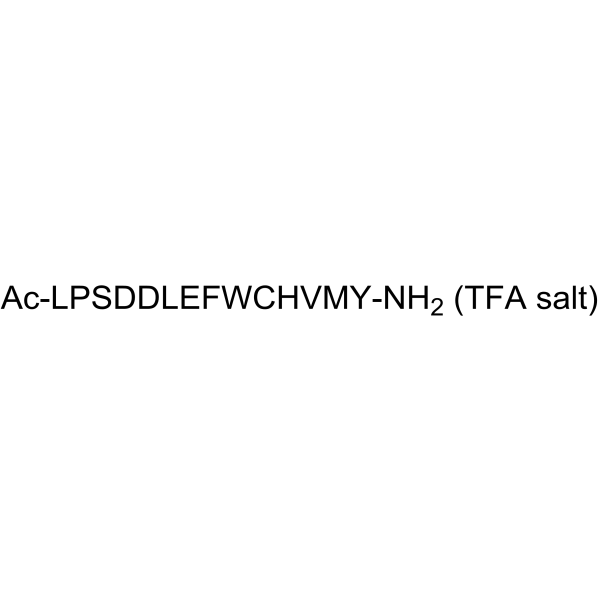
Fz7-21 (Ac-LPSDDLEFWCHVMY-NH2) is a potent peptide antagonist of FZD7 receptors , selectively binds to FZD7 CRD subclass and alters the conformation of the CRD and the architecture of its lipid-binding groove. The EC50 values are 58 and 34 nM for human and mouse FZD7 CRD, respectively. Fz7-21 impairs the function of FZD7 in Wnt–β-catenin signalling and stem cell function in intestinal organoids .
loading...
    loading...
3
3 Cited Publications
Cat. No.: HY-126301
CAS No.: 1354790-56-9
Purity:  99.79%
Target:  

Ferroportin

Research Areas:  

Metabolic Disease

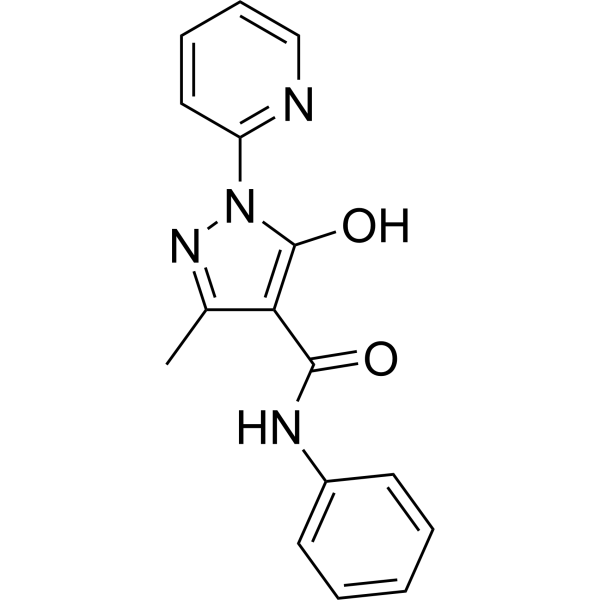
DMT1 blocker 1 is an orally active blocker of divalent metal transporter 1 (DMT1) with an IC50 of 0.64 μM. DMT1 blocker 1 inhibits intestinal cell absorption of non-heme iron, thereby alleviating iron overload by blocking the DMT1 transporter. DMT1 blocker 1 demonstrates significant efficacy in rodent models of acute iron hyperabsorption. DMT1 blocker 1 is useful for studying iron overload disorders such as hereditary hemochromatosis and thalassemia .
loading...
    loading...
3
3 Cited Publications
Cat. No.: HY-P1454A
Synonyms: Ac-LPSDDLEFWCHVMY-NH2 TFA
Target:  

Wnt

Research Areas:  

Cancer

Fz7-21 (Ac-LPSDDLEFWCHVMY-NH2) TFA is a potent peptide antagonist of FZD7 receptors , selectively binds to FZD7 CRD subclass and alters the conformation of the CRD and the architecture of its lipid-binding groove. The EC50 values are 58 and 34 nM for human and mouse FZD7 CRD, respectively. Fz7-21 TFA impairs the function of FZD7 in Wnt-β-catenin signalling and stem cell function in intestinal organoids .
loading...
    loading...
3
3 Cited Publications
Cat. No.: HY-N0886
CAS No.: 28371-16-6
Synonyms: Isobarbaloin
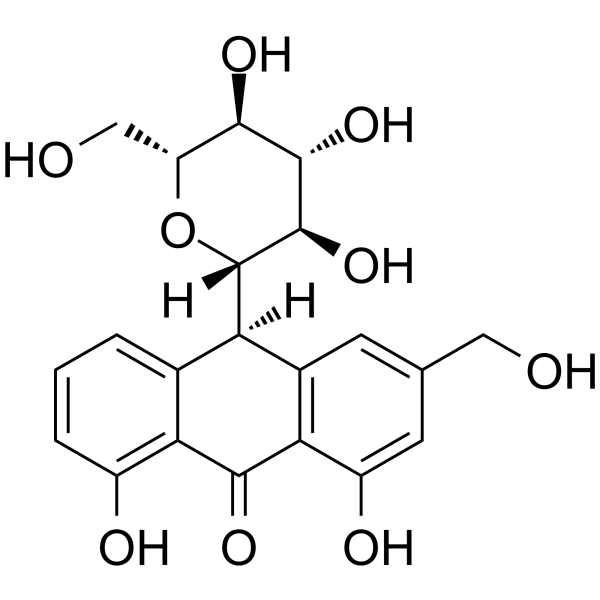
Aloin B (Isobarbaloin) is an orally active SARS-CoV-2 papain-like protease (PLpro) inhibitor with an IC50 of 16.08 μM (hydrolytic activity) and 17.51 μM (deubiquitinase activity). Aloin B is metabolized by rat intestinal flora into aloe-emodin-9-anthrone to exert laxative effects. Aloin B inhibits TPA (HY-18739)-induced ear edema, putrescine elevation, and tumor promotion in mouse skin. Aloin B can be used in research related to anti-inflammation, tumor promotion inhibition, coronavirus disease 2019 (COVID-19) and constipation .
loading...
    loading...
3
3 Cited Publications
Cat. No.: HY-70005
CAS No.: 223532-02-3
Synonyms: Carboxypeptidase inhibitor
Research Areas:  

Inflammation/Immunology

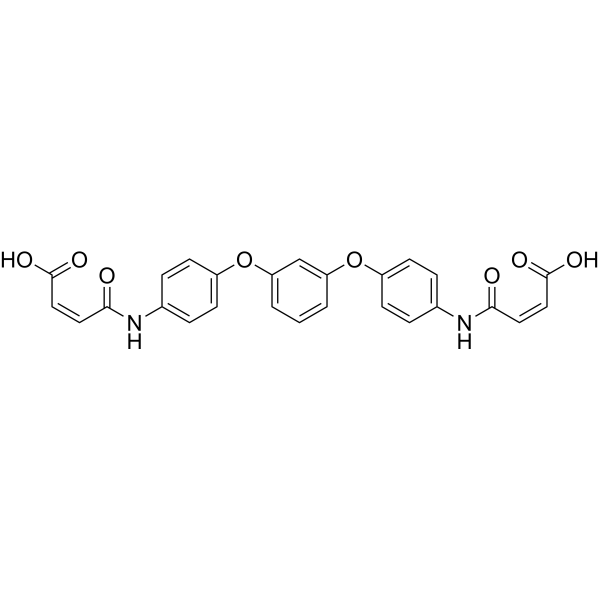
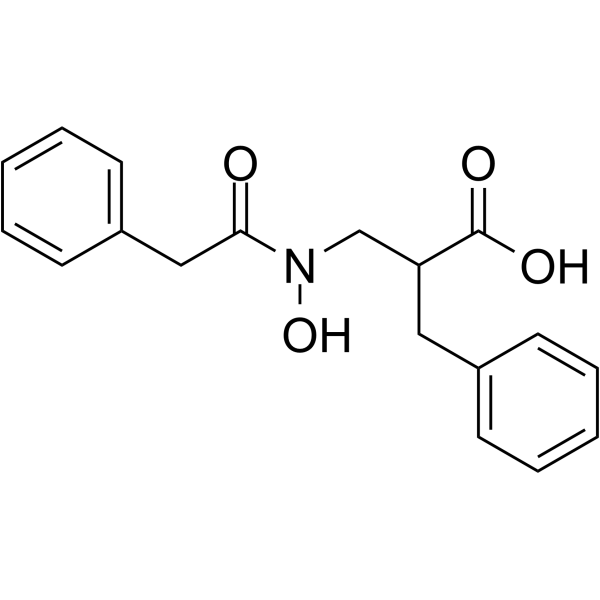
CPA inhibitor (Compound 5) (Carboxypeptidase inhibitor) is an orally active competitive carboxypeptidase A (CPA) inhibitor with a Ki value of 0.32 μM. CPA inhibitor blocks the activity of carboxypeptidase A3 (CPA3). CPA activator activates the Wnt/Lrp6/β-catenin signaling pathway. CPA inhibitor reduces epithelial damage. CPA inhibitor is applicable to research related to inflammatory bowel disease, including ulcerative colitis and Crohn's disease .
loading...
    loading...
2
2 Cited Publications
Cat. No.: HY-P1624
CAS No.: 197922-42-2
Synonyms: ALX-0600
Teduglutide (ALX-0600) is an analog of human glucagon like peptide-2 (GLP-2). Teduglutide can activate the expression of nuclear receptor subfamily 4 group a member 1 (NR4a1)/nur77 and intestinal FXR signaling in human hepatic stellate cells, thereby improving liver inflammation and fibrosis in mice with sclerosing cholangitis. Teduglutide can alleviate intestinal dysfunction in mice, improve lung injury, alleviate obesity related neuroinflammation and cell apoptosis .
loading...
    loading...

