


359 Results for "

Intestinal cells

" in MedChemExpress (MCE) Product Catalog:
Products (359)

359 Results for "Intestinal cells" in MCE Product Catalog:

2
2 Cited Publications
Cat. No.: HY-W250113
CAS No.: 58856-93-2
Synonyms: Zymosan A from Saccharomyces cerevisiae
Zymosan A (Zymosan A from Saccharomyces cerevisiae) is a TLR2 agonist, that targeting TLRs can prevent and suppress IR-induced intestinal injury. Zymosan A exhibits a significant radioprotective effect, and protects IR-induced intestinal injury in mice. Zymosan A promotes the regeneration of intestinal stem cells (ISCs), after IR injury .
loading...
    loading...
2
2 Cited Publications
Cat. No.: HY-113212
CAS No.: 2955-27-3
Purity:  99.91%
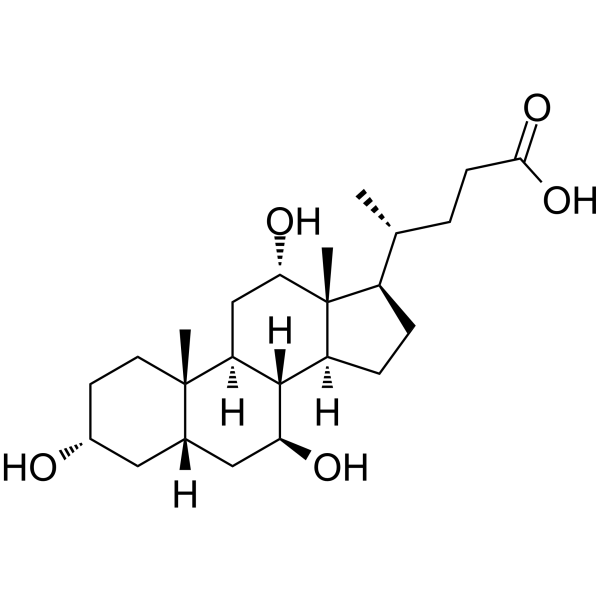
Ursocholic acid, a bile acid present in mammalian bile, is converted to deoxycholic acid (UDC) by the mouse intestinal flora. Ursocholic acid acts as a gallstone dissolving agent in the liver through anti-apoptosis, anti-inflammatory, immunomodulatory, bile regulation, and coordinated changes in mitochondrial integrity and cell signaling, Ursocholic acid also has favorable effects on bones in patients with chronic cholestasis .
loading...
    loading...
2
2 Cited Publications
Cat. No.: HY-125854
CAS No.: 97281-44-2
Purity:  99.79%
Phosphatidylcholines, egg are a type of phosphatidylcholine that can be isolated and extracted from eggs, primarily present in egg yolks. As a major phospholipid component of cell membranes, Phosphatidylcholines, egg play a key role in providing nutrition and protection to the body. Phosphatidylcholines, egg can inhibit oxidative stress and neurotoxicity, exerting neuroprotective effects. Additionally, Phosphatidylcholines, egg can suppress the lymphatic absorption of cholesterol in the intestine and are also used in research on intestinal lipid absorption .
loading...
    loading...
2
2 Cited Publications
Cat. No.: HY-P990131

Target:  

CD47

Anti-Mouse CD47/IAP Antibody (MIAP301) is an anti-mouse CD47/IAP IgG2a monoclonal antibody. Anti-Mouse CD47/IAP Antibody (MIAP301) can effectively block CD47 signaling and enhance macrophage phagocytic function. Anti-Mouse CD47/IAP Antibody (MIAP301) can increase the infiltration of immune cells. Anti-Mouse CD47/IAP Antibody (MIAP301) restores the phagocytic function of myeloid cells and alleviate B cell inhibition. Anti-Mouse CD47/IAP Antibody (MIAP301) may interfere with wound healing. Anti-Mouse CD47/IAP Antibody (MIAP301) can be used for researches on cancer, inflammation and infection conditions such as melanoma, intestinal mucosal repair and sepsis .
loading...
    loading...
2
2 Cited Publications
Cat. No.: HY-N0887
CAS No.: 84676-88-0
Synonyms: Isoastragaloside-I
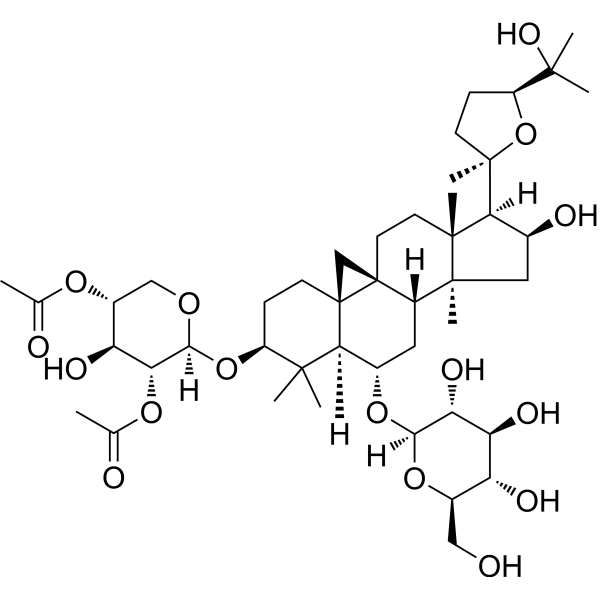
Isoastragaloside I is a natural compound found in Astragalus membranaceus, with oral activity and multiple biological activities such as anti-inflammatory and antioxidant properties. Isoastragaloside I inhibits Akt, NF-κB, MAPKs and PI3K, enhances the activity of hepatic FXR, regulates the TGF-β/Smads signaling pathway, and upregulates antioxidant molecules downstream of Nrf2. Isoastragaloside I inhibits the expression of NO, TNF-α, iNOS, COX-2, IL-1β and VCAM-1, and reduces intracellular ROS levels. Isoastragaloside I attenuates blood-brain barrier disruption, restores intestinal barrier function, increases β-cell mass, improves glucose homeostasis, and elevates circulating adiponectin levels. Isoastragaloside I can be used for the study of neuroinflammation-related neurodegenerative diseases, cholestatic liver disease, and diabetes .
loading...
    loading...
2
2 Cited Publications
Cat. No.: HY-N0735
CAS No.: 104112-82-5
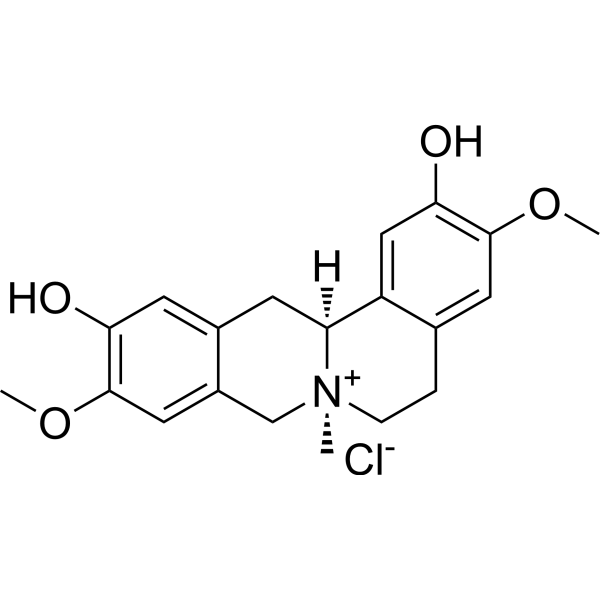
Phellodendrine chloride is an orally active plant alkaloid. Phellodendrine chloride inhibits the proliferation of KRAS-mutated pancreatic cancer cells by suppressing macropinocytosis and glutamine metabolism, inducing ROS accumulation and mitochondrial apoptosis. Phellodendrine chloride promotes autophagy by activating the AMPK/mTOR pathway, alleviating intestinal damage in ulcerative colitis. Phellodendrine chloride can alleviate gouty arthritis by inhibiting the IL-6/STAT3 signaling pathway. Phellodendrine chloride suppresses allergic reactions by altering the conformation of MRGPRB3/MRGPRX2 protein, thereby inhibiting the activation of PKC and subsequent downstream MAPK and NF-κB signaling. Phellodendrine chloride inhibits the AKT/NF-κB pathway and down-regulates the expression of COX-2, thereby protecting zebrafish embryos from oxidative stress. Phellodendrine chloride has an anti-major depressive disorder (MDD) effect by down-regulating CHRM1, HTR1A, and the PI3K/Akt signaling pathway .
loading...
    loading...
1
1 Cited Publications
Cat. No.: HY-N9448
CAS No.: 14116-68-8
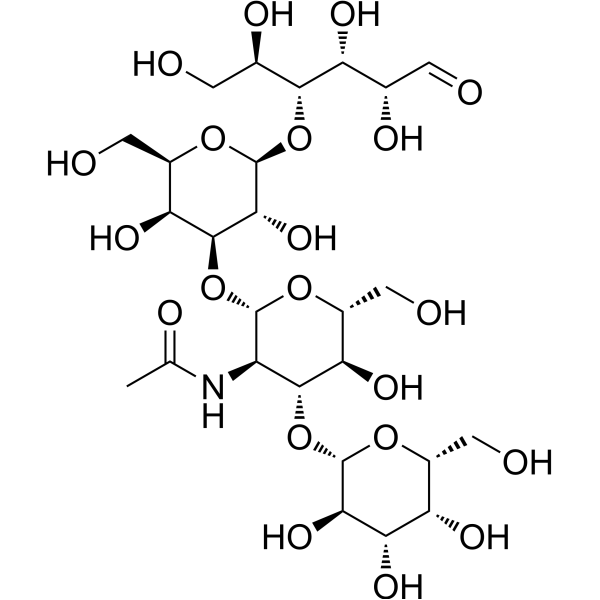
Lacto-N-tetraose is the significant core structure of human milk oligosaccharides (HMOs) naturally existing in human milk. Lacto-N-tetraose is consist of galactose, N-acetylglucosamine, and glucose moieties. Lacto-N-tetraose has prebiotic effect, immune regulatory effect, anti-inflammatory effects, intestinal cell responses regulatory effect, antibacterial activity and antiviral activity. Lacto-N-tetraose has been widely added to infant formula .
loading...
    loading...
1
1 Cited Publications
Cat. No.: HY-143712
CAS No.: 2276-94-0
Purity:  98.70%
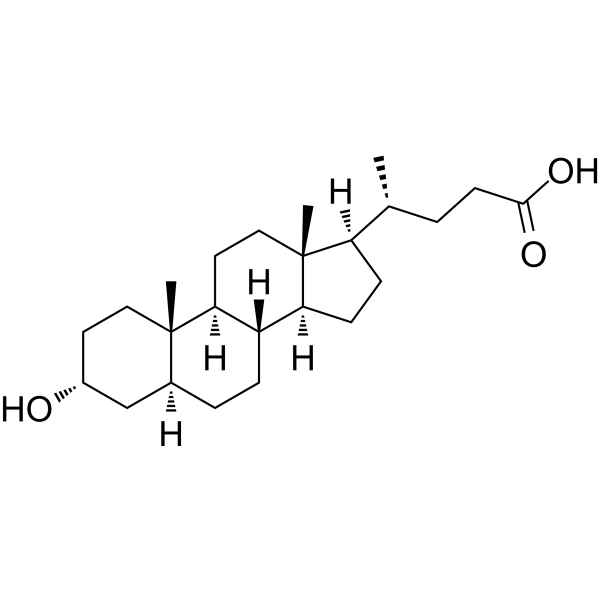
Allolithocholic acid is an orally active metabolite of Lithocholic acid (HY-B0172). Allolithocholic acid is a dual GPBAR1 agonist (EC50 = 2.7 μM) and RORγt inverse agonist (IC50 = 3.4 μM). Allolithocholic acid modulates immune and metabolic pathways, regulates immune cell polarization, prevents M1 macrophage and Th17 CD4 cell polarization. Allolithocholic acid improves insulin sensitivity, reduces liver lipid accumulation, reverses liver immunological, inflammatory and metabolic signaling dysregulation, restores bile acid homeostasis, adipose tissue histopathology/function, and intestinal microbiota composition, modulates intestinal immunity. Allolithocholic acid can be used for the researches of cancer, inflammayion, immunology and metabolic disease .
loading...
    loading...
1
1 Cited Publications
Cat. No.: HY-112624I
CAS No.: 9004-54-0
Synonyms: Dextran 3; Dextran D3; Dextran T3(MW 2400-3600)
Dextran T3 (Dextran 3; Dextran T3(MW 2400-3600)) is a neural tracer and intestinal permeability probe that can move anterogradely and retrogradely in neuronal axons by passive diffusion. Dextran T3 (MW 3,000) is able to permeate across the intestinal epithelial cell membrane in the presence of cholera toxin-induced cytoskeletal disturbance. Dextran T3 (MW 3,000) is used as a fluorescent marker to rapidly label developing neurons (such as Xenopus retinal ganglion cells) and to assess intestinal barrier function. It can be used to study axonal transport in neuroanatomy and permeability changes in intestinal pathophysiology. The Dextran series of compounds are also natural polysaccharide drug carriers that can be connected to drugs through covalent bonding methods such as ester bonds, amide bonds or click chemistry, or self-assembled to form carriers such as nanoparticles and hydrogels. Dextran is biodegradable and biocompatible, and can achieve targeted delivery and controlled release of drugs. Dextran derivatives can prolong the half-life of drugs, increase local concentrations, and reduce the activity of immune clearance .
loading...
    loading...
1
1 Cited Publications
Cat. No.: HY-151642
CAS No.: 105928-88-9
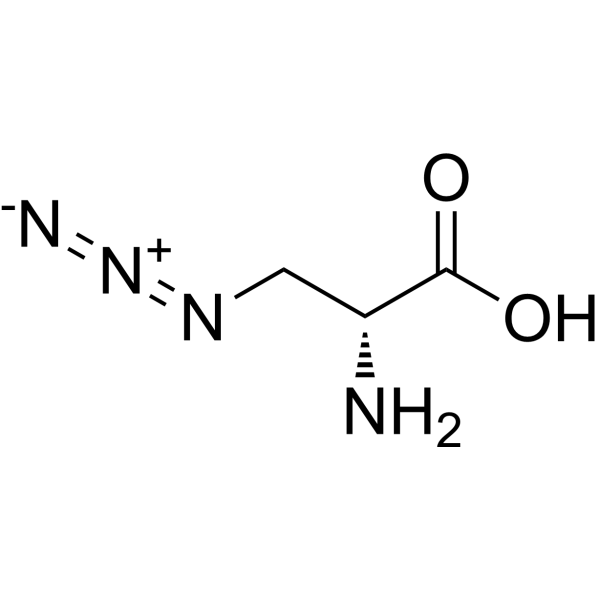
3-Azido-D-alanine is an orally active, selective metabolic tracer applicable for click chemistry labeling. 3-Azido-D-alanine can be selectively incorporated into bacterial cell wall peptidoglycans, introducing azido groups to enable copper-free click chemistry-based modification, labeling and single-cell tracing, while it cannot be metabolically incorporated by mammalian cells. 3-Azido-D-alanine can be used in studies related to bacterial infection, intracranial infection, otitis media, intestinal inflammation and tissue damage, as well as sepsis .
loading...
    loading...
1
1 Cited Publications
Cat. No.: HY-151642A
CAS No.: 1379690-01-3
Purity:  99.13%
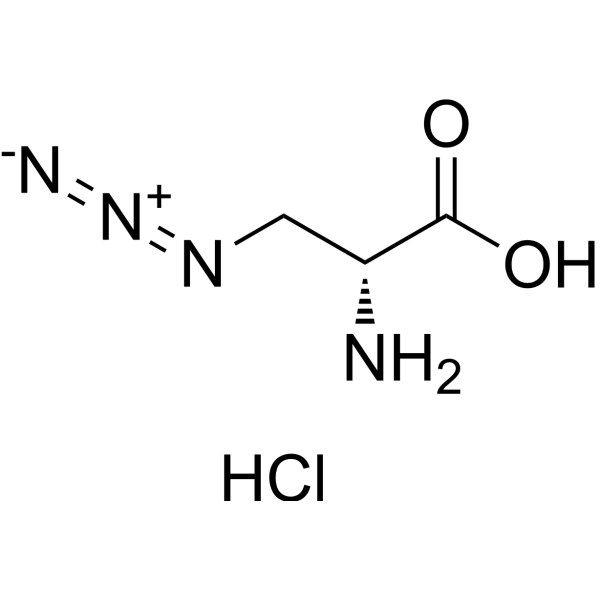
3-Azido-D-alanine (hydrochloride) is an orally active, selective metabolic tracer applicable for click chemistry labeling. 3-Azido-D-alanine (hydrochloride) can be selectively incorporated into bacterial cell wall peptidoglycans, introducing azido groups to enable copper-free click chemistry-based modification, labeling and single-cell tracing, while it cannot be metabolically incorporated by mammalian cells. 3-Azido-D-alanine (hydrochloride) can be used in studies related to bacterial infection, intracranial infection, otitis media, intestinal inflammation and tissue damage, as well as sepsis .
loading...
    loading...
1
1 Cited Publications
Cat. No.: HY-113474
CAS No.: 775-01-9
Purity:  98.56%
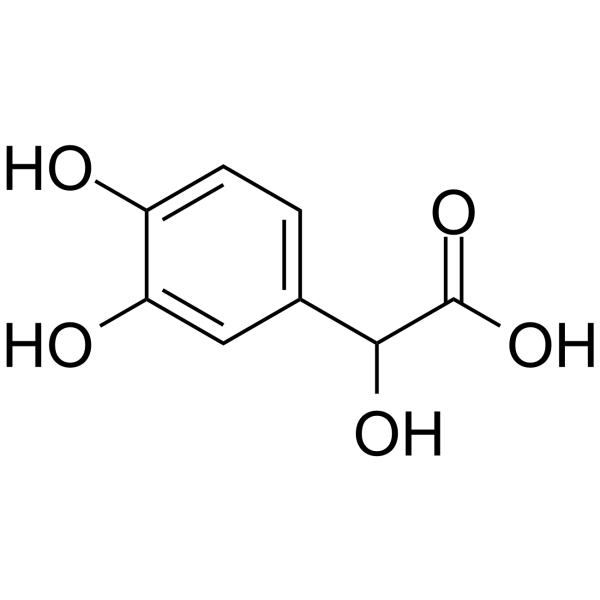
3,4‑Dihydroxymandelic acid is a metabolite of Norepinephrine (HY-13715) with free radical scavenging and antioxidant activities. 3,4-Dihydroxymandelic acid acts as a chemoattractant for enterohaemorrhagic Escherichia coli (EHEC), regulates virulence gene expression and bacterial adhesion to intestinal epithelial cells in a QseC-dependent manner, and targets EHEC to preferred infection sites. 3,4‑Dihydroxymandelic acid can be used in studies related to oxidative stress and enterohaemorrhagic Escherichia coli infection .
loading...
    loading...
1
1 Cited Publications
Cat. No.: HY-121324
CAS No.: 7287-19-6
Purity:  99.79%
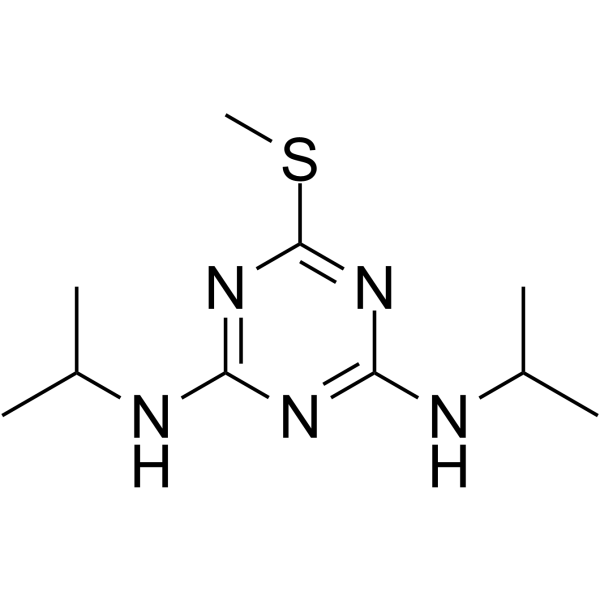
Prometryn is a triazine herbicide. Prometryn induces apoptosis and cell cycle arrest. Prometryn induces oxidative stress, DNA damage and autophagy-related gene expression, and non-specific immunity gene expression. Prometryn can be used for the research of herbicide, hepatopancreas injury, and intestinal stress and intestinal barrier dysfunction .
loading...
    loading...
1
1 Cited Publications
Cat. No.: HY-138962
CAS No.: 11114-20-8
Synonyms: K-Carrageenan Karra Type
κ-Carrageenan is a natural polymer which predominantly available in red seaweeds. κ-Carrageenan is an effective agent carrier to deliver curcumin in cancer cells and to induce apoptosis. κ-carrageenan serves as a potential inflammatory agent that magnifies existing intestinal inflammation .
loading...
    loading...
1
1 Cited Publications
Cat. No.: HY-N6996
CAS No.: 93-15-2
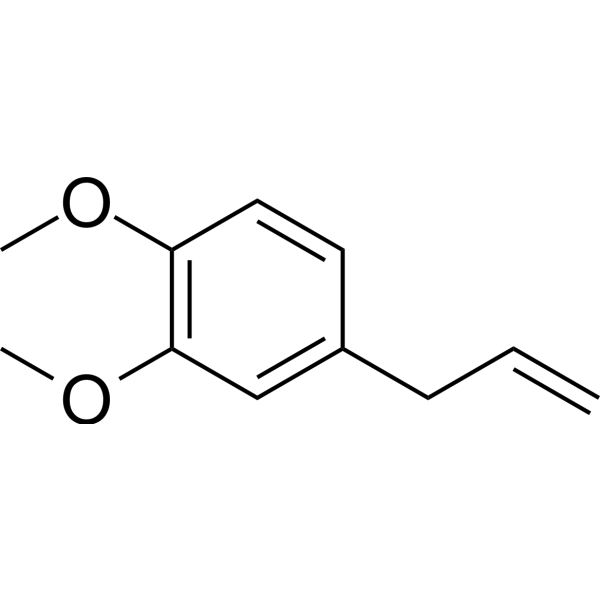
Methyl Eugenol is a bait that has oral activity against oriental fruit fly (Hendel).Methyl Eugenol has anti-cancer and anti-inflammatory activities. Methyl Eugenol can induce Autophagy in cells. Methyl Eugenol can be used in the study of intestinal ischemia/reperfusion injury .
loading...
    loading...
1
1 Cited Publications
Cat. No.: HY-12736A
CAS No.: 2341796-81-2
Purity:  99.37%
Target:  

Syk ERK

Research Areas:  

Inflammation/Immunology Cancer

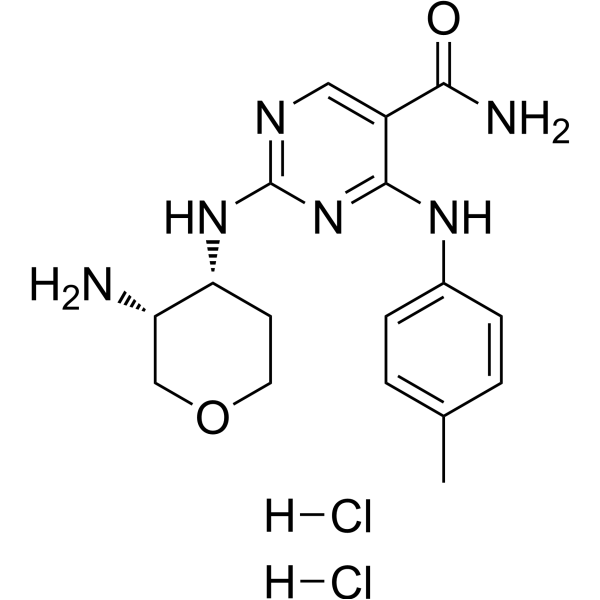
GSK143 dihydrochloride is an orally active and highly selective spleen tyrosine kinase (SYK) inhibitor with a pIC50 of 7.5. GSK143 dihydrochloride inhibits phosphorylated Erk (pErk: pIC50=7.1) . GSK143 dihydrochloride reduces inflammation and prevents recruitment of immune cells in the intestinal muscularis in mice .
loading...
    loading...
1
1 Cited Publications
Cat. No.: HY-P1072
CAS No.: 87403-73-4
Target:  

CGRP Receptor

PHM-27 (human) is a human prepro-vasoactive intestinal polypeptide (27 amino acid). PHM-27 (human) is a potent the human calcitonin receptor agonist with an EC50 of 11 nM. PHM-27 (human) efficiently enhances glucose-induced insulin secretion from beta cells by an autocrine mechanism .
loading...
    loading...
1
1 Cited Publications
Cat. No.: HY-148033
CAS No.: 52349-26-5
Synonyms: N,N,N-Trimethylchitosan
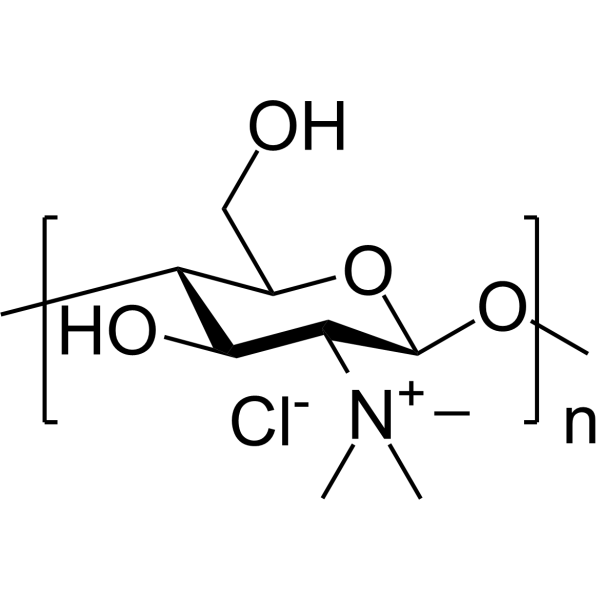
Trimethyl chitosan (N,N,N-Trimethylchitosan) is a multifunctional polymer and a derivative of Chitosan (HY-B2144A). Trimethyl chitosan targets the absorption enhancing proteins of tight junctions of intestinal and mucosal epithelial cells, induces tight junction protein rearrangement, and increases intercellular permeability. Trimethyl chitosan can stimulate the activity of promoting transmembrane transport of hydrophilic drugs (such as peptides and proteins) and can be used for drug delivery and synthesis of nanoparticles .
loading...
    loading...
1
1 Cited Publications
Cat. No.: HY-W012734
CAS No.: 3105-95-1
Synonyms: H-HoPro-OH
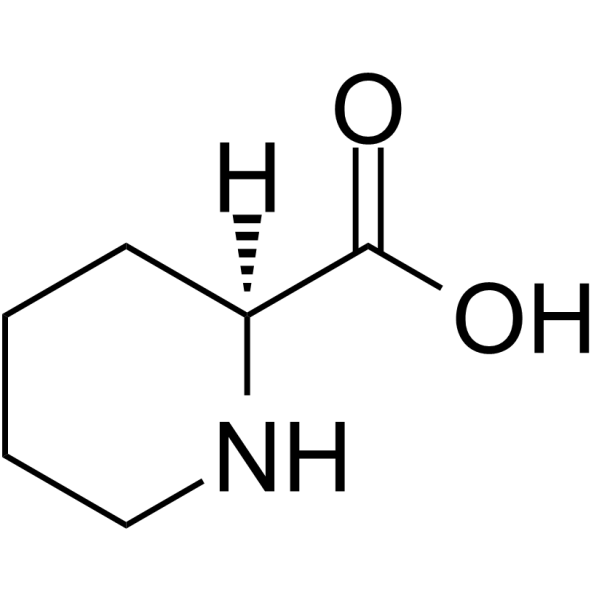
L-Pipecolic acid (H-HoPro-OH) is an oral active metabolite of Lysine and can accumulate in the bodily fluids of infants with autosomal inherited diseases, such as Zellweger syndrome and neonatal adrenal insufficiency. L-Pipecolic acid can promote muscle cell health and growth by enhancing protein synthesis, and plays a role in promoting gut health. L-Pipecolic acid holds promise for research in the fields of metabolic disorders, muscle growth disorders, and intestinal diseases .
loading...
    loading...
1
1 Cited Publications
Cat. No.: HY-B1264
CAS No.: 57470-78-7
Research Areas:  

Cardiovascular Disease

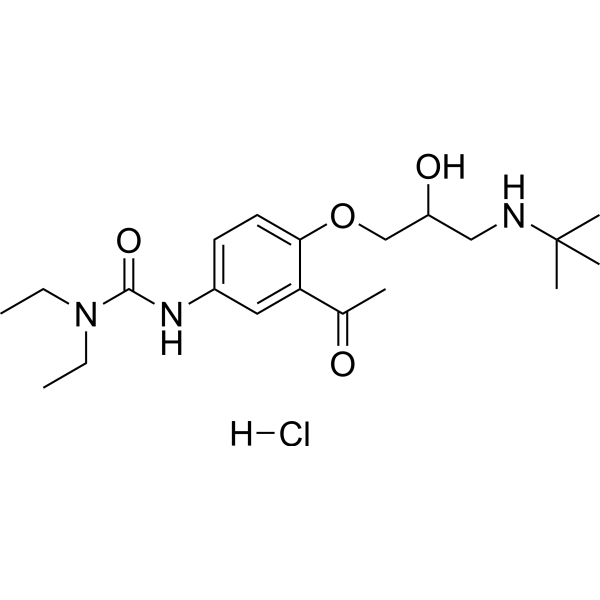
Celiprolol (REV 5320) is a potent, cardioselective and orally active β1-andrenoceptor r antagonist with partial β2 agonist activity, with Ki values of 0.14-8.3 μM. Celiprolol has antihypertensive and antianginal activity, and can be used for the research of cardiovascular disease such as high blood pressure .
loading...
    loading...

