249 Results for "

ROS generation

" in MedChemExpress (MCE) Product Catalog:
Products (249)

249 Results for "ROS generation" in MCE Product Catalog:

5
5 Cited Publications
Cat. No.: HY-N0394
CAS No.: 56-89-3
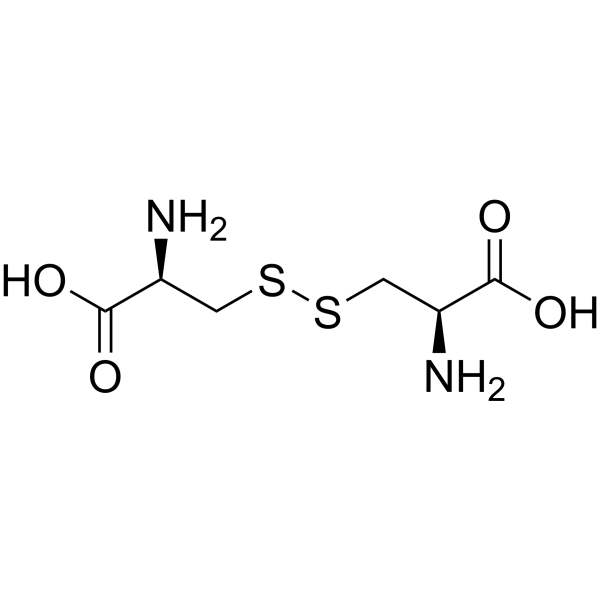
L-Cystine is an orally active extracellular form of L-Cysteine (HY-Y0337), occurring in proteins of plants and animals. L-Cystine elevates Nrf2 protein expression and activates Nrf2 transcription factor. L-cystine reduces ROS generation and protects against oxidant- or Doxorubicin (HY-15142A)-induced apoptosis. L-Cystine combined with L-theanine (HY-15121) enhances the production of antigen-specific IgG by increasing glutathione (GSH) levels and T helper 2 (Th2) mediated responses in mice. L-Cystine is promising for research of cystinuria and kidney stones
loading...
    loading...
5
5 Cited Publications
Cat. No.: HY-N1472
CAS No.: 88182-33-6
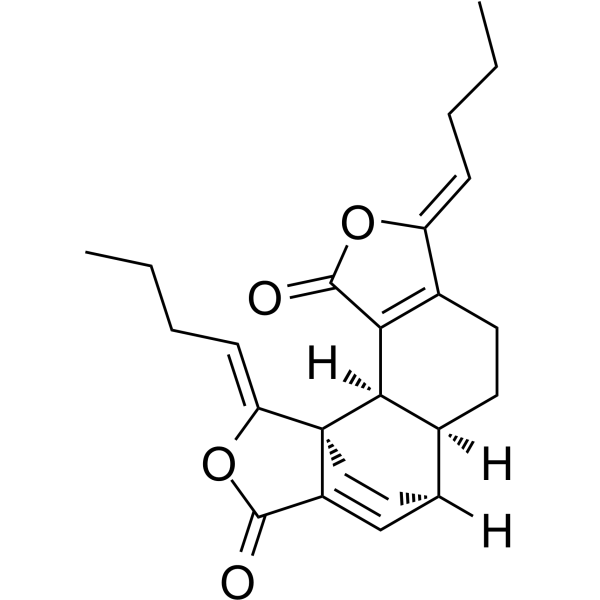
Levistolide A is an apoptosis inducer and a PEDV virus inhibitor. Levistolide A can induce apoptosis in colon cancer cells and suppress the replication of porcine epidemic diarrhea virus (PEDV) by promoting ROS generation. Levistolide A activates peroxisome proliferator-activated receptor γ (PPARγ) in N2a/APP695swe cells and reduces excessive phosphorylation of tau through the GSK3α/β pathway, improving symptoms in Alzheimer’s mice. Levistolide A improves kidney damage in 5/6 nephrectomy (Nx) mice by inhibiting the RAS,TGF-β1/Smad, and MAPK pathways .
loading...
    loading...
4
4 Cited Publications
Cat. No.: HY-N0457
CAS No.: 6537-80-0
Synonyms: Cichoric acid; Dicaffeoyltartaric acid
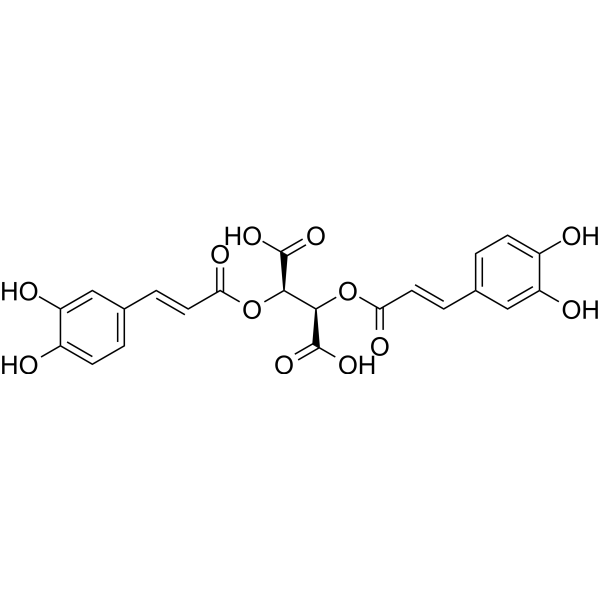
Chicoric acid (Cichoric acid), an orally active dicaffeyltartaric acid, induces reactive oxygen species (ROS) generation. Chicoric acid inhibits cell viability and induces mitochondria-dependent apoptosis in 3T3-L1 preadipocytes through ROS-mediated PI3K/Akt and MAPK signaling pathways. Chicoric acid increases glucose uptake, improves insulin resistance, and attenuates glucosamine-induced inflammation. Chicoric acid has antidiabetic properties and antioxidant, anti-inflammatory effects .
loading...
    loading...
4
4 Cited Publications
Cat. No.: HY-100581
CAS No.: 475473-26-8
Purity:  ≥97.0%
Research Areas:  

Inflammation/Immunology

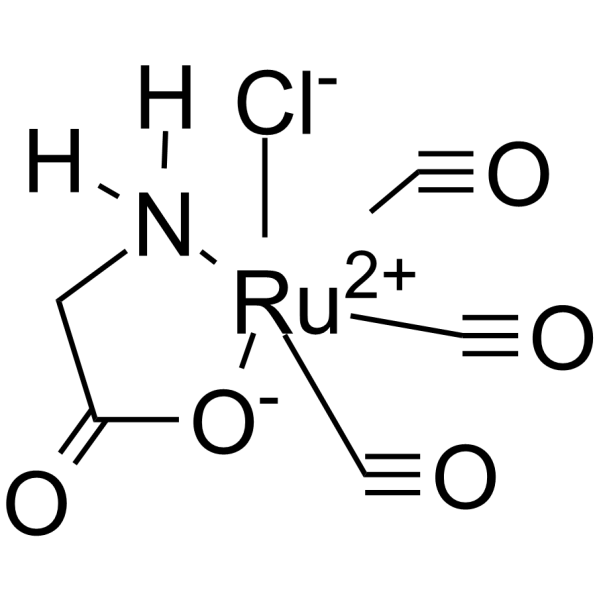
CORM-3, a carbon monoxide-releasing molecule, attenuates NF-κB p65 nuclear translocation, reduces ROS generation and enhances intracellular glutathione and superoxide dismutase levels. CORM-3 reduces NLRP3 inflammasome activation .
loading...
    loading...
4
4 Cited Publications
Cat. No.: HY-100807S
CAS No.: 138946-42-6
Purity:  99.90%
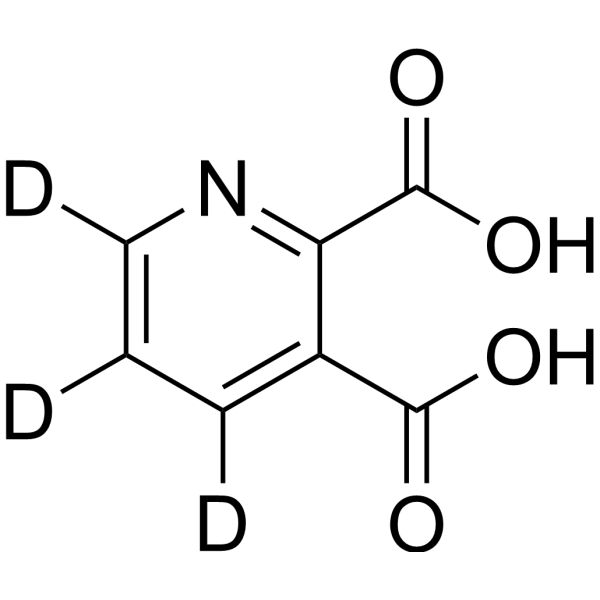
Quinolinic acid-d3 is the deuterium labeled Quinolinic acid. Quinolinic acid, an endogenous metabolite of tryptophan, is a N-methyl-D-aspartate receptor (NMDA receptor) agonist. Quinolinic acid increases glutamate efflux, induces the generation of ROS, activates nitric oxide synthase, produces excessive NO, leading to calcium ion influx and neuronal apoptosis.
loading...
    loading...
4
4 Cited Publications
Cat. No.: HY-111226
CAS No.: 877387-37-6
Purity:  99.85%
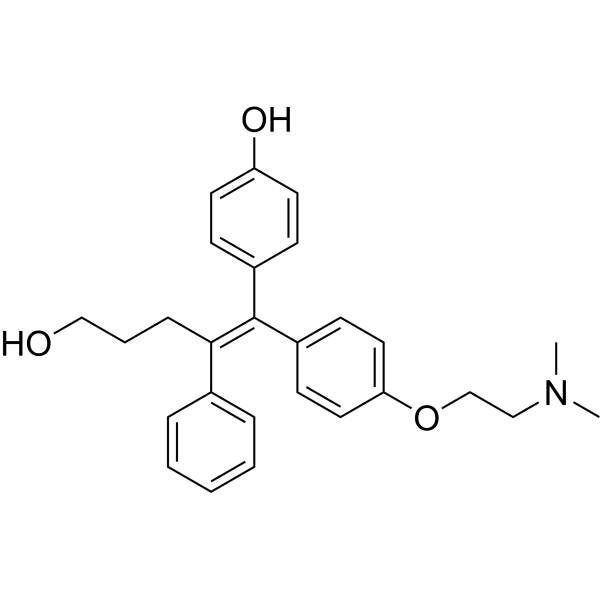
GSK5182 is a highly selective and orally active inverse agonist of estrogen-related receptor γ (ERRγ) with an IC50 of 79 nM. GSK5182 does not interact with other nuclear receptors, including ERRα or ERα. GSK5182 also induces reactive oxyen species (ROS) generation in hepatocellular carcinoma (HCC) .
loading...
    loading...
4
4 Cited Publications
Cat. No.: HY-13413
CAS No.: 1201913-82-7
Purity:  98.48%
Synonyms: CSG-452 hydrate
Research Areas:  

Metabolic Disease

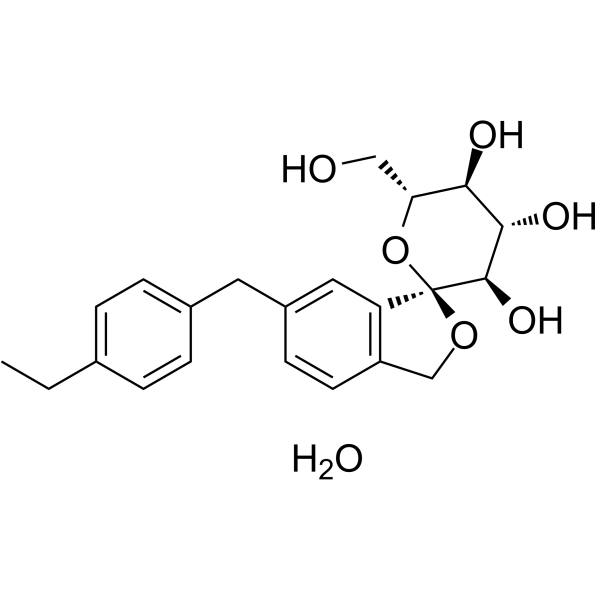
Tofogliflozin hydrate (CSG-452 hydrate) is a potent and highly specific sodium/glucose cotransporter 2 (SGLT2) inhibitor with an IC50 of 2.9 nM and Ki values of 2.9 nM, 14.9 nM, and 6.4 nM for human, rat, and mouse SGLT2 . Tofogliflozin partially inhibits high glucose-induced reactive oxyen species (ROS) generation in tubular cells .
loading...
    loading...
4
4 Cited Publications
Cat. No.: HY-N0805
CAS No.: 26575-95-1
Synonyms: 23-Acetylalismol B; 23-O-Acetylalisol B; Alisol B monoacetate
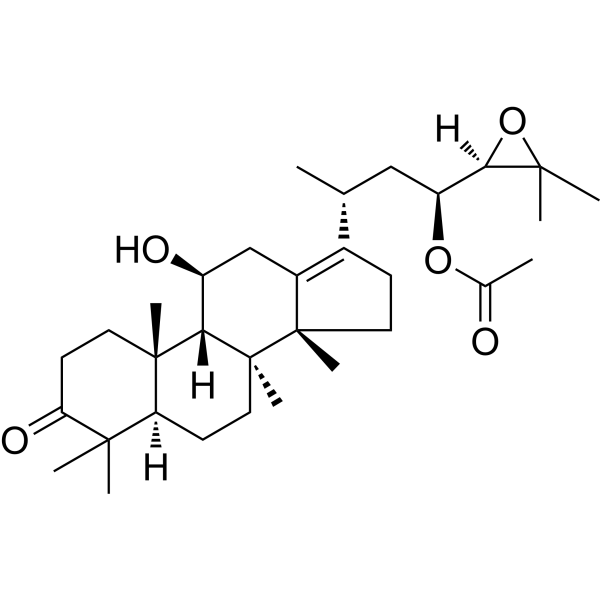
Alisol B 23-acetate is an orally active prototerpane-type triterpenoid. Alisol B 23-acetate can be isolated from Alisma orientalis. Alisol B 23-acetate induces Apoptosis, promotes ROS generation, downregulates CDK4/6, MMP-2/9, upregulates cleaved PARP, activates FXR and inhibits Syk. Alisol B 23-acetate has anti-inflammatory and hepatoprotective activities. Alisol B 23-acetate protects the kidney from ischemia-reperfusion injury. Alisol B 23-acetate has anticancer activity against ovarian cancer, colon cancer, lung cancer, and gastric cancer. Alisol B 23-acetate can be used in the study of atherosclerosis and allergic asthma .
loading...
    loading...
3
3 Cited Publications
Cat. No.: HY-131003
CAS No.: 1505515-69-4
Purity:  99.78%
Synonyms: DS-6051b; AB-106; IBI-344
Target:  

ROS Kinase

Research Areas:  

Cancer

Taletrectinib (DS-6051b) is a potent, orally active, and next-generation selective ROS1/NTRK inhibitor. Taletrectinib potently inhibits recombinant ROS1, NTRK1, NTRK2, and NTRK3 with IC50s of 0.207, 0.622, 2.28, and 0.98 nM, respectively. Taletrectinib also inhibits ROS1 G2032R and other Crizotinib-resistant ROS1 mutants .
loading...
    loading...
3
3 Cited Publications
Cat. No.: HY-D0885
CAS No.: 67-07-2
Synonyms: Creatine phosphate; Creatinephosphoric acid
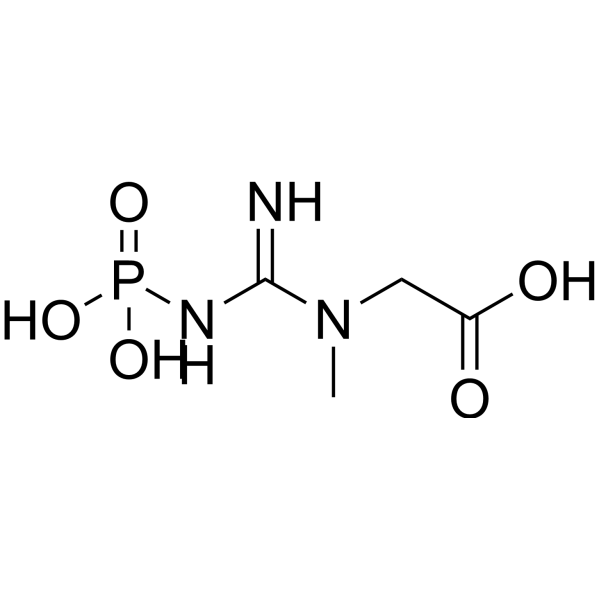
Phosphocreatine (creatine phosphate) is an organic compound found in vertebrate skeletal muscles. Phosphocreatine enhances antioxidant activity, and activates the TAK1 pathway to protect the heart. Phosphocreatine normalizing mitochondrial function and reducing oxidative stress via Akt mediated Nrf2/HO-1 pathway. Phosphocreatine provides renal protection by suppressing Apoptosis and ROS (Reactive Oxygen Species) generation through ERK mediated mediated Nrf-2/HO-1 pathway. .
loading...
    loading...
3
3 Cited Publications
Cat. No.: HY-D0885B
CAS No.: 922-32-7
Synonyms: Disodium creatine phosphate
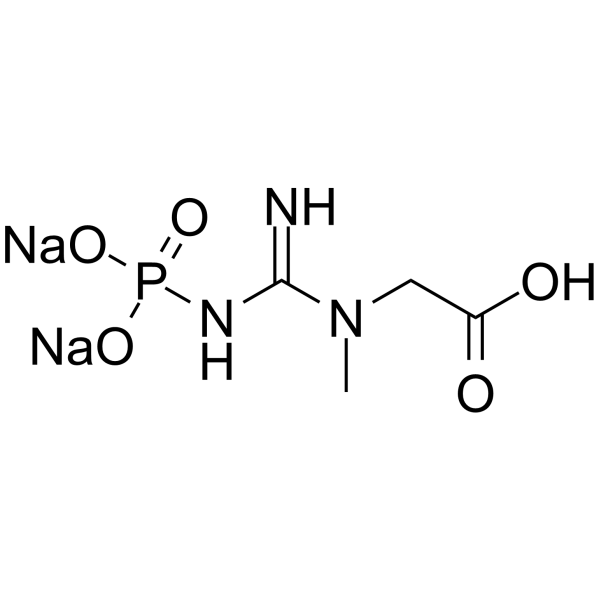
Phosphocreatine (disodium) is an organic compound found in vertebrate skeletal muscles. Phosphocreatine (disodium) enhances antioxidant activity, and activates the TAK1 pathway to protect the heart. Phosphocreatine (disodium) normalizing mitochondrial function and reducing oxidative stress via Akt mediated Nrf2/HO-1 pathway. Phosphocreatine (disodium) provides renal protection by suppressing Apoptosis and ROS (Reactive Oxygen Species) generation through ERK mediated mediated Nrf-2/HO-1 pathway. .
loading...
    loading...
3
3 Cited Publications
Cat. No.: HY-D0885D
CAS No.: 19333-65-4
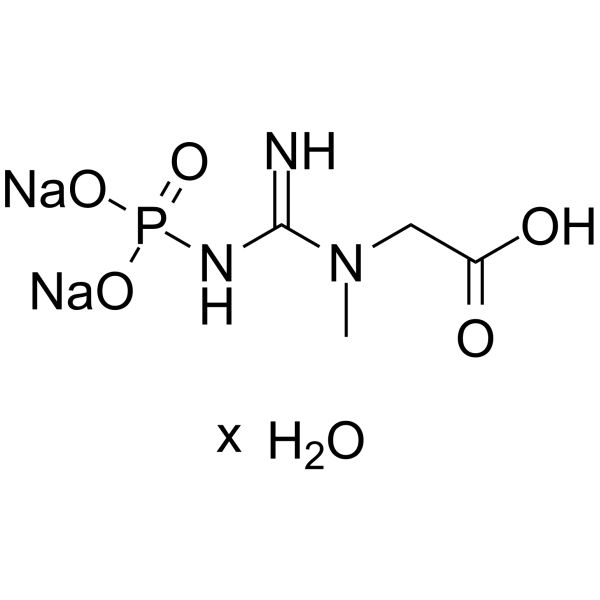
Phosphocreatine (disodium hydrate) is an organic compound found in vertebrate skeletal muscles. Phosphocreatine (disodium hydrate) enhances antioxidant activity, and activates the TAK1 pathway to protect the heart. Phosphocreatine (disodium hydrate) normalizing mitochondrial function and reducing oxidative stress via Akt mediated Nrf2/HO-1 pathway. Phosphocreatine (disodium hydrate) Phosphocreatine (disodium hydrate) provides renal protection by suppressing Apoptosis and ROS (Reactive Oxygen Species) generation through ERK mediated mediated Nrf-2/HO-1 pathway. .
loading...
    loading...
3
3 Cited Publications
Cat. No.: HY-N6893
CAS No.: 54999-07-4
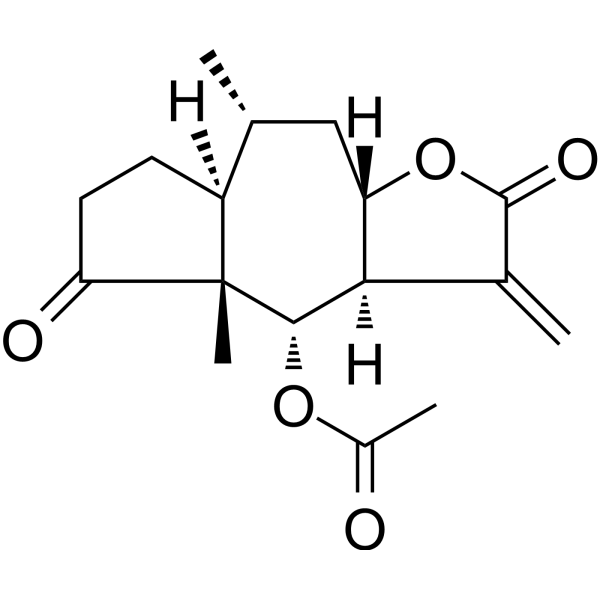
Ergolide is an orally active dual inhibitor targeting NF-κB/p65 and NLRP3. Ergolide blocks the NF-κB signaling pathway and the nuclear translocation of p65, and irreversibly binds to the NACHT domain of NLRP3 to inhibit inflammasome assembly. Ergolide significantly reduces the production of inflammatory mediators (e.g., NO, PGE2) and cytokines, induces cancer cell apoptosis, autophagy and ROS generation. Ergolide also enhances the anti-tumor effect of vincristine. Ergolide alleviates acute lung injury via an NLRP3-dependent mechanism, and effectively improves the survival rate and behavioral function of septic mice and inflammatory zebrafish models. Ergolide is used in the research of metastatic uveal melanoma, neurodegenerative diseases (such as Alzheimer's disease, Parkinson's disease), sepsis and acute lymphoblastic leukemia .
loading...
    loading...
2
2 Cited Publications
Cat. No.: HY-113328
CAS No.: 542-32-5
Purity:  99.86%
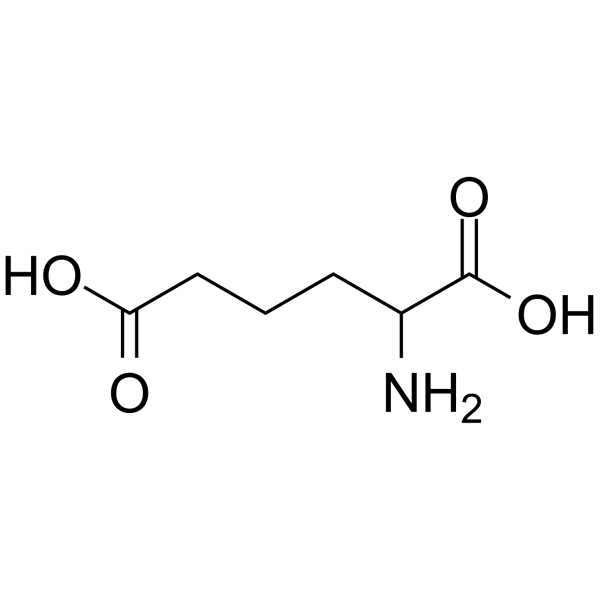
Aminoadipic acid is an orally active lysine oxide derivative. Aminoadipic acid induces ROS generation, increases free Ca 2+, decreases SOD, and activates TXNIP/NLRP3 pathway. Aminoadipic acid has pro-inflammatory effects. Aminoadipic acid can be used in atherosclerosis research .
loading...
    loading...
2
2 Cited Publications
Cat. No.: HY-10498
CAS No.: 917111-44-5
Purity:  99.50%
Synonyms: CYT-997
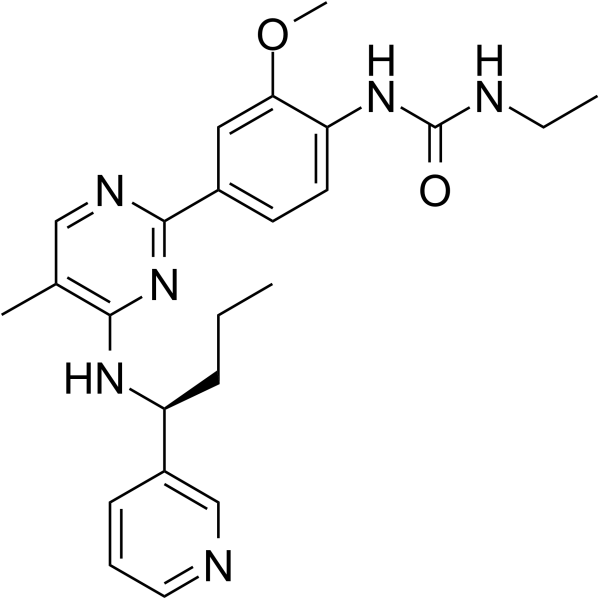
Lexibulin (CYT-997) is a potent and orally active tubulin polymerisation inhibitor with IC50s of 10-100 nM in cancer cell lines; with potent cytotoxic and vascular disrupting activity in vitro and in vivo . Lexibulin induces cell apoptosis and induces mitochondrial ROS generation in GC cells .
loading...
    loading...
2
2 Cited Publications
Cat. No.: HY-N6884
CAS No.: 6983-79-5
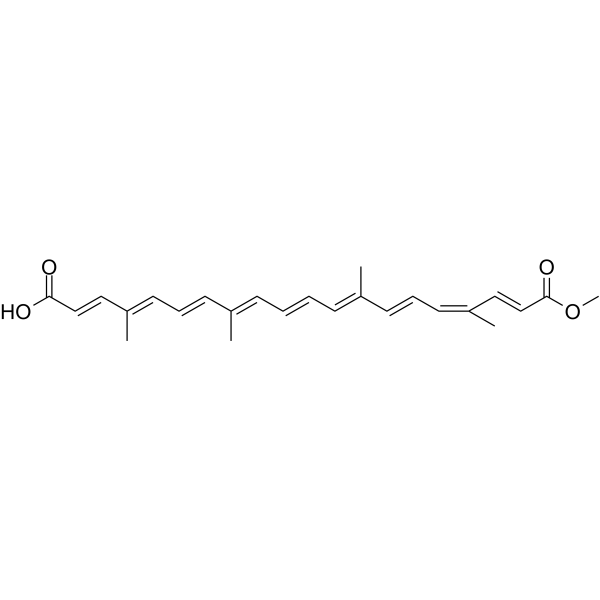
Bixin is an orally active carotenoid found in the seeds of Bixa orellana. Bixin induces apoptosis in cancer cells. Bixin possessing anti-inflammatory, anti-tumor and anti-oxidant activities. Bixin treatment ameliorated cardiac dysfunction through inhibiting fibrosis, inflammation and reactive oxygen species (ROS) generation .
loading...
    loading...
2
2 Cited Publications
Cat. No.: HY-B0166R
CAS No.: 50-81-7
Synonyms: L-Ascorbate (Standard); Vitamin C (Standard)
L-Ascorbic acid (Standard) is the analytical standard of L-Ascorbic acid. This product is intended for research and analytical applications. L-Ascorbic acid (L-Ascorbate), an electron donor, is an endogenous antioxidant agent. L-Ascorbic acid inhibits selectively Cav3.2 channels with an IC50 of 6.5 μM. L-Ascorbic acid is also a collagen deposition enhancer and an elastogenesis inhibitor . L-Ascorbic acid exhibits anti-cancer effects through the generation of reactive oxygen species (ROS) and selective damage to cancer cells .
loading...
    loading...
2
2 Cited Publications
Cat. No.: HY-N0818
CAS No.: 51415-02-2
Synonyms: Calenduloside F
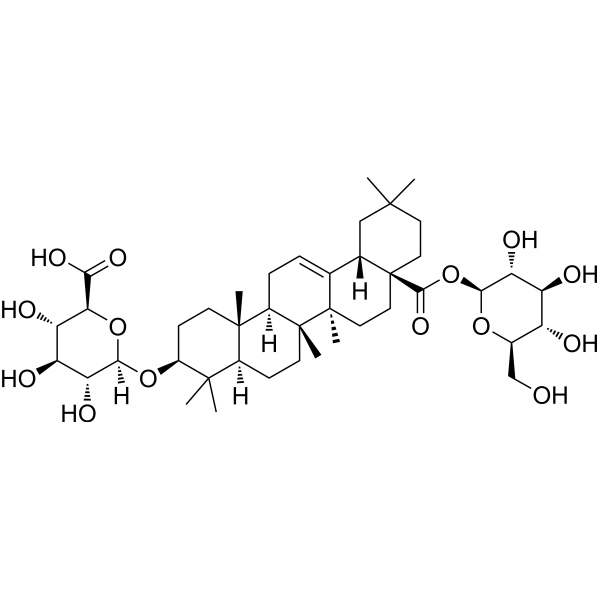
Chikusetsusaponin IVa is an orally active protein kinase activator. Chikusetsusaponin IVa binds to YAP with a KD value of 0.388 mM. Chikusetsusaponin IVa reduces inflammatory mediators (IL-6, IL-10, COX-2) expression, NO production, promotes ROS generation, induces Apoptosis, inhibits MAPK, TAZ, and regulates Nrf2, JAK/STAT. Chikusetsusaponin Iva has anti-H9N2 AIV and anti-endometrial cancer activities. Chikusetsusaponin Iva shows anti-inflammatory, hepatoprotective and osteoprotective effects .
loading...
    loading...
2
2 Cited Publications
Cat. No.: HY-N2132
CAS No.: 1775-97-9
Synonyms: Flavokavain B
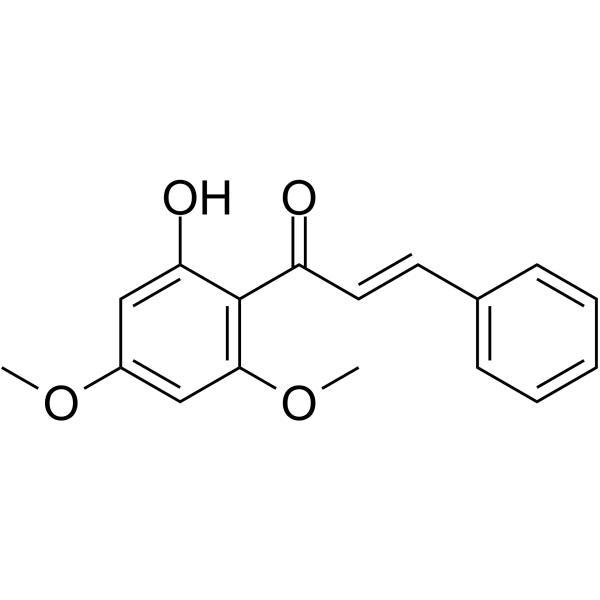
Flavokawain B (Flavokavain B) is an orally active chalcone. Flavokawain B results in activation of caspase-9, -3 and -8, cleavage of PARP. Flavokawain B down-regulates Bcl-2 with concomitant increase in Bax level. Flavokawain B inhibits NF-κB, PI3K/Akt and MAPK signaling pathway. Flavokawain B exhibits Apoptotic effects. Flavokawain B inhibits MMP-9 and promotes ROS generation. Flavokawain B inhibits multiple tumors and inflammation .
loading...
    loading...
2
2 Cited Publications
Cat. No.: HY-N6865
CAS No.: 38691-95-1
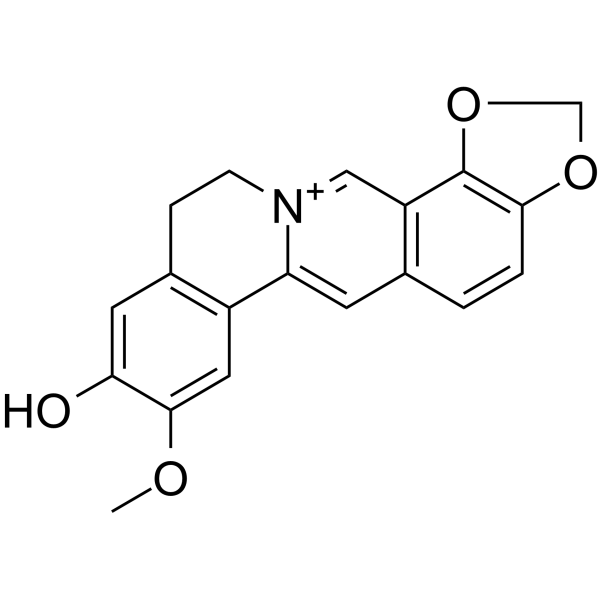
Groenlandicine, a protoberberine alkaloid, is a cholinesterase inhibitor (AChE (IC50 = 0.54 μM), BChE (IC50 = 3.32 μM)). Groenlandicine non-competitively inhibits BACE1 (IC50 = 19.68 μM, Ki = 21.2) and inhibits RLAR (IC50 = 140.1 μM), HRAR (IC50 = 154.2 μM), and total ROS generation (IC50 = 51.78 μM) in vitro. Groenlandicine suppresses osteosarcoma cell proliferation while promoting apoptosis. Groenlandicine inhibits the tumor growth when combined with Cisplatin (HY-17394). Groenlandicine can be used for the study on osteosarcoma, Alzheimer's disease and diabetes mellitus .
loading...
    loading...

