249 Results for "

ROS generation

" in MedChemExpress (MCE) Product Catalog:
Products (249)

249 Results for "ROS generation" in MCE Product Catalog:

2
2 Cited Publications
Cat. No.: HY-N5063
CAS No.: 147331-98-4
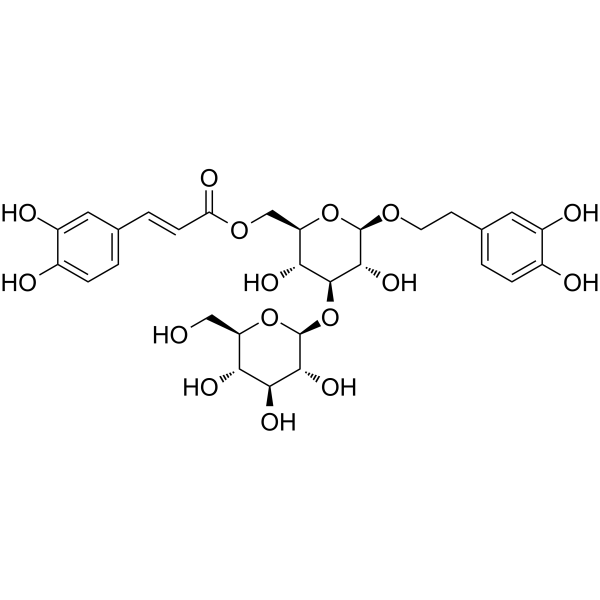
Plantainoside D, a phenylethanoid glycosides, is a IKK-β inhibitor with diverse biological activities. Plantainoside D shows inhibitory activity of angiotensin-converting enzyme (ACE) with an IC50 of 2.17 mM. Plantainoside D significantly reduces the release of glutamate from nerve terminals in the cerebral cortex of rats by inhibiting the voltage-dependent calcium channel (VDCCs) and protein kinase C (PKC) signaling cascade. Plantainoside D significantly alleviates cell apoptosis by inhibiting the generation of ROS and the activation of NF-κB. Plantainoside D significantly improves acute lung injury (ALI) induced by sepsis by regulating the Sirt3/NLRP3 signaling pathway. Plantainoside D can be used for the study of neuroprotection, antioxidant, anti-inflammation, antihypertension .
loading...
    loading...
2
2 Cited Publications
Cat. No.: HY-N1970
CAS No.: 31721-94-5
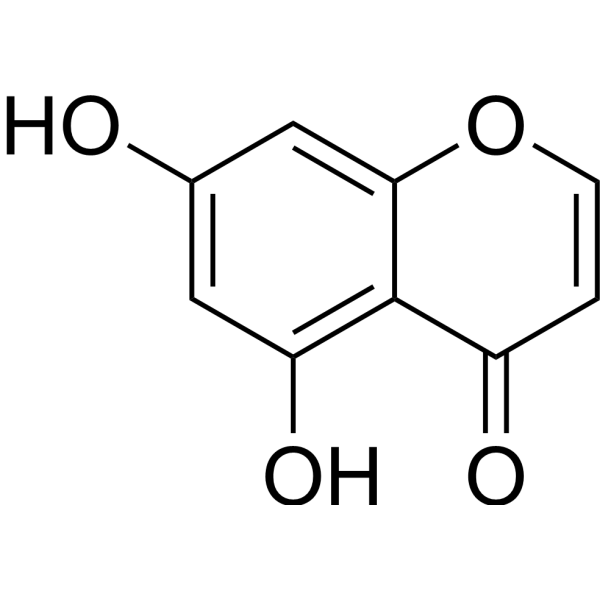
5,7-Dihydroxychromone is a flavonoid compound with antioxidant properties. 5,7-Dihydroxychromone induces Nrf2 nuclear translocation, increases Nrf2/ARE binding activity, and up-regulates Nrf2-dependent antioxidant genes HO-1, NQO1, GCLc. 5,7-Dihydroxychromone attenuates excessive ROS generation, inhibits activated caspase-3, caspase-9, cleaved PARP expression, and prevents neuronal apoptosis and cell death. 5,7-Dihydroxychromone increases LXRα and PPARγ mRNA expression, induces preadipocyte differentiation, and regulates blood glucose levels. 5,7-Dihydroxychromone inhibits radial growth of soil pathogenic fungi, radicle elongation of select seedlings, and transiently inhibits Bradyrhizobium sp. growth in high mannitol medium. 5,7-Dihydroxychromone can be used for the research of Parkinson’s disease, type 2 diabetes mellitus and pathogenic fungal infection .
loading...
    loading...
1
1 Cited Publications
Cat. No.: HY-N2067
CAS No.: 498-00-0
Synonyms: p-(Hydroxymethyl)guaiacol
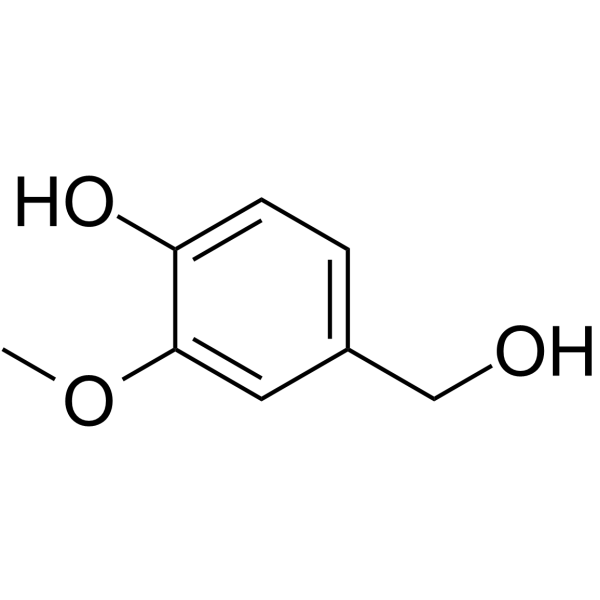
Vanillyl alcohol (p-(Hydroxymethyl)guaiacol) is an orally active phenolic alcohol. Vanillyl alcohol reduces ROS generation. suppresses Bax, increases Bcl-2. Vanillyl alcohol has anti-angiogenic, anti-inflammatory, anti-nociceptive and neuroprotective effects. Vanillyl alcohol is used as a flavoring agent in foods and beverages .
loading...
    loading...
1
1 Cited Publications
Cat. No.: HY-150228
Purity:  ≥95.0%
Target:  

TrxR

Research Areas:  

Cancer

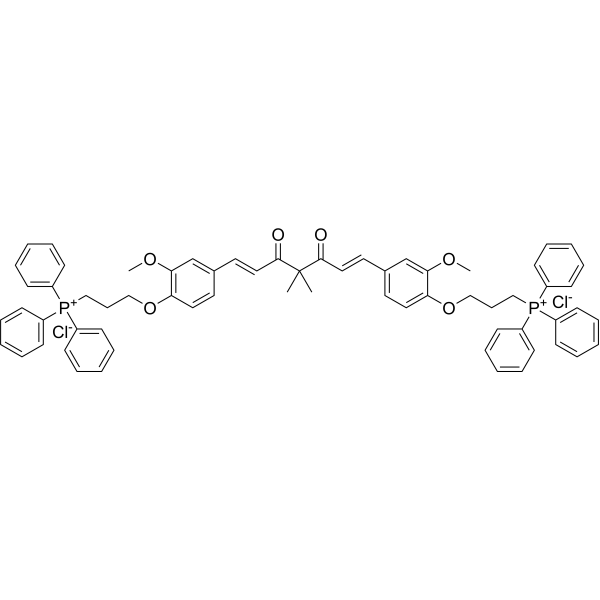
MitoCur-1, a curcumin analogue, is an inhibitor of mitochondrial antioxidative thioredoxin reductase 2 (TrxR2). MitoCur-1 has electrophilic and mitochondrial-targeting properties. MitoCur-1 induces reactive oxygen species (ROS) generation, exerts specifically antitumor efficacy .
loading...
    loading...
1
1 Cited Publications
Cat. No.: HY-119678
CAS No.: 20633-93-6
Purity:  96.51%
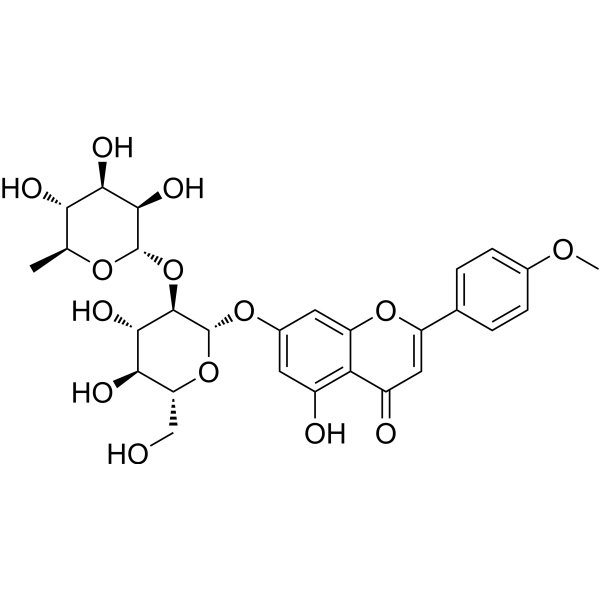
Fortunellin, is a flavonoid, that can be isolated from the fruits of Fortunella margarita (kumquat). Fortunellin exhibits little toxicity to mice and suppresses inflammation and ROS generation in H9C2 cells induced by LPS. Fortunellin protects against fructose-induced inflammation and oxidative stress by enhancing AMPK/Nrf2 pathway. Fortunellin can be used for diabetic cardiomyopathy research .
loading...
    loading...
1
1 Cited Publications
Cat. No.: HY-N2585
CAS No.: 38927-54-7
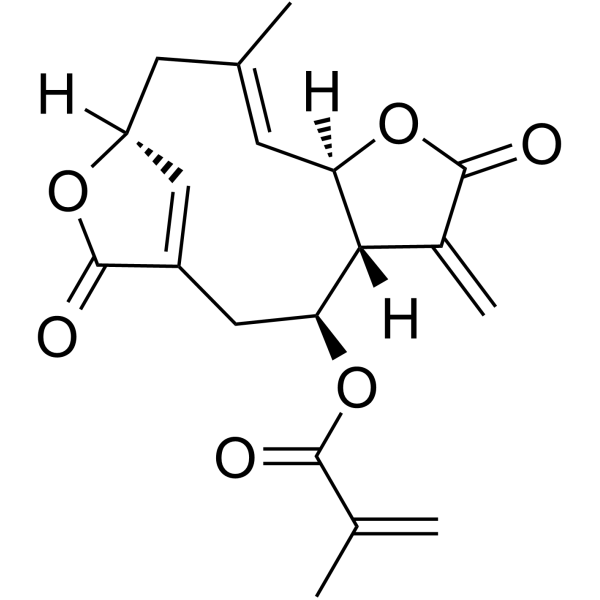
Isodeoxyelephantopin is a sesquiterpene lactone isolated from Elephantopus scaber. Isodeoxyelephantopin induces ROS generation, suppresses NF-κB activation. Isodeoxyelephantopin also modulates LncRNA expression and exhibit activities against breast cancer .
loading...
    loading...
1
1 Cited Publications
Cat. No.: HY-N0309
CAS No.: 114590-20-4
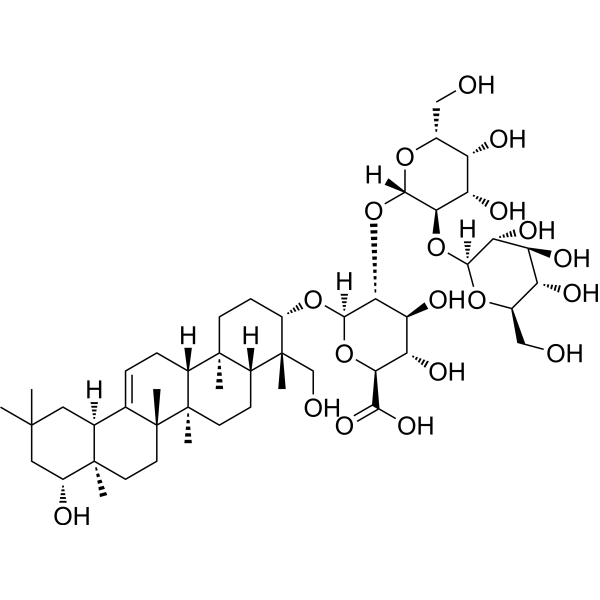
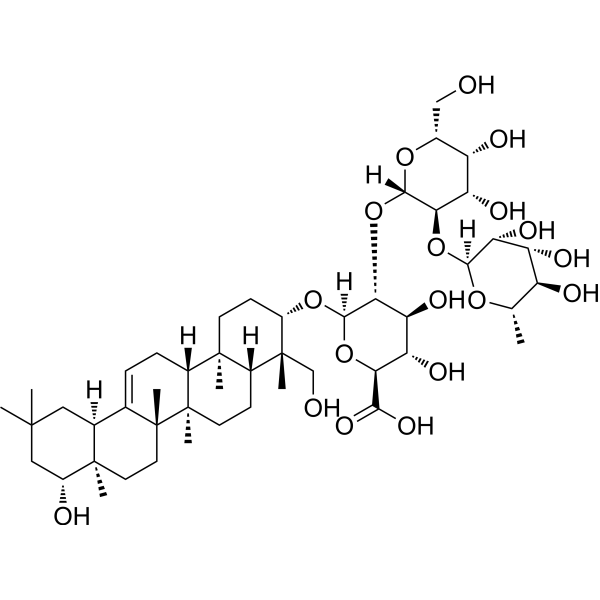
Soyasaponin Ba is a soyasaponin that can be isolated from Phaseolus vulgaris, acts as an aldose reductase inhibitor (ARI). Soyasaponin Ba activates Akt/GSK3β/β-catenin signaling pathway, reduces lipid accumulation, lowers ROS generation, improves mitochondrial membrane potential, ATP levels, and morphology, and inhibits apoptosis. Soyasaponin Ba can be used for the research of lipid accumulation and secondary diabetic complications .
loading...
    loading...
1
1 Cited Publications
Cat. No.: HY-N0721
CAS No.: 27215-14-1
Synonyms: Neoandrographiside
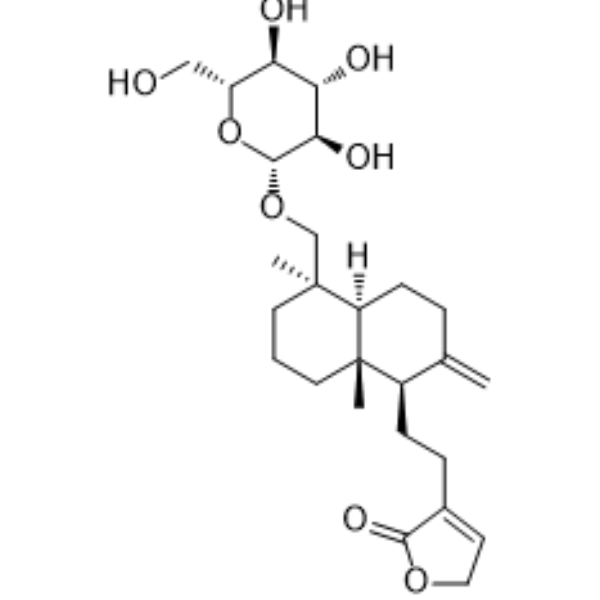
Neoandrographolide is a diterpenoid compound isolated from Andrographis paniculata. Neoandrographolide inhibits osteoclasts differentiation and bone resorption through inhibition of MAPK/NF-κB/PI3K/AKT/GSK3β/PPAR/CAMK signaling pathway. Neoandrographolide inhibits apoptosis in rat embryonic ventricular cardiomyocytes. Neoandrographolide inhibits iNOS and the generation of ROS, activates eNOS, exhibiting anti-inflammatory and hypolipidemic activity .
loading...
    loading...
1
1 Cited Publications
Cat. No.: HY-147791
CAS No.: 2143463-35-6
Purity:  98.70%
MDH1-IN-2 (Compound 7c) is a selective MDH1 inhibitor, with IC50 values of 2.27 and 27.47 μM for MDH1 and MDH2, respectively. MDH1-IN-2 can reduce the generation of ROS by inhibiting the conversion of 2-Ketoglutaric acid (HY-W013636) to α-Hydroxyglutaric acid (HY-113038B) mediated by MDH1, thereby suppressing 2-Ketoglutaric acid (HY-W013636)-induced ferroptosis .
loading...
    loading...
1
1 Cited Publications
Cat. No.: HY-W026772
CAS No.: 86-73-7
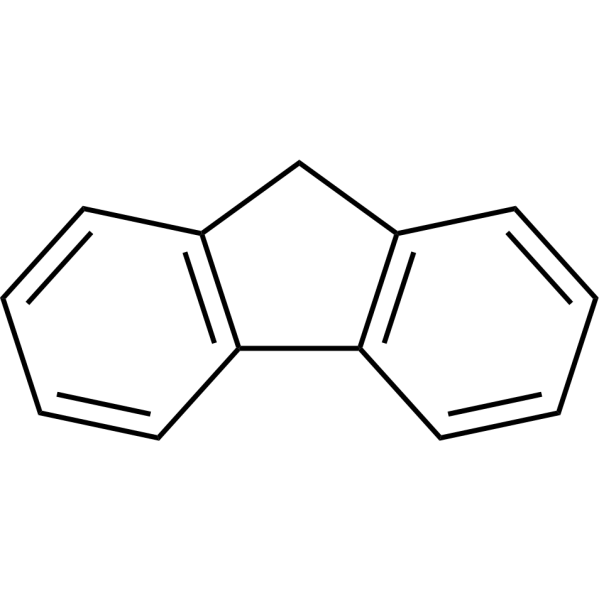
Fluorene is an orally active polycyclic aromatic hydrocarbon (PAH) and a precursor to other fluorene-based compounds. Fluorene and its derivatives serve as dye precursors for fluorene synthesis. In A549 cells, Fluorene induces oxidative stress and inflammatory responses by increasing ROS and SOD generation, exacerbating lipid peroxidation, modulating antioxidant enzyme activity, and upregulating the expression of pro-inflammatory factors TNF-α and IL-6. In vivo, Fluorene exhibits anxiolytic activity. Fluorene holds potential for research in inflammation and neurological disorders .
loading...
    loading...
1
1 Cited Publications
Cat. No.: HY-N0310
CAS No.: 51330-27-9
Soyasaponin Bb is an orally active, covalent inducer of heme oxygenase HO-1 and an inhibitor of aldose reductase AKR1B1. Soyasaponin Bb can regulate oxidative stress pathways, enhance antioxidant capacity, reduce reactive oxygen species (ROS) generation, and inhibit lipid peroxidation and hepatocyte apoptosis. Soyasaponin Bb improves alcohol-induced hepatocyte membrane damage and liver function abnormalities, and improves Scopolamine (HY-N0296)-induced memory impairment. Soyasaponin Bb has antioxidant, hepatoprotective, and neuroprotective activities .
loading...
    loading...
1
1 Cited Publications
Cat. No.: HY-W050000
CAS No.: 101328-85-2
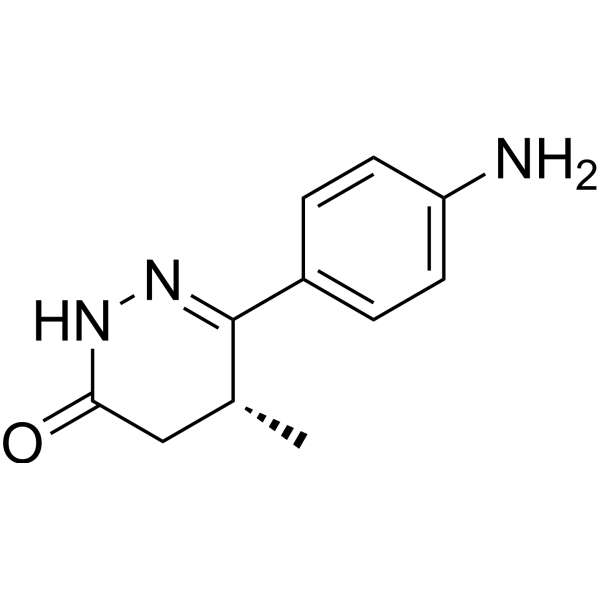
OR-1855, an active metabolite of Levosimendan (HY-14286), has effect on myometrial contractility. OR-1855 exerts anti-inflammatory effects by inhibiting IL-1β-induced ROS formation and NAD(P)H oxidase-dependent superoxide radical generation in HUVECs. OR-1855 inhibits IL-1β-induced phosphorylation p38 MAPK, ERK1/2, c-Jun and JNK in HUVECs. OR-1855 can be used for the study of inflammation .
loading...
    loading...
1
1 Cited Publications
Cat. No.: HY-W250122
CAS No.: 32221-81-1
Synonyms: Monosodium glutamate
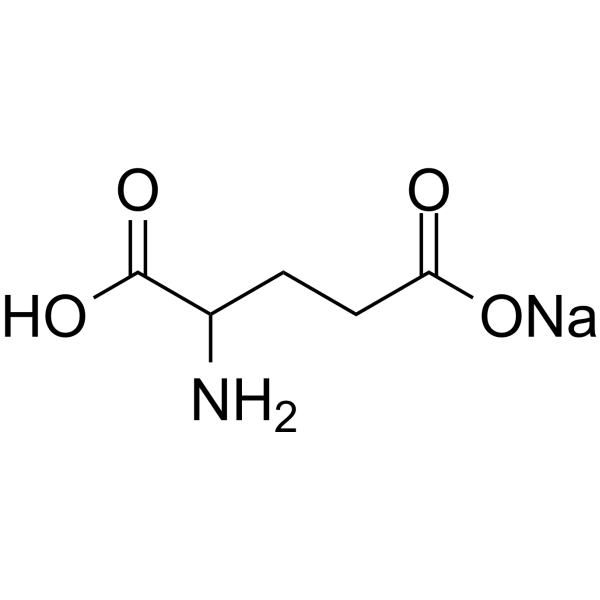
Glutamic acid sodium salt (Monosodium glutamate) is an orally active food flavor enhancer. Glutamic acid sodium salt causes ROS generation, mitochondrial dysfunction, and Apoptosis. Glutamic acid sodium salt upregulates CHOP, Grp78, and Bcl-2. Glutamic acid sodium salt impairs cognition, induces depressive-like behavior, induces hyperalgesia, and induces obesity and insulin resistance. Glutamic acid sodium salt can be used to study neurotoxicity (e.g., brain damage, cognitive impairment), metabolic disorders (e.g., obesity, insulin resistance), hepatotoxicity, and renal toxicity, as well as pain-related disorders .
loading...
    loading...
1
1 Cited Publications
Cat. No.: HY-123581
CAS No.: 81810-66-4
Purity:  98.00%
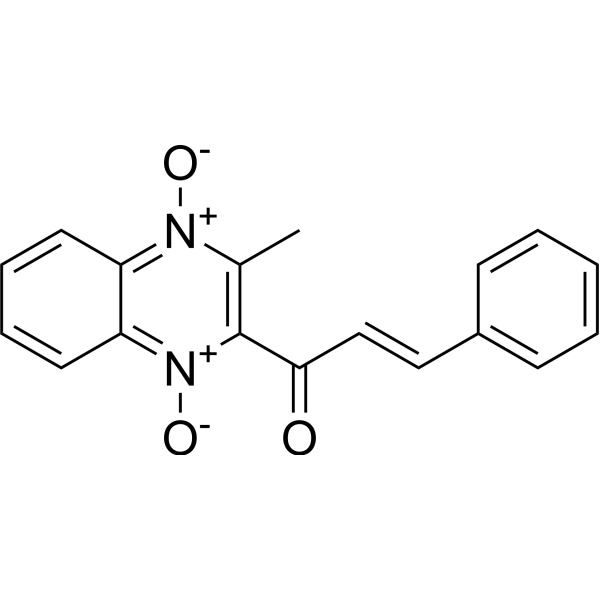
Quinocetone is an orally active animal feed additive used to increase the meat production of livestock and poultry. Quinocetone exhibits antibacterial activity against a variety of pathogenic microorganisms. Quinocetone exhibits tissue-specific (liver, lymphocyte) toxicity. Quinocetone induces autophagy in cells through the ATF6/DAPK1 pathway. Quinocetone activates the NF-κB and iNOS pathways, leading to cell apoptosis, hepatocyte vacuolar degeneration and fibrosis. Quinocetone can inhibit Nrf2/HO-1 and induce the generation of reactive oxygen species (ROS), leading to oxidative stress and DNA damage .
loading...
    loading...
1
1 Cited Publications
Cat. No.: HY-N2157
CAS No.: 13161-75-6
Synonyms: (+)-Pteryxin
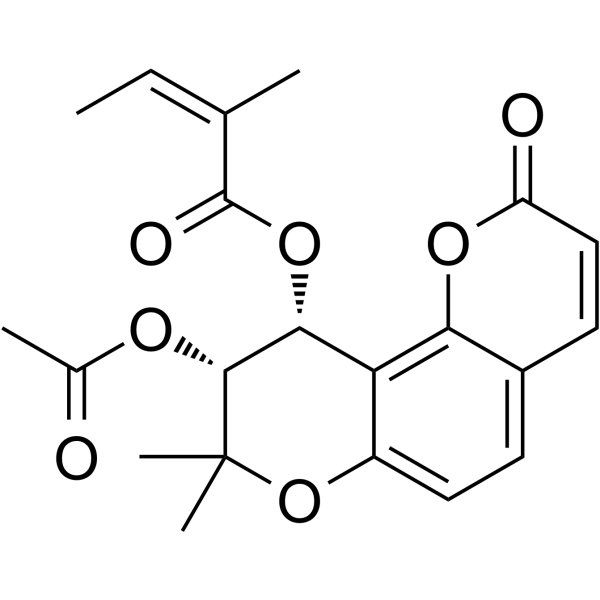
Pteryxin ((+)-Pteryxin) is an orally active multi-target inhibitor that targets NF-κB, MAPK, NLRP3 inflammasome, and Nrf2/ARE pathways. Pteryxin is also a BChE inhibitor (IC50=12.96 μg/mL) with a low inhibitory efficiency on AChE. Pteryxin inhibits the Ca 2+-calcineurin-NFATc1 pathway by blocking NF-κB/MAPK signaling, inhibiting NLRP3 inflammasome activation, and reducing ROS generation, and activates Nrf2-mediated antioxidant enzyme expression. Pteryxin has anti-inflammatory, antioxidant, and osteoclastogenesis inhibitory activities. Pteryxin can be used in the study of inflammatory diseases, osteoporosis, diabetes, and Alzheimer's disease .
loading...
    loading...
1
1 Cited Publications
Cat. No.: HY-N3001
CAS No.: 957-66-4
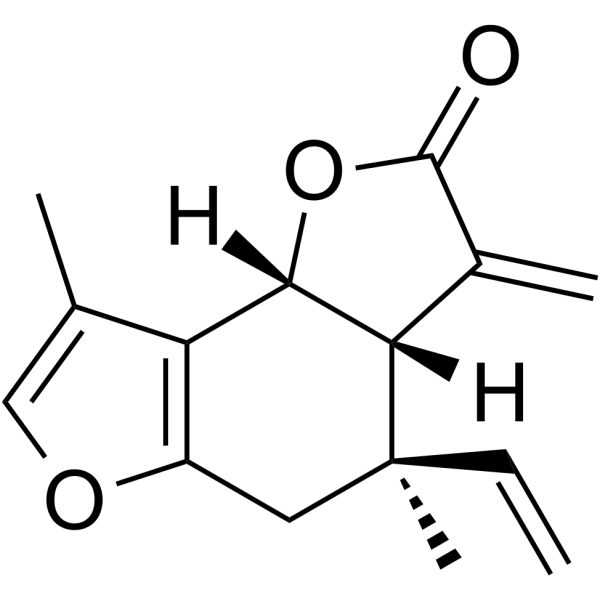
Isolinderalactone is a sesquiterpene that exhibits anti-cancer, anti-inflammatory, and neuroprotective effects. Isolinderalactone inhibits VEGF expression and tyrosine phosphorylation of VEGFR2. Isolinderalactone decreases viability and induces apoptosis in U-87 glioblastoma (GBM) cells and colorectal cancer (CRC) cells. Isolinderalactone induces G2/M phase cell cycle arrest, ROS generation, pJNK/p38 MAPK activation, in colorectal cancer (CRC) cells. Isolinderalactone blocks LPS (HY-D1056)-induced NF-κB activation while activating Nrf2-HMOX1 signaling in RAW264.7 macrophages. Isolinderalactone improves cognitive dysfunction in APP/PS1 mice. Isolinderalactone can be used for the study of Glioblastoma multiforme (GBM), colorectal cancer, Alzheimer’s disease and acute lung injury .
loading...
    loading...
Cat. No.: HY-125857C
CAS No.: 9007-43-6
Purity:  95.00%
Cytochrome C (bovine heart) is composed of 104 amino acids and is a nuclear-encoded mitochondrial protein. Cytochrome C (bovine heart) acts as an effective ROS scavenger, but when combined with the cofactor p66Shc, it promotes the generation of ROS to initiate apoptosis. Cytochrome C (bovine heart) can act as a single electron carrier .
loading...
    loading...
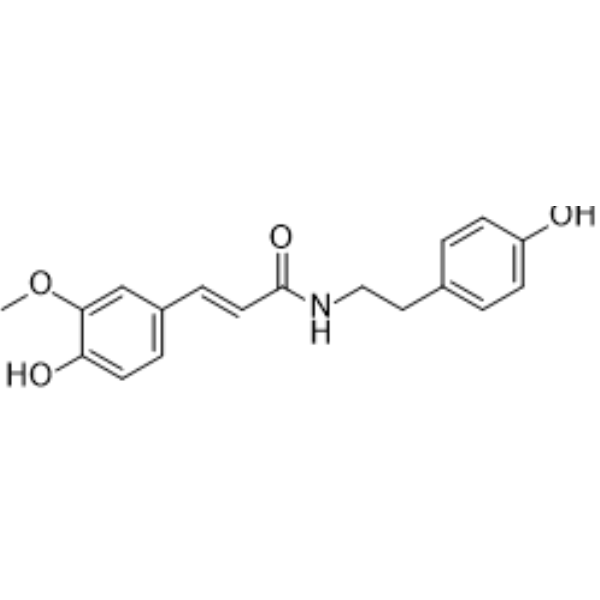
Cat. No.: HY-N2410
CAS No.: 66648-43-9
Synonyms: N-feruloyltyramine; Moupinamide
N-trans-Feruloyltyramine (N-feruloyltyramine), an alkaloid, is a potent antioxidant. N-trans-Feruloyltyramine improves H2O2-induced intracellular ROS generation and decreases apoptosis. N-trans-Feruloyltyramine has the potential for oxidative stress-related neurodegenerative conditions and cancer research .
loading...
    loading...
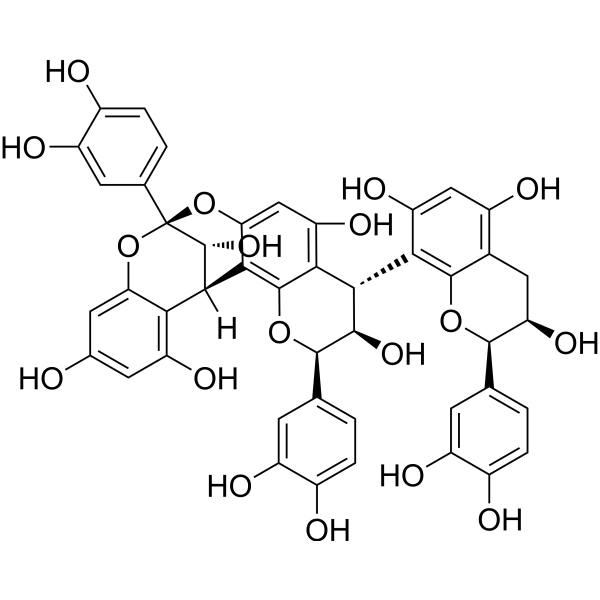
Cat. No.: HY-130237
CAS No.: 88082-60-4
Purity:  97.25%
Cinnamtannin B-1 is a anthocyanidin. Cinnamtannin B-1 inhibits the osteoclast formation by inhibiting NF-kB signaling pathway and ROS generation. Cinnamtannin B-1 exhibits antioxidant, anti-inflammatory, antitumor and anti-platelet aggregation activities. Cinnamtannin B-1 is orally active .
loading...
    loading...
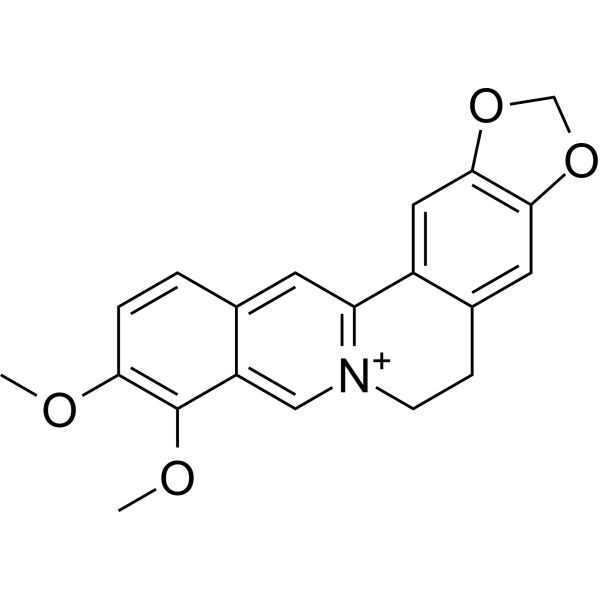
Cat. No.: HY-N0716
CAS No.: 2086-83-1
Synonyms: Natural Yellow 18
Berberine (Natural Yellow 18) is an alkaloid isolated from the Chinese herbal medicine Huanglian, as an antibiotic. Berberine (Natural Yellow 18) induces reactive oxygen species (ROS) generation and inhibits DNA topoisomerase. Berberine (Natural Yellow 18) has antineoplastic properties. The sulfate form (HY-N0716B) improves bioavailability .
loading...
    loading...

