
178 Results for "

cell penetrant

" in MedChemExpress (MCE) Product Catalog:
Products (178)

178 Results for "cell penetrant" in MCE Product Catalog:

4
4 Cited Publications
Cat. No.: HY-B0688
CAS No.: 80-08-0
Synonyms: 4,4′-Diaminodiphenyl sulfone; DDS
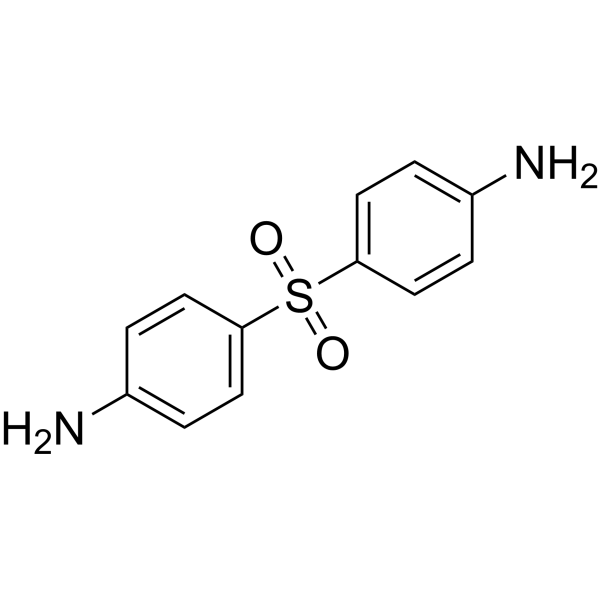
Dapsone (4,4′-Diaminodiphenyl sulfone) is an orally active and blood-brain penetrant sulfonamide antibiotic with bacteriostatic, antimycobacterial and antiprotozoal activities . Dapsone?exerts effective antileprosy activity?and inhibits folate synthesis in cell extracts of?M. leprae. Dapsone is used for dermatologic disorder research, including leprosy, dermatitis herpetiformis, acne vulgaris et al .
loading...
    loading...
3
3 Cited Publications
Cat. No.: HY-17383
CAS No.: 151533-22-1
Target:  

Antifolate

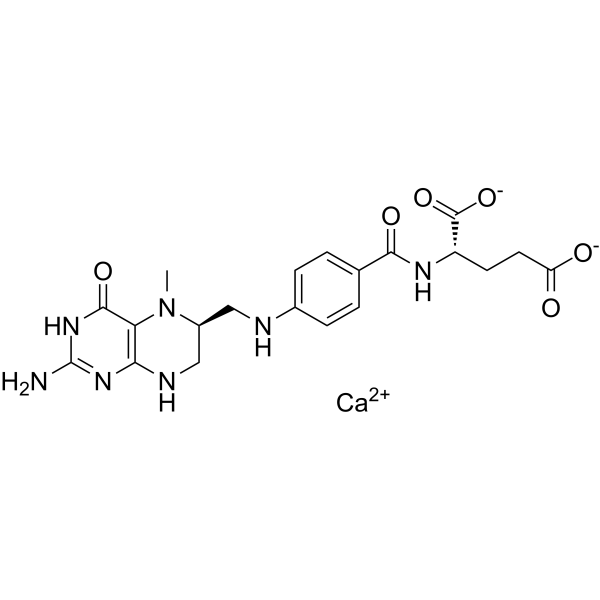
Levomefolate calcium is a synthetic calcium salt of L-5-methyltetrahydrofolate and an orally active and brain-penetrant folate supplement. Levomefolate calcium incorporates into body folate pools to increase plasma and red blood cell folate levels over time. Levomefolate calcium does not significantly increase folate concentrations in breast milk. Levomefolate calcium can be used for the research of neural tube defects and megaloblastic anemia .
loading...
    loading...
3
3 Cited Publications
Cat. No.: HY-B0534
CAS No.: 71320-77-9
Synonyms: Ro111163
Target:  

Monoamine Oxidase

Research Areas:  

Neurological Disease

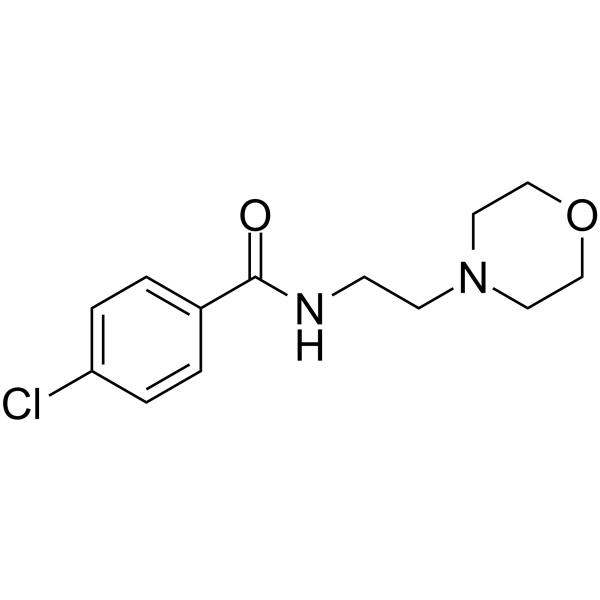
Moclobemide (Ro111163) is a brain-penetrant and reversible monoamine oxidase (MAO-A) inhibitor with an IC50 of 6.061 μM for hMAO-A .Moclobemide up-regulates proliferation of hippocampal progenitor cells in chronically stressed mice.
loading...
    loading...
3
3 Cited Publications
Cat. No.: HY-153268
CAS No.: 2607829-38-7
Purity:  99.03%
Synonyms: BDTX-1535; EGFR-IN-76
Target:  

EGFR

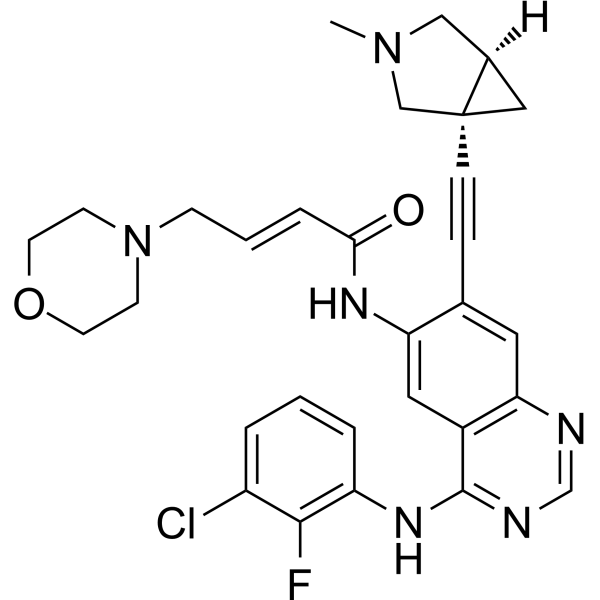
Silevertinib (BDTX-1535) is an irreversible, brain-penetrant, selective and orally active EGFR inhibitor with wild-type EGFR-sparing. Silevertinib targets key EGFR resistance mutations, including the kinase domain (C797S, L718Q, G724S, S768I), extracellular domain (EGFRvIII, A289X), and EGFR amplification. Silevertinib exerts anti-tumor activity with well tolerated in vivo. Silevertinib can be used for non-small cell lung cancer (NSCLC) and glioblastoma (GBM) research .
loading...
    loading...
3
3 Cited Publications
Cat. No.: HY-W002585
CAS No.: 19916-73-5
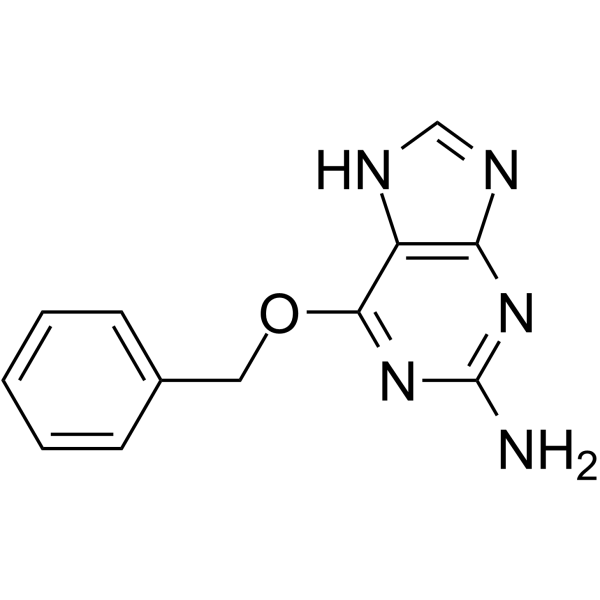
O6-Benzylguanine is an orally active, blood-brain barrier-penetrant inhibitor of O 6-methylguanine-DNA methyltransferase (MGMT/AGT). O6-Benzylguanine modulates p53 and its downstream p21 and cyclins to induce cell cycle arrest and apoptosis, and on the other hand activates mTORC1/MAPK and other signaling pathways to induce cellular senescence by inhibiting intracellular MGMT. O6-Benzylguanine is used in research related to various tumors, cellular senescence, and vascular smooth muscle dysfunction .
loading...
    loading...
3
3 Cited Publications
Cat. No.: HY-128879A
CAS No.: 1281681-33-1
Purity:  98.01%
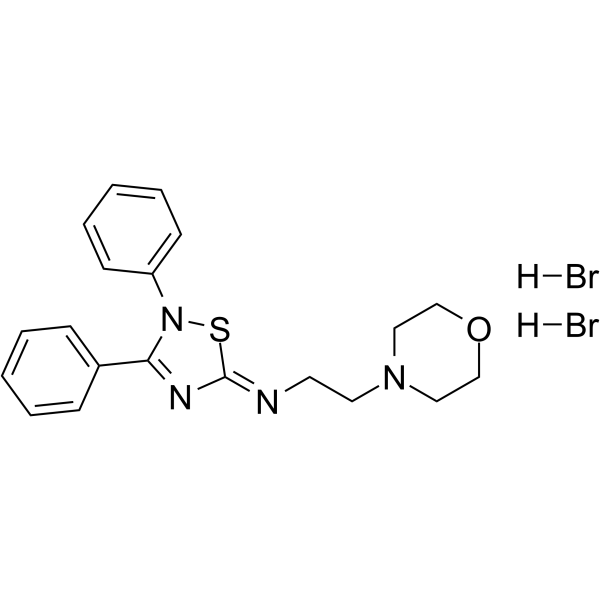
VP3.15 dihydrobromide is a highly potent, orally bioavailable, and CNS-penetrant PDE7-GSK3 dual inhibitor, with IC50 values of 1.59 μM and 0.88 μM against PDE7 and GSK3, respectively . VP3.15 dihydrobromide elevates intracellular cAMP levels, suppresses immune responses, enhances remyelination, limits excessive tau phosphorylation, and alleviates neuroinflammation and neuronal loss. VP3.15 dihydrobromide promotes oligodendrocyte precursor cell differentiation, improves in vivo remyelination, inhibits autoimmune encephalomyelitis, and mitigates germinal matrix-intraventricular hemorrhage-related brain injury, cerebral atrophy, ventricular enlargement, and cognitive impairment. VP3.15 dihydrobromide can be used in research related to multiple sclerosis and germinal matrix-intraventricular hemorrhage .
loading...
    loading...
2
2 Cited Publications
Cat. No.: HY-B0335
CAS No.: 13710-19-5
Synonyms: GEA 6414
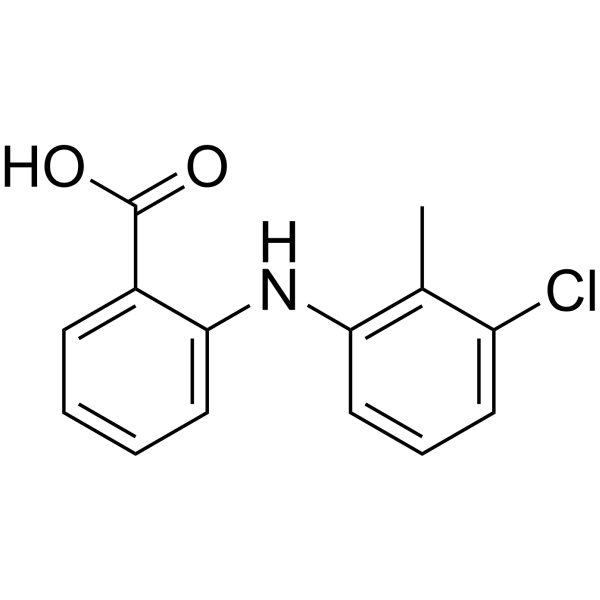
Tolfenamic Acid (GEA 6414) is a CNS-penetrant non-steroidal anti-inflammatory and anti-cancer agent, selectively inhibits COX-2, with an IC50 of 13.49 μM (3.53 μg/mL) in LPS-treated (COX-2) canine DH82 monocyte/macrophage cells, but shows no effect on COX-1.
loading...
    loading...
2
2 Cited Publications
Cat. No.: HY-131881
CAS No.: 2369979-68-8
Purity:  99.98%
Target:  

mAChR

Research Areas:  

Neurological Disease

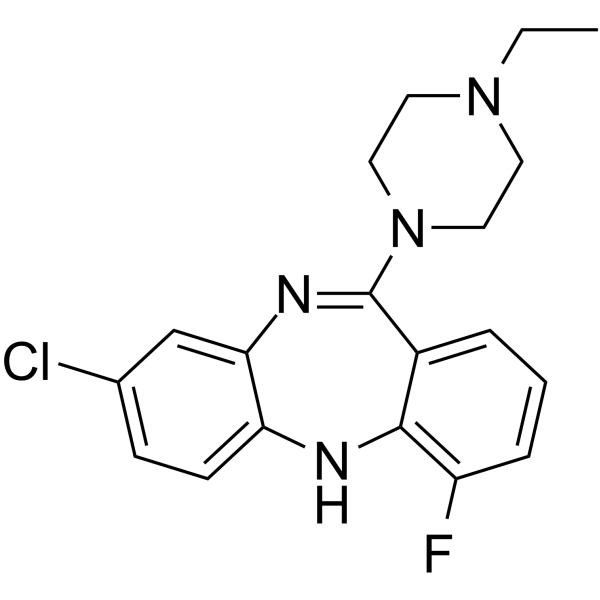
JHU37160 is a potent and brain-penetrant DREADD agonist, with EC50s of 18.5 nM and 0.2 nM for hM3Dq and hM4Di DREADDs in HEK-293 cells, respectively. JHU37160 exhibits selective [ 3H]Clozapine displacement from DREADDs and not from other Clozapine-binding sites in mice brain tissue .
loading...
    loading...
2
2 Cited Publications
Cat. No.: HY-10996A
CAS No.: 1784282-12-7
Purity:  99.65%
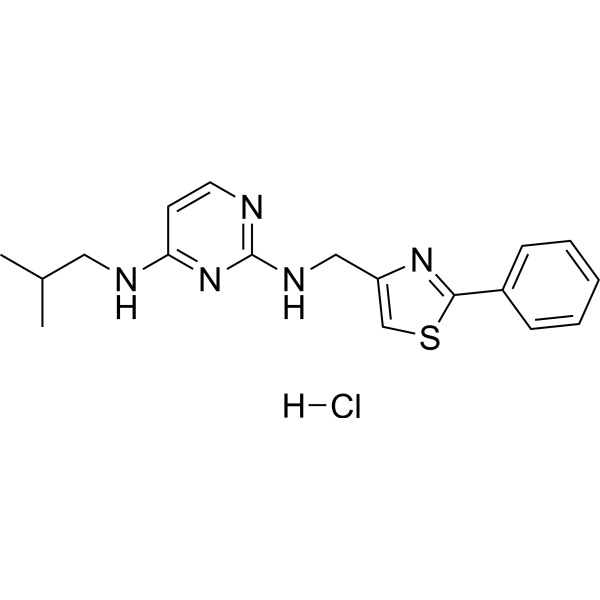
KHS101 is a blood-brain barrier-penetrant anticancer agent that primarily functions by inhibiting HSPD1 (IC50 = 14.4 μM) and TACC3 across different cellular backgrounds. KHS101 promotes the aggregation of HSPD1 with client proteins, destabilizes TACC3, and reduces the levels of TACC3, Aurora A and PLK1. KHS101 induces autophagy, apoptosis, cell cycle exit and neuronal differentiation; it suppresses cancer cell growth, motility, EMT and stemness; it also impairs mitochondrial bioenergetics and glycolysis in glioblastoma cells. KHS101 can be used in research related to glioblastoma multiforme and breast cancer .
loading...
    loading...
1
1 Cited Publications
Cat. No.: HY-109521A
CAS No.: 13446-34-9
Purity:  99.08%
Synonyms: Manganese(Ⅱ) chloride tetrahydrate, molecular biology grade,≥99.0% (KT)
Manganese chloride (tetrahydrate), molecular biology grade,≥99.0% (KT) is an orally active and a blood-brain barrier penetrant compound. It affects the activities of multiple enzymes in cells, such as regulating the activities of histone acetyltransferase (HAT) and histone deacetylase (HDAC), thereby affecting gene expression. It has multiple activities such as neurotoxicity, embryotoxicity, and reproductive toxicity. It is currently mainly used in neurodegenerative diseases and toxicology research.
loading...
    loading...
1
1 Cited Publications
Cat. No.: HY-153341
CAS No.: 2882165-79-7
Purity:  99.41%
Synonyms: CFT1946
Target:  

PROTACs Raf

Research Areas:  

Cancer

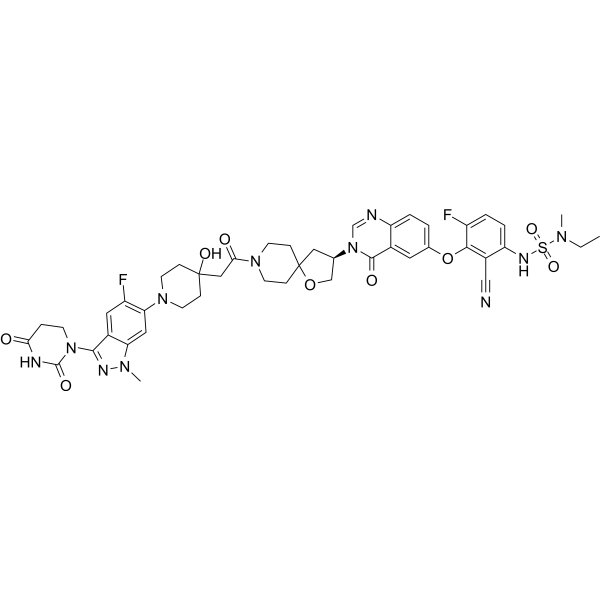
Tagarafdeg (CFT1946) is an orally active, blood-brain barrier-penetrant, and selective bifunctional BiDAC degrader of the BRAF V600E/K mutant protein, with a DC50 of 14 nM in A375 cells. Tagarafdeg mediates the ubiquitination and proteasomal degradation of BRAF mutant proteins. Tagarafdeg inhibits tumor progression in multiple models of BRAF V600E-mutant intracranial tumors, melanoma, and colorectal cancer. Tagarafdeg is applicable to tumor-related research .
loading...
    loading...
1
1 Cited Publications
Cat. No.: HY-119939
CAS No.: 1629729-98-1
Purity:  98.10%
Synonyms: CHDI00390576
Target:  

HDAC

Research Areas:  

Cancer

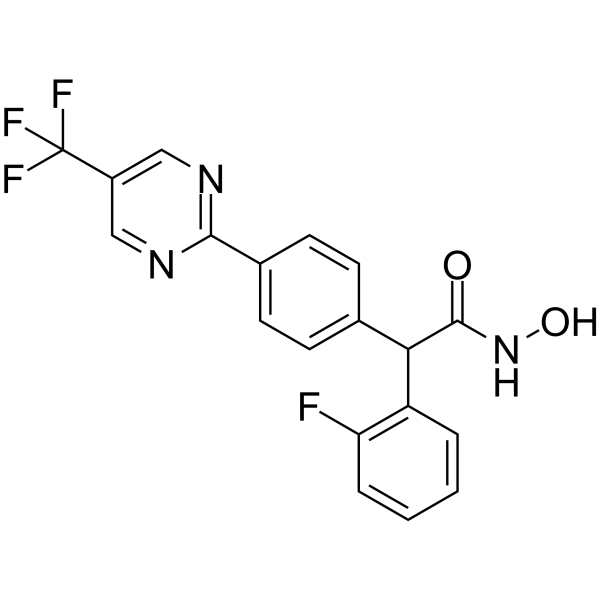
CHDI-390576, a potent, cell permeable and CNS penetrant class IIa histone deacetylase (HDAC) inhibitor with IC50s of 54 nM, 60 nM, 31 nM, 50 nM for class IIa HDAC4, HDAC5, HDAC7, HDAC9, respectively, shows >500-fold selectivity over class I HDACs (1, 2, 3) and ~150-fold selectivity over HDAC8 and the class IIb HDAC6 isoform .
loading...
    loading...
1
1 Cited Publications
Cat. No.: HY-103565
CAS No.: 97075-46-2
Purity:  99.83%
Target:  

mGluR

Research Areas:  

Neurological Disease

AMN082, a selective, orally active, and brain penetrant mGluR7 agonist, directly activates receptor signaling via an allosteric site in the transmembrane domain. AMN082 potently inhibits cAMP accumulation and stimulates GTPγS binding (EC50 values, 64-290 nM) at transfected mammalian cells expressing mGluR7. AMN082 shows selectivity over other mGluR subtypes and selected ionotropic glutamate receptors. Antidepressant effects .
loading...
    loading...
1
1 Cited Publications
Cat. No.: HY-B2029
CAS No.: 2310-17-0
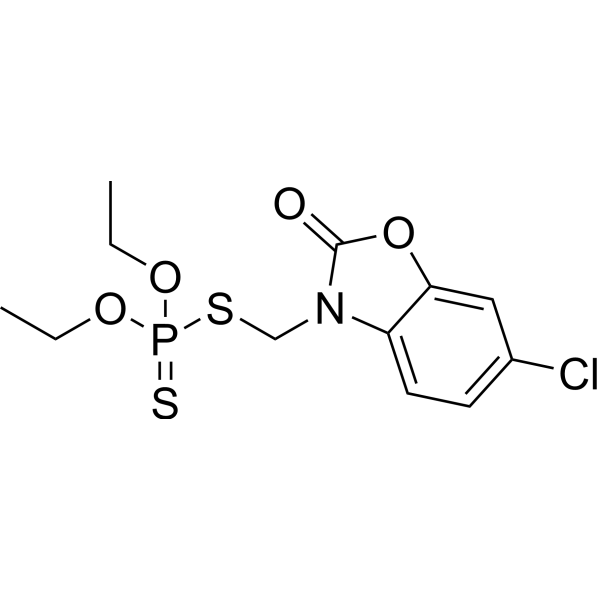
Phosalone is an orally active, blood-brain barrier penetrant Insecticide and acaricide. Phosalone inhibits the activity of Acetylcholinesterase. Phosalone acts as a substrate for detoxifying esterases. Phosalone induces symptoms of cholinergic hyperactivity, toxic reactions, mortality, oxidative stress, and changes in pro-inflammatory protein levels, and exerts toxic effects on colonic tissues and cells. Phosalone controls pistachio psyllids. Phosalone can be used in studies related to colitis .
loading...
    loading...
1
1 Cited Publications
Cat. No.: HY-103565A
CAS No.: 83027-13-8
Purity:  98.37%
Target:  

mGluR

Research Areas:  

Neurological Disease

AMN082 free base, a selective, orally active, and brain penetrant mGluR7 agonist, directly activates receptor signaling via an allosteric site in the transmembrane domain. AMN082 free base potently inhibits cAMP accumulation and stimulates GTPγS binding (EC50 values, 64-290 nM) at transfected mammalian cells expressing mGluR7. AMN082 free base shows selectivity over other mGluR subtypes and selected ionotropic glutamate receptors. Antidepressant effects .
loading...
    loading...
1
1 Cited Publications
Cat. No.: HY-N1983
CAS No.: 38395-02-7
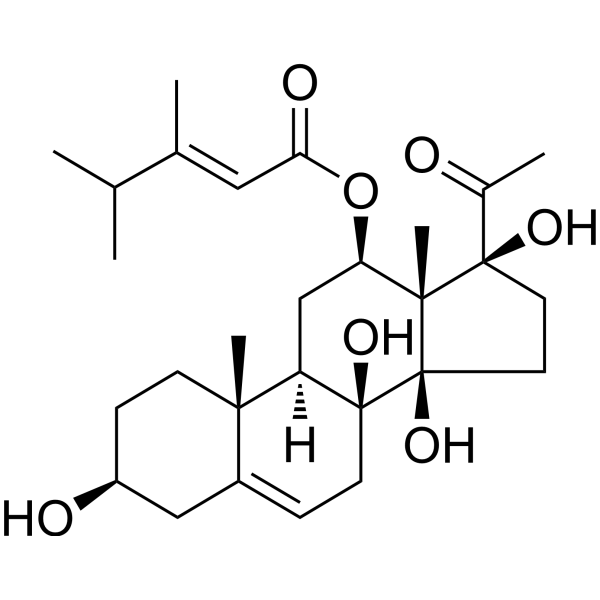
Caudatin is an orally active and brain-penetrant C-21 steroidal found in Cynanchum bungei decne with a variety of biological activities. Caudatin can inhibit cell proliferation, migration, invasion, cause cell phase arrest, induce apoptosis, autophagy, ROS prodution and loss of mitochondrial membrane potential. Caudatin activates PARP, caspase-3, -7, -9, upregulates pro-apoptotic Bad and Bax and downregulates anti-apoptotic Bcl-2 and Bcl-XL. Caudatin suppresses VEGF, FAK phosphorylation, upregulates p21, p27, DR5 protein expression, activates the p38 MAPK, JNK and PPARα/TFEB-mediated autophagy-lysosomal signaling pathways. Caudatin can be used for the research of cancer, inflammation and neurological disease, such as glioma and Alzheimer's disease .
loading...
    loading...
1
1 Cited Publications
Cat. No.: HY-161104
CAS No.: 2252448-93-2
Kv2.1-IN-1 is an orally active and blood-brain barrier penetrant Kv2.1 inhibitor with an IC50 of 0.07 μM. Kv2.1-IN-1 exhibits a selectivity >130 fold over other K +, Na +, and Ca 2+ ion channels. Kv2.1-IN-1 decreases the apoptosis of HEK293 cells induced by H2O2. Kv2.1-IN-1 produces significant neuroprotection efficacy in middle cerebral artery occlusion (MCAO) rat. Kv2.1-IN-1 can be used for the study of ischemic stroke .
loading...
    loading...
1
1 Cited Publications
Cat. No.: HY-W009300
CAS No.: 3131-23-5
Synonyms: 4-OHE1
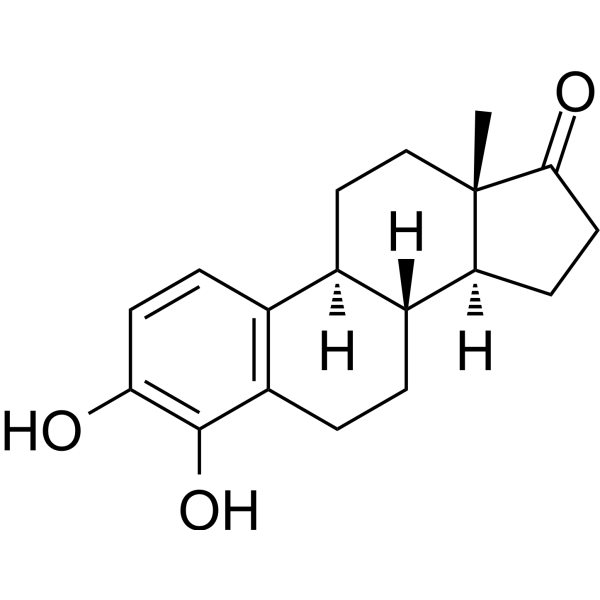
4-Hydroxyestrone (4-OHE1) is a brain-penetrant estrogen metabolite. 4-Hydroxyestrone shows neuroprotective effects involving increased cytoplasmic localization of p53 resulting from SIRT1-mediated p53 deacetylation. 4-Hydroxyestrone relies on PDI to mediate its protective effect against chemically induced ferroptosis in estrogen receptor-negative cancer cells. 4-Hydroxyestrone inhibits lipid peroxidation and lipid-ROS accumulation. 4-Hydroxyestrone blocks preovulatory luteinizing hormone surges in Rattus norvegicus. 4-Hydroxyestrone can be used for the researches of neurodegeneration, breast cancer and endocrine disease .
loading...
    loading...
1
1 Cited Publications
Cat. No.: HY-103100
CAS No.: 864741-95-7
Purity:  99.53%
SB-699551 is a selective and brain penetrant 5-HT5A receptor antagonist with a pKi of 8.2 nM. SB-699551 shows high selectivity over most other 5-HT receptor subtypes, dopamine receptors, and α1B adrenoceptor. SB-699551 disrupts Gαi/o-coupled and PI3K/AKT/mTOR signaling pathways, alters CREB, ATF1, AKT, PRAS40, S6K, and FOXO1 phosphorylation in breast tumor cells. SB-699551 can be used for the research of anxiety, breast cancer, and Alzheimer's disease .
loading...
    loading...
1
1 Cited Publications
Cat. No.: HY-163121
CAS No.: 1096144-06-7
PST3.1a is an orally active and brain-penetrant N-acetylglucosamine glycosyltransferase (MGAT5) inhibitor with a human IC50 of 2 µM. PST3.1a inhibits TGFβR and FAK signaling pathway activity. PST3.1a alters β1,6-GlcNAc N-glycans and microtubule/microfilament integrity, increases OLIG2 expression, and inhibits proliferation, migration, invasiveness, and clonogenic capacities of glioblastoma initiating cells. PST3.1a reduces invasive and proliferative capacity of glioblastoma initiating cells in orthotopic graft models, increases overall survival of orthotopic graft model mice. PST3.1a blunts MGAT5 overexpression, decreases renal fibrosis via collagen 1, collagen 4, and galectin 3 downregulation in a rat chronic kidney disease model. PST3.1a can be used for the research of glioblastoma multiforme and chronic kidney disease .
loading...
    loading...

