910 Results for "

changes

" in MedChemExpress (MCE) Product Catalog:
Products (910)

910 Results for "changes" in MCE Product Catalog:

7
7 Cited Publications
Cat. No.: HY-N7434
CAS No.: 55-18-5
Synonyms: Diethylnitrosamine; DEN; DENA
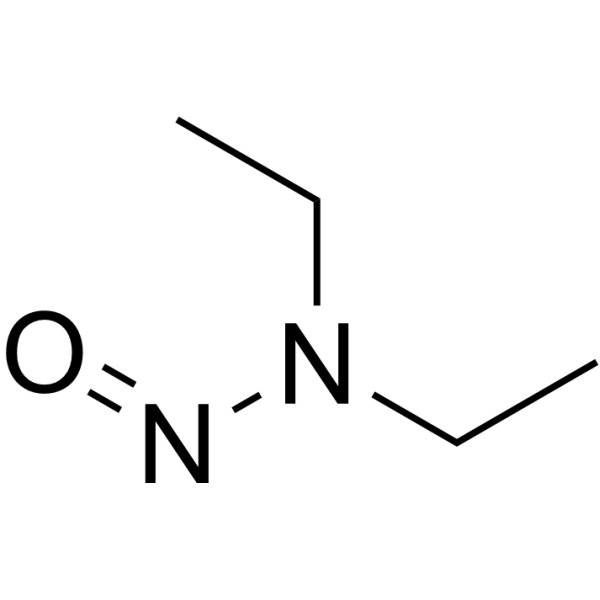
N-Nitrosodiethylamine (Diethylnitrosamine) is a potent hepatocarcinogenic dialkylnitrosoamine. N-Nitrosodiethylamine is mainly present in tobacco smoke, water, cheddar cheese, cured, fried meals and many alcoholic beverages. N-Nitrosodiethylamine is responsible for the changes in the nuclear enzymes associated with DNA repair/replication. N-Nitrosodiethylamine results in various tumors in all animal species. The main target organs are the nasal cavity, trachea, lung, esophagus and liver.
loading...
    loading...
6
6 Cited Publications
Cat. No.: HY-126307
CAS No.: 1139-83-9
Purity:  99.85%
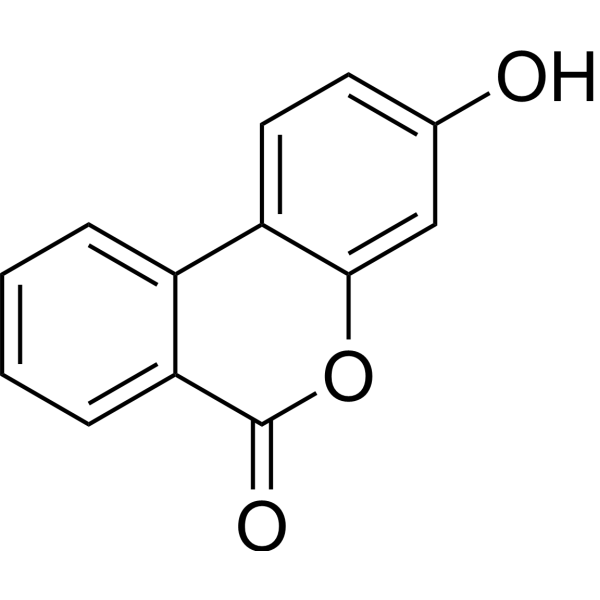
Urolithin B is one of Ellagitannins' slow microbial products, and has anti-inflammatory and anti-inflammatory effects. Urolithin B suppresses NF-κB activity. Urolithin B suppresses JNK, ERK and Akt's oxidation, and increases AMPK's oxidation. Urolithin B is also a quantitative change factor for bone and skin quality .
loading...
    loading...
6
6 Cited Publications
Cat. No.: HY-141539
CAS No.: 2755823-12-0
Purity:  99.93%
Research Areas:  

Cancer

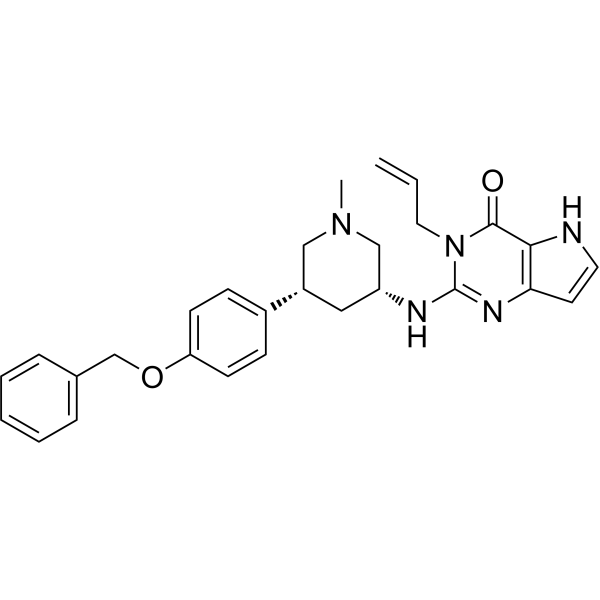
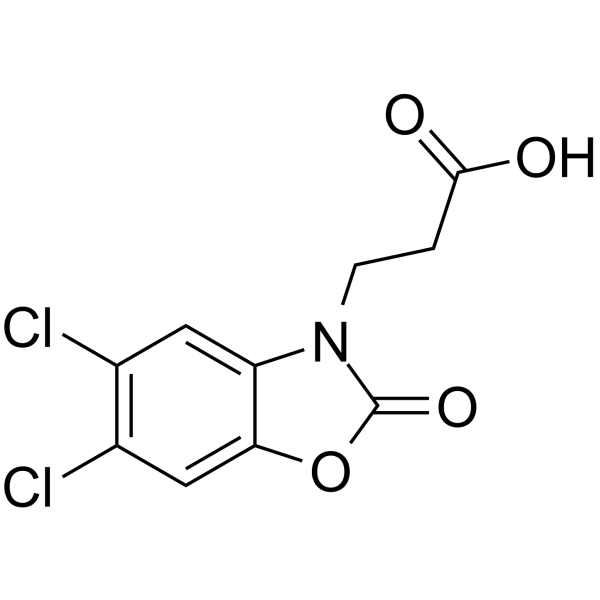
SETDB1-TTD-IN-1 is a SETDB1 methyltransferase activator and SETDB1-TTD competitive inhibitor (Kd of 88 nM), and selectivity for SETDB1-TTD over other tudor and bromodomain proteins. SETDB1-TTD-IN-1 stimulates methyltransferase activity via increased catalytic activity, promotes Akt1 Lys64 methylation, Akt1 Thr308 phosphorylation and activation. SETDB1-TTD-IN-1 prevents SETDB1-TTD-histone H3 peptide association, induces global gene expression changes, exhibits cellular target engagement, and acts as a tool compound for SETDB1-TTD function exploration. SETDB1-TTD-IN-1 can be used for the research of breast cancer .
loading...
    loading...
5
5 Cited Publications
Cat. No.: HY-N1427
CAS No.: 16409-34-0
Synonyms: Sodium glycyldeoxycholate
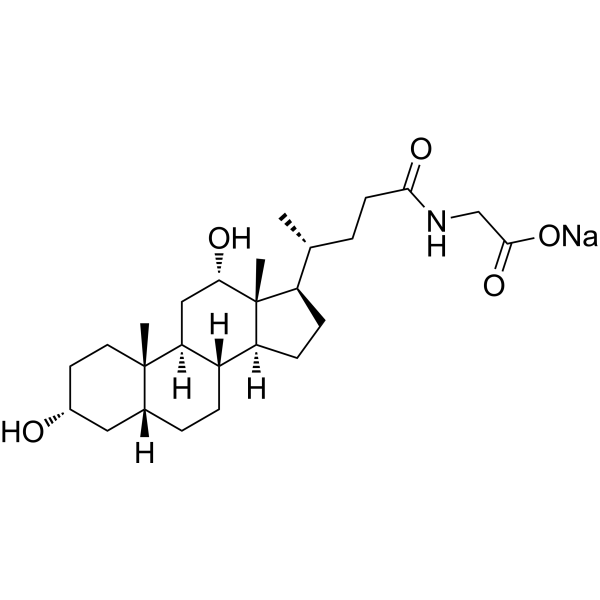
Glycodeoxycholate Sodium (Sodium glycyldeoxycholate) is a bile salt. Glycodeoxycholate Sodium has cytotoxicity to cancer cell, changes the permeability of the pancreatic duct and decreases glucose levels .
loading...
    loading...
4
4 Cited Publications
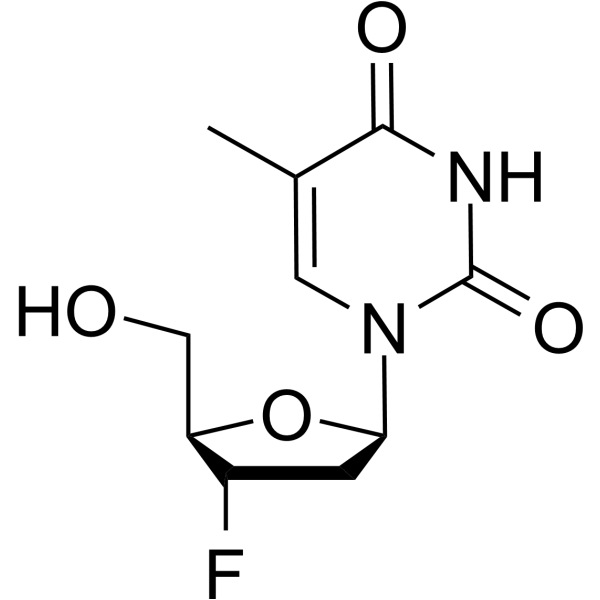
Cat. No.: HY-B1516
CAS No.: 25526-93-6
Synonyms: 3'-Fluoro-3'-deoxythymidine; 3′-Deoxy-3′-fluorothymidine; FLT
Research Areas:  

Infection Cancer

Alovudine (3'-Fluoro-3'-deoxythymidine) is a mtDNA synthesis inhibitor and a marker of DNA synthesis. Alovudine is less susceptible to inflammatory changes than 18F-Fluorodeoxyglucose (FDG) and thus is a better biomarker in pancreatic cancer. Alovudine shows anti-orthopoxvirus and anti-leukemic activity .
loading...
    loading...
4
4 Cited Publications
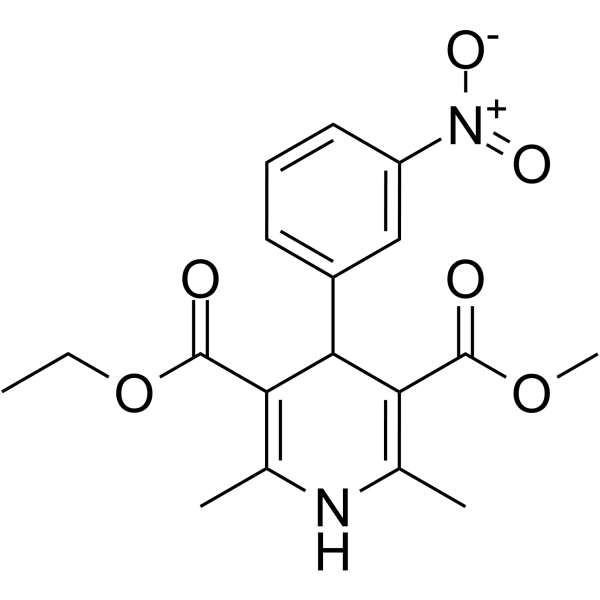
Cat. No.: HY-B0424
CAS No.: 39562-70-4
Synonyms: BAY-E-5009
Nitrendipine (BAY-E-5009) is an orally active analog of Nifedipine (HY-B0284) and dihydropyridine calcium channel blocker. Nitrendipine induces Apoptosis. Nitrendipine has antihypertensive effects. Nitrendipine blocks alcohol and Morphine withdrawal symptoms. Nitrendipine reduces right ventricular hypertrophy and pulmonary vascular changes induced by intermittent hypoxia. Nitrendipine has anticancer effects on neuroblastoma .
loading...
    loading...
4
4 Cited Publications
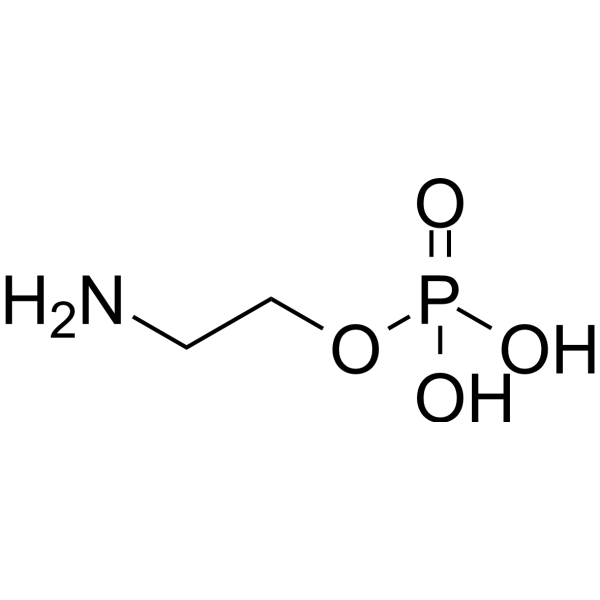
Cat. No.: HY-N5034
CAS No.: 1071-23-4
Synonyms: Monoaminoethyl phosphate; NSC 254167; O-Phosphoethanolamine
Phosphorylethanolamine (Monoaminoethyl phosphate) is a membrane phospholipid and an important precursor of Phosphatidylcholine (HY-N18891). It is found in most animal tissues and various human extracranial tumors, playing a critical role in membrane integrity, cell division, mitochondrial respiratory function, and more. Studies have shown that changes in the abundance of Phosphorylethanolamine are associated with Alzheimer's disease and Parkinson's disease. Lowering the ratio of Phosphorylethanolamine to Phosphatidylcholine in the liver can improve insulin signaling. Phosphorylethanolamine holds promise for research in the fields of cancer, neurodegenerative disorders, and metabolic diseases .
loading...
    loading...
3
3 Cited Publications
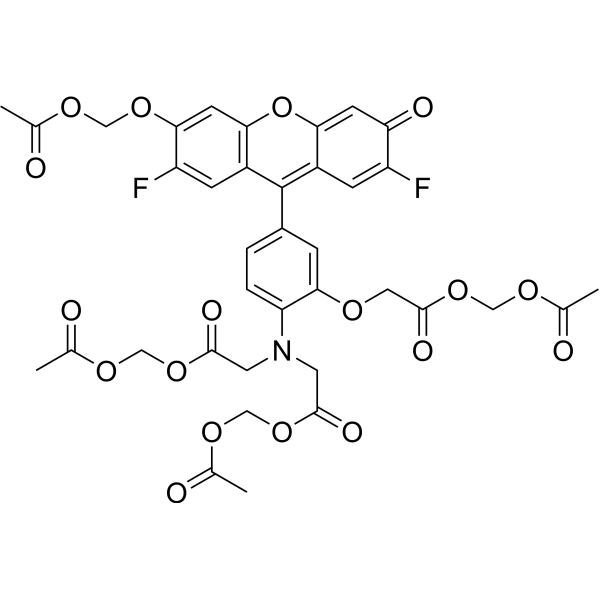
Cat. No.: HY-D1498
CAS No.: 1097709-31-3
Mag-Fluo-4 AM, an analog of Fluo-4 AM (HY-101896), is an intracellular Mg 2+ (Kd = 4.7 mM) indicator and a Ca 2+ (Kd = 22 μM) indicator. Mag-Fluo-4 AM suitable for monitoring high concentrations and rapidly changing Ca 2+ signals, and changes in intracellular Mg 2+ homeostasis (Ex/Em = 496/525 nm).
loading...
    loading...
3
3 Cited Publications
Cat. No.: HY-D2119
CAS No.: 2089438-23-1
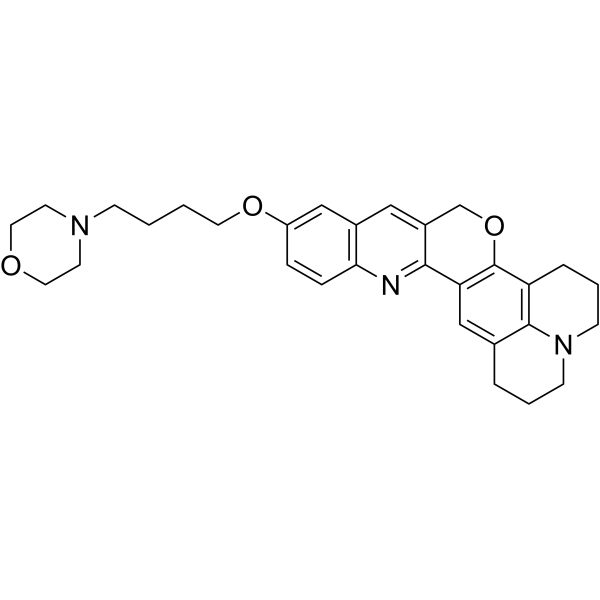
CQ-Lyso is a lysosome-targeting chromenoquinoline. CQ-Lyso is a fluorescent probe for measuring the pH of lysosomes in living cells using only single wavelength excitation. CQ-Lyso can visualize the dynamic pH changes in lysosomes .
loading...
    loading...
3
3 Cited Publications
Cat. No.: HY-D1024
CAS No.: 50909-86-9
Synonyms: 2-Deoxycoelenterazine; CLZN-h
Target:  

Calcium Channel

Research Areas:  

Neurological Disease

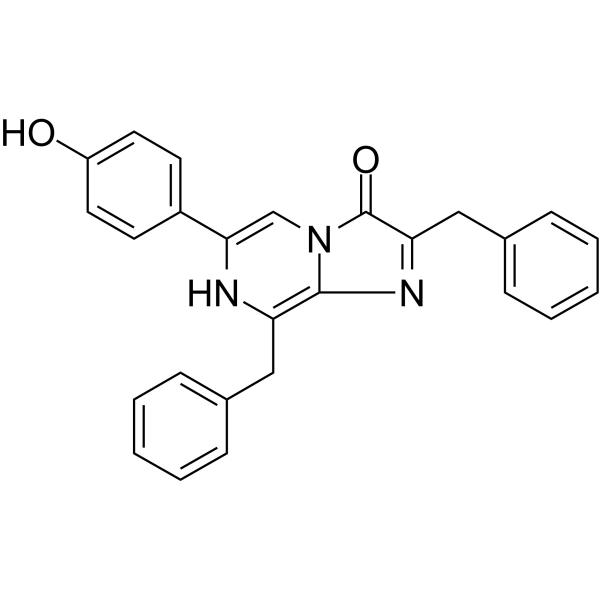
Coelenterazine h (2-Deoxycoelenterazine), a coelenterazine derivative, is a luminescent substrate for RLuc8. Coelenterazine h is more sensitive to Ca 2+, thus providing a valuable tool for measuring small changes in Ca 2+ concentrations (Ex/Em = 437/466 nm) .
loading...
    loading...
3
3 Cited Publications
Cat. No.: HY-D1024A
Synonyms: 2-Deoxycoelenterazine hydrochloride; CLZN-h hydrochloride
Target:  

Calcium Channel

Research Areas:  

Neurological Disease

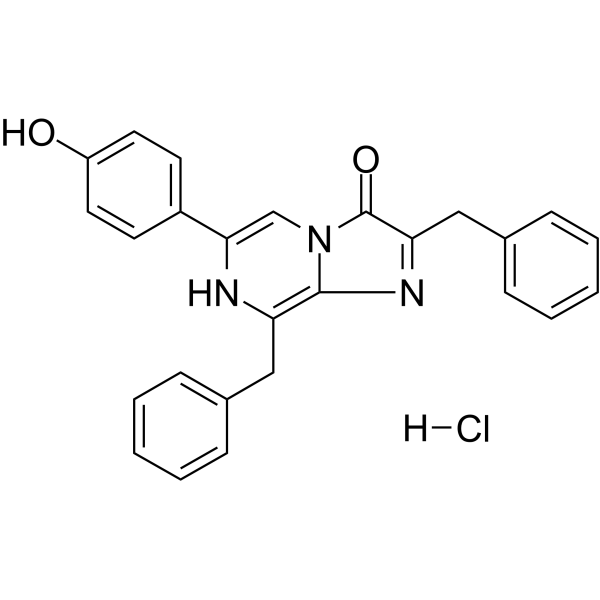
Coelenterazine h (2-Deoxycoelenterazine) hydrochloride, a coelenterazine derivative, is a luminescent substrate for RLuc8. Coelenterazine h hydrochloride is more sensitive to Ca 2+, thus providing a valuable tool for measuring small changes in Ca 2+ concentrations (Ex/Em = 437/466 nm) .
loading...
    loading...
3
3 Cited Publications
Cat. No.: HY-W013494
CAS No.: 305-84-0
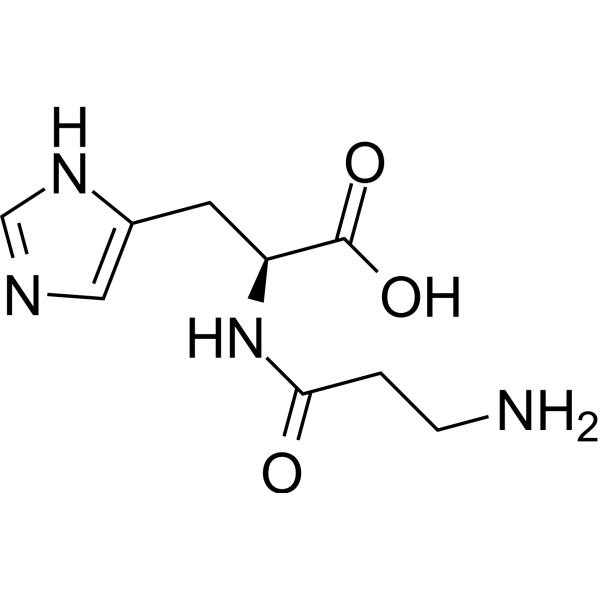
L-Carnosine is a dipeptide composed of beta-alanine and histidine. L-Carnosine is an endogenous metabolite found in human brain, muscle and gastrointestinal tissues and is present in all vertebrates. L-Carnosine is a non-enzymatic free radical scavenger and natural antioxidant with anti-inflammatory and neuroprotective properties that can inhibit biochemical changes associated with aging .
loading...
    loading...
3
3 Cited Publications
Cat. No.: HY-118155
CAS No.: 3548-09-2
Purity:  99.56%
Synonyms: ACMA
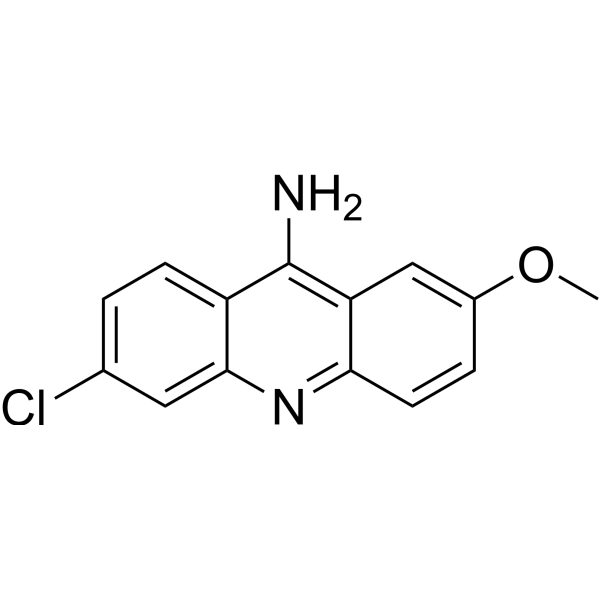
9-Amino-6-chloro-2-methoxyacridine is a pH sensitive fluorescent probe. 9-Amino-6-chloro-2-methoxyacridine has been frequently used to measure changes in vacuolar pH when a specific substrate crosses the tonoplast through a putative H +/solute antiport system .
loading...
    loading...
3
3 Cited Publications
Cat. No.: HY-W010155
CAS No.: 526-55-6
Synonyms: Indole-3-ethanol
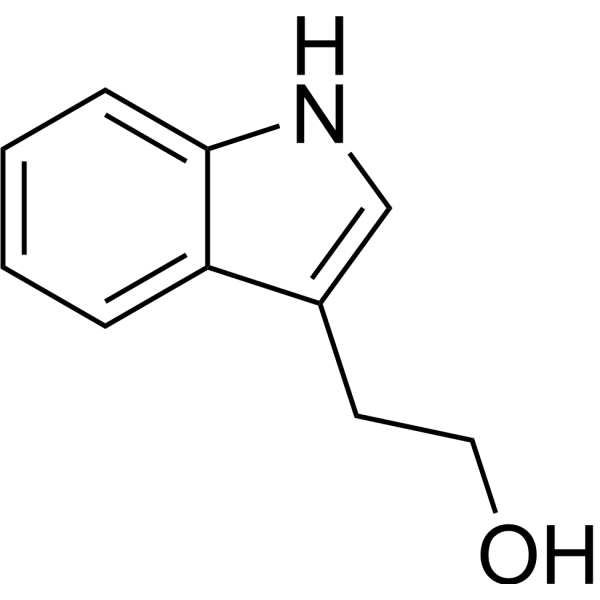
Tryptophol is an aromatic alcohol and secondary metabolite produced by microorganisms. Tryptophol induces apoptosis and cleavage of caspase-8. Tryptophol inhibits Cunninghamella blakesleeana biofilm. Tryptophol has anti-phage infection, biofilm formation regulation, anti-inflammatory, hemolytic, sleep induction, temperature change, seizure susceptibility and immune regulation activities. Tryptophol is used in the research of African trypanosomiasis, sleep disorders, epilepsy .
loading...
    loading...
3
3 Cited Publications
Cat. No.: HY-101913
CAS No.: 2205034-18-8
Purity:  99.74%
Target:  

Interleukin Related

Research Areas:  

Inflammation/Immunology Cancer

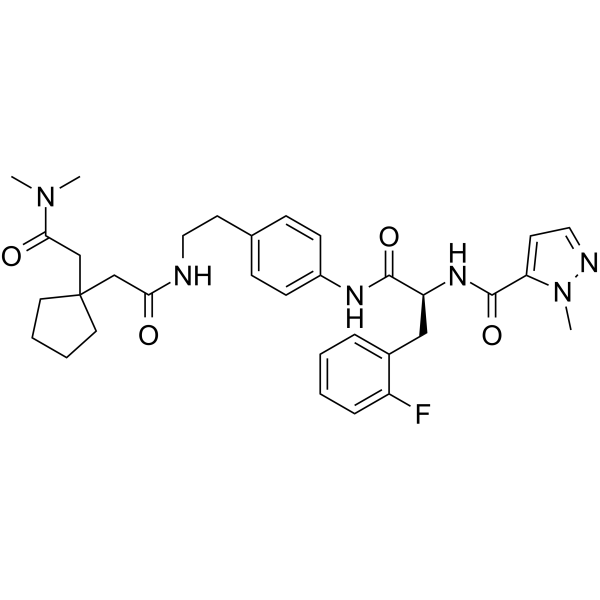
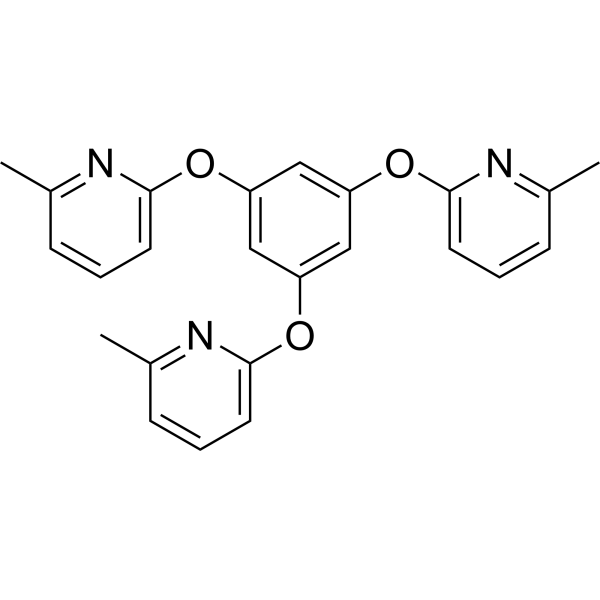
IL-17A antagonist 1 is an interleukin-17A (IL-17A) antagonist with an IC50 of 1.14 μM and a Kd of 0.66 μM. IL-17A antagonist 1 binds specifically and exclusively to the IL-17A homodimer at its central dimer interface pocket, induces a large conformational change that widens the pocket, and disrupts the IL-17A/IL-17RA interaction. IL-17A antagonist 1 does not bind to IL-17F or IL-17RA .
loading...
    loading...
2
2 Cited Publications
Cat. No.: HY-123054
CAS No.: 314761-14-3
Purity:  99.49%
Target:  

Bcl-2 Family Apoptosis

Research Areas:  

Cancer

BTSA1 is a potent, high affinity and orally active BAX activator with an IC50 of 250 nM and an EC50 of 144 nM. BTSA1 binds with high affinity and specificity to the N-terminal activation site and induces conformational changes to BAX leading to BAX-mediated apoptosis .
loading...
    loading...
2
2 Cited Publications
Cat. No.: HY-127111
CAS No.: 2375840-87-0
Purity:  99.54%
Target:  

ATP Citrate Lyase

Research Areas:  

Cancer

NDI-091143 is a potent and high-affinity human ATP-citrate lyase (ACLY) inhibitor with an IC50 of 2.1 nM (ADP-Glo assay), a Ki of 7.0 nM and a Kd of 2.2 nM. NDI-091143 inhibits ACLY catalysis allosterically, by stabilizing large conformational changes in the citrate domain that indirectly block the binding and recognition of citrate .
loading...
    loading...
2
2 Cited Publications
Cat. No.: HY-141521
CAS No.: 2389235-01-0
Purity:  98.20%
Synonyms: NX-13
Research Areas:  

Inflammation/Immunology

NX-13 is a first-in-class, orally active and gut-restricted agent that selectively targets and activates the NLRX1 pathway to induce immunometabolic changes. NX-13 results in lower inflammation and responses in inflammatory bowel disease. NX-13 can be used for the research of crohn's disease and ulcerative colitis .
loading...
    loading...
2
2 Cited Publications
Cat. No.: HY-112179
CAS No.: 1799725-26-0
Purity:  99.04%
Target:  

KMO

Research Areas:  

Inflammation/Immunology

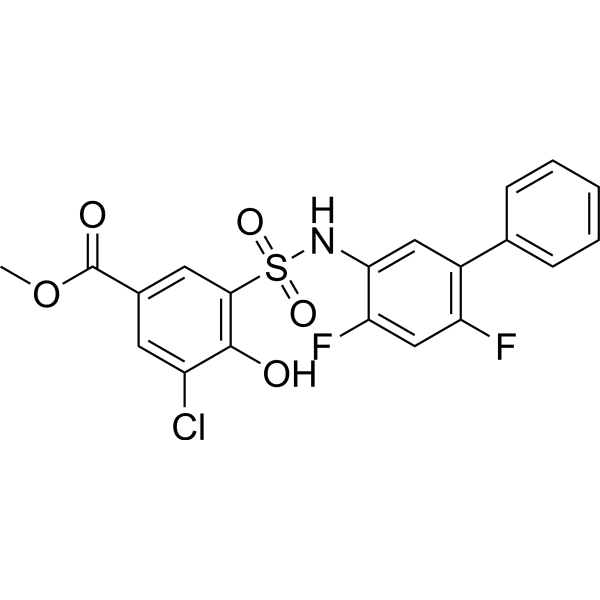
GSK180 is a selective, competitive, and potent inhibitor of kynurenine-3-monooxygenase (KMO), a key enzyme of tryptophan metabolism (IC50, ~6 nM), but shows negligible activity against other enzymes on the tryptophan pathway. GSK180 rapidly changes levels of kynurenine pathway metabolites, and acts as a useful tool to probe the therapeutic potential of KMO inhibition .
loading...
    loading...
2
2 Cited Publications
Cat. No.: HY-113212
CAS No.: 2955-27-3
Purity:  99.91%
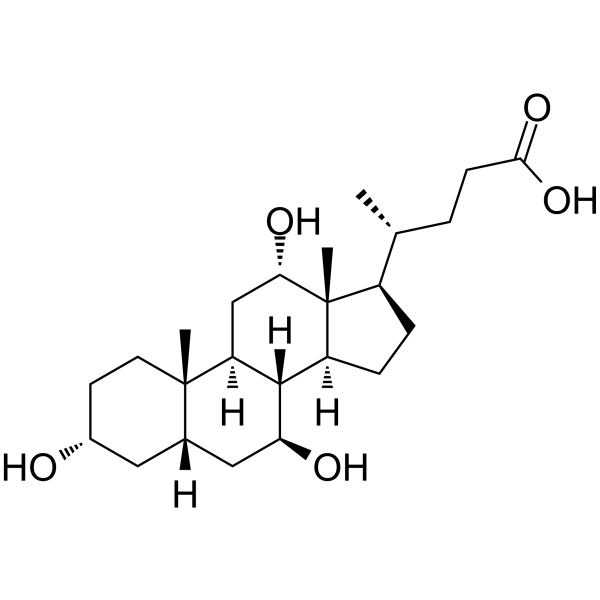
Ursocholic acid, a bile acid present in mammalian bile, is converted to deoxycholic acid (UDC) by the mouse intestinal flora. Ursocholic acid acts as a gallstone dissolving agent in the liver through anti-apoptosis, anti-inflammatory, immunomodulatory, bile regulation, and coordinated changes in mitochondrial integrity and cell signaling, Ursocholic acid also has favorable effects on bones in patients with chronic cholestasis .
loading...
    loading...

