
965 Results for "

marker

" in MedChemExpress (MCE) Product Catalog:
Products (965)

965 Results for "marker" in MCE Product Catalog:

16
16 Cited Publications
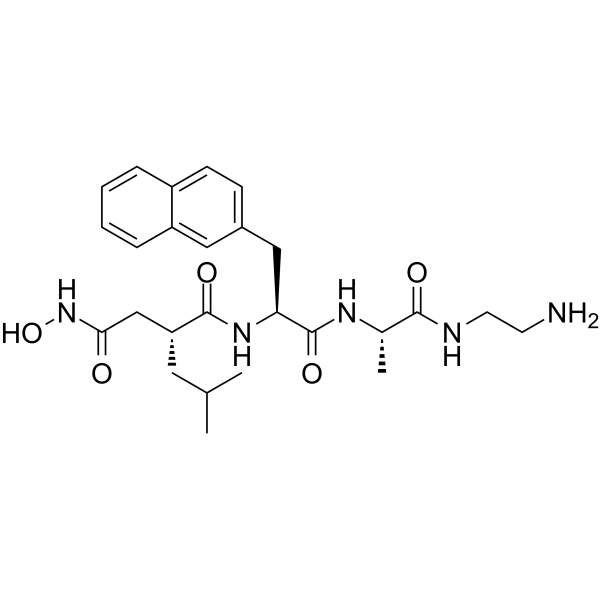
Cat. No.: HY-16657
CAS No.: 163847-77-6
TAPI-1 is a broad-spectrum MMP inhibitor and NF-κB p65 inhibitor that targets ADAM17/TACE, ADAM10 and other proteins. TAPI-1 reduces the proteolytic cleavage of membrane-bound TNF-α, decreases TNF-α levels, inhibits NF-κB pathway activation, and downregulates profibrotic markers. TAPI-1 reduces the proportion of proinflammatory immune cells, alleviates cardiac and airway fibrosis, and improves cardiac function after myocardial infarction. Meanwhile, TAPI-1 inhibits the viability, migration and invasion of esophageal squamous cell carcinoma cells, enhances the chemosensitivity of Cisplatin (HY-17394), induces apoptosis, and shows low toxicity to normal esophageal epithelial cells. TAPI-1 can be widely used in studies related to myocardial infarction-induced heart failure, severe traumatic tracheal stenosis, esophageal squamous cell carcinoma and other conditions .
loading...
    loading...
13
13 Cited Publications
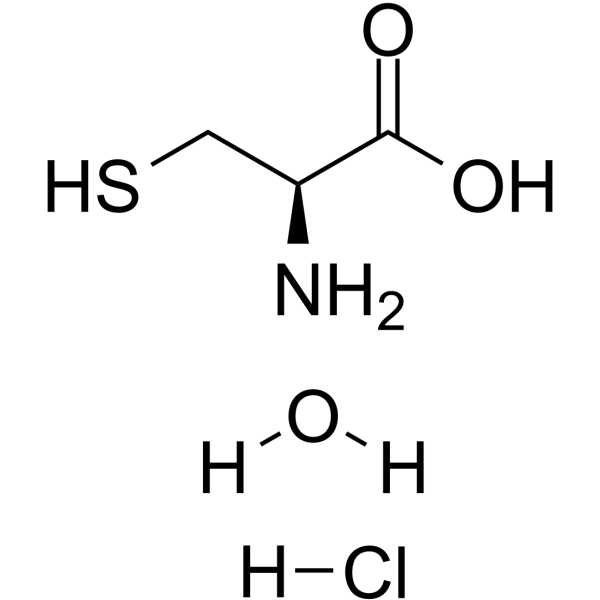
Cat. No.: HY-W016715
CAS No.: 7048-04-6
L-Cysteine hydrochloride hydrate is an orally active and essential amino acid, which acts as a precursor for biologically active molecules such as hydrogen sulphide (H2S), glutathione and taurine. L-Cysteine hydrochloride hydrate regulates CBS/H2S pathway, inhibits NF-κB activation and insulin and ghrelin secretion. L-Cysteine hydrochloride hydrate reduces blood sugar, vascular inflammation markers and appetite. L-Cysteine hydrochloride hydrate induces kidney damage. L-Cysteine hydrochloride hydrate can be used in the study of neurological diseases and diabetes .
loading...
    loading...
9
9 Cited Publications
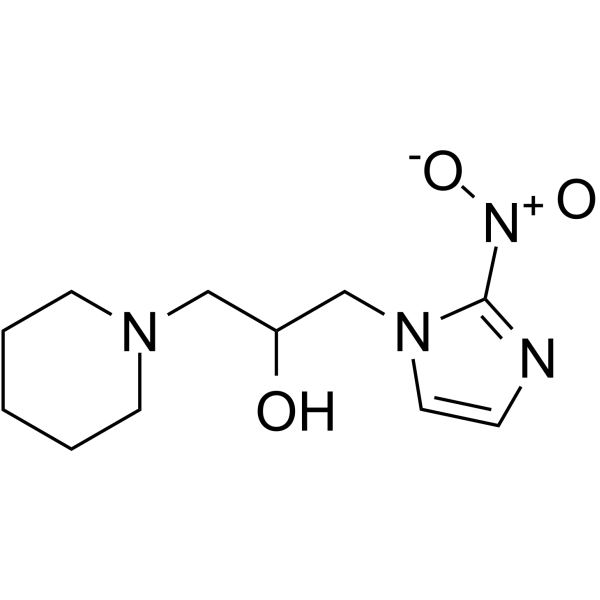
Cat. No.: HY-105129
CAS No.: 70132-51-3
Purity:  99.98%
Research Areas:  

Cancer

Pimonidazole is a novel hypoxia marker for complementary study of tumor hypoxia and cell proliferation in tumor . Pimonidazole accumulates in hypoxic cells via covalent binding with macromolecules or by forming reductive metabolites after reduction of its nitro group, it can be used for qualitative and quantitative assessment of tumor hypoxia .
loading...
    loading...
9
9 Cited Publications
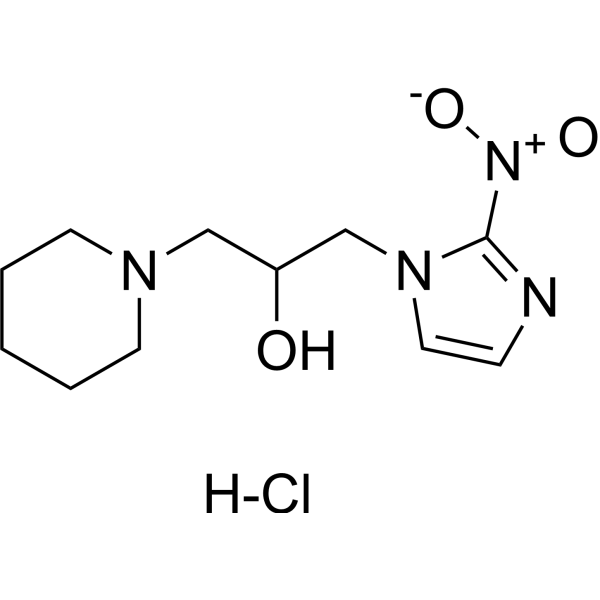
Cat. No.: HY-105129A
CAS No.: 70132-50-2
Purity:  99.32%
Research Areas:  

Cancer

Pimonidazole is a novel hypoxia marker for complementary study of tumor hypoxia and cell proliferation in tumor . Pimonidazole accumulates in hypoxic cells via covalent binding with macromolecules or by forming reductive metabolites after reduction of its nitro group, it can be used for qualitative and quantitative assessment of tumor hypoxia .
loading...
    loading...
9
9 Cited Publications
Cat. No.: HY-N0831
CAS No.: 18085-97-7
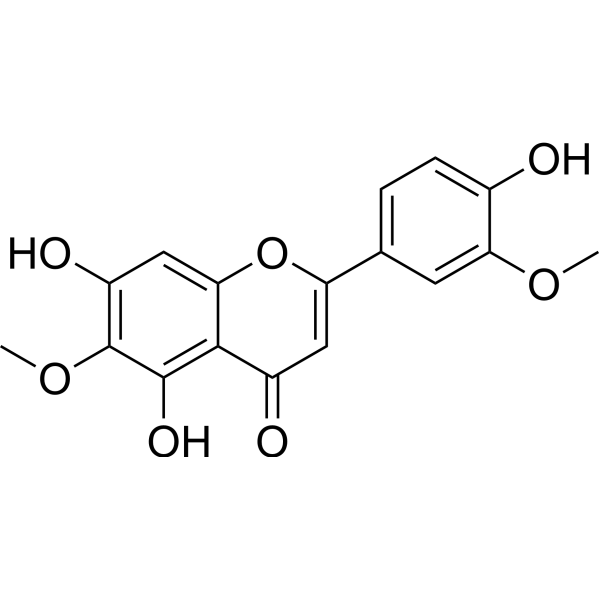
Jaceosidin is a flavonoid isolated from Artemisia vestita, induces apoptosis in cancer cells, activates Bax and down-regulates Mcl-1 and c-FLIP expression . Jaceosidin exhibits anti-cancer , anti-inflammatory activities, decreases leves of inflammatory markers, and suppresses COX-2 expression and NF-κB activation .
loading...
    loading...
9
9 Cited Publications
Cat. No.: HY-N0123
CAS No.: 1415-73-2
Synonyms: Barbaloin-A
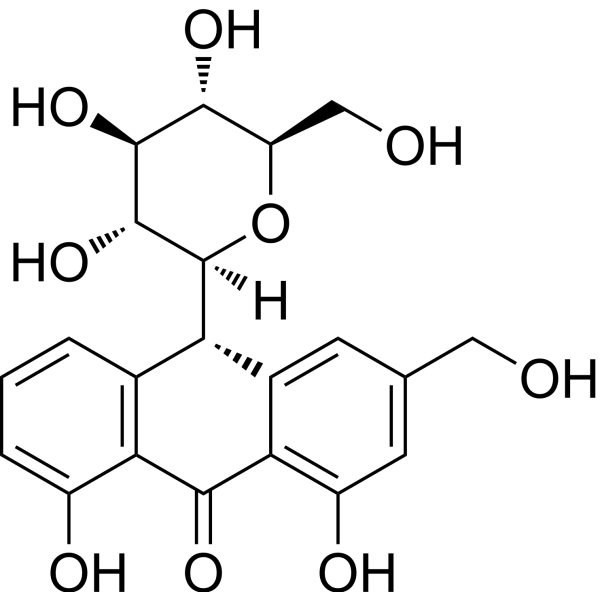
Aloin (Aloin-A; Barbaloin-A) is a natural anti-tumor anthraquinone glycoside with iron chelating activity. Aloin induces the differentiation of MC3T3-E1 cells into osteoblasts through MAPK-mediated Wnt and Bmp signaling pathways. Alkaline phosphatase (ALP) is an early marker of osteoblast differentiation, and the activity of ALP is also enhanced by Aloin. Aloin also reduces brain edema, reduces blood-brain barrier disruption and improves cortical impact injuries. Aloin is used in research into osteoporosis and traumatic brain injury (TBI) .
loading...
    loading...
8
8 Cited Publications
Cat. No.: HY-D1434
CAS No.: 149838-22-2
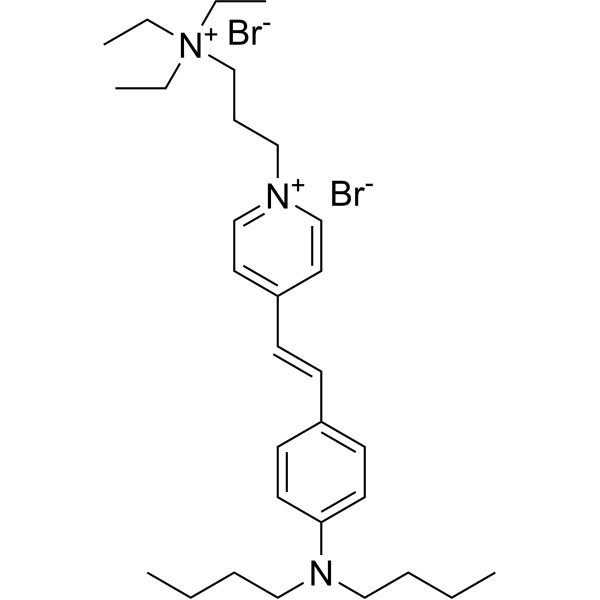
FM1-43 is a very lipophilic, water-soluble styrene dyes, can specifically bind to cell membranes and inner membrane organelles to produce fluorescence. FM1-43 is widely used in endocytic and exospic membrane structure markers.
loading...
    loading...
8
8 Cited Publications
Cat. No.: HY-101878
CAS No.: 60311-02-6
Purity:  99.72%
Synonyms: Sulforhodamine 101; SR101
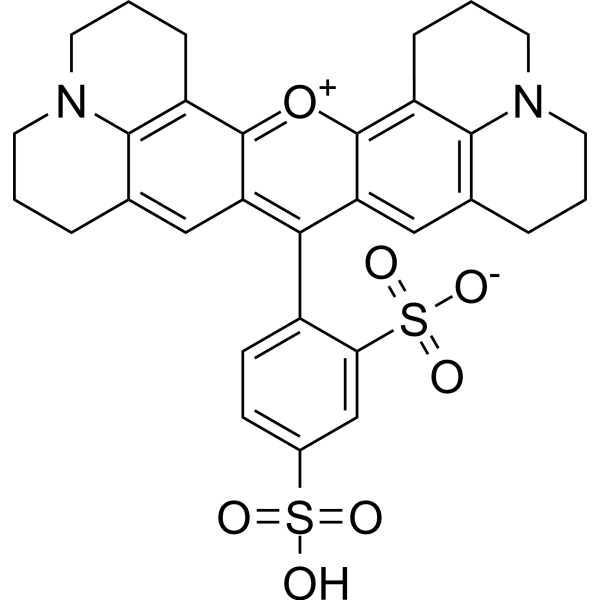
Texas Red (Sulforhodamine 101) is an amphoteric rhodamine red fluorescent dye (excitation/emission: 586/605 nm). Texas Red is used extensively for investigating neuronal morphology and acts as acell type-selective fluorescent marker of astrocytes bothin vivoand in slice preparations .
loading...
    loading...
8
8 Cited Publications
Cat. No.: HY-111152
CAS No.: 912798-42-6
Purity:  99.89%
Target:  

STAT

Research Areas:  

Cancer

ML115, a molecular probe of the signal transducer, is a selective STAT3 agonist, with an EC50 of 2 nM. ML115 increases the expression of BCL3, a known STAT3-dependent oncogene. ML115 is inactive against the related STAT1, STAT5 and NF-κB anti-targets. ML115 counteracts the effects of Ginsenoside Rc (HY-N0042) on cell viability and inflammatory responses in LPS (HY-D1056)-stimulated H9c2 and RAW264.7 cells, while altering oxidative stress markers. ML115 can be used for the study of breast and prostate cancers .
loading...
    loading...
7
7 Cited Publications
Cat. No.: HY-15560
CAS No.: 23555-00-2
Synonyms: HOE 34580
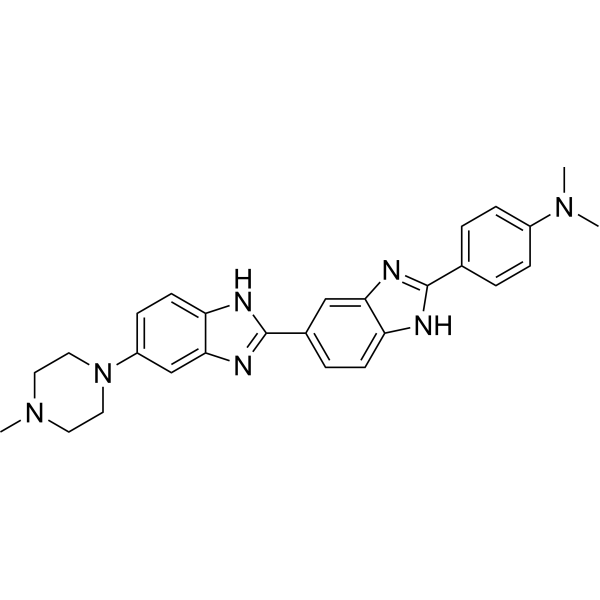
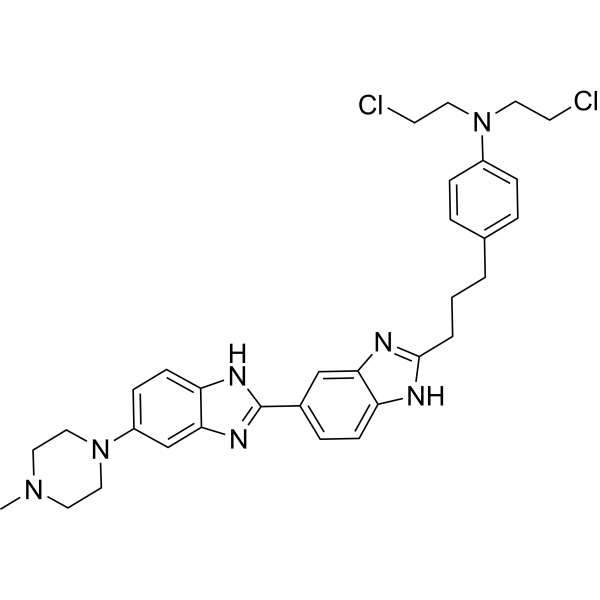
Hoechst 34580 is a marker dye in Hoechst series. Hoechst is A live nuclear marker dye. Hoechst binds to the grooves in the DNA double strand, which tends to be A/ T-rich DNA strand. Although it binds to all nucleic acids, the A/ T-rich double strand DNA significantly enhances fluorescence intensity Therefore,Hoechst dye can be used for living cell labeling. The fluorescence intensity of Hoechst dye increases with the increase of pH of solution .
loading...
    loading...
7
7 Cited Publications
Cat. No.: HY-15560B
CAS No.: 2310135-08-9
Purity:  99.47%
Synonyms: HOE 34580 tetrahydrochloride
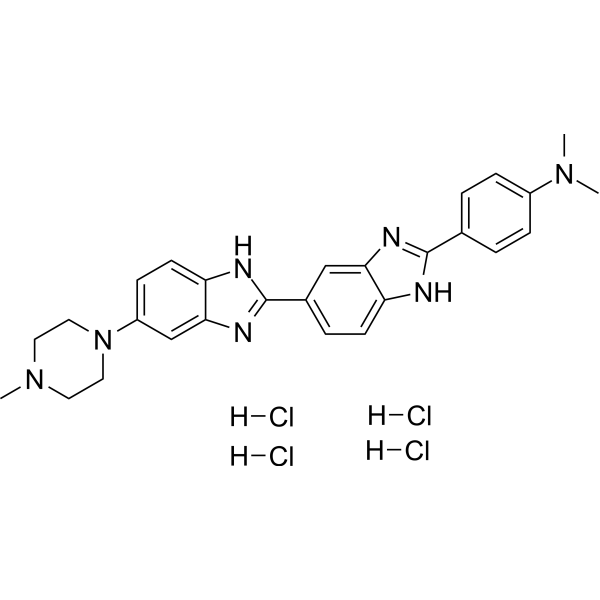
Hoechst 34580 tetrahydrochloride is a marker dye in Hoechst series. Hoechst is A live nuclear marker dye. Hoechst binds to the grooves in the DNA double strand, which tends to be A/ T-rich DNA strand. Although it binds to all nucleic acids, the A/ T-rich double strand DNA significantly enhances fluorescence intensity Therefore,Hoechst dye can be used for living cell labeling. The fluorescence intensity of Hoechst dye increases with the increase of pH of solution .
loading...
    loading...
7
7 Cited Publications
Cat. No.: HY-15631
CAS No.: 129244-66-2
Purity:  99.63%
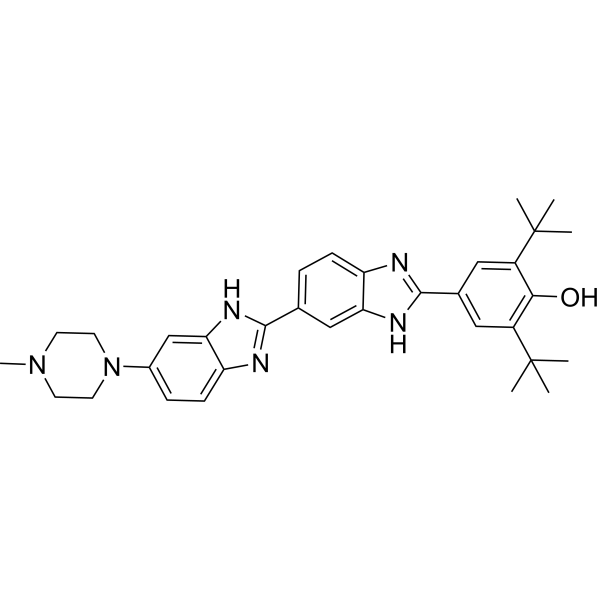
Hoechst 33258 analog 6 is a marker dye in Hoechst series. Hoechst is A live nuclear marker dye. Hoechst binds to the grooves in the DNA double strand, which tends to be A/ T-rich DNA strand. Although it binds to all nucleic acids, the A/ T-rich double strand DNA significantly enhances fluorescence intensity Therefore,Hoechst dye can be used for living cell labeling. The fluorescence intensity of Hoechst dye increases with the increase of pH of solution (Ex/Em = 356/451 nm) .
loading...
    loading...
7
7 Cited Publications
Cat. No.: HY-101884
CAS No.: 576-19-2
Purity:  99.91%
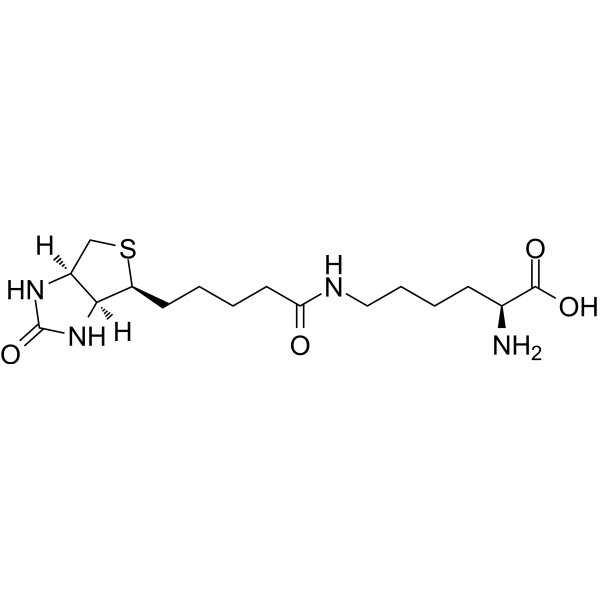
Synonyms: (+)-Biocytin
Biocytin is a conjugate of D-biotin and L-lysine, where the carboxylate of D-biotin is coupled with the -amine of L-lysine via a secondary amide bond. Biocytin is a classical neuroanatomical tracer commonly used to map brain connectivity. Biocytin is used as a versatile marker in anterograde, retrograde and intracellular neuroanatomical investigations and in biotinidase assays .
loading...
    loading...
6
6 Cited Publications
Cat. No.: HY-15627
CAS No.: 178481-68-0
Purity:  98.16%
Hoechst 33342 analog is a marker dye in Hoechst series. Hoechst is A live nuclear marker dye. Hoechst binds to the grooves in the DNA double strand, which tends to be A/ T-rich DNA strand. Although it binds to all nucleic acids, the A/ T-rich double strand DNA significantly enhances fluorescence intensity Therefore,Hoechst dye can be used for living cell labeling. The fluorescence intensity of Hoechst dye increases with the increase of pH of solution .
loading...
    loading...
6
6 Cited Publications
Cat. No.: HY-128868G
CAS No.: 60842-46-8
FITC-Dextran (MW 150000) is a fluorescent probe for fluorescein isothiocyanate (FITC) dextran (Ex=491 nm; Em=518 nm). FITC-Dextran (MW 150000) can be used as a marker to reveal heat shock-induced cell damage and to study the early and late stages of apoptosis. FITC-Dextran (MW 150000) can be used in perfusion studies in animals or in fluorescence microlymphography, to study processes that affect the permeability of the blood brain barrier (BBB) . FITC-Dextran (MW 150000) can be used as fluorescent probe to study cell permeability .
loading...
    loading...
6
6 Cited Publications
Cat. No.: HY-N0430A
CAS No.: 1198398-71-8
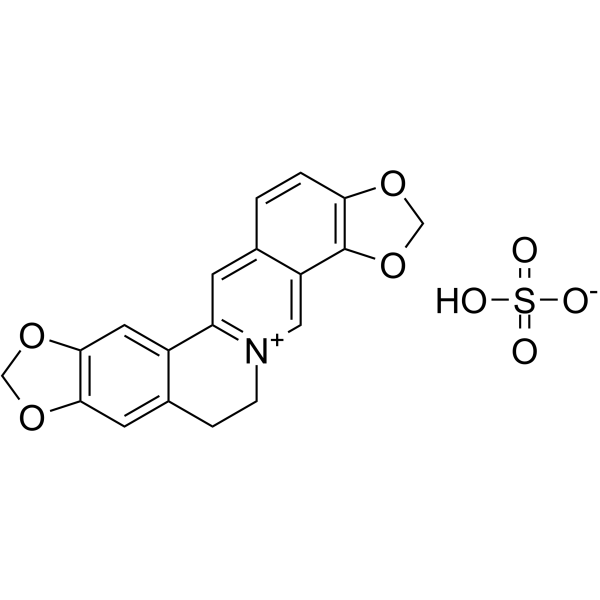
Coptisine Sulfate is an orally active and brain-penetrant alkaloid found in Coptis chinensis. Coptisine Sulfate is a reversible, uncompetitive IDO inhibitor with a Ki of 5.8 μM and an IC50 of 6.3 μM. Coptisine Sulfate suppresses neuroinflammation, reduces Aβ plaque burden and shows neuroprotective activity. Coptisine Sulfate shows anti-inflammation activity by blocking NF-κB, MAPK, and PI3K/Akt activation. Coptisine Sulfate inhibits cancer cells proliferation, induces DNA damage, G2/M phase cell cycle arrest, apoptosis, ROS production and mitochondrial dysfunction. Coptisine Sulfate inhibits Rho/ROCK pathway activation, reduces arrhythmia, limits cardiac injury marker release, reduces infarct size, and preserves cardiac function in rat myocardial ischemia/reperfusion models. Coptisine Sulfate downregulates HMGCR and upregulates LDLR and CYP7A1 to modulate cholesterol metabolism, reduces abnormal serum lipid levels, and promotes fecal bile acid excretion. Coptisine Sulfate be used for the research of cancer, hypercholesterolemia, Alzheimer’s disease, inflammatory disorders and cardiovascular disease .
loading...
    loading...
5
5 Cited Publications
Cat. No.: HY-113216
CAS No.: 30315-93-6
Purity:  ≥98.0%
Synonyms: NG,NG-Dimethylarginine
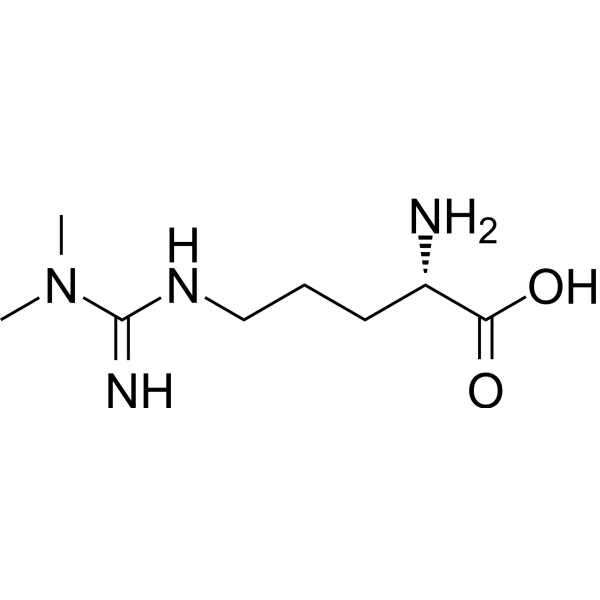
Asymmetric dimethylarginine is an endogenous inhibitor of nitric oxide synthase (NOS), and functions as a marker of endothelial dysfunction in a number of pathological states.
loading...
    loading...
5
5 Cited Publications
Cat. No.: HY-B0594
CAS No.: 66108-95-0
Target:  

Autophagy Mitophagy

Research Areas:  

Cancer

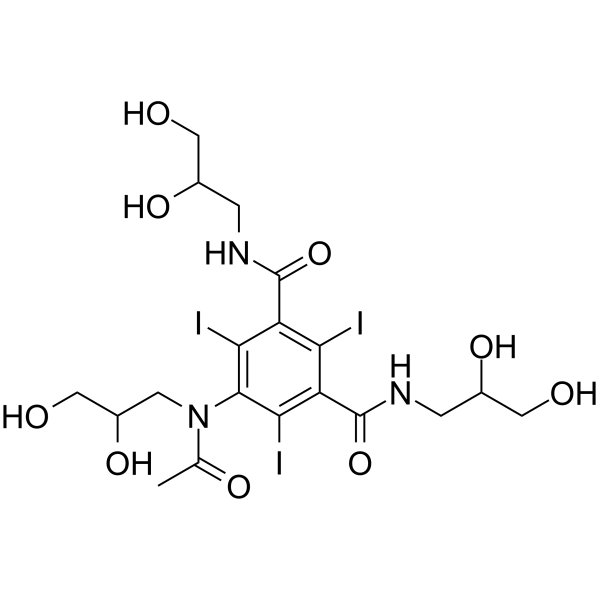
Iohexol is a non-ionic, water-soluble contrast agent used as a reference marker for the determination of glomerular filtration rate (GFR) at the level of renal function. Iohexol can be used for contrast in myelography, computerized tomography (cisternography, ventriculography) and MicroCT imaging .
loading...
    loading...
5
5 Cited Publications
Cat. No.: HY-P80506
Synonyms: Proliferation marker protein Ki-67, Antigen identified by monoclonal antibody Ki-67, Antigen KI-67, Antigen Ki67, MKI67

Host:  

Rabbit

Application:  

IHC-P, IHC-F, ICC/IF, FC, IF-Tissue, mIHC

Reactivity:  

Human, Mouse, Rat

loading...
    loading...
5
5 Cited Publications
Cat. No.: HY-10199A
CAS No.: 159634-47-6
Purity:  98.52%
Synonyms: MK-677 free base; MK-0677 free base
Ibutamoren (MK-677 free base; MK-0677 free base) is an orally active non-peptide growth hormone secretagogue receptor agonist. Ibutamoren activates signal cascades by mimicking endogenous ligands, triggers pulsatile release of growth hormone from the pituitary gland, and increases serum levels of IGF-1 and insulin-like growth factor-binding protein 3. Ibutamoren not only increases the frequency of growth hormone pulses in male individuals, but also promotes elevated bone formation markers in female individuals with postmenopausal osteoporosis. The combination of Ibutamoren with Alendronate sodium hydrate (HY-11101) significantly increases bone mineral density at the femoral neck. However, Ibutamoren may cause mild, reversible adverse reactions such as increased appetite, fluid retention, and elevated fasting blood glucose. Ibutamoren has been widely used in studies related to idiopathic growth hormone deficiency, sarcopenia, Alzheimer's disease, and osteoporosis .
loading...
    loading...

