





1330 Results for "

monomeric native state

" in MedChemExpress (MCE) Product Catalog:
Products (1330)

1330 Results for "monomeric native state" in MCE Product Catalog:

7
7 Cited Publications
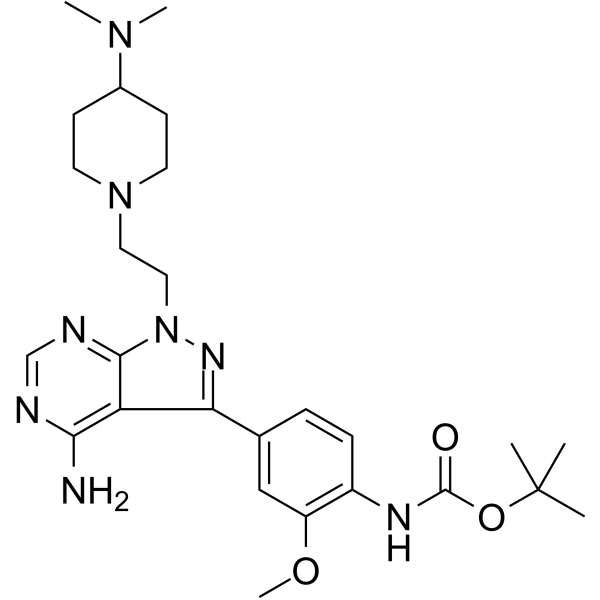
Cat. No.: HY-112096
CAS No.: 1914078-41-3
Purity:  99.17%
Synonyms: NXP900
Target:  

Src

Research Areas:  

Cancer

eCF506 (NXP900) is a highly potent and orally active YES1/SRC kinase inhibitor with an IC50 of 0.47 nM. eCF506 locks its target into its native “closed” conformation, thereby inhibiting both kinase activity and complex formation with protein partners. eCF506 can be used for the study of esophageal squamous cancer and breast cancer .
loading...
    loading...
6
6 Cited Publications
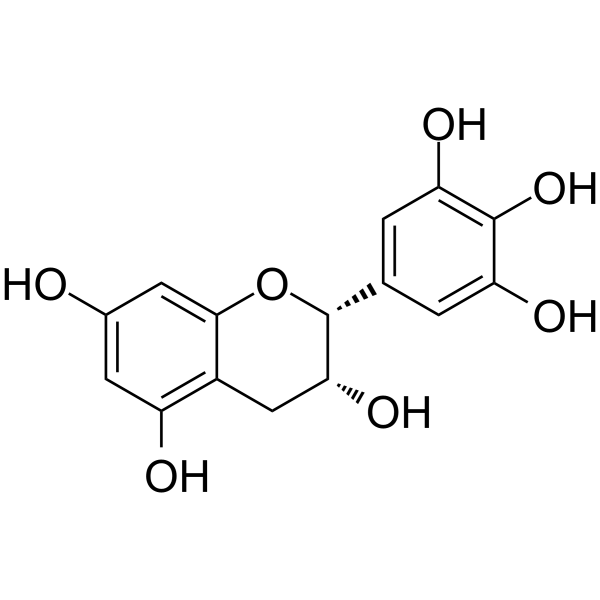
Cat. No.: HY-N0225
CAS No.: 970-74-1
Synonyms: Epigallocatechin; L-Epigallocatechin
(-)-Epigallocatechin (Epigallocatechin) is the most abundant flavonoid in green tea, can bind to unfolded native polypeptides and prevent conversion to amyloid fibrils.
loading...
    loading...
6
6 Cited Publications
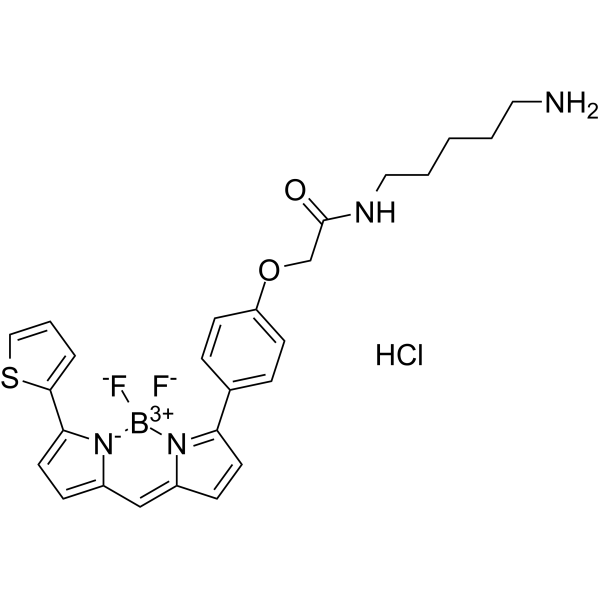
Cat. No.: HY-D1594
CAS No.: 217190-24-4
BODIPY TR Cadaverine, a cadaverine derivative, is a red fluorescent dye. BODIPY TR Cadaverine can be used in a a highly sensitive and robust fluorescent displacement assay, which binds to native LPS strongly, specifically recognizing lipid A, and is competitively displaced by compounds displaying an affinity for lipid A .
loading...
    loading...
6
6 Cited Publications
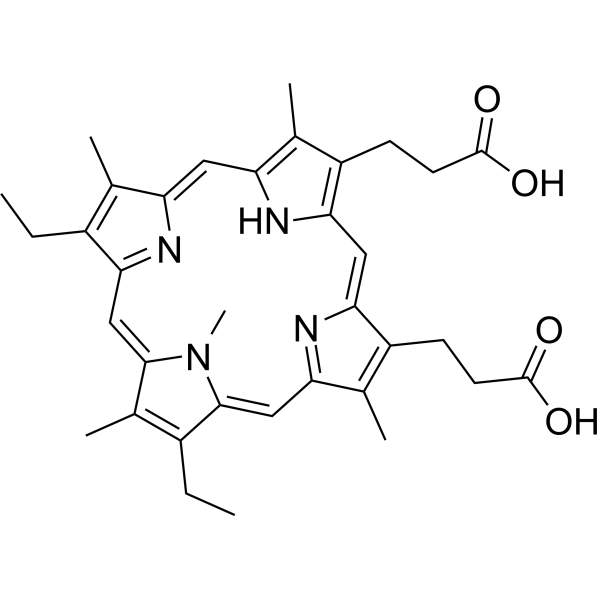
Cat. No.: HY-133821
CAS No.: 142234-85-3
Purity:  97.83%
N-Methylmesoporphyrin IX (NMM), a widely used G-quadruplex DNA specific fluorescent binder, is an efficient probe for monitoring Aβ fibrillation. N-Methylmesoporphyrin IX is an in situ inhibitor and an ex situ monitor for Aβ amyloidogenesis both in vitro and in cells. N-Methylmesoporphyrin IX is sensitive to G-quadruplexes DNA but has no response to duplexes, triplexes and single-stranded forms DNA. N-Methylmesoporphyrin IX is nonfluorescent alone or in monomeric Aβ environments, but emits strong fluorescence through stacking with the Aβ assemblies .
loading...
    loading...
6
6 Cited Publications
Cat. No.: HY-19369
CAS No.: 292632-98-5
Synonyms: L-685,458
Target:  

γ-secretase Apoptosis

Research Areas:  

Neurological Disease Cancer

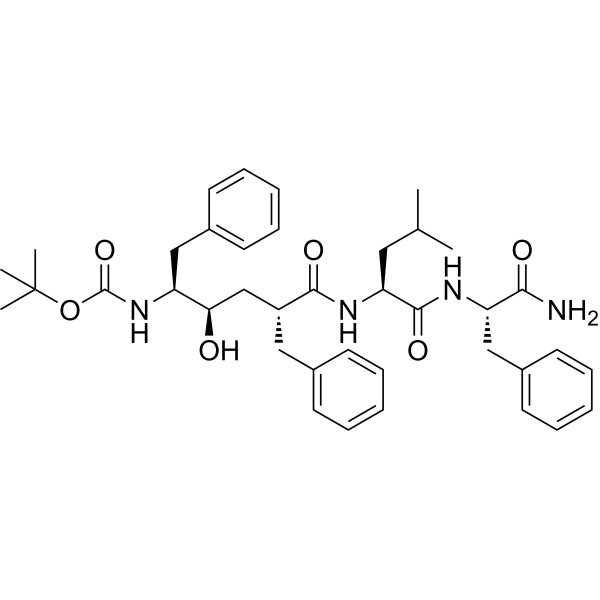
L-685458 is a potent transition state analog (TSA) γ-secretase inhibitor (GSI). L-685458 inhibits amyloid β-protein precursor γ-secretase activity with IC50 of 17 nM, shows greater than 50-100-fold selectivity over other aspartyl proteases tested. L685458 inhibits γ-secretase-mediated cleavage of APP-C99 and Notch-100 with IC50s of 301.3 nM and 351.3 nM, respectively. L-685458 can be used for the research of alzheimer’s disease (AD) and cancers .
loading...
    loading...
6
6 Cited Publications
Cat. No.: HY-P2352
CAS No.: 9014-81-7
Synonyms: Fetuin, Fetal Bovine Serum
Fetuin,Bovine (Fetuin, Fetal Bovine Serum) is a liver-secreted 64 kDa plasma glycoprotein isolated from fetal bovine serum. Fetuin,Bovine inhibits trypsin activity and promote cellular attachment, growth, and differentiation .
loading...
    loading...
6
6 Cited Publications
Cat. No.: HY-W250978
CAS No.: 9006-59-1
Ovalbumins are the major proteins in egg white. Ovalbumins act as an allergen and inducer, and can be applied to mouse models of allergic diseases. Ovalbumins can induce allergic rhinitis in mice via sensitization and nasal challenge. Ovalbumins can be used to establish asthma models.
Ovalbumin, low endotoxin (HY-W250978A) is recommended for model establishment .
loading...
    loading...
5
5 Cited Publications
Cat. No.: HY-15757
CAS No.: 63388-44-3
Purity:  98.06%
Target:  

Deubiquitinase

Research Areas:  

Cancer

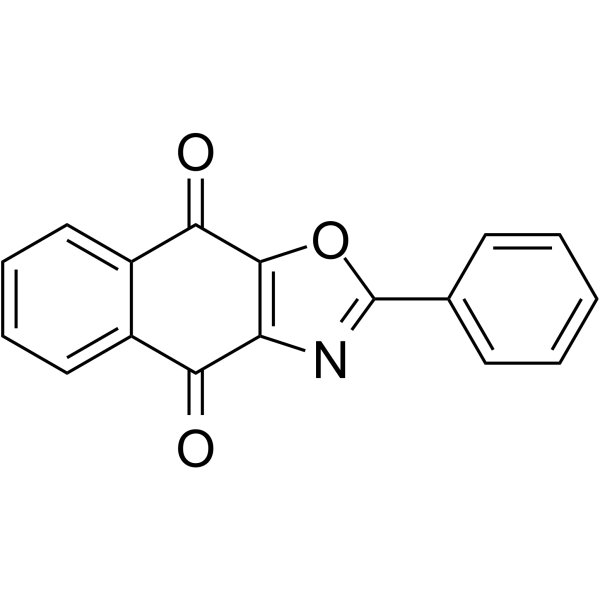
SJB2-043 is an inhibitor of the native USP1/UAF1 complex with IC50 of 544 nM.
loading...
    loading...
5
5 Cited Publications
Cat. No.: HY-125623
CAS No.: 1392820-50-6
Purity:  98.14%
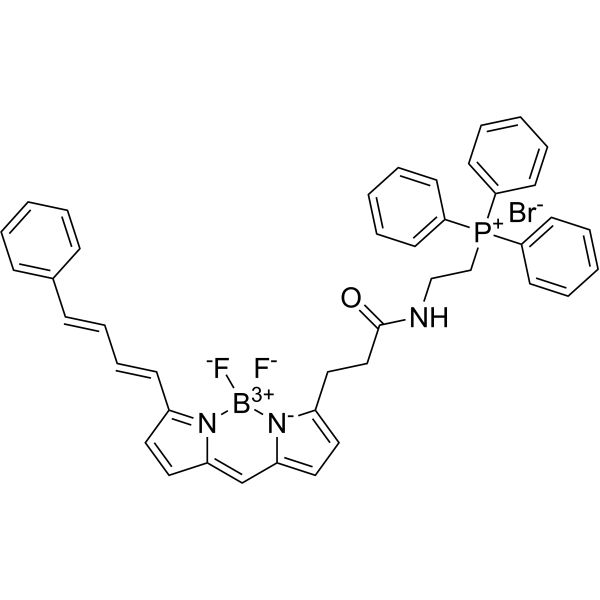
MitoPerOx is a mitochondrial-targeted, lipid peroxidation-indicating fluorescent probe with BODIPY581/591 fluorophores. The triphenylphosphine cation (TPP+) of MitoPerOx can be selectively enriched in mitochondria (depending on membrane potential) and can be used to detect lipid peroxidation in the inner mitochondrial membrane. Under the action of lipid peroxides, the BODIPY581/591 fluorophores of MitoPerOx shift their emission wavelength from 590 nm (reduced state) to 520 nm (oxidized state), and ratiometric detection can be performed at an excitation wavelength of 488 nm. MitoPerOx can specifically monitor the peroxidation of mitochondrial phospholipids (especially cardiolipin) and is used in the study of oxidative stress-related diseases (such as aging, neurodegenerative diseases, and mitochondrial dysfunction)[1][2].
loading...
    loading...
5
5 Cited Publications
Cat. No.: HY-D1191
CAS No.: 2225748-05-8
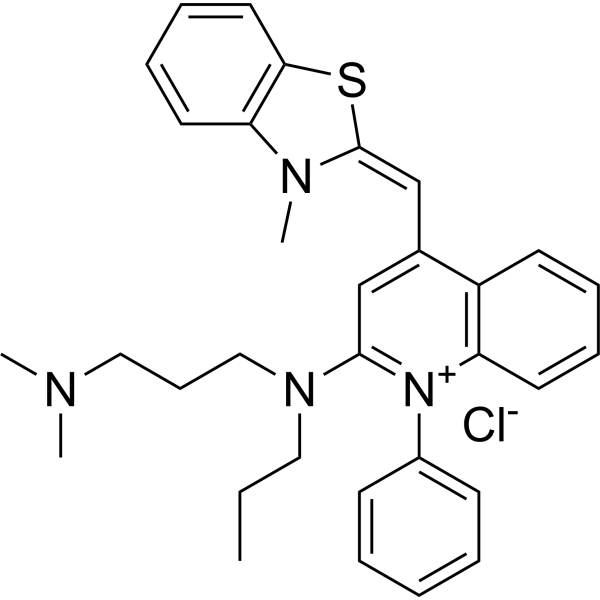
SYBR Green I chloride is a highly sensitive fluorescent nucleic acid dye that binds specifically to the minor groove of double-stranded DNA or intercalates between base pairs. SYBR Green I chloride exhibits weak fluorescence in the unbound state but emits bright fluorescence upon binding, and it preferentially binds to large-fragment DNA and DNA with high G+C content. SYBR Green I chloride is suitable for real-time PCR technology; its fluorescence intensity correlates with the amount and size of amplification products, enabling accurate quantification of gene expression and discrimination of amplicons via melting curve analysis without additional post-processing. SYBR Green I chloride is widely used in preclinical in vitro nucleic acid detection .
loading...
    loading...
5
5 Cited Publications
Cat. No.: HY-D0098
CAS No.: 75350-46-8
Synonyms: N-(5-Fluoresceinyl)maleimide
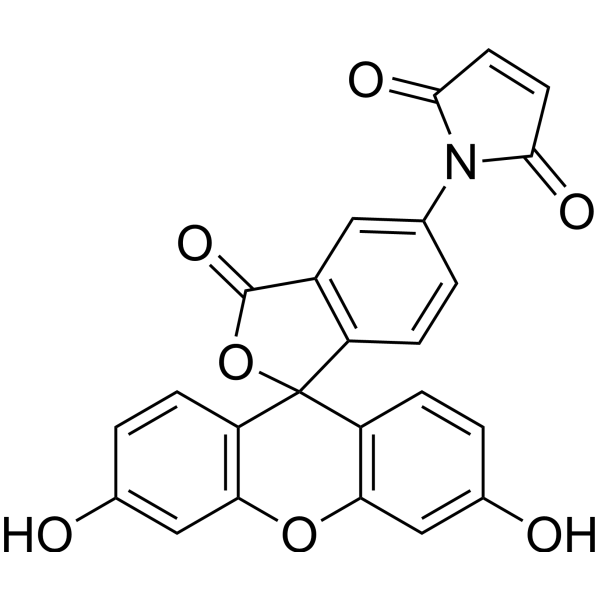
Fluorescein-5-maleimide (N-(5-Fluoresceinyl)maleimide) is a fluorescent dye. Fluorescein-5-maleimide can be used to detect the redox state of thiols in eukaryotic cells. Fluorescein-5-maleimide can label peptides and is used to detect negatively charged nanoparticles. Fluorescein-5-maleimide can also label actin to explore its interaction with cardiac myosin-binding protein C (cMyBP-C), which helps in developing small molecule modulators for heart failure. Fluorescein-5-maleimide can screen mutant proteins that contain cysteine residues. The excitation wavelength of Fluorescein-5-maleimide is 494 nm, and the emission wavelength is 519 nm .
loading...
    loading...
5
5 Cited Publications
Cat. No.: HY-NP003
CAS No.: 9007-34-5
Synonyms: Collagen
Collagen, Type II, from bovine snout membrane is a type II collagen that can be used for cell culture . This product is enzymatically hydrolyzed collagen peptides.
loading...
    loading...
5
5 Cited Publications
Cat. No.: HY-P1956
CAS No.: 70024-90-7
Synonyms: Human serum albumin
HSA Protein (Human serum albumin) is the most abundant protein in plasma and is a major determinant of plasma oncotic pressure. HSA Protein exhibits antioxidant, anticoagulant, anti-inflammatory, anti-platelet aggregation activities as well as colloid osmotic action. HSA Protein can block the inhibitory effect of GML on human T cells, providing protective function for T cells. HSA Protein is also associated with cardiovascular diseases and can partially prevent the LPS (HY-D1056) induced oxidative stress, as well as the upregulation of NF-κB, NF-κB, and peroxynitrite (ONOO -) in the vascular wall, contributing to the reduction of blood pressure .
This product is recombinant HSA Protein expressed in a microbial expression system.
loading...
    loading...
5
5 Cited Publications
Cat. No.: HY-P2149
CAS No.: 11028-71-0
Concanavalin A can be coupled to agarose to form Concanavalin A (agarose) (HY-P2149A). Concanavalin A (ConA) is a selective, competitive binding agent that targets specific carbohydrate structures containing glucose and mannose; it acts as a mitogen and exhibits varying degrees of cytotoxicity, hepatotoxicity, and teratogenicity. Concanavalin A is also utilized for in vivo blood glucose monitoring in the context of diabetes .
loading...
    loading...
5
5 Cited Publications
Cat. No.: HY-P3152
CAS No.: 9013-20-1
Streptavidin is a ~60 kDa homotetramer. Streptavidin binds four molecules of biotin with the highest affinity. The binding affinity of biotin to streptavidin is one of the highest reported for a non-covalent interaction to date, with a KD ~0.01 pM . Streptavidin has an immunosuppressive role .
This product is a Streptavidin protein recombinantly expressed in an E. coli expression system.
loading...
    loading...
4
4 Cited Publications
Cat. No.: HY-15342
CAS No.: 851723-84-7
Purity:  99.48%
Synonyms: OC000459
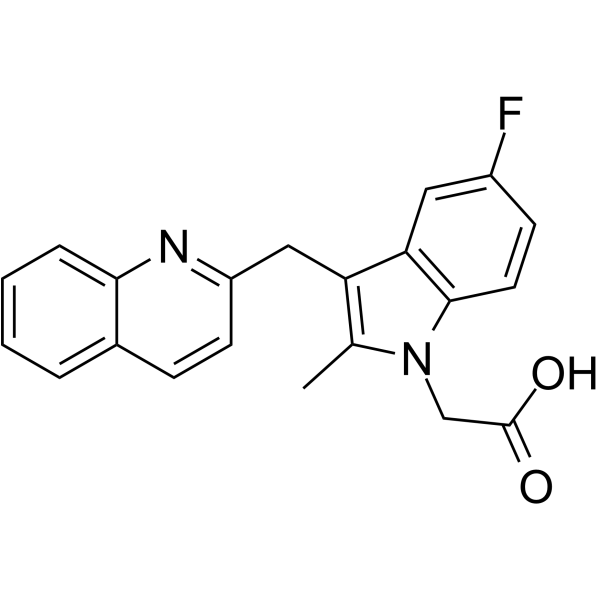
Timapiprant (OC000459) is a potent, selective, and orally active D prostanoid receptor 2 (DP2, also known as CRTH2) antagonist. Timapiprant (OC000459) potently displaces [ 3H] PGD2 from human recombinant DP2 (Ki=13 nM), rat recombinant DP2 (Ki=3 nM), and human native DP2 (Ki=4 nM). Timapiprant (OC000459) inhibits mast cell activation of Th2 lymphocytes and eosinophils .
loading...
    loading...
4
4 Cited Publications
Cat. No.: HY-15342A
CAS No.: 950688-14-9
Purity:  98.71%
Synonyms: OC000459 sodium
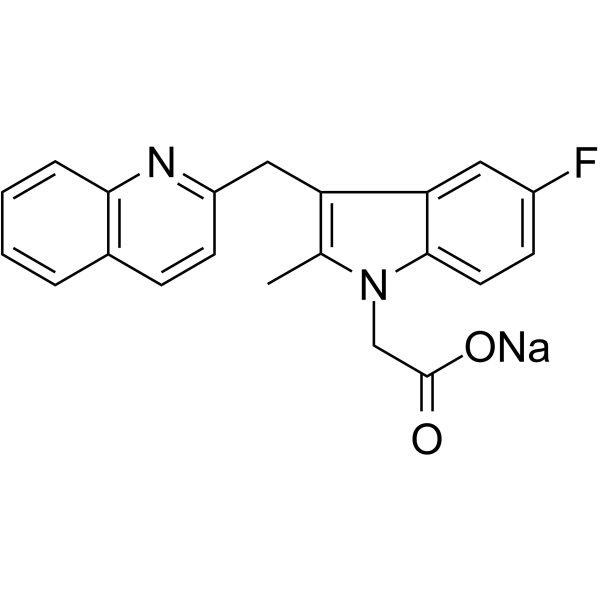
Timapiprant sodium (OC000459 sodium) is a potent, selective, and orally active D prostanoid receptor 2 (DP2, also known as CRTH2) antagonist. Timapiprant sodium (OC000459 sodium) potently displaces [ 3H] PGD2 from human recombinant DP2 (Ki=13 nM), rat recombinant DP2 (Ki=3 nM), and human native DP2 (Ki=4 nM). Timapiprant sodium (OC000459 sodium) inhibits mast cell activation of Th2 lymphocytes and eosinophils .
loading...
    loading...
4
4 Cited Publications
Cat. No.: HY-145232
CAS No.: 3016307-75-5
Purity:  98.76%
Synonyms: OGTAC-3
Research Areas:  

Neurological Disease Cancer

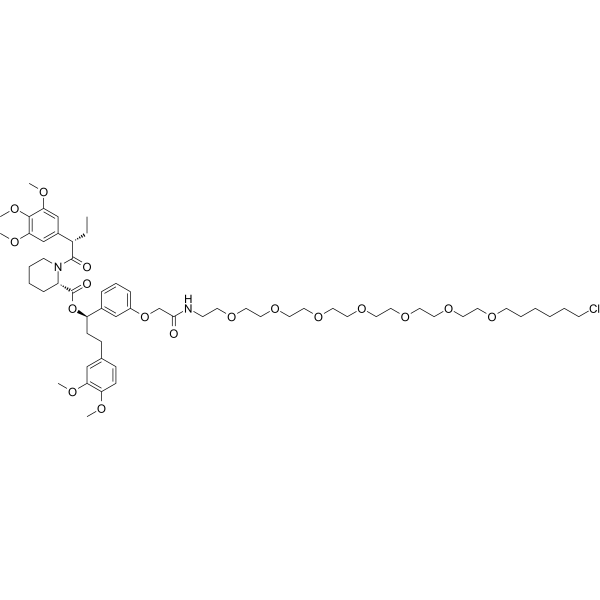
PhosTAC7 is a heterobifunctional molecule named as a Phosphorylation Targeting Chimera (PhosTAC). PhosTAC7 can dephosphorylate the PDCD4 protein, FOXO3a protein, and tau protein by recruiting serine/threonine protein phosphatase 2A (PP2A). PhosTAC7 offers the advantage of selectively modulating the phosphorylation state of individual target proteins, making it a promising tool for research in cancer and tau protein-related neurodegenerative diseases (Alzheimer's disease) .
loading...
    loading...
4
4 Cited Publications
Cat. No.: HY-15435
CAS No.: 75621-03-3
Purity:  99.91%
Research Areas:  

Others

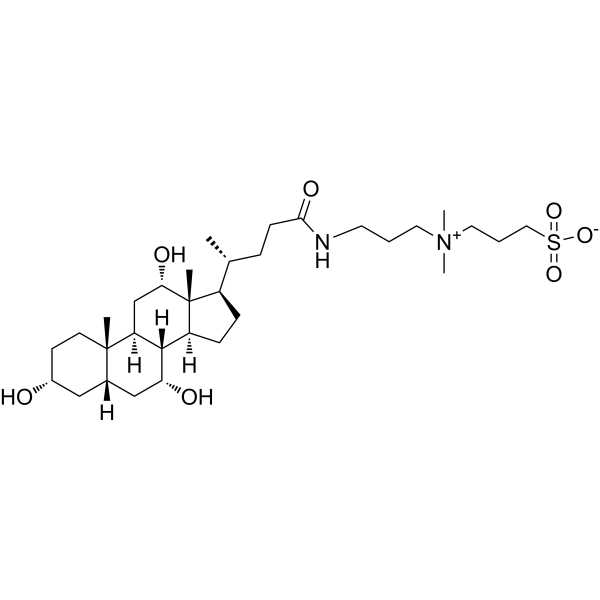
CHAPS is a cholic acid-derived, sulfobetaine-type zwitterionic detergent and micelle-forming agent. CHAPS exhibits properties of weak cationic or nonionic surfactants in different solution systems, undergoes micellization, and forms small, loose hydrophilic aggregates that are temperature-dependent. CHAPS stabilizes mononucleosomes under different ionic strengths, reduces nucleosome sequence specificity, promotes sliding of histone cores along DNA, solubilizes Tamm-Horsfall protein to reduce its interference with urinary exosome isolation, and maintains vesicle structure and the activity of related proteins at the same time. CHAPS is used to recover native folded fusion proteins, enhance the binding capacity of GST fusion proteins, and restore GST enzyme activity. However, CHAPS cannot refold proteins denatured by urea, guanidine hydrochloride or heat, nor can it construct the structure of intrinsically disordered proteins. CHAPS is commonly used in research on the separation and purification of membrane proteins .
loading...
    loading...
4
4 Cited Publications
Cat. No.: HY-15435A
CAS No.: 331717-45-4
Purity:  ≥98.0%
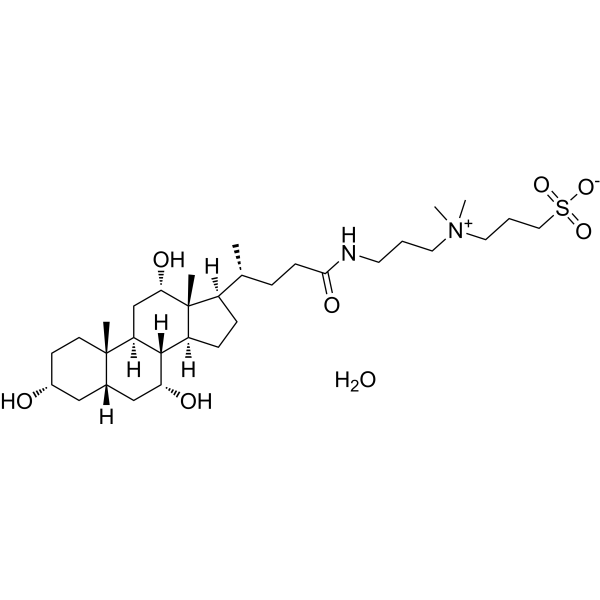
CHAPS hydrate is a cholic acid-derived, sulfobetaine-type zwitterionic detergent and micelle-forming agent. CHAPS hydrate exhibits properties of weak cationic or nonionic surfactants in different solution systems, undergoes micellization, and forms small, loose hydrophilic aggregates that are temperature-dependent. CHAPS hydrate stabilizes mononucleosomes under different ionic strengths, reduces nucleosome sequence specificity, promotes sliding of histone cores along DNA, solubilizes Tamm‑Horsfall protein to reduce its interference with urinary exosome isolation, and maintains vesicle structure and the activity of related proteins at the same time. CHAPS hydrate is used to recover native folded fusion proteins, enhance the binding capacity of GST fusion proteins, and restore GST enzyme activity. However, CHAPS hydrate cannot refold proteins denatured by urea, guanidine hydrochloride or heat, nor can it construct the structure of intrinsically disordered proteins. CHAPS hydrate is commonly used in research on the separation and purification of membrane proteins .
loading...
    loading...

