

269 Results for "

vessel diameter

" in MedChemExpress (MCE) Product Catalog:
Products (269)

269 Results for "vessel diameter" in MCE Product Catalog:

3
3 Cited Publications
Cat. No.: HY-B1337S1
CAS No.: 61037-86-3
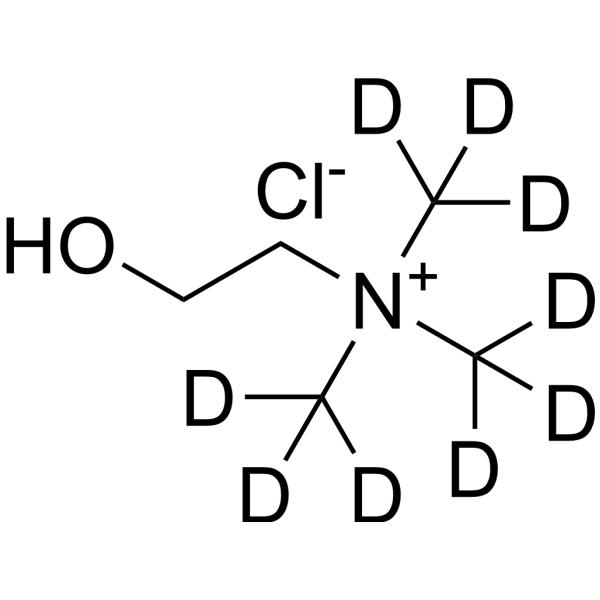
Choline-d9 chloride is the d9-labeled Choline chloride (HY-B1337). Choline chloride is an orally active methylxanthine derivative. Choline chloride exhibits weak antihistaminic and anticholinergic activities and potentiates the effects of histamine and acetylcholine. Choline chloride relaxes bronchial smooth muscle, dilates coronary and peripheral blood vessels, increases urine output and electrolyte excretion, stimulates locomotor activity in the central nervous system, and induces transient hypotension following a pressor phase. Choline chloride modulates sleep architecture by increasing wakefulness time and reducing slow-wave sleep, without altering the frequency or severity of nocturnal hypoxemia, apnea, or hypopnea events. Choline chloride is used in studies of bronchospasm, nocturnal asthma, and chronic asthma .
loading...
    loading...
3
3 Cited Publications
Cat. No.: HY-D0227
CAS No.: 77-86-1
Synonyms: Tris; Tris(hydroxymethyl)aminomethane
Research Areas:  

Metabolic Disease

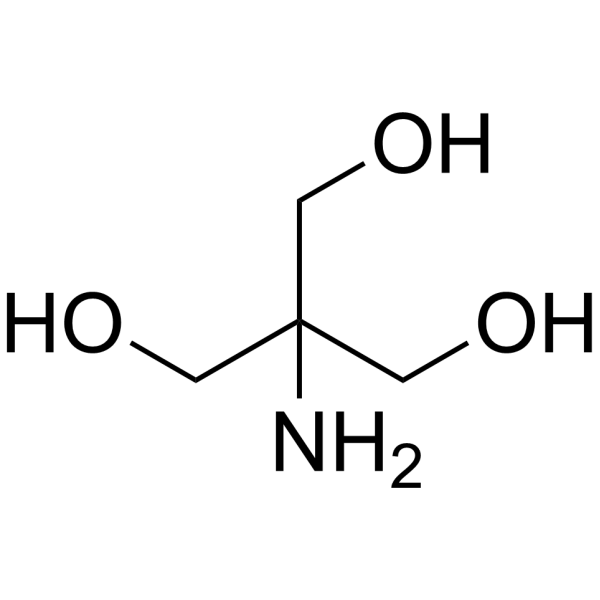
THAM (Tris) is a low-toxicity amino alcohol buffer, a specific CO2-consuming proton acceptor that buffers carbon dioxide and acid both in vitro and in vivo. THAM binds protons to form bicarbonate, reduces PaCO2, and induces intracellular alkalization, thereby ameliorating hypercapnia-induced elevation of pulmonary blood vessels and pulmonary arterial pressure. THAM may cause PaCO2 rebound, hypoglycemia, and respiratory depression. THAM removes amniotic epithelium and preserves the basement membrane, but depletes extracellular matrix and reduces the adhesion rate of limbal epithelial cells. THAM can act as a CO2 carrier to enhance the productivity and carbon utilization rate of Scenedesmus obliquus. THAM is a key component of buffer solutions used in various biological, cell culture, biochemical, and molecular biology applications .
loading...
    loading...
2
2 Cited Publications
Cat. No.: HY-W005288
CAS No.: 2628-17-3
Synonyms: 4-Hydroxystyrene
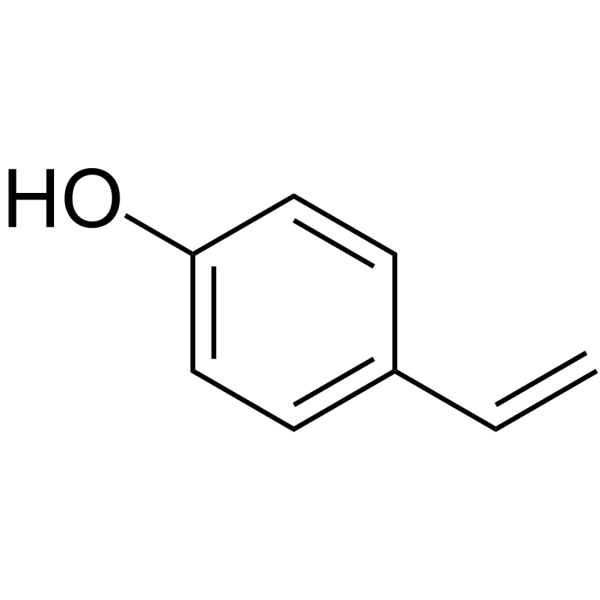
4-Vinylphenol is found in the medicinal herb Hedyotis diffusa Willd, wild rice and is also the metabolite of p-coumaric and ferulic acid by lactic acid bacteria in wine. 4-Vinylphenol induces apoptosis and inhibits blood vessels formation and suppresses invasive breast tumor growth in vivo .
loading...
    loading...
2
2 Cited Publications
Cat. No.: HY-101952S
CAS No.: 34210-10-1
Purity:  99.90%
Synonyms: PGE2-d4; Dinoprostone-d4
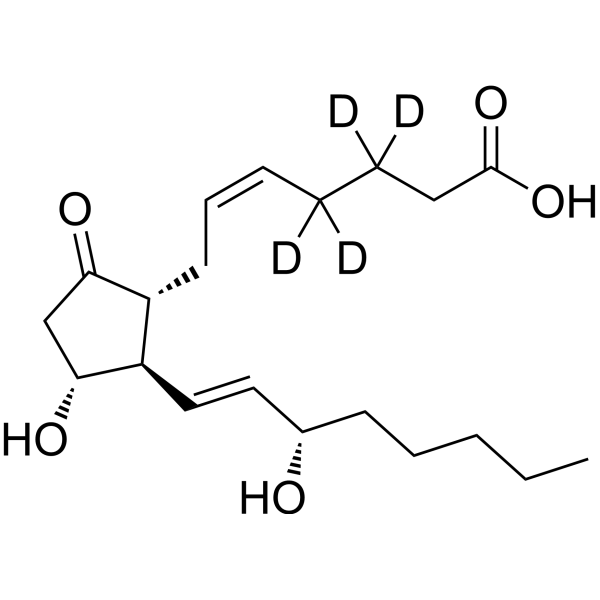
Prostaglandin E2-d4 is the deuterium labeled Prostaglandin E2. Prostaglandin E2 (PGE2) is a hormone-like substance that participate in a wide range of body functions such as the contraction and relaxation of smooth muscle, the dilation and constriction of blood vessels, control of blood pressure, and modulation of inflammation .
loading...
    loading...
2
2 Cited Publications
Cat. No.: HY-158082
Synonyms: Tetramethyl rhodamine isothiocyanate glucan, MW 4000
Target:  

Fluorescent Dye

Research Areas:  

Others

TRITC-dextran MW 4000 (Tetramethyl rhodamine isothiocyanate glucan, MW 4000) is a fluorescent dye, with the molecular weight of 4 kD. TRITC-dextran MW 4000 exhibits an excitation wavelength of 555 nm. TRITC-dextran MW 4000 is vessel penetrate, which could label blood plasma to visualize the vasculature. TRITC-dextran MW 4000 is utilized in drug delivery for the stability of TRITC over a wide pH range (i.e. pH 2–11) and resistance to photo-bleaching .
loading...
    loading...
2
2 Cited Publications
Cat. No.: HY-125864B
CAS No.: 9001-32-5
Target:  

MMP Cadherin

Murine Fibrinogen is a native fibrinogen derived from mouse plasma. Murine Fibrinogen acts as a cerebrovascular permeability enhancer. Murine Fibrinogen activates matrix metalloproteinase-9 (MMP-9), downregulates the expression of vascular endothelial cadherin (VE-cadherin), and upregulates the expression of plasmalemmal vesicle-associated protein-1 (PV-1). Murine Fibrinogen increases macromolecular leakage from pial veins, thereby disrupting the microvascular integrity of cerebral blood vessels. Murine Fibrinogen can be used in studies related to cerebrovascular dysfunction .
loading...
    loading...
2
2 Cited Publications
Cat. No.: HY-B1337S4
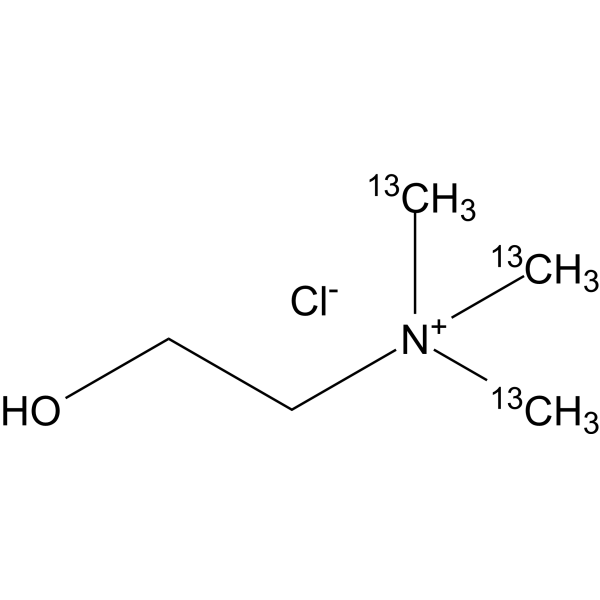
Choline Chloride- 13C3 is the 13C-labeled Choline chloride (HY-B1337). Choline chloride is an orally active methylxanthine derivative. Choline chloride exhibits weak antihistaminic and anticholinergic activities and potentiates the effects of histamine and acetylcholine. Choline chloride relaxes bronchial smooth muscle, dilates coronary and peripheral blood vessels, increases urine output and electrolyte excretion, stimulates locomotor activity in the central nervous system, and induces transient hypotension following a pressor phase. Choline chloride modulates sleep architecture by increasing wakefulness time and reducing slow-wave sleep, without altering the frequency or severity of nocturnal hypoxemia, apnea, or hypopnea events. Choline chloride is used in studies of bronchospasm, nocturnal asthma, and chronic asthma .
loading...
    loading...
2
2 Cited Publications
Cat. No.: HY-D0227B
CAS No.: 6850-28-8
Synonyms: Tris acetate; Tris(hydroxymethyl)aminomethane acetate
Research Areas:  

Metabolic Disease

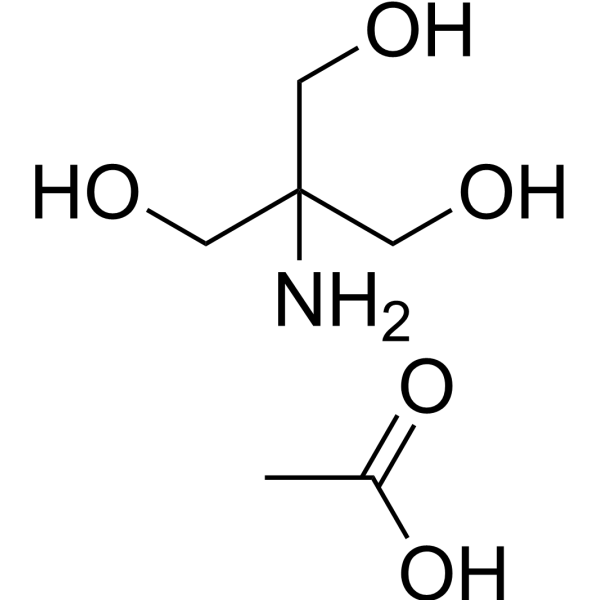
THAM acetate is a low-toxicity amino alcohol buffer, a CO2-consuming proton acceptor that buffers carbon dioxide and acid both in vitro and in vivo. THAM acetate binds protons to form bicarbonate, reduces PaCO2, and induces intracellular alkalization, thereby ameliorating hypercapnia-induced elevation of pulmonary blood vessels and pulmonary arterial pressure. THAM acetate may cause PaCO2 rebound, hypoglycemia, and respiratory depression. THAM acetate removes amniotic epithelium and preserves the basement membrane, but depletes extracellular matrix and reduces the adhesion rate of limbal epithelial cells. THAM acetate can act as a CO2 carrier to enhance the productivity and carbon utilization rate of Scenedesmus obliquus. THAM acetate is a key component of buffer solutions used in various biological, cell culture, biochemical, and molecular biology applications .
loading...
    loading...
2
2 Cited Publications
Cat. No.: HY-D0227J
CAS No.: 1185-53-1
Synonyms: Tris HCl (≥99%, for cell culture); Tris hydrochloride (≥99%, for cell culture)
THAM hydrochloride (≥99%, for cell culture) is a low-toxicity amino alcohol buffer, a specific CO2-consuming proton acceptor that buffers carbon dioxide and acid both in vitro and in vivo. THAM hydrochloride (≥99%, for cell culture) binds protons to form bicarbonate, reduces PaCO2, and induces intracellular alkalization, thereby ameliorating hypercapnia-induced elevation of pulmonary blood vessels and pulmonary arterial pressure. THAM hydrochloride (≥99%, for cell culture) may cause PaCO2 rebound, hypoglycemia, and respiratory depression. THAM hydrochloride (≥99%, for cell culture) removes amniotic epithelium and preserves the basement membrane, but depletes extracellular matrix and reduces the adhesion rate of limbal epithelial cells. THAM hydrochloride (≥99%, for cell culture) can act as a CO2 carrier to enhance the productivity and carbon utilization rate of Scenedesmus obliquus. THAM hydrochloride (≥99%, for cell culture) is a key component of buffer solutions used in various biological, cell culture, biochemical, and molecular biology applications .
loading...
    loading...
1
1 Cited Publications
Cat. No.: HY-17034
CAS No.: 86347-14-0
Target:  

Adrenergic Receptor

Research Areas:  

Neurological Disease Endocrinology

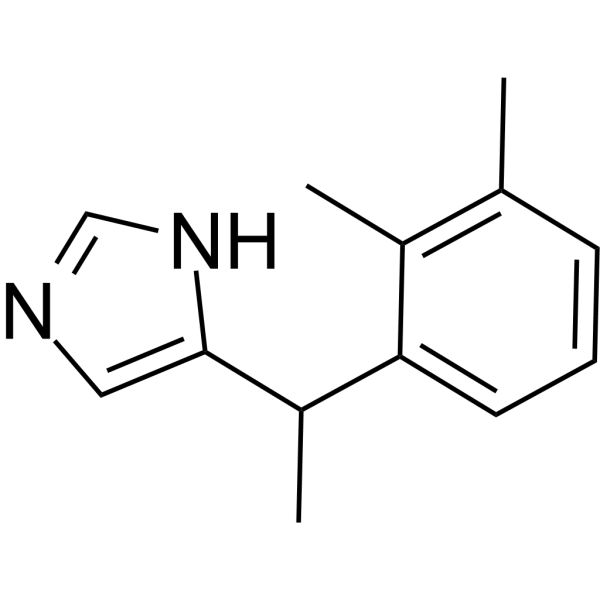
Medetomidine is an orally active α2-adrenoceptor agonist (Ki: 1.08 nM). Medetomidine has sedative and analgesic effects. Medetomidine can cause peripheral vasoconstriction through the activation of α2 adrenoceptors on blood vessels .
loading...
    loading...
1
1 Cited Publications
Cat. No.: HY-108011
CAS No.: 15687-37-3
Purity:  ≥99.0%
Research Areas:  

Cardiovascular Disease

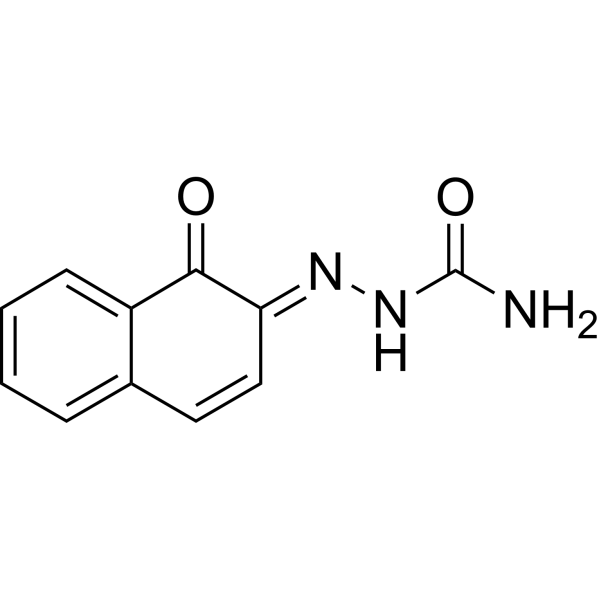
Naftazone is a naphthoquinone derivative, it can be used for the research of venous insufciency. Naftazone protects blood vessels, increases venous tonicity and capillary resistance, and improves lymphatic and venous circulation .
loading...
    loading...
1
1 Cited Publications
Cat. No.: HY-17034B
CAS No.: 86347-15-1
Synonyms: MPV785
Target:  

Adrenergic Receptor

Research Areas:  

Neurological Disease Endocrinology

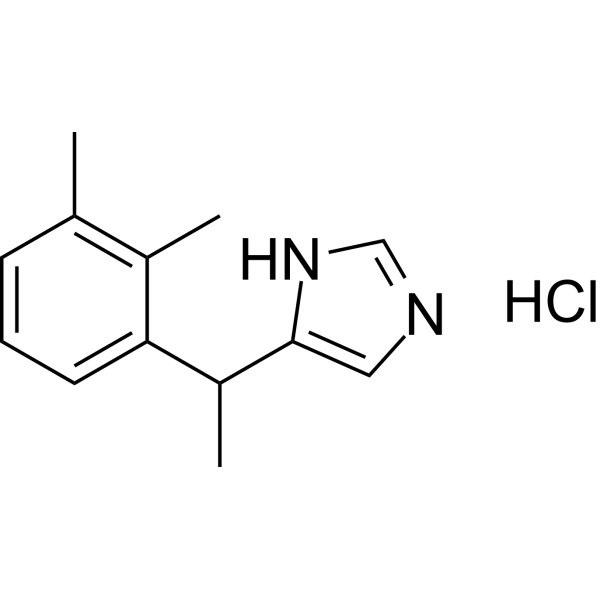
Medetomidine hydrochloride is an orally active α2-adrenoceptor agonist (Ki: 1.08 nM). Medetomidine hydrochloride has sedative and analgesic effects. Medetomidine hydrochloride can cause peripheral vasoconstriction through the activation of α2 adrenoceptors on blood vessels .
loading...
    loading...
1
1 Cited Publications
Cat. No.: HY-Y0470
CAS No.: 563-41-7
Synonyms: Aminourea hydrochloride; Hydrazinecarboxamide hydrochloride
Target:  

VAP-1

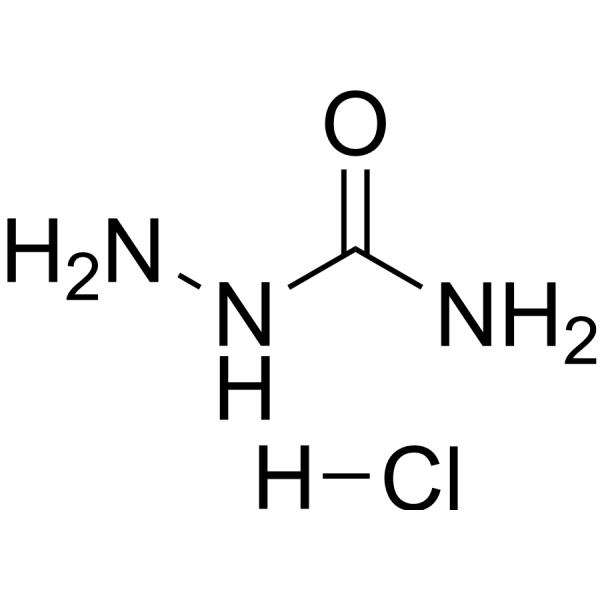
Semicarbazide hydrochloride is an orally active urea derivative. Semicarbazide hydrochloride binds to copper or iron in cells. Semicarbazide hydrochloride inhibits the activity of soluble semicarbazide sensitive amine oxidase (SSAO). Semicarbazide hydrochloride damages cartilage, blood vessels, ovaries, testicles, and thyroid follicles .
loading...
    loading...
1
1 Cited Publications
Cat. No.: HY-101952R
CAS No.: 363-24-6
Synonyms: PGE2(Standard); Dinoprostone (Standard)
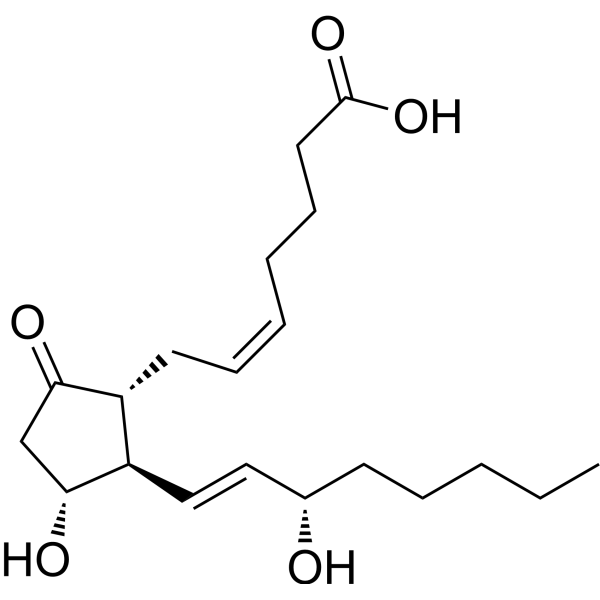
Prostaglandin E2 (Standard) is the analytical standard of Prostaglandin E2. This product is intended for research and analytical applications. Prostaglandin E2 (PGE2) is a hormone-like substance that participate in a wide range of body functions such as the contraction and relaxation of smooth muscle, the dilation and constriction of blood vessels, control of blood pressure, and modulation of inflammation.
loading...
    loading...
1
1 Cited Publications
Cat. No.: HY-P99177
CAS No.: 2305638-98-4

Target:  

Inhibitory Antibodies

Research Areas:  

Cardiovascular Disease Infection

Enibarcimab is a humanized, non-neutralizing monoclonal antibody targeting adrenomedullin (ADM). Enibarcimab binds to the N-terminus of ADM, retains ADM in the circulation, and mobilizes interstitial ADM to increase the level of active bio-ADM, ultimately stabilizing blood vessels. Enibarcimab can be used in research related to septic shock and acute heart failure .
loading...
    loading...
1
1 Cited Publications
Cat. No.: HY-109513
CAS No.: 107793-72-6
Purity:  98.34%
Research Areas:  

Others

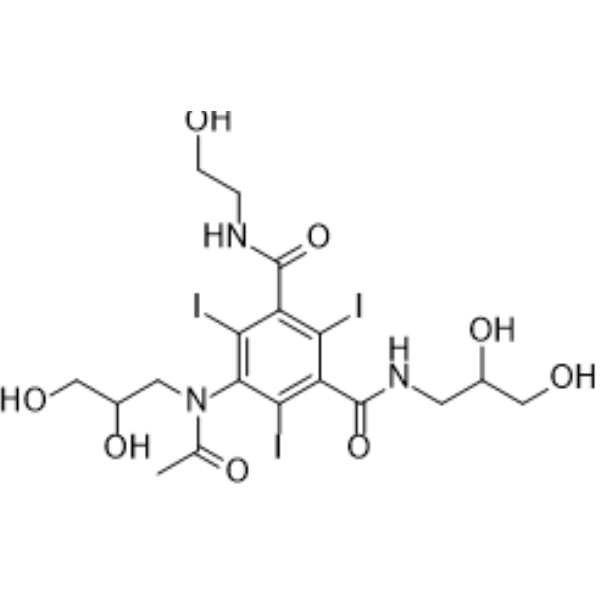
Ioxilan is a low-osmolar, nonionic and tri-iodinated diagnostic contrast agent. Ioxilan is also an X-ray contrast agent for excretory urography and contrast enhanced computed tomographic (CECT) imaging of the head and body. Intravascular injection results in opacification of vessels in the path of flow of the contrast medium, permitting radiographic visualization of the internal structures of the human body until significant hemodilution occurs .
loading...
    loading...
1
1 Cited Publications
Cat. No.: HY-157231A
CAS No.: 3034479-99-4
Purity:  98.92%
Target:  

PERK

Research Areas:  

Cancer

HC-5404-Fu is an orally active PERK inhibitor with an IC50 of 0.001 μM against human PERK. HC-5404-Fu blocks PERK activation induced by VEGFR-TKI and disrupts the adaptive stress response triggered by VEGFR-TKI. HC-5404-Fu enhances anti-angiogenic effects by inhibiting newly formed and mature tumor blood vessels in renal cell carcinoma models. HC-5404-Fu can be used in research related to renal cell carcinoma .
loading...
    loading...
1
1 Cited Publications
Cat. No.: HY-E70005I
CAS No.: 9001-12-1
Synonyms: Type VI collagenase
Target:  

MMP

Research Areas:  

Cancer

Collagenase, Type VI (EC 3.4.24.3) is a collagenase that can degrade type VI collagen. Type VI collagen is a component of cell membranes in various tissues (such as skin, heart, blood vessels, cartilage, and synovial fluid). Excessive collagenase can cause extracellular matrix lesions. Collagenase is also a biomarker for tumor invasion and metastasis. Collagenase, Type VI can specifically act on the peptide bond between proline and glycine. This feature can be used to quickly and sensitively detect its concentration level in experiments using corresponding modified electrodes .
loading...
    loading...
1
1 Cited Publications
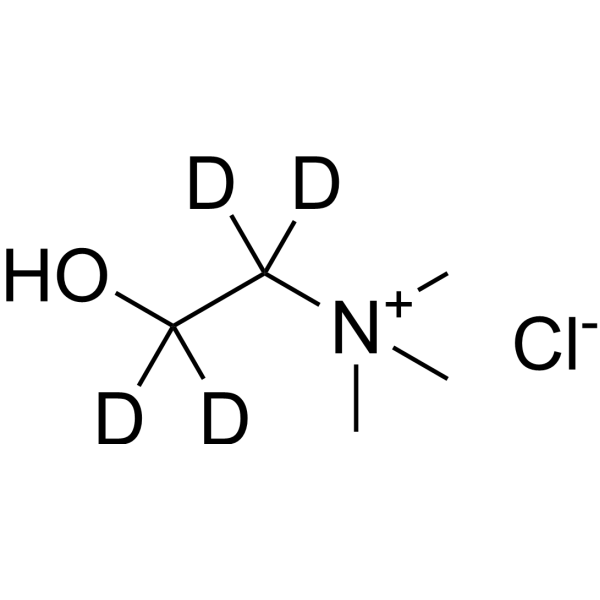
Cat. No.: HY-B1337S
CAS No.: 285979-70-6
Choline-d4 chloride is the d4-labeled Choline chloride (HY-B1337). Choline chloride is an orally active methylxanthine derivative. Choline chloride exhibits weak antihistaminic and anticholinergic activities and potentiates the effects of histamine and acetylcholine. Choline chloride relaxes bronchial smooth muscle, dilates coronary and peripheral blood vessels, increases urine output and electrolyte excretion, stimulates locomotor activity in the central nervous system, and induces transient hypotension following a pressor phase. Choline chloride modulates sleep architecture by increasing wakefulness time and reducing slow-wave sleep, without altering the frequency or severity of nocturnal hypoxemia, apnea, or hypopnea events. Choline chloride is used in studies of bronchospasm, nocturnal asthma, and chronic asthma .
loading...
    loading...
Cat. No.: HY-100897
CAS No.: 57821-29-1
Synonyms: vessel due F
Target:  

Thrombin

Research Areas:  

Cardiovascular Disease

Sulodexide is a mixture of glycosaminoglycans available in soft capsule form for oral administration. It is composed of low molecular weight heparin (80%) and dermatan sulfate (20%). Sulodexide exhibits antithrombotic activity through interaction with antithrombin III (AT III) and heparin cofactor II (HC II), and inhibition of thrombin formation. Sulodexide exhibits profibrinolytic activity through release of tissue plasminogen activator (tPA). Sulodexide exhibits endothelial protective and anti-inflammatory effect, ameliorates chronic venous disease . Sulodexide is a glycosaminoglycan mixture available in soft gelatin capsule form for oral administration.
loading...
    loading...

