

87 Results for "

Smad2

" in MedChemExpress (MCE) Product Catalog:
Products (87)

87 Results for "Smad2" in MCE Product Catalog:

1
1 Cited Publications
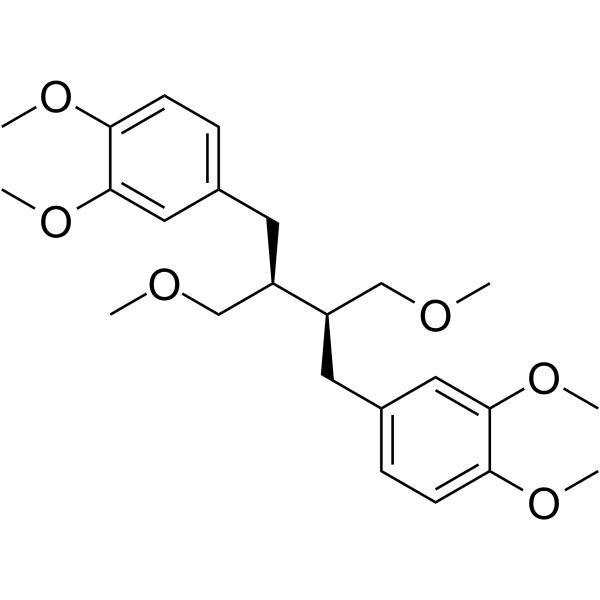
Cat. No.: HY-N4107
CAS No.: 10351-88-9
Phyllanthin is an effective oral anticancer agent. Phyllanthin inhibits MOLT-4 cell viability, increases apoptosis, inhibits cell migration and invasion. Phyllanthin exerts anti-fibrotic effects by down-regulating TGF signaling pathway via ALK5 and Smad2/3. Phyllanthin also has anti-inflammatory and antibacterial properties [2] .
loading...
    loading...
1
1 Cited Publications
Cat. No.: HY-P86139
Synonyms: Smad2; MADH2; MADR2; Mothers against decapentaplegic homolog 2; MAD homolog 2; Mothers against DPP homolog 2; JV18-1; Mad-related protein 2; hMAD-2; Smad family member 2; Smad 2; Smad2; hSmad2; Smad3; MADH3; Mothers against decapentaplegic

Host:  

Rabbit

Application:  

WB, ICC/IF, IP, ELISA

Reactivity:  

Human, Mouse, Rat

loading...
    loading...
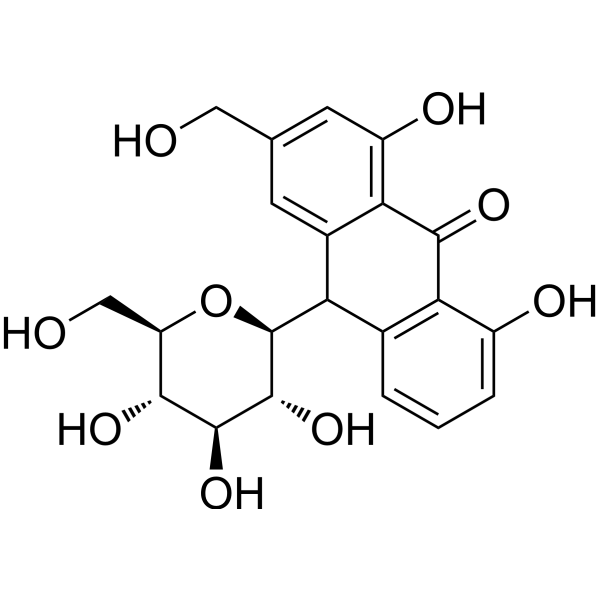
Cat. No.: HY-N6013
CAS No.: 8015-61-0
Aloin (mixture of A&B) is an orally active anthraquinone derivative isolated from Aloe vera. Aloin (mixture of A&B) mitigates airway impairment and exerts neuroprotective, anti-inflammatory, antioxidant, antibacterial, antifungal, antiviral and antitumor effects. Aloin (mixture of A&B) inhibits Clostridium histolyticum collagenase, granulocyte matrix metalloproteinases and human 20S proteasome. Aloin (mixture of A&B) upregulates the Nrf2/HO-1 pathway, suppresses the TGF-β/Smad2/3 pathway. Aloin (mixture of A&B) reduces IL-4/IL-5/IL-13 levels, and reverses oxidative stress markers (MDA, SOD, GSH). Aloin (mixture of A&B) can be used for research on chronic ulcers, burns, wounds, inflammatory and degenerative disorders, asthma and neuroblastoma [2] .
loading...
    loading...
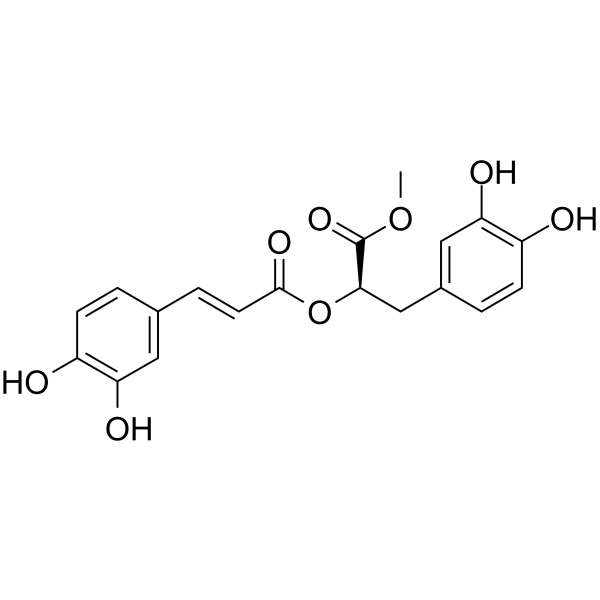
Cat. No.: HY-N3266
CAS No.: 99353-00-1
Methyl rosmarinate is an orally active hydroxycinnamic acid. Methyl rosmarinate exhibits an IC50 of 24.70 μM and a Ki of 15.29 μM against PTP1B, an IC50 of 41.46 μg/mL against BChE, a Ki of 0.61 mM against mushroom tyrosinase, and an IC50 of 2.50 μM against SARS-CoV-2 3CLpro. Methyl rosmarinate downregulates the phosphorylation levels of ERK, JNK, p38, Smad2 and Smad3. Methyl rosmarinate activates erythrocyte BPGM and promotes the production of 2,3-BPG. Methyl rosmarinate induces apoptosis of fibroblasts. Methyl rosmarinate prolongs the survival time of hypoxic mice. Methyl rosmarinate improves insulin sensitivity. Methyl rosmarinate binds to SARS-CoV-2 3CLpro and inhibits viral replication. Methyl rosmarinate induces glioblastoma cell death. Methyl rosmarinate activates the TGR5/AMPK axis and reduces the levels of ROS and MDA. Methyl rosmarinate shows inhibitory activity against MMP-1. Methyl rosmarinate can be used in research related to pulmonary fibrosis, hypoxia-induced injury, type 2 diabetes, Alzheimer's disease, hyperpigmentation disorders, COVID-19, glioblastoma and myocardial ischemia-reperfusion injury [2] .
loading...
    loading...
Cat. No.: HY-162405
CAS No.: 2949393-27-3
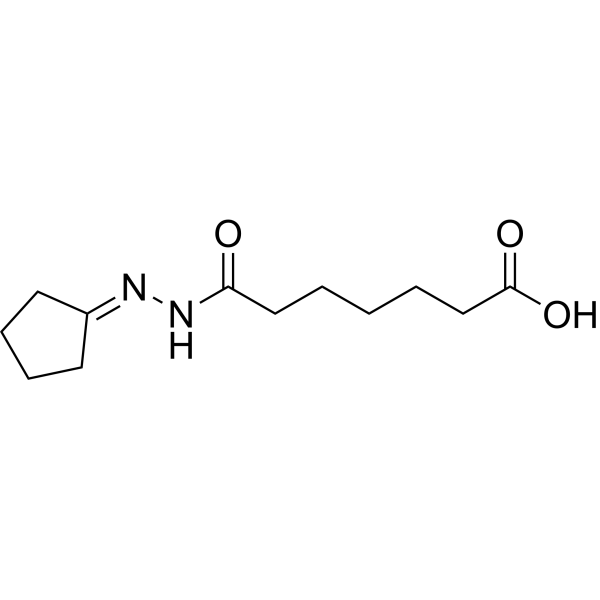
STAT6-IN-12 is a potent STAT6 inhibitor with an IC50 of 50 nM. STAT6-IN-12 also inhibits Smad2/3 with an IC50 of 68 nM. STAT6-IN-12 inhibits TGFβ-dependent Smad2/3 signaling pathway, IL-4-dependent STAT6 signaling pathway, and cellular inflammatory responses. STAT6-IN-12 can be used for the research of inflammation .
loading...
    loading...
Cat. No.: HY-P5542
CAS No.: 1251838-01-3
Synonyms: SB-01; Peniel 2000
Target:  

Factor Xa TGF-beta/Smad

Research Areas:  

Inflammation/Immunology

Vicatertide (SB-01, Peniel 2000) is a polypeptide with both competitive inhibitory activity against TGF-β1 and selective inhibitory activity against human factor XIa (hFXIa, with a Ka of 80 nM for hFXIa). Vicatertide binds allosterically to the two binding sites of dimeric hFXI/hFXIa, while directly binding to activated TGF-β1, selectively blocking the Smad1/5/8 pathway and maintaining low-level activation of the Smad2 pathway to enhance the synthesis of type Ⅱ collagen and aggrecan. Vicatertide inhibits thrombus formation in arteriovenous thrombosis models, and also reduces thrombus weight and thrombus incidence in mouse lung cancer models. Vicatertide can be used for research on degenerative disc disease and thrombosis-related diseases [2].
loading...
    loading...
Cat. No.: HY-P99720A
CAS No.: 1373715-00-4
Synonyms: RAP-536

Target:  

TGF-beta/Smad

Research Areas:  

Metabolic Disease

Luspatercept (mIgG2a) (RAP-536) is a fusion protein, consisting of a modified extracellular domain of human ActRIIB linked to the murine IgG2a Fc domain. Luspatercept (mIgG2a) inhibits Smad2/3 signaling, promotes differentiation of late-stage erythroid precursors and mitigates ineffective erythropoiesis (IE) in murine β-thalassemia. Luspatercept (mIgG2a) reduces anemia, α-globin aggregates, hemolysis, and disease complications of IE such as iron overload, splenomegaly, and bone defects .
loading...
    loading...
Cat. No.: HY-100534
CAS No.: 1136466-93-7
Purity:  ≥99.0%
IDE 2 is a cell-permeable inducer of definitive endoderm differentiation that induces the differentiation of mouse and human embryonic stem cells into definitive endoderm. IDE2 activates the TGF‑β/Nodal signaling pathway, induces Smad2 phosphorylation, and increases Sox17 and FoxA2 expression. Endoderm induced by IDE 2 integrates into the developing gut tube, expresses gut tube markers, and differentiates into pancreatic progenitor cells. IDE 2 can be used for research related to directed endoderm differentiation of embryonic stem cells .
loading...
    loading...
Cat. No.: HY-144043
CAS No.: 2705900-81-6
Purity:  98.06%
Target:  

TGF-β Receptor

Research Areas:  

Cancer

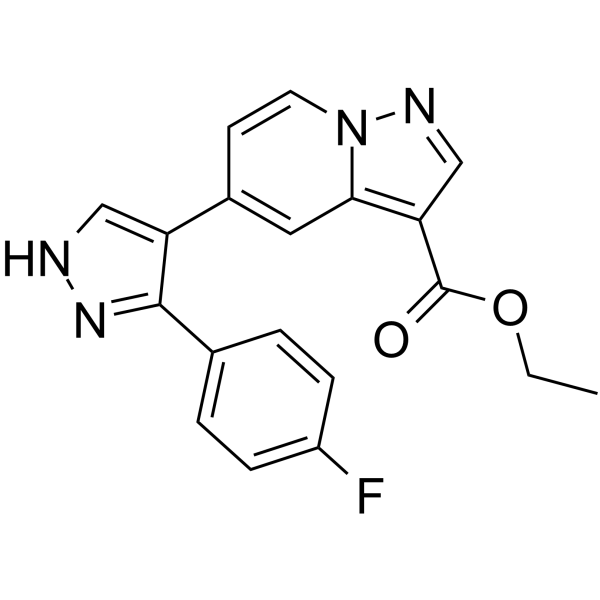
ALK5-IN-8 is a potent inhibitor of TGFβRI (ALK5). ALK5-IN-8 Inhibits the phosphorylation of ALK5 on its downstream signaling proteins (Smad2 or Smad3) by blocking the binding of TGFβRI to ligands, thereby affecting or blocking TGF-β signaling. ALK5-IN-8 has the potential for the research of various ALK5-mediated related diseases (extracted from patent WO2021190425A1, compound 1) .
loading...
    loading...
Cat. No.: HY-RS13393
Research Areas:  

Others

SMAD2 Human Pre-designed siRNA Set A contains three designed siRNAs for SMAD2 gene (Human), as well as a negative control, a positive control, and a FAM-labeled negative control.

loading...
    loading...
Cat. No.: HY-P10363
CAS No.: 1647121-94-5
Target:  

TGF-β Receptor

Research Areas:  

Others

Tiger17 is an effective wound healing agent. Tiger17 is able to induce the secretion of TGF-β1 and acts through the Smad signaling pathway, specifically promoting wound healing by increasing the phosphorylation of Smad2 and Smad3 .
loading...
    loading...
Cat. No.: HY-Y1269D
CAS No.: 12125-02-9
Synonyms: Salmiac, for molecular biology
Ammonium chloride (Salmiac), for molecular biology is an inhibitor of Slc26a4 and SMAD2. Ammonium chloride, for molecular biology reduces the protein expression level of Slc26a4 in lung tissue, and attenuates ozone-induced increases in proinflammatory cytokines, inflammatory cells, pulmonary resistance, goblet cell hyperplasia, peribronchial inflammation and thiocyanate levels in mouse tissues and bronchoalveolar lavage fluid. Ammonium chloride, for molecular biology decreases the level of phosphorylated SMAD2, inhibits autophagy by reducing autophagy-related proteins, and enhances Cisplatin (HY-17394)-induced cancer cell apoptosis and DNA double-strand breaks. Ammonium chloride, for molecular biology also inhibits the TCA cycle, reduces ATP production, increases glucose utilization, regulates the levels of lactic acid, glutamic acid and ATP, and induces morphological degeneration of neuroblastoma cells. Ammonium chloride, for molecular biology can be used in studies related to ozone-induced airway injury, hepatocellular carcinoma, human cervical cancer, hepatic encephalopathy, Reye syndrome, epilepsy and neurodegenerative diseases [2] .
loading...
    loading...
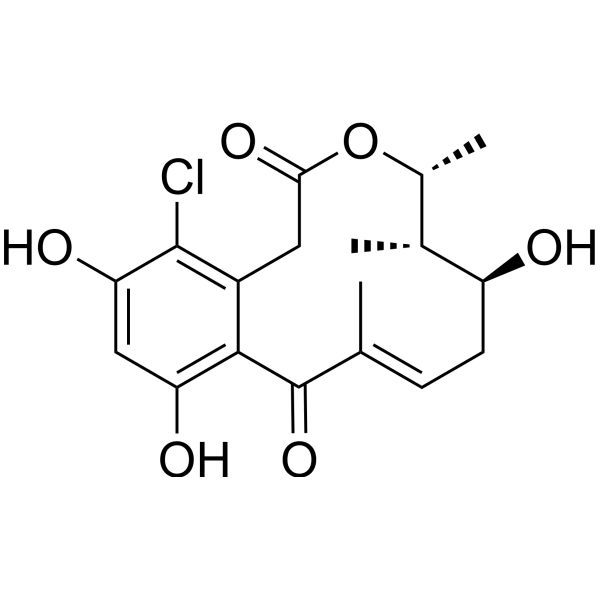
Cat. No.: HY-162404
CAS No.: 1899061-36-9
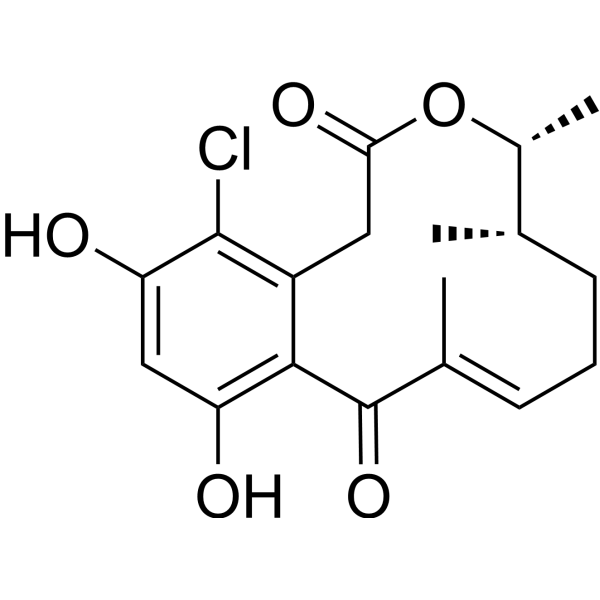
(14S,15R)-14-Deoxyoxacyclododecindione (Compound 3) acts as an inhibitor of TGF-β-dependent Smad2/3 and IL-4-dependent STAT6, with IC50 values of 90 nM and 20 nM, respectively. (14S,15R)-14-deoxyoxacyclododecindione is a potent IL-4 inhibitor with an IC50
value of 20 nM. (14S,15R)-14-Deoxyoxacyclododecindione is applicable to the research of chronic inflammation and fibrotic diseases .
loading...
    loading...
Cat. No.: HY-132187
CAS No.: 1670-26-4
Purity:  99.50%
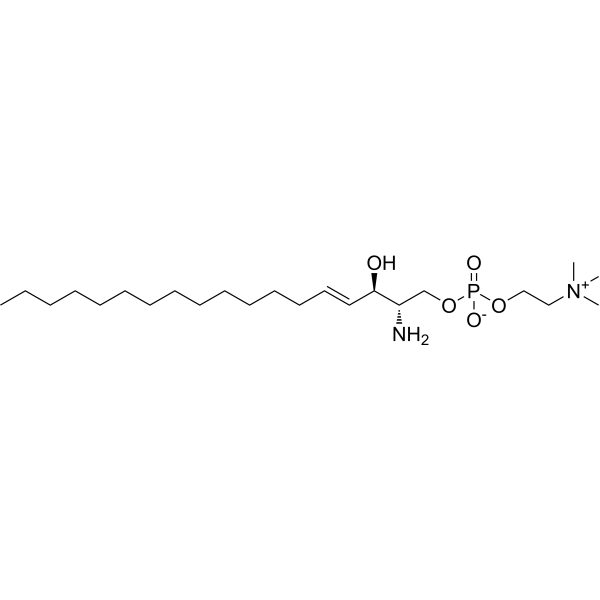
Sphingosylphosphorylcholine is a bioactive lipid and a major component of plasma high-density lipoprotein that binds to OGR1 with a Kd of 33.3 nM. Sphingosylphosphorylcholine triggers delayed phosphorylation of Smad2, upregulates α-SMA expression, and activates TRPM3. Sphingosylphosphorylcholine reduces Apoptosis and upregulates the expression of uPA and its receptor uPA-R. Sphingosylphosphorylcholine exerts anti-apoptotic, anti-cardiac hypertrophy and pro-wound healing effects. Sphingosylphosphorylcholine induces scratching behavior in mice. Sphingosylphosphorylcholine is used in studies related to atopic dermatitis, promyelocytic leukemia, heart failure, myocardial ischemia/reperfusion injury, ovarian cancer, breast cancer, pancreatic cancer, and skin wound healing disorders in genetically impaired healing diabetes [2] .
loading...
    loading...
Cat. No.: HY-P10359A
Target:  

TGF-beta/Smad MMP

Research Areas:  

Neurological Disease

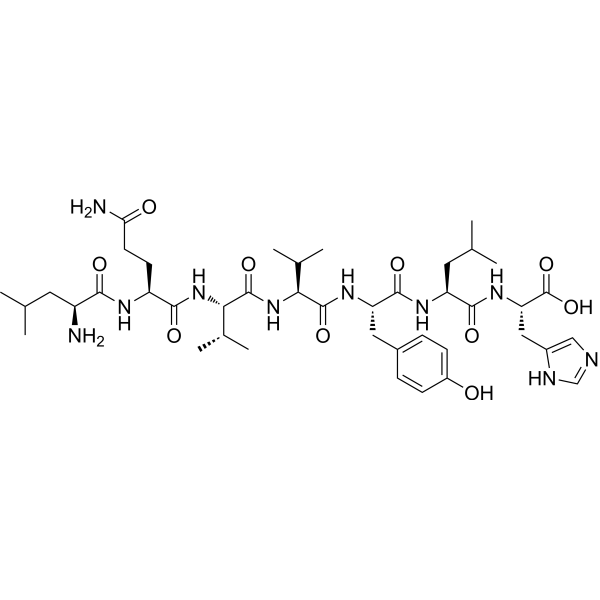
TAT-QFNP12 acetate is a peptide that blocks the NDRG2-PPM1A binding and reduces Smad2/3 phosphorylation, decreases astrocytic MMP-9 production and BBB disruption after subarachnoid hemorrhage (SAH) .
loading...
    loading...
Cat. No.: HY-RS17208
Research Areas:  

Others

Smad2 Mouse Pre-designed siRNA Set A contains three designed siRNAs for Smad2 gene (Mouse), as well as a negative control, a positive control, and a FAM-labeled negative control.

loading...
    loading...
Cat. No.: HY-N0136B
CAS No.: 111003-33-9
Synonyms: (-)-Dihydroquercetin
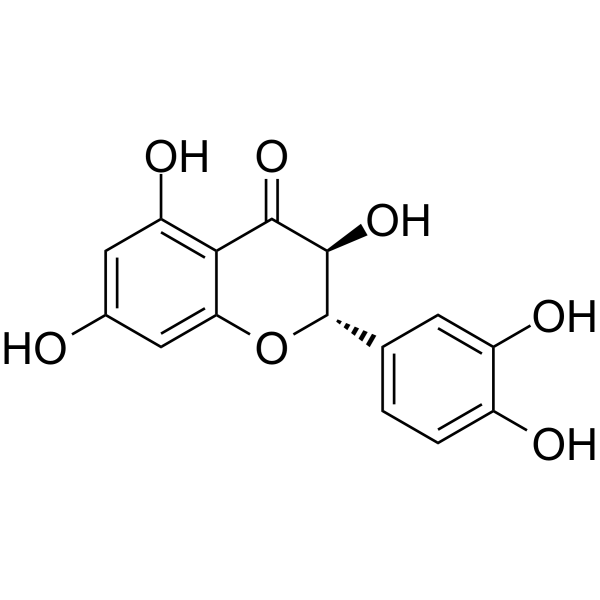
(-)-Taxifolin is the low-activity isomer of Taxifolin. Taxifolin is an orally effective collagenase inhibitor with an IC50 of 193.3 μM. Taxifolin dose-dependently reduces the levels of Smad-2, α-SMA, CTGF, type I collagen, NF-κB and FN in renal tissues, while decreasing serum levels of IL-1β, TNF-α, MDA, Scr and BUN, increasing SOD levels and reversing 27 serum metabolic biomarkers. Taxifolin inhibits the growth of a variety of pathogenic bacteria. Taxifolin can be used in studies related to renal fibrosis [2].
loading...
    loading...
Cat. No.: HY-171878
CAS No.: 894784-05-5
BI-4659 is a TGFβRI and PDGFRα inhibitor with IC50 values of 19 nM and 99 nM, respectively. BI-4659 inhibits the kinase activities of TGFβRI and PDGFRα, blocks the downstream TGFβRI signaling pathway, and reduces the phosphorylation level of Smad2/3 without altering the expression of TGF-β1. BI-4659 is applicable to research related to pulmonary fibrosis, cancer, and renal ischemia-reperfusion injury [2].
loading...
    loading...
Cat. No.: HY-116084S1
CAS No.: 2413127-00-9
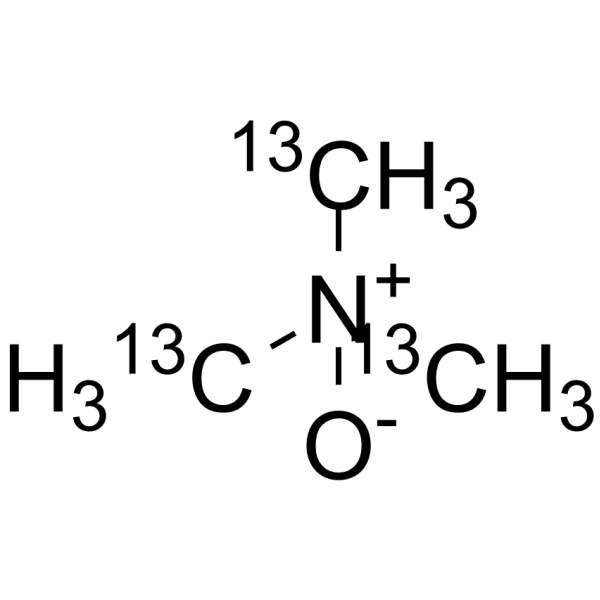
Trimethylamine-N-oxide- 13C3 is the 13C-labeled Trimethylamine N-oxide. Trimethylamine N-oxide is a gut microbe-dependent metabolite of dietary choline and other trimethylamine-containing nutrients. Trimethylamine N-oxide induces inflammation by activating the ROS/NLRP3 inflammasome. Trimethylamine N-oxide also accelerates fibroblast-myofibroblast differentiation and induces cardiac fibrosis by activating the TGF-β/smad2 signaling pathway [2] .
loading...
    loading...
Cat. No.: HY-Y1269H
CAS No.: 12125-02-9
Synonyms: Salmiac, meets analytical specification of Ph. Eur. BP USP FCC
Ammonium chloride, meets analytical specification of Ph. Eur. BP USP FCC (Salmiac, meets analytical specification of Ph. Eur. BP USP FCC) is an inhibitor of Slc26a4 and SMAD2. Ammonium chloride, meets analytical specification of Ph. Eur. BP USP FCC reduces the protein expression level of Slc26a4 in lung tissue, and attenuates ozone-induced increases in proinflammatory cytokines, inflammatory cells, pulmonary resistance, goblet cell hyperplasia, peribronchial inflammation and thiocyanate levels in mouse tissues and bronchoalveolar lavage fluid. Ammonium chloride, meets analytical specification of Ph. Eur. BP USP FCC decreases the level of phosphorylated SMAD2, inhibits autophagy by reducing autophagy-related proteins, and enhances Cisplatin (HY-17394)-induced cancer cell apoptosis and DNA double-strand breaks. Ammonium chloride, meets analytical specification of Ph. Eur. BP USP FCC also inhibits the TCA cycle, reduces ATP production, increases glucose utilization, regulates the levels of lactic acid, glutamic acid and ATP, and induces morphological degeneration of neuroblastoma cells. Ammonium chloride, meets analytical specification of Ph. Eur. BP USP FCC can be used in studies related to ozone-induced airway injury, hepatocellular carcinoma, human cervical cancer, hepatic encephalopathy, Reye syndrome, epilepsy and neurodegenerative diseases [2] .
loading...
    loading...

