1013 Results for "

expression level

" in MedChemExpress (MCE) Product Catalog:
Products (1013)

1013 Results for "expression level" in MCE Product Catalog:

25
25 Cited Publications
Cat. No.: HY-B1302
CAS No.: 6151-40-2
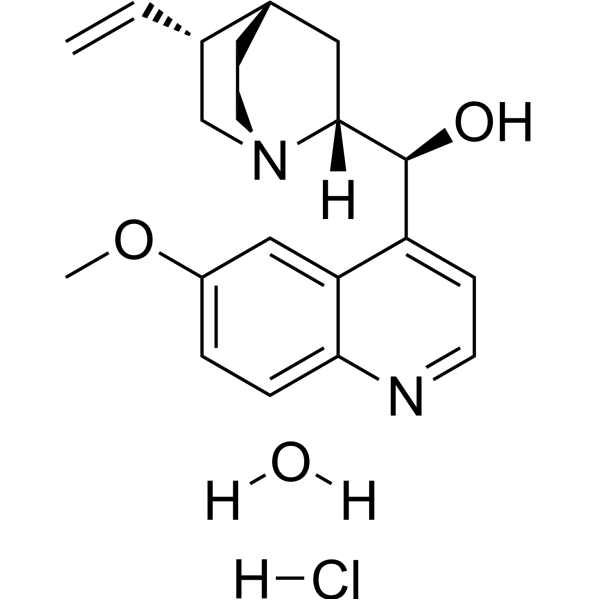
Quinidine hydrochloride monohydrate is an orally active antiarrhythmic agent. Quinidine hydrochloride monohydrate reduces the expression level of P-gp, inhibits P-gp-mediated efflux, increases the intracellular accumulation of P-gp substrates, induces PARP cleavage and Caspase-3 activation, and elevates the proportion of Apoptotic cells at the sub-G1 phase. Quinidine hydrochloride monohydrate exerts sustained block and open-channel block effects on IK(f). Quinidine hydrochloride monohydrate alters the urinary metabolic ratio of Amphetamine, modulates the Pentylenetetrazol-induced seizure threshold, and regulates the anticonvulsant effect of Dextromethorphan. Quinidine hydrochloride monohydrate can be used in studies related to uterine sarcoma and seizures .
loading...
    loading...
24
24 Cited Publications
Cat. No.: HY-B1751
CAS No.: 56-54-2
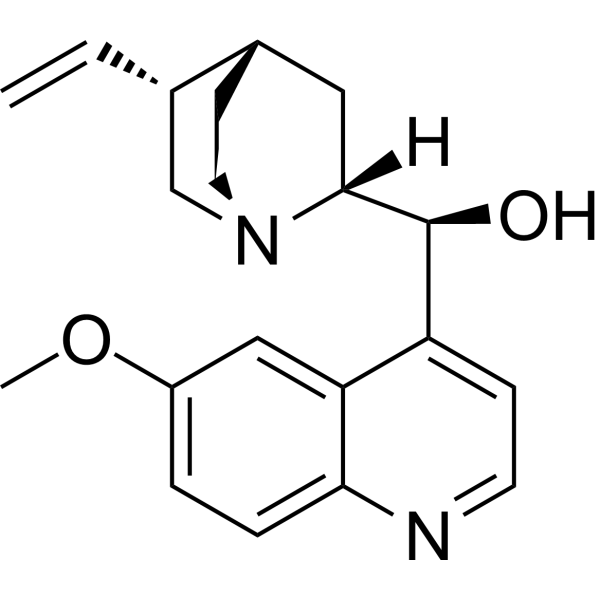
Quinidine (15% dihydroquinidine) is an orally active antiarrhythmic agent. Quinidine (15% dihydroquinidine) reduces the expression level of P-gp, inhibits P-gp-mediated efflux, increases the intracellular accumulation of P-gp substrates, induces PARP cleavage and Caspase-3 activation, and elevates the proportion of Apoptotic cells at the sub-G1 phase. Quinidine (15% dihydroquinidine) exerts sustained block and open-channel block effects on IK(f). Quinidine (15% dihydroquinidine) alters the urinary metabolic ratio of Amphetamine, modulates the Pentylenetetrazol-induced seizure threshold, and regulates the anticonvulsant effect of Dextromethorphan. Quinidine (15% dihydroquinidine) can be used in studies related to uterine sarcoma and seizures .
loading...
    loading...
24
24 Cited Publications
Cat. No.: HY-13032B
CAS No.: 1895049-20-3
Purity:  97.04%
Synonyms: GSK 525762C; I-BET 762 besylate
Research Areas:  

Cancer

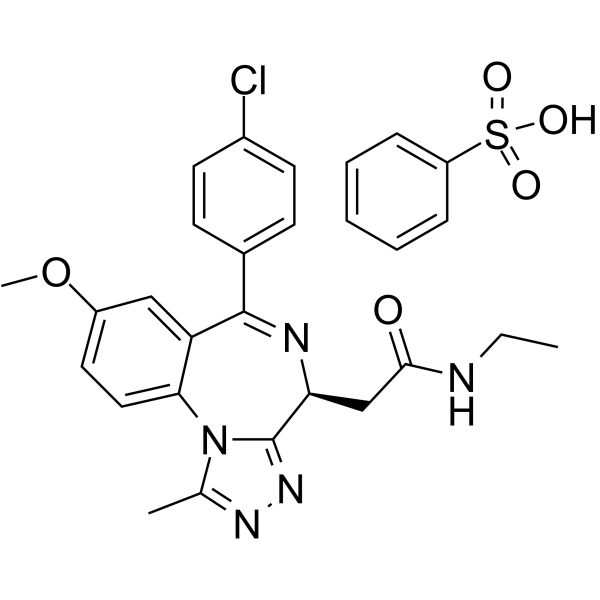
Molibresib besylate (GSK 525762C; I-BET 762 besylate) is an orally active pan-BET inhibitor that targets and binds to BRD2, BRD3, BRD4 and BRDT. By competitively occupying acetylated lysine binding sites, Molibresib besylate disrupts the interaction between BET proteins and chromatin, thereby effectively inhibiting MYC expression and target gene transcription. Molibresib besylate exhibits broad antiproliferative activity, which not only inhibits cancer cell growth and induces growth arrest, but also downregulates mitosis-related genes and upregulates the level of p-ERK1/2. When combined with MEK inhibitors, Molibresib besylate shows a significant synergistic effect, reduces tumor burden in mouse models of leukemia, modulates the immune microenvironment and prolongs survival. Molibresib besylate is widely applicable to research related to acute myeloid leukemia, multiple myeloma, triple-negative breast cancer, small-cell lung cancer and various advanced refractory solid tumors .
loading...
    loading...
23
23 Cited Publications
Cat. No.: HY-16997
CAS No.: 1334298-90-6
Synonyms: INCB039110
Target:  

JAK STAT

Research Areas:  

Inflammation/Immunology Cancer

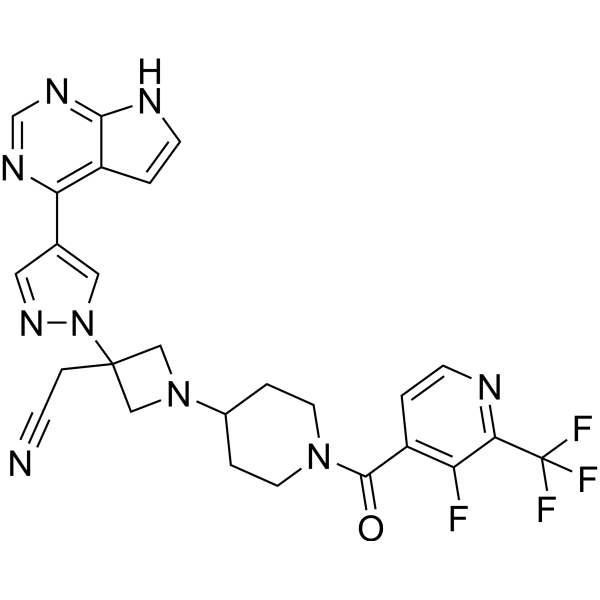
Itacitinib (INCB039110) is an orally active selective inhibitor of JAK1 with an IC50 value of 2 nM for human JAK1. Itacitinib inhibits IFN-γ-mediated phosphorylation of STAT1 and downstream pro-inflammatory signaling pathways. Itacitinib reduces the frequency and number of splenic neutrophils in mouse models, downregulates the levels of pro-inflammatory cytokines and chemokines, and inhibits pro-inflammatory gene expression pathways. Itacitinib improves survival rate and clinical scores in mouse models of hemophagocytic lymphohistiocytosis (HLH), and also suppresses metastasis in NSCLC models with high Rab1A expression. Itacitinib can be used for research on hemophagocytic lymphohistiocytosis and non-small cell lung cancer .
loading...
    loading...
23
23 Cited Publications
Cat. No.: HY-16997A
CAS No.: 1334302-63-4
Synonyms: INCB039110 adipate
Target:  

JAK STAT

Research Areas:  

Inflammation/Immunology Cancer

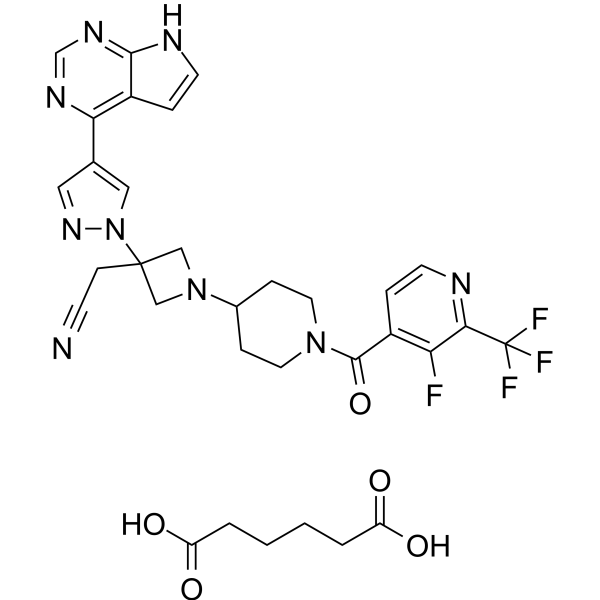
Itacitinib adipate (INCB039110 adipate) is an orally active JAK1-selective inhibitor. Itacitinib adipate inhibits IFN-γ-mediated phosphorylation of STAT1 and downstream pro-inflammatory signaling pathways. Itacitinib adipate reduces the frequency and number of splenic neutrophils in mouse models, downregulates the levels of pro-inflammatory cytokines and chemokines, and inhibits pro-inflammatory gene expression pathways. Itacitinib adipate improves survival rate and clinical scores in mouse models of hemophagocytic lymphohistiocytosis (HLH), and also suppresses metastasis in NSCLC models with high Rab1A expression. Itacitinib adipate can be used for research on hemophagocytic lymphohistiocytosis and non-small cell lung cancer .
loading...
    loading...
23
23 Cited Publications
Cat. No.: HY-101140
CAS No.: 1799974-70-1
Purity:  98.67%
Research Areas:  

Inflammation/Immunology

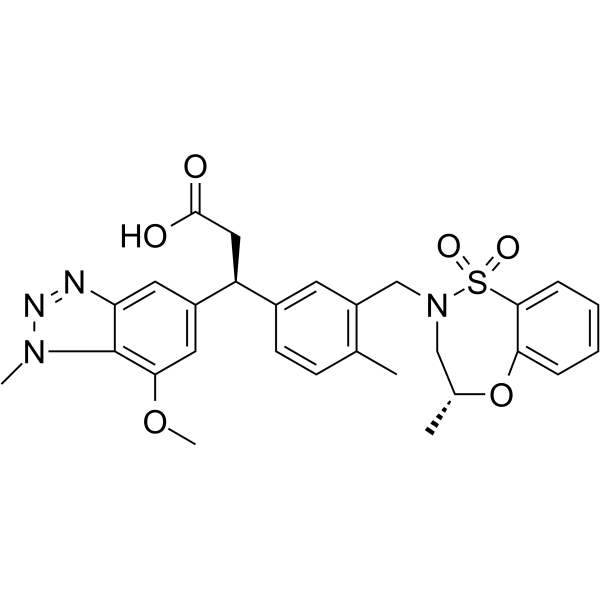
KI696 is a selective KEAP1/NRF2 protein-protein interaction inhibitor with a human Kd value of 1.3 nM. KI696 acts by competitively occupying the NRF2-binding pocket of the KEAP1 Kelch domain. KI696 blocks KEAP1-mediated ubiquitination and degradation of NRF2, promotes the translocation of NRF2 to the nucleus, activates the expression of downstream antioxidant genes, increases intracellular glutathione levels, and alleviates oxidative stress-induced cell damage and inflammatory cell infiltration in the lungs. KI696 reduces ozone-induced pulmonary oxidative damage and inflammatory cell accumulation in rats, and upregulates pulmonary antioxidant genes. KI696 can be used in research related to chronic obstructive pulmonary disease, oxidative stress and inflammation .
loading...
    loading...
17
17 Cited Publications
Cat. No.: HY-N0643
CAS No.: 5957-80-2
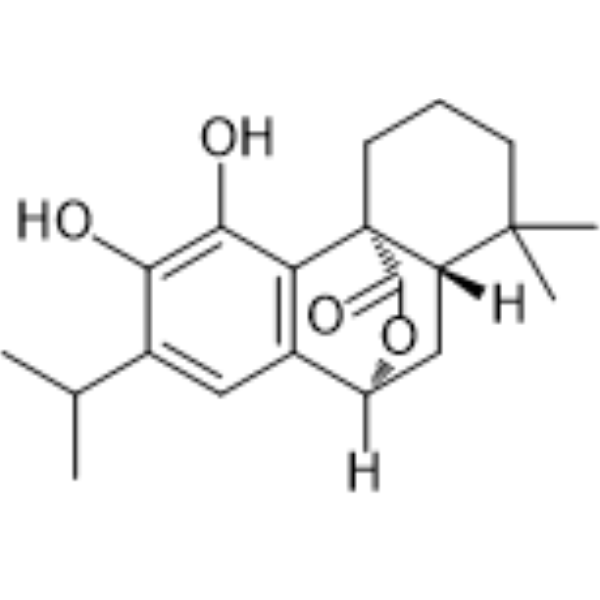
Carnosol is a potent Ribosomal S6 Kinase (RSK2) inhibitor that could be useful for treating gastric cancer, with an IC50 of ~5.5 μM . Carnosol, a Nrf2 activator, increases the nuclear levels of Nrf2 and can promote the expression of heme oxygenase 1 (HMOX1) .
loading...
    loading...
14
14 Cited Publications
Cat. No.: HY-112005
CAS No.: 4004-05-1
Purity:  98.80%
Synonyms: Dioleoylphosphatidylethanolamine; 1,2-Dioleoyl-sn-glycero-3-phosphoethanolamine
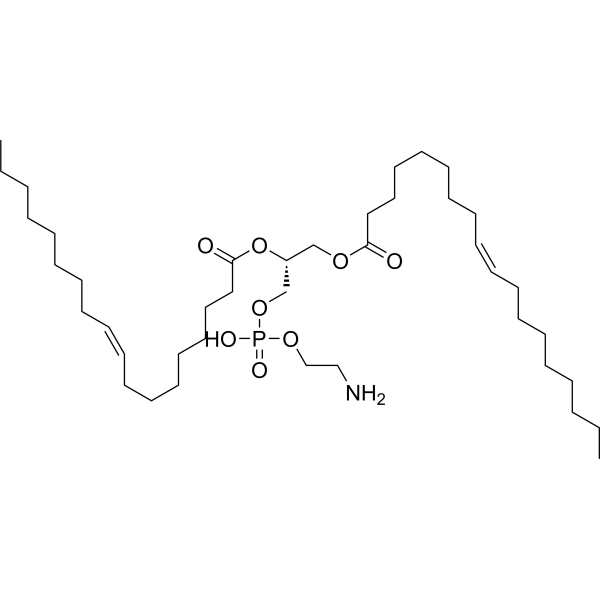
DOPE (Dioleoylphosphatidylethanolamine; 1,2-Dioleoyl-sn-glycero-3-phosphoethanolamine) is an orally active inhibitor of ferroptosis with anti-inflammatory and intestinal barrier maintenance activities. DOPE regulates the expression of ACSL4, SLC7A11 and GPX4 to restore the redox system balance, thereby reducing the levels of lipid peroxides, iron ions and intestinal inflammatory factors (IL-1β and IL-6). DOPE promotes the migration and proliferation of intestinal epithelial cells and increases the level of tight junction proteins; it also destabilizes endosomal membranes, mediates the conjugation of RVG peptides with mesenchymal stem cell-derived exosomes to enhance brain targeting. DOPE can be applied to research related to neonatal necrotizing enterocolitis and Alzheimer's disease .
loading...
    loading...
14
14 Cited Publications
Cat. No.: HY-N6791
CAS No.: 126643-37-6
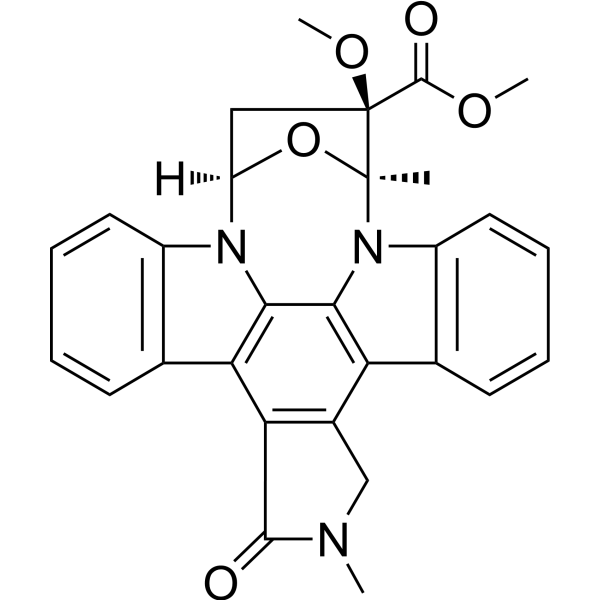
KT5823, a selective the cGMP-dependent protein kinase (PKG) inhibitor with an Ki value of 0.23 μM, it also inhibits PKA and PKC with Ki values of 10 μM and 4 μM, respectively. KT5823 is a Staurosporine-related protein kinase inhibitor, increases thyroid-stimulating hormone-induced (Na +/I - symporter) NIS expression, and iodide uptake in thyroid cells. KT5823 arrests cells after the G0/G1 boundary and causes increases in the levels of apoptotic DNA fragmentation .
loading...
    loading...
14
14 Cited Publications
Cat. No.: HY-15136
CAS No.: 193275-84-2
Purity:  99.60%
Synonyms: Sch66336
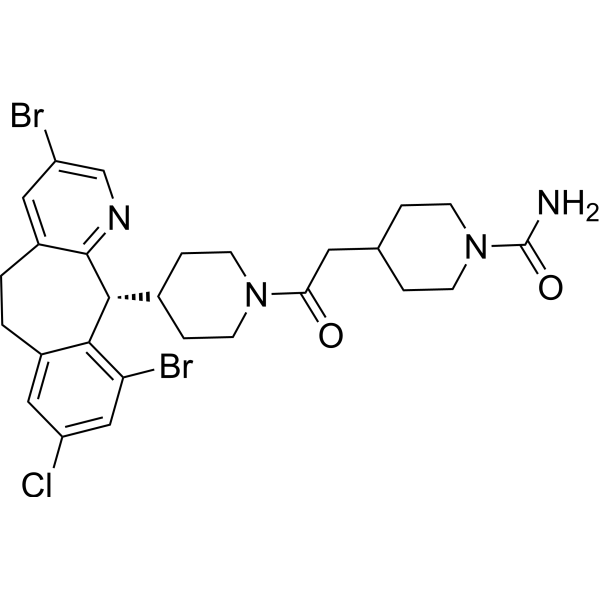
Lonafarnib (Sch66336) is an orally active, blood-brain barrier penetrant farnesyltransferase (FPTase) inhibitor. Lonafarnib increases the phosphorylation levels of Akt, CaMKII and CREB, upregulates BDNF expression in the hippocampus, elevates the content of α7nAChR on cell membranes, and blocks the isoprenylation of H-Ras. Lonafarnib repairs synapses and reverses spatial memory deficits in Aβ1-42 model mice. Lonafarnib inhibits RSV fusion and replication, and alleviates virus-induced lung injury. Lonafarnib activates the lysosomal and autophagic pathways, and reduces the phosphorylation and aggregation of tau. Lonafarnib acts synergistically with Sorafenib (HY-10201) to promote apoptosis, and inhibits the proliferation and invasion of melanoma cells. Lonafarnib inhibits the farnesylation of progerin, repairs nuclear membrane defects, and activates the cGAS-STING-STAT1 signaling pathway. Lonafarnib can be used in research related to diseases including Alzheimer's disease, viral infections, melanoma, and progeria .
loading...
    loading...
14
14 Cited Publications
Cat. No.: HY-12688A
CAS No.: 864167-45-3
Purity:  ≥98.0%
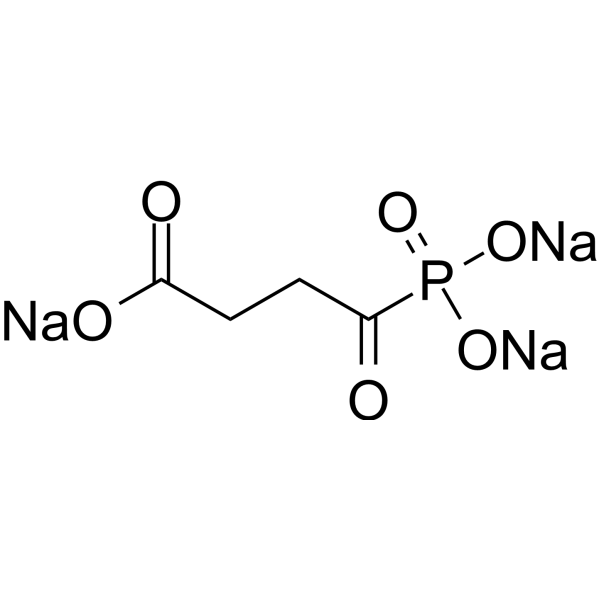
Succinyl phosphonate trisodium salt is a α-Ketoglutarate Dehydrogenase Complex (KGDHC) modulator with neuroprotective activity. Succinyl phosphonate trisodium salt protects this complex, reduces cellular succinyl-CoA concentration, downregulates protein succinylation levels, and inhibits the activity of the α-ketoglutarate dehydrogenase complex. Succinyl phosphonate trisodium salt corrects hypoxic or ethanol-induced behavioral impairments, modulates exploratory behavior and emotional stress responses, and improves hypoxia tolerance. Succinyl phosphonate trisodium salt reduces glutamate excitotoxicity, restores the activity of the α-ketoglutarate dehydrogenase complex, reverses the changes in glutamate dehydrogenase and glutamine synthetase activities induced by β-amyloid (Amyloid-β), modulates cognitive function, and prevents β-amyloid-induced neuronal damage. Succinyl phosphonate trisodium salt improves microglial senescence, alleviates neuroinflammation, reactive oxygen species (ROS) production, lipid peroxidation, and the expression of proinflammatory cytokines. Succinyl phosphonate trisodium salt can be used in the research of Alzheimer's disease, aging-related neuroinflammation, and Parkinson's disease .
loading...
    loading...
13
13 Cited Publications
Cat. No.: HY-19940
CAS No.: 1450824-22-2
Synonyms: TD139; GB0139
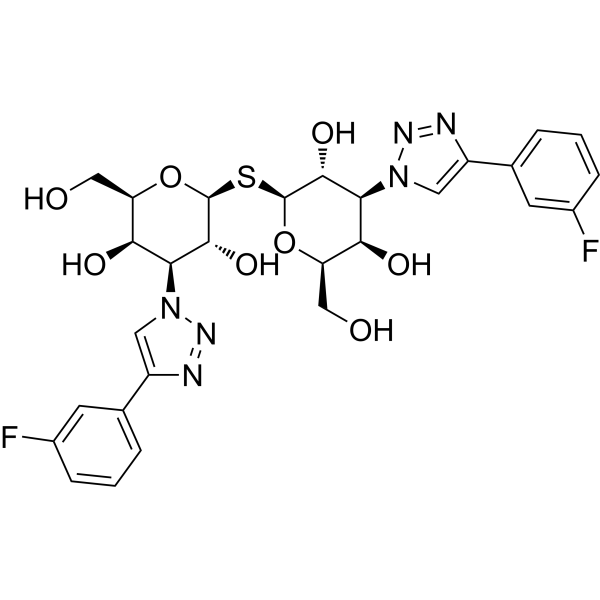
Olitigaltin (TD139) is a high-affinity Galectin-3 inhibitor with a Kd value of 14 nM. Olitigaltin inhibits the activity of the AKT/β-catenin pathway, induces Apoptosis, and downregulates SREBP1 expression. Olitigaltin enhances the phosphorylation level of ERK. Olitigaltin alleviates bleomycin (HY-17565A)-induced advanced pulmonary fibrosis in mice. Olitigaltin delays the onset of diabetes, and improves glucose tolerance and serum insulin levels. Olitigaltin alleviates liver injury. Olitigaltin maintains the structure of hippocampal excitatory synapses, restores γ-wave power in the hippocampal CA1 region, inhibits hippocampal neuroinflammation, and improves cognitive function in neuroinflammation models. Olitigaltin can be used in research related to thyroid cancer, idiopathic pulmonary fibrosis, type 1 diabetes, hepatitis, and cognitive dysfunction induced by neuroinflammation .
loading...
    loading...
11
11 Cited Publications
Cat. No.: HY-N2342
CAS No.: 37064-30-5
Synonyms: PCC1
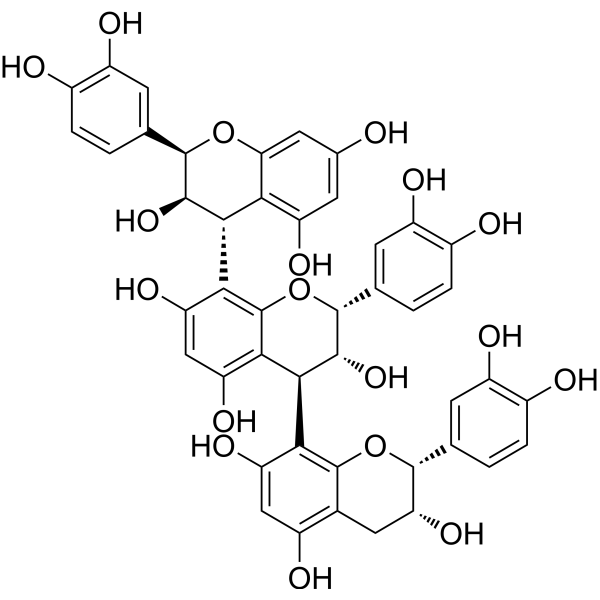
Procyanidin C1 (PCC1), a natural polyphenol with oral activity, causes DNA damage, cell cycle arrest and induces apoptosis. Procyanidin C1 decreases the level of Bcl-2, but enhances BAX, caspase 3 and 9 expression in cancer cells. Procyanidin C1 shows senotherapeutic activity and increases lifespan in mice .
loading...
    loading...
11
11 Cited Publications
Cat. No.: HY-15227
CAS No.: 1338466-77-5
Purity:  99.00%
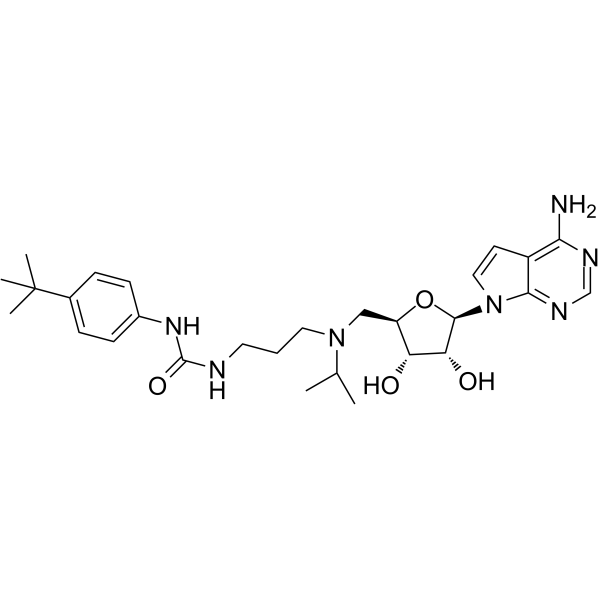
EPZ004777 is an effective and selective DOT1L inhibitor, with IC50 being 0.4 nM. EPZ004777 reduces the levels of H3K79me2 and H3K79me1, significantly down-regulating the expression of HOXA9 and MEIS1. EPZ004777 selectively inhibits the proliferation of MLL rearrangement cells and promotes the differentiation and subsequent apoptosis (apoptosis) of leukemia cells. EPZ004777 can be used for the study of leukemia .
loading...
    loading...
11
11 Cited Publications
Cat. No.: HY-15227A
CAS No.: 1380316-03-9
Purity:  99.46%
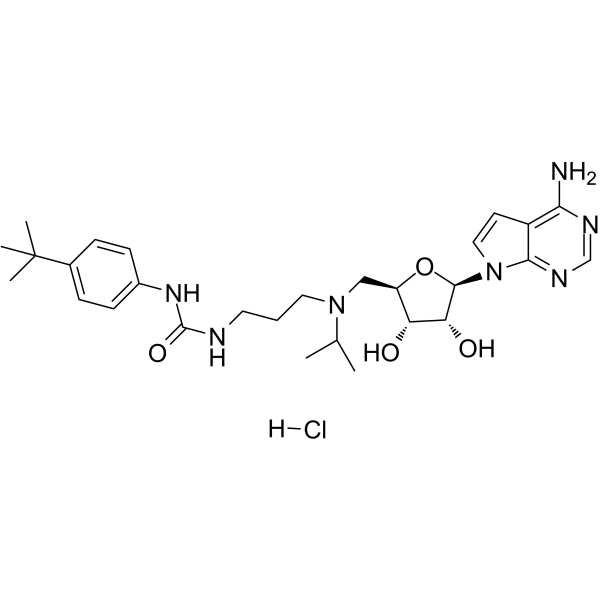
EPZ004777 hydrochloride is an effective and selective DOT1L inhibitor, with IC50 being 0.4 nM. EPZ004777 hydrochloride reduces the levels of H3K79me2 and H3K79me1, significantly down-regulating the expression of HOXA9 and MEIS1. EPZ004777 hydrochloride selectively inhibits the proliferation of MLL rearrangement cells and promotes the differentiation and subsequent apoptosis (apoptosis) of leukemia cells. EPZ004777 hydrochloride can be used for the study of leukemia .
loading...
    loading...
10
10 Cited Publications
Cat. No.: HY-D0067
CAS No.: 50995-74-9
Synonyms: DEAC; Coumarin D 1421; D 1421
Research Areas:  

Cancer

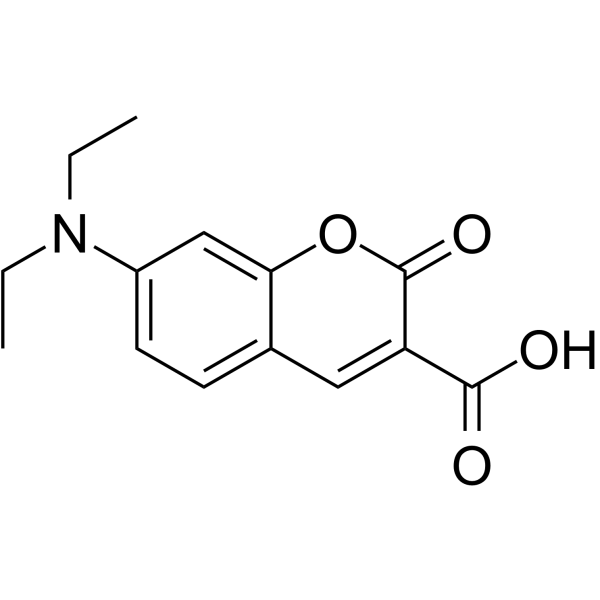
7ACC1 (DEAC; Coumarin D 1421; D 1421) is a monocarboxylate transporter 1 (MCT-1)/MCT-4 specifc blocker. 7ACC1 attenuates renal cancer cell proliferation, migration, invasion and down-regulates the levels of MCT1/MCT4 expression and extracellular lactate. 7ACC1 is promising for research of cancers .
loading...
    loading...
10
10 Cited Publications
Cat. No.: HY-123937
CAS No.: 2139287-33-3
Purity:  99.16%
Research Areas:  

Infection Cancer

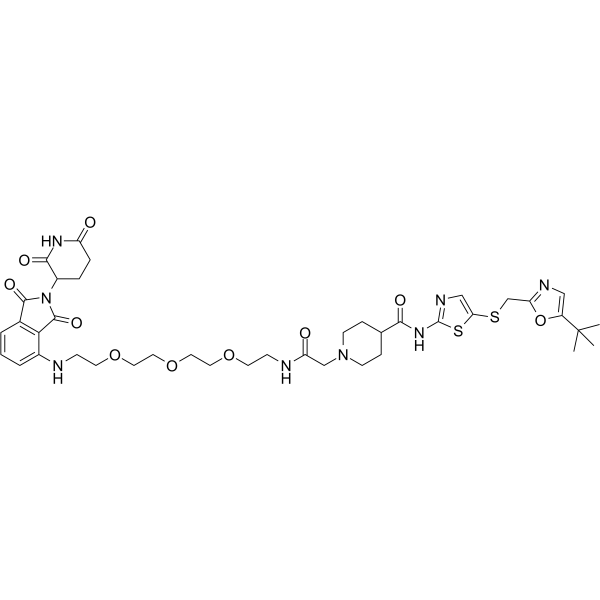
THAL-SNS-032 is a selective CDK9 PROTAC degrader. THAL-SNS-032 recruits CRBN to form a ternary complex with CDK9, thereby triggering ubiquitination and proteasomal degradation of CDK9. THAL-SNS-032 also induces the degradation of CDK1, CDK2 and CDK7. THAL-SNS-032 elevates pH2AX levels, reduces MCL1s expression, and activates caspase-3. THAL-SNS-032 induces cancer cell apoptosis, regulates transcription, and inhibits the replication of human cytomegalovirus (CMV) and SARS-CoV-2. THAL-SNS-032 can be used in research related to breast cancer, leukemia, cytomegalovirus infection and SARS-CoV-2 infection .
loading...
    loading...
10
10 Cited Publications
Cat. No.: HY-N0570
CAS No.: 10597-60-1
Synonyms: DOPET; 3,4-Dihydroxyphenethyl alcohol; 3-Hydroxytyrosol
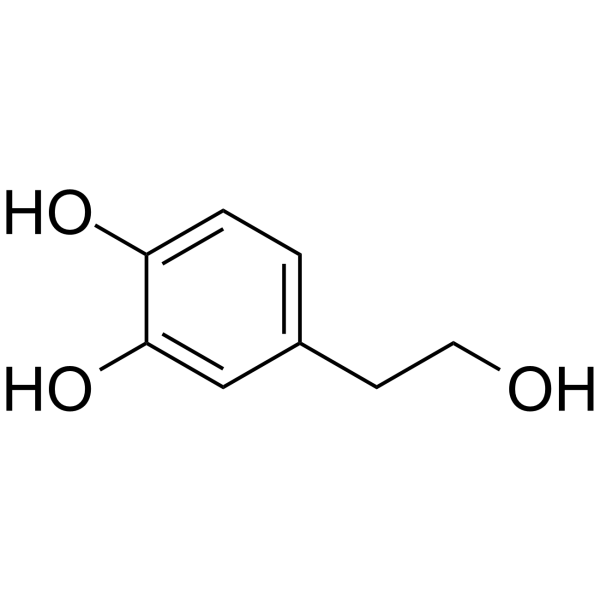
Hydroxytyrosol (DOPET; 3,4-Dihydroxyphenethyl alcohol) is an orally active, blood-brain barrier-permeable multi-active compound with multiple effects including antibacterial, antioxidant, anti-platelet aggregation, and neuroprotective activities. Hydroxytyrosol not only inhibits the growth of Vibrio by increasing bacterial membrane permeability, but also interacts with DNA and mediates supercoiled DNA relaxation. Meanwhile, Hydroxytyrosol effectively reduces thrombosis and inhibits lipid oxidation by inhibiting COX activity and promoting vascular nitric oxide production. In terms of neuroprotection, Hydroxytyrosol significantly alleviates neuronal apoptosis and inflammatory responses by up-regulating the expression level of ERβ, thereby improving cognitive function in Alzheimer's disease models. Hydroxytyrosol has been widely used in scientific research related to Vibrio infection, arterial thrombosis, Alzheimer's disease and other related fields .
loading...
    loading...
9
9 Cited Publications
Cat. No.: HY-12741
CAS No.: 894002-50-7
Purity:  98.92%
Synonyms: LDN-0212320; OSU-0212320
Target:  

EAAT

Research Areas:  

Neurological Disease

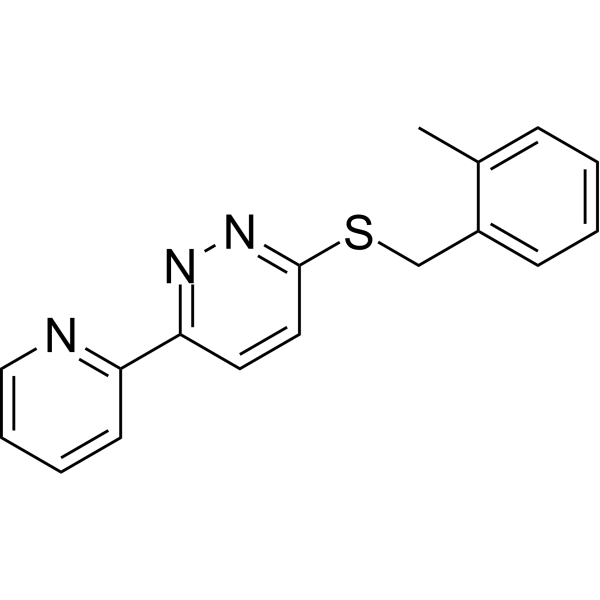
LDN-212320 (LDN-0212320) is a glutamate transporter (GLT-1)/excitatory amino acid transporter 2 (EAAT2) activator (at translational level). LDN-212320 (LDN-0212320) prevents nociceptive pain by upregulating astroglial GLT-1 expression in the hippocampus and ACC [1]
loading...
    loading...
9
9 Cited Publications
Cat. No.: HY-N0603
CAS No.: 14197-60-5
Synonyms: 20(S)-Propanaxadiol; S-ginsenoside Rg3
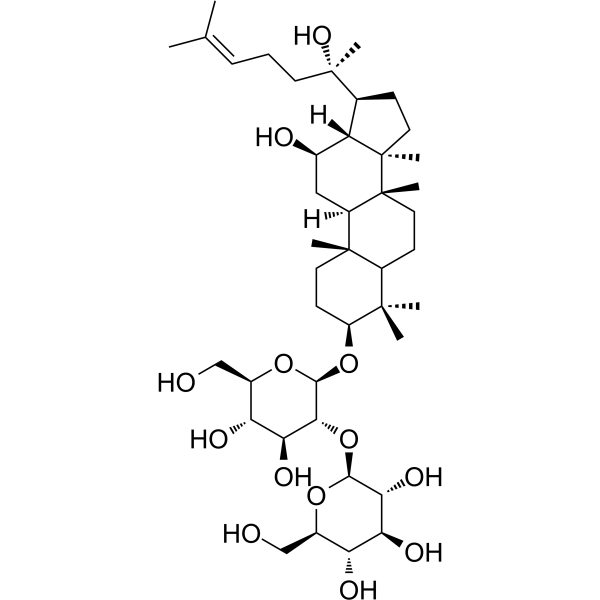
20(S)-Ginsenoside Rg3 is the main component of Panax ginseng C. A. Meyer. Ginsenoside Rg3 inhibits Na + and hKv1.4 channel with IC50s of 32.2±4.5 and 32.6±2.2 μM, respectively. 20(S)-Ginsenoside Rg3 also inhibits levels, NF-κB activity, and COX-2 expression.
loading...
    loading...

